
Introduction
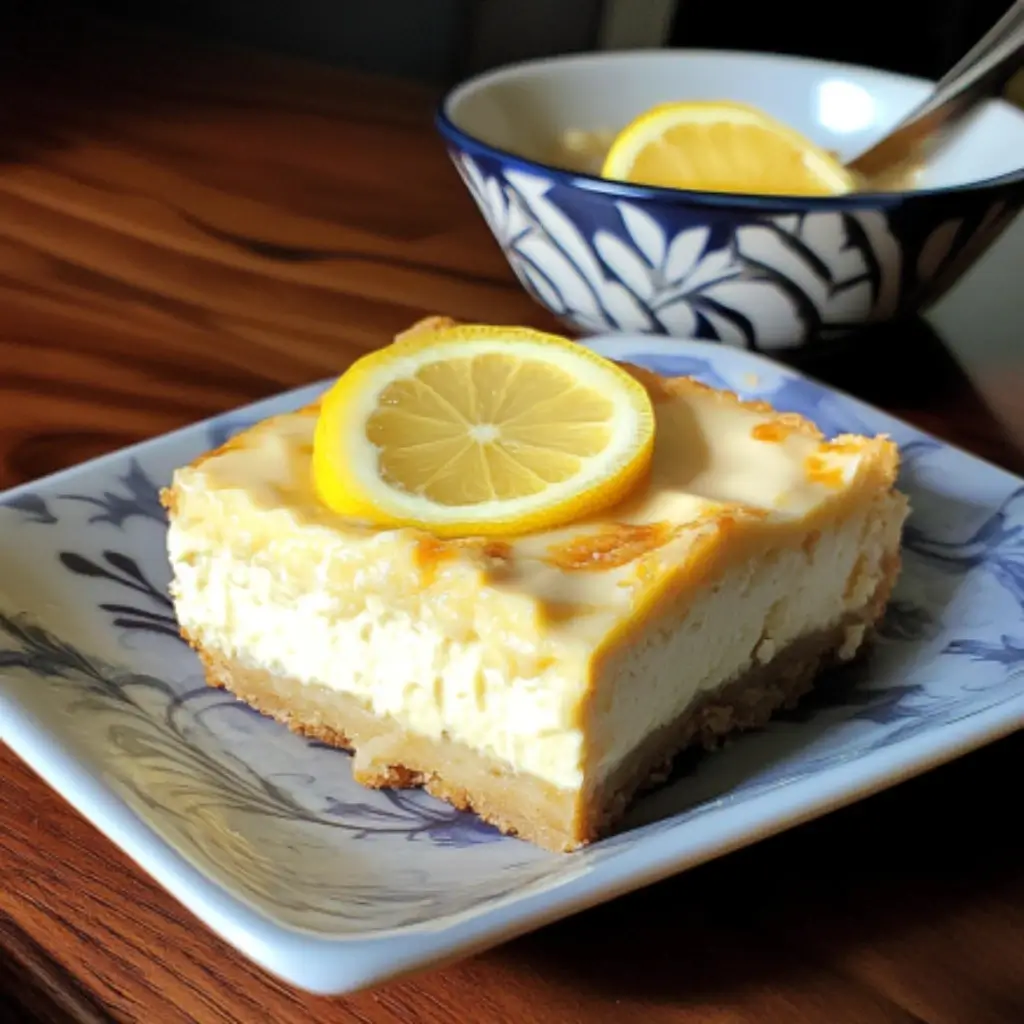
Let me tell you, finding desserts that are both delicious and align with a low-carb lifestyle can feel like searching for a unicorn. But these Low Carb Lemon Cheesecake Bars? They’re pure magic, a delightful exception to the rule. I stumbled upon this recipe during one of my late-night recipe hunts, desperately craving something sweet without derailing my health goals. The promise of lemon cheesecake in a bar form, and without the sugar crash, was too tempting to resist. I baked a batch for a weekend family gathering, and honestly, they were gone in a flash. Even my kids, who are typically devoted sugar fiends, devoured them without a hint of complaint, and my husband, a self-proclaimed cheesecake connoisseur, declared them “surprisingly amazing” – high praise indeed! The bright, tangy lemon perfectly complements the rich, creamy cheesecake, all resting on a subtly sweet and cinnamon-spiced almond flour crust. These bars are not just a low-carb treat; they are a genuinely delicious dessert that satisfies cravings and leaves you feeling good. If you’re on the hunt for a guilt-free indulgence that doesn’t compromise on flavor, look no further. These Low Carb Lemon Cheesecake Bars are about to become your new go-to dessert.
Ingredients: The Building Blocks of Low Carb Lemon Cheesecake Perfection
This recipe utilizes a carefully curated list of ingredients, each playing a crucial role in creating the perfect balance of flavor and texture while keeping the carbohydrate count low. Let’s delve into each ingredient and understand its contribution to these delectable lemon cheesecake bars:
- 5 Large Eggs: Eggs are the unsung heroes of baking, acting as a binder, leavening agent, and adding richness and moisture to both the crust and the cheesecake filling. In this recipe, they are essential for creating a cohesive crust that holds its shape and a creamy, decadent cheesecake layer. Using large eggs ensures the correct ratio of liquid to dry ingredients, resulting in the desired texture. Eggs are also a fantastic source of protein and healthy fats, making them a valuable addition to a low-carb diet. For optimal results, ensure your eggs are at room temperature, as this helps them emulsify more effectively, leading to a smoother batter and a more even bake. If you only have medium eggs, you might consider adding one extra to compensate for the volume.
- 1 ½ Cups Almond Flour: Almond flour is the star of our low-carb crust. Made from finely ground almonds, it’s naturally gluten-free and lower in carbohydrates than traditional wheat flour. It lends a slightly nutty flavor and a tender crumb to the crust. It’s important to use finely ground almond flour, not almond meal, which is coarser and will result in a grittier texture. Almond flour is also packed with nutrients like vitamin E, magnesium, and healthy fats, making it a healthier alternative to refined flours. When measuring almond flour, it’s best to spoon it into your measuring cup and level it off with a knife, rather than scooping it directly, which can compact the flour and lead to using too much. If you’re new to baking with almond flour, you’ll notice it absorbs liquids differently than wheat flour, which is why the recipe calls for coconut oil to add moisture and bind the crust.
- ½ Tbsp Ground Cinnamon: Cinnamon might seem like an unexpected addition to lemon cheesecake bars, but it adds a warm, subtle spice note to the almond flour crust, creating a lovely contrast to the bright citrus of the lemon filling. It enhances the overall flavor profile and provides a comforting aroma while baking. Beyond flavor, cinnamon is known for its potential health benefits, including blood sugar regulation and anti-inflammatory properties. Use good quality ground cinnamon for the best flavor. If you prefer, you could experiment with other spices like nutmeg or cardamom for a slightly different flavor dimension.
- 1 ½ Cups Swerve or Your Sweetener Choice: Sweetness is essential in any dessert, but we’re keeping it low-carb with the help of Swerve or another sugar-free sweetener. Swerve is an erythritol-based sweetener that measures cup-for-cup like sugar but has zero calories and zero net carbs. It’s a great option for those following a ketogenic or low-carb diet as it doesn’t raise blood sugar levels. Other suitable sweeteners include erythritol, monk fruit sweetener, or stevia. If using stevia, remember it’s much sweeter than sugar, so you’ll need to adjust the amount significantly – start with a very small amount and taste as you go. The amount of sweetener can be adjusted to your personal preference. If you prefer a less sweet dessert, start with 1 cup and taste the cheesecake filling before baking.
- ¼ Cup Coconut Oil: Coconut oil is used in the crust to add moisture, richness, and help bind the almond flour together. It also contributes a subtle coconut flavor, which complements the lemon and cinnamon beautifully. Use refined coconut oil if you prefer a more neutral flavor, as unrefined coconut oil has a stronger coconut taste. Make sure the coconut oil is melted before adding it to the crust ingredients. If you don’t have coconut oil, you could substitute melted butter or avocado oil, but these will slightly alter the flavor profile. Coconut oil is also a source of healthy fats and can contribute to a satisfying and satiating dessert.
- ¼ Tsp Salt: Salt is a crucial ingredient in baking, even in sweet recipes. It enhances the flavors of all the other ingredients, balancing the sweetness and preventing the dessert from tasting flat. A small amount of salt brings out the best in the lemon, cinnamon, and almond flour. Use fine sea salt or table salt. Don’t skip the salt, as it makes a noticeable difference in the overall flavor of the cheesecake bars.
- 1 Tsp Baking Powder: Baking powder is a leavening agent that helps the crust rise slightly and become tender. It reacts with the moisture and heat in the oven to create air bubbles, resulting in a lighter texture. Make sure your baking powder is fresh for optimal leavening power. Double-acting baking powder is recommended, as it provides a double rise – once when mixed with liquid and again when heated in the oven.
- 16 Ounces 1/3 Less Fat Cream Cheese: Cream cheese is the heart of any cheesecake, and in these bars, it provides the signature creamy texture and rich flavor. Using 1/3 less fat cream cheese helps to slightly reduce the fat content without compromising too much on flavor and texture. Full-fat cream cheese will result in a richer, creamier cheesecake, while fat-free cream cheese is generally not recommended as it can make the cheesecake dry and less flavorful. Ensure your cream cheese is softened to room temperature before mixing. This is crucial for creating a smooth, lump-free cheesecake filling. Softened cream cheese blends easily with the other ingredients, resulting in a velvety texture.
- 1 Tsp Vanilla Extract: Vanilla extract is a flavor enhancer that adds depth and warmth to the cheesecake filling. It complements the lemon and cream cheese beautifully, rounding out the flavors and making the dessert more complex and delicious. Use pure vanilla extract for the best flavor, rather than imitation vanilla. If you’re feeling adventurous, you could try using vanilla bean paste or scraping the seeds from a vanilla bean for an even more intense vanilla flavor.
- 1 Tbsp Lemon Extract (or Fresh Lemon): Lemon is the star of these cheesecake bars, providing a bright, tangy, and refreshing flavor that cuts through the richness of the cream cheese. The recipe offers the option of using lemon extract or fresh lemon. Lemon extract provides a concentrated lemon flavor and is convenient to use. However, fresh lemon zest and juice will offer a brighter, more vibrant lemon flavor. If using fresh lemon, zest one lemon to get about 1 tablespoon of zest and juice half a lemon to get about 1 tablespoon of juice. Using both zest and juice will maximize the lemon flavor. If using fresh lemon zest, sprinkle it on top of the cheesecake filling before baking for an extra burst of lemon aroma and visual appeal. Adjust the amount of lemon extract or fresh lemon to your personal preference for lemon intensity.
Instructions: Step-by-Step Guide to Low Carb Lemon Cheesecake Bar Success
Follow these detailed instructions to create perfect Low Carb Lemon Cheesecake Bars every time:
- Preheat Oven to 325 Degrees Fahrenheit (160 Degrees Celsius): Start by preheating your oven to 325°F (160°C). This lower temperature is ideal for baking cheesecake, as it helps to prevent cracking and ensures even cooking. Preheating your oven is crucial for consistent baking results. Make sure your oven is fully preheated before placing the crust in to bake. Use an oven thermometer to verify the temperature accuracy of your oven if needed.
- Prepare the Crust: In a large mixing bowl, combine the crust ingredients: 1 ½ cups almond flour, ½ tablespoon ground cinnamon, ½ cup Swerve (or sweetener), ¼ cup melted coconut oil, ¼ teaspoon salt, and 1 teaspoon baking powder. Use a whisk or fork to thoroughly combine all the dry ingredients first, ensuring the cinnamon, salt, and baking powder are evenly distributed throughout the almond flour. Then, add the melted coconut oil and ½ cup of Swerve. Mix with a fork or your hands until the mixture is crumbly and resembles damp sand. If the mixture seems too dry and doesn’t easily come together when pressed, add a little more melted coconut oil, one teaspoon at a time, until it reaches the desired consistency. Be careful not to add too much oil, as this can make the crust greasy.
- Press Crust into Baking Pan: Line a 9×13 inch baking pan with parchment paper, leaving an overhang on the sides to easily lift the bars out later. This parchment paper sling is incredibly helpful for removing the baked bars cleanly. Pour the crust mixture into the prepared baking pan. Use your fingers or the back of a spoon to press the crust mixture evenly across the bottom of the pan, creating a uniform layer. Make sure to press it firmly to create a compact crust that will hold its shape. As the recipe note mentions wishing for a larger pan, using a 9×13 inch pan will result in slightly thicker bars. If you prefer thinner bars, you could use a larger pan, like a 10×15 inch pan, and adjust the baking time accordingly, potentially reducing it slightly.
- Bake the Crust: Place the baking pan with the crust in the preheated oven and bake for 20 minutes at 325°F (160°C). Baking the crust separately before adding the cheesecake filling helps to prevent a soggy bottom crust and ensures it’s slightly pre-cooked and firm enough to support the filling. The crust should be lightly golden brown around the edges when it’s done. While the crust is baking, you can prepare the cheesecake filling.
- Prepare the Lemon Cheesecake Filling: While the crust is baking, in a separate large mixing bowl, preferably using an electric mixer (stand mixer or hand mixer), prepare the cheesecake filling. Add the softened 16 ounces of 1/3 less fat cream cheese, 1 cup Swerve (or sweetener), 1 tablespoon lemon extract (or fresh lemon zest and juice), 1 teaspoon vanilla extract, and 3 large eggs. It’s crucial that the cream cheese is softened to room temperature to avoid lumps in the filling. Beat the cream cheese on medium speed until it’s smooth and creamy. Gradually add the Swerve and continue to beat until well combined and the sweetener is fully incorporated. Add the lemon extract (or fresh lemon zest and juice) and vanilla extract, and mix until evenly distributed. Finally, add the eggs one at a time, beating well after each addition until just combined. Be careful not to overmix the batter once the eggs are added, as overmixing can incorporate too much air and lead to cracking during baking. Mix just until the eggs are fully incorporated and the batter is smooth and homogenous.
- Assemble and Bake the Cheesecake Bars: Once the crust has baked for 20 minutes, remove it from the oven. Carefully pour the prepared lemon cheesecake filling evenly over the pre-baked crust. If you are using fresh lemon zest, sprinkle it evenly over the top of the cheesecake filling at this stage for added flavor and visual appeal. Return the baking pan to the oven and bake for another 45 minutes at 325°F (160°C). The cheesecake bars are done when the edges are set and the center is just slightly jiggly. Avoid overbaking, as this can make the cheesecake dry. The baking time may vary slightly depending on your oven, so keep an eye on it towards the end of the baking time.
- Cool and Refrigerate: Once baked, remove the cheesecake bars from the oven and let them cool completely in the baking pan on a wire rack at room temperature. This gradual cooling process helps to prevent cracking. Once cooled to room temperature, cover the baking pan with plastic wrap or foil and refrigerate for at least 2-4 hours, or preferably overnight, until the cheesecake bars are firm and fully chilled. Refrigeration is essential for setting the cheesecake and making it easier to cut into clean bars.
- Cut and Serve: After refrigerating, lift the cheesecake bars out of the baking pan using the parchment paper sling. Place them on a cutting board and use a sharp knife to cut them into 24 pieces, as suggested in the recipe. For clean cuts, you can wipe the knife blade with a damp cloth between each cut. Serve chilled and enjoy these delicious Low Carb Lemon Cheesecake Bars!
Nutrition Facts (Per Serving – 1 Bar, 24 Servings)
(Please note: Nutritional information is an estimate and can vary based on specific ingredient brands and measuring techniques. This is an approximation based on commonly available nutritional data for the ingredients listed.)
Serving Size: 1 Bar (1/24th of the recipe)
Approximate Calories per Serving: 160-180 calories
Approximate Net Carbs per Serving: 2-3 grams
Approximate Total Fat per Serving: 12-15 grams
Approximate Protein per Serving: 6-8 grams
Key Nutritional Highlights (per serving):
- Low Carb: Significantly lower in carbohydrates compared to traditional cheesecake bars, making them suitable for ketogenic and low-carb diets.
- Moderate Fat: Provides healthy fats primarily from almond flour, coconut oil, cream cheese, and eggs.
- Good Source of Protein: Eggs and almond flour contribute to a decent protein content per serving.
- Sugar-Free: Sweetened with Swerve or other sugar-free sweeteners, helping to manage blood sugar levels.
This nutritional profile makes these Low Carb Lemon Cheesecake Bars a relatively guilt-free dessert option for those watching their carbohydrate intake or seeking healthier dessert alternatives.
Preparation Time: From Prep to Plate
Prep Time: 20 minutes (for crust and filling preparation)
Bake Time (Crust): 20 minutes
Bake Time (Cheesecake): 45 minutes
Cooling Time: 1-2 hours (at room temperature)
Refrigeration Time: 2-4 hours (minimum, ideally overnight)
Total Time (Approximate): 5-8 hours (including cooling and refrigeration)
While the active preparation and baking time is relatively short (around 1.5 hours), the cooling and refrigeration time is essential for the cheesecake bars to set properly. Plan accordingly if you are making these for a specific event or occasion. For best results, prepare these bars the day before you plan to serve them.
How to Serve Low Carb Lemon Cheesecake Bars: Delightful Serving Suggestions
These Low Carb Lemon Cheesecake Bars are delicious on their own, but here are some delightful serving suggestions to elevate your dessert experience:
Simple & Classic:
- Chilled as is: The simplest and most satisfying way to enjoy them is straight from the refrigerator, chilled and refreshing.
- Dust with powdered sweetener: A light dusting of powdered Swerve or erythritol adds a touch of elegance and extra sweetness.
- Fresh Berries: Serve alongside a handful of fresh berries like raspberries, blueberries, or strawberries. The tartness of the berries complements the lemon cheesecake perfectly.
Elevated & Elegant:
- Lemon Zest Garnish: Grate fresh lemon zest over the top just before serving for an extra burst of lemon aroma and visual appeal.
- Whipped Cream (Sugar-Free): Top with a dollop of sugar-free whipped cream for added richness and creaminess. You can easily make sugar-free whipped cream using heavy cream and a touch of powdered Swerve or vanilla extract.
- Berry Coulis: Drizzle with a homemade berry coulis (pureed and strained berries, lightly sweetened with sugar-free sweetener) for a beautiful presentation and enhanced flavor.
Seasonal & Festive:
- Spring/Summer: Pair with fresh mint leaves and a sprig of rosemary for a refreshing and herbaceous touch.
- Fall/Winter: Serve with a sprinkle of cinnamon or a dusting of cocoa powder for a warmer, more comforting flavor profile.
- Holidays: Arrange the bars on a festive platter and garnish with edible flowers or seasonal fruits for a special occasion dessert.
Beverage Pairings:
- Coffee or Tea: These bars pair wonderfully with a cup of hot coffee or tea.
- Sparkling Water with Lemon: For a refreshing and low-carb beverage, serve with sparkling water infused with lemon slices.
- Dessert Wine (Low Carb Options): For a more indulgent pairing, consider a low-carb dessert wine, such as a dry Riesling or a sparkling wine.
Additional Tips for Perfect Low Carb Lemon Cheesecake Bars
Here are 5 helpful tips to ensure your Low Carb Lemon Cheesecake Bars are a resounding success:
- Soften Cream Cheese Properly: This is crucial for a smooth, lump-free cheesecake filling. Allow the cream cheese to sit at room temperature for at least 1-2 hours before mixing, or gently microwave it in short intervals (10-15 seconds at a time) until softened but not melted.
- Don’t Overmix the Cheesecake Batter: Overmixing, especially after adding the eggs, can incorporate too much air into the batter, which can lead to cracking during baking. Mix just until the ingredients are combined and the batter is smooth.
- Bake at a Low Temperature: Baking at 325°F (160°C) is essential for preventing cracking and ensuring even cooking. Lower temperatures promote a creamy texture and minimize the risk of the cheesecake puffing up and then deflating and cracking as it cools.
- Cool Gradually: Allow the cheesecake bars to cool completely at room temperature before refrigerating. Sudden temperature changes can also contribute to cracking. Cooling gradually helps the cheesecake set evenly and prevents thermal shock.
- Use Parchment Paper Sling: Lining your baking pan with parchment paper and creating an overhang (parchment paper sling) makes it incredibly easy to lift the baked cheesecake bars out of the pan cleanly and effortlessly. This ensures beautiful, intact bars for serving.
FAQ Section: Ingredient Insights for Low Carb Lemon Cheesecake Bars
Q1: Can I substitute almond flour with coconut flour?
A: While both are low-carb flours, they are not directly interchangeable. Coconut flour is much more absorbent than almond flour. If you substitute coconut flour, you will need to significantly reduce the amount of flour and increase the liquid ingredients. It’s generally recommended to stick with almond flour for this recipe for the best texture and flavor. If you must substitute, you’ll need to research coconut flour conversions for baking and adjust the recipe accordingly, likely using only about 1/3 to 1/4 cup of coconut flour and increasing the eggs and coconut oil.
Q2: Can I use a different sweetener besides Swerve?
A: Yes, you can use other granulated sugar-free sweeteners like erythritol, monk fruit sweetener, or allulose. Each sweetener has a slightly different sweetness level, so you might need to adjust the amount to your preference. Erythritol is a good 1:1 substitute for Swerve. Monk fruit sweetener is often sweeter than sugar, so start with a smaller amount and taste as you go. Stevia is also very potent, so use it sparingly. Liquid sweeteners are generally not recommended as they can alter the batter consistency.
Q3: Can I use full-fat or fat-free cream cheese instead of 1/3 less fat cream cheese?
A: Yes, you can use full-fat cream cheese for a richer, creamier cheesecake bar. It will slightly increase the fat content. Fat-free cream cheese is generally not recommended as it can result in a drier and less flavorful cheesecake. 1/3 less fat cream cheese is a good compromise, offering a balance of flavor and texture while reducing some of the fat.
Q4: Can I use fresh lemon juice instead of lemon extract?
A: Yes, fresh lemon juice can be used, but it will provide a milder lemon flavor compared to lemon extract. For a stronger lemon flavor using fresh lemon, use both the zest and juice of one lemon. About 1 tablespoon of fresh lemon juice is a good starting point, and you can add more to taste. Lemon extract is more concentrated and provides a more pronounced lemon flavor.
Q5: Can I make these cheesecake bars ahead of time?
A: Absolutely! In fact, these Low Carb Lemon Cheesecake Bars are perfect for making ahead of time. They need to be refrigerated for at least 2-4 hours to set properly, and they can be stored in the refrigerator for up to 3-4 days. Making them a day ahead is ideal for convenience and allows the flavors to meld together even more beautifully, making them an excellent make-ahead dessert for gatherings or meal prep.
Print
Low Carb Lemon Cheesecake Bars Recipe
Ingredients
- 5 Large Eggs: Eggs are the unsung heroes of baking, acting as a binder, leavening agent, and adding richness and moisture to both the crust and the cheesecake filling. In this recipe, they are essential for creating a cohesive crust that holds its shape and a creamy, decadent cheesecake layer. Using large eggs ensures the correct ratio of liquid to dry ingredients, resulting in the desired texture. Eggs are also a fantastic source of protein and healthy fats, making them a valuable addition to a low-carb diet. For optimal results, ensure your eggs are at room temperature, as this helps them emulsify more effectively, leading to a smoother batter and a more even bake. If you only have medium eggs, you might consider adding one extra to compensate for the volume.
- 1 ½ Cups Almond Flour: Almond flour is the star of our low-carb crust. Made from finely ground almonds, it’s naturally gluten-free and lower in carbohydrates than traditional wheat flour. It lends a slightly nutty flavor and a tender crumb to the crust. It’s important to use finely ground almond flour, not almond meal, which is coarser and will result in a grittier texture. Almond flour is also packed with nutrients like vitamin E, magnesium, and healthy fats, making it a healthier alternative to refined flours. When measuring almond flour, it’s best to spoon it into your measuring cup and level it off with a knife, rather than scooping it directly, which can compact the flour and lead to using too much. If you’re new to baking with almond flour, you’ll notice it absorbs liquids differently than wheat flour, which is why the recipe calls for coconut oil to add moisture and bind the crust.
- ½ Tbsp Ground Cinnamon: Cinnamon might seem like an unexpected addition to lemon cheesecake bars, but it adds a warm, subtle spice note to the almond flour crust, creating a lovely contrast to the bright citrus of the lemon filling. It enhances the overall flavor profile and provides a comforting aroma while baking. Beyond flavor, cinnamon is known for its potential health benefits, including blood sugar regulation and anti-inflammatory properties. Use good quality ground cinnamon for the best flavor. If you prefer, you could experiment with other spices like nutmeg or cardamom for a slightly different flavor dimension.
- 1 ½ Cups Swerve or Your Sweetener Choice: Sweetness is essential in any dessert, but we’re keeping it low-carb with the help of Swerve or another sugar-free sweetener. Swerve is an erythritol-based sweetener that measures cup-for-cup like sugar but has zero calories and zero net carbs. It’s a great option for those following a ketogenic or low-carb diet as it doesn’t raise blood sugar levels. Other suitable sweeteners include erythritol, monk fruit sweetener, or stevia. If using stevia, remember it’s much sweeter than sugar, so you’ll need to adjust the amount significantly – start with a very small amount and taste as you go. The amount of sweetener can be adjusted to your personal preference. If you prefer a less sweet dessert, start with 1 cup and taste the cheesecake filling before baking.
- ¼ Cup Coconut Oil: Coconut oil is used in the crust to add moisture, richness, and help bind the almond flour together. It also contributes a subtle coconut flavor, which complements the lemon and cinnamon beautifully. Use refined coconut oil if you prefer a more neutral flavor, as unrefined coconut oil has a stronger coconut taste. Make sure the coconut oil is melted before adding it to the crust ingredients. If you don’t have coconut oil, you could substitute melted butter or avocado oil, but these will slightly alter the flavor profile. Coconut oil is also a source of healthy fats and can contribute to a satisfying and satiating dessert.
- ¼ Tsp Salt: Salt is a crucial ingredient in baking, even in sweet recipes. It enhances the flavors of all the other ingredients, balancing the sweetness and preventing the dessert from tasting flat. A small amount of salt brings out the best in the lemon, cinnamon, and almond flour. Use fine sea salt or table salt. Don’t skip the salt, as it makes a noticeable difference in the overall flavor of the cheesecake bars.
- 1 Tsp Baking Powder: Baking powder is a leavening agent that helps the crust rise slightly and become tender. It reacts with the moisture and heat in the oven to create air bubbles, resulting in a lighter texture. Make sure your baking powder is fresh for optimal leavening power. Double-acting baking powder is recommended, as it provides a double rise – once when mixed with liquid and again when heated in the oven.
- 16 Ounces 1/3 Less Fat Cream Cheese: Cream cheese is the heart of any cheesecake, and in these bars, it provides the signature creamy texture and rich flavor. Using 1/3 less fat cream cheese helps to slightly reduce the fat content without compromising too much on flavor and texture. Full-fat cream cheese will result in a richer, creamier cheesecake, while fat-free cream cheese is generally not recommended as it can make the cheesecake dry and less flavorful. Ensure your cream cheese is softened to room temperature before mixing. This is crucial for creating a smooth, lump-free cheesecake filling. Softened cream cheese blends easily with the other ingredients, resulting in a velvety texture.
- 1 Tsp Vanilla Extract: Vanilla extract is a flavor enhancer that adds depth and warmth to the cheesecake filling. It complements the lemon and cream cheese beautifully, rounding out the flavors and making the dessert more complex and delicious. Use pure vanilla extract for the best flavor, rather than imitation vanilla. If you’re feeling adventurous, you could try using vanilla bean paste or scraping the seeds from a vanilla bean for an even more intense vanilla flavor.
- 1 Tbsp Lemon Extract (or Fresh Lemon): Lemon is the star of these cheesecake bars, providing a bright, tangy, and refreshing flavor that cuts through the richness of the cream cheese. The recipe offers the option of using lemon extract or fresh lemon. Lemon extract provides a concentrated lemon flavor and is convenient to use. However, fresh lemon zest and juice will offer a brighter, more vibrant lemon flavor. If using fresh lemon, zest one lemon to get about 1 tablespoon of zest and juice half a lemon to get about 1 tablespoon of juice. Using both zest and juice will maximize the lemon flavor. If using fresh lemon zest, sprinkle it on top of the cheesecake filling before baking for an extra burst of lemon aroma and visual appeal. Adjust the amount of lemon extract or fresh lemon to your personal preference for lemon intensity.
Instructions
- Preheat Oven to 325 Degrees Fahrenheit (160 Degrees Celsius): Start by preheating your oven to 325°F (160°C). This lower temperature is ideal for baking cheesecake, as it helps to prevent cracking and ensures even cooking. Preheating your oven is crucial for consistent baking results. Make sure your oven is fully preheated before placing the crust in to bake. Use an oven thermometer to verify the temperature accuracy of your oven if needed.
- Prepare the Crust: In a large mixing bowl, combine the crust ingredients: 1 ½ cups almond flour, ½ tablespoon ground cinnamon, ½ cup Swerve (or sweetener), ¼ cup melted coconut oil, ¼ teaspoon salt, and 1 teaspoon baking powder. Use a whisk or fork to thoroughly combine all the dry ingredients first, ensuring the cinnamon, salt, and baking powder are evenly distributed throughout the almond flour. Then, add the melted coconut oil and ½ cup of Swerve. Mix with a fork or your hands until the mixture is crumbly and resembles damp sand. If the mixture seems too dry and doesn’t easily come together when pressed, add a little more melted coconut oil, one teaspoon at a time, until it reaches the desired consistency. Be careful not to add too much oil, as this can make the crust greasy.
- Press Crust into Baking Pan: Line a 9×13 inch baking pan with parchment paper, leaving an overhang on the sides to easily lift the bars out later. This parchment paper sling is incredibly helpful for removing the baked bars cleanly. Pour the crust mixture into the prepared baking pan. Use your fingers or the back of a spoon to press the crust mixture evenly across the bottom of the pan, creating a uniform layer. Make sure to press it firmly to create a compact crust that will hold its shape. As the recipe note mentions wishing for a larger pan, using a 9×13 inch pan will result in slightly thicker bars. If you prefer thinner bars, you could use a larger pan, like a 10×15 inch pan, and adjust the baking time accordingly, potentially reducing it slightly.
- Bake the Crust: Place the baking pan with the crust in the preheated oven and bake for 20 minutes at 325°F (160°C). Baking the crust separately before adding the cheesecake filling helps to prevent a soggy bottom crust and ensures it’s slightly pre-cooked and firm enough to support the filling. The crust should be lightly golden brown around the edges when it’s done. While the crust is baking, you can prepare the cheesecake filling.
- Prepare the Lemon Cheesecake Filling: While the crust is baking, in a separate large mixing bowl, preferably using an electric mixer (stand mixer or hand mixer), prepare the cheesecake filling. Add the softened 16 ounces of 1/3 less fat cream cheese, 1 cup Swerve (or sweetener), 1 tablespoon lemon extract (or fresh lemon zest and juice), 1 teaspoon vanilla extract, and 3 large eggs. It’s crucial that the cream cheese is softened to room temperature to avoid lumps in the filling. Beat the cream cheese on medium speed until it’s smooth and creamy. Gradually add the Swerve and continue to beat until well combined and the sweetener is fully incorporated. Add the lemon extract (or fresh lemon zest and juice) and vanilla extract, and mix until evenly distributed. Finally, add the eggs one at a time, beating well after each addition until just combined. Be careful not to overmix the batter once the eggs are added, as overmixing can incorporate too much air and lead to cracking during baking. Mix just until the eggs are fully incorporated and the batter is smooth and homogenous.
- Assemble and Bake the Cheesecake Bars: Once the crust has baked for 20 minutes, remove it from the oven. Carefully pour the prepared lemon cheesecake filling evenly over the pre-baked crust. If you are using fresh lemon zest, sprinkle it evenly over the top of the cheesecake filling at this stage for added flavor and visual appeal. Return the baking pan to the oven and bake for another 45 minutes at 325°F (160°C). The cheesecake bars are done when the edges are set and the center is just slightly jiggly. Avoid overbaking, as this can make the cheesecake dry. The baking time may vary slightly depending on your oven, so keep an eye on it towards the end of the baking time.
- Cool and Refrigerate: Once baked, remove the cheesecake bars from the oven and let them cool completely in the baking pan on a wire rack at room temperature. This gradual cooling process helps to prevent cracking. Once cooled to room temperature, cover the baking pan with plastic wrap or foil and refrigerate for at least 2-4 hours, or preferably overnight, until the cheesecake bars are firm and fully chilled. Refrigeration is essential for setting the cheesecake and making it easier to cut into clean bars.
- Cut and Serve: After refrigerating, lift the cheesecake bars out of the baking pan using the parchment paper sling. Place them on a cutting board and use a sharp knife to cut them into 24 pieces, as suggested in the recipe. For clean cuts, you can wipe the knife blade with a damp cloth between each cut. Serve chilled and enjoy these delicious Low Carb Lemon Cheesecake Bars!
Nutrition
- Serving Size: One Normal Portion
- Calories: 160-180
- Fat: 12-15 grams
- Carbohydrates: 2-3 grams
- Protein: 6-8 grams