
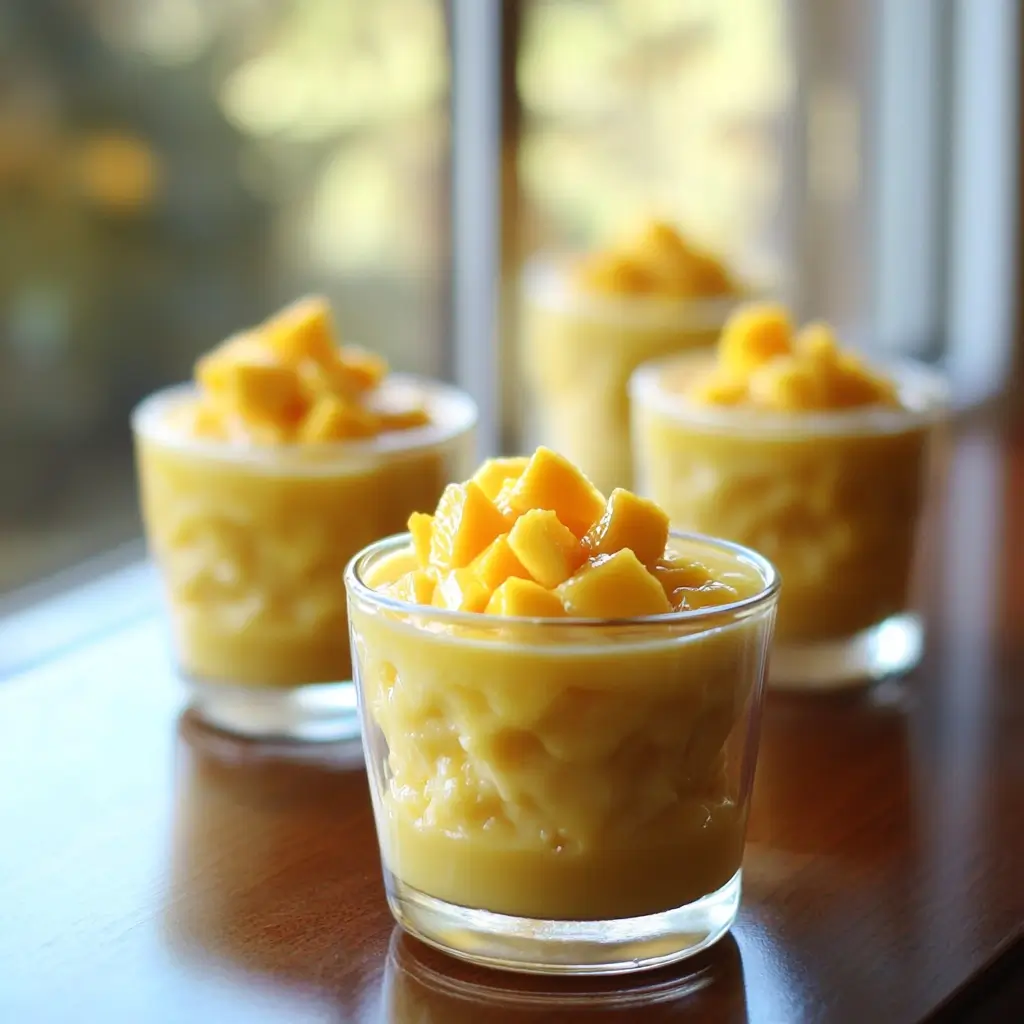

Mango pudding is a luscious dessert that captures the essence of the tropics in every creamy bite. This simple yet delightful dish is perfect for any occasion, whether you’re hosting a dinner party or simply craving a sweet treat. With its smooth texture and rich mango flavor, this pudding is sure to become a favorite. In this article, we’ll explore how to create this delicious dessert using fresh ingredients, and I’ll provide some tips to make your mango pudding even more irresistible.
Ingredients for Mango Pudding
To create this delightful mango pudding, you’ll need the following simple ingredients. Each component plays a crucial role in delivering the perfect flavor and texture, so be sure to use high-quality products.
- 2 ripe mangoes, chopped
- 1 cup coconut milk
- 1/4 cup sugar (or honey)
- 2 tbsp cornstarch
- 1/4 tsp vanilla extract
- Pinch of salt
These ingredients combine to create a dessert that is not only delicious but also relatively healthy, offering a burst of natural sweetness from the mangoes and a creamy consistency from the coconut milk.
Instructions: Crafting the Perfect Mango Pudding
Creating mango pudding at home is straightforward and involves a few simple steps. Follow this easy guide to prepare a dessert that will impress your family and friends.
- Blend the Mangoes: Start by peeling and chopping the ripe mangoes. Place them in a blender and blend until you achieve a smooth puree. This will be the base of your pudding and will provide it with a vibrant, tropical flavor.
- Prepare the Coconut Milk Mixture: In a saucepan, combine the coconut milk, sugar (or honey), cornstarch, vanilla extract, and a pinch of salt. Ensure that you stir the mixture well to dissolve the cornstarch completely, which will help in thickening the pudding.
- Cook the Mixture: Heat the saucepan over medium heat, stirring constantly. This step is crucial to prevent the mixture from sticking to the bottom and to ensure an even consistency. Continue stirring until the mixture thickens, which should take about 5 to 7 minutes.
- Combine Mango Puree: Once the coconut milk mixture has thickened, remove it from the heat and gently mix in the mango puree. Stir until the mango is fully incorporated, giving the pudding its signature golden hue and tropical taste.
- Chill the Pudding: Pour the pudding mixture into serving cups or bowls. Refrigerate for at least 2 hours to allow the pudding to set. This chilling period is essential for achieving the perfect texture.
Nutrition Facts: Understanding the Health Benefits
Mango pudding is not just a treat for your taste buds; it also offers some nutritional benefits. Here’s a breakdown of the nutrition facts for one serving of mango pudding:
- Calories: 150
- Carbohydrates: 28g
- Protein: 1g
- Fat: 5g
- Fiber: 2g
This dessert is relatively low in calories and fat, making it a guilt-free option for those watching their diet. The natural sweetness from mangoes reduces the need for added sugars, and the coconut milk provides a dose of healthy fats.
How to Serve Mango Pudding
Presentation can significantly elevate your mango pudding experience, transforming a simple dessert into a visually appealing and delightful treat. Whether you’re hosting a dinner party, celebrating a special occasion, or simply indulging in a sweet craving, these serving suggestions will enhance not only the aesthetics but also the flavors of your mango pudding.
Garnish with Fresh Mango Slices
One of the simplest yet most effective ways to enhance the presentation of your mango pudding is by garnishing it with fresh mango slices. Choose ripe, juicy mangoes for this purpose, as their vibrant yellow-orange color and natural sweetness will complement the pudding beautifully.
- Preparation Tips: Slice the mango thinly, ensuring you cut them into shapes that are easy to arrange on top of the pudding. You can fan the slices out for a visually appealing display or simply place them in a neat pile at the center.
- Flavor Boost: The fresh mango slices not only provide a burst of color but also intensify the tropical flavor profile of the pudding, creating a harmonious blend of textures and tastes.
Top with Coconut Flakes
To bring a delightful crunch and enhance the tropical theme of your dessert, consider sprinkling toasted coconut flakes over the top of your mango pudding. The slight nuttiness and crunch of the coconut will contrast beautifully with the smooth, creamy texture of the pudding.
- Toasting Coconut: To toast coconut flakes, spread them evenly on a baking sheet and place them in a preheated oven at 350°F (175°C) for about 5-10 minutes, or until they turn golden brown. Keep a close eye on them, as they can burn quickly.
- Serving Suggestion: For added texture, you can mix the toasted coconut into the pudding before serving or layer it between pudding layers if you’re serving it in individual cups. This creates a delightful surprise with every spoonful.
Add a Mint Leaf
A small mint leaf can add a touch of elegance and a refreshing hint of flavor to your mango pudding. The bright green color of the mint contrasts beautifully with the warm tones of the mango, making your dessert more visually appealing.
- Placement: Simply place a single mint leaf on top of the pudding just before serving. For a more dramatic effect, you can use a sprig of mint with multiple leaves to create an eye-catching look.
- Flavor Enhancement: The coolness of the mint will provide a refreshing balance to the sweetness of the mango pudding, elevating the overall taste experience.
Serve with a Dollop of Whipped Cream
For those who enjoy a richer dessert, a spoonful of whipped cream can add a luxurious creamy finish to your mango pudding. The lightness of whipped cream complements the dense, silky texture of the pudding, creating a delightful contrast.
- Homemade Whipped Cream: For the best flavor, consider making your own whipped cream by beating heavy cream with a touch of vanilla extract and sugar until soft peaks form. This allows you to control the sweetness and flavor profile, ensuring it pairs perfectly with your mango pudding.
- Presentation Tip: Use a piping bag to create beautiful swirls of whipped cream on top of the pudding. You can also add a drizzle of honey or a sprinkle of graham cracker crumbs for additional texture and flavor.
Additional Serving Ideas
- Layered Dessert Cups: For an impressive presentation, consider layering your mango pudding with other complementary ingredients, such as layers of crushed graham crackers, yogurt, or other fruits like kiwi or berries. This not only adds visual interest but also creates a delightful mix of flavors.
- Mango Pudding Parfaits: Serve your mango pudding in tall, clear glasses to showcase the beautiful layers. Alternate layers of pudding with fresh fruit or yogurt, and finish with your chosen garnishes on top.
- Chill and Serve: Ensure your mango pudding is chilled before serving, as this enhances its refreshing qualities. Serve it in chilled bowls or glasses to keep it cool longer.
By incorporating these serving suggestions, you will not only surprise your guests with a visually stunning dessert but also provide them with an unforgettable mango pudding experience that delights both the palate and the eyes.
Additional Tips for Perfect Mango Pudding
Creating a luscious mango pudding requires attention to detail and a few insider tips to ensure that your dessert is not only delicious but visually appealing as well. Here are some comprehensive tips to help you achieve the perfect mango pudding every time:
Choose Ripe Mangoes
The cornerstone of any great mango pudding is, undoubtedly, the mangoes. Selecting the right fruit can elevate your dessert from good to extraordinary. When choosing mangoes, look for varieties such as Alphonso or Haden, known for their rich sweetness and creamy texture.
- Signs of Ripeness: A ripe mango should yield slightly to gentle pressure, indicating softness. Additionally, it should emit a sweet, fragrant aroma, particularly near the stem. Avoid mangoes that are overly hard or have blemishes, as these can affect the final flavor and texture of your pudding.
- Ripening Mangoes: If your mangoes are not quite ripe, place them in a paper bag at room temperature for a day or two. This helps to trap ethylene gas, which speeds up the ripening process. Once ripe, you can refrigerate them to halt further ripening.
Adjust Sweetness
The natural sweetness of mangoes can vary significantly based on their ripeness and variety. To achieve a perfectly balanced pudding, it’s essential to gauge the sweetness before adding any additional sugar.
- Taste Testing: After pureeing your mangoes, take a small taste. If the puree is already sweet enough, you may not need to add any sugar or sweetener at all. Conversely, if it tastes a bit tart, consider adding sugar, honey, or agave syrup incrementally, mixing well after each addition until you reach the desired sweetness.
- Alternative Sweeteners: If you prefer an alternative to granulated sugar, consider using natural sweeteners like maple syrup or coconut sugar for a more complex flavor profile.
Experiment with Flavors
To add depth and complexity to your mango pudding, don’t hesitate to play around with flavors that complement mango beautifully.
- Citrus Zing: A splash of fresh lime or lemon juice can brighten the overall flavor of your pudding. The acidity from the citrus cuts through the sweetness, providing a refreshing contrast. Start with a teaspoon and adjust according to your taste.
- Spices: Spices such as cardamom, ginger, or cinnamon can introduce a warm, aromatic quality. A pinch of ground cardamom, for instance, can lend an exotic touch that pairs well with the tropical flavor of mango. Always start with a small amount, as these spices can be potent.
Ensure Proper Chilling
The chilling process is essential for achieving the perfect texture in mango pudding.
- Setting Time: After combining your ingredients, pour the mixture into serving dishes or molds. Allow the pudding to chill in the refrigerator for a minimum of two hours, though overnight is preferable for a firmer texture. The cooling process allows the pudding to set properly, ensuring it holds its shape when served.
- Covering the Pudding: To prevent the surface of the pudding from developing a skin, cover your containers with plastic wrap or a lid. If using plastic wrap, press it directly onto the surface of the pudding to minimize air exposure.
Presentation Matters
The visual appeal of your mango pudding can enhance the overall dining experience.
- Garnishing: Before serving, consider garnishing your pudding with fresh mango slices, a dollop of whipped cream, or a sprinkle of toasted coconut flakes. Fresh mint leaves can also add a pop of color and a refreshing flavor.
- Serving Dishes: Use clear dessert glasses or elegant bowls to showcase the vibrant orange color of your pudding. Layering the pudding with coconut cream or additional mango puree can create a beautiful two-tone effect.
By following these detailed tips, you can create a mango pudding that not only tastes divine but also impresses with its presentation. Whether you’re serving it at a dinner party or enjoying it as a personal treat, these enhancements will ensure your mango pudding is nothing short of perfection.
FAQs About Mango Pudding
What can I use as an alternative to coconut milk?
If you’re not a fan of coconut milk or have dietary restrictions, you can substitute it with almond milk, soy milk, or regular cow’s milk. However, keep in mind that the flavor and texture may vary slightly.
Can I use frozen mangoes?
Yes, you can use frozen mangoes if fresh ones are not available. Thaw them completely before blending to ensure a smooth puree.
How long does mango pudding last in the fridge?
Mango pudding can be stored in the refrigerator for up to 3-4 days. Ensure it is covered to prevent it from absorbing any odors from other foods.
Can I make mango pudding ahead of time?
Absolutely! Mango pudding is an excellent make-ahead dessert. Prepare it the day before and let it chill overnight for best results.
Is mango pudding suitable for vegans?
Yes, this mango pudding recipe is vegan-friendly as it uses coconut milk and does not contain any animal products.
Conclusion: A Sweet Tropical Escape
Mango pudding is a delightful dessert that brings the taste of the tropics to your table. With its creamy texture and vibrant mango flavor, it’s a perfect treat for any occasion. By following this simple recipe, you can create a delicious and visually appealing dessert that will leave your guests craving more. Whether you enjoy it on its own or with a garnish of fresh fruit, mango pudding is a sweet escape you can indulge in without the guilt. So go ahead, try this recipe, and savor the delightful taste of mango pudding today!
Print
Mango Pudding
Ingredients
To create this delightful mango pudding, you’ll need the following simple ingredients. Each component plays a crucial role in delivering the perfect flavor and texture, so be sure to use high-quality products.
- 2 ripe mangoes, chopped
- 1 cup coconut milk
- 1/4 cup sugar (or honey)
- 2 tbsp cornstarch
- 1/4 tsp vanilla extract
- Pinch of salt
These ingredients combine to create a dessert that is not only delicious but also relatively healthy, offering a burst of natural sweetness from the mangoes and a creamy consistency from the coconut milk.
Instructions
Creating mango pudding at home is straightforward and involves a few simple steps. Follow this easy guide to prepare a dessert that will impress your family and friends.
- Blend the Mangoes: Start by peeling and chopping the ripe mangoes. Place them in a blender and blend until you achieve a smooth puree. This will be the base of your pudding and will provide it with a vibrant, tropical flavor.
- Prepare the Coconut Milk Mixture: In a saucepan, combine the coconut milk, sugar (or honey), cornstarch, vanilla extract, and a pinch of salt. Ensure that you stir the mixture well to dissolve the cornstarch completely, which will help in thickening the pudding.
- Cook the Mixture: Heat the saucepan over medium heat, stirring constantly. This step is crucial to prevent the mixture from sticking to the bottom and to ensure an even consistency. Continue stirring until the mixture thickens, which should take about 5 to 7 minutes.
- Combine Mango Puree: Once the coconut milk mixture has thickened, remove it from the heat and gently mix in the mango puree. Stir until the mango is fully incorporated, giving the pudding its signature golden hue and tropical taste.
- Chill the Pudding: Pour the pudding mixture into serving cups or bowls. Refrigerate for at least 2 hours to allow the pudding to set. This chilling period is essential for achieving the perfect texture.
Nutrition
- Serving Size: 1 normal portion
- Calories: 150
- Fat: 5g
- Carbohydrates: 28g
- Fiber: 2g
- Protein: 1g