
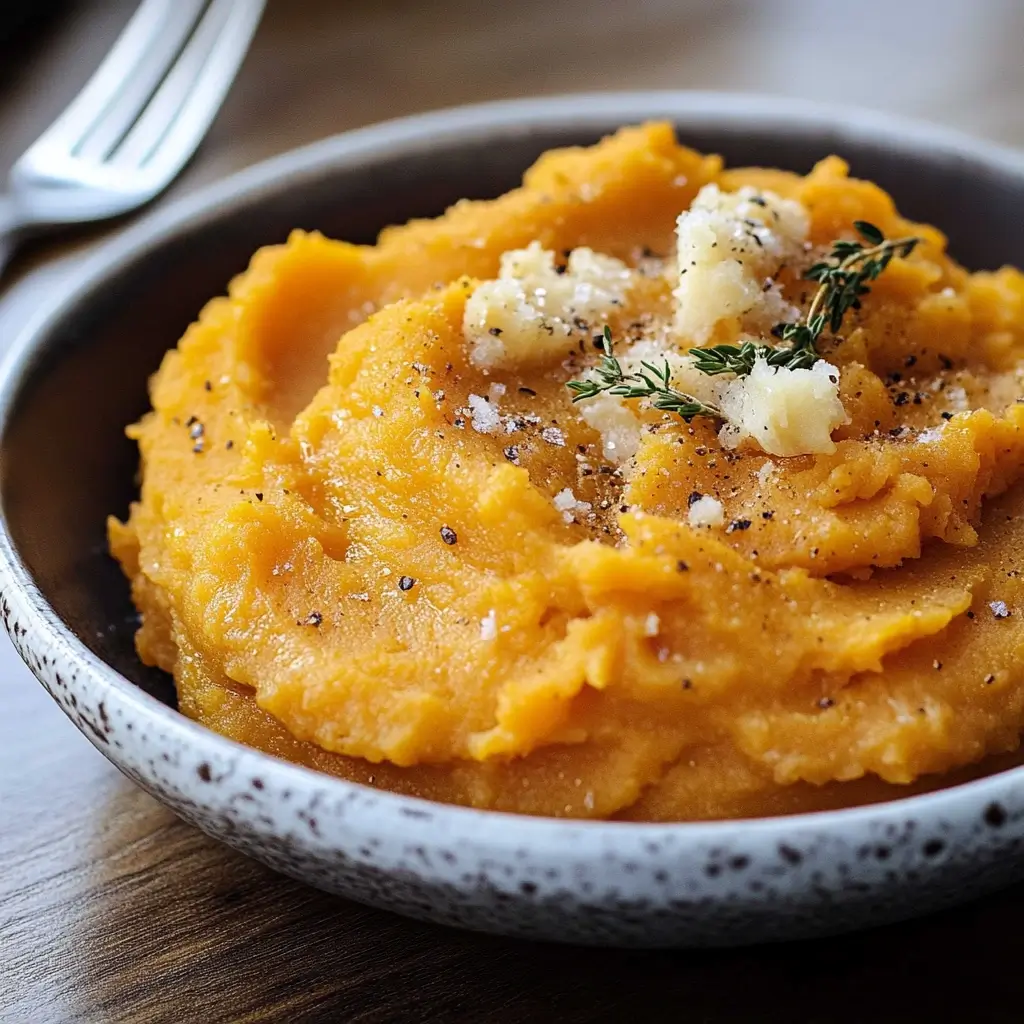

Here in our home, weeknight dinners can sometimes feel like a race against the clock, but there are a few dishes that consistently bring smiles to everyone’s faces, and these mashed sweet potatoes are definitely one of them. I remember the first time I made them, I was a bit skeptical about how simple the recipe was – only five ingredients? Could it really be that good? Well, let me tell you, the aroma that filled the kitchen as the sweet potatoes simmered was already a promising sign. And then, the first taste… creamy, buttery, subtly sweet, with just the right hint of salt to balance everything out. My kids, who are usually picky eaters when it comes to vegetables, devoured them! Even my husband, who is a self-proclaimed meat-and-potatoes guy, asked for seconds. Since then, these mashed sweet potatoes have become a regular side dish in our rotation, not just for holidays, but any day we crave a comforting and flavorful addition to our meal. They are incredibly easy to make, require minimal effort, and the result is a dish that feels both indulgent and wholesome. Trust me, once you try this recipe, you’ll find yourself making these mashed sweet potatoes way more often than just for special occasions.
Ingredients
This recipe prides itself on its simplicity, relying on just five key ingredients to create a symphony of flavor and texture. Each ingredient plays a crucial role in achieving that perfect balance of sweetness, creaminess, and buttery richness that makes these mashed sweet potatoes so irresistible. Let’s delve into each component and understand why they are essential and how to choose the best quality for optimal results.
- 5-6 large sweet potatoes, peeled and cubed: The star of the show, sweet potatoes bring a naturally vibrant color, a subtly sweet flavor, and a wealth of nutritional benefits to the dish. When selecting sweet potatoes, look for firm, unblemished potatoes with smooth skin. Avoid any that are soft, wrinkled, or have sprouts. Larger sweet potatoes are generally easier to peel and cube, and ensure you have enough to feed your family or guests. The size mentioned in the recipe, 5-6 large sweet potatoes, is a good starting point for a generous side dish serving around 6-8 people. Now, let’s talk about the variety of sweet potatoes. While the recipe simply calls for “sweet potatoes,” there are actually several types available, each with slightly different characteristics. The most common types you’ll find in grocery stores are often labeled as “Jewel,” “Garnet,” or “Beauregard.” Jewel sweet potatoes have a copper skin and orange flesh, offering a moist and sweet flavor. Garnet sweet potatoes boast a reddish-purple skin and deep orange flesh, known for their rich sweetness and creamy texture when cooked. Beauregard sweet potatoes are another popular variety, with reddish-purple skin and orange flesh, offering a balanced sweetness and good texture. For this mashed sweet potato recipe, any of these varieties will work beautifully. Feel free to experiment and see which type you prefer based on your personal taste preference for sweetness and texture. Peeling and cubing the sweet potatoes is a simple preparation step, but it’s important for even cooking. Peeling removes the skin, which can sometimes be a bit fibrous and detract from the smooth texture of the mash. Cubing the potatoes into roughly uniform pieces ensures that they cook at the same rate, preventing some pieces from being overcooked while others are still undercooked. Aim for cubes that are about 1-inch in size for optimal cooking time.
- ½ cup milk: Milk is the secret ingredient that adds a touch of creaminess and moisture to the mashed sweet potatoes, preventing them from becoming dry or stiff. While the recipe specifies ½ cup of milk, you can adjust this amount slightly based on your desired consistency. If you prefer a thicker mash, start with slightly less milk and add more gradually until you reach your perfect texture. For a smoother, looser mash, you can use a bit more milk. The type of milk you use can also subtly influence the final flavor and richness of the dish. Whole milk will provide the most richness and creaminess due to its higher fat content. 2% milk will offer a balance between richness and a lighter texture. For a lighter option, you can use 1% or skim milk, although the final result might be slightly less creamy. Non-dairy milk alternatives, such as almond milk, oat milk, or soy milk, can also be used for a vegan version of this recipe. Oat milk, in particular, tends to have a creamy texture that works well in mashed dishes. Keep in mind that using non-dairy milk might slightly alter the flavor profile of the dish, but it can be a great option for those with dietary restrictions or preferences.
- ½ cup butter: Butter is the ingredient that brings richness, flavor, and an incredibly luxurious texture to these mashed sweet potatoes. The fat in butter coats the potato starches, creating a velvety smooth and melt-in-your-mouth consistency. Beyond texture, butter also adds a depth of flavor that complements the sweetness of the potatoes and the maple syrup beautifully. When it comes to butter, quality matters. Using a good quality butter, preferably unsalted, will make a noticeable difference in the final taste. Unsalted butter allows you to control the salt level in the dish more precisely, especially since kosher salt is already included in the ingredients. If you only have salted butter on hand, you may want to reduce the amount of kosher salt added to the recipe to avoid making the mashed sweet potatoes too salty. For those who are looking for a dairy-free alternative, vegan butter or margarine can be used in place of traditional butter. Vegan butter options have come a long way in recent years and can often mimic the flavor and texture of dairy butter quite closely. Coconut oil can also be used as a substitute, although it will impart a slight coconut flavor to the dish. If using coconut oil, refined coconut oil is recommended as it has a more neutral flavor compared to unrefined coconut oil.
- ¾ cup maple syrup: Maple syrup is the sweetener of choice in this recipe, adding a natural sweetness and a distinctive warm, caramel-like flavor that pairs perfectly with sweet potatoes. Unlike granulated sugar, maple syrup also contributes a subtle complexity of flavor that enhances the overall taste profile of the dish. When choosing maple syrup, you’ll typically find different grades available, often categorized by color and flavor intensity. “Golden Color, Delicate Taste” (formerly Grade A Light Amber) is the lightest in color and flavor, with a delicate sweetness. “Amber Color, Rich Taste” (formerly Grade A Medium Amber) has a more pronounced maple flavor and is a versatile choice for many recipes. “Dark Color, Robust Taste” (formerly Grade A Dark Amber) has a strong, bold maple flavor and is often preferred for baking and recipes where a prominent maple flavor is desired. “Very Dark Color, Strong Taste” (formerly Grade B) has the most intense maple flavor and is typically used for industrial purposes or in recipes where a very strong maple flavor is needed. For this mashed sweet potato recipe, “Amber Color, Rich Taste” maple syrup is an excellent choice, providing a balanced sweetness and a noticeable maple flavor without being overpowering. However, you can adjust the type and amount of maple syrup based on your personal preference for sweetness. If you prefer a less sweet dish, start with slightly less than ¾ cup and taste as you go, adding more if needed. For a richer maple flavor, you can use “Dark Color, Robust Taste” maple syrup, but be mindful that it will have a stronger flavor. If you don’t have maple syrup on hand, or if you prefer a different sweetener, you can substitute with brown sugar, honey, or agave nectar. Brown sugar will add a molasses-like sweetness, honey will impart a floral sweetness, and agave nectar will provide a more neutral sweetness. Keep in mind that these substitutions will slightly alter the flavor profile of the dish, but they can still create delicious mashed sweet potatoes.
- 1 teaspoon kosher salt: Salt is a crucial ingredient in almost every recipe, and these mashed sweet potatoes are no exception. Salt enhances the natural flavors of the sweet potatoes, butter, and maple syrup, and it balances the sweetness, preventing the dish from tasting cloyingly sweet. Kosher salt is recommended in this recipe due to its clean taste and larger crystals, which make it easier to measure and distribute evenly. If you are using table salt instead of kosher salt, you’ll need to use slightly less, as table salt is denser and saltier than kosher salt. A general guideline is to use about ¾ teaspoon of table salt for every 1 teaspoon of kosher salt. Always taste and adjust the salt level to your preference. Remember, you can always add more salt, but you can’t take it away, so it’s best to start with a smaller amount and add more gradually until you achieve the perfect balance of flavors. For those who are watching their sodium intake, you can reduce the amount of salt used in the recipe or use a low-sodium salt alternative. However, keep in mind that salt plays a significant role in flavor development, so reducing it too much might result in a less flavorful dish. Experiment to find the right balance that works for your dietary needs and taste preferences.
Instructions
Creating these creamy and dreamy mashed sweet potatoes is surprisingly straightforward, even for novice cooks. Follow these simple step-by-step instructions, and you’ll be rewarded with a side dish that’s sure to impress. Each step is designed to ensure optimal texture and flavor, so let’s get started!
- Bring a large pot of salted water to a boil: The first step is to prepare the sweet potatoes for cooking. Fill a large pot with enough water to completely submerge the cubed sweet potatoes. Adding salt to the water might seem like a small detail, but it’s actually quite important. Salting the water seasons the sweet potatoes from the inside out as they cook, enhancing their natural flavor and preventing them from tasting bland. Use about 1-2 teaspoons of kosher salt per quart of water. Bring the water to a rolling boil over high heat. A rolling boil is characterized by large, vigorous bubbles that constantly break the surface of the water.
- Add sweet potatoes and reduce heat to medium: Once the water is boiling, carefully add the peeled and cubed sweet potatoes to the pot. Be cautious as adding cold potatoes to boiling water can cause the water to splash. After adding the sweet potatoes, the water temperature will drop slightly. Reduce the heat to medium to maintain a gentle simmer. A simmer is characterized by small, gentle bubbles that occasionally break the surface of the water. Simmering is crucial for cooking the sweet potatoes evenly and preventing them from becoming waterlogged. Boiling too vigorously can cause the outsides of the potatoes to cook faster than the insides, resulting in unevenly cooked potatoes.
- Simmer until tender, about 25-30 minutes: This is the most crucial step in ensuring perfectly mashed sweet potatoes. Simmer the sweet potatoes in the salted water until they are fork-tender. Fork-tender means that a fork can easily pierce through the potatoes with minimal resistance. The cooking time will vary depending on the size of the sweet potato cubes and the heat of your stove, but it typically takes around 25-30 minutes. To check for doneness, insert a fork into a few pieces of sweet potato. If the fork slides in easily without any resistance, the potatoes are ready. If there is resistance, continue to simmer for a few more minutes and check again. Avoid overcooking the sweet potatoes, as they can become mushy and waterlogged. Under-cooked sweet potatoes will be hard and difficult to mash smoothly.
- Remove from heat and drain: Once the sweet potatoes are fork-tender, remove the pot from the heat. Carefully drain the water from the pot using a colander or by pouring the potatoes and water into a large strainer placed in the sink. It’s important to drain the sweet potatoes thoroughly to remove excess water. Excess water can make the mashed sweet potatoes watery and less flavorful. Allow the drained sweet potatoes to steam in the colander for a minute or two to further remove any excess moisture.
- Using a hand mixer, blend sweet potatoes until smooth: Now comes the fun part – mashing the sweet potatoes! Transfer the drained sweet potatoes back to the pot or a large mixing bowl. Using a hand mixer, blend the sweet potatoes until they are smooth and creamy. Start on a low speed to prevent splattering and gradually increase the speed as the potatoes become smoother. Continue mixing until you achieve your desired consistency. For extra smooth mashed sweet potatoes, you can mix for a slightly longer duration. Be careful not to overmix, as this can make the potatoes gummy. If you don’t have a hand mixer, you can use a potato masher or a ricer to mash the sweet potatoes. A potato masher will create a chunkier mash, while a ricer will result in a very smooth and fluffy mash. If using a food processor, pulse in short bursts to avoid overprocessing and making the potatoes gummy.
- With the mixer on low, add in milk, butter, and maple syrup: Once the sweet potatoes are mashed smooth, it’s time to add the remaining ingredients that will transform them into creamy, buttery, and sweet perfection. With the hand mixer still on low speed, gradually add in the milk, butter, and maple syrup. Adding these ingredients slowly while mixing on low speed helps to incorporate them evenly into the mashed sweet potatoes without splattering. The warmth of the potatoes will help to melt the butter and ensure it blends smoothly into the mash.
- Mix well and serve topped with butter and salt: Continue mixing on low speed until all the ingredients are well combined and the mashed sweet potatoes are smooth, creamy, and evenly colored. Taste the mashed sweet potatoes and adjust the seasoning if needed. You may want to add a pinch more salt to enhance the flavors or a touch more maple syrup for extra sweetness, depending on your personal preference. Once you’re satisfied with the taste, transfer the mashed sweet potatoes to a serving dish. For an extra touch of indulgence and visual appeal, top the mashed sweet potatoes with a pat of butter and a sprinkle of kosher salt before serving. Serve immediately while hot for the best flavor and texture. These mashed sweet potatoes are delicious served as a side dish with a variety of main courses, and they are especially perfect for holiday meals or cozy weeknight dinners.
Nutrition Facts
Understanding the nutritional value of what you eat is just as important as enjoying the taste! These mashed sweet potatoes are not only delicious but also offer a good source of essential nutrients. Keep in mind that the following nutrition facts are approximate and can vary slightly based on the size of the sweet potatoes and specific brands of ingredients used.
Serving Size: Approximately ½ cup
Servings Per Recipe: About 8-10 servings (depending on serving size and number of sweet potatoes used)
Approximate Nutrition Facts Per Serving:
- Calories: 220-250
- Total Fat: 10-12g
- Saturated Fat: 6-7g
- Trans Fat: 0g
- Unsaturated Fat: 3-5g
- Cholesterol: 30-35mg
- Sodium: 150-200mg (can vary based on salt added and salt content of butter)
- Total Carbohydrates: 30-35g
- Dietary Fiber: 3-4g
- Sugars: 15-20g (naturally occurring sugars from sweet potatoes and maple syrup)
- Protein: 2-3g
- Vitamin A: Excellent source (over 500% of the Daily Value)
- Vitamin C: Good source (around 20% of the Daily Value)
- Potassium: Good source (around 10% of the Daily Value)
- Calcium: Moderate source (around 5% of the Daily Value)
- Iron: Moderate source (around 4% of the Daily Value)
Key Nutritional Highlights:
- Excellent Source of Vitamin A: Sweet potatoes are incredibly rich in beta-carotene, a precursor to Vitamin A. Vitamin A is essential for vision, immune function, and cell growth. Just one serving of these mashed sweet potatoes provides a significant amount of your daily Vitamin A needs.
- Good Source of Fiber: Sweet potatoes are a good source of dietary fiber. Fiber is important for digestive health, helps regulate blood sugar levels, and can contribute to feelings of fullness and satiety.
- Good Source of Vitamin C: Vitamin C is an antioxidant that supports immune function, collagen production, and iron absorption. Sweet potatoes contain a decent amount of Vitamin C, contributing to your daily intake.
- Source of Potassium: Potassium is an essential mineral that plays a role in maintaining healthy blood pressure, muscle function, and nerve function. Sweet potatoes provide a moderate amount of potassium.
- Lower in Fat and Calories than Traditional Mashed Potatoes: Compared to mashed potatoes made with white potatoes and heavy cream, these mashed sweet potatoes, while containing butter, can be a slightly lighter option, especially if you opt for lower-fat milk.
- Natural Sweetness: The natural sweetness of sweet potatoes and maple syrup allows you to use less added sugar compared to other sweetened side dishes.
Important Note: These nutrition facts are estimates. For more precise nutrition information, you can use online nutrition calculators and input the specific brands and quantities of ingredients you use. If you have specific dietary concerns or health conditions, it’s always best to consult with a registered dietitian or healthcare professional for personalized dietary advice.
Preparation Time
One of the biggest advantages of this mashed sweet potato recipe is its speed and simplicity. Perfect for busy weeknights or when you need a delicious side dish in a hurry, the preparation time is minimal, allowing you to focus on other aspects of your meal.
Total Preparation Time: Approximately 5 minutes
This incredibly short prep time is broken down into just a few simple steps:
- Peeling Sweet Potatoes (2-3 minutes): Peeling sweet potatoes is the most time-consuming part of the preparation. Using a vegetable peeler, remove the skin from all 5-6 sweet potatoes. With a little practice, you can become quite efficient at peeling sweet potatoes quickly. For an even faster option, you can sometimes find pre-peeled and cubed sweet potatoes in the produce section of your grocery store, which can further reduce your prep time.
- Cubing Sweet Potatoes (2-3 minutes): After peeling, cut the sweet potatoes into approximately 1-inch cubes. Uniformly sized cubes ensure even cooking. This step is relatively quick, especially if you are using sharp knife skills. If you are less comfortable with knife work, take your time and prioritize safety.
- Measuring Ingredients (1 minute): Gather and measure out the milk, butter, maple syrup, and kosher salt. Since there are only five ingredients, this step is very quick and easy. Having your ingredients pre-measured and ready to go streamlines the cooking process.
Total Cook Time: Approximately 25-30 minutes
As detailed in the instructions, the cook time for simmering the sweet potatoes until tender is around 25-30 minutes. This is the longest part of the process, but it is largely hands-off time, allowing you to prepare other parts of your meal or relax while the sweet potatoes cook.
Total Time from Start to Finish: Approximately 30-35 minutes
From the moment you start peeling the sweet potatoes to the time you have a steaming bowl of mashed sweet potatoes ready to serve, the entire process takes only about 30-35 minutes. This makes it an incredibly efficient and convenient side dish option for any occasion.
Tips to Speed Up Preparation:
- Use Pre-Peeled and Cubed Sweet Potatoes: If available at your grocery store, purchasing pre-peeled and cubed sweet potatoes will eliminate the peeling and cubing steps, saving you a few minutes of prep time.
- Efficient Knife Skills: Practicing your knife skills can significantly speed up the cubing process. Ensuring you have a sharp knife will also make the task easier and safer.
- Mise en Place: The French culinary term “mise en place” means “everything in its place.” Before you start cooking, gather all your ingredients and measuring tools and have them ready to go. This will streamline the process and prevent you from having to stop and search for ingredients or utensils while you are cooking.
- Boil Water Quickly: Use an electric kettle or a stovetop kettle to boil the water for cooking the sweet potatoes faster than using a pot on the stovetop.
- Simultaneous Tasks: While the sweet potatoes are simmering, you can use this time to prepare other components of your meal, set the table, or clean up your kitchen. This maximizes your time efficiency.
With its minimal preparation time and relatively short cook time, this mashed sweet potato recipe is a winner for anyone looking for a delicious and easy side dish that doesn’t require hours in the kitchen.
How to Serve
These versatile mashed sweet potatoes can be a delightful addition to a wide array of meals, transcending seasons and occasions. Their creamy texture and subtly sweet flavor profile make them a perfect complement to both savory and slightly sweet main courses. Here are some inspiring serving suggestions to help you incorporate these mashed sweet potatoes into your culinary repertoire:
- Classic Holiday Side Dish: Mashed sweet potatoes are a quintessential holiday side dish, especially for Thanksgiving and Christmas. They pair beautifully with roasted turkey, ham, or prime rib, adding a touch of sweetness and vibrant color to the holiday table.
- Weeknight Dinner Staple: Don’t reserve mashed sweet potatoes just for special occasions! They are incredibly easy to make and can elevate any weeknight dinner. Serve them alongside:
- Roasted Chicken or Pork: The sweetness of the potatoes balances the savory flavors of roasted meats perfectly.
- Grilled Steak or Salmon: A creamy and comforting counterpoint to grilled proteins.
- Meatloaf or Pot Roast: A classic comfort food pairing that’s always satisfying.
- Vegetarian Main Courses: Mashed sweet potatoes can be the star of a vegetarian meal or complement dishes like lentil loaf, vegetarian chili, or roasted vegetables.
- Garnish and Toppings for Extra Flair: Take your mashed sweet potatoes to the next level with creative garnishes and toppings:
- Extra Butter: A simple pat of butter melting on top enhances the richness and flavor.
- Sprinkle of Kosher Salt: A touch of salt balances the sweetness and brings out the flavors.
- Chopped Fresh Herbs: Fresh parsley, chives, or thyme add a pop of color and herbaceousness.
- Toasted Pecans or Walnuts: Provide a delightful crunch and nutty flavor contrast.
- Cinnamon or Nutmeg: For a warmer, spiced flavor profile, especially during fall and winter.
- Brown Sugar or Maple Syrup Drizzle: Enhance the sweetness for those with a sweeter palate.
- Mini Marshmallows (for a sweeter, more decadent treat): Broil briefly for a toasted marshmallow topping.
- Crispy Fried Onions: Add a savory crunch and oniony flavor.
- Bacon Bits: For a smoky and savory twist.
- Sour Cream or Greek Yogurt: Adds a tangy coolness and creaminess.
- Temperature Considerations: Mashed sweet potatoes are best served hot and fresh. However, they can also be enjoyed warm or even at room temperature, although the texture may become slightly denser as they cool. If making ahead of time, reheat thoroughly before serving to maintain optimal texture and flavor.
- Side Dish Pairings for a Complete Meal: Create a well-rounded and flavorful meal by pairing mashed sweet potatoes with other complementary side dishes:
- Green Vegetables: Steamed or roasted broccoli, green beans, or Brussels sprouts provide a healthy and colorful contrast.
- Salads: A simple green salad or a more substantial salad with vinaigrette dressing can balance the richness of the mashed potatoes.
- Cranberry Sauce or Relish: Especially for holiday meals, cranberry sauce adds a tangy and festive element.
- Stuffing or Dressing: Another classic holiday pairing that complements the mashed sweet potatoes beautifully.
- Cornbread or Dinner Rolls: For soaking up every last bit of the delicious mashed potatoes.
- Creative Culinary Applications: Think beyond just a side dish! Mashed sweet potatoes can be incorporated into other creative culinary applications:
- Shepherd’s Pie Topping: Use mashed sweet potatoes instead of traditional mashed potatoes for a sweeter and more nutritious topping for shepherd’s pie.
- Sweet Potato Casserole Base: These mashed sweet potatoes can be the base for a sweet potato casserole, topped with marshmallows or a pecan streusel.
- Gnocchi or Dumplings: Incorporate mashed sweet potatoes into gnocchi or dumpling dough for a unique flavor and texture.
- Soup Thickener: A spoonful of mashed sweet potatoes can add creaminess and thickness to soups and stews.
- Baby Food: Plain mashed sweet potatoes are a healthy and nutritious first food for babies.
No matter how you choose to serve them, these mashed sweet potatoes are sure to be a crowd-pleaser, adding comfort, flavor, and nutrition to any meal.
Additional Tips
To ensure your mashed sweet potatoes are consistently perfect every time, and to explore some delicious variations, consider these helpful tips:
- Roast for Deeper Flavor: While boiling is a quick and easy cooking method, roasting sweet potatoes brings out a deeper, more caramelized flavor. To roast, toss cubed sweet potatoes with a little olive oil, salt, and pepper. Spread them in a single layer on a baking sheet and roast at 400°F (200°C) for 20-25 minutes, or until tender and slightly caramelized. Roasted sweet potatoes will have a richer, sweeter flavor that translates beautifully into mashed sweet potatoes. You can then proceed with the mashing and adding other ingredients as described in the recipe.
- Brown Butter for Nutty Richness: Take your butter to the next level by browning it before adding it to the mashed sweet potatoes. Brown butter has a nutty, caramelized flavor that adds incredible depth and complexity. To brown butter, melt the butter in a light-colored saucepan over medium heat. Continue to cook, swirling the pan occasionally, until the butter foams, then subsides, and the milk solids at the bottom turn golden brown and emit a nutty aroma. Be careful not to burn the butter. Remove from heat and let cool slightly before adding to the mashed sweet potatoes.
- Spice it Up: Enhance the flavor profile with warm spices. A pinch of cinnamon, nutmeg, ginger, or allspice can complement the sweetness of the sweet potatoes and maple syrup beautifully, especially during fall and winter months. Start with a small amount of spice and add more to taste. You can also experiment with savory spices like smoked paprika or cumin for a different flavor dimension.
- Add a Tangy Twist: For a touch of tanginess to balance the sweetness, consider adding a tablespoon or two of sour cream, cream cheese, or Greek yogurt to the mashed sweet potatoes. These ingredients will add a subtle creamy tang and richness that complements the other flavors. Add them at the end, along with the milk, butter, and maple syrup, and mix until well combined.
- Make Ahead and Reheat: Mashed sweet potatoes are a great make-ahead side dish, perfect for busy schedules or holiday meal preparation. Prepare the mashed sweet potatoes according to the recipe, then let them cool slightly and transfer them to an airtight container. Store in the refrigerator for up to 2-3 days. To reheat, you can microwave them in short intervals, stirring occasionally, or reheat them gently in a saucepan over low heat with a splash of milk or broth to restore their creamy consistency. You can also reheat them in a baking dish in the oven, covered with foil, at 350°F (175°C) until heated through.
FAQ Section
Got questions about making the perfect mashed sweet potatoes? Here are some frequently asked questions and their answers to help you troubleshoot and achieve mashed sweet potato success:
Q1: Can I make mashed sweet potatoes ahead of time?
A: Yes, absolutely! Mashed sweet potatoes are a fantastic make-ahead side dish. Prepare them according to the recipe, let them cool slightly, and store them in an airtight container in the refrigerator for up to 2-3 days. Reheat them gently in the microwave, oven, or stovetop, adding a splash of milk or broth if needed to restore their creamy texture.
Q2: Can I freeze mashed sweet potatoes?
A: Yes, you can freeze mashed sweet potatoes, although the texture might change slightly upon thawing. To freeze, let the mashed sweet potatoes cool completely. Portion them into freezer-safe bags or containers, removing as much air as possible. Freeze for up to 2-3 months. Thaw overnight in the refrigerator or reheat directly from frozen in the microwave or oven. You may need to add a little extra milk or butter when reheating to restore their creamy consistency.
Q3: Can I use a different sweetener instead of maple syrup?
A: Yes, you can substitute other sweeteners for maple syrup based on your preference. Brown sugar, honey, agave nectar, or even granulated sugar can be used. Brown sugar will add a molasses-like sweetness, honey will impart a floral sweetness, and agave nectar or granulated sugar will provide a more neutral sweetness. Adjust the amount of sweetener to your taste, starting with a slightly smaller amount and adding more as needed.
Q4: Can I roast the sweet potatoes instead of boiling?
A: Yes, roasting sweet potatoes is a delicious alternative to boiling and is highly recommended for enhancing flavor. Roasting brings out a deeper, caramelized sweetness. Simply cube the sweet potatoes, toss with olive oil, salt, and pepper, and roast at 400°F (200°C) until tender and slightly caramelized, about 20-25 minutes. Then proceed with mashing and adding the remaining ingredients as per the recipe.
Q5: How can I make mashed sweet potatoes vegan?
A: Making these mashed sweet potatoes vegan is easy! Simply substitute the butter with vegan butter or margarine and use non-dairy milk, such as almond milk, oat milk, soy milk, or coconut milk. Ensure your maple syrup is also vegan (most pure maple syrups are naturally vegan, but always check the label to be sure). These substitutions will create a delicious and creamy vegan version of mashed sweet potatoes.
Print
Mashed Sweet Potatoes Recipe
Ingredients
- 5–6 large sweet potatoes, peeled and cubed: The star of the show, sweet potatoes bring a naturally vibrant color, a subtly sweet flavor, and a wealth of nutritional benefits to the dish. When selecting sweet potatoes, look for firm, unblemished potatoes with smooth skin. Avoid any that are soft, wrinkled, or have sprouts. Larger sweet potatoes are generally easier to peel and cube, and ensure you have enough to feed your family or guests. The size mentioned in the recipe, 5-6 large sweet potatoes, is a good starting point for a generous side dish serving around 6-8 people. Now, let’s talk about the variety of sweet potatoes. While the recipe simply calls for “sweet potatoes,” there are actually several types available, each with slightly different characteristics. The most common types you’ll find in grocery stores are often labeled as “Jewel,” “Garnet,” or “Beauregard.” Jewel sweet potatoes have a copper skin and orange flesh, offering a moist and sweet flavor. Garnet sweet potatoes boast a reddish-purple skin and deep orange flesh, known for their rich sweetness and creamy texture when cooked. Beauregard sweet potatoes are another popular variety, with reddish-purple skin and orange flesh, offering a balanced sweetness and good texture. For this mashed sweet potato recipe, any of these varieties will work beautifully. Feel free to experiment and see which type you prefer based on your personal taste preference for sweetness and texture. Peeling and cubing the sweet potatoes is a simple preparation step, but it’s important for even cooking. Peeling removes the skin, which can sometimes be a bit fibrous and detract from the smooth texture of the mash. Cubing the potatoes into roughly uniform pieces ensures that they cook at the same rate, preventing some pieces from being overcooked while others are still undercooked. Aim for cubes that are about 1-inch in size for optimal cooking time.
- ½ cup milk: Milk is the secret ingredient that adds a touch of creaminess and moisture to the mashed sweet potatoes, preventing them from becoming dry or stiff. While the recipe specifies ½ cup of milk, you can adjust this amount slightly based on your desired consistency. If you prefer a thicker mash, start with slightly less milk and add more gradually until you reach your perfect texture. For a smoother, looser mash, you can use a bit more milk. The type of milk you use can also subtly influence the final flavor and richness of the dish. Whole milk will provide the most richness and creaminess due to its higher fat content. 2% milk will offer a balance between richness and a lighter texture. For a lighter option, you can use 1% or skim milk, although the final result might be slightly less creamy. Non-dairy milk alternatives, such as almond milk, oat milk, or soy milk, can also be used for a vegan version of this recipe. Oat milk, in particular, tends to have a creamy texture that works well in mashed dishes. Keep in mind that using non-dairy milk might slightly alter the flavor profile of the dish, but it can be a great option for those with dietary restrictions or preferences.
- ½ cup butter: Butter is the ingredient that brings richness, flavor, and an incredibly luxurious texture to these mashed sweet potatoes. The fat in butter coats the potato starches, creating a velvety smooth and melt-in-your-mouth consistency. Beyond texture, butter also adds a depth of flavor that complements the sweetness of the potatoes and the maple syrup beautifully. When it comes to butter, quality matters. Using a good quality butter, preferably unsalted, will make a noticeable difference in the final taste. Unsalted butter allows you to control the salt level in the dish more precisely, especially since kosher salt is already included in the ingredients. If you only have salted butter on hand, you may want to reduce the amount of kosher salt added to the recipe to avoid making the mashed sweet potatoes too salty. For those who are looking for a dairy-free alternative, vegan butter or margarine can be used in place of traditional butter. Vegan butter options have come a long way in recent years and can often mimic the flavor and texture of dairy butter quite closely. Coconut oil can also be used as a substitute, although it will impart a slight coconut flavor to the dish. If using coconut oil, refined coconut oil is recommended as it has a more neutral flavor compared to unrefined coconut oil.
- ¾ cup maple syrup: Maple syrup is the sweetener of choice in this recipe, adding a natural sweetness and a distinctive warm, caramel-like flavor that pairs perfectly with sweet potatoes. Unlike granulated sugar, maple syrup also contributes a subtle complexity of flavor that enhances the overall taste profile of the dish. When choosing maple syrup, you’ll typically find different grades available, often categorized by color and flavor intensity. “Golden Color, Delicate Taste” (formerly Grade A Light Amber) is the lightest in color and flavor, with a delicate sweetness. “Amber Color, Rich Taste” (formerly Grade A Medium Amber) has a more pronounced maple flavor and is a versatile choice for many recipes. “Dark Color, Robust Taste” (formerly Grade A Dark Amber) has a strong, bold maple flavor and is often preferred for baking and recipes where a prominent maple flavor is desired. “Very Dark Color, Strong Taste” (formerly Grade B) has the most intense maple flavor and is typically used for industrial purposes or in recipes where a very strong maple flavor is needed. For this mashed sweet potato recipe, “Amber Color, Rich Taste” maple syrup is an excellent choice, providing a balanced sweetness and a noticeable maple flavor without being overpowering. However, you can adjust the type and amount of maple syrup based on your personal preference for sweetness. If you prefer a less sweet dish, start with slightly less than ¾ cup and taste as you go, adding more if needed. For a richer maple flavor, you can use “Dark Color, Robust Taste” maple syrup, but be mindful that it will have a stronger flavor. If you don’t have maple syrup on hand, or if you prefer a different sweetener, you can substitute with brown sugar, honey, or agave nectar. Brown sugar will add a molasses-like sweetness, honey will impart a floral sweetness, and agave nectar will provide a more neutral sweetness. Keep in mind that these substitutions will slightly alter the flavor profile of the dish, but they can still create delicious mashed sweet potatoes.
- 1 teaspoon kosher salt: Salt is a crucial ingredient in almost every recipe, and these mashed sweet potatoes are no exception. Salt enhances the natural flavors of the sweet potatoes, butter, and maple syrup, and it balances the sweetness, preventing the dish from tasting cloyingly sweet. Kosher salt is recommended in this recipe due to its clean taste and larger crystals, which make it easier to measure and distribute evenly. If you are using table salt instead of kosher salt, you’ll need to use slightly less, as table salt is denser and saltier than kosher salt. A general guideline is to use about ¾ teaspoon of table salt for every 1 teaspoon of kosher salt. Always taste and adjust the salt level to your preference. Remember, you can always add more salt, but you can’t take it away, so it’s best to start with a smaller amount and add more gradually until you achieve the perfect balance of flavors. For those who are watching their sodium intake, you can reduce the amount of salt used in the recipe or use a low-sodium salt alternative. However, keep in mind that salt plays a significant role in flavor development, so reducing it too much might result in a less flavorful dish. Experiment to find the right balance that works for your dietary needs and taste preferences.
Instructions
- Bring a large pot of salted water to a boil: The first step is to prepare the sweet potatoes for cooking. Fill a large pot with enough water to completely submerge the cubed sweet potatoes. Adding salt to the water might seem like a small detail, but it’s actually quite important. Salting the water seasons the sweet potatoes from the inside out as they cook, enhancing their natural flavor and preventing them from tasting bland. Use about 1-2 teaspoons of kosher salt per quart of water. Bring the water to a rolling boil over high heat. A rolling boil is characterized by large, vigorous bubbles that constantly break the surface of the water.
- Add sweet potatoes and reduce heat to medium: Once the water is boiling, carefully add the peeled and cubed sweet potatoes to the pot. Be cautious as adding cold potatoes to boiling water can cause the water to splash. After adding the sweet potatoes, the water temperature will drop slightly. Reduce the heat to medium to maintain a gentle simmer. A simmer is characterized by small, gentle bubbles that occasionally break the surface of the water. Simmering is crucial for cooking the sweet potatoes evenly and preventing them from becoming waterlogged. Boiling too vigorously can cause the outsides of the potatoes to cook faster than the insides, resulting in unevenly cooked potatoes.
- Simmer until tender, about 25-30 minutes: This is the most crucial step in ensuring perfectly mashed sweet potatoes. Simmer the sweet potatoes in the salted water until they are fork-tender. Fork-tender means that a fork can easily pierce through the potatoes with minimal resistance. The cooking time will vary depending on the size of the sweet potato cubes and the heat of your stove, but it typically takes around 25-30 minutes. To check for doneness, insert a fork into a few pieces of sweet potato. If the fork slides in easily without any resistance, the potatoes are ready. If there is resistance, continue to simmer for a few more minutes and check again. Avoid overcooking the sweet potatoes, as they can become mushy and waterlogged. Under-cooked sweet potatoes will be hard and difficult to mash smoothly.
- Remove from heat and drain: Once the sweet potatoes are fork-tender, remove the pot from the heat. Carefully drain the water from the pot using a colander or by pouring the potatoes and water into a large strainer placed in the sink. It’s important to drain the sweet potatoes thoroughly to remove excess water. Excess water can make the mashed sweet potatoes watery and less flavorful. Allow the drained sweet potatoes to steam in the colander for a minute or two to further remove any excess moisture.
- Using a hand mixer, blend sweet potatoes until smooth: Now comes the fun part – mashing the sweet potatoes! Transfer the drained sweet potatoes back to the pot or a large mixing bowl. Using a hand mixer, blend the sweet potatoes until they are smooth and creamy. Start on a low speed to prevent splattering and gradually increase the speed as the potatoes become smoother. Continue mixing until you achieve your desired consistency. For extra smooth mashed sweet potatoes, you can mix for a slightly longer duration. Be careful not to overmix, as this can make the potatoes gummy. If you don’t have a hand mixer, you can use a potato masher or a ricer to mash the sweet potatoes. A potato masher will create a chunkier mash, while a ricer will result in a very smooth and fluffy mash. If using a food processor, pulse in short bursts to avoid overprocessing and making the potatoes gummy.
- With the mixer on low, add in milk, butter, and maple syrup: Once the sweet potatoes are mashed smooth, it’s time to add the remaining ingredients that will transform them into creamy, buttery, and sweet perfection. With the hand mixer still on low speed, gradually add in the milk, butter, and maple syrup. Adding these ingredients slowly while mixing on low speed helps to incorporate them evenly into the mashed sweet potatoes without splattering. The warmth of the potatoes will help to melt the butter and ensure it blends smoothly into the mash.
- Mix well and serve topped with butter and salt: Continue mixing on low speed until all the ingredients are well combined and the mashed sweet potatoes are smooth, creamy, and evenly colored. Taste the mashed sweet potatoes and adjust the seasoning if needed. You may want to add a pinch more salt to enhance the flavors or a touch more maple syrup for extra sweetness, depending on your personal preference. Once you’re satisfied with the taste, transfer the mashed sweet potatoes to a serving dish. For an extra touch of indulgence and visual appeal, top the mashed sweet potatoes with a pat of butter and a sprinkle of kosher salt before serving. Serve immediately while hot for the best flavor and texture. These mashed sweet potatoes are delicious served as a side dish with a variety of main courses, and they are especially perfect for holiday meals or cozy weeknight dinners.
Nutrition
- Serving Size: One Normal Portion
- Calories: 220-250
- Sugar: 15-20g
- Sodium: 150-200mg
- Fat: 10-12g
- Saturated Fat: 6-7g
- Unsaturated Fat: 3-5g
- Carbohydrates: 30-35g
- Fiber: 3-4g
- Protein: 2-3g
- Cholesterol: 30-35mg