

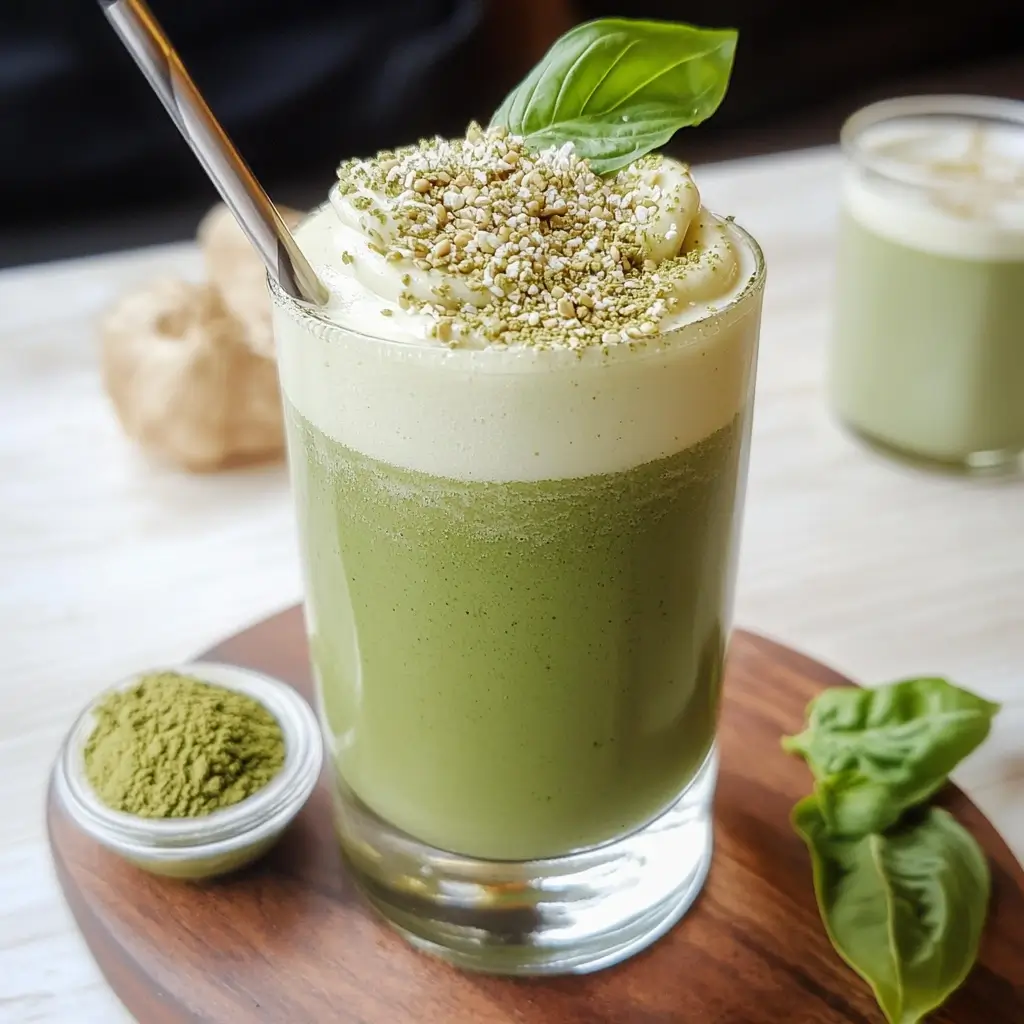
In our bustling household, mornings are often a race against the clock. Finding a breakfast that’s both nutritious and quick can feel like searching for a mythical creature. For years, we cycled through the usual suspects – toast, cereal, yogurt – all perfectly fine, but lacking that spark of excitement and, frankly, often leaving us feeling sluggish by mid-morning. That was until we stumbled upon the vibrant world of the Matcha Smoothie. It wasn’t a planned discovery; more of a happy accident born from a desire to incorporate more greens into our diet and my own burgeoning interest in the health benefits of matcha.
Initially, my family, especially my kids, were skeptical. The vibrant green hue of the smoothie raised eyebrows and prompted questions about “what weird stuff” I was putting in their breakfast. But the first sip changed everything. The creamy texture, the subtle sweetness, and that unique earthy yet refreshing taste of matcha – it was an instant hit. Suddenly, the “weird green drink” became the morning must-have. Now, our blender is a daily fixture on the counter, whirring to life as we create our daily dose of green goodness. What started as a simple experiment has blossomed into a family tradition, a delicious and effortless way to kickstart our day with a boost of energy and a whole lot of flavor. The Matcha Smoothie isn’t just a recipe for us; it’s a symbol of how healthy eating can be exciting, accessible, and utterly delicious. We’ve experimented with countless variations – adding different fruits, nut butters, and even sneaky vegetables – but the core recipe, the one we keep coming back to, is a testament to the simple perfection of matcha, blended into a creamy, dreamy smoothie. It’s more than just breakfast; it’s a vibrant, energizing ritual that sets the tone for a positive and productive day. If you’re looking for a way to inject some vitality into your mornings and discover a healthy treat that even the pickiest eaters will adore, then prepare to be captivated by the magic of the Matcha Smoothie.
Ingredients: The Green Goodness Lineup
Crafting the perfect Matcha Smoothie is surprisingly simple and relies on a handful of key ingredients, each contributing to the smoothie’s vibrant flavor, creamy texture, and impressive nutritional profile. Let’s break down the essential components and explore why each ingredient is a star player in this green powerhouse.
- Matcha Powder (1-2 teaspoons): This is the heart and soul of our smoothie, the ingredient that lends its distinctive earthy flavor, vibrant green color, and incredible health benefits. But not all matcha is created equal. For the best flavor and nutritional value, opt for ceremonial grade matcha for its smoother, less bitter taste and vibrant color. Culinary grade matcha is also suitable, especially for smoothies where it’s blended with other flavors, but be mindful that it can have a slightly more robust, sometimes bitter taste. The amount of matcha you use can be adjusted to your preference – start with 1 teaspoon for a milder matcha flavor and gradually increase to 2 teaspoons for a more pronounced and energizing kick. Remember, matcha is a concentrated form of green tea leaves, packed with antioxidants, L-theanine (for calm focus), and a gentle caffeine boost, making it a far healthier and more sustained energy source than coffee. Choosing high-quality matcha is an investment in both flavor and well-being.
- Liquid Base (1 cup): The liquid base forms the foundation of your smoothie, providing hydration and influencing its texture and overall flavor profile. You have a range of options here, each offering unique benefits:
- Almond Milk: A popular choice for its creamy texture and subtly nutty flavor. Unsweetened almond milk keeps the smoothie lower in sugar and calories, making it a great option for those watching their intake. It’s also a good source of Vitamin E and is naturally lactose-free and vegan.
- Coconut Milk (canned or carton): Canned coconut milk, especially the full-fat variety, will create an incredibly rich and decadent smoothie. Carton coconut milk is lighter and less calorie-dense. Coconut milk adds a touch of sweetness and a tropical hint, pairing beautifully with matcha. It’s also a source of healthy fats and electrolytes.
- Oat Milk: Known for its naturally sweet and creamy texture, oat milk is another excellent dairy-free option. It blends beautifully into smoothies, creating a smooth and satisfying consistency. Oat milk also provides fiber, which can contribute to satiety and digestive health.
- Dairy Milk (if preferred): If you’re not dairy-free, cow’s milk can be used as a classic base, adding creaminess and protein. Opt for low-fat or skim milk to keep the calorie and fat content in check.
- Water: For a very light and calorie-conscious smoothie, water is a simple and effective base. It will allow the flavors of the other ingredients to shine through, especially the matcha. You might want to add a bit more frozen fruit or a creamy ingredient like avocado to compensate for the lack of creaminess from milk.
- Frozen Fruit (1 cup): Frozen fruit is crucial for creating that thick, frosty smoothie texture without the need for ice, which can dilute the flavor. It also adds natural sweetness and a boost of vitamins and fiber. Consider these delicious and nutritious frozen fruit options:
- Frozen Banana: The undisputed king of smoothie fruits! Frozen bananas provide natural sweetness, creaminess, and a lovely binding texture. They are also a good source of potassium and fiber. For the best results, freeze bananas when they are ripe and spotty for maximum sweetness.
- Frozen Mango: Mango adds a tropical sweetness and a vibrant yellow-orange hue to the smoothie. It’s also rich in Vitamin C and antioxidants. Frozen mango chunks blend beautifully and create a smooth, velvety texture.
- Frozen Pineapple: Pineapple brings a tangy sweetness and a refreshing tropical flavor that complements matcha beautifully. It’s also a source of bromelain, an enzyme with anti-inflammatory properties.
- Frozen Berries (strawberries, blueberries, raspberries): Berries are packed with antioxidants and add a burst of fruity flavor and vibrant color to your smoothie. They are lower in sugar than some other fruits, making them a healthy choice. A mix of berries adds complexity and nutritional diversity.
- Frozen Peaches or Nectarines: These stone fruits offer a delicate sweetness and a smooth texture. They are also good sources of vitamins A and C.
- Sweetener (optional, to taste): Depending on the sweetness of your fruit and your personal preference, you may want to add a touch of sweetener. Natural sweeteners are generally preferred for their added nutritional benefits:
- Honey: A classic natural sweetener with a distinct floral flavor that pairs well with matcha. It also has antioxidant and antibacterial properties. Use sparingly as it is quite sweet.
- Maple Syrup: Another natural sweetener with a rich, caramel-like flavor. Choose pure maple syrup for the best quality and flavor. It’s also vegan-friendly.
- Dates (Medjool, pitted): Dates are a fantastic whole-food sweetener, adding fiber, potassium, and a caramel-like sweetness. Soak dates in warm water for 10 minutes to soften them before blending for a smoother texture.
- Stevia or Monk Fruit (sugar-free options): If you’re looking to minimize added sugar, stevia or monk fruit are natural, zero-calorie sweeteners. Use sparingly as they are very potent.
- Optional Boosters (for added nutrition and flavor): This is where you can customize your Matcha Smoothie to suit your individual needs and preferences. Consider adding any of the following:
- Spinach or Kale (handful): Sneak in extra greens without significantly altering the flavor. Spinach is milder and blends seamlessly, while kale has a slightly earthier taste. Both are packed with vitamins, minerals, and antioxidants.
- Avocado (1/4 to 1/2): Avocado adds incredible creaminess and healthy fats to the smoothie, making it more satisfying and nutrient-dense. It also provides a boost of fiber and vitamins.
- Chia Seeds (1 tablespoon): Chia seeds are a powerhouse of omega-3 fatty acids, fiber, and protein. They add a slight thickening effect to the smoothie and contribute to satiety.
- Flaxseeds (1 tablespoon, ground): Similar to chia seeds, flaxseeds are rich in omega-3s and fiber. Ground flaxseeds are easier to digest and absorb.
- Protein Powder (1 scoop): For a more substantial and protein-rich smoothie, especially after a workout or for a meal replacement, add a scoop of your favorite protein powder (whey, plant-based, etc.). Choose a flavor that complements matcha, such as vanilla or unflavored.
- Ginger (small knob, peeled): Fresh ginger adds a spicy kick and has anti-inflammatory and digestive benefits. Start with a small piece and adjust to your taste.
- Lemon or Lime Juice (squeeze): A squeeze of citrus juice brightens the flavors and adds a touch of acidity, balancing the sweetness and earthy notes.
- Nut Butter (1 tablespoon): Almond butter, peanut butter, or cashew butter add healthy fats, protein, and a creamy texture. They also enhance the flavor and make the smoothie more satisfying.
By carefully selecting your ingredients and experimenting with different combinations, you can create a Matcha Smoothie that is not only delicious but also perfectly tailored to your taste and nutritional goals.
Instructions: Blending Your Way to Green Goodness
Creating a vibrant and delicious Matcha Smoothie is incredibly simple, requiring just a few steps and your trusty blender. Follow these easy instructions to whip up your own green masterpiece:
- Gather Your Ingredients: Start by assembling all the ingredients you’ve chosen for your smoothie. This includes your matcha powder, liquid base, frozen fruit, sweetener (if using), and any optional boosters like spinach, avocado, or protein powder. Having everything prepped and ready to go will make the smoothie-making process quick and efficient. It’s also a good time to ensure your frozen fruit is indeed frozen – this is key to achieving that thick, frosty texture.
- Combine Ingredients in the Blender: Add all your ingredients to your blender. A good order to follow is to add the liquid base first, followed by the greens (if using spinach or kale), then the frozen fruit, matcha powder, sweetener, and any other boosters like protein powder, seeds, or nut butter. Placing the liquid at the bottom helps to prevent the blades from getting stuck, especially when blending frozen ingredients.
- Blend Until Smooth: Securely place the lid on your blender and start blending on a low speed, gradually increasing to high speed. Blend until all ingredients are completely smooth and creamy. This usually takes about 30-60 seconds, depending on the power of your blender and the texture of your frozen fruit. Stop and scrape down the sides of the blender jar with a spatula if needed to ensure everything is evenly blended. You’re aiming for a velvety smooth consistency with no chunks of fruit or greens remaining.
- Check Consistency and Adjust (if needed): Once blended, check the consistency of your smoothie. If it’s too thick, add a little more liquid base (a tablespoon or two at a time) and blend again until you reach your desired consistency. If it’s too thin, add a few more pieces of frozen fruit or a spoonful of avocado to thicken it up. This is also a good time to taste your smoothie and adjust the sweetness or matcha intensity to your liking. You can add a little more sweetener if needed or a pinch more matcha for a stronger flavor.
- Serve Immediately: For the best flavor and texture, Matcha Smoothies are best enjoyed immediately after blending. Pour your smoothie into a glass or mason jar. Consider adding toppings for extra flavor and visual appeal (see the “How to Serve” section for ideas). If you can’t drink it right away, you can store it in an airtight container in the refrigerator for a short period (up to a few hours), but the texture may change slightly as it sits. Give it a good stir before drinking if it has separated.
Following these simple steps will guarantee a perfectly blended, delicious, and nutritious Matcha Smoothie every time. Don’t be afraid to experiment and adjust the recipe to find your perfect blend!
Nutrition Facts: Fueling Your Body with Green Power
Matcha Smoothies are not just delicious and refreshing; they are also nutritional powerhouses, packed with vitamins, minerals, antioxidants, and sustained energy. Let’s take a closer look at the typical nutritional profile of a basic Matcha Smoothie (using the example recipe below) and understand the health benefits it offers.
Example Basic Matcha Smoothie Recipe (for Nutritional Calculation):
- 1 cup unsweetened almond milk
- 1 cup frozen banana (approximately 1 medium banana)
- 1 teaspoon matcha powder (ceremonial grade)
- 1/2 cup spinach
- 1 teaspoon honey (optional, for sweetness)
Estimated Nutrition Facts (per serving, based on the example recipe):
- Serving Size: 1 smoothie (approximately 16-20 ounces)
- Calories: Approximately 250-300 calories
- Protein: 5-7 grams
- Fat: 5-8 grams (primarily from healthy fats in almond milk and banana)
- Saturated Fat: Less than 1 gram
- Cholesterol: 0 mg
- Sodium: 50-100 mg (depending on the almond milk brand)
- Carbohydrates: 45-55 grams
- Fiber: 5-7 grams
- Sugar: 25-30 grams (primarily natural sugars from banana and honey)
- Vitamin A: Excellent source (from spinach and banana)
- Vitamin C: Good source (from banana and spinach)
- Vitamin K: Excellent source (from spinach and matcha)
- Calcium: Good source (from almond milk and spinach)
- Iron: Moderate source (from spinach and matcha)
- Potassium: Excellent source (from banana)
- Antioxidants: Very high (from matcha, spinach, and banana)
- L-Theanine: Present (from matcha)
- Caffeine: Moderate (from matcha, approximately 25-35mg, less than a cup of coffee)
Key Nutritional Benefits:
- Rich in Antioxidants: Matcha is exceptionally high in antioxidants, particularly catechins like EGCG (epigallocatechin gallate), which are known for their powerful disease-fighting properties. These antioxidants help protect your cells from damage caused by free radicals, reducing the risk of chronic diseases.
- Sustained Energy Boost: Matcha provides a gentle and sustained energy boost thanks to the combination of caffeine and L-theanine. L-theanine is an amino acid that promotes relaxation and focus, counteracting the jitters and crashes often associated with coffee. This results in a calm, focused energy that lasts for hours.
- Packed with Vitamins and Minerals: Matcha Smoothies are a great way to increase your intake of essential vitamins and minerals. They are typically rich in Vitamin A, Vitamin C, Vitamin K, calcium, iron, and potassium, depending on the ingredients used. These nutrients are vital for overall health, supporting immune function, bone health, energy production, and more.
- Good Source of Fiber: The frozen fruit and optional additions like spinach, chia seeds, or flaxseeds contribute a significant amount of fiber to the smoothie. Fiber is essential for digestive health, helping to regulate blood sugar levels, promote satiety, and support healthy cholesterol levels.
- Healthy Fats: Ingredients like avocado, nut butter, and coconut milk (if used) provide healthy fats, primarily monounsaturated and polyunsaturated fats. These fats are important for brain health, hormone production, and nutrient absorption.
- Hydration: Smoothies are a delicious way to increase your fluid intake, contributing to overall hydration and supporting bodily functions.
- Customizable Nutrition: The beauty of Matcha Smoothies is their versatility. You can easily customize the nutritional profile to meet your specific needs by adjusting the ingredients. Add protein powder for a post-workout boost, extra greens for more vitamins, or healthy fats for increased satiety.
Important Note: These nutrition facts are estimates and can vary depending on the specific ingredients used, their quantities, and brands. For the most accurate nutritional information, you can use online nutrition calculators or apps that allow you to input the exact ingredients and amounts you are using. Remember that while Matcha Smoothies are incredibly healthy, moderation is key, especially regarding natural sugars from fruit and added sweeteners. Enjoy them as part of a balanced and varied diet.
Preparation Time: Speedy Green Goodness
One of the greatest advantages of Matcha Smoothies is their incredibly quick preparation time. From start to finish, you can have a vibrant and nutritious smoothie in your hand in just a matter of minutes.
Total Preparation Time: Approximately 5-10 minutes
Breakdown of Time:
- Ingredient Gathering: 2-3 minutes. This involves taking out your ingredients from the refrigerator and pantry. Having your ingredients prepped and readily available significantly speeds up the process. If you keep frozen fruit on hand and matcha readily accessible, this step can be even faster.
- Ingredient Preparation (minimal): 1-2 minutes. This may involve quickly washing spinach or kale if using fresh, peeling a piece of ginger if you’re adding it, or pitting dates if using them as a sweetener. Frozen fruit is already prepped and ready to go.
- Blending Time: 1-2 minutes. Blending typically takes 30-60 seconds to achieve a smooth consistency. Depending on your blender’s power and the texture of your frozen fruit, it might take slightly longer or shorter.
- Clean Up (quick): 1-3 minutes. Cleaning the blender jar and any utensils used is usually very quick, especially if you rinse them immediately after use.
Tips to Speed Up Preparation:
- Pre-portion Ingredients: For an even faster morning routine, pre-portion your dry ingredients like matcha powder, chia seeds, flaxseeds, and protein powder into small containers or bags ahead of time. You can also pre-chop any fresh ingredients like ginger or spinach.
- Freeze Smoothie Packs: Create smoothie packs by combining frozen fruit, spinach or kale, and any other dry ingredients (except liquid base) in freezer-safe bags or containers. In the morning, simply empty the contents of the pack into your blender, add your liquid base, and blend. This significantly reduces morning prep time.
- Keep Frozen Fruit Stocked: Always have a good supply of frozen fruit in your freezer. Frozen fruit is essential for smoothie texture and convenience.
- Efficient Blender: A high-powered blender will blend ingredients more quickly and smoothly, reducing blending time.
- Minimal Clean-Up Blenders: Some blenders are designed for easy cleaning. Consider investing in a blender with a self-cleaning function or a simple design that is easy to rinse and wash.
The speed and ease of preparation make Matcha Smoothies an ideal choice for busy mornings, quick breakfasts, post-workout refueling, or anytime you need a healthy and energizing snack or meal replacement in a hurry. You can literally blend your way to green goodness in just minutes!
How to Serve: Elevating Your Matcha Smoothie Experience
While a Matcha Smoothie is delicious and satisfying on its own, there are numerous ways to elevate your serving experience, making it even more visually appealing, flavorful, and enjoyable. Here are some creative serving suggestions:
- Classic Glass or Mason Jar: For everyday enjoyment, serve your Matcha Smoothie in a simple glass or a charming mason jar. The vibrant green color of the smoothie is visually appealing on its own.
- Toppings for Texture and Flavor: Add a sprinkle of toppings to enhance the texture and flavor profile of your smoothie. Consider these delicious options:
- Fresh Fruit: Sliced bananas, berries, mango chunks, or kiwi slices add a fresh and colorful touch.
- Granola: A sprinkle of granola adds a satisfying crunch and extra fiber. Choose a granola that complements the matcha flavor, such as a simple oat granola or one with nuts and seeds.
- Nuts and Seeds: Chopped almonds, walnuts, pecans, pumpkin seeds, or sunflower seeds provide healthy fats, protein, and a delightful crunch.
- Shredded Coconut: Unsweetened shredded coconut adds a subtle sweetness and tropical flavor.
- Cacao Nibs: Cacao nibs offer a slightly bitter, chocolatey crunch and are packed with antioxidants.
- Chia Seeds or Hemp Seeds: Sprinkle extra chia or hemp seeds on top for added omega-3s and texture.
- A Drizzle of Honey or Maple Syrup: For extra sweetness and visual appeal, drizzle a touch of honey or maple syrup over the top.
- Matcha Powder Dusting: For a visually striking presentation and an extra matcha boost, lightly dust the top of your smoothie with a pinch of matcha powder.
- Layered Smoothie Parfaits: Create a beautiful and layered smoothie parfait by alternating layers of Matcha Smoothie with yogurt (dairy or non-dairy), granola, fresh fruit, or chia seed pudding in a tall glass or jar. This makes for a more substantial and visually appealing breakfast or dessert.
- Smoothie Bowls: Pour your Matcha Smoothie into a bowl instead of a glass to create a smoothie bowl. This allows for more generous toppings and transforms your smoothie into a more substantial meal. Arrange toppings artfully on top for a visually stunning and Instagram-worthy bowl.
- Frozen Smoothie Pops: Pour leftover Matcha Smoothie into popsicle molds and freeze for a refreshing and healthy frozen treat, perfect for warm weather.
- Pair with a Light Snack: For a more complete breakfast or snack, pair your Matcha Smoothie with a light snack like:
- Whole-wheat toast with avocado: The healthy fats from avocado complement the smoothie beautifully.
- A handful of nuts and seeds: Provides extra protein and healthy fats.
- A hard-boiled egg: Adds protein and keeps you feeling full longer.
- Oatmeal or granola bar: For a more carbohydrate-rich pairing if you need more energy.
- Serve Chilled: Matcha Smoothies are best served ice-cold. Using frozen fruit and blending until frosty ensures a perfectly chilled and refreshing smoothie. If you prefer an even colder smoothie, you can add a few ice cubes, but be mindful that they can slightly dilute the flavor and texture.
By incorporating these serving suggestions, you can transform your simple Matcha Smoothie into a delightful and visually appealing culinary experience, perfect for any occasion, from a quick weekday breakfast to a healthy and impressive brunch offering.
Additional Tips for Matcha Smoothie Perfection
To consistently create the most delicious and nutritious Matcha Smoothies, consider these helpful tips:
- Use High-Quality Matcha: The quality of your matcha powder significantly impacts the flavor and nutritional value of your smoothie. Invest in ceremonial grade or high-quality culinary grade matcha for the best results. Look for vibrant green color and a fine, smooth texture. Lower quality matcha can be bitter and less flavorful. Store your matcha in an airtight container in a cool, dark place to maintain its freshness and potency.
- Freeze Your Fruit Properly: Frozen fruit is essential for achieving that thick, creamy smoothie texture. Freeze ripe bananas when they are spotty for maximum sweetness and flavor. Spread fruit out in a single layer on a baking sheet to freeze individually before transferring to a freezer bag. This prevents the fruit from clumping together and makes it easier to measure out the desired amount for your smoothie.
- Adjust Liquid for Desired Consistency: Start with the recommended amount of liquid base and adjust as needed to achieve your preferred smoothie consistency. For a thicker smoothie, use less liquid or add more frozen fruit or avocado. For a thinner smoothie, add more liquid base. Remember that different blenders may require slightly different liquid ratios.
- Taste and Adjust Sweetness: Taste your smoothie after blending and adjust the sweetness to your liking. If it’s not sweet enough, add a little more sweetener of your choice. Keep in mind that the sweetness of fruit can vary, so you may need to adjust the sweetener each time you make a smoothie. For a less sweet smoothie, reduce or omit the sweetener altogether, relying on the natural sweetness of the fruit.
- Experiment with Flavor Combinations: Don’t be afraid to get creative and experiment with different flavor combinations to find your perfect Matcha Smoothie recipe. Try adding different fruits, vegetables, spices (like cinnamon or cardamom), extracts (like vanilla or almond), or nut butters. Explore online recipes and adapt them to your taste preferences. Keep notes of your favorite combinations so you can recreate them easily. The possibilities are endless!
By following these tips, you’ll be well on your way to mastering the art of Matcha Smoothie making and enjoying delicious, healthy, and energizing green smoothies every time.
FAQ: Your Matcha Smoothie Questions Answered
Got questions about Matcha Smoothies? Here are answers to some frequently asked questions to help you become a Matcha Smoothie expert:
Q1: What is Matcha and why is it good for me?
A: Matcha is a finely ground powder made from specially grown and processed green tea leaves. Unlike traditional green tea where you infuse the leaves and discard them, with matcha, you consume the entire leaf, resulting in a higher concentration of nutrients and antioxidants. Matcha is exceptionally rich in antioxidants, particularly catechins like EGCG, which are linked to numerous health benefits, including boosting metabolism, supporting heart health, protecting against cell damage, and enhancing brain function. It also contains L-theanine, an amino acid that promotes relaxation and focus, and provides a sustained energy boost without the jitters or crash often associated with coffee.
Q2: Can I make Matcha Smoothies ahead of time?
A: Matcha Smoothies are best enjoyed immediately after blending for optimal flavor and texture. However, you can prepare them up to a few hours in advance and store them in an airtight container in the refrigerator. The texture may change slightly as it sits, and some separation may occur. Give it a good shake or stir before drinking. For longer storage, freezing is an option. Pour leftover smoothie into freezer-safe containers or ice cube trays. When ready to enjoy, thaw and blend briefly to restore a smoothie consistency. Frozen smoothie cubes can also be added directly to a blender with a little liquid for a quick smoothie.
Q3: Is Matcha Smoothie suitable for vegans and people with dietary restrictions?
A: Yes, Matcha Smoothies are easily adaptable to various dietary needs and preferences. They are naturally vegan if you use plant-based milk like almond milk, oat milk, or coconut milk and vegan sweeteners like maple syrup or dates. For gluten-free diets, ensure your granola topping (if using) is gluten-free. For nut allergies, use seed butter instead of nut butter or omit nut-based ingredients. Always check the labels of your ingredients to ensure they meet your specific dietary requirements. Matcha smoothies are also naturally dairy-free and can be easily adjusted to be sugar-free by using stevia or monk fruit as sweeteners or omitting added sweeteners altogether.
Q4: Can I use culinary grade matcha instead of ceremonial grade?
A: Yes, you can use culinary grade matcha for smoothies. Ceremonial grade matcha is typically reserved for traditional tea ceremonies and has a smoother, more delicate flavor and vibrant color, making it ideal for drinking straight. Culinary grade matcha is designed for use in recipes like smoothies, lattes, and baking. It has a slightly more robust, sometimes bitter taste and is typically less expensive than ceremonial grade. For smoothies where matcha is blended with other flavors, culinary grade matcha is a perfectly acceptable and often more economical choice. Just be mindful that the flavor might be a bit stronger, so you may want to start with a slightly smaller amount and adjust to taste.
Q5: Are there any side effects of drinking Matcha Smoothies?
A: Matcha is generally safe for most people when consumed in moderation. However, it contains caffeine, so individuals sensitive to caffeine may experience side effects like jitters, anxiety, or insomnia if they consume too much. The caffeine content in a Matcha Smoothie is typically lower than in a cup of coffee, but it’s still something to be aware of, especially if you are consuming multiple matcha beverages throughout the day. Pregnant or breastfeeding women and individuals with certain medical conditions should consult with their doctor before regularly consuming matcha. In rare cases, high consumption of matcha might interact with certain medications. Starting with a smaller amount of matcha and gradually increasing your intake can help you assess your tolerance. Enjoying Matcha Smoothies in moderation as part of a balanced diet is generally considered healthy and beneficial.
Print
Matcha Smoothie Recipe
Ingredients
- Matcha Powder (1-2 teaspoons): This is the heart and soul of our smoothie, the ingredient that lends its distinctive earthy flavor, vibrant green color, and incredible health benefits. But not all matcha is created equal. For the best flavor and nutritional value, opt for ceremonial grade matcha for its smoother, less bitter taste and vibrant color. Culinary grade matcha is also suitable, especially for smoothies where it’s blended with other flavors, but be mindful that it can have a slightly more robust, sometimes bitter taste. The amount of matcha you use can be adjusted to your preference – start with 1 teaspoon for a milder matcha flavor and gradually increase to 2 teaspoons for a more pronounced and energizing kick. Remember, matcha is a concentrated form of green tea leaves, packed with antioxidants, L-theanine (for calm focus), and a gentle caffeine boost, making it a far healthier and more sustained energy source than coffee. Choosing high-quality matcha is an investment in both flavor and well-being.
- Liquid Base (1 cup): The liquid base forms the foundation of your smoothie, providing hydration and influencing its texture and overall flavor profile. You have a range of options here, each offering unique benefits:
- Almond Milk: A popular choice for its creamy texture and subtly nutty flavor. Unsweetened almond milk keeps the smoothie lower in sugar and calories, making it a great option for those watching their intake. It’s also a good source of Vitamin E and is naturally lactose-free and vegan.
- Coconut Milk (canned or carton): Canned coconut milk, especially the full-fat variety, will create an incredibly rich and decadent smoothie. Carton coconut milk is lighter and less calorie-dense. Coconut milk adds a touch of sweetness and a tropical hint, pairing beautifully with matcha. It’s also a source of healthy fats and electrolytes.
- Oat Milk: Known for its naturally sweet and creamy texture, oat milk is another excellent dairy-free option. It blends beautifully into smoothies, creating a smooth and satisfying consistency. Oat milk also provides fiber, which can contribute to satiety and digestive health.
- Dairy Milk (if preferred): If you’re not dairy-free, cow’s milk can be used as a classic base, adding creaminess and protein. Opt for low-fat or skim milk to keep the calorie and fat content in check.
- Water: For a very light and calorie-conscious smoothie, water is a simple and effective base. It will allow the flavors of the other ingredients to shine through, especially the matcha. You might want to add a bit more frozen fruit or a creamy ingredient like avocado to compensate for the lack of creaminess from milk.
- Frozen Fruit (1 cup): Frozen fruit is crucial for creating that thick, frosty smoothie texture without the need for ice, which can dilute the flavor. It also adds natural sweetness and a boost of vitamins and fiber. Consider these delicious and nutritious frozen fruit options:
- Frozen Banana: The undisputed king of smoothie fruits! Frozen bananas provide natural sweetness, creaminess, and a lovely binding texture. They are also a good source of potassium and fiber. For the best results, freeze bananas when they are ripe and spotty for maximum sweetness.
- Frozen Mango: Mango adds a tropical sweetness and a vibrant yellow-orange hue to the smoothie. It’s also rich in Vitamin C and antioxidants. Frozen mango chunks blend beautifully and create a smooth, velvety texture.
- Frozen Pineapple: Pineapple brings a tangy sweetness and a refreshing tropical flavor that complements matcha beautifully. It’s also a source of bromelain, an enzyme with anti-inflammatory properties.
- Frozen Berries (strawberries, blueberries, raspberries): Berries are packed with antioxidants and add a burst of fruity flavor and vibrant color to your smoothie. They are lower in sugar than some other fruits, making them a healthy choice. A mix of berries adds complexity and nutritional diversity.
- Frozen Peaches or Nectarines: These stone fruits offer a delicate sweetness and a smooth texture. They are also good sources of vitamins A and C.
- Sweetener (optional, to taste): Depending on the sweetness of your fruit and your personal preference, you may want to add a touch of sweetener. Natural sweeteners are generally preferred for their added nutritional benefits:
- Honey: A classic natural sweetener with a distinct floral flavor that pairs well with matcha. It also has antioxidant and antibacterial properties. Use sparingly as it is quite sweet.
- Maple Syrup: Another natural sweetener with a rich, caramel-like flavor. Choose pure maple syrup for the best quality and flavor. It’s also vegan-friendly.
- Dates (Medjool, pitted): Dates are a fantastic whole-food sweetener, adding fiber, potassium, and a caramel-like sweetness. Soak dates in warm water for 10 minutes to soften them before blending for a smoother texture.
- Stevia or Monk Fruit (sugar-free options): If you’re looking to minimize added sugar, stevia or monk fruit are natural, zero-calorie sweeteners. Use sparingly as they are very potent.
- Optional Boosters (for added nutrition and flavor): This is where you can customize your Matcha Smoothie to suit your individual needs and preferences. Consider adding any of the following:
- Spinach or Kale (handful): Sneak in extra greens without significantly altering the flavor. Spinach is milder and blends seamlessly, while kale has a slightly earthier taste. Both are packed with vitamins, minerals, and antioxidants.
- Avocado (1/4 to 1/2): Avocado adds incredible creaminess and healthy fats to the smoothie, making it more satisfying and nutrient-dense. It also provides a boost of fiber and vitamins.
- Chia Seeds (1 tablespoon): Chia seeds are a powerhouse of omega-3 fatty acids, fiber, and protein. They add a slight thickening effect to the smoothie and contribute to satiety.
- Flaxseeds (1 tablespoon, ground): Similar to chia seeds, flaxseeds are rich in omega-3s and fiber. Ground flaxseeds are easier to digest and absorb.
- Protein Powder (1 scoop): For a more substantial and protein-rich smoothie, especially after a workout or for a meal replacement, add a scoop of your favorite protein powder (whey, plant-based, etc.). Choose a flavor that complements matcha, such as vanilla or unflavored.
- Ginger (small knob, peeled): Fresh ginger adds a spicy kick and has anti-inflammatory and digestive benefits. Start with a small piece and adjust to your taste.
- Lemon or Lime Juice (squeeze): A squeeze of citrus juice brightens the flavors and adds a touch of acidity, balancing the sweetness and earthy notes.
- Nut Butter (1 tablespoon): Almond butter, peanut butter, or cashew butter add healthy fats, protein, and a creamy texture. They also enhance the flavor and make the smoothie more satisfying.
Instructions
- Gather Your Ingredients: Start by assembling all the ingredients you’ve chosen for your smoothie. This includes your matcha powder, liquid base, frozen fruit, sweetener (if using), and any optional boosters like spinach, avocado, or protein powder. Having everything prepped and ready to go will make the smoothie-making process quick and efficient. It’s also a good time to ensure your frozen fruit is indeed frozen – this is key to achieving that thick, frosty texture.
- Combine Ingredients in the Blender: Add all your ingredients to your blender. A good order to follow is to add the liquid base first, followed by the greens (if using spinach or kale), then the frozen fruit, matcha powder, sweetener, and any other boosters like protein powder, seeds, or nut butter. Placing the liquid at the bottom helps to prevent the blades from getting stuck, especially when blending frozen ingredients.
- Blend Until Smooth: Securely place the lid on your blender and start blending on a low speed, gradually increasing to high speed. Blend until all ingredients are completely smooth and creamy. This usually takes about 30-60 seconds, depending on the power of your blender and the texture of your frozen fruit. Stop and scrape down the sides of the blender jar with a spatula if needed to ensure everything is evenly blended. You’re aiming for a velvety smooth consistency with no chunks of fruit or greens remaining.
- Check Consistency and Adjust (if needed): Once blended, check the consistency of your smoothie. If it’s too thick, add a little more liquid base (a tablespoon or two at a time) and blend again until you reach your desired consistency. If it’s too thin, add a few more pieces of frozen fruit or a spoonful of avocado to thicken it up. This is also a good time to taste your smoothie and adjust the sweetness or matcha intensity to your liking. You can add a little more sweetener if needed or a pinch more matcha for a stronger flavor.
- Serve Immediately: For the best flavor and texture, Matcha Smoothies are best enjoyed immediately after blending. Pour your smoothie into a glass or mason jar. Consider adding toppings for extra flavor and visual appeal (see the “How to Serve” section for ideas). If you can’t drink it right away, you can store it in an airtight container in the refrigerator for a short period (up to a few hours), but the texture may change slightly as it sits. Give it a good stir before drinking if it has separated.
Nutrition
- Serving Size: one normal portion
- Calories: 250-300
- Sugar: 25-30 grams
- Sodium: 50-100 mg
- Fat: 5-8 grams
- Saturated Fat: Less than 1 gram
- Carbohydrates: 45-55 grams
- Fiber: 5-7 grams
- Protein: 5-7 grams
- Cholesterol: 0 mg