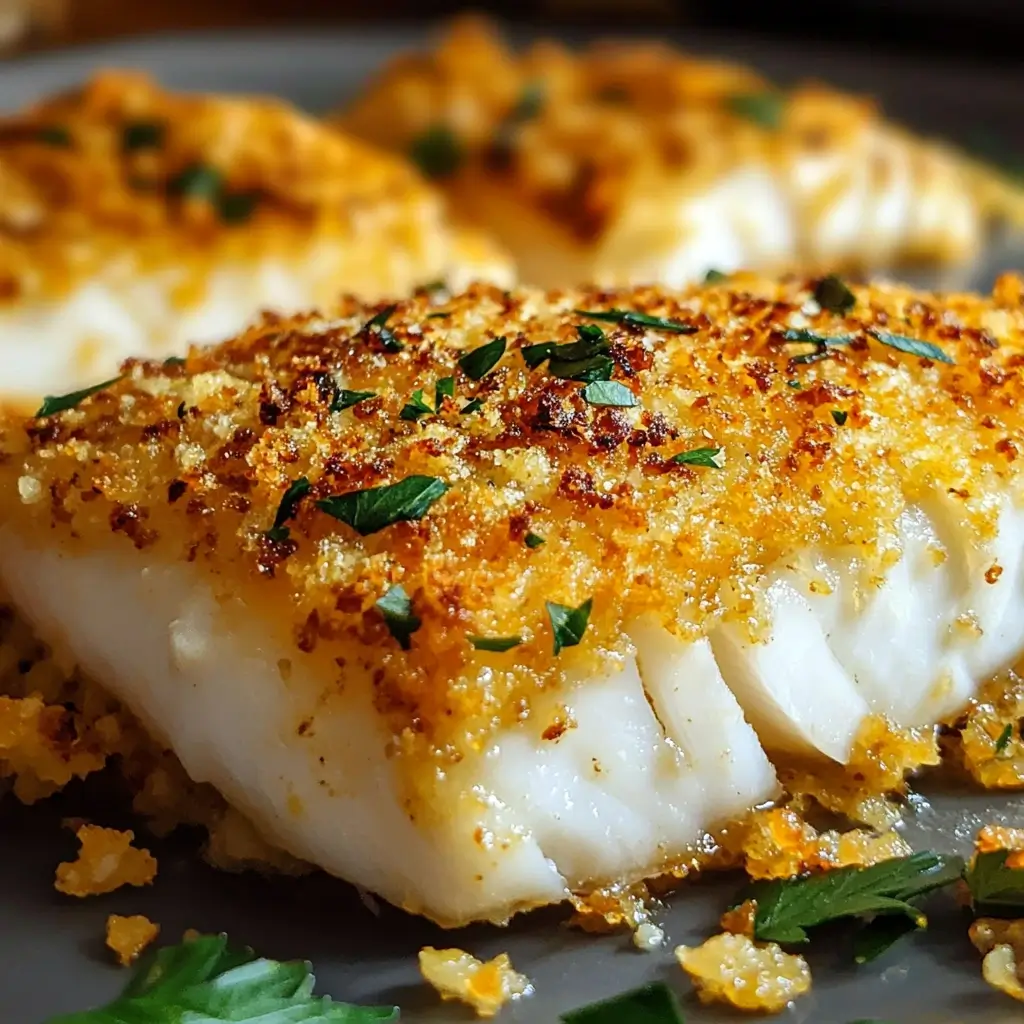

This Mayonnaise and Panko Crusted Baked Fish isn’t just another recipe in my rotation; it’s become a bona fide weeknight saviour and a weekend crowd-pleaser. I remember the first time I made it – skepticism mingled with hope. Could something this simple, relying heavily on humble mayonnaise, truly deliver a delicious fish dinner? The answer was, and continues to be, a resounding YES. My family, including my notoriously picky youngest child, devoured it. The magic lies in the combination: the mayonnaise keeps the fish incredibly moist and succulent during baking, preventing that dreaded dryness, while also acting as the perfect adhesive for a generous coating of Panko breadcrumbs. Those Panko crumbs crisp up beautifully in the oven, creating a shatteringly crunchy crust that rivals any fried fish, but without the mess or extra fat. It’s the contrast of textures – tender, flaky fish against a golden, crunchy exterior – that makes this dish so utterly addictive. It comes together remarkably quickly, making it ideal for busy evenings, yet it feels special enough to serve when guests come over. Honestly, the aroma wafting from the oven as it bakes – hints of garlic, lemon, and savoury goodness – is enough to make everyone gather in the kitchen, anticipating the delicious meal to come. It’s a recipe that consistently delivers rave reviews and clean plates, a true testament to its simple genius.
Mayonnaise and Panko Crusted Baked Fish Recipe
This recipe details how to create perfectly moist and crispy baked fish using a simple mayonnaise and Panko breadcrumb coating. It’s designed for ease of preparation and maximum flavour and texture.
Ingredients
To achieve the perfect balance of moist fish and crispy crust, using the right ingredients in the correct proportions is key. Here’s what you’ll need:
- Fish Fillets: 4 (about 6 oz / 170g each), thick, white fish fillets. Approximately 1.5 lbs (680g) total.
- Best Choices: Cod, Halibut, Haddock, Tilapia, Pollock, or Mahi-Mahi work exceptionally well. Choose fillets that are relatively uniform in thickness for even cooking. Ensure they are boneless and skinless (or skin-on if you prefer, but place skin-side down). Patting the fish thoroughly dry is crucial for the coating to adhere properly.
- Mayonnaise: ½ cup (120g)
- Recommendation: Use good quality, full-fat mayonnaise for the best flavour and richness. The oil in the mayo helps conduct heat and contributes to the browning and crisping of the Panko, while the eggs and acidity tenderize the fish and keep it moist. Light mayonnaise can work, but the flavour and browning might be slightly less pronounced. Avoid mayonnaise-style dressings (like Miracle Whip) as their sweetness and different composition can alter the taste and texture significantly.
- Panko Breadcrumbs: 1 cup (75g)
- Why Panko? Japanese-style Panko breadcrumbs have a coarser, airier texture than traditional fine breadcrumbs. This structure allows them to absorb less oil and become much crispier when baked, creating that signature crunch. Do not substitute with fine, dense breadcrumbs if you want the optimal texture.
- Parmesan Cheese: ¼ cup (25g), finely grated (Optional, but highly recommended)
- Flavour Boost: Grated Parmesan adds a salty, umami depth to the crust that complements the fish and mayonnaise beautifully. It also aids in browning. Use freshly grated Parmesan for the best flavour and melting quality. Pre-grated often contains anti-caking agents that can affect texture.
- Lemon: 1 medium
- Usage: You’ll use both the zest (about 1 teaspoon) mixed into the mayonnaise mixture and the juice, squeezed over the fish before serving or used for wedges. Lemon zest provides bright, aromatic citrus notes without adding excess liquid, while the juice cuts through the richness.
- Dijon Mustard: 1 teaspoon (5g) (Optional)
- Tang and Complexity: A small amount of Dijon mustard mixed into the mayonnaise adds a subtle tang and depth that enhances the overall flavour profile. Whole grain or regular yellow mustard can be substituted, but Dijon offers a classic pairing.
- Garlic Powder: ½ teaspoon (1.5g)
- Aromatic Base: Provides a savoury, aromatic foundation for the crust. Ensure your garlic powder is fresh, as old powder loses its potency.
- Onion Powder: ½ teaspoon (1.5g)
- Savoury Depth: Complements the garlic powder, adding another layer of savoury flavour to the coating.
- Paprika: ½ teaspoon (1g)
- Colour and Flavour: Contributes a beautiful golden-reddish hue to the crust and a subtle sweetness. Smoked paprika can be used for a smokier flavour profile if desired.
- Salt: ½ teaspoon (3g), or to taste
- Essential Seasoning: Enhances all the other flavours. Adjust based on personal preference and the saltiness of your Parmesan (if using). Remember to season the fish directly as well as the Panko mixture.
- Black Pepper: ¼ teaspoon (0.5g), freshly ground, or to taste
- Pungency: Adds a touch of warmth and spice. Freshly ground pepper offers superior flavour compared to pre-ground.
- Fresh Parsley: 1 tablespoon, finely chopped (for garnish, optional)
- Freshness and Colour: A sprinkle of fresh parsley at the end adds a pop of colour and a hint of herbaceous freshness. Dill or chives also work well.
- Olive Oil or Cooking Spray: For the baking sheet
- Prevents Sticking: A light coating ensures the fish doesn’t stick to the pan, making cleanup easier and preserving the crust.
Instructions
Follow these steps carefully for guaranteed delicious results. The process is straightforward, focusing on preparation and proper baking technique.
- Preheat Oven and Prepare Baking Sheet: Adjust your oven rack to the middle position. Preheat the oven to 400°F (200°C). Line a large baking sheet with parchment paper or aluminum foil for easy cleanup. Lightly grease the parchment/foil with olive oil or cooking spray. Preheating is vital – placing the fish into a hot oven helps the crust set quickly and begin crisping immediately.
- Prepare the Fish: Gently rinse the fish fillets under cold water and pat them thoroughly dry with paper towels. This step is critical. Excess moisture will steam the fish from underneath and prevent the mayonnaise and Panko from adhering properly, leading to a soggy bottom and a coating that might slide off. Arrange the dried fillets in a single layer on the prepared baking sheet, ensuring there is some space between each fillet. Overcrowding the pan will also lead to steaming rather than baking and hinder crisping.
- Season the Fish: Lightly sprinkle the fish fillets directly with a pinch of salt and freshly ground black pepper. This ensures the fish itself is seasoned, not just the crust.
- Prepare the Mayonnaise Mixture: In a small bowl, combine the mayonnaise, lemon zest (reserve the lemon for juice later), Dijon mustard (if using), garlic powder, and onion powder. Stir well until everything is thoroughly combined and smooth. This mixture acts as both a flavour enhancer and the “glue” for the Panko crust.
- Prepare the Panko Topping: In a separate shallow dish or bowl (wide enough to easily dip or press the fish into, or just for easy sprinkling), combine the Panko breadcrumbs, grated Parmesan cheese (if using), paprika, the remaining salt (about ¼ to ½ teaspoon, adjust to taste), and black pepper. Mix well with a fork to ensure the seasonings and cheese are evenly distributed throughout the Panko.
- Coat the Fish: Using a spatula or the back of a spoon, spread the mayonnaise mixture evenly over the top and sides of each fish fillet. Be generous but ensure an even layer. You don’t need to coat the bottom.
- Apply the Panko Crust: Sprinkle the Panko mixture generously over the mayonnaise-coated surfaces of the fish fillets. Gently press the Panko crumbs onto the mayonnaise layer with your fingers or the back of a spoon. This helps the crumbs adhere securely and form a cohesive crust during baking. Ensure the tops and sides are well-coated.
- Bake the Fish: Carefully place the baking sheet into the preheated oven. Bake for 12-18 minutes. The exact baking time will depend significantly on the thickness of your fish fillets and the specific performance of your oven.
- Checking for Doneness: The fish is cooked through when it is opaque and flakes easily when gently prodded with a fork at the thickest part. The internal temperature should reach 145°F (63°C) on an instant-read thermometer. The Panko crust should be golden brown and crispy.
- Optional Broiling (for Extra Crispiness): If the fish is cooked through but you desire a deeper golden brown and crispier crust, you can switch the oven setting to broil (high heat) for the last 1-2 minutes. Watch it constantly during this stage, as the Panko can go from golden to burnt very quickly under the intense heat of the broiler. Keep the oven door slightly ajar and remove the fish as soon as it reaches your desired level of browning.
- Rest and Serve: Once cooked, remove the baking sheet from the oven. Let the fish rest for a minute or two on the baking sheet. This allows the juices to redistribute slightly. Carefully transfer the fillets to serving plates using a thin spatula. Squeeze fresh lemon juice over the fish just before serving for a burst of brightness. Garnish with chopped fresh parsley, if desired.
Nutrition Facts
Please note that these values are estimates and can vary significantly based on the specific type and size of fish used, the brand of mayonnaise, and whether optional ingredients like Parmesan cheese are included.
- Servings: 4
- Calories per Serving: Approximately 350 – 480 calories (This range accounts for variations like using leaner fish like tilapia vs. richer fish like halibut, and full-fat mayo vs. light).
Breakdown Considerations:
- Protein: Fish is an excellent source of high-quality lean protein. A 6oz serving provides a substantial amount.
- Fat: The majority of the fat comes from the mayonnaise and any oil used. Choosing light mayo can reduce this, but may slightly impact texture and flavour. Fish like cod are naturally low in fat, while others might contain more beneficial Omega-3 fatty acids.
- Carbohydrates: Primarily from the Panko breadcrumbs.
- Sodium: Comes from added salt, mayonnaise, and Parmesan cheese. Adjust salt according to dietary needs.
- Omega-3s: Certain fish choices (like salmon, though less common for this specific preparation, or even some types of cod) are good sources of heart-healthy Omega-3 fatty acids.
This dish, when served with plenty of vegetables or a large salad, can be part of a well-balanced meal. Baking is a healthier preparation method compared to deep-frying.
Preparation & Cook Time
This recipe is valued for its speed and efficiency, making it perfect for busy schedules.
- Preparation Time: 15 minutes
- Breakdown: Gathering ingredients (2-3 minutes), prepping the fish (patting dry, seasoning – 3-4 minutes), mixing the mayonnaise spread (2 minutes), mixing the Panko topping (2 minutes), coating the fish (4-5 minutes).
- Cook Time: 12 – 18 minutes (plus optional 1-2 minutes broiling)
- Factors: Varies based primarily on the thickness of the fish fillets and your oven’s accuracy. Thinner fillets like tilapia might cook in 12 minutes, while thicker cod or halibut fillets could take closer to 18 minutes.
- Total Time: Approximately 27 – 35 minutes
This quick turnaround makes it an excellent choice for a weeknight dinner.
How to Serve
This Mayonnaise and Panko Crusted Baked Fish is versatile and pairs well with a wide variety of side dishes. Here are some serving suggestions to create a complete and satisfying meal:
- Classic Pairings:
- Steamed or Roasted Vegetables: Broccoli, asparagus, green beans, or zucchini are excellent choices. Roasting brings out their natural sweetness, while steaming keeps them light and fresh.
- Potatoes:
- Roasted potato wedges (seasoned simply with salt, pepper, and herbs)
- Creamy mashed potatoes
- Simple boiled new potatoes with butter and parsley
- Rice: Fluffy white rice, brown rice, or a flavourful rice pilaf.
- Lighter Options:
- Simple Green Salad: A mixed greens salad with a bright vinaigrette (lemon or balsamic based) offers a refreshing contrast.
- Quinoa Salad: A cold quinoa salad with chopped vegetables and a lemon-herb dressing.
- Coleslaw: A creamy or vinegar-based coleslaw adds crunch and tang.
- Sauces and Condiments:
- Tartar Sauce: The classic accompaniment for crispy fish.
- Remoulade Sauce: A spicier, more complex alternative to tartar sauce.
- Aioli: Garlic aioli or a lemon-dill aioli pairs beautifully.
- Extra Lemon Wedges: Always a good idea for squeezing fresh juice over the fish just before eating.
- Presentation:
- Serve the fish immediately after resting for maximum crispiness.
- Garnish with a sprinkle of fresh herbs like parsley, dill, or chives for colour and freshness.
- Arrange side dishes attractively alongside the fish fillet on the plate.
- Drink Pairings:
- White Wine: Crisp, dry white wines like Sauvignon Blanc, Pinot Grigio, or an unoaked Chardonnay complement the fish beautifully.
- Beer: A light lager, pilsner, or even a Belgian-style Witbier works well.
- Non-Alcoholic: Sparkling water with lemon, iced tea, or lemonade.
Additional Tips for Success
Enhance your Mayonnaise and Panko Crusted Baked Fish experience with these five helpful tips:
- Don’t Overcrowd the Pan: Ensure there’s space between the fish fillets on the baking sheet. If the fillets are too close together, they will steam instead of bake, preventing the Panko crust from getting truly crispy and potentially making the fish watery. Use a large enough baking sheet or two smaller ones if necessary. Proper air circulation is key to achieving that perfect golden-brown, crunchy exterior.
- Customize Your Seasonings: Don’t be afraid to experiment with the seasonings in the Panko mixture or the mayonnaise spread. Consider adding Old Bay seasoning for a classic seafood flavour, a pinch of cayenne pepper or red pepper flakes for some heat, dried herbs like dill or thyme, or even a bit of lemon pepper seasoning. Adjust the salt and pepper based on your personal preference and the saltiness of your other ingredients (like Parmesan).
- Choose Your Fish Wisely (But Be Flexible): While firm, white fish like cod, halibut, and haddock are ideal due to their thickness and mild flavour, don’t hesitate to try others. Tilapia and pollock are more budget-friendly options that work well, though they are thinner and will cook faster. Even richer fish like salmon can be prepared this way, though the flavour profile will be different. The key is adjusting the cooking time based on the fillet’s thickness.
- Pat Dry, Then Pat Dry Again: We mentioned it in the instructions, but it bears repeating because it’s that important. Moisture is the enemy of a crispy crust. After rinsing your fish (if you choose to), use multiple paper towels to pat every surface completely dry. Let it sit for a minute on a dry paper towel if you have time. This small step makes a huge difference in the final texture.
- Press Panko Firmly: After sprinkling the Panko mixture over the mayonnaise, take a moment to gently but firmly press the crumbs down. This helps embed them into the mayo layer, creating a more cohesive crust that stays put during baking and serving. Don’t press so hard that you flatten the fish, but ensure good contact so the crumbs adhere well.
Frequently Asked Questions (FAQ)
Here are answers to some common questions about making Mayonnaise and Panko Crusted Baked Fish:
- Q: Can I use frozen fish fillets for this recipe?
- A: Yes, you absolutely can use frozen fish fillets. However, it is crucial to thaw them completely before you begin preparing the recipe. The best way to thaw fish is overnight in the refrigerator. Alternatively, for faster thawing, you can place the sealed fish packages in a bowl of cold water, changing the water every 30 minutes until thawed. Once thawed, proceed with the recipe as directed, paying extra special attention to patting the fillets thoroughly dry, as previously frozen fish tends to release more moisture. Do not attempt to cook the fish from frozen with this method, as the coating won’t adhere properly and the fish won’t cook evenly.
- Q: How can I make this recipe gluten-free?
- A: Making this recipe gluten-free is straightforward. Simply substitute the regular Panko breadcrumbs with a gluten-free Panko variety, which is readily available in most supermarkets nowadays. Also, double-check that your mayonnaise brand is certified gluten-free (most major brands are, but it’s always wise to check labels if celiac disease or severe gluten sensitivity is a concern). Ensure any additional seasonings or Parmesan cheese used are also gluten-free.
- Q: I don’t have Panko. Can I use regular breadcrumbs?
- A: You can use regular fine breadcrumbs if Panko is unavailable, but the results will be different. Panko’s unique, jagged, airy structure is what creates that exceptionally light and crispy crust. Regular breadcrumbs are denser and will absorb more moisture and oil, resulting in a crust that is typically softer, heavier, and less crunchy. If using regular breadcrumbs, the fish will still be tasty, but manage your expectations regarding the crispiness level – it won’t be the same as with Panko.
- Q: How do I store and reheat leftovers?
- A: Store any leftover cooked fish in an airtight container in the refrigerator for up to 2-3 days. To reheat and retain some of the crust’s crispiness, the best methods are using an oven or an air fryer. Preheat your oven or air fryer to around 350°F (175°C). Place the fish fillets on a baking sheet or in the air fryer basket in a single layer and heat for 5-10 minutes, or until warmed through and the crust has regained some crispness. Avoid reheating in the microwave, as the steam generated will make the crust soggy and the fish rubbery.
- Q: My Panko crust didn’t get very crispy. What went wrong?
- A: Several factors could contribute to a less-than-crispy crust. Common culprits include:
- Fish wasn’t dry enough: Excess moisture creates steam, hindering crisping.
- Oven not hot enough: Ensure your oven is fully preheated to 400°F (200°C). Use an oven thermometer to check accuracy if unsure.
- Overcrowded pan: Fish too close together = steaming, not baking.
- Used regular breadcrumbs: Panko is key for super crispiness.
- Skipped the optional broil: A minute or two under the broiler at the end can significantly boost crispiness (watch carefully!).
- Too thick a mayo layer: A very thick layer can sometimes prevent the Panko directly underneath from crisping properly. Aim for an even, moderate coating.
- A: Several factors could contribute to a less-than-crispy crust. Common culprits include:
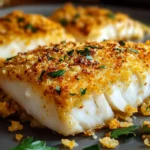
Mayonnaise and Panko Crusted Baked Fish Recipe
Ingredients
- Fish Fillets: 4 (about 6 oz / 170g each), thick, white fish fillets. Approximately 1.5 lbs (680g) total.
- Best Choices: Cod, Halibut, Haddock, Tilapia, Pollock, or Mahi-Mahi work exceptionally well. Choose fillets that are relatively uniform in thickness for even cooking. Ensure they are boneless and skinless (or skin-on if you prefer, but place skin-side down). Patting the fish thoroughly dry is crucial for the coating to adhere properly.
- Mayonnaise: ½ cup (120g)
- Recommendation: Use good quality, full-fat mayonnaise for the best flavour and richness. The oil in the mayo helps conduct heat and contributes to the browning and crisping of the Panko, while the eggs and acidity tenderize the fish and keep it moist. Light mayonnaise can work, but the flavour and browning might be slightly less pronounced. Avoid mayonnaise-style dressings (like Miracle Whip) as their sweetness and different composition can alter the taste and texture significantly.
- Panko Breadcrumbs: 1 cup (75g)
- Why Panko? Japanese-style Panko breadcrumbs have a coarser, airier texture than traditional fine breadcrumbs. This structure allows them to absorb less oil and become much crispier when baked, creating that signature crunch. Do not substitute with fine, dense breadcrumbs if you want the optimal texture.
- Parmesan Cheese: ¼ cup (25g), finely grated (Optional, but highly recommended)
- Flavour Boost: Grated Parmesan adds a salty, umami depth to the crust that complements the fish and mayonnaise beautifully. It also aids in browning. Use freshly grated Parmesan for the best flavour and melting quality. Pre-grated often contains anti-caking agents that can affect texture.
- Lemon: 1 medium
- Usage: You’ll use both the zest (about 1 teaspoon) mixed into the mayonnaise mixture and the juice, squeezed over the fish before serving or used for wedges. Lemon zest provides bright, aromatic citrus notes without adding excess liquid, while the juice cuts through the richness.
- Dijon Mustard: 1 teaspoon (5g) (Optional)
- Tang and Complexity: A small amount of Dijon mustard mixed into the mayonnaise adds a subtle tang and depth that enhances the overall flavour profile. Whole grain or regular yellow mustard can be substituted, but Dijon offers a classic pairing.
- Garlic Powder: ½ teaspoon (1.5g)
- Aromatic Base: Provides a savoury, aromatic foundation for the crust. Ensure your garlic powder is fresh, as old powder loses its potency.
- Onion Powder: ½ teaspoon (1.5g)
- Savoury Depth: Complements the garlic powder, adding another layer of savoury flavour to the coating.
- Paprika: ½ teaspoon (1g)
- Colour and Flavour: Contributes a beautiful golden-reddish hue to the crust and a subtle sweetness. Smoked paprika can be used for a smokier flavour profile if desired.
- Salt: ½ teaspoon (3g), or to taste
- Essential Seasoning: Enhances all the other flavours. Adjust based on personal preference and the saltiness of your Parmesan (if using). Remember to season the fish directly as well as the Panko mixture.
- Black Pepper: ¼ teaspoon (0.5g), freshly ground, or to taste
- Pungency: Adds a touch of warmth and spice. Freshly ground pepper offers superior flavour compared to pre-ground.
- Fresh Parsley: 1 tablespoon, finely chopped (for garnish, optional)
- Freshness and Colour: A sprinkle of fresh parsley at the end adds a pop of colour and a hint of herbaceous freshness. Dill or chives also work well.
- Olive Oil or Cooking Spray: For the baking sheet
- Prevents Sticking: A light coating ensures the fish doesn’t stick to the pan, making cleanup easier and preserving the crust.
Instructions
- Preheat Oven and Prepare Baking Sheet: Adjust your oven rack to the middle position. Preheat the oven to 400°F (200°C). Line a large baking sheet with parchment paper or aluminum foil for easy cleanup. Lightly grease the parchment/foil with olive oil or cooking spray. Preheating is vital – placing the fish into a hot oven helps the crust set quickly and begin crisping immediately.
- Prepare the Fish: Gently rinse the fish fillets under cold water and pat them thoroughly dry with paper towels. This step is critical. Excess moisture will steam the fish from underneath and prevent the mayonnaise and Panko from adhering properly, leading to a soggy bottom and a coating that might slide off. Arrange the dried fillets in a single layer on the prepared baking sheet, ensuring there is some space between each fillet. Overcrowding the pan will also lead to steaming rather than baking and hinder crisping.
- Season the Fish: Lightly sprinkle the fish fillets directly with a pinch of salt and freshly ground black pepper. This ensures the fish itself is seasoned, not just the crust.
- Prepare the Mayonnaise Mixture: In a small bowl, combine the mayonnaise, lemon zest (reserve the lemon for juice later), Dijon mustard (if using), garlic powder, and onion powder. Stir well until everything is thoroughly combined and smooth. This mixture acts as both a flavour enhancer and the “glue” for the Panko crust.
- Prepare the Panko Topping: In a separate shallow dish or bowl (wide enough to easily dip or press the fish into, or just for easy sprinkling), combine the Panko breadcrumbs, grated Parmesan cheese (if using), paprika, the remaining salt (about ¼ to ½ teaspoon, adjust to taste), and black pepper. Mix well with a fork to ensure the seasonings and cheese are evenly distributed throughout the Panko.
- Coat the Fish: Using a spatula or the back of a spoon, spread the mayonnaise mixture evenly over the top and sides of each fish fillet. Be generous but ensure an even layer. You don’t need to coat the bottom.
- Apply the Panko Crust: Sprinkle the Panko mixture generously over the mayonnaise-coated surfaces of the fish fillets. Gently press the Panko crumbs onto the mayonnaise layer with your fingers or the back of a spoon. This helps the crumbs adhere securely and form a cohesive crust during baking. Ensure the tops and sides are well-coated.
- Bake the Fish: Carefully place the baking sheet into the preheated oven. Bake for 12-18 minutes. The exact baking time will depend significantly on the thickness of your fish fillets and the specific performance of your oven.
- Checking for Doneness: The fish is cooked through when it is opaque and flakes easily when gently prodded with a fork at the thickest part. The internal temperature should reach 145°F (63°C) on an instant-read thermometer. The Panko crust should be golden brown and crispy.
- Optional Broiling (for Extra Crispiness): If the fish is cooked through but you desire a deeper golden brown and crispier crust, you can switch the oven setting to broil (high heat) for the last 1-2 minutes. Watch it constantly during this stage, as the Panko can go from golden to burnt very quickly under the intense heat of the broiler. Keep the oven door slightly ajar and remove the fish as soon as it reaches your desired level of browning.
- Rest and Serve: Once cooked, remove the baking sheet from the oven. Let the fish rest for a minute or two on the baking sheet. This allows the juices to redistribute slightly. Carefully transfer the fillets to serving plates using a thin spatula. Squeeze fresh lemon juice over the fish just before serving for a burst of brightness. Garnish with chopped fresh parsley, if desired.
Nutrition
- Serving Size: One Normal Portion
- Calories: 350 – 480