
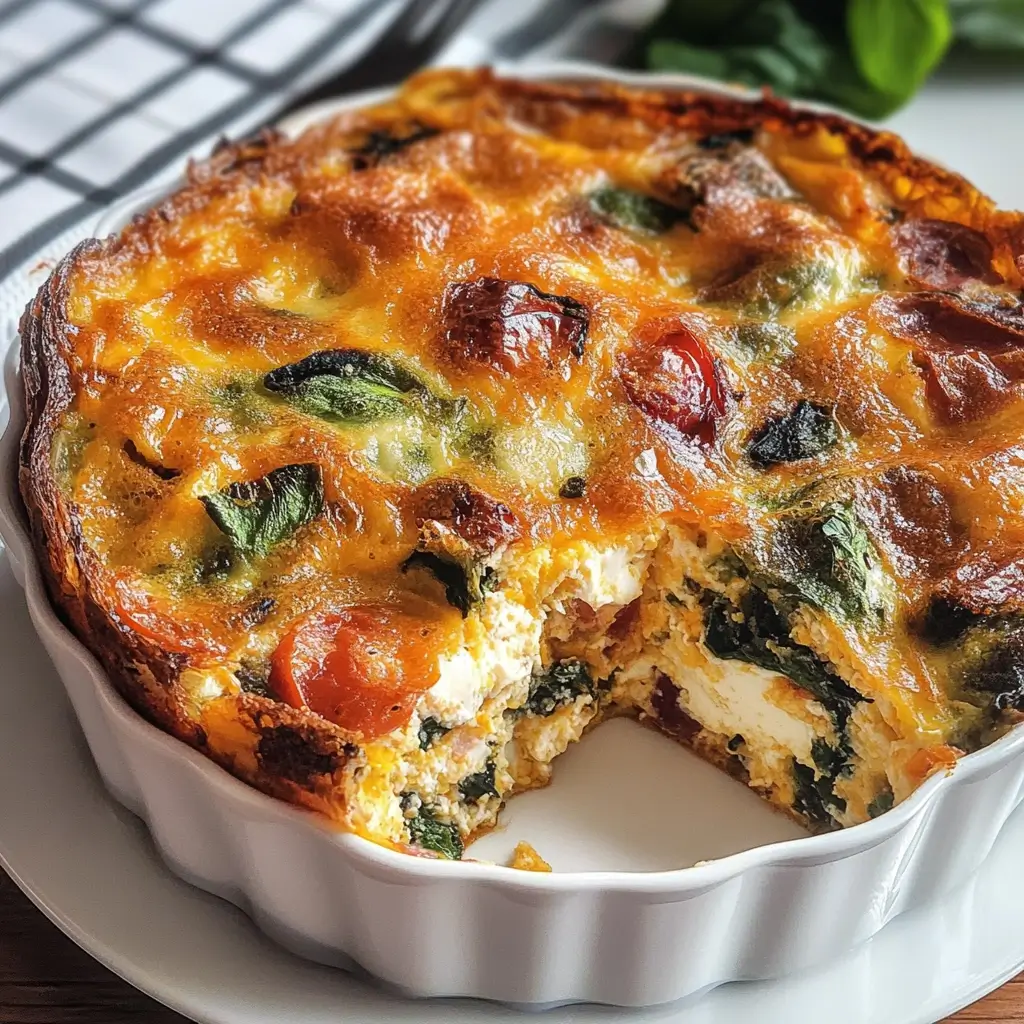
There are some recipes that just feel like sunshine on a plate, and this Mediterranean Frittata is absolutely one of them. From the first time I whipped it up on a lazy Sunday morning, it became an instant family favorite. The vibrant colors of the vegetables, the salty tang of feta, and the comforting richness of eggs create a symphony of flavors that transport us straight to the sunny shores of the Mediterranean. Even my pickiest eater, who usually shies away from vegetables, devours this frittata with gusto, proclaiming it “the best breakfast ever!” It’s become our go-to for weekend brunches, quick weeknight dinners, and even potlucks where it’s always the first dish to disappear. Beyond its delicious taste, what I love most about this recipe is its versatility and ease. It’s a fantastic way to use up leftover vegetables, and it comes together with minimal fuss, making it perfect for busy cooks and anyone who appreciates a healthy and flavorful meal. Trust me, once you try this Mediterranean Frittata, it will become a staple in your kitchen too!
Ingredients: A Mediterranean Bounty for Your Frittata
The beauty of a frittata lies in its adaptability, but to truly capture the essence of the Mediterranean, we’ll be focusing on ingredients that evoke the sun-drenched flavors of the region. Each ingredient plays a crucial role in building the layers of taste and texture that make this dish so irresistible. Let’s delve into each component and understand why they are essential and how you can select the best for your frittata.
- Eggs: The foundation of any frittata, eggs provide the structure, richness, and protein. For this recipe, we’ll need 8 large eggs. Opt for fresh, high-quality eggs whenever possible. Free-range or pasture-raised eggs often have richer yolks and a more pronounced flavor, which will elevate the overall taste of your frittata. If you are catering to a larger crowd or prefer a thicker frittata, you can easily increase the number of eggs, just remember to adjust the cooking time accordingly.
- Olive Oil: Liquid gold of the Mediterranean, 2 tablespoons of extra virgin olive oil are essential for sautéing the vegetables and adding a fruity, peppery note to the frittata. Extra virgin olive oil is not just about flavor; it’s also packed with healthy fats and antioxidants. When selecting olive oil, choose one that is cold-pressed and has a vibrant green hue, indicating freshness and quality. Avoid refined or light olive oils, as they lack the flavor and health benefits of extra virgin olive oil.
- Onion: Aromatic and foundational, 1 medium yellow onion, diced, forms the flavor base of our frittata. Yellow onions offer a balanced sweetness and pungency that mellows beautifully when sautéed. Dice the onion into small, even pieces to ensure it cooks evenly and releases its flavor throughout the frittata. If you prefer a milder flavor, you can use a sweet onion like Vidalia or Walla Walla.
- Bell Peppers: Adding sweetness, color, and crunch, we’ll use 1 red bell pepper and 1 yellow bell pepper, diced. Bell peppers are not only visually appealing but also packed with Vitamin C and antioxidants. The combination of red and yellow peppers offers a vibrant color contrast and a slightly different sweetness profile. Feel free to use any color bell pepper you have on hand – green bell peppers will add a slightly more bitter note, while orange peppers will contribute a similar sweetness to yellow peppers.
- Zucchini: Mild and subtly sweet, 1 medium zucchini, diced, adds a delicate texture and moisture to the frittata. Zucchini is a versatile vegetable that absorbs flavors well and becomes tender when cooked. Choose firm zucchini with smooth skin and avoid those that are overly large or feel spongy. If you have larger zucchini, you can remove some of the seeds before dicing to prevent the frittata from becoming too watery.
- Cherry Tomatoes: Bursting with juicy sweetness and acidity, 1 cup of cherry tomatoes, halved, provides little pockets of flavor throughout the frittata. Cherry tomatoes are sweeter and more flavorful than larger tomatoes, and their halved form ensures they cook quickly and release their juices evenly. You can also use grape tomatoes if cherry tomatoes are not available.
- Spinach: Nutrient-rich and slightly earthy, 5 ounces of fresh spinach, roughly chopped, adds a healthy dose of vitamins and minerals. Spinach wilts down beautifully during cooking, becoming tender and adding a subtle green hue to the frittata. Fresh spinach is preferred for its texture and flavor, but you can use frozen spinach if necessary. If using frozen spinach, make sure to thaw it completely and squeeze out excess moisture before adding it to the frittata.
- Kalamata Olives: Briny, salty, and intensely flavorful, ½ cup of Kalamata olives, pitted and halved, are essential for that authentic Mediterranean taste. Kalamata olives are known for their rich, fruity flavor and meaty texture. They add a salty, briny counterpoint to the sweetness of the vegetables and the richness of the eggs. Make sure to use pitted olives to save time and avoid any unpleasant surprises while eating.
- Feta Cheese: Tangy, salty, and crumbly, 4 ounces of feta cheese, crumbled, adds a signature Mediterranean flavor and creamy texture. Feta cheese, traditionally made from sheep’s milk or a blend of sheep’s and goat’s milk, provides a distinct salty and tangy flavor that complements the other ingredients beautifully. Choose a good quality feta cheese that is packed in brine for the best flavor and texture. Drain the feta well before crumbling it and adding it to the frittata.
- Fresh Herbs: Aromatic and vibrant, 2 tablespoons of chopped fresh oregano and 2 tablespoons of chopped fresh basil bring a burst of freshness and herbaceousness. Fresh herbs are crucial for elevating the flavor profile of Mediterranean cuisine. Oregano offers a slightly peppery and earthy note, while basil provides a sweet and slightly anise-like aroma. If fresh herbs are not available, you can use dried herbs, but remember to use about half the amount as dried herbs are more concentrated in flavor.
- Salt and Black Pepper: To taste, these essential seasonings enhance all the flavors and balance the dish. Use kosher salt or sea salt for the best flavor. Freshly ground black pepper is always preferred over pre-ground pepper for its brighter and more aromatic flavor. Season generously, but remember that feta cheese and olives are already salty, so taste as you go and adjust accordingly.
Instructions: Crafting Your Mediterranean Frittata Step-by-Step
Creating this Mediterranean Frittata is a simple and rewarding process. Each step is designed to build layers of flavor and texture, culminating in a dish that is both satisfying and impressive. Follow these detailed instructions to ensure your frittata turns out perfectly every time.
- Preheat Your Oven and Prepare Your Pan: Begin by preheating your oven to 375°F (190°C). Preheating ensures even cooking and allows the frittata to set properly. While the oven is heating, prepare a 9-inch oven-safe skillet. Cast iron skillets are ideal for frittatas as they distribute heat evenly and can go directly from stovetop to oven. If you don’t have a cast iron skillet, you can use any oven-safe skillet that is approximately 9 inches in diameter. Lightly grease the skillet with a little olive oil or cooking spray to prevent the frittata from sticking. This step is crucial for easy removal of the frittata once it’s cooked.
- Sauté the Aromatics and Vegetables: Place the prepared skillet over medium heat on your stovetop. Add 2 tablespoons of olive oil to the skillet and let it heat up until it shimmers slightly. Add the diced yellow onion and sauté for about 3-5 minutes, or until it becomes softened and translucent. Stir frequently to prevent burning and ensure even cooking. Once the onion is softened, add the diced red and yellow bell peppers and diced zucchini to the skillet. Continue to sauté for another 5-7 minutes, or until the vegetables are tender-crisp and slightly softened. Stir occasionally to ensure even cooking and prevent sticking. You want the vegetables to be cooked through but still retain a bit of texture.
- Incorporate Tomatoes and Spinach: Add the halved cherry tomatoes to the skillet and cook for another 2-3 minutes, or until they begin to soften and release some of their juices. This step adds moisture and sweetness to the vegetable mixture. Next, add the roughly chopped fresh spinach to the skillet. Stir continuously as the spinach wilts down, which should only take a minute or two. Spinach cooks very quickly, so be careful not to overcook it. Once the spinach is wilted, remove the skillet from the heat.
- Whisk the Eggs and Season: In a large bowl, crack 8 large eggs. Add a pinch of salt and black pepper to taste. Whisk the eggs vigorously until they are well combined and slightly frothy. Whisking incorporates air into the eggs, which will result in a lighter and fluffier frittata. Avoid over-whisking, as this can make the frittata tough. Taste the egg mixture and adjust seasoning if needed, keeping in mind the saltiness of the feta and olives that will be added later.
- Combine Ingredients and Assemble the Frittata: Pour the whisked eggs evenly over the vegetables in the skillet. Use a spatula or spoon to gently distribute the vegetables evenly throughout the eggs. Sprinkle the halved Kalamata olives and crumbled feta cheese evenly over the top of the egg and vegetable mixture. Finally, sprinkle the chopped fresh oregano and chopped fresh basil over the frittata. The herbs not only add flavor but also a beautiful visual appeal to the dish.
- Bake the Frittata to Perfection: Transfer the skillet to the preheated oven and bake for 20-25 minutes, or until the frittata is set and lightly golden brown on top. The frittata is done when the center is just set and no longer jiggly. To check for doneness, gently insert a knife into the center of the frittata. If it comes out clean, the frittata is cooked through. Be careful not to overbake the frittata, as it can become dry and rubbery.
- Rest and Serve: Once baked, carefully remove the skillet from the oven. Let the frittata rest in the skillet for 5-10 minutes before slicing and serving. Resting allows the frittata to set further and makes it easier to slice and serve. The residual heat will continue to cook the frittata slightly during this resting period. Slice the frittata into wedges and serve warm or at room temperature.
Nutrition Facts: Fueling Your Body the Mediterranean Way
This Mediterranean Frittata is not only delicious but also packed with nutrients, making it a healthy and satisfying meal option. Here’s a breakdown of the estimated nutritional information per serving. Please note that these values are estimates and can vary depending on the specific ingredients used and portion sizes.
- Servings: 6
- Calories per Serving (estimated): Approximately 350-400 calories
Approximate Nutritional Breakdown per Serving:
- Protein: 20-25 grams
- Fat: 25-30 grams (primarily healthy fats from olive oil, eggs, and feta)
- Carbohydrates: 10-15 grams (primarily from vegetables)
- Fiber: 3-5 grams
Key Nutritional Highlights:
- High in Protein: Eggs and feta cheese are excellent sources of protein, essential for muscle building and satiety.
- Rich in Healthy Fats: Olive oil and eggs provide monounsaturated and polyunsaturated fats, which are beneficial for heart health.
- Excellent Source of Vitamins and Minerals: Bell peppers, zucchini, spinach, and tomatoes are packed with vitamins A, C, K, and various B vitamins, as well as minerals like potassium and iron.
- Good Source of Fiber: Vegetables contribute to dietary fiber, promoting digestive health and helping you feel full and satisfied.
- Antioxidant-Rich: The vibrant vegetables and olive oil are rich in antioxidants, which help protect your body against cell damage.
This frittata is a balanced and nutritious meal option that aligns with the principles of the Mediterranean diet, emphasizing whole foods, healthy fats, and plenty of vegetables. It’s a great way to start your day, fuel your lunch, or enjoy a light and healthy dinner.
Preparation Time: From Prep to Plate in Under an Hour
One of the many advantages of this Mediterranean Frittata is its relatively quick preparation time. From start to finish, you can have this flavorful dish on your table in under an hour. Here’s a breakdown of the estimated time involved:
- Prep Time: 20 minutes (chopping vegetables, whisking eggs, preparing ingredients)
- Cook Time: 25-30 minutes (sautéing vegetables and baking frittata)
- Total Time: Approximately 45-50 minutes
This makes it a perfect option for busy weeknights or when you need a quick and impressive dish for brunch or gatherings. The majority of the prep time is spent chopping the vegetables, which can be streamlined if you are efficient in the kitchen or if you opt for pre-chopped vegetables from the grocery store. The baking time is relatively hands-off, allowing you to focus on other tasks while the frittata cooks to golden perfection in the oven.
How to Serve Your Mediterranean Frittata: Versatile Serving Suggestions
The Mediterranean Frittata is incredibly versatile and can be enjoyed in numerous ways, making it suitable for various meals and occasions. Here are some delicious serving suggestions to elevate your frittata experience:
- Warm and Fresh:
- Breakfast or Brunch Centerpiece: Serve warm wedges of frittata as the star of your breakfast or brunch spread. Pair it with a side of fresh fruit, yogurt, and crusty bread for a complete and satisfying meal.
- Light Lunch: Enjoy a slice of warm frittata alongside a simple green salad dressed with a lemon vinaigrette for a light yet fulfilling lunch.
- Dinner with Sides: Serve warm frittata as a main course for dinner accompanied by roasted potatoes, a Greek salad, or grilled asparagus for a more substantial meal.
- Chilled and Convenient:
- Picnic or Potluck Favorite: Frittata is delicious served cold or at room temperature, making it perfect for picnics, potlucks, and outdoor gatherings. It travels well and can be prepared ahead of time.
- Grab-and-Go Lunch: Slice the cooled frittata into squares or wedges and pack them for a healthy and convenient lunch on the go.
- Appetizer or Snack: Cut the frittata into smaller bite-sized pieces and serve as an appetizer or a flavorful snack.
- Enhance the Flavors with Accompaniments:
- Tzatziki Sauce: Drizzle a dollop of creamy tzatziki sauce over warm or cold frittata for added coolness and flavor.
- Hummus: Serve with a side of hummus and pita bread for a Mediterranean-inspired meal.
- Lemon Wedges: A squeeze of fresh lemon juice brightens the flavors of the frittata and adds a refreshing touch.
- Crusty Bread: Serve with warm, crusty bread or pita bread for soaking up the delicious flavors and juices.
- Side Salad: A simple side salad with mixed greens, cucumbers, and tomatoes complements the richness of the frittata beautifully.
No matter how you choose to serve it, this Mediterranean Frittata is sure to be a crowd-pleaser. Its vibrant flavors and versatility make it a winner for any meal and any occasion.
Additional Tips for Frittata Perfection: Secrets to Success
While this Mediterranean Frittata recipe is straightforward, these additional tips will help you achieve frittata perfection every time, ensuring a flavorful and beautifully textured dish.
- Don’t Overcrowd the Skillet: When sautéing the vegetables, make sure not to overcrowd the skillet. Overcrowding can steam the vegetables instead of sautéing them, resulting in a less flavorful and potentially watery frittata. Sauté the vegetables in batches if necessary to ensure they cook properly and develop a nice caramelized flavor. If your skillet is too small, consider using a larger one or sautéing the vegetables in two separate batches.
- Season Generously, but Taste as You Go: Seasoning is key to a flavorful frittata. Don’t be shy with salt and pepper, but remember that feta cheese and Kalamata olives are already salty. Season the vegetables while sautéing and then season the egg mixture separately. Always taste the egg mixture before pouring it over the vegetables and adjust seasoning accordingly. You can also add a pinch of red pepper flakes for a subtle kick of heat.
- Customize Your Cheese and Herbs: Feel free to experiment with different cheeses and herbs to customize the flavor profile of your frittata. Instead of feta, you could try goat cheese, ricotta salata, or even a blend of mozzarella and Parmesan for a different Mediterranean twist. For herbs, you can incorporate fresh thyme, rosemary, or parsley in addition to or in place of oregano and basil. Get creative and use what you have on hand or what your taste buds are craving.
- Ensure Even Baking: To ensure even baking and prevent the edges from overcooking before the center is set, position your oven rack in the center of the oven. If you notice the edges are browning too quickly, you can loosely tent the frittata with foil during the last few minutes of baking. Rotating the skillet halfway through baking can also help promote even cooking and browning.
- Let it Rest Before Slicing: Resist the temptation to slice into the frittata immediately after it comes out of the oven. Letting it rest for 5-10 minutes allows the frittata to set further and makes it much easier to slice into clean wedges. During resting, the internal temperature will equalize, and the frittata will become more structurally sound, preventing it from crumbling when you slice it. This resting period also allows the flavors to meld together beautifully.
FAQ: Your Burning Frittata Questions Answered
Have questions about making the perfect Mediterranean Frittata? Here are answers to some frequently asked questions to help you confidently create this delicious dish.
Q1: Can I use different vegetables in this frittata?
A: Absolutely! One of the great things about frittatas is their versatility. Feel free to substitute or add other vegetables based on your preferences and what you have available. Good additions include roasted red peppers, artichoke hearts, sun-dried tomatoes, asparagus, mushrooms, or even roasted eggplant. Just make sure to sauté or cook any hard vegetables before adding them to the frittata to ensure they are tender when baked. Consider the moisture content of the vegetables you add and adjust cooking times accordingly.
Q2: Can I make this frittata ahead of time?
A: Yes, you can definitely make this frittata ahead of time, making it a great option for meal prep or entertaining. Frittatas are delicious both warm and cold. You can bake the frittata completely, let it cool to room temperature, and then store it in an airtight container in the refrigerator for up to 3 days. Reheat it gently in the oven or microwave before serving, or enjoy it cold. It’s a convenient and flavorful make-ahead meal option.
Q3: How do I store leftover frittata?
A: Store leftover frittata in an airtight container in the refrigerator. It will keep well for up to 3 days. To reheat, you can warm it in the oven at 350°F (175°C) for about 10-15 minutes, or microwave individual slices until heated through. You can also enjoy leftover frittata cold, straight from the refrigerator, especially for a quick and healthy lunch or snack.
Q4: Can I freeze frittata?
A: While you can freeze frittata, the texture may change slightly upon thawing. Freezing can sometimes make the eggs a bit rubbery. However, if you want to freeze it, let the frittata cool completely, then cut it into individual slices. Wrap each slice tightly in plastic wrap and then place them in a freezer-safe bag or container. Freeze for up to 2-3 months. To thaw, let the frittata thaw overnight in the refrigerator or reheat directly from frozen in the oven or microwave.
Q5: What if I don’t have feta cheese? Can I use a substitute?
A: If you don’t have feta cheese, you can substitute it with other crumbly cheeses that offer a salty and tangy flavor. Good substitutes include goat cheese, ricotta salata, or even crumbled queso fresco. If you prefer a milder flavor, you can use mozzarella or provolone, although they will lack the signature tang of feta. Consider adding a pinch of extra salt if you use a less salty cheese to maintain the overall flavor balance of the frittata.
Print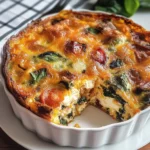
Mediterranean Frittata Recipe
Ingredients
- Eggs: The foundation of any frittata, eggs provide the structure, richness, and protein. For this recipe, we’ll need 8 large eggs. Opt for fresh, high-quality eggs whenever possible. Free-range or pasture-raised eggs often have richer yolks and a more pronounced flavor, which will elevate the overall taste of your frittata. If you are catering to a larger crowd or prefer a thicker frittata, you can easily increase the number of eggs, just remember to adjust the cooking time accordingly.
- Olive Oil: Liquid gold of the Mediterranean, 2 tablespoons of extra virgin olive oil are essential for sautéing the vegetables and adding a fruity, peppery note to the frittata. Extra virgin olive oil is not just about flavor; it’s also packed with healthy fats and antioxidants. When selecting olive oil, choose one that is cold-pressed and has a vibrant green hue, indicating freshness and quality. Avoid refined or light olive oils, as they lack the flavor and health benefits of extra virgin olive oil.
- Onion: Aromatic and foundational, 1 medium yellow onion, diced, forms the flavor base of our frittata. Yellow onions offer a balanced sweetness and pungency that mellows beautifully when sautéed. Dice the onion into small, even pieces to ensure it cooks evenly and releases its flavor throughout the frittata. If you prefer a milder flavor, you can use a sweet onion like Vidalia or Walla Walla.
- Bell Peppers: Adding sweetness, color, and crunch, we’ll use 1 red bell pepper and 1 yellow bell pepper, diced. Bell peppers are not only visually appealing but also packed with Vitamin C and antioxidants. The combination of red and yellow peppers offers a vibrant color contrast and a slightly different sweetness profile. Feel free to use any color bell pepper you have on hand – green bell peppers will add a slightly more bitter note, while orange peppers will contribute a similar sweetness to yellow peppers.
- Zucchini: Mild and subtly sweet, 1 medium zucchini, diced, adds a delicate texture and moisture to the frittata. Zucchini is a versatile vegetable that absorbs flavors well and becomes tender when cooked. Choose firm zucchini with smooth skin and avoid those that are overly large or feel spongy. If you have larger zucchini, you can remove some of the seeds before dicing to prevent the frittata from becoming too watery.
- Cherry Tomatoes: Bursting with juicy sweetness and acidity, 1 cup of cherry tomatoes, halved, provides little pockets of flavor throughout the frittata. Cherry tomatoes are sweeter and more flavorful than larger tomatoes, and their halved form ensures they cook quickly and release their juices evenly. You can also use grape tomatoes if cherry tomatoes are not available.
- Spinach: Nutrient-rich and slightly earthy, 5 ounces of fresh spinach, roughly chopped, adds a healthy dose of vitamins and minerals. Spinach wilts down beautifully during cooking, becoming tender and adding a subtle green hue to the frittata. Fresh spinach is preferred for its texture and flavor, but you can use frozen spinach if necessary. If using frozen spinach, make sure to thaw it completely and squeeze out excess moisture before adding it to the frittata.
- Kalamata Olives: Briny, salty, and intensely flavorful, ½ cup of Kalamata olives, pitted and halved, are essential for that authentic Mediterranean taste. Kalamata olives are known for their rich, fruity flavor and meaty texture. They add a salty, briny counterpoint to the sweetness of the vegetables and the richness of the eggs. Make sure to use pitted olives to save time and avoid any unpleasant surprises while eating.
- Feta Cheese: Tangy, salty, and crumbly, 4 ounces of feta cheese, crumbled, adds a signature Mediterranean flavor and creamy texture. Feta cheese, traditionally made from sheep’s milk or a blend of sheep’s and goat’s milk, provides a distinct salty and tangy flavor that complements the other ingredients beautifully. Choose a good quality feta cheese that is packed in brine for the best flavor and texture. Drain the feta well before crumbling it and adding it to the frittata.
- Fresh Herbs: Aromatic and vibrant, 2 tablespoons of chopped fresh oregano and 2 tablespoons of chopped fresh basil bring a burst of freshness and herbaceousness. Fresh herbs are crucial for elevating the flavor profile of Mediterranean cuisine. Oregano offers a slightly peppery and earthy note, while basil provides a sweet and slightly anise-like aroma. If fresh herbs are not available, you can use dried herbs, but remember to use about half the amount as dried herbs are more concentrated in flavor.
- Salt and Black Pepper: To taste, these essential seasonings enhance all the flavors and balance the dish. Use kosher salt or sea salt for the best flavor. Freshly ground black pepper is always preferred over pre-ground pepper for its brighter and more aromatic flavor. Season generously, but remember that feta cheese and olives are already salty, so taste as you go and adjust accordingly.
Instructions
- Preheat Your Oven and Prepare Your Pan: Begin by preheating your oven to 375°F (190°C). Preheating ensures even cooking and allows the frittata to set properly. While the oven is heating, prepare a 9-inch oven-safe skillet. Cast iron skillets are ideal for frittatas as they distribute heat evenly and can go directly from stovetop to oven. If you don’t have a cast iron skillet, you can use any oven-safe skillet that is approximately 9 inches in diameter. Lightly grease the skillet with a little olive oil or cooking spray to prevent the frittata from sticking. This step is crucial for easy removal of the frittata once it’s cooked.
- Sauté the Aromatics and Vegetables: Place the prepared skillet over medium heat on your stovetop. Add 2 tablespoons of olive oil to the skillet and let it heat up until it shimmers slightly. Add the diced yellow onion and sauté for about 3-5 minutes, or until it becomes softened and translucent. Stir frequently to prevent burning and ensure even cooking. Once the onion is softened, add the diced red and yellow bell peppers and diced zucchini to the skillet. Continue to sauté for another 5-7 minutes, or until the vegetables are tender-crisp and slightly softened. Stir occasionally to ensure even cooking and prevent sticking. You want the vegetables to be cooked through but still retain a bit of texture.
- Incorporate Tomatoes and Spinach: Add the halved cherry tomatoes to the skillet and cook for another 2-3 minutes, or until they begin to soften and release some of their juices. This step adds moisture and sweetness to the vegetable mixture. Next, add the roughly chopped fresh spinach to the skillet. Stir continuously as the spinach wilts down, which should only take a minute or two. Spinach cooks very quickly, so be careful not to overcook it. Once the spinach is wilted, remove the skillet from the heat.
- Whisk the Eggs and Season: In a large bowl, crack 8 large eggs. Add a pinch of salt and black pepper to taste. Whisk the eggs vigorously until they are well combined and slightly frothy. Whisking incorporates air into the eggs, which will result in a lighter and fluffier frittata. Avoid over-whisking, as this can make the frittata tough. Taste the egg mixture and adjust seasoning if needed, keeping in mind the saltiness of the feta and olives that will be added later.
- Combine Ingredients and Assemble the Frittata: Pour the whisked eggs evenly over the vegetables in the skillet. Use a spatula or spoon to gently distribute the vegetables evenly throughout the eggs. Sprinkle the halved Kalamata olives and crumbled feta cheese evenly over the top of the egg and vegetable mixture. Finally, sprinkle the chopped fresh oregano and chopped fresh basil over the frittata. The herbs not only add flavor but also a beautiful visual appeal to the dish.
- Bake the Frittata to Perfection: Transfer the skillet to the preheated oven and bake for 20-25 minutes, or until the frittata is set and lightly golden brown on top. The frittata is done when the center is just set and no longer jiggly. To check for doneness, gently insert a knife into the center of the frittata. If it comes out clean, the frittata is cooked through. Be careful not to overbake the frittata, as it can become dry and rubbery.
- Rest and Serve: Once baked, carefully remove the skillet from the oven. Let the frittata rest in the skillet for 5-10 minutes before slicing and serving. Resting allows the frittata to set further and makes it easier to slice and serve. The residual heat will continue to cook the frittata slightly during this resting period. Slice the frittata into wedges and serve warm or at room temperature.
Nutrition
- Serving Size: one normal portion
- Calories: 350-400
- Fat: 25-30 grams
- Carbohydrates: 10-15 grams
- Fiber: 3-5 grams
- Protein: 20-25 grams