
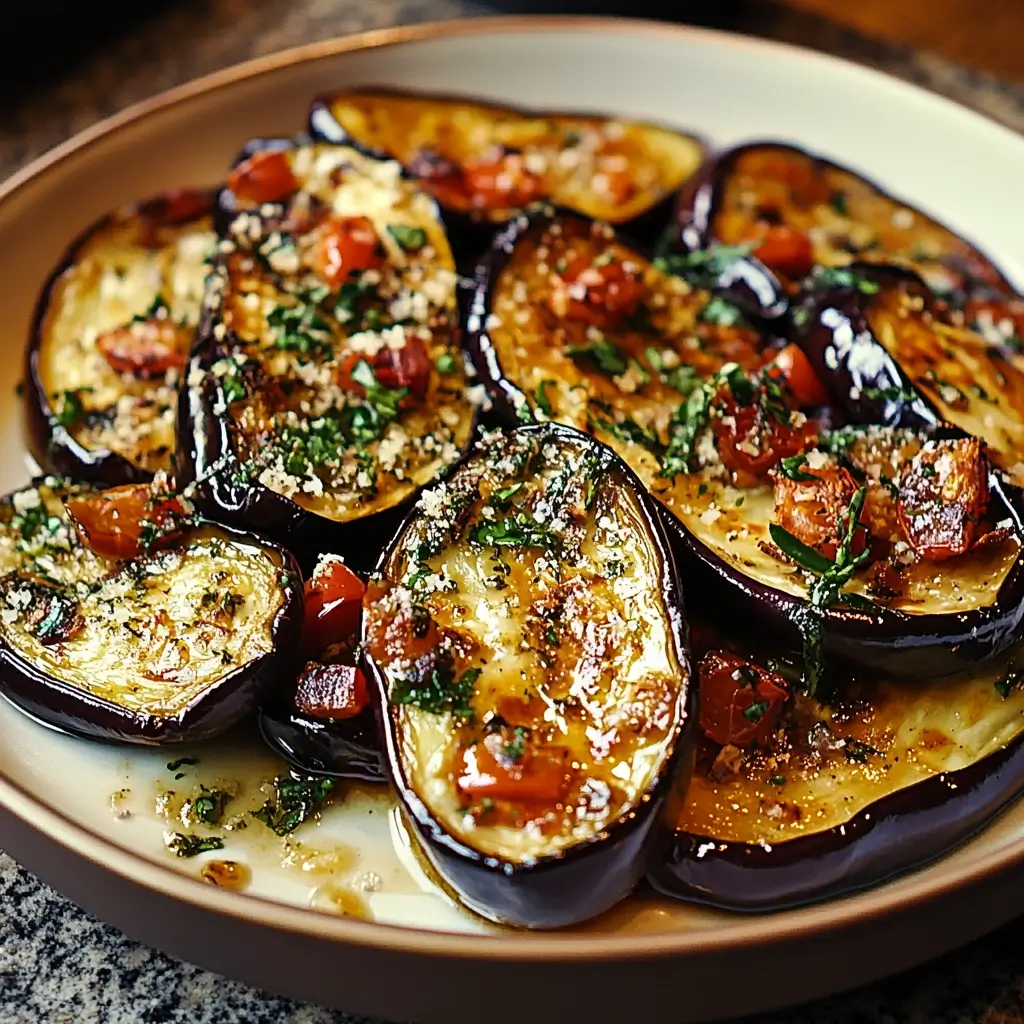
There are some dishes that instantly transport you, and for me, this Mediterranean Roasted Eggplant does just that. The first time I made it, the aroma wafting from the oven – that intoxicating blend of garlic, oregano, lemon, and the subtly sweet scent of caramelizing eggplant – filled the kitchen and promised something truly special. I was initially trying to find a simple, healthy side dish that wasn’t boring, something that would complement grilled fish without overpowering it. Eggplant can be tricky; sometimes it ends up oily, other times disappointingly bland. But this method, focusing on high heat roasting and classic Mediterranean flavours, was a revelation. When I served it to my family, piled high on a platter, glistening with olive oil and sprinkled with fresh parsley, even my pickiest eater (who usually eyes vegetables with suspicion) tentatively took a bite, then another, and actually asked for seconds! It was a small victory, but a delicious one. Since then, it’s become a staple in our house. It’s incredibly versatile – perfect alongside almost anything, fantastic tossed into salads, piled onto crusty bread, or even just eaten straight from the baking sheet (I won’t tell if you don’t!). It embodies the healthy, vibrant, and deeply satisfying essence of Mediterranean cooking, proving that simple ingredients, treated well, can create extraordinary flavour. This recipe isn’t just food; it’s sunshine on a plate, a taste of coastal breezes and relaxed meals shared with loved ones.
Ingredients for Mediterranean Roasted Eggplant
This recipe focuses on core Mediterranean flavours, allowing the eggplant’s natural sweetness to shine through when roasted. The quantities below yield approximately 4 servings as a side dish. Feel free to adjust based on your needs and preferences. Optional ingredients are included for added flavour and texture.
Core Ingredients:
- Eggplant: 2 medium-to-large globe eggplants (about 1.5 – 2 lbs / 700-900g total). Choose firm eggplants with smooth, glossy skin, free from soft spots or blemishes.
- Olive Oil: 1/4 cup (60ml) extra virgin olive oil, plus potentially a little extra for drizzling. Use a good quality oil as its flavour is prominent.
- Garlic: 4-5 cloves garlic, minced or finely grated. Adjust to your preference – use more for a bolder garlic flavour, less for subtlety.
- Dried Oregano: 1.5 teaspoons dried oregano. Mediterranean oregano is ideal if you can find it.
- Lemon: 1 medium lemon. You’ll use both the zest (about 1 teaspoon) and the juice (about 1-2 tablespoons).
- Salt: 1 teaspoon kosher salt or sea salt, plus more for potentially pre-salting the eggplant (see tips) and for tasting/adjusting.
- Black Pepper: 1/2 teaspoon freshly ground black pepper, or to taste.
Optional Enhancements (Choose any or all):
- Fresh Parsley: 1/4 cup chopped fresh flat-leaf parsley, for garnish and freshness.
- Feta Cheese: 1/4 to 1/2 cup crumbled feta cheese, added after roasting.
- Cherry Tomatoes: 1 cup cherry or grape tomatoes, halved. Add these to the roasting pan during the last 10-15 minutes of cooking.
- Red Pepper Flakes: 1/4 – 1/2 teaspoon red pepper flakes, for a touch of heat. Add with the oregano.
- Other Herbs: Fresh mint, dill, or thyme can be used in addition to or instead of parsley.
- Pine Nuts: 2-3 tablespoons toasted pine nuts, sprinkled over before serving for crunch.
- Pomegranate Seeds: 2-3 tablespoons pomegranate seeds, for a burst of colour and juicy sweetness.
- Tahini Sauce or Yogurt Dip: For drizzling or serving alongside (see How to Serve section).
Step-by-Step Instructions for Roasting Eggplant to Perfection
Roasting eggplant is straightforward, but a few key steps ensure you achieve that desirable creamy texture and caramelized flavour, avoiding sogginess or bitterness.
- Preheat Your Oven & Prepare Pans: Preheat your oven to a relatively high temperature: 400°F (200°C). High heat is crucial for achieving good caramelization and preventing the eggplant from steaming and becoming soggy. Line one or two large baking sheets with parchment paper for easy cleanup and to prevent sticking. Using two sheets might be necessary to avoid overcrowding the eggplant, which is essential for proper roasting.
- Prepare the Eggplant (Washing & Cutting): Wash the eggplants thoroughly under cold running water and pat them completely dry with paper towels or a clean kitchen towel. Trim off the green stem ends. You generally do not need to peel globe eggplants, as the skin becomes tender when roasted and adds texture and nutrients. However, if you prefer, you can peel them partially (in stripes) or fully. Cut the eggplant into uniform pieces. For this recipe, 1-inch (2.5 cm) cubes are ideal. Consistency in size ensures even cooking. You can also cut them into rounds or planks (about 1/2-inch thick), but cubes tend to roast more evenly on all sides.
- (Optional but Recommended) Salting the Eggplant: This step helps draw out excess moisture (leading to better texture) and potentially some bitterness, although modern eggplant varieties are generally less bitter than older ones. Place the cut eggplant cubes in a colander set over a bowl or in the sink. Sprinkle generously with about 1-2 teaspoons of salt (this is in addition to the salt in the ingredient list). Toss gently to coat. Let the eggplant sit for 30-60 minutes. You will see moisture beading on the surface and dripping into the bowl. Afterwards, thoroughly pat the eggplant cubes completely dry with paper towels or a clean kitchen towel. Crucial: Remove as much moisture and residual salt as possible. If you skip this step, be mindful that the eggplant might release more water during roasting.
- Season the Eggplant: In a large bowl, combine the dried eggplant cubes (if salted) or the freshly cut cubes (if not salting) with the 1/4 cup of extra virgin olive oil, minced garlic, dried oregano, lemon zest, 1 teaspoon kosher salt (use slightly less if you pre-salted heavily), and 1/2 teaspoon freshly ground black pepper. Add red pepper flakes here if using. Toss everything together gently but thoroughly, ensuring each piece of eggplant is lightly coated with the oil and seasonings. Eggplant is like a sponge and will absorb the oil quickly; ensure it’s distributed evenly.
- Arrange on Baking Sheets: Spread the seasoned eggplant cubes in a single layer on the prepared baking sheet(s). Do not overcrowd the pan. Leave some space between the pieces. Overcrowding will cause the eggplant to steam instead of roast, resulting in a softer, potentially mushy texture rather than caramelized edges. Use two baking sheets if necessary.
- Roast the Eggplant: Place the baking sheet(s) in the preheated 400°F (200°C) oven. Roast for 25-40 minutes. The exact time will depend on the size of your cubes and your specific oven. Toss or flip the eggplant pieces halfway through the cooking time (around the 15-20 minute mark) using a spatula. This promotes even browning and cooking.
- Check for Doneness: The eggplant is ready when it is deeply golden brown, caramelized in spots, tender, and creamy when pierced with a fork. It should look slightly collapsed and shrunken. If you added cherry tomatoes, they should be softened and slightly blistered. Taste a piece (carefully, it will be hot!) and adjust seasoning if needed, adding a pinch more salt or pepper if desired.
- Final Touches: Once roasted to perfection, remove the baking sheet(s) from the oven. Transfer the roasted eggplant to a serving platter or bowl. Squeeze the fresh lemon juice (about 1-2 tablespoons, or to taste) over the hot eggplant. The heat helps the eggplant absorb the bright lemon flavour.
- Garnish and Serve: Sprinkle generously with chopped fresh parsley (and/or other fresh herbs like mint or dill). If using, add crumbled feta cheese, toasted pine nuts, or pomegranate seeds now. Serve warm or at room temperature.
Nutritional Information (Approximate)
Please note that these values are estimates and can vary based on the exact size of the eggplants, the specific type and amount of olive oil used, and any optional ingredients added (like feta cheese or pine nuts, which will increase calories and fat).
- Servings: 4 (as a side dish)
- Calories per Serving: Approximately 180-220 kcal (based on core ingredients only)
Key Nutritional Highlights (General):
- Fiber: Eggplant is a good source of dietary fiber, important for digestive health.
- Vitamins & Minerals: Contains vitamins like B6 and K, and minerals like potassium and manganese.
- Antioxidants: The skin, in particular, contains nasunin, an antioxidant that gives eggplant its purple colour. Olive oil provides healthy monounsaturated fats and polyphenols. Garlic and lemon offer additional vitamins and beneficial plant compounds.
- Dietary Considerations: This recipe (using core ingredients) is naturally vegetarian, vegan, gluten-free, dairy-free, and nut-free. Adding feta makes it vegetarian but not vegan or dairy-free. Adding pine nuts makes it non-nut-free.
Preparation and Cooking Time
Understanding the time commitment helps in planning your meal.
- Preparation Time: 15 minutes (if not salting the eggplant)
- Optional Salting Time: 30-60 minutes (passive time)
- Cooking Time: 25-40 minutes
- Total Time (without salting): Approximately 40-55 minutes
- Total Time (with salting): Approximately 70-115 minutes (including the passive salting period)
How to Serve Your Delicious Mediterranean Roasted Eggplant
This roasted eggplant is wonderfully versatile. Here are several ways to enjoy it:
- Classic Side Dish:
- Serve warm alongside grilled or roasted meats like lamb chops, chicken skewers, or steak.
- Pair it with grilled fish such as sea bass, snapper, or salmon.
- Offer it as part of a vegetarian main course with halloumi cheese or chickpea patties.
- Mezze Platter Star:
- Include it as a component of a Mediterranean mezze spread with hummus, tzatziki, pita bread, olives, stuffed grape leaves, and falafel.
- Salad Ingredient:
- Toss the warm or room-temperature roasted eggplant into a green salad with mixed leaves, cucumber, bell peppers, and a lemon vinaigrette.
- Combine it with cooked grains like quinoa, couscous, farro, or bulgur, adding chickpeas, chopped tomatoes, and herbs for a hearty grain salad.
- Pasta and Grain Bowls:
- Stir the roasted eggplant into cooked pasta (like orzo or penne) with some extra olive oil, feta, and fresh basil.
- Layer it in grain bowls with your favourite base, protein (like chickpeas or lentils), fresh vegetables, and a drizzle of tahini sauce.
- Sandwiches and Wraps:
- Stuff the roasted eggplant into pita bread with hummus, lettuce, tomatoes, and a drizzle of yogurt or tahini sauce.
- Layer it on crusty bread (like ciabatta or sourdough) with goat cheese or mozzarella for a delicious vegetarian sandwich – perhaps even pressed like a panini.
- Toppings and Bases:
- Spoon it over creamy polenta or mashed potatoes.
- Use it as a topping for homemade pizzas or flatbreads, perhaps with some crumbled goat cheese and caramelized onions.
- Serve it over a bed of creamy hummus for a delightful contrast in textures.
- With Dips and Sauces:
- Drizzle generously with a simple Tahini Sauce (mix tahini, lemon juice, water, garlic, salt).
- Serve with a side of Greek Yogurt Dip (mix Greek yogurt, lemon juice, garlic, dill or mint, salt, pepper).
Chef’s Secrets: Additional Tips for Exquisite Roasted Eggplant
Elevate your roasted eggplant from good to truly exceptional with these professional tips:
- Master the Salting Technique (When and Why): While optional for modern eggplants, salting does more than remove bitterness – it crucially draws out water. Less water means the eggplant can roast and caramelize instead of steam. If you choose to salt, don’t rinse the eggplant afterwards, as this reintroduces water. Simply pat it very dry with paper towels to remove surface moisture and excess salt. If you skip salting, ensure your oven heat is high and the pan isn’t crowded to help excess moisture evaporate quickly.
- Don’t Skimp on Oil, But Don’t Drown It: Eggplant acts like a sponge, readily soaking up oil. You need enough olive oil to coat each piece lightly, facilitating heat transfer for browning and preventing sticking. However, too much oil can lead to a greasy result. Aim for a glistening coating, not a pool of oil on the baking sheet. The 1/4 cup measure is a good starting point for 2 medium/large eggplants; adjust slightly if needed. A good quality extra virgin olive oil adds significant flavour.
- Embrace High Heat and Space: Roasting requires high heat (400°F/200°C or even 425°F/220°C) to achieve that desirable Maillard reaction (browning) and caramelization, which develops deep, complex flavours. Equally important is giving the eggplant pieces space on the baking sheet. If they are packed too tightly, they trap steam, leading to a mushy, grey result instead of golden-brown, tender morsels. Use two baking sheets if your eggplant cubes fill one pan snugly.
- Uniformity is Key: Cut your eggplant into pieces of roughly the same size and shape (e.g., 1-inch cubes). This ensures that all the pieces cook at the same rate. If you have a mix of tiny and large chunks, the small ones might burn before the larger ones are tender. Consistent sizing leads to a consistently perfect texture throughout the dish.
- Finish with Acidity and Freshness: Don’t underestimate the power of the final touches. Squeezing fresh lemon juice over the hot roasted eggplant immediately after it comes out of the oven brightens the flavours and cuts through the richness of the olive oil. Adding fresh herbs like parsley, mint, or dill just before serving provides a burst of freshness, colour, and aroma that contrasts beautifully with the deep, savoury notes of the roasted vegetable. These finishing elements elevate the dish significantly.
Frequently Asked Questions (FAQ) about Mediterranean Roasted Eggplant
Here are answers to some common questions about making this dish:
- Q: Do I really need to peel the eggplant before roasting?
- A: No, you generally do not need to peel globe eggplants for roasting. The skin becomes quite tender during the high-heat cooking process and adds beneficial fiber and nutrients (including antioxidants like nasunin). It also helps the pieces hold their shape better. However, if you personally dislike the texture of the skin, or if you are using an older eggplant with particularly tough skin, you can certainly peel it partially (in stripes) or fully before cutting and roasting. It’s mostly a matter of personal preference.
- Q: My roasted eggplant sometimes turns out bitter or soggy. What am I doing wrong?
- A: Bitterness is less common in modern eggplant varieties but can sometimes occur. The optional salting step (Tip #1) can help draw out bitter compounds along with moisture. Soggy eggplant is usually due to excess moisture or insufficient heat. Ensure you:
- Pat the eggplant dry thoroughly, especially if you salted it.
- Use a high enough oven temperature (400°F/200°C or higher).
- Don’t overcrowd the baking sheet (Tip #3); give the pieces space to roast, not steam.
- Use enough oil to facilitate browning, but not so much that it becomes greasy.
- A: Bitterness is less common in modern eggplant varieties but can sometimes occur. The optional salting step (Tip #1) can help draw out bitter compounds along with moisture. Soggy eggplant is usually due to excess moisture or insufficient heat. Ensure you:
- Q: Can I prepare this Mediterranean Roasted Eggplant ahead of time?
- A: Yes, absolutely! Roasted eggplant holds up well and its flavour can even deepen overnight. You can make it a day or two in advance. Store it in an airtight container in the refrigerator. You can serve it cold or at room temperature straight from the fridge (great in salads or mezze platters). To reheat, spread it on a baking sheet and warm it in a moderate oven (around 350°F/175°C) for 10-15 minutes, or gently microwave it until warmed through. Avoid overheating, which can make it too soft.
- Q: How should I store leftovers, and how long will they last?
- A: Allow the roasted eggplant to cool completely to room temperature. Transfer leftovers to an airtight container. Store in the refrigerator for up to 3-4 days. The flavours tend to meld and become even better the next day. Freezing is generally not recommended for roasted eggplant, as the texture can become watery and mushy upon thawing.
- Q: Is this recipe suitable for vegan and gluten-free diets? What about other dietary needs?
- A: Yes, the core recipe (eggplant, olive oil, garlic, lemon, herbs, salt, pepper) is naturally vegan, gluten-free, dairy-free, and nut-free, making it very adaptable.
- Vegan/Dairy-Free: Ensure you don’t add optional feta cheese. Serve with tahini sauce instead of a yogurt-based dip.
- Gluten-Free: The recipe is inherently gluten-free. Just ensure any accompaniments (like bread or grains) are also gluten-free if needed.
- Nut-Free: Skip the optional toasted pine nuts.
Always double-check labels on ingredients like spices or sauces if cross-contamination is a major concern.
- A: Yes, the core recipe (eggplant, olive oil, garlic, lemon, herbs, salt, pepper) is naturally vegan, gluten-free, dairy-free, and nut-free, making it very adaptable.
Mediterranean Roasted Eggplant Recipe
Ingredients
Core Ingredients:
- Eggplant: 2 medium-to-large globe eggplants (about 1.5 – 2 lbs / 700-900g total). Choose firm eggplants with smooth, glossy skin, free from soft spots or blemishes.
- Olive Oil: 1/4 cup (60ml) extra virgin olive oil, plus potentially a little extra for drizzling. Use a good quality oil as its flavour is prominent.
- Garlic: 4-5 cloves garlic, minced or finely grated. Adjust to your preference – use more for a bolder garlic flavour, less for subtlety.
- Dried Oregano: 1.5 teaspoons dried oregano. Mediterranean oregano is ideal if you can find it.
- Lemon: 1 medium lemon. You’ll use both the zest (about 1 teaspoon) and the juice (about 1-2 tablespoons).
- Salt: 1 teaspoon kosher salt or sea salt, plus more for potentially pre-salting the eggplant (see tips) and for tasting/adjusting.
- Black Pepper: 1/2 teaspoon freshly ground black pepper, or to taste.
Optional Enhancements (Choose any or all):
- Fresh Parsley: 1/4 cup chopped fresh flat-leaf parsley, for garnish and freshness.
- Feta Cheese: 1/4 to 1/2 cup crumbled feta cheese, added after roasting.
- Cherry Tomatoes: 1 cup cherry or grape tomatoes, halved. Add these to the roasting pan during the last 10-15 minutes of cooking.
- Red Pepper Flakes: 1/4 – 1/2 teaspoon red pepper flakes, for a touch of heat. Add with the oregano.
- Other Herbs: Fresh mint, dill, or thyme can be used in addition to or instead of parsley.
- Pine Nuts: 2-3 tablespoons toasted pine nuts, sprinkled over before serving for crunch.
- Pomegranate Seeds: 2-3 tablespoons pomegranate seeds, for a burst of colour and juicy sweetness.
- Tahini Sauce or Yogurt Dip: For drizzling or serving alongside (see How to Serve section).
Instructions
- Preheat Your Oven & Prepare Pans: Preheat your oven to a relatively high temperature: 400°F (200°C). High heat is crucial for achieving good caramelization and preventing the eggplant from steaming and becoming soggy. Line one or two large baking sheets with parchment paper for easy cleanup and to prevent sticking. Using two sheets might be necessary to avoid overcrowding the eggplant, which is essential for proper roasting.
- Prepare the Eggplant (Washing & Cutting): Wash the eggplants thoroughly under cold running water and pat them completely dry with paper towels or a clean kitchen towel. Trim off the green stem ends. You generally do not need to peel globe eggplants, as the skin becomes tender when roasted and adds texture and nutrients. However, if you prefer, you can peel them partially (in stripes) or fully. Cut the eggplant into uniform pieces. For this recipe, 1-inch (2.5 cm) cubes are ideal. Consistency in size ensures even cooking. You can also cut them into rounds or planks (about 1/2-inch thick), but cubes tend to roast more evenly on all sides.
- (Optional but Recommended) Salting the Eggplant: This step helps draw out excess moisture (leading to better texture) and potentially some bitterness, although modern eggplant varieties are generally less bitter than older ones. Place the cut eggplant cubes in a colander set over a bowl or in the sink. Sprinkle generously with about 1-2 teaspoons of salt (this is in addition to the salt in the ingredient list). Toss gently to coat. Let the eggplant sit for 30-60 minutes. You will see moisture beading on the surface and dripping into the bowl. Afterwards, thoroughly pat the eggplant cubes completely dry with paper towels or a clean kitchen towel. Crucial: Remove as much moisture and residual salt as possible. If you skip this step, be mindful that the eggplant might release more water during roasting.
- Season the Eggplant: In a large bowl, combine the dried eggplant cubes (if salted) or the freshly cut cubes (if not salting) with the 1/4 cup of extra virgin olive oil, minced garlic, dried oregano, lemon zest, 1 teaspoon kosher salt (use slightly less if you pre-salted heavily), and 1/2 teaspoon freshly ground black pepper. Add red pepper flakes here if using. Toss everything together gently but thoroughly, ensuring each piece of eggplant is lightly coated with the oil and seasonings. Eggplant is like a sponge and will absorb the oil quickly; ensure it’s distributed evenly.
- Arrange on Baking Sheets: Spread the seasoned eggplant cubes in a single layer on the prepared baking sheet(s). Do not overcrowd the pan. Leave some space between the pieces. Overcrowding will cause the eggplant to steam instead of roast, resulting in a softer, potentially mushy texture rather than caramelized edges. Use two baking sheets if necessary.
- Roast the Eggplant: Place the baking sheet(s) in the preheated 400°F (200°C) oven. Roast for 25-40 minutes. The exact time will depend on the size of your cubes and your specific oven. Toss or flip the eggplant pieces halfway through the cooking time (around the 15-20 minute mark) using a spatula. This promotes even browning and cooking.
- Check for Doneness: The eggplant is ready when it is deeply golden brown, caramelized in spots, tender, and creamy when pierced with a fork. It should look slightly collapsed and shrunken. If you added cherry tomatoes, they should be softened and slightly blistered. Taste a piece (carefully, it will be hot!) and adjust seasoning if needed, adding a pinch more salt or pepper if desired.
- Final Touches: Once roasted to perfection, remove the baking sheet(s) from the oven. Transfer the roasted eggplant to a serving platter or bowl. Squeeze the fresh lemon juice (about 1-2 tablespoons, or to taste) over the hot eggplant. The heat helps the eggplant absorb the bright lemon flavour.
- Garnish and Serve: Sprinkle generously with chopped fresh parsley (and/or other fresh herbs like mint or dill). If using, add crumbled feta cheese, toasted pine nuts, or pomegranate seeds now. Serve warm or at room temperature.
Nutrition
- Serving Size: One Normal Portion
- Calories: 180-220 kcal