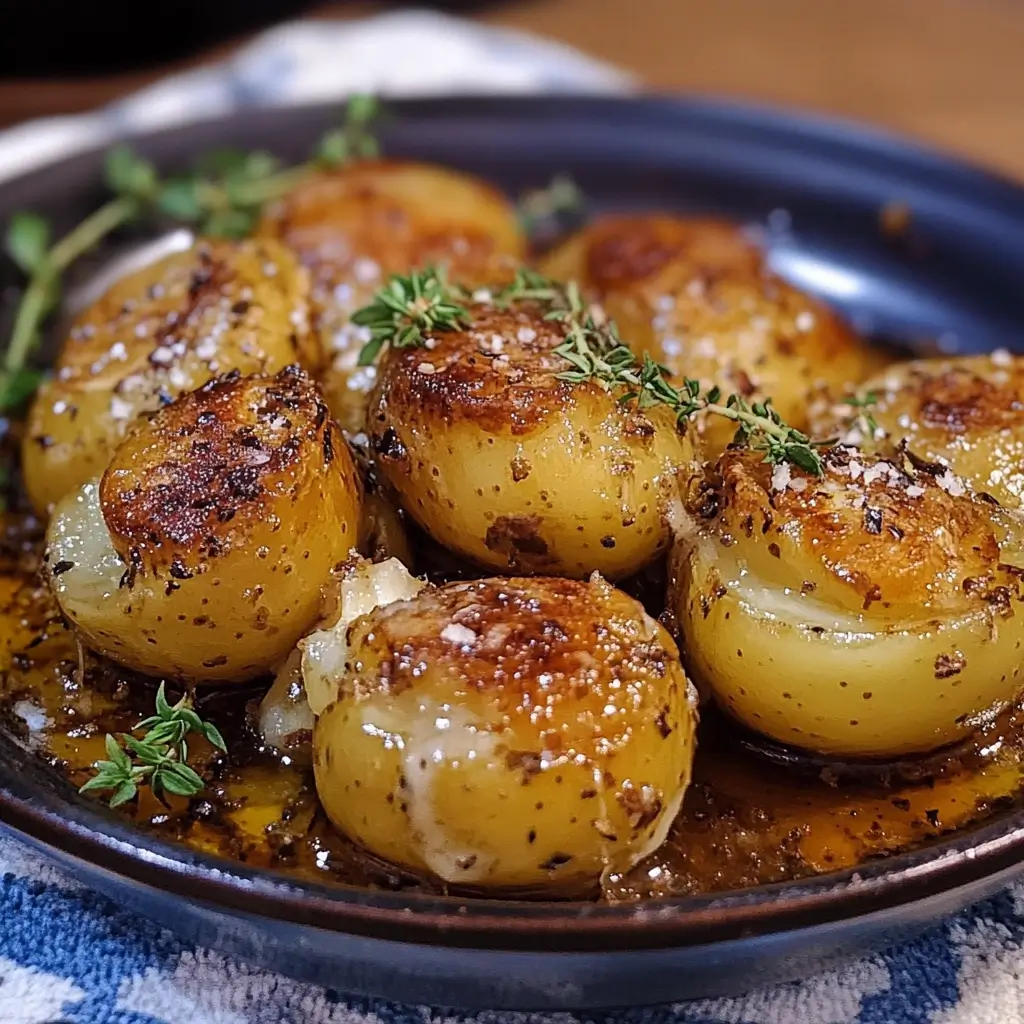
In the realm of side dishes, there are the reliable staples, the occasional experiments, and then there are the dishes that utterly transform your perception of what a side dish can be. Melting potatoes, for me, fall firmly into that last category. I stumbled upon this recipe quite by accident, buried deep within a cookbook dedicated to simple, comforting meals. Intrigued by the name and the promise of “melting” texture, I decided to give it a try. Let me tell you, the name is no exaggeration. These potatoes aren’t just tender; they are ethereal, dissolving in your mouth with a creamy, buttery richness that is simply addictive.
The first time I served melting potatoes to my family, the reaction was nothing short of astonishment. My normally picky eaters, who often view potatoes as just “potatoes,” were suddenly raving. “These are the best potatoes I’ve ever had!” declared my son, his eyes wide with surprise. My daughter, usually focused on the main course, kept sneaking extra helpings. Even my husband, a man of few words when it comes to food, simply nodded enthusiastically and went back for more. Since that first encounter, melting potatoes have become a beloved staple in our household. They are the dish I turn to when I want to impress guests, elevate a simple weeknight dinner, or simply indulge in pure, unadulterated potato perfection. If you’re looking for a side dish that is both incredibly easy to make and utterly unforgettable, look no further. Prepare to be amazed by the magic of melting potatoes.
Ingredients
This recipe relies on simple, high-quality ingredients to achieve its melt-in-your-mouth texture and rich flavor. Here’s what you’ll need to create potato perfection:
- 2 pounds Yukon Gold potatoes (or similar waxy potatoes like Yellow Finn or baby potatoes): Yukon Gold potatoes are ideal because they have a naturally buttery flavor and creamy texture when cooked. Their waxy nature helps them hold their shape initially but yields beautifully to the “melting” process. Avoid starchy potatoes like Russets, as they tend to become too fluffy and dry in this recipe.
- 6 tablespoons unsalted butter: Butter is crucial for both flavor and texture. It infuses the potatoes with richness and helps them caramelize beautifully. Unsalted butter allows you to control the saltiness of the dish.
- 4 cloves garlic, minced: Garlic adds a wonderful savory depth to the potatoes. Freshly minced garlic is recommended for the best flavor.
- 1 ½ cups chicken broth (or vegetable broth for a vegetarian option): Broth is the key to the “melting” technique. It steams the potatoes from the bottom up, creating a tender interior while the butter browns the tops and edges. Chicken broth adds a richer flavor, but vegetable broth works equally well and keeps the dish vegetarian.
- 1 teaspoon dried thyme (or 2 teaspoons fresh thyme leaves): Thyme provides a classic, earthy herb flavor that complements potatoes perfectly. Dried thyme is convenient and readily available, but fresh thyme offers a brighter, more aromatic taste. You can also experiment with other herbs like rosemary or oregano.
- ½ teaspoon salt, plus more to taste: Salt is essential for seasoning and enhancing the flavors of all the ingredients. Adjust the salt to your preference, keeping in mind that broth can sometimes be salty as well.
- ¼ teaspoon black pepper, freshly ground: Freshly ground black pepper adds a subtle warmth and spice.
- Optional garnishes: Fresh parsley, chives, grated Parmesan cheese, or a sprinkle of red pepper flakes for a touch of heat. These are optional but can elevate the presentation and flavor of the dish.
Instructions
The beauty of melting potatoes lies in their simplicity. While they taste incredibly sophisticated, the cooking process is surprisingly straightforward. Follow these step-by-step instructions to achieve perfect melting potatoes every time:
- Preheat your oven to 400°F (200°C). Ensure your oven is fully preheated to guarantee even cooking and proper browning.
- Prepare the potatoes: Thoroughly wash the Yukon Gold potatoes. Peeling is optional; leaving the skins on adds texture and nutrients, but peeling results in a smoother, more uniform texture. Once washed (and peeled, if desired), slice the potatoes into rounds approximately ½ inch thick. Consistency in thickness is important for even cooking. Aim for uniform slices to ensure they cook at the same rate.
- Melt the butter and sauté garlic: In a large, oven-safe skillet (cast iron is ideal, but any oven-safe skillet will work), melt the butter over medium heat. Once the butter is melted and slightly sizzling, add the minced garlic. Sauté the garlic for about 30 seconds to 1 minute, until fragrant but not browned. Be careful not to burn the garlic, as it will become bitter. The fragrant garlic infused butter is the foundation of the dish’s flavor.
- Arrange potato slices in the skillet: Arrange the potato slices in the skillet in a single layer. If your skillet is not large enough to accommodate all the slices in a single layer, you may need to work in batches or use two skillets. Overlapping the potatoes will prevent them from browning properly and achieving the desired texture. Arrange them tightly but not overlapping to maximize surface area for browning.
- Season the potatoes: Sprinkle the potato slices evenly with salt, pepper, and dried thyme (or fresh thyme leaves). Ensure the seasoning is distributed evenly to enhance the flavor of every bite.
- Pour in the broth: Carefully pour the chicken broth (or vegetable broth) into the skillet, around the potatoes, being careful not to pour it directly over the tops of the potatoes. The broth should come about halfway up the sides of the potato slices. The broth will steam the potatoes from below while the butter and oven heat brown the tops.
- Bring to a simmer on the stovetop: Bring the broth to a gentle simmer over medium-high heat on the stovetop. This step helps to heat the potatoes and broth before they go into the oven, kickstarting the cooking process. You should see small bubbles forming around the edges of the skillet.
- Transfer to the oven and bake: Carefully transfer the skillet to the preheated oven. Bake for 30-40 minutes, or until the potatoes are fork-tender and the tops are golden brown and caramelized. The cooking time may vary slightly depending on your oven and the thickness of the potato slices. Check for doneness by piercing a potato slice with a fork; it should easily slide in and out with minimal resistance. Keep an eye on the potatoes during the last 10-15 minutes of baking to prevent them from burning. If they are browning too quickly, you can loosely tent the skillet with foil.
- Baste with pan juices (optional but recommended): About halfway through the baking time, around the 20-minute mark, you can optionally baste the potatoes with the pan juices. Carefully remove the skillet from the oven and use a spoon to drizzle the buttery broth over the tops of the potatoes. This helps to keep them moist and encourages even browning. Return the skillet to the oven to continue baking.
- Rest and serve: Once the potatoes are cooked through and beautifully browned, remove the skillet from the oven. Let the potatoes rest for a few minutes before serving. This allows the juices to redistribute and the potatoes to become even more tender. Garnish with fresh parsley, chives, grated Parmesan cheese, or red pepper flakes, if desired. Serve immediately and enjoy the melt-in-your-mouth goodness of these incredible potatoes.
Nutrition Facts
(Per serving, approximate values)
- Serving Size: Approximately 4-5 potato slices (about ½ cup)
- Servings per recipe: 6-8 servings (depending on potato size and slice thickness)
- Calories per serving: Approximately 200-250 calories
- Fat: 12-15 grams
- Saturated Fat: 7-9 grams
- Cholesterol: 30-40 mg
- Sodium: 250-350 mg (depending on broth and added salt)
- Carbohydrates: 25-30 grams
- Fiber: 2-3 grams
- Sugar: 2-3 grams
- Protein: 3-4 grams
Note: These are estimated nutritional values and can vary based on specific ingredients used (e.g., brand of butter, type of broth) and serving sizes. For more precise nutritional information, use a nutrition calculator with the exact brands and amounts of ingredients you use. This recipe is relatively high in fat due to the butter, but it is also a good source of carbohydrates and some essential vitamins and minerals from the potatoes.
Preparation Time
Melting potatoes are surprisingly quick to prepare, making them a great option for both weeknight dinners and special occasions.
- Prep time: 15-20 minutes (includes washing, slicing potatoes, and mincing garlic)
- Cook time: 30-40 minutes
- Total time: 45-60 minutes
This timeframe allows for a delicious and impressive side dish to be on your table in under an hour, making it a convenient and rewarding recipe.
How to Serve Melting Potatoes
Melting potatoes are incredibly versatile and can be served alongside a wide variety of main courses. Their rich flavor and creamy texture make them a perfect complement to both simple and more elaborate dishes. Here are some serving suggestions:
- As a Side Dish for Meat and Poultry:
- Roasted Chicken: The crispy skin of roasted chicken pairs beautifully with the soft, buttery potatoes.
- Grilled Steak: Melting potatoes provide a luxurious counterpoint to a perfectly grilled steak.
- Pork Tenderloin: The savory sweetness of pork tenderloin is enhanced by the richness of the potatoes.
- Pan-Seared Salmon: The delicate flavor of salmon is balanced by the hearty potatoes.
- Roast Turkey or Ham: Perfect for holiday meals, melting potatoes add a touch of elegance to traditional roasts.
- Vegetarian Main Course Accompaniment:
- Lentil Loaf or Vegetarian Meatloaf: Melting potatoes offer a comforting and flavorful side to vegetarian main courses.
- Roasted Vegetables: Serve alongside other roasted vegetables like asparagus, Brussels sprouts, or carrots for a complete and satisfying vegetarian meal.
- Egg Dishes: Pair with a frittata, quiche, or baked eggs for a brunch or light dinner option.
- Bean-Based Dishes: Melting potatoes complement hearty bean stews or chili beautifully.
- Elevated Comfort Food:
- Serve with a Simple Salad: A light and fresh green salad provides a nice contrast to the richness of the potatoes.
- Add a Dollop of Sour Cream or Crème Fraîche: For extra creaminess and tang, top with a spoonful of sour cream or crème fraîche.
- Sprinkle with Fresh Herbs: Garnish with extra fresh parsley, chives, or thyme just before serving to enhance the aroma and flavor.
- Cheese Pairing: Grated Parmesan, Gruyère, or even a sprinkle of blue cheese can add another layer of flavor complexity.
Melting potatoes are not just a side dish; they are a culinary experience. Their versatility and exquisite taste make them a welcome addition to any meal, from casual weeknight dinners to special occasion feasts.
Additional Tips for Perfect Melting Potatoes
While melting potatoes are relatively foolproof, these tips will help you achieve potato perfection every time:
- Choose the Right Potatoes: As mentioned earlier, Yukon Gold potatoes are the best choice for melting potatoes due to their waxy texture and buttery flavor. Avoid starchy potatoes like Russets, which can become dry and crumbly. Yellow Finn or baby potatoes also work well as alternatives.
- Slice Potatoes Evenly: Uniformly sliced potatoes are crucial for even cooking. Aim for slices that are approximately ½ inch thick. If some slices are thicker than others, they may not cook through at the same rate, leading to unevenly cooked potatoes. Use a mandoline or a sharp knife and take your time to ensure consistency.
- Don’t Overcrowd the Skillet: Arrange the potato slices in a single layer in the skillet. Overcrowding will prevent proper browning and steaming, resulting in potatoes that are steamed instead of “melted.” If necessary, use a larger skillet or cook in batches. Adequate spacing allows for better caramelization and texture development.
- Adjust Broth Amount as Needed: The amount of broth needed may vary slightly depending on the size and type of your skillet and the thickness of your potato slices. The broth should come about halfway up the sides of the potato slices. If you find that the broth has evaporated too quickly during baking and the potatoes are not yet tender, you can add a little more broth or water to the skillet. Conversely, if there is too much liquid at the end of baking, you can increase the oven temperature slightly for the last few minutes to help it evaporate and crisp up the potatoes.
- Experiment with Flavors: While the classic thyme and garlic combination is delicious, don’t be afraid to experiment with other herbs and spices. Rosemary, oregano, sage, or even a pinch of red pepper flakes can add a unique twist to your melting potatoes. You can also try using different types of broth, such as mushroom broth for a more earthy flavor, or adding a splash of white wine to the broth for extra depth. Consider adding a sprinkle of grated Parmesan cheese during the last 10 minutes of baking for a cheesy crust.
Frequently Asked Questions (FAQ) about Melting Potatoes
Q1: Can I make melting potatoes ahead of time?
A: While melting potatoes are best served fresh and hot, you can prepare them partially ahead of time. You can slice the potatoes and sauté the garlic in butter up to a few hours in advance. Store the sliced potatoes in cold water to prevent browning. When ready to cook, drain the potatoes, arrange them in the skillet with the garlic butter, and proceed with the recipe as directed. However, baking them ahead of time and reheating is not recommended as they may lose some of their melt-in-your-mouth texture.
Q2: Can I use olive oil instead of butter?
A: Butter is crucial for the signature rich flavor and texture of melting potatoes. While you can technically use olive oil as a substitute for sautéing the garlic and browning the potatoes, it will significantly alter the taste and richness of the dish. If you are looking for a dairy-free option, you could try using a high-quality vegan butter alternative, but be aware that the flavor profile will still be slightly different from using traditional butter.
Q3: My potatoes are not browning on top. What did I do wrong?
A: Several factors can prevent potatoes from browning properly. Ensure your oven is preheated to the correct temperature (400°F/200°C). Also, make sure the potatoes are arranged in a single layer and not overcrowded. Overcrowding prevents proper heat circulation and browning. If your potatoes are not browning after the recommended baking time, you can try broiling them for the last 1-2 minutes, keeping a close eye on them to prevent burning. Sometimes, ovens vary in temperature accuracy, so you might need to adjust baking time accordingly.
Q4: Can I add cheese to melting potatoes?
A: Yes, you can absolutely add cheese to melting potatoes! Grated Parmesan cheese is a popular and delicious addition. Sprinkle grated Parmesan cheese over the potatoes during the last 10-15 minutes of baking, allowing it to melt and create a crispy, cheesy crust. You can also experiment with other cheeses like Gruyère, cheddar, or even a sprinkle of blue cheese for a bolder flavor. Adding cheese will enhance the richness and flavor of the dish even further.
Q5: Are melting potatoes gluten-free and vegetarian?
A: Yes, melting potatoes are naturally gluten-free. To make them vegetarian, simply use vegetable broth instead of chicken broth. Always double-check the ingredients of your broth to ensure it is certified gluten-free and vegetarian if you have specific dietary concerns. As written with vegetable broth, this recipe is suitable for both vegetarian and gluten-free diets, making it a versatile side dish for a variety of dietary needs.
Print
Melting Potatoes Recipe
Ingredients
- 2 pounds Yukon Gold potatoes (or similar waxy potatoes like Yellow Finn or baby potatoes): Yukon Gold potatoes are ideal because they have a naturally buttery flavor and creamy texture when cooked. Their waxy nature helps them hold their shape initially but yields beautifully to the “melting” process. Avoid starchy potatoes like Russets, as they tend to become too fluffy and dry in this recipe.
- 6 tablespoons unsalted butter: Butter is crucial for both flavor and texture. It infuses the potatoes with richness and helps them caramelize beautifully. Unsalted butter allows you to control the saltiness of the dish.
- 4 cloves garlic, minced: Garlic adds a wonderful savory depth to the potatoes. Freshly minced garlic is recommended for the best flavor.
- 1 ½ cups chicken broth (or vegetable broth for a vegetarian option): Broth is the key to the “melting” technique. It steams the potatoes from the bottom up, creating a tender interior while the butter browns the tops and edges. Chicken broth adds a richer flavor, but vegetable broth works equally well and keeps the dish vegetarian.
- 1 teaspoon dried thyme (or 2 teaspoons fresh thyme leaves): Thyme provides a classic, earthy herb flavor that complements potatoes perfectly. Dried thyme is convenient and readily available, but fresh thyme offers a brighter, more aromatic taste. You can also experiment with other herbs like rosemary or oregano.
- ½ teaspoon salt, plus more to taste: Salt is essential for seasoning and enhancing the flavors of all the ingredients. Adjust the salt to your preference, keeping in mind that broth can sometimes be salty as well.
- ¼ teaspoon black pepper, freshly ground: Freshly ground black pepper adds a subtle warmth and spice.
- Optional garnishes: Fresh parsley, chives, grated Parmesan cheese, or a sprinkle of red pepper flakes for a touch of heat. These are optional but can elevate the presentation and flavor of the dish.
Instructions
- Preheat your oven to 400°F (200°C). Ensure your oven is fully preheated to guarantee even cooking and proper browning.
- Prepare the potatoes: Thoroughly wash the Yukon Gold potatoes. Peeling is optional; leaving the skins on adds texture and nutrients, but peeling results in a smoother, more uniform texture. Once washed (and peeled, if desired), slice the potatoes into rounds approximately ½ inch thick. Consistency in thickness is important for even cooking. Aim for uniform slices to ensure they cook at the same rate.
- Melt the butter and sauté garlic: In a large, oven-safe skillet (cast iron is ideal, but any oven-safe skillet will work), melt the butter over medium heat. Once the butter is melted and slightly sizzling, add the minced garlic. Sauté the garlic for about 30 seconds to 1 minute, until fragrant but not browned. Be careful not to burn the garlic, as it will become bitter. The fragrant garlic infused butter is the foundation of the dish’s flavor.
- Arrange potato slices in the skillet: Arrange the potato slices in the skillet in a single layer. If your skillet is not large enough to accommodate all the slices in a single layer, you may need to work in batches or use two skillets. Overlapping the potatoes will prevent them from browning properly and achieving the desired texture. Arrange them tightly but not overlapping to maximize surface area for browning.
- Season the potatoes: Sprinkle the potato slices evenly with salt, pepper, and dried thyme (or fresh thyme leaves). Ensure the seasoning is distributed evenly to enhance the flavor of every bite.
- Pour in the broth: Carefully pour the chicken broth (or vegetable broth) into the skillet, around the potatoes, being careful not to pour it directly over the tops of the potatoes. The broth should come about halfway up the sides of the potato slices. The broth will steam the potatoes from below while the butter and oven heat brown the tops.
- Bring to a simmer on the stovetop: Bring the broth to a gentle simmer over medium-high heat on the stovetop. This step helps to heat the potatoes and broth before they go into the oven, kickstarting the cooking process. You should see small bubbles forming around the edges of the skillet.
- Transfer to the oven and bake: Carefully transfer the skillet to the preheated oven. Bake for 30-40 minutes, or until the potatoes are fork-tender and the tops are golden brown and caramelized. The cooking time may vary slightly depending on your oven and the thickness of the potato slices. Check for doneness by piercing a potato slice with a fork; it should easily slide in and out with minimal resistance. Keep an eye on the potatoes during the last 10-15 minutes of baking to prevent them from burning. If they are browning too quickly, you can loosely tent the skillet with foil.
- Baste with pan juices (optional but recommended): About halfway through the baking time, around the 20-minute mark, you can optionally baste the potatoes with the pan juices. Carefully remove the skillet from the oven and use a spoon to drizzle the buttery broth over the tops of the potatoes. This helps to keep them moist and encourages even browning. Return the skillet to the oven to continue baking.
- Rest and serve: Once the potatoes are cooked through and beautifully browned, remove the skillet from the oven. Let the potatoes rest for a few minutes before serving. This allows the juices to redistribute and the potatoes to become even more tender. Garnish with fresh parsley, chives, grated Parmesan cheese, or red pepper flakes, if desired. Serve immediately and enjoy the melt-in-your-mouth goodness of these incredible potatoes.
Nutrition
- Serving Size: One Normal Portion
- Calories: 200-250
- Sugar: 2-3 grams
- Sodium: 250-350 mg
- Fat: 12-15 grams
- Saturated Fat: 7-9 grams
- Carbohydrates: 25-30 grams
- Fiber: 2-3 grams
- Protein: 3-4 grams
- Cholesterol: 30-40 mg