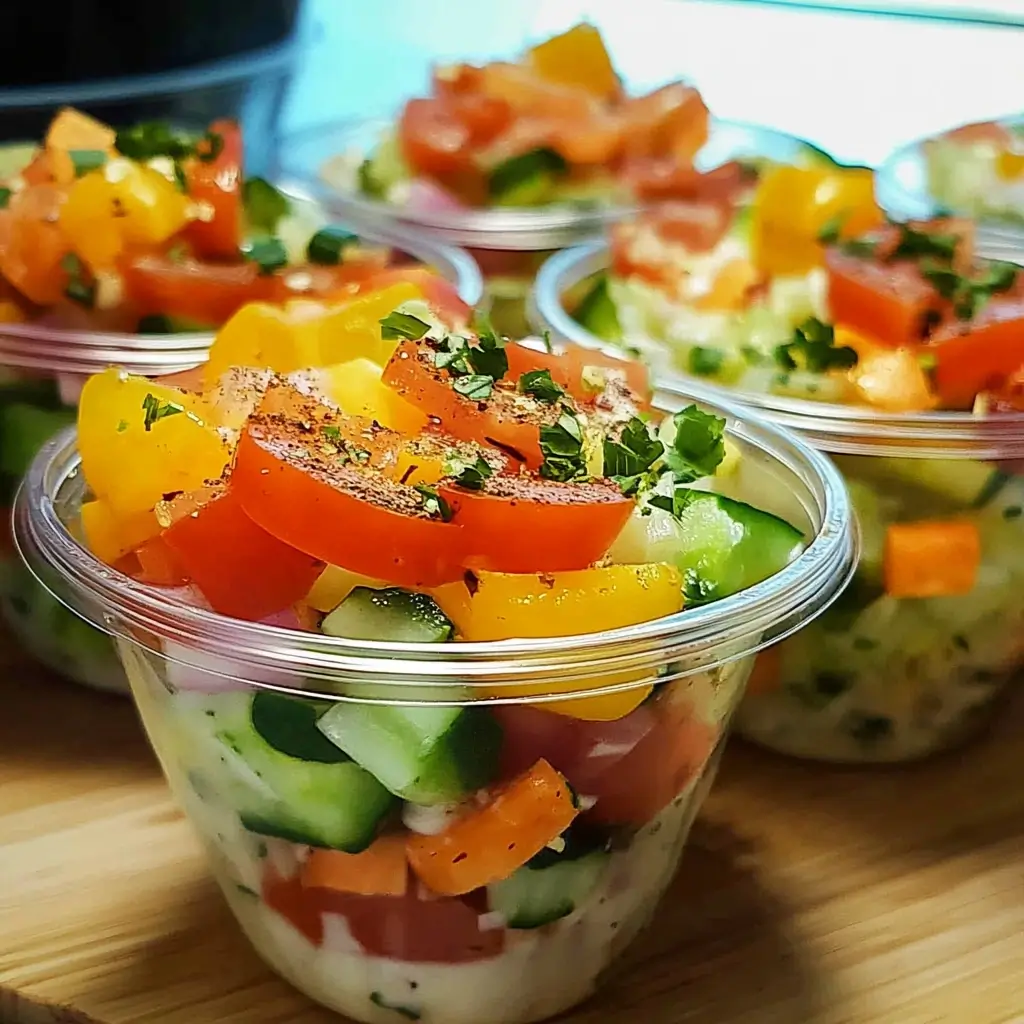

It was a Tuesday evening, and I was on the hunt for something light, refreshing, and utterly delicious to serve as a starter before dinner. Scrolling through my recipe app, my eyes landed on “Mini Salad Cups.” Intrigued by the simplicity and the sheer visual appeal, I decided to give them a whirl. Let me tell you, they were an absolute revelation! From the moment I placed them on the table, these little cups of vibrant goodness were a hit. My family, usually accustomed to heartier fare, couldn’t stop raving about how light and flavorful they were. The crispiness of the “cups” against the fresh, tangy salad filling was a textural delight. Even my youngest, who is typically a bit picky with vegetables, devoured them with gusto. These Mini Salad Cups aren’t just a recipe; they are an experience – a burst of freshness, a delightful crunch, and a guaranteed crowd-pleaser for any occasion. Whether you’re looking for a healthy snack, a stunning appetizer for your next gathering, or simply a fun way to incorporate more veggies into your diet, these mini salad cups are your answer. Trust me, once you try them, they’ll become a staple in your culinary repertoire, just as they have in mine.
Ingredients: Your Palette for Delicious Mini Salad Cups
The beauty of Mini Salad Cups lies not only in their delightful taste but also in their incredible versatility. You have a fantastic foundation to build upon, allowing you to tailor the flavors to your preferences and what you have readily available in your kitchen. Let’s break down the core components and explore some exciting options to make these mini masterpieces your own.
For the “Cups” (Choose One or a Combination):
- Crisp Lettuce Leaves (Butter, Romaine, or Iceberg): The foundation of our mini wonders! Lettuce leaves provide that essential crispness and the perfect vessel for our flavorful salad.
- Butter Lettuce: Known for its soft, pliable leaves and mild, buttery flavor, butter lettuce cups are delicate and elegant. They hold their shape well and offer a subtle sweetness that complements most salad fillings. Look for heads that are firm and have vibrant green leaves without any signs of wilting or browning.
- Romaine Lettuce: With its sturdy, elongated leaves and slightly bitter, refreshing taste, romaine lettuce provides a satisfying crunch. Its robustness makes it ideal for holding heavier fillings without tearing. Choose romaine hearts for the tenderest leaves and wash them thoroughly to remove any grit.
- Iceberg Lettuce: The classic choice for crispness! Iceberg lettuce cups are incredibly crunchy and hold their shape exceptionally well. While milder in flavor compared to other lettuces, its crisp texture is a fantastic contrast to softer salad fillings. Ensure you select a firm head of iceberg lettuce and separate the leaves carefully to avoid breaking them.
- Cucumber Slices (Thick Slices): For a refreshing and hydrating cup alternative! Thick slices of cucumber offer a cool, crisp base that’s perfect for lighter, summery fillings. Choose firm cucumbers and slice them about ½ inch thick to ensure they are sturdy enough to hold the salad. You can also slightly hollow out the center to create a deeper cup.
- Bell Pepper Pieces (Red, Yellow, or Orange): Vibrant and slightly sweet, bell pepper pieces add a pop of color and a satisfying crunch. Cut bell peppers into squares or rectangles that can be easily filled. Roasting the bell pepper pieces slightly can enhance their sweetness and soften them a bit, if desired.
For the Salad Filling (Customize to Your Heart’s Content):
- Protein (Choose One or a Combination): Protein adds substance and satiety to your mini salad cups.
- Cooked Chicken Breast (Diced or Shredded): A lean and versatile protein source. Grilled, baked, or rotisserie chicken all work wonderfully. Dicing or shredding ensures even distribution throughout the salad. Consider marinating the chicken beforehand for extra flavor.
- Canned Tuna or Salmon (Flaked): Omega-3 rich and convenient. Choose tuna or salmon packed in water and drain well. Flaking the fish ensures it mixes seamlessly with other ingredients. For a richer flavor, opt for olive oil-packed fish.
- Hard-Boiled Eggs (Chopped): A classic salad staple and a great source of protein. Hard-boiled eggs add a creamy texture and a subtle richness. Chop them finely for easy mixing and eating in the mini cups.
- Cooked Shrimp (Small, Diced): Adds a touch of elegance and sweetness. Pre-cooked or grilled shrimp work well. Dicing them into small pieces makes them perfect for the small size of the cups.
- Chickpeas or White Beans (Rinsed and Drained): A plant-based protein powerhouse. Chickpeas or white beans offer a creamy texture and a nutty flavor. You can mash some of them slightly for a creamier consistency in the salad filling. Roasting them with spices beforehand can add extra depth of flavor.
- Cooked Quinoa or Lentils: For a hearty and nutritious vegetarian option. Cooked quinoa or lentils provide a satisfying base for the salad filling and are packed with protein and fiber.
- Vegetables (Choose a Variety for Color and Texture): The heart of any salad!
- Cherry Tomatoes (Halved or Quartered): Bursting with sweetness and acidity. Halving or quartering them makes them easier to eat in the mini cups. Choose ripe, flavorful cherry tomatoes for the best taste.
- Cucumber (Diced): Adds refreshing coolness and crunch. Dicing cucumber into small, uniform pieces ensures even distribution in the salad. English cucumbers are less watery and have fewer seeds.
- Red Onion (Finely Diced): Provides a sharp, pungent bite. Finely dicing red onion mellows its flavor and makes it less overpowering. Soaking diced red onion in cold water for a few minutes can further reduce its sharpness.
- Bell Peppers (Diced – Different Colors for Visual Appeal): Sweet and crunchy, adding color and vitamins. Dicing bell peppers into small pieces complements other diced vegetables in the filling.
- Carrots (Shredded or Finely Diced): Adds sweetness and crunch. Shredded carrots are easy to incorporate, while finely diced carrots provide a more pronounced texture.
- Celery (Finely Diced): Provides a refreshing crunch and subtle celery flavor. Finely dicing celery ensures it’s not too overpowering and blends well with other flavors.
- Corn Kernels (Fresh or Frozen, Cooked): Adds sweetness and a pop of juicy texture. Fresh corn kernels, cut off the cob, are incredibly flavorful. Frozen corn kernels should be thawed and cooked briefly before adding to the salad.
- Black Olives (Sliced or Halved): Adds a salty, briny flavor. Sliced or halved black olives are easy to incorporate into the salad. Pitted olives are the most convenient choice.
- Cheese (Optional, for Creaminess and Flavor):
- Feta Cheese (Crumbled): Salty and tangy, feta adds a Mediterranean flair. Crumble feta cheese into small pieces so it’s easy to distribute throughout the salad.
- Shredded Cheddar or Monterey Jack Cheese: Mild and creamy, these cheeses add a comforting flavor. Shredding cheese ensures it melts slightly into the salad and adds a pleasant texture.
- Grated Parmesan Cheese: Adds a salty, nutty, and umami flavor. Grated parmesan is best sprinkled on top of the salad cups just before serving.
- Goat Cheese (Crumbled): Tangy and creamy, goat cheese adds a sophisticated touch. Crumble goat cheese into small pieces for easy incorporation.
- Fresh Herbs (Chopped, for Aroma and Freshness):
- Parsley (Chopped): Fresh and versatile, parsley adds a clean, herbaceous note. Flat-leaf parsley has a stronger flavor than curly parsley.
- Cilantro (Chopped): Adds a bright, citrusy flavor, especially great for Mexican-inspired fillings. If you’re not a fan of cilantro, you can omit it or substitute with parsley.
- Dill (Chopped): Adds a fresh, slightly tangy flavor, especially good with seafood or cucumber fillings. Fresh dill is more aromatic than dried dill.
- Chives (Chopped): Mild onion flavor and a delicate texture. Chives add a subtle oniony note without being overpowering.
- Dressing (Choose Your Favorite or Make Your Own): The flavor binder!
- Light Vinaigrette: A classic and healthy choice. A simple vinaigrette of olive oil, vinegar (balsamic, red wine, or apple cider), Dijon mustard, and herbs is incredibly versatile.
- Ranch Dressing (Light Version): Creamy and tangy, ranch dressing is a crowd-pleaser. Opt for a light version to keep the salad cups healthier.
- Caesar Dressing (Light Version): Rich and flavorful, Caesar dressing adds a classic salad taste. Use a light version or make your own healthier Caesar dressing.
- Honey Mustard Dressing: Sweet and tangy, honey mustard dressing is a delightful complement to many salad fillings. You can easily make your own honey mustard dressing by combining Dijon mustard, honey, and a touch of vinegar.
- Lemon-Herb Dressing: Bright and refreshing, a lemon-herb dressing is perfect for lighter fillings. Combine lemon juice, olive oil, fresh herbs, and a touch of garlic.
- Greek Yogurt-Based Dressing: For a healthier and creamier option. Greek yogurt can be used as a base for various dressings, adding protein and creaminess.
Ingredient Quantities:
The exact quantities of each ingredient will depend on the number of mini salad cups you want to make and your personal preferences. A good starting point is:
- Lettuce Leaves/Cups: 1-2 heads of lettuce or 2-3 cucumbers/bell peppers for approximately 12-15 mini cups.
- Protein: 1-2 cups of cooked protein.
- Vegetables: 2-3 cups of mixed diced vegetables.
- Cheese: ½ – 1 cup of cheese (optional).
- Fresh Herbs: ¼ – ½ cup of chopped fresh herbs.
- Dressing: ½ – ¾ cup of dressing (start with less and add more as needed).
Remember, this recipe is all about customization! Feel free to experiment with different combinations of ingredients to create your perfect Mini Salad Cups.
Instructions: Crafting Your Delectable Mini Salad Cups
Creating these Mini Salad Cups is as easy as 1-2-3! The beauty of this recipe lies in its simplicity and the minimal effort required to achieve maximum flavor and visual appeal. Follow these step-by-step instructions to assemble your own batch of delightful mini salad cups.
Step 1: Prepare the “Cups”
- Lettuce Leaves: Gently separate the lettuce leaves from the head, being careful not to tear them. Wash the leaves thoroughly under cold running water and pat them completely dry using paper towels or a salad spinner. If using larger leaves like romaine, you may want to trim the thicker bottom part of the rib to make them more pliable for forming cups. Choose the best-shaped leaves to use as cups, reserving any torn or less perfect leaves for another use or for chopping into the salad filling if desired.
- Cucumber Slices: Wash the cucumber thoroughly. Trim off the ends. Slice the cucumber into thick rounds, about ½ inch thick. If desired, use a small spoon or melon baller to gently scoop out a small portion of the center of each cucumber slice to create a deeper cup for the salad filling. This also helps prevent the filling from sliding off.
- Bell Pepper Pieces: Wash the bell pepper and remove the core, seeds, and membranes. Cut the bell pepper into squares or rectangles of a suitable size to act as cups. For a slightly softer texture and enhanced sweetness, you can lightly roast the bell pepper pieces. To roast, toss them with a little olive oil and salt and pepper, then roast in a preheated oven at 400°F (200°C) for about 10-15 minutes, or until slightly softened. Let them cool completely before using as cups.
Step 2: Prepare the Salad Filling
- Protein Preparation: If using cooked chicken, tuna, salmon, shrimp, hard-boiled eggs, chickpeas, white beans, quinoa, or lentils, ensure they are prepared according to your chosen method and cooled if necessary. Dice or shred the protein into bite-sized pieces suitable for filling the mini cups. For canned tuna or salmon, drain well and flake. For hard-boiled eggs, peel and chop them. For chickpeas or white beans, rinse and drain them, and you can mash a portion of them for a creamier texture if desired.
- Vegetable Preparation: Wash and chop all your chosen vegetables into small, uniform dice. Finely dice red onion and celery. Halve or quarter cherry tomatoes. Shred or finely dice carrots. Dice bell peppers and cucumber. Slice or halve black olives. If using fresh corn, cut the kernels off the cob. If using frozen corn, thaw and cook it briefly.
- Herb Preparation: Wash and finely chop your chosen fresh herbs, such as parsley, cilantro, dill, or chives.
- Combine Salad Ingredients: In a medium to large mixing bowl, gently combine the prepared protein, diced vegetables, cheese (if using), and chopped fresh herbs. Toss everything together to ensure even distribution of ingredients.
Step 3: Dress the Salad (Just Before Serving)
- Add Dressing: Just before you are ready to assemble and serve the mini salad cups, add your chosen dressing to the salad mixture. Start with a smaller amount of dressing (about ½ cup) and toss gently to coat the ingredients evenly. Add more dressing gradually, if needed, until the salad is lightly coated but not drowning in dressing. It’s best to dress the salad just before serving to prevent the lettuce cups from becoming soggy.
- Taste and Adjust Seasoning: Taste the salad filling and adjust seasoning as needed. You may want to add a pinch of salt, pepper, or a squeeze of lemon juice to brighten the flavors.
Step 4: Assemble the Mini Salad Cups
- Fill the Cups: Take your prepared lettuce leaves, cucumber slices, or bell pepper pieces and gently spoon the dressed salad filling into each “cup.” Be careful not to overfill the cups, as you want them to be easy to handle and eat in one or two bites. Aim for a neat and visually appealing presentation.
- Garnish (Optional): If desired, you can garnish the mini salad cups with a sprinkle of extra fresh herbs, a small piece of cheese, a halved cherry tomato, or a drizzle of extra dressing. Garnishing adds a final touch of visual appeal and can enhance the flavors.
Step 5: Serve Immediately
- Arrange and Serve: Arrange the filled Mini Salad Cups on a serving platter or tray. Serve them immediately for the best crispness and freshness. If you need to prepare them slightly ahead of time, you can assemble the cups and keep them refrigerated for a short period (up to 30 minutes), but it’s best to serve them as soon as possible after assembly to prevent the cups from becoming soggy.
Enjoy your beautifully crafted and utterly delicious Mini Salad Cups! These little bites of freshness are perfect for appetizers, snacks, light lunches, or party food. Get creative with your fillings and enjoy the endless possibilities this simple yet elegant recipe offers.
Nutrition Facts: A Healthy and Light Delight
Mini Salad Cups are not only delicious and visually appealing but also a remarkably healthy choice. Packed with fresh vegetables, lean protein options, and customizable dressings, they offer a guilt-free way to enjoy a flavorful and satisfying bite. Here’s a general overview of the nutrition facts for Mini Salad Cups, keeping in mind that the exact values will vary depending on the specific ingredients and dressing you choose.
Serving Size: Approximately 2-3 Mini Salad Cups
Approximate Calories per Serving: 100-200 calories (This is an estimate and can vary significantly based on your ingredient choices. Using lighter dressings, lean proteins, and plenty of vegetables will result in lower calorie counts.)
Typical Macronutrient Breakdown (per serving, approximate and variable):
- Protein: 5-10 grams (depending on protein source and quantity)
- Carbohydrates: 5-15 grams (primarily from vegetables and any added grains like quinoa)
- Fat: 5-15 grams (depending heavily on the dressing and cheese used. Choosing light vinaigrettes and limiting cheese will significantly reduce fat content. Opting for healthy fats like olive oil will be beneficial.)
Key Nutritional Benefits:
- High in Vitamins and Minerals: Mini Salad Cups are loaded with vitamins and minerals from the diverse array of fresh vegetables used. These include vitamins A, C, K, and various B vitamins, as well as minerals like potassium, folate, and iron, depending on the vegetables included.
- Good Source of Fiber: The vegetables in the salad filling contribute a good amount of dietary fiber, which is essential for digestive health, blood sugar control, and promoting feelings of fullness.
- Lean Protein Source: By choosing lean protein options like chicken breast, tuna, salmon, shrimp, or plant-based proteins like chickpeas or lentils, you can create Mini Salad Cups that are a good source of protein, supporting muscle building and satiety.
- Hydrating: The high water content of lettuce, cucumbers, and other vegetables helps contribute to your daily hydration needs.
- Lower in Calories Compared to Many Appetizers: Compared to many traditional appetizers that are often high in fat and calories, Mini Salad Cups are a significantly lighter and healthier option. They are perfect for those watching their calorie intake or seeking a more nutritious snack or starter.
- Customizable for Dietary Needs: The recipe is easily adaptable to various dietary needs and preferences. It can be made vegetarian, vegan, gluten-free, dairy-free, and low-carb by simply selecting appropriate ingredients and dressings.
Important Note: These nutrition facts are estimates and should be considered as a general guide. For precise nutritional information, it is recommended to use a nutrition calculator and input the exact ingredients and quantities you use in your specific recipe. Pay close attention to the dressing you choose, as dressings can significantly impact the calorie and fat content of the Mini Salad Cups. Opting for light vinaigrettes or yogurt-based dressings will help keep them healthier.
Preparation Time: Quick and Effortless
One of the greatest advantages of Mini Salad Cups is their remarkably quick and easy preparation. They are perfect for busy weeknights, last-minute gatherings, or anytime you need a delicious and impressive appetizer or snack in a hurry.
Total Preparation Time: Approximately 20-30 minutes
Breakdown of Time:
- Prep Time (Chopping Vegetables, Preparing Protein, etc.): 15-20 minutes
- Assembly Time (Filling the Cups): 5-10 minutes
Factors Affecting Preparation Time:
- Ingredient Pre-Preparation: If you are using pre-cooked protein like rotisserie chicken or canned tuna, and pre-chopped vegetables, the preparation time will be even shorter.
- Vegetable Chopping Speed: Your vegetable chopping skills will influence the prep time. Using a food processor with a dicing attachment can significantly speed up vegetable preparation if you are making a large batch.
- Complexity of Salad Filling: A simpler salad filling with fewer ingredients will take less time to prepare than a more elaborate filling with many components.
- Number of Mini Salad Cups: The more mini salad cups you plan to make, the longer the assembly process will take.
Tips to Speed Up Preparation:
- Use Pre-Cooked Protein: Utilize rotisserie chicken, canned tuna or salmon, or pre-cooked shrimp to save time on protein preparation.
- Pre-Wash and Pre-Chop Vegetables: Wash and chop your vegetables ahead of time and store them in airtight containers in the refrigerator. This can be done a day or two in advance.
- Use Pre-Made Dressing: Opt for a high-quality store-bought dressing to save time on making your own. Just be sure to choose a healthier option with lower sugar and unhealthy fats.
- Assemble Just Before Serving: While you can prepare the salad filling ahead of time, it’s best to assemble the Mini Salad Cups just before serving to maintain the crispness of the cups and prevent the salad from becoming soggy.
Overall: Mini Salad Cups are a fantastic recipe for those seeking a quick, healthy, and delicious appetizer or snack. With minimal prep and assembly time, they are perfect for any occasion, whether planned or spontaneous.
How to Serve: Presenting Your Mini Salad Cup Masterpieces
The way you serve Mini Salad Cups can elevate them from a simple snack to a visually stunning and impressive appetizer. Here are some ideas on how to serve and present your mini culinary creations:
Serving Suggestions:
- Appetizer Platter: Arrange the Mini Salad Cups on a beautiful platter or serving tray. You can create a visually appealing platter by varying the colors and types of cups used (e.g., mix lettuce cups with cucumber and bell pepper cups). Garnish the platter with extra fresh herbs or edible flowers for an elegant touch.
- Individual Plates: Serve 2-3 Mini Salad Cups per person as a starter on individual appetizer plates. This is a great option for more formal dinners or smaller gatherings.
- Buffet or Party Table: Mini Salad Cups are ideal for buffet tables or parties. They are easy to grab and eat while mingling. Arrange them attractively on tiered serving stands or platters to add height and visual interest to your buffet setup.
- Lunch Boxes or Picnics: Pack Mini Salad Cups in airtight containers for a healthy and refreshing lunch or picnic. They travel well and are a much more exciting option than a traditional sandwich. Consider packing the dressing separately and adding it just before eating to prevent sogginess if packing them far in advance.
- Alongside Other Appetizers: Serve Mini Salad Cups alongside other appetizers like bruschetta, skewers, or dips for a varied and satisfying appetizer spread. They provide a light and refreshing contrast to richer or heavier appetizers.
Presentation Tips:
- Color Contrast: Use a variety of colorful vegetables in your salad filling to create visual appeal. Red tomatoes, green cucumbers, yellow bell peppers, and orange carrots make for a vibrant and eye-catching salad.
- Garnish Attractively: Garnish the Mini Salad Cups with a sprinkle of fresh herbs, a small piece of cheese, a halved cherry tomato, or a drizzle of dressing. Garnishes add a finishing touch of elegance and can enhance the flavors.
- Use Decorative Serving Dishes: Choose attractive serving platters, trays, or bowls that complement the colors of the Mini Salad Cups. White or neutral-colored dishes often work well to showcase the vibrant colors of the salad.
- Tiered Serving Stands: Use tiered serving stands to create height and visual interest when serving Mini Salad Cups, especially for buffet tables or parties.
- Creative Cup Variations: Experiment with different types of cups beyond lettuce leaves. Cucumber slices and bell pepper pieces add color and visual variety. You can also use endive leaves for a slightly bitter and elegant cup option.
- Arrange in Patterns: Arrange the Mini Salad Cups in neat rows, circles, or other patterns on the serving platter for a more polished and professional look.
- Label Ingredients (for parties): If you are serving Mini Salad Cups at a party, consider labeling the ingredients, especially if you have different variations or if there are common allergens present (e.g., “Chicken Caesar Mini Salad Cups,” “Vegetarian Greek Mini Salad Cups”).
By paying attention to presentation, you can transform simple Mini Salad Cups into a truly impressive and delightful culinary experience for yourself and your guests.
Additional Tips for Perfect Mini Salad Cups
To ensure your Mini Salad Cups are always a resounding success, here are five additional tips to keep in mind:
- Don’t Overdress the Salad: Less is more when it comes to dressing Mini Salad Cups. Overdressing will make the salad soggy and can cause the cups to wilt and break. Start with a smaller amount of dressing and add more gradually until the salad is just lightly coated. You can always serve extra dressing on the side for those who prefer a wetter salad. Remember, the goal is to enhance the fresh flavors of the ingredients, not to mask them with dressing.
- Prepare Salad Filling Ahead, Assemble Just Before Serving: To save time and ensure the freshest possible Mini Salad Cups, prepare the salad filling (protein, vegetables, herbs, cheese) in advance. You can chop all the ingredients and store them in separate airtight containers in the refrigerator for up to a day. However, wait to dress the salad and assemble the cups until just before serving. This will prevent the cups from becoming soggy and maintain the crispness of the vegetables.
- Keep the Cups Dry: Moisture is the enemy of crisp Mini Salad Cups. After washing your lettuce leaves, cucumber slices, or bell pepper pieces, make sure to dry them thoroughly. Use paper towels or a salad spinner to remove excess water. Dry cups will hold their shape better and prevent the salad filling from making them soggy quickly.
- Vary the Flavors and Ingredients: Don’t be afraid to experiment with different flavor combinations and ingredients to keep your Mini Salad Cups exciting and cater to various tastes. Try different protein sources, vegetables, cheeses, herbs, and dressings. Explore global flavors by incorporating ingredients like avocado and lime for a Mexican twist, or olives and feta for a Mediterranean vibe. The possibilities are endless!
- Consider Dietary Restrictions and Preferences: When serving Mini Salad Cups to guests, be mindful of any dietary restrictions or preferences. Offer vegetarian, vegan, or gluten-free options. Clearly label different variations if you are serving multiple types. You can easily adapt the recipe to accommodate various needs by simply swapping out ingredients or offering a variety of dressings. Providing options ensures that everyone can enjoy these delightful appetizers.
By following these additional tips, you can consistently create perfect Mini Salad Cups that are not only delicious and healthy but also visually appealing and tailored to your and your guests’ preferences.
FAQ: Your Mini Salad Cup Questions Answered
Have questions about making Mini Salad Cups? Here are answers to some frequently asked questions to help you create perfect little bites of salad goodness:
Q1: Can I make Mini Salad Cups ahead of time?
A: While you can prepare the salad filling ahead of time (up to a day in advance, stored separately in the refrigerator), it’s best to assemble the Mini Salad Cups just before serving for optimal crispness. Assembling them too far in advance can cause the cups to become soggy from the dressing and moisture from the salad filling. If you need to prepare them slightly ahead, you can assemble them up to 30 minutes before serving and keep them refrigerated, but ideally, assemble and serve immediately for the best texture.
Q2: What are good substitutes for lettuce cups?
A: If you don’t want to use lettuce leaves, or are looking for variety, there are several excellent substitutes for the “cups” in Mini Salad Cups:
- Cucumber Slices: Thick slices of cucumber provide a refreshing and hydrating alternative.
- Bell Pepper Pieces: Squares or rectangles of bell pepper (red, yellow, or orange) offer a colorful and slightly sweet option.
- Endive Leaves: Endive leaves have a boat-like shape and a slightly bitter flavor that pairs well with many salad fillings.
- Radicchio Leaves: Radicchio leaves are sturdy and have a slightly bitter and peppery flavor, adding a unique twist.
- Wonton Cups (Baked): For a less healthy but more substantial option, you can use baked wonton cups as a crispy base.
Q3: Can I use a different type of dressing?
A: Absolutely! The dressing is a key component of the flavor profile of your Mini Salad Cups, and you can use virtually any type of dressing you prefer. Some popular choices include:
- Vinaigrettes: Light and tangy, vinaigrettes are a classic choice and can be made with various vinegars and oils.
- Ranch Dressing: Creamy and flavorful, ranch is a crowd-pleaser, especially for a more casual appetizer.
- Caesar Dressing: Rich and savory, Caesar dressing adds a classic salad taste.
- Honey Mustard Dressing: Sweet and tangy, honey mustard is a delightful option for many fillings.
- Greek Yogurt-Based Dressings: Healthier and creamy, Greek yogurt dressings are a great way to add protein and reduce fat.
- Asian-Inspired Dressings: Sesame ginger, peanut, or soy-based dressings can add an exciting Asian flair.
Q4: How do I prevent the salad cups from getting soggy?
A: Preventing sogginess is key to delicious Mini Salad Cups. Here are some tips:
- Dry the Cups Thoroughly: Ensure lettuce leaves, cucumber slices, or bell pepper pieces are completely dry after washing.
- Don’t Overdress: Dress the salad lightly and just before serving.
- Use Drier Vegetables: Choose vegetables that are not overly watery. If using cucumbers or tomatoes, you can remove some of the seeds and excess moisture.
- Assemble Just Before Serving: As mentioned earlier, assemble the cups right before serving to minimize sogginess.
- Store Components Separately: If preparing ahead, keep the cups, salad filling, and dressing separate until ready to assemble.
Q5: Can I make vegetarian or vegan Mini Salad Cups?
A: Yes, absolutely! Mini Salad Cups are incredibly easy to adapt for vegetarian or vegan diets.
- Vegetarian: Simply use vegetarian protein sources like hard-boiled eggs, chickpeas, white beans, quinoa, or lentils. Choose vegetarian cheese options like feta or cheddar.
- Vegan: For vegan Mini Salad Cups, use plant-based protein sources like chickpeas, white beans, lentils, tofu (diced and cooked), or edamame. Omit cheese or use vegan cheese alternatives. Ensure your dressing is also vegan (many vinaigrettes are naturally vegan, or you can use vegan ranch or Caesar dressings). Focus on using a wide variety of colorful vegetables for a flavorful and satisfying vegan option.
By keeping these FAQs in mind, you’ll be well-equipped to tackle any Mini Salad Cup challenge and create perfect, delicious, and crowd-pleasing appetizers every time!
Print
Mini Salad Cups Recipe
Ingredients
For the “Cups” (Choose One or a Combination):
- Crisp Lettuce Leaves (Butter, Romaine, or Iceberg): The foundation of our mini wonders! Lettuce leaves provide that essential crispness and the perfect vessel for our flavorful salad.
- Butter Lettuce: Known for its soft, pliable leaves and mild, buttery flavor, butter lettuce cups are delicate and elegant. They hold their shape well and offer a subtle sweetness that complements most salad fillings. Look for heads that are firm and have vibrant green leaves without any signs of wilting or browning.
- Romaine Lettuce: With its sturdy, elongated leaves and slightly bitter, refreshing taste, romaine lettuce provides a satisfying crunch. Its robustness makes it ideal for holding heavier fillings without tearing. Choose romaine hearts for the tenderest leaves and wash them thoroughly to remove any grit.
- Iceberg Lettuce: The classic choice for crispness! Iceberg lettuce cups are incredibly crunchy and hold their shape exceptionally well. While milder in flavor compared to other lettuces, its crisp texture is a fantastic contrast to softer salad fillings. Ensure you select a firm head of iceberg lettuce and separate the leaves carefully to avoid breaking them.
- Cucumber Slices (Thick Slices): For a refreshing and hydrating cup alternative! Thick slices of cucumber offer a cool, crisp base that’s perfect for lighter, summery fillings. Choose firm cucumbers and slice them about ½ inch thick to ensure they are sturdy enough to hold the salad. You can also slightly hollow out the center to create a deeper cup.
- Bell Pepper Pieces (Red, Yellow, or Orange): Vibrant and slightly sweet, bell pepper pieces add a pop of color and a satisfying crunch. Cut bell peppers into squares or rectangles that can be easily filled. Roasting the bell pepper pieces slightly can enhance their sweetness and soften them a bit, if desired.
For the Salad Filling (Customize to Your Heart’s Content):
- Protein (Choose One or a Combination): Protein adds substance and satiety to your mini salad cups.
- Cooked Chicken Breast (Diced or Shredded): A lean and versatile protein source. Grilled, baked, or rotisserie chicken all work wonderfully. Dicing or shredding ensures even distribution throughout the salad. Consider marinating the chicken beforehand for extra flavor.
- Canned Tuna or Salmon (Flaked): Omega-3 rich and convenient. Choose tuna or salmon packed in water and drain well. Flaking the fish ensures it mixes seamlessly with other ingredients. For a richer flavor, opt for olive oil-packed fish.
- Hard-Boiled Eggs (Chopped): A classic salad staple and a great source of protein. Hard-boiled eggs add a creamy texture and a subtle richness. Chop them finely for easy mixing and eating in the mini cups.
- Cooked Shrimp (Small, Diced): Adds a touch of elegance and sweetness. Pre-cooked or grilled shrimp work well. Dicing them into small pieces makes them perfect for the small size of the cups.
- Chickpeas or White Beans (Rinsed and Drained): A plant-based protein powerhouse. Chickpeas or white beans offer a creamy texture and a nutty flavor. You can mash some of them slightly for a creamier consistency in the salad filling. Roasting them with spices beforehand can add extra depth of flavor.
- Cooked Quinoa or Lentils: For a hearty and nutritious vegetarian option. Cooked quinoa or lentils provide a satisfying base for the salad filling and are packed with protein and fiber.
- Vegetables (Choose a Variety for Color and Texture): The heart of any salad!
- Cherry Tomatoes (Halved or Quartered): Bursting with sweetness and acidity. Halving or quartering them makes them easier to eat in the mini cups. Choose ripe, flavorful cherry tomatoes for the best taste.
- Cucumber (Diced): Adds refreshing coolness and crunch. Dicing cucumber into small, uniform pieces ensures even distribution in the salad. English cucumbers are less watery and have fewer seeds.
- Red Onion (Finely Diced): Provides a sharp, pungent bite. Finely dicing red onion mellows its flavor and makes it less overpowering. Soaking diced red onion in cold water for a few minutes can further reduce its sharpness.
- Bell Peppers (Diced – Different Colors for Visual Appeal): Sweet and crunchy, adding color and vitamins. Dicing bell peppers into small pieces complements other diced vegetables in the filling.
- Carrots (Shredded or Finely Diced): Adds sweetness and crunch. Shredded carrots are easy to incorporate, while finely diced carrots provide a more pronounced texture.
- Celery (Finely Diced): Provides a refreshing crunch and subtle celery flavor. Finely dicing celery ensures it’s not too overpowering and blends well with other flavors.
- Corn Kernels (Fresh or Frozen, Cooked): Adds sweetness and a pop of juicy texture. Fresh corn kernels, cut off the cob, are incredibly flavorful. Frozen corn kernels should be thawed and cooked briefly before adding to the salad.
- Black Olives (Sliced or Halved): Adds a salty, briny flavor. Sliced or halved black olives are easy to incorporate into the salad. Pitted olives are the most convenient choice.
- Cheese (Optional, for Creaminess and Flavor):
- Feta Cheese (Crumbled): Salty and tangy, feta adds a Mediterranean flair. Crumble feta cheese into small pieces so it’s easy to distribute throughout the salad.
- Shredded Cheddar or Monterey Jack Cheese: Mild and creamy, these cheeses add a comforting flavor. Shredding cheese ensures it melts slightly into the salad and adds a pleasant texture.
- Grated Parmesan Cheese: Adds a salty, nutty, and umami flavor. Grated parmesan is best sprinkled on top of the salad cups just before serving.
- Goat Cheese (Crumbled): Tangy and creamy, goat cheese adds a sophisticated touch. Crumble goat cheese into small pieces for easy incorporation.
- Fresh Herbs (Chopped, for Aroma and Freshness):
- Parsley (Chopped): Fresh and versatile, parsley adds a clean, herbaceous note. Flat-leaf parsley has a stronger flavor than curly parsley.
- Cilantro (Chopped): Adds a bright, citrusy flavor, especially great for Mexican-inspired fillings. If you’re not a fan of cilantro, you can omit it or substitute with parsley.
- Dill (Chopped): Adds a fresh, slightly tangy flavor, especially good with seafood or cucumber fillings. Fresh dill is more aromatic than dried dill.
- Chives (Chopped): Mild onion flavor and a delicate texture. Chives add a subtle oniony note without being overpowering.
- Dressing (Choose Your Favorite or Make Your Own): The flavor binder!
- Light Vinaigrette: A classic and healthy choice. A simple vinaigrette of olive oil, vinegar (balsamic, red wine, or apple cider), Dijon mustard, and herbs is incredibly versatile.
- Ranch Dressing (Light Version): Creamy and tangy, ranch dressing is a crowd-pleaser. Opt for a light version to keep the salad cups healthier.
- Caesar Dressing (Light Version): Rich and flavorful, Caesar dressing adds a classic salad taste. Use a light version or make your own healthier Caesar dressing.
- Honey Mustard Dressing: Sweet and tangy, honey mustard dressing is a delightful complement to many salad fillings. You can easily make your own honey mustard dressing by combining Dijon mustard, honey, and a touch of vinegar.
- Lemon-Herb Dressing: Bright and refreshing, a lemon-herb dressing is perfect for lighter fillings. Combine lemon juice, olive oil, fresh herbs, and a touch of garlic.
- Greek Yogurt-Based Dressing: For a healthier and creamier option. Greek yogurt can be used as a base for various dressings, adding protein and creaminess.
Instructions
Step 1: Prepare the “Cups”
- Lettuce Leaves: Gently separate the lettuce leaves from the head, being careful not to tear them. Wash the leaves thoroughly under cold running water and pat them completely dry using paper towels or a salad spinner. If using larger leaves like romaine, you may want to trim the thicker bottom part of the rib to make them more pliable for forming cups. Choose the best-shaped leaves to use as cups, reserving any torn or less perfect leaves for another use or for chopping into the salad filling if desired.
- Cucumber Slices: Wash the cucumber thoroughly. Trim off the ends. Slice the cucumber into thick rounds, about ½ inch thick. If desired, use a small spoon or melon baller to gently scoop out a small portion of the center of each cucumber slice to create a deeper cup for the salad filling. This also helps prevent the filling from sliding off.
- Bell Pepper Pieces: Wash the bell pepper and remove the core, seeds, and membranes. Cut the bell pepper into squares or rectangles of a suitable size to act as cups. For a slightly softer texture and enhanced sweetness, you can lightly roast the bell pepper pieces. To roast, toss them with a little olive oil and salt and pepper, then roast in a preheated oven at 400°F (200°C) for about 10-15 minutes, or until slightly softened. Let them cool completely before using as cups.
Step 2: Prepare the Salad Filling
- Protein Preparation: If using cooked chicken, tuna, salmon, shrimp, hard-boiled eggs, chickpeas, white beans, quinoa, or lentils, ensure they are prepared according to your chosen method and cooled if necessary. Dice or shred the protein into bite-sized pieces suitable for filling the mini cups. For canned tuna or salmon, drain well and flake. For hard-boiled eggs, peel and chop them. For chickpeas or white beans, rinse and drain them, and you can mash a portion of them for a creamier texture if desired.
- Vegetable Preparation: Wash and chop all your chosen vegetables into small, uniform dice. Finely dice red onion and celery. Halve or quarter cherry tomatoes. Shred or finely dice carrots. Dice bell peppers and cucumber. Slice or halve black olives. If using fresh corn, cut the kernels off the cob. If using frozen corn, thaw and cook it briefly.
- Herb Preparation: Wash and finely chop your chosen fresh herbs, such as parsley, cilantro, dill, or chives.
- Combine Salad Ingredients: In a medium to large mixing bowl, gently combine the prepared protein, diced vegetables, cheese (if using), and chopped fresh herbs. Toss everything together to ensure even distribution of ingredients.
Step 3: Dress the Salad (Just Before Serving)
- Add Dressing: Just before you are ready to assemble and serve the mini salad cups, add your chosen dressing to the salad mixture. Start with a smaller amount of dressing (about ½ cup) and toss gently to coat the ingredients evenly. Add more dressing gradually, if needed, until the salad is lightly coated but not drowning in dressing. It’s best to dress the salad just before serving to prevent the lettuce cups from becoming soggy.
- Taste and Adjust Seasoning: Taste the salad filling and adjust seasoning as needed. You may want to add a pinch of salt, pepper, or a squeeze of lemon juice to brighten the flavors.
Step 4: Assemble the Mini Salad Cups
- Fill the Cups: Take your prepared lettuce leaves, cucumber slices, or bell pepper pieces and gently spoon the dressed salad filling into each “cup.” Be careful not to overfill the cups, as you want them to be easy to handle and eat in one or two bites. Aim for a neat and visually appealing presentation.
- Garnish (Optional): If desired, you can garnish the mini salad cups with a sprinkle of extra fresh herbs, a small piece of cheese, a halved cherry tomato, or a drizzle of extra dressing. Garnishing adds a final touch of visual appeal and can enhance the flavors.
Step 5: Serve Immediately
- Arrange and Serve: Arrange the filled Mini Salad Cups on a serving platter or tray. Serve them immediately for the best crispness and freshness. If you need to prepare them slightly ahead of time, you can assemble the cups and keep them refrigerated for a short period (up to 30 minutes), but it’s best to serve them as soon as possible after assembly to prevent the cups from becoming soggy.
Nutrition
- Serving Size: one normal portion
- Calories: 100-200
- Fat: 5-15 grams
- Carbohydrates: 5-15 grams
- Protein: 5-10 grams