
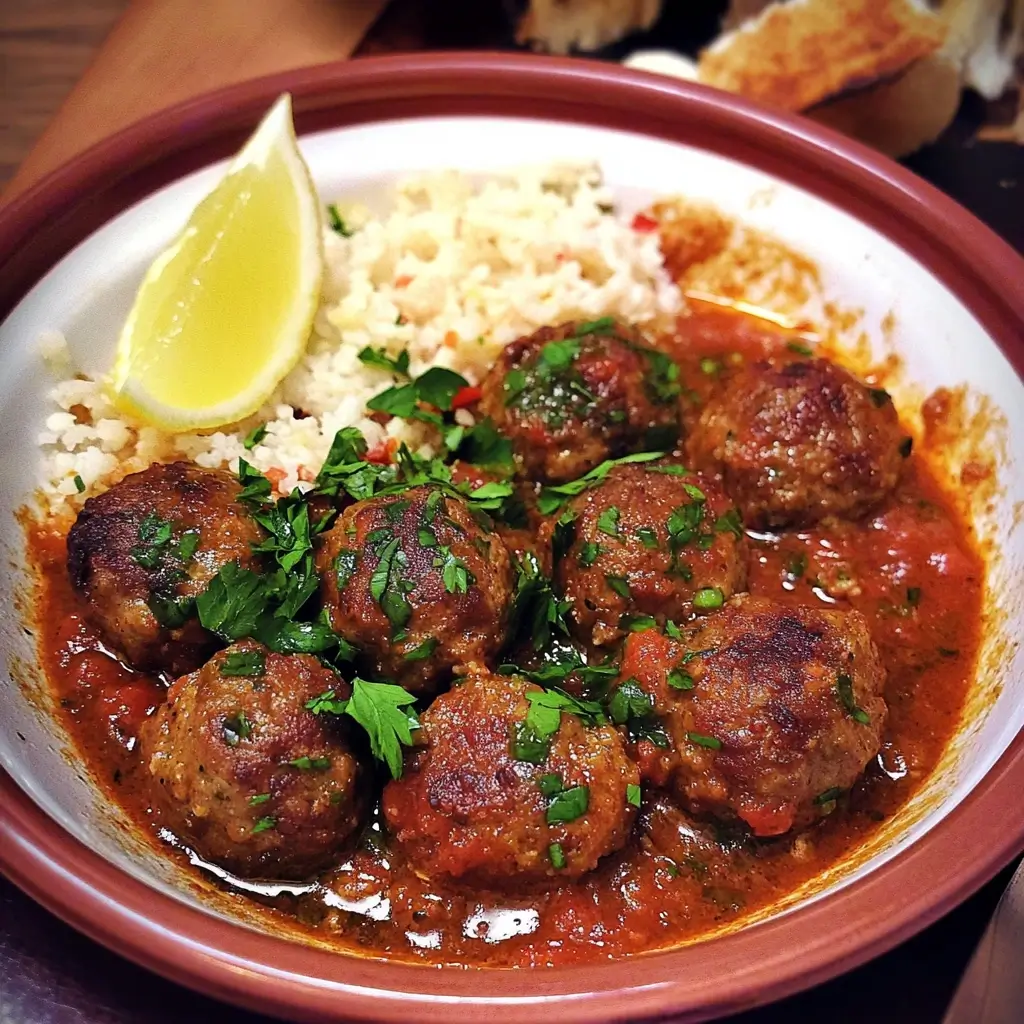
From the moment the aroma first wafted from the kitchen, a tantalizing blend of warm spices and savory meat, I knew this Moroccan Meatballs recipe was going to be a winner. My family, usually a tough crowd to impress when it comes to trying new cuisines, was utterly captivated. The tender, juicy meatballs, simmered in a rich and fragrant tomato-based sauce, were an instant hit. Even my youngest, who typically shies away from anything remotely “exotic,” devoured them with gusto, asking for seconds and even thirds! This isn’t just a meal; it’s an experience, a culinary journey to the heart of Morocco that you can create right in your own kitchen. The vibrant flavors, the comforting warmth, and the sheer deliciousness of these Moroccan Meatballs have earned them a permanent spot in our family’s recipe repertoire, and I’m thrilled to share this delightful experience with you. Get ready to embark on a flavorful adventure that will transform your weeknight dinners and impress even the most discerning palates.
Ingredients
To create these incredibly flavorful Moroccan Meatballs, you’ll need a selection of fresh, high-quality ingredients. Each component plays a vital role in building the complex and aromatic profile that defines this dish. Let’s break down the ingredients you’ll need for both the meatballs and the flavorful sauce:
For the Meatballs:
- 1.5 lbs Ground Meat: A blend of ground beef and lamb (approximately 1 lb beef and 0.5 lb lamb) is ideal for authentic Moroccan flavor. The lamb adds a distinctive richness and depth that complements the beef beautifully. However, you can also use all ground beef, ground lamb, or even ground turkey or chicken for a leaner option. Opt for ground meat with a bit of fat content (around 80/20 for beef or lamb) as this will keep the meatballs moist and tender during cooking.
- 1 Large Onion: Finely diced yellow or white onion forms the aromatic base of the meatballs. It adds sweetness and savory depth. Ensure the onion is diced finely so it cooks through evenly and blends seamlessly into the meatball mixture.
- 4 Cloves Garlic: Fresh garlic, minced or finely grated, is essential for its pungent and aromatic contribution. Garlic enhances the overall flavor profile and complements the spices wonderfully. Fresh garlic is always preferred for its brighter, more intense flavor compared to pre-minced garlic in jars.
- 1/2 Cup Fresh Parsley: Finely chopped fresh parsley adds a vibrant herbaceousness and freshness to the meatballs. Flat-leaf parsley (Italian parsley) is recommended for its robust flavor, but curly parsley can also be used. Fresh parsley is key; dried parsley will not provide the same vibrant flavor.
- 1/4 Cup Fresh Cilantro: Finely chopped fresh cilantro provides a bright, citrusy, and slightly peppery note that is characteristic of Moroccan cuisine. If you are not a fan of cilantro, you can substitute with more parsley or omit it altogether, though cilantro truly enhances the authentic flavor.
- 1 Large Egg: The egg acts as a binder, helping to hold the meatball mixture together and prevent them from crumbling during cooking. Use a large egg for optimal binding.
- 1/2 Cup Breadcrumbs: Plain breadcrumbs, either fresh or dried, add a light and airy texture to the meatballs. They absorb moisture and prevent the meatballs from becoming too dense. Panko breadcrumbs can also be used for a slightly coarser texture. If using dried breadcrumbs, ensure they are plain and unseasoned.
- 2 Tablespoons Olive Oil: Olive oil adds richness and flavor to the meatballs and is used for sautéing the onions and garlic. Extra virgin olive oil is recommended for its superior flavor and health benefits.
- Spices (Meatball Mixture): This is where the magic happens! The spice blend is crucial for the authentic Moroccan flavor.
- 1 Tablespoon Ground Cumin: Cumin provides a warm, earthy, and slightly bitter flavor that is fundamental to Moroccan cuisine.
- 1 Tablespoon Ground Coriander: Coriander offers a warm, citrusy, and slightly sweet flavor that complements cumin beautifully.
- 1 Teaspoon Ground Paprika: Sweet paprika adds a mild, sweet, and slightly smoky flavor, as well as a vibrant red color to the meatballs.
- 1/2 Teaspoon Ground Turmeric: Turmeric contributes a warm, earthy, and slightly bitter flavor, along with a beautiful golden yellow color. It also has anti-inflammatory properties.
- 1/2 Teaspoon Ground Cinnamon: Cinnamon adds a warm, sweet, and slightly woody note that provides a subtle hint of sweetness and complexity.
- 1/4 Teaspoon Ground Ginger: Ground ginger adds a warm, pungent, and slightly spicy flavor that enhances the overall spice profile.
- 1/4 Teaspoon Cayenne Pepper (Optional): For a touch of heat, cayenne pepper adds a subtle kick. Adjust the amount to your spice preference or omit entirely if you prefer a milder flavor.
- 1.5 Teaspoons Salt: Salt is essential for seasoning and enhancing the flavors of all the ingredients. Adjust to taste.
- 1/2 Teaspoon Black Pepper: Freshly ground black pepper adds a subtle bite and depth of flavor.
For the Moroccan Tomato Sauce:
- 2 Tablespoons Olive Oil: Used for sautéing the onions and garlic for the sauce base. Again, extra virgin olive oil is recommended.
- 1 Large Onion: Diced yellow or white onion forms the aromatic base of the sauce.
- 4 Cloves Garlic: Minced or finely grated fresh garlic, essential for the sauce’s flavor.
- 28 oz Can Crushed Tomatoes: High-quality crushed tomatoes form the base of the rich and flavorful sauce. Look for canned tomatoes that are labeled “San Marzano” or “Italian plum tomatoes” for superior flavor.
- 15 oz Can Diced Tomatoes: Diced tomatoes add texture and body to the sauce. You can use regular diced tomatoes or fire-roasted diced tomatoes for a slightly smoky flavor.
- 1 Cup Chicken Broth (or Vegetable Broth): Broth adds moisture and depth of flavor to the sauce. Chicken broth provides a richer flavor, while vegetable broth is a suitable vegetarian option. Low-sodium broth is recommended to control the salt level.
- 1/2 Cup Water: Water helps to thin the sauce to the desired consistency and allows the flavors to meld together.
- 1/4 Cup Fresh Cilantro: Chopped fresh cilantro is added to the sauce at the end for a burst of fresh flavor and aroma.
- Spices (Sauce): The same spice blend used for the meatballs is also used in the sauce, ensuring a cohesive and harmonious flavor profile.
- 1 Tablespoon Ground Cumin
- 1 Tablespoon Ground Coriander
- 1 Teaspoon Ground Paprika
- 1/2 Teaspoon Ground Turmeric
- 1/2 Teaspoon Ground Cinnamon
- 1/4 Teaspoon Ground Ginger
- 1/4 Teaspoon Cayenne Pepper (Optional)
- 1 Teaspoon Salt: Adjust to taste, as the canned tomatoes and broth will also contribute salt.
- 1/2 Teaspoon Black Pepper: Freshly ground black pepper.
- Optional Garnishes: Fresh cilantro sprigs, chopped parsley, toasted sesame seeds, a drizzle of olive oil, or a dollop of yogurt or sour cream for serving.
Instructions
Creating these Moroccan Meatballs is a rewarding culinary experience. While there are a few steps involved, each one is straightforward and contributes to the final symphony of flavors. Follow these detailed instructions to create a truly authentic and delicious Moroccan Meatball dish:
Step 1: Prepare the Meatball Mixture
- Combine Meatball Ingredients: In a large mixing bowl, combine the ground meat (beef and lamb blend, or your chosen ground meat), finely diced onion, minced garlic, chopped fresh parsley, chopped fresh cilantro, egg, and breadcrumbs.
- Spice Up the Meatballs: Add all the meatball spices to the bowl: ground cumin, ground coriander, ground paprika, ground turmeric, ground cinnamon, ground ginger, cayenne pepper (if using), salt, and black pepper.
- Mix Gently but Thoroughly: Using your hands or a wooden spoon, gently mix all the ingredients together until just combined. Be careful not to overmix, as this can result in tough meatballs. The mixture should be evenly distributed, and all ingredients should be well incorporated.
- Test the Seasoning (Optional but Recommended): To ensure the seasoning is to your liking, take a small teaspoon-sized portion of the meatball mixture and cook it in a pan or microwave until cooked through. Taste it and adjust the seasoning in the main mixture as needed. This step allows you to fine-tune the flavors before cooking all the meatballs.
- Shape the Meatballs: Using your hands, roll the meat mixture into meatballs. For uniform cooking and serving sizes, aim for meatballs that are about 1.5 to 2 inches in diameter (about the size of a golf ball or slightly larger). You should get approximately 20-24 meatballs from this recipe, depending on the size you make them. Place the formed meatballs on a plate or baking sheet lined with parchment paper to prevent sticking.
Step 2: Brown the Meatballs
- Heat Olive Oil in a Large Skillet: Heat 2 tablespoons of olive oil in a large, deep skillet or Dutch oven over medium-high heat. The skillet should be large enough to accommodate all the meatballs in a single layer, or you may need to brown them in batches.
- Brown the Meatballs in Batches: Once the oil is hot and shimmering, carefully place the meatballs in the skillet in a single layer, ensuring not to overcrowd the pan. Overcrowding can steam the meatballs instead of browning them properly. Brown the meatballs on all sides, turning them occasionally with tongs or a spatula, until they are nicely browned and seared. This step typically takes about 5-7 minutes per batch. Browning the meatballs adds depth of flavor and a beautiful caramelized crust.
- Remove Meatballs and Set Aside: Once browned, remove the meatballs from the skillet using tongs or a slotted spoon and set them aside on a plate or baking sheet. Do not cook them through at this stage; they will finish cooking in the sauce.
Step 3: Prepare the Moroccan Tomato Sauce
- Sauté Onions and Garlic: In the same skillet (no need to clean it), add another 2 tablespoons of olive oil if needed. Add the diced onion and cook over medium heat, stirring occasionally, until softened and translucent, about 5-7 minutes.
- Add Garlic and Spices: Add the minced garlic to the skillet and cook for another minute until fragrant, being careful not to burn the garlic. Then, add all the sauce spices to the skillet: ground cumin, ground coriander, ground paprika, ground turmeric, ground cinnamon, ground ginger, cayenne pepper (if using), salt, and black pepper. Cook the spices for about 30 seconds to 1 minute, stirring constantly, until fragrant. This process, known as “blooming” the spices, enhances their flavors.
- Add Tomatoes and Broth: Pour in the crushed tomatoes, diced tomatoes, chicken broth (or vegetable broth), and water into the skillet. Stir well to combine all the ingredients and scrape up any browned bits from the bottom of the skillet – these flavorful bits add depth to the sauce.
- Simmer the Sauce: Bring the sauce to a simmer over medium heat, then reduce the heat to low. Cover the skillet and let the sauce simmer gently for at least 15-20 minutes, or up to 30 minutes, stirring occasionally. Simmering allows the flavors to meld together and deepen, and the sauce to thicken slightly.
Step 4: Simmer Meatballs in Sauce
- Add Meatballs to Sauce: Gently add the browned meatballs to the simmering tomato sauce, ensuring they are mostly submerged in the sauce. If needed, add a little more broth or water to ensure the meatballs are sufficiently covered.
- Simmer Meatballs until Cooked Through: Cover the skillet again and continue to simmer over low heat for another 20-25 minutes, or until the meatballs are cooked through and tender. The internal temperature of the meatballs should reach 165°F (74°C). During this time, the meatballs will absorb the flavors of the sauce, and the sauce will thicken further.
- Stir in Fresh Cilantro: In the last 5 minutes of cooking, stir in the chopped fresh cilantro into the sauce. This adds a final burst of freshness and aroma to the dish.
- Taste and Adjust Seasoning: Taste the sauce and meatballs and adjust the seasoning as needed. You may want to add more salt, pepper, or a pinch of cayenne pepper to taste.
Step 5: Serve and Garnish
- Serve Hot: Serve the Moroccan Meatballs hot, spooning generous portions of the meatballs and sauce over your choice of base (see “How to Serve” section below).
- Garnish (Optional): Garnish with fresh cilantro sprigs, chopped parsley, toasted sesame seeds, a drizzle of olive oil, or a dollop of yogurt or sour cream for an extra touch of flavor and visual appeal.
Enjoy your flavorful and authentic Moroccan Meatballs!
Nutrition Facts
(Approximate values per serving, based on a recipe yielding 6 servings)
- Serving Size: Approximately 3-4 meatballs with sauce
- Calories: 450-550 kcal
- Protein: 30-35g
- Fat: 25-35g
- Saturated Fat: 10-15g
- Cholesterol: 150-180mg
- Sodium: 600-800mg (varies based on broth and salt added)
- Carbohydrates: 20-25g
- Fiber: 3-4g
- Sugar: 8-10g
Note: Nutritional values are estimates and can vary based on specific ingredients used, portion sizes, and cooking methods. For more precise nutritional information, use a nutrition calculator and input the specific brands and quantities of ingredients used.
Preparation Time
- Prep Time: 30 minutes (includes chopping vegetables, mixing meatball ingredients, and forming meatballs)
- Cook Time: 1 hour (includes browning meatballs, simmering sauce, and simmering meatballs in sauce)
- Total Time: 1 hour 30 minutes
This recipe is relatively straightforward to prepare, but allowing ample time for simmering is crucial for developing the rich flavors and tenderizing the meatballs. While the total time is 1.5 hours, much of the cooking time is hands-off simmering, allowing you to attend to other tasks while the dish cooks.
How to Serve
Moroccan Meatballs are incredibly versatile and pair beautifully with a variety of accompaniments. Here are some delicious serving suggestions to elevate your Moroccan Meatball experience:
- Couscous: A classic and authentic pairing! Fluffy couscous is the perfect bed for soaking up the flavorful tomato sauce and complementing the spices of the meatballs.
- Plain Couscous: Simple steamed couscous is a great option.
- Moroccan Couscous: Enhance the couscous with dried fruits like raisins or apricots, toasted almonds, and a sprinkle of fresh herbs for added texture and flavor.
- Rice: White rice, brown rice, or basmati rice all work wonderfully as a base for Moroccan Meatballs.
- Plain Rice: A simple and reliable choice.
- Saffron Rice: Infuse white rice with saffron threads for a vibrant color and delicate floral flavor that complements Moroccan spices.
- Turmeric Rice: Add turmeric to the rice cooking water for a golden hue and subtle earthy flavor.
- Bread: Crusty bread, pita bread, or naan bread are perfect for scooping up the delicious sauce and meatballs.
- Crusty Baguette or Sourdough: Ideal for dipping into the sauce.
- Warm Pita Bread: Perfect for wrapping around meatballs and sauce for a handheld meal.
- Naan Bread: Soft and slightly chewy, naan bread is excellent for scooping and enjoying with the dish.
- Vegetables: Serve alongside roasted or steamed vegetables for a balanced and nutritious meal.
- Roasted Vegetables: Roasted vegetables like bell peppers, zucchini, eggplant, carrots, or potatoes, seasoned with Moroccan spices, complement the meatballs beautifully.
- Steamed Green Beans or Broccoli: Simple steamed green vegetables provide a fresh and healthy side.
- Moroccan Salad: A refreshing Moroccan salad with cucumbers, tomatoes, red onion, and a lemon-herb dressing provides a light and vibrant contrast to the rich meatballs.
- Garnishes: Elevate the presentation and flavor with these garnishes:
- Fresh Cilantro or Parsley: Sprinkle chopped fresh herbs over the meatballs for a burst of freshness.
- Toasted Sesame Seeds: Add a nutty flavor and textural crunch.
- Drizzle of Olive Oil: Enhances the richness and flavor.
- Dollop of Yogurt or Sour Cream: Provides a cool and creamy contrast to the warm spices and sauce.
- Lemon Wedges: Offer lemon wedges for squeezing a touch of brightness over the dish.
- Harissa Paste (Optional): For those who like extra heat, serve with a side of harissa paste for a spicy kick.
Additional Tips for Perfect Moroccan Meatballs
To ensure your Moroccan Meatballs are a resounding success, here are five additional tips to keep in mind:
- Don’t Overmix the Meatball Mixture: Overmixing the meatball mixture can lead to tough and dense meatballs. Mix the ingredients just until they are combined. Gentle handling is key to achieving tender and juicy meatballs.
- Brown the Meatballs for Flavor: Browning the meatballs before simmering them in the sauce is a crucial step for developing rich, deep flavor. The Maillard reaction, which occurs during browning, creates complex flavor compounds that enhance the overall taste of the dish. Don’t skip this step!
- Simmer the Sauce Low and Slow: Simmering the tomato sauce for a sufficient amount of time is essential for allowing the flavors to meld together and deepen. Low and slow simmering also helps to thicken the sauce to the perfect consistency. Be patient and let the sauce develop its full potential.
- Adjust Spices to Your Preference: Moroccan cuisine is known for its complex and aromatic spice blends. Feel free to adjust the spice quantities in this recipe to suit your personal taste. If you prefer a milder flavor, reduce the amount of cayenne pepper or omit it entirely. If you enjoy a more intense spice profile, you can slightly increase the quantities of cumin, coriander, or paprika. Experiment and find your perfect spice balance.
- Make Ahead for Convenience: Moroccan Meatballs are a fantastic make-ahead dish. You can prepare the meatballs and sauce separately, or cook the entire dish ahead of time. The flavors actually develop and deepen even further when the meatballs are refrigerated overnight and reheated the next day. This makes them an ideal option for meal prepping or entertaining. Store leftover meatballs and sauce in an airtight container in the refrigerator for up to 3-4 days. Reheat gently on the stovetop or in the microwave until heated through.
FAQ Section
Q1: Can I use only ground beef or ground lamb instead of a blend?
A: Yes, absolutely! While a blend of ground beef and lamb is traditionally used and provides the most authentic flavor, you can certainly use only ground beef or only ground lamb. Using all ground beef will result in a slightly less rich flavor compared to the blend, but it will still be delicious. Using all ground lamb will create a richer and more intensely flavored meatball. You can also use ground turkey or chicken for a leaner option, though the flavor profile will be slightly different.
Q2: Can I make these meatballs gluten-free?
A: Yes, you can easily make these Moroccan Meatballs gluten-free. Simply substitute the regular breadcrumbs with gluten-free breadcrumbs. Ensure that all other ingredients, particularly the broth, are also certified gluten-free if you are strictly avoiding gluten. Gluten-free breadcrumbs work just as well to bind the meatballs and provide a tender texture.
Q3: Can I freeze Moroccan Meatballs?
A: Yes, Moroccan Meatballs freeze exceptionally well. There are two main ways to freeze them:
- Freeze Cooked Meatballs and Sauce Together: Allow the cooked meatballs and sauce to cool completely. Then, transfer them to freezer-safe containers or freezer bags. Freeze for up to 2-3 months. Thaw overnight in the refrigerator or gently reheat from frozen on the stovetop over low heat until heated through.
- Freeze Meatballs Separately (Uncooked or Cooked): You can freeze the uncooked meatballs before browning or after browning but before simmering in sauce. To freeze uncooked meatballs, place them on a baking sheet lined with parchment paper and freeze until solid. Then, transfer them to freezer bags. Cook from frozen, adding a few extra minutes to the cooking time. To freeze browned meatballs, let them cool completely, then freeze as described above. Thaw and add to simmering sauce to finish cooking.
Q4: Can I make this recipe spicier?
A: Absolutely! If you prefer a spicier dish, there are several ways to increase the heat:
- Increase Cayenne Pepper: Add more cayenne pepper to both the meatball mixture and the sauce. Start with an extra 1/4 teaspoon and adjust to taste.
- Add Harissa Paste: Stir a spoonful of harissa paste into the tomato sauce for a deeper, more complex heat. You can also serve harissa paste on the side for those who want to add extra spice to their individual servings.
- Include Red Pepper Flakes: Add a pinch of red pepper flakes to the sauce along with the other spices for a different type of heat.
- Use Hot Paprika: Substitute sweet paprika with hot paprika for a smoky and spicy flavor.
Q5: What if I don’t have all the spices listed? Can I still make this recipe?
A: While the full spice blend is what gives Moroccan Meatballs their signature flavor, you can still make a delicious version even if you are missing a spice or two. The most crucial spices for the Moroccan flavor profile are cumin, coriander, paprika, and cinnamon. If you are missing turmeric or ginger, the dish will still be flavorful, just slightly less complex. If you are missing cinnamon, the flavor will be less warm and subtly sweet. Try to use as many of the listed spices as possible for the best result, but don’t let missing one or two stop you from trying this wonderful recipe! You can also experiment with other warm spices you have on hand, such as allspice or cloves, in very small amounts, to add depth of flavor.
Print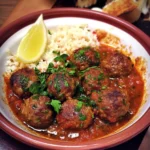
Moroccan Meatballs Recipe
Ingredients
For the Meatballs:
- 1.5 lbs Ground Meat: A blend of ground beef and lamb (approximately 1 lb beef and 0.5 lb lamb) is ideal for authentic Moroccan flavor. The lamb adds a distinctive richness and depth that complements the beef beautifully. However, you can also use all ground beef, ground lamb, or even ground turkey or chicken for a leaner option. Opt for ground meat with a bit of fat content (around 80/20 for beef or lamb) as this will keep the meatballs moist and tender during cooking.
- 1 Large Onion: Finely diced yellow or white onion forms the aromatic base of the meatballs. It adds sweetness and savory depth. Ensure the onion is diced finely so it cooks through evenly and blends seamlessly into the meatball mixture.
- 4 Cloves Garlic: Fresh garlic, minced or finely grated, is essential for its pungent and aromatic contribution. Garlic enhances the overall flavor profile and complements the spices wonderfully. Fresh garlic is always preferred for its brighter, more intense flavor compared to pre-minced garlic in jars.
- 1/2 Cup Fresh Parsley: Finely chopped fresh parsley adds a vibrant herbaceousness and freshness to the meatballs. Flat-leaf parsley (Italian parsley) is recommended for its robust flavor, but curly parsley can also be used. Fresh parsley is key; dried parsley will not provide the same vibrant flavor.
- 1/4 Cup Fresh Cilantro: Finely chopped fresh cilantro provides a bright, citrusy, and slightly peppery note that is characteristic of Moroccan cuisine. If you are not a fan of cilantro, you can substitute with more parsley or omit it altogether, though cilantro truly enhances the authentic flavor.
- 1 Large Egg: The egg acts as a binder, helping to hold the meatball mixture together and prevent them from crumbling during cooking. Use a large egg for optimal binding.
- 1/2 Cup Breadcrumbs: Plain breadcrumbs, either fresh or dried, add a light and airy texture to the meatballs. They absorb moisture and prevent the meatballs from becoming too dense. Panko breadcrumbs can also be used for a slightly coarser texture. If using dried breadcrumbs, ensure they are plain and unseasoned.
- 2 Tablespoons Olive Oil: Olive oil adds richness and flavor to the meatballs and is used for sautéing the onions and garlic. Extra virgin olive oil is recommended for its superior flavor and health benefits.
- Spices (Meatball Mixture): This is where the magic happens! The spice blend is crucial for the authentic Moroccan flavor.
- 1 Tablespoon Ground Cumin: Cumin provides a warm, earthy, and slightly bitter flavor that is fundamental to Moroccan cuisine.
- 1 Tablespoon Ground Coriander: Coriander offers a warm, citrusy, and slightly sweet flavor that complements cumin beautifully.
- 1 Teaspoon Ground Paprika: Sweet paprika adds a mild, sweet, and slightly smoky flavor, as well as a vibrant red color to the meatballs.
- 1/2 Teaspoon Ground Turmeric: Turmeric contributes a warm, earthy, and slightly bitter flavor, along with a beautiful golden yellow color. It also has anti-inflammatory properties.
- 1/2 Teaspoon Ground Cinnamon: Cinnamon adds a warm, sweet, and slightly woody note that provides a subtle hint of sweetness and complexity.
- 1/4 Teaspoon Ground Ginger: Ground ginger adds a warm, pungent, and slightly spicy flavor that enhances the overall spice profile.
- 1/4 Teaspoon Cayenne Pepper (Optional): For a touch of heat, cayenne pepper adds a subtle kick. Adjust the amount to your spice preference or omit entirely if you prefer a milder flavor.
- 1.5 Teaspoons Salt: Salt is essential for seasoning and enhancing the flavors of all the ingredients. Adjust to taste.
- 1/2 Teaspoon Black Pepper: Freshly ground black pepper adds a subtle bite and depth of flavor.
For the Moroccan Tomato Sauce:
- 2 Tablespoons Olive Oil: Used for sautéing the onions and garlic for the sauce base. Again, extra virgin olive oil is recommended.
- 1 Large Onion: Diced yellow or white onion forms the aromatic base of the sauce.
- 4 Cloves Garlic: Minced or finely grated fresh garlic, essential for the sauce’s flavor.
- 28 oz Can Crushed Tomatoes: High-quality crushed tomatoes form the base of the rich and flavorful sauce. Look for canned tomatoes that are labeled “San Marzano” or “Italian plum tomatoes” for superior flavor.
- 15 oz Can Diced Tomatoes: Diced tomatoes add texture and body to the sauce. You can use regular diced tomatoes or fire-roasted diced tomatoes for a slightly smoky flavor.
- 1 Cup Chicken Broth (or Vegetable Broth): Broth adds moisture and depth of flavor to the sauce. Chicken broth provides a richer flavor, while vegetable broth is a suitable vegetarian option. Low-sodium broth is recommended to control the salt level.
- 1/2 Cup Water: Water helps to thin the sauce to the desired consistency and allows the flavors to meld together.
- 1/4 Cup Fresh Cilantro: Chopped fresh cilantro is added to the sauce at the end for a burst of fresh flavor and aroma.
- Spices (Sauce): The same spice blend used for the meatballs is also used in the sauce, ensuring a cohesive and harmonious flavor profile.
- 1 Tablespoon Ground Cumin
- 1 Tablespoon Ground Coriander
- 1 Teaspoon Ground Paprika
- 1/2 Teaspoon Ground Turmeric
- 1/2 Teaspoon Ground Cinnamon
- 1/4 Teaspoon Ground Ginger
- 1/4 Teaspoon Cayenne Pepper (Optional)
- 1 Teaspoon Salt: Adjust to taste, as the canned tomatoes and broth will also contribute salt.
- 1/2 Teaspoon Black Pepper: Freshly ground black pepper.
- Optional Garnishes: Fresh cilantro sprigs, chopped parsley, toasted sesame seeds, a drizzle of olive oil, or a dollop of yogurt or sour cream for serving.
Instructions
Step 1: Prepare the Meatball Mixture
- Combine Meatball Ingredients: In a large mixing bowl, combine the ground meat (beef and lamb blend, or your chosen ground meat), finely diced onion, minced garlic, chopped fresh parsley, chopped fresh cilantro, egg, and breadcrumbs.
- Spice Up the Meatballs: Add all the meatball spices to the bowl: ground cumin, ground coriander, ground paprika, ground turmeric, ground cinnamon, ground ginger, cayenne pepper (if using), salt, and black pepper.
- Mix Gently but Thoroughly: Using your hands or a wooden spoon, gently mix all the ingredients together until just combined. Be careful not to overmix, as this can result in tough meatballs. The mixture should be evenly distributed, and all ingredients should be well incorporated.
- Test the Seasoning (Optional but Recommended): To ensure the seasoning is to your liking, take a small teaspoon-sized portion of the meatball mixture and cook it in a pan or microwave until cooked through. Taste it and adjust the seasoning in the main mixture as needed. This step allows you to fine-tune the flavors before cooking all the meatballs.
- Shape the Meatballs: Using your hands, roll the meat mixture into meatballs. For uniform cooking and serving sizes, aim for meatballs that are about 1.5 to 2 inches in diameter (about the size of a golf ball or slightly larger). You should get approximately 20-24 meatballs from this recipe, depending on the size you make them. Place the formed meatballs on a plate or baking sheet lined with parchment paper to prevent sticking.
Step 2: Brown the Meatballs
- Heat Olive Oil in a Large Skillet: Heat 2 tablespoons of olive oil in a large, deep skillet or Dutch oven over medium-high heat. The skillet should be large enough to accommodate all the meatballs in a single layer, or you may need to brown them in batches.
- Brown the Meatballs in Batches: Once the oil is hot and shimmering, carefully place the meatballs in the skillet in a single layer, ensuring not to overcrowd the pan. Overcrowding can steam the meatballs instead of browning them properly. Brown the meatballs on all sides, turning them occasionally with tongs or a spatula, until they are nicely browned and seared. This step typically takes about 5-7 minutes per batch. Browning the meatballs adds depth of flavor and a beautiful caramelized crust.
- Remove Meatballs and Set Aside: Once browned, remove the meatballs from the skillet using tongs or a slotted spoon and set them aside on a plate or baking sheet. Do not cook them through at this stage; they will finish cooking in the sauce.
Step 3: Prepare the Moroccan Tomato Sauce
- Sauté Onions and Garlic: In the same skillet (no need to clean it), add another 2 tablespoons of olive oil if needed. Add the diced onion and cook over medium heat, stirring occasionally, until softened and translucent, about 5-7 minutes.
- Add Garlic and Spices: Add the minced garlic to the skillet and cook for another minute until fragrant, being careful not to burn the garlic. Then, add all the sauce spices to the skillet: ground cumin, ground coriander, ground paprika, ground turmeric, ground cinnamon, ground ginger, cayenne pepper (if using), salt, and black pepper. Cook the spices for about 30 seconds to 1 minute, stirring constantly, until fragrant. This process, known as “blooming” the spices, enhances their flavors.
- Add Tomatoes and Broth: Pour in the crushed tomatoes, diced tomatoes, chicken broth (or vegetable broth), and water into the skillet. Stir well to combine all the ingredients and scrape up any browned bits from the bottom of the skillet – these flavorful bits add depth to the sauce.
- Simmer the Sauce: Bring the sauce to a simmer over medium heat, then reduce the heat to low. Cover the skillet and let the sauce simmer gently for at least 15-20 minutes, or up to 30 minutes, stirring occasionally. Simmering allows the flavors to meld together and deepen, and the sauce to thicken slightly.
Step 4: Simmer Meatballs in Sauce
- Add Meatballs to Sauce: Gently add the browned meatballs to the simmering tomato sauce, ensuring they are mostly submerged in the sauce. If needed, add a little more broth or water to ensure the meatballs are sufficiently covered.
- Simmer Meatballs until Cooked Through: Cover the skillet again and continue to simmer over low heat for another 20-25 minutes, or until the meatballs are cooked through and tender. The internal temperature of the meatballs should reach 165°F (74°C). During this time, the meatballs will absorb the flavors of the sauce, and the sauce will thicken further.
- Stir in Fresh Cilantro: In the last 5 minutes of cooking, stir in the chopped fresh cilantro into the sauce. This adds a final burst of freshness and aroma to the dish.
- Taste and Adjust Seasoning: Taste the sauce and meatballs and adjust the seasoning as needed. You may want to add more salt, pepper, or a pinch of cayenne pepper to taste.
Step 5: Serve and Garnish
- Serve Hot: Serve the Moroccan Meatballs hot, spooning generous portions of the meatballs and sauce over your choice of base (see “How to Serve” section below).
- Garnish (Optional): Garnish with fresh cilantro sprigs, chopped parsley, toasted sesame seeds, a drizzle of olive oil, or a dollop of yogurt or sour cream for an extra touch of flavor and visual appeal.
Nutrition
- Serving Size: One Normal Portion
- Calories: 450-550 kcal
- Sugar: 8-10g
- Sodium: 600-800mg
- Fat: 25-35g
- Saturated Fat: 10-15g
- Carbohydrates: 20-25g
- Fiber: 3-4g
- Protein: 30-35g
- Cholesterol: 150-180mg