

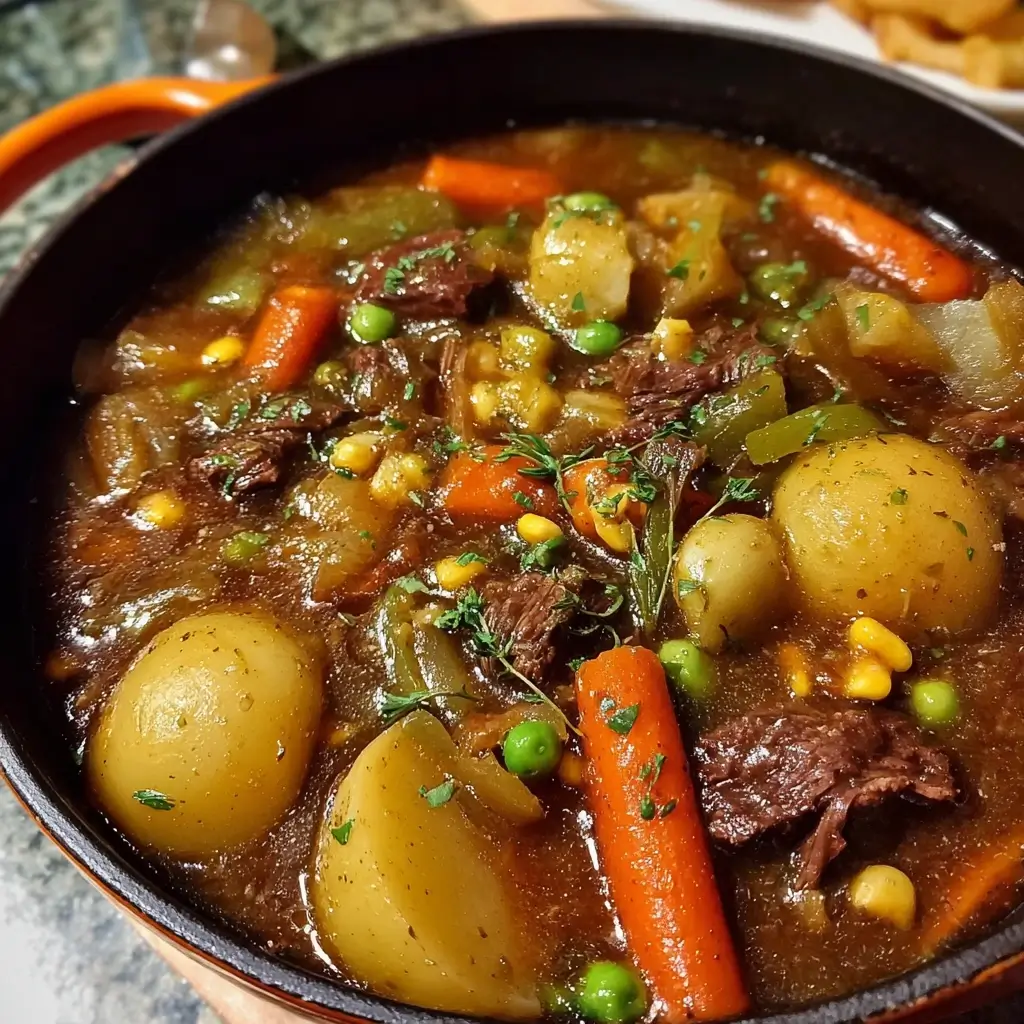
Of all the comfort foods that grace our family table, nothing quite says “welcome home” like a steaming bowl of beef stew. On those chilly evenings when the wind is howling outside, the aroma of this Mulligan Stew simmering away in the oven is the warmest of hugs. I remember the first time I made this specific recipe; I was looking for something hearty, simple, and packed with veggies that my kids would actually eat. This recipe, with its savory gravy and tender chunks of beef, was an instant hit. The kids loved fishing out their favorite vegetables—the corn for one, the potatoes for the other—and my husband and I just loved the deep, developed flavor that tastes like it simmered for an entire day, even though it comes together with surprising ease. It has since become our go-to, our “everything will be alright” meal, perfect for a lazy Sunday or a busy weeknight when we need something nourishing and soulful. It’s more than just a recipe; it’s a potful of memories and a tradition I cherish sharing.
What is Mulligan Stew? A Dive into its Rich History
Before we grab our aprons and Dutch ovens, it’s worth taking a moment to appreciate the humble and fascinating history of Mulligan Stew. The name itself evokes a sense of community, resourcefulness, and rustic charm. Unlike classic, codified dishes like Beef Bourguignon, Mulligan Stew is traditionally defined by its lack of a strict recipe.
Its origins are most famously linked to the American “hobo” culture of the late 19th and early 20th centuries. During the Great Depression, transient workers, or hobos, would often camp together and create a communal pot of stew. Each person would contribute whatever they could find or forage—a potato, an onion, a few carrots, a scrap of meat, or even a can of beans. The “mulligan” was the stew itself, a hodgepodge of ingredients cooked together over an open fire. It was a meal born of necessity and cooperation, symbolizing the idea that by pooling resources, everyone could eat.
The term “mulligan” itself is of uncertain origin, but it likely refers to this “catch-all” nature. In the spirit of its history, a true Mulligan Stew is adaptable. While our recipe provides a fantastic and reliable base, feel free to think of it as a template. Have some parsnips, celery, or mushrooms on hand? Toss them in! This recipe honors that tradition by being both incredibly delicious as written and wonderfully flexible.
Why You’ll Love This Easy Mulligan Stew Recipe
This isn’t just any beef stew; it’s a carefully balanced, flavor-packed meal that is both impressive and wonderfully straightforward. Here’s why this recipe will become a permanent fixture in your culinary rotation:
- Deep, Savory Flavor: The process of searing the beef, toasting the flour, and blooming the herbs creates layers of complex flavor that make the gravy rich and irresistible.
- Tender, Melt-in-Your-Mouth Beef: Braising the beef slowly in the oven is the secret to making even tough cuts of stew meat incredibly tender and juicy.
- A True One-Pot Wonder: From browning the meat to simmering the stew, everything happens in a single Dutch oven, making cleanup an absolute breeze.
- Perfectly Balanced: This recipe provides the ideal ratio of meat, vegetables, and gravy, ensuring every spoonful is a complete, satisfying bite.
- Incredibly Versatile: While fantastic as is, it’s easy to customize with your favorite vegetables or herbs.
- Meal-Prep Friendly: Like many stews, this one tastes even better the next day as the flavors continue to meld and deepen, making it perfect for leftovers.
Mulligan Stew
An easy beef stew made with potatoes, corn, carrots, beans, and peas in a savory gravy lightly seasoned with the perfect blend of spices.
4.90 from 19 votes
Print Pin Rate
Course: Main Meal, Beef
Cuisine: American
Prep Time: 10 minutes
Cook Time: 1 hour 40 minutes
Total Time: 1 hour 50 minutes
Servings: 4 servings
Calories: 433kcal
Author: Beth Pierce
Ingredients
- ⅓ cup all-purpose flour
- ½ teaspoon onion powder
- ½ teaspoon garlic powder
- ¼ teaspoon fresh ground pepper
- 1 lb beef stew meat, cut into 1-inch cubes
- 2 tablespoons vegetable oil, divided
- 1 medium onion, chopped
- 2 cups low-sodium beef broth
- ½ teaspoon dried oregano
- ¼ teaspoon dried basil
- ¼ teaspoon dried marjoram
- 2 medium gold potatoes, cubed (about 2 cups)
- 1 bag (19 ounce) frozen mixed vegetables (a blend of corn, carrots, peas, and green beans)
Instructions
- Prepare the Oven and Flour Mixture: Preheat your oven to 350°F (175°C). In a large zipper-seal bag, combine the ⅓ cup of all-purpose flour, onion powder, garlic powder, and freshly ground black pepper. Seal the bag and shake it vigorously to combine the ingredients into a seasoned flour.
- Coat and Sear the Beef: Add the beef stew meat to the bag with the seasoned flour. Seal it again and shake well until every piece of beef is evenly coated. Heat 1 tablespoon of vegetable oil in a large Dutch oven or heavy-bottomed pot over medium-high heat. Using tongs, carefully remove the beef from the bag, shaking off any excess flour, and place it in the hot oil. Reserve the remaining flour mixture in the bag. Sear the beef in a single layer (work in batches if necessary to avoid overcrowding) for 2-3 minutes per side, until a deep brown crust forms. This searing process is crucial for developing flavor. Once browned, remove the beef to a separate plate and set aside.
- Build the Flavor Base: Reduce the heat to medium. Add the remaining 1 tablespoon of vegetable oil to the same Dutch oven. Add the chopped onion and cook, stirring occasionally, for 3-4 minutes until it becomes soft and translucent.
- Create the Roux and Add Herbs: Sprinkle the remaining seasoned flour from the bag (you should have about 1 ½ tablespoons left) over the cooked onions. Cook for 2 minutes, stirring constantly. This step cooks out the raw flour taste and creates a “roux” that will thicken your stew. Add the dried oregano, basil, and marjoram, and continue to cook for another 30 seconds, stirring continuously until the herbs are fragrant.
- Deglaze and Form the Gravy: Slowly pour in the low-sodium beef broth while stirring or whisking constantly to break up any lumps of flour. Scrape the bottom of the pot with a wooden spoon to lift up all the browned bits (the “fond”), which are packed with flavor. Bring the mixture to a simmer; it will begin to thicken into a gravy.
- First Braise: Return the seared beef and any accumulated juices from the plate back into the Dutch oven. Stir to combine, ensuring the beef is submerged in the gravy. Place the lid on the Dutch oven, transfer it to the preheated oven, and bake for 1 hour.
- Add Vegetables and Final Cook: Carefully remove the pot from the oven. Stir in the cubed potatoes and the entire bag of frozen mixed vegetables. Ensure the lid is secure, place the pot back in the oven, and cook for an additional 30-40 minutes, or until the potatoes are fork-tender and the stew is heated through.
- Rest and Serve: Once cooked, remove the stew from the oven and let it rest for 10 minutes before serving. This allows the gravy to thicken slightly and the flavors to settle.
Nutrition Facts
- Servings: 4
- Calories per serving: approximately 433kcal
How to Serve Mulligan Stew
This hearty stew is a complete meal on its own, but serving it with the right accompaniments can elevate the experience from great to unforgettable. Here are some of our favorite ways to serve it:
- With Crusty Bread: This is the classic pairing for a reason. A thick slice of crusty sourdough, a warm French baguette, or a hearty whole-wheat loaf is essential for sopping up every last drop of the savory gravy.
- Over a Carb-Lover’s Base: For an even more filling meal, ladle the stew over:
- Fluffy mashed potatoes
- Buttered egg noodles
- Steamed white or brown rice
- With a Side of Biscuits or Rolls: Soft, flaky buttermilk biscuits or warm dinner rolls are perfect for dipping and add a delightful textural contrast.
- Accompanied by a Simple Salad: To add a touch of freshness and cut through the richness of the stew, serve it alongside a simple green salad with a bright, acidic vinaigrette.
- Garnished for Extra Flair: A simple garnish can add a pop of color and flavor. Consider topping each bowl with:
- Freshly chopped parsley
- A dollop of sour cream or Greek yogurt
- A sprinkle of extra black pepper
Additional Tips for the Perfect Stew
Achieving stew perfection is easy with a few key techniques. Keep these five tips in mind to ensure your Mulligan Stew is the best it can be every single time.
- Don’t Skip the Sear (Seriously!): Coating the beef in flour and browning it in a hot pan is the single most important step for building flavor. This process, known as the Maillard reaction, creates a deep, brown, savory crust on the meat that translates into a rich, complex gravy. Don’t overcrowd the pan, as this will steam the meat instead of searing it. Work in batches for the best results.
- Low and Slow is the Way to Go: While you can simmer this stew on the stovetop, using the oven provides a more gentle, even, and consistent heat. This “braising” technique surrounds the pot with heat, preventing the bottom from scorching and allowing the tough connective tissues in the stew meat to break down slowly, resulting in exceptionally tender beef.
- Deglaze the Pan Like a Pro: After you sauté the onions, you’ll notice browned bits stuck to the bottom of your Dutch oven. This is called “fond,” and it’s pure, concentrated flavor. When you pour in the beef broth, use a wooden spoon to scrape all of those bits off the bottom. They will dissolve into the liquid, forming the delicious foundation of your gravy.
- Let it Rest Before Serving: It’s tempting to ladle out the stew the moment it comes out of the oven, but patience pays off. Letting the stew sit for 10-15 minutes with the lid on allows the carryover heat to finish its work. More importantly, it gives the gravy time to thicken to its final consistency and allows the complex flavors to meld and settle.
- Taste and Adjust at the End: The recipe provides a great seasoning base, but factors like the saltiness of your broth can vary. Always taste the finished stew before you serve it. It might need a little more salt to make the flavors pop or an extra pinch of black pepper for a bit of warmth. This final adjustment is the difference between a good stew and a great one.
Frequently Asked Questions (FAQ)
Here are answers to some common questions about making this hearty Mulligan Stew.
1. Can I make this recipe in a slow cooker or Crock-Pot?
Absolutely! A slow cooker is perfect for this recipe. To adapt it, follow steps 1-5 on the stovetop using a separate skillet. Brown the beef and sauté the onions, then deglaze the skillet with the beef broth. Transfer the seared beef, onion mixture, and gravy to your slow cooker. Add the potatoes right away (they need the longer cook time in a slow cooker). Cook on LOW for 6-8 hours or on HIGH for 3-4 hours. Stir in the frozen mixed vegetables during the last 30 minutes of cooking so they don’t become mushy.
2. Can I use fresh vegetables instead of frozen?
Yes, you can. If using fresh carrots, celery, and green beans, chop them into bite-sized pieces. Add the carrots and celery along with the potatoes (after the first hour of baking), as they take a similar amount of time to become tender. Add fresh green beans and peas during the last 15-20 minutes of cooking time to keep them crisp-tender and vibrant green.
3. How do I store and reheat leftover stew?
Leftover Mulligan Stew is fantastic! To store, allow the stew to cool completely, then transfer it to an airtight container. It will keep in the refrigerator for up to 4 days. For longer storage, you can freeze it for up to 3 months. To reheat, gently warm the stew in a saucepan over medium-low heat, stirring occasionally, until heated through. You may need to add a splash of beef broth or water to thin it out, as the gravy can thicken upon refrigeration.
4. My stew is too thin. How can I thicken it?
If your stew isn’t as thick as you’d like after the final cook, there’s an easy fix. In a small bowl, make a “slurry” by whisking together 1 tablespoon of cornstarch with 2 tablespoons of cold water until smooth. While the stew is simmering on the stovetop, slowly pour in the slurry while stirring constantly. Let the stew simmer for another 2-3 minutes, and it will thicken up beautifully.
5. What is the best cut of beef for stew?
The best cuts for stew are tougher, well-marbled cuts of meat that benefit from a long, slow cooking process. The collagen in these cuts breaks down into gelatin, making the meat incredibly tender and enriching the gravy. Look for:
- Beef Chuck: This is the gold standard for stew. It comes from the shoulder and has a great balance of meat and fat, resulting in rich flavor and a tender texture.
- Beef Round: A leaner option from the rear leg of the cow (bottom round or rump roast). It holds its shape well but can become dry if overcooked.
- Pre-cut “Beef Stew Meat”: This is a convenient option, but it can be a mix of different cuts. It works well in this recipe, but if you have the choice, buying a whole chuck roast and cubing it yourself often yields a better result.
Mulligan Stew Recipe
Ingredients
- ⅓ cup all-purpose flour
- ½ teaspoon onion powder
- ½ teaspoon garlic powder
- ¼ teaspoon fresh ground pepper
- 1 lb beef stew meat, cut into 1-inch cubes
- 2 tablespoons vegetable oil, divided
- 1 medium onion, chopped
- 2 cups low-sodium beef broth
- ½ teaspoon dried oregano
- ¼ teaspoon dried basil
- ¼ teaspoon dried marjoram
- 2 medium gold potatoes, cubed (about 2 cups)
- 1 bag (19 ounce) frozen mixed vegetables (a blend of corn, carrots, peas, and green beans)
Instructions
- Prepare the Oven and Flour Mixture: Preheat your oven to 350°F (175°C). In a large zipper-seal bag, combine the ⅓ cup of all-purpose flour, onion powder, garlic powder, and freshly ground black pepper. Seal the bag and shake it vigorously to combine the ingredients into a seasoned flour.
- Coat and Sear the Beef: Add the beef stew meat to the bag with the seasoned flour. Seal it again and shake well until every piece of beef is evenly coated. Heat 1 tablespoon of vegetable oil in a large Dutch oven or heavy-bottomed pot over medium-high heat. Using tongs, carefully remove the beef from the bag, shaking off any excess flour, and place it in the hot oil. Reserve the remaining flour mixture in the bag. Sear the beef in a single layer (work in batches if necessary to avoid overcrowding) for 2-3 minutes per side, until a deep brown crust forms. This searing process is crucial for developing flavor. Once browned, remove the beef to a separate plate and set aside.
- Build the Flavor Base: Reduce the heat to medium. Add the remaining 1 tablespoon of vegetable oil to the same Dutch oven. Add the chopped onion and cook, stirring occasionally, for 3-4 minutes until it becomes soft and translucent.
- Create the Roux and Add Herbs: Sprinkle the remaining seasoned flour from the bag (you should have about 1 ½ tablespoons left) over the cooked onions. Cook for 2 minutes, stirring constantly. This step cooks out the raw flour taste and creates a “roux” that will thicken your stew. Add the dried oregano, basil, and marjoram, and continue to cook for another 30 seconds, stirring continuously until the herbs are fragrant.
- Deglaze and Form the Gravy: Slowly pour in the low-sodium beef broth while stirring or whisking constantly to break up any lumps of flour. Scrape the bottom of the pot with a wooden spoon to lift up all the browned bits (the “fond”), which are packed with flavor. Bring the mixture to a simmer; it will begin to thicken into a gravy.
- First Braise: Return the seared beef and any accumulated juices from the plate back into the Dutch oven. Stir to combine, ensuring the beef is submerged in the gravy. Place the lid on the Dutch oven, transfer it to the preheated oven, and bake for 1 hour.
- Add Vegetables and Final Cook: Carefully remove the pot from the oven. Stir in the cubed potatoes and the entire bag of frozen mixed vegetables. Ensure the lid is secure, place the pot back in the oven, and cook for an additional 30-40 minutes, or until the potatoes are fork-tender and the stew is heated through.
- Rest and Serve: Once cooked, remove the stew from the oven and let it rest for 10 minutes before serving. This allows the gravy to thicken slightly and the flavors to settle.
Nutrition
- Serving Size: One Normal Portion
- Calories: 433