
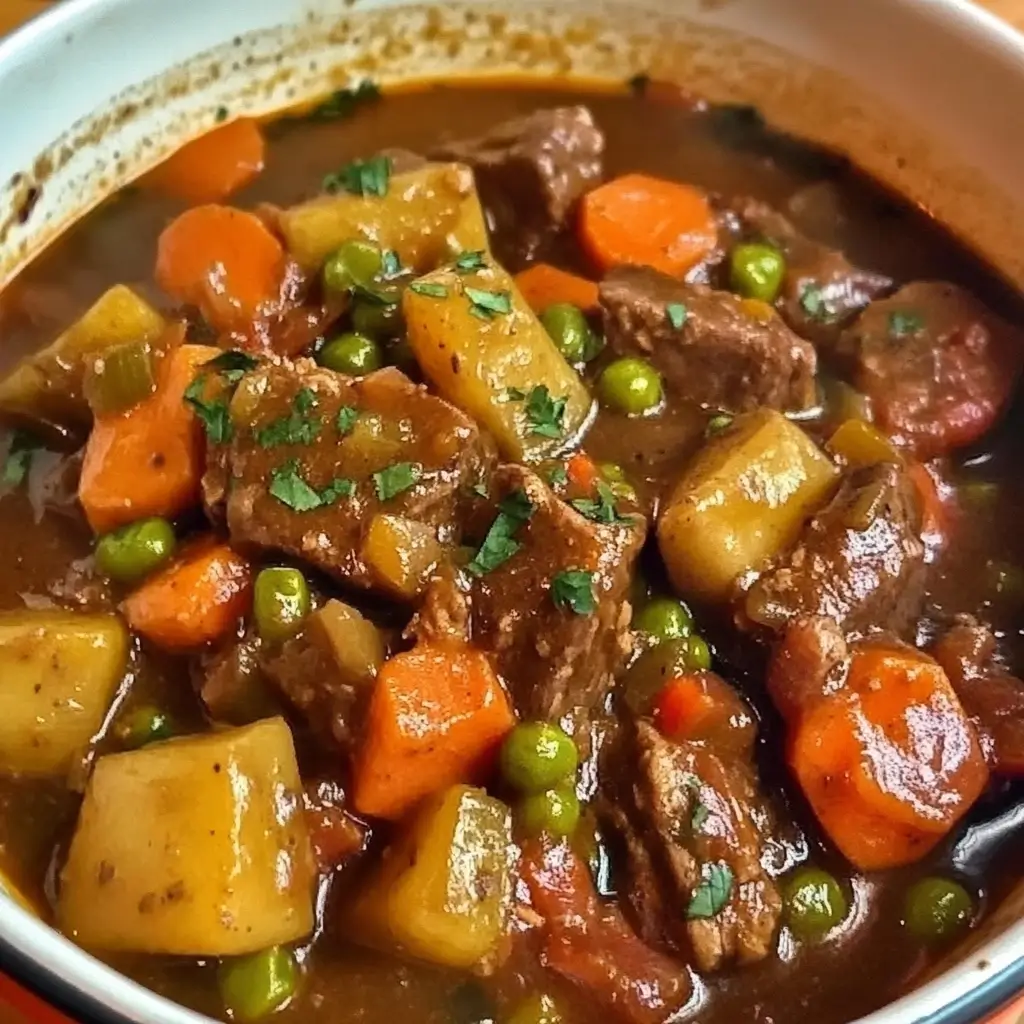

There are few dishes as comforting, as deeply satisfying, or as evocative of cozy evenings as a steaming bowl of Mulligan Stew. The first time I made this particular version, the aroma alone had my family peeking into the kitchen, their curiosity piqued. It was a chilly autumn afternoon, and the simmering pot promised warmth and nourishment. When it was finally ready, ladled generously into bowls with a side of crusty bread, the silence around the dinner table was punctuated only by contented sighs and the clinking of spoons. The rich, savory broth, tender chunks of beef, and perfectly cooked vegetables melded together in a way that felt both rustic and wonderfully complex. It wasn’t just a meal; it was an experience, one that has since become a beloved staple in our home, requested frequently, especially when the weather turns cool. This recipe, refined over time, captures that perfect balance of heartiness and flavor that makes Mulligan Stew an enduring classic.
Ingredients
Here’s what you’ll need to create this incredibly flavorful and satisfying Mulligan Stew:
- For the Beef & Marinade (Optional but Recommended):
- 2 lbs boneless beef chuck, cut into 1.5-inch cubes
- 2 tablespoons olive oil
- 1 tablespoon Worcestershire sauce
- 1 teaspoon salt
- 1/2 teaspoon black pepper
- 2 tablespoons all-purpose flour (for dredging)
- For Searing & Aromatics:
- 2 tablespoons olive oil or bacon fat
- 2 large yellow onions, chopped (about 2 cups)
- 4 cloves garlic, minced
- 3 large carrots, peeled and sliced into 1/2-inch thick rounds (about 2 cups)
- 3 celery stalks, sliced into 1/2-inch thick pieces (about 1.5 cups)
- For the Stew Base & Liquid:
- 1/4 cup dry red wine (like Cabernet Sauvignon or Merlot, optional for deglazing)
- 6 cups beef broth (low sodium preferred)
- 1 (14.5 ounce) can diced tomatoes, undrained
- 2 tablespoons tomato paste
- 2 bay leaves
- 1 teaspoon dried thyme (or 1 tablespoon fresh thyme leaves)
- 1/2 teaspoon dried rosemary, crushed (or 1 teaspoon fresh, chopped)
- 1 teaspoon smoked paprika (optional, for depth)
- Salt and freshly ground black pepper to taste
- For the Vegetables (Added Later):
- 1.5 lbs potatoes (Russet, Yukon Gold, or red potatoes), peeled and cut into 1-inch cubes (about 4 cups)
- 1 cup frozen peas
- 1 cup frozen corn kernels
- (Optional additions: 1 cup sliced mushrooms, 1 cup green beans trimmed and cut)
- For Garnish (Optional):
- Fresh parsley, chopped
Instructions
Follow these steps for a perfect pot of Mulligan Stew:
- Prepare the Beef (Optional Marinating Step): If you have time, toss the beef cubes with 2 tablespoons olive oil, Worcestershire sauce, 1 teaspoon salt, and 1/2 teaspoon black pepper in a bowl. Cover and refrigerate for at least 30 minutes, or up to 4 hours. This step enhances the beef’s flavor. Just before searing, pat the beef cubes dry with paper towels (this helps with browning) and then lightly dredge them in the 2 tablespoons of all-purpose flour, shaking off any excess. The flour helps create a nice crust and thickens the stew.
- Sear the Beef: Heat 2 tablespoons of olive oil or bacon fat in a large, heavy-bottomed pot or Dutch oven over medium-high heat. Once the oil is shimmering, add the beef cubes in a single layer, being careful not to overcrowd the pot (work in batches if necessary). Sear the beef on all sides until nicely browned, about 2-3 minutes per side. This browning process (Maillard reaction) is crucial for developing deep flavor. Remove the browned beef from the pot with a slotted spoon and set aside.
- Sauté Aromatics: To the same pot (do not clean it; the browned bits are flavor!), add the chopped onions, sliced carrots, and sliced celery. Cook over medium heat, stirring occasionally, until the onions are softened and translucent, about 5-7 minutes. If the bottom of the pot seems too dry, you can add another teaspoon of oil. Add the minced garlic and cook for another minute until fragrant, being careful not to burn it.
- Deglaze and Build the Base: If using red wine, pour it into the pot and scrape up any browned bits from the bottom with a wooden spoon. Let the wine simmer and reduce by about half, about 2-3 minutes. This adds a wonderful depth of flavor. Stir in the tomato paste and cook for 1-2 minutes, allowing it to caramelize slightly.
- Combine and Simmer: Return the seared beef (and any accumulated juices) to the pot. Add the beef broth, undrained diced tomatoes, bay leaves, dried thyme, dried rosemary, and smoked paprika (if using). Stir everything together well. Bring the stew to a gentle simmer.
- Slow Cook for Tenderness: Once simmering, reduce the heat to low, cover the pot, and let the stew cook gently for at least 1.5 to 2 hours, or until the beef is becoming tender. Stir occasionally to prevent sticking. The longer it simmers, the more tender the beef will be and the more developed the flavors.
- Add Potatoes: After the initial simmering time, add the cubed potatoes to the pot. Stir them in, ensuring they are mostly submerged in the liquid. If needed, add a little more beef broth or water to cover. Bring back to a simmer, cover, and continue to cook for another 20-30 minutes, or until the potatoes are tender but not falling apart.
- Add Remaining Vegetables: Stir in the frozen peas and frozen corn (and any other optional quick-cooking vegetables like mushrooms or green beans). Cook for another 5-10 minutes, or until the peas and corn are heated through and tender.
- Final Seasoning and Adjustments: Remove the bay leaves from the stew. Taste the stew and adjust seasoning with salt and freshly ground black pepper as needed. If the stew is thinner than you’d like, you can create a slurry by mixing 1-2 tablespoons of cornstarch or flour with an equal amount of cold water, then stirring it into the simmering stew until it thickens. Alternatively, you can mash a few of the cooked potato pieces against the side of the pot to release their starch and naturally thicken the stew.
- Rest and Serve: Turn off the heat and let the stew rest for at least 10-15 minutes before serving. This allows the flavors to meld further. Ladle generously into bowls and garnish with fresh chopped parsley, if desired.
Nutrition Facts
- Servings: This recipe yields approximately 8 generous servings.
- Calories per serving: Approximately 450-550 calories.
(Disclaimer: Nutritional information is an estimate and can vary based on specific ingredients used, precise measurements, and any alterations made to the recipe. This stew is a good source of protein, fiber, and various vitamins and minerals from the beef and vegetables.)
Preparation Time
- Chopping & Prep Time: 25-35 minutes (includes cubing beef if not pre-cut, chopping vegetables).
- Marinating Time (Optional): 30 minutes to 4 hours.
- Cooking Time: Approximately 2.5 to 3 hours (includes searing, simmering beef, and cooking vegetables).
- Total Time (excluding optional marinating): Approximately 3 to 3.5 hours.
This stew is a labor of love, but most of the time is hands-off simmering, allowing the flavors to develop beautifully.
How to Serve
Mulligan Stew is a wonderfully versatile dish that can be served in various ways to suit your preference. Here are some classic and creative serving suggestions:
- The Classic Bowl:
- Serve hot in deep bowls, allowing for a generous portion of broth, meat, and vegetables.
- Garnish: A sprinkle of freshly chopped parsley or chives adds a touch of color and freshness.
- With Bread for Dipping:
- Crusty Bread: Slices of hearty, crusty artisan bread (like sourdough, French baguette, or a rustic whole wheat loaf) are perfect for soaking up the delicious broth.
- Cornbread: A wedge of warm, slightly sweet cornbread is a fantastic Southern-inspired accompaniment.
- Biscuits: Fluffy buttermilk biscuits, either homemade or store-bought, are excellent for dipping.
- Over a Starchy Base:
- Mashed Potatoes: For an extra comforting and hearty meal, serve the stew over a bed of creamy mashed potatoes. The potatoes will absorb the rich gravy beautifully.
- Egg Noodles: Wide egg noodles provide a wonderful texture contrast and make the stew feel even more substantial.
- Rice: Plain white or brown rice can also serve as a simple base, especially if you prefer a gluten-free option.
- Polenta: Creamy polenta offers a slightly different, yet equally comforting, base.
- Accompaniments:
- Simple Green Salad: A light green salad with a vinaigrette dressing can provide a refreshing contrast to the richness of the stew.
- Pickled Vegetables: A side of tangy pickled onions or gherkins can cut through the richness and add a zesty note.
- For a Crowd:
- Serve buffet-style from a slow cooker set to “warm” or directly from the Dutch oven.
- Provide a selection of the accompaniments mentioned above so guests can customize their bowls.
No matter how you choose to serve it, Mulligan Stew is best enjoyed hot, surrounded by good company.
Additional Tips (5 Tips)
- Don’t Skip the Sear: Browning the beef is paramount for developing a deep, complex, and savory flavor base for your stew. The Maillard reaction creates those delicious crispy bits on the meat and leaves flavorful fond (browned bits) in the bottom of the pot. Don’t overcrowd the pan; sear in batches if necessary to ensure each piece gets good contact with the hot surface.
- Embrace Vegetable Variety (The “Mulligan” Spirit): While carrots, celery, onions, and potatoes are staples, feel free to add other vegetables you have on hand or enjoy. Consider parsnips, turnips, rutabagas (add these with the potatoes), or quicker-cooking options like mushrooms (sauté with aromatics or add with potatoes), green beans, bell peppers (add in the last 30 minutes), or even a handful of spinach stirred in at the very end. This flexibility is true to the “Mulligan” tradition of using what’s available.
- Layer Your Flavors Thoughtfully: Building flavor is key. Sauté your aromatics properly. Deglaze the pot with wine or broth to lift all those tasty browned bits. Use good quality beef broth. Don’t underestimate the power of tomato paste (cook it for a minute or two to deepen its flavor), Worcestershire sauce for umami, and herbs like bay leaf, thyme, and rosemary. A touch of smoked paprika can add a subtle smoky depth.
- Low and Slow is the Way to Go: For the most tender beef, resist the urge to boil the stew vigorously. A gentle simmer over low heat for an extended period allows the connective tissues in the chuck roast to break down, resulting in melt-in-your-mouth tender meat. Patience is a virtue when making a truly great stew.
- Tastes Even Better the Next Day: Like many stews, Mulligan Stew benefits from resting. The flavors continue to meld and deepen as it sits. If you can, make it a day ahead, cool it completely, and refrigerate. Reheat gently on the stovetop. This also makes it a great dish for meal prepping or entertaining, as the main cooking can be done in advance. When reheating, you may need to add a splash more broth if it has thickened too much.
FAQ Section (5 Q/A)
Q1: What exactly is Mulligan Stew, and where does the name come from?
- A1: Mulligan Stew is traditionally an American dish, often associated with hobo culture during the Great Depression, though its origins likely predate that. The core idea is a communal stew made with whatever ingredients are available or “scrounged up” – typically meats (often beef, but could be chicken, game, or even fish), potatoes, and various other vegetables cooked together in a large pot over an open fire or stovetop. The term “Mulligan” is thought to have Irish roots, possibly referring to a person or simply meaning a miscellaneous collection of items. Its hallmark is its adaptability and hearty, comforting nature.
Q2: Can I make Mulligan Stew in a slow cooker or Instant Pot?
- A2: Absolutely!
- Slow Cooker: Sear the beef and sauté the aromatics on the stovetop as directed in steps 1-3. Deglaze the pan and transfer everything, along with the remaining ingredients (except peas, corn, and any other quick-cooking veggies), to the slow cooker. Cook on low for 6-8 hours or on high for 3-4 hours, until beef and potatoes are tender. Add peas and corn during the last 30 minutes of cooking.
- Instant Pot: Use the “Sauté” function to sear the beef (in batches) and cook the aromatics (steps 1-3). Deglaze the pot. Return beef, add broth, tomatoes, tomato paste, herbs, and potatoes. Secure the lid, set the vent to “Sealing,” and cook on “Manual” or “Pressure Cook” mode at high pressure for 25-30 minutes. Allow a natural pressure release for 10-15 minutes, then quick release any remaining pressure. Stir in peas and corn and use the “Sauté” function for a few minutes to heat them through.
Q3: What’s the best cut of meat for Mulligan Stew, and can I use other meats?
- A3: Beef chuck is widely considered the best cut for stews. It has good marbling and connective tissue that breaks down during long, slow cooking, resulting in incredibly tender and flavorful meat. Other good beef options include bottom round or brisket. You can certainly use other meats:
- Lamb: Lamb shoulder or shank would be delicious, adding a richer, more gamey flavor.
- Chicken: Use bone-in, skin-on chicken thighs for best flavor. Sear them, then simmer until cooked through. You might want to shred the meat off the bone before serving. Cooking time will be less than beef.
- Pork: Pork shoulder (Boston butt) cut into cubes would also work well, requiring a similar slow cook time to beef.
Q4: How can I make my Mulligan Stew gluten-free?
- A4: It’s quite easy to make this stew gluten-free:
- Flour for Dredging: Instead of all-purpose flour for dredging the beef, use a gluten-free all-purpose flour blend, cornstarch, or rice flour. Alternatively, you can skip the dredging step, though you might lose a little bit of browning and natural thickening.
- Thickening Agent: If you need to thicken the stew at the end, use a slurry made with cornstarch or arrowroot powder mixed with cold water instead of a flour-based slurry.
- Broth & Worcestershire: Double-check that your beef broth and Worcestershire sauce are certified gluten-free, as some brands may contain gluten. Lea & Perrins Original Worcestershire Sauce (in the US) is generally considered gluten-free, but always check labels.
Q5: My stew isn’t as thick as I’d like. What are the best ways to thicken it?
- A5: There are several effective ways to thicken your Mulligan Stew:
- Slurry: This is a classic method. Mix 1-2 tablespoons of cornstarch (for a glossier finish) or all-purpose flour with an equal amount of cold water until smooth. Stir this slurry into the simmering stew and cook for a few minutes until it thickens.
- Beurre Manié: Knead equal parts softened butter and flour together to form a paste. Whisk small bits of this paste into the simmering stew until it reaches your desired consistency.
- Potato Starch: Remove a few cooked potato pieces from the stew, mash them thoroughly with a fork, and then stir them back into the pot. The natural starch from the potatoes will help thicken the broth.
- Reduce by Simmering: If you have time, you can simply remove the lid from the pot and let the stew simmer gently for an additional 15-30 minutes. This allows some of the excess liquid to evaporate, naturally concentrating and thickening the stew.
- Instant Mashed Potato Flakes: For a quick fix, stir in a tablespoon or two of instant mashed potato flakes. They absorb liquid quickly. Add sparingly, as too much can alter the texture.
Mulligan Stew Recipe
Ingredients
- For the Beef & Marinade (Optional but Recommended):
- 2 lbs boneless beef chuck, cut into 1.5-inch cubes
- 2 tablespoons olive oil
- 1 tablespoon Worcestershire sauce
- 1 teaspoon salt
- 1/2 teaspoon black pepper
- 2 tablespoons all-purpose flour (for dredging)
- For Searing & Aromatics:
- 2 tablespoons olive oil or bacon fat
- 2 large yellow onions, chopped (about 2 cups)
- 4 cloves garlic, minced
- 3 large carrots, peeled and sliced into 1/2-inch thick rounds (about 2 cups)
- 3 celery stalks, sliced into 1/2-inch thick pieces (about 1.5 cups)
- For the Stew Base & Liquid:
- 1/4 cup dry red wine (like Cabernet Sauvignon or Merlot, optional for deglazing)
- 6 cups beef broth (low sodium preferred)
- 1 (14.5 ounce) can diced tomatoes, undrained
- 2 tablespoons tomato paste
- 2 bay leaves
- 1 teaspoon dried thyme (or 1 tablespoon fresh thyme leaves)
- 1/2 teaspoon dried rosemary, crushed (or 1 teaspoon fresh, chopped)
- 1 teaspoon smoked paprika (optional, for depth)
- Salt and freshly ground black pepper to taste
- For the Vegetables (Added Later):
- 1.5 lbs potatoes (Russet, Yukon Gold, or red potatoes), peeled and cut into 1-inch cubes (about 4 cups)
- 1 cup frozen peas
- 1 cup frozen corn kernels
- (Optional additions: 1 cup sliced mushrooms, 1 cup green beans trimmed and cut)
- For Garnish (Optional):
- Fresh parsley, chopped
Instructions
- Prepare the Beef (Optional Marinating Step): If you have time, toss the beef cubes with 2 tablespoons olive oil, Worcestershire sauce, 1 teaspoon salt, and 1/2 teaspoon black pepper in a bowl. Cover and refrigerate for at least 30 minutes, or up to 4 hours. This step enhances the beef’s flavor. Just before searing, pat the beef cubes dry with paper towels (this helps with browning) and then lightly dredge them in the 2 tablespoons of all-purpose flour, shaking off any excess. The flour helps create a nice crust and thickens the stew.
- Sear the Beef: Heat 2 tablespoons of olive oil or bacon fat in a large, heavy-bottomed pot or Dutch oven over medium-high heat. Once the oil is shimmering, add the beef cubes in a single layer, being careful not to overcrowd the pot (work in batches if necessary). Sear the beef on all sides until nicely browned, about 2-3 minutes per side. This browning process (Maillard reaction) is crucial for developing deep flavor. Remove the browned beef from the pot with a slotted spoon and set aside.
- Sauté Aromatics: To the same pot (do not clean it; the browned bits are flavor!), add the chopped onions, sliced carrots, and sliced celery. Cook over medium heat, stirring occasionally, until the onions are softened and translucent, about 5-7 minutes. If the bottom of the pot seems too dry, you can add another teaspoon of oil. Add the minced garlic and cook for another minute until fragrant, being careful not to burn it.
- Deglaze and Build the Base: If using red wine, pour it into the pot and scrape up any browned bits from the bottom with a wooden spoon. Let the wine simmer and reduce by about half, about 2-3 minutes. This adds a wonderful depth of flavor. Stir in the tomato paste and cook for 1-2 minutes, allowing it to caramelize slightly.
- Combine and Simmer: Return the seared beef (and any accumulated juices) to the pot. Add the beef broth, undrained diced tomatoes, bay leaves, dried thyme, dried rosemary, and smoked paprika (if using). Stir everything together well. Bring the stew to a gentle simmer.
- Slow Cook for Tenderness: Once simmering, reduce the heat to low, cover the pot, and let the stew cook gently for at least 1.5 to 2 hours, or until the beef is becoming tender. Stir occasionally to prevent sticking. The longer it simmers, the more tender the beef will be and the more developed the flavors.
- Add Potatoes: After the initial simmering time, add the cubed potatoes to the pot. Stir them in, ensuring they are mostly submerged in the liquid. If needed, add a little more beef broth or water to cover. Bring back to a simmer, cover, and continue to cook for another 20-30 minutes, or until the potatoes are tender but not falling apart.
- Add Remaining Vegetables: Stir in the frozen peas and frozen corn (and any other optional quick-cooking vegetables like mushrooms or green beans). Cook for another 5-10 minutes, or until the peas and corn are heated through and tender.
- Final Seasoning and Adjustments: Remove the bay leaves from the stew. Taste the stew and adjust seasoning with salt and freshly ground black pepper as needed. If the stew is thinner than you’d like, you can create a slurry by mixing 1-2 tablespoons of cornstarch or flour with an equal amount of cold water, then stirring it into the simmering stew until it thickens. Alternatively, you can mash a few of the cooked potato pieces against the side of the pot to release their starch and naturally thicken the stew.
- Rest and Serve: Turn off the heat and let the stew rest for at least 10-15 minutes before serving. This allows the flavors to meld further. Ladle generously into bowls and garnish with fresh chopped parsley, if desired.
Nutrition
- Serving Size: One Normal Portion
- Calories: 450-550