
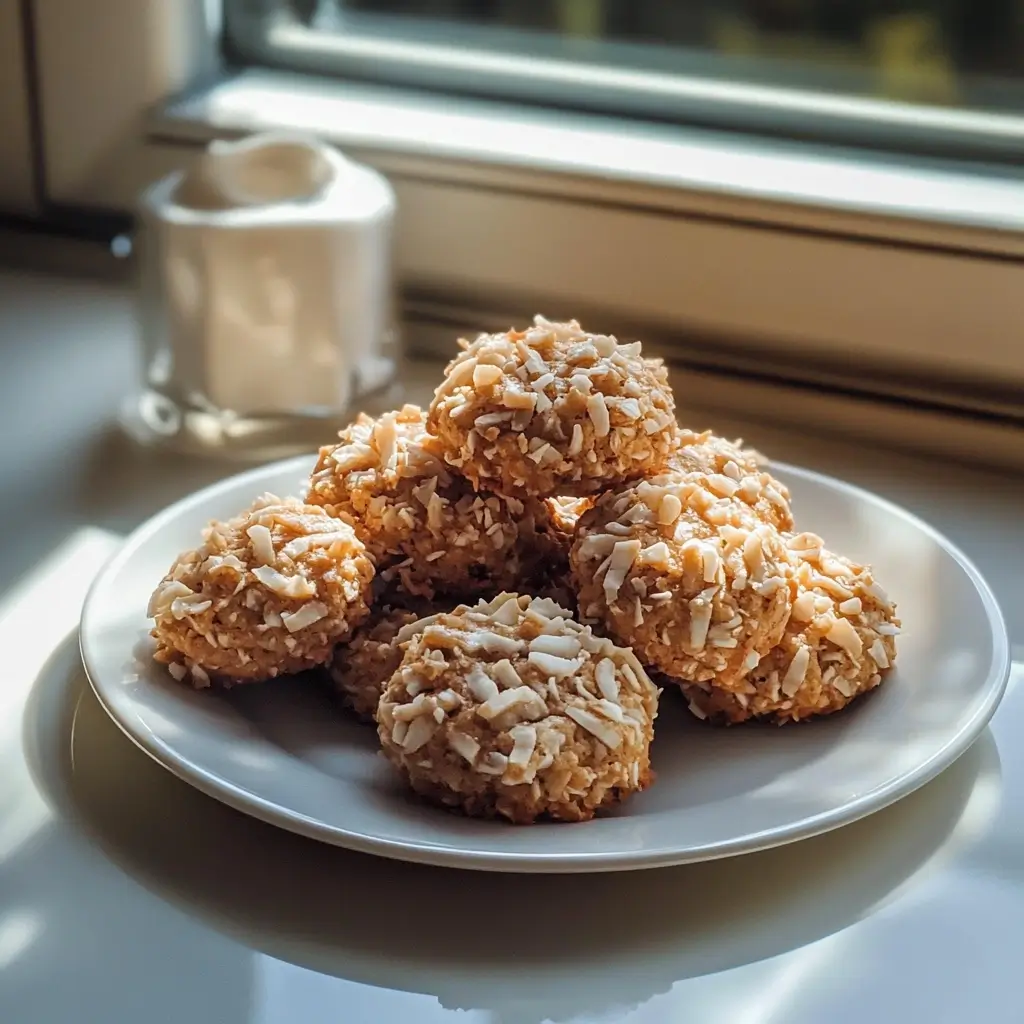
My kitchen is usually a scene of flour dust clouds and the warm hum of the oven, but sometimes, the best treats are the simplest, requiring no baking at all. Recently, I stumbled upon a recipe that promised just that – No-Bake Coconut Praline Cookies. Intrigued by the combination of chewy oats, sweet coconut, and the classic praline flavor, I decided to give them a try on a particularly sweltering afternoon when the thought of turning on the oven was simply unbearable. Let me tell you, these cookies were a revelation. From start to finish, the process was incredibly easy, and even my kids jumped in to help with the stirring and dropping spoonfuls onto the parchment paper. The aroma that filled the kitchen as the butter, sugar, and milk melted together was intoxicating, a sweet, caramel-like scent that hinted at the deliciousness to come. And the taste? Oh, the taste! Chewy, sweet, with a delightful crunch from the oats and a tropical burst from the coconut, these cookies were an instant hit. My family devoured them within hours, and I had to quickly whip up another batch the next day. If you’re looking for a quick, easy, and utterly delicious dessert that requires absolutely no oven time, look no further. These No-Bake Coconut Praline Cookies are your answer. They are perfect for summer gatherings, potlucks, or simply a sweet treat to brighten up any day. Trust me, once you try these, they’ll become a staple in your no-bake dessert repertoire.
Ingredients
This recipe utilizes simple, pantry-friendly ingredients that come together to create a symphony of sweet and chewy goodness. Each ingredient plays a crucial role in the final texture and flavor profile of these delightful no-bake cookies. Let’s break down each component:
- 2 1/2 cups Sugar: Granulated sugar is the foundation of the praline flavor, providing sweetness and contributing to the caramel-like base when cooked with butter and milk. The sugar caramelizes slightly during the boiling process, creating that signature praline richness. Using granulated sugar is key for achieving the right texture; other types of sugar may not melt and caramelize in the same way, potentially altering the cookie’s consistency.
- 1/2 cup Unsalted Butter: Butter is essential for richness, flavor, and texture. Unsalted butter is preferred in baking and candy-making recipes as it allows you to control the overall salt content. The fat in the butter contributes to the chewy texture of the cookies and helps to bind the ingredients together. It also adds a luxurious mouthfeel and enhances the overall flavor profile. Using unsalted butter prevents the cookies from becoming overly salty, ensuring a balanced sweet and savory flavor.
- 1/2 cup Whole Milk: Whole milk provides the liquid component necessary to dissolve the sugar and create the creamy base for the cookies. The fat content in whole milk contributes to the richness and chewiness of the final product. While you could potentially substitute with lower-fat milk, whole milk is recommended for the best flavor and texture. The milk also helps to create a smooth and cohesive mixture when combined with the sugar and butter during the boiling process.
- 1 tsp Vanilla Extract: Vanilla extract is a flavor enhancer that elevates the sweetness and adds a warm, aromatic note to the cookies. Pure vanilla extract is recommended for the best flavor, but imitation vanilla extract can also be used if that’s what you have on hand. Vanilla extract complements the caramel notes from the sugar and the tropical flavor of the coconut, creating a well-rounded and delicious cookie. Don’t underestimate the power of vanilla; even a small amount can significantly enhance the overall taste.
- 2 1/2 cups Shredded Sweetened Coconut: Sweetened shredded coconut is the star ingredient that brings a tropical twist and chewy texture to these praline cookies. The sweetness of the coconut complements the praline base perfectly, and its shredded texture adds a delightful chewiness that contrasts nicely with the oats. Using sweetened coconut is important as it adds to the overall sweetness of the cookies and provides the characteristic coconut flavor. Make sure to use finely shredded coconut for the best texture and distribution throughout the cookies.
- 2 cups Quick Oats: Quick oats provide structure, chewiness, and a subtle nutty flavor to the no-bake cookies. They absorb the liquid mixture and help to bind the ingredients together, creating a firm yet chewy cookie texture. Quick oats are preferred over rolled oats or steel-cut oats because they cook and soften quickly in the hot mixture, ensuring the cookies hold their shape and have the desired texture. The oats also add a bit of healthy fiber to these otherwise indulgent treats.
- Pinch of Salt: A pinch of salt is crucial for balancing the sweetness and enhancing the overall flavor profile. Salt doesn’t make the cookies salty; instead, it counteracts the sweetness and brings out the other flavors, making them more pronounced and delicious. It’s a fundamental element in baking and candy-making, even in sweet recipes.
- Optional: 1/2 cup Chopped Pecans or Almonds: Nuts add a delightful crunch, nutty flavor, and textural contrast to the cookies. Pecans and almonds are classic choices for praline recipes, but walnuts or even toasted hazelnuts could also be used. Chopping the nuts ensures they are evenly distributed throughout the cookies and provide a pleasant bite in every spoonful. If you are allergic to nuts or prefer nut-free cookies, you can easily omit them without significantly altering the base recipe. However, they do add an extra layer of flavor and texture that many find enhances the overall cookie experience. Toasting the nuts before chopping can further intensify their flavor and crunch.
Instructions
Making these No-Bake Coconut Praline Cookies is surprisingly simple and quick. The entire process, from start to finish, can be completed in under 30 minutes, making them perfect for those moments when you need a sweet treat in a hurry. Follow these step-by-step instructions for perfectly chewy and delicious no-bake cookies every time:
- Prepare Your Baking Sheet: Start by lining a baking sheet with parchment paper. This is a crucial step for no-bake cookies as it prevents them from sticking to the sheet and makes for easy removal once they are set. Parchment paper is ideal because it is non-stick and heat-resistant. Alternatively, you could use wax paper, but parchment paper is generally preferred for its superior non-stick properties. Ensure the parchment paper covers the entire baking sheet to provide ample space for dropping the cookie mixture. Setting this up beforehand streamlines the process once the hot mixture is ready.
- Combine Sugar, Butter, and Milk: In a medium-sized saucepan, combine the sugar, unsalted butter, and whole milk. Use a saucepan that is large enough to accommodate all the ingredients and allow for stirring without spillage. Place the saucepan over medium heat on your stovetop. It’s important to use medium heat to prevent scorching the sugar and butter mixture.
- Heat and Boil the Mixture: Stir the sugar, butter, and milk mixture frequently with a spoon or spatula as it heats. Continuous stirring is important to ensure the sugar dissolves properly and the butter melts evenly into the milk. Continue stirring until the mixture comes to a full rolling boil. A rolling boil is when the mixture bubbles vigorously and continues to bubble even when stirred.
- Boil for Exactly 2 Minutes (Stirring Constantly): Once the mixture reaches a rolling boil, set a timer for exactly 2 minutes and continue to boil, stirring constantly. This is a critical step for achieving the right consistency. Boiling for precisely 2 minutes allows the sugar to caramelize slightly and the mixture to thicken to the perfect stage for no-bake cookies. Stirring constantly during this boiling process is crucial to prevent the sugar from burning or sticking to the bottom of the pan. If the mixture boils for too long, the cookies may become too hard; if it doesn’t boil long enough, they may be too soft and not set properly. Accuracy is key here!
- Remove from Heat and Stir in Vanilla and Salt: Immediately remove the saucepan from the heat as soon as the 2 minutes of boiling are up. Be careful when handling the hot pan. Stir in the vanilla extract and the pinch of salt. The vanilla extract adds a warm, aromatic flavor, and the salt balances the sweetness. Stir until these ingredients are fully incorporated into the hot mixture.
- Add Coconut, Oats, and Optional Nuts: Now, add the shredded sweetened coconut, quick oats, and the optional chopped pecans or almonds (if using) to the saucepan. Pour all these ingredients into the hot mixture at once.
- Stir Until Well Coated: Stir vigorously and thoroughly until all the coconut, oats, and nuts are completely coated with the hot sugar mixture. Ensure there are no dry pockets of oats or coconut and that everything is evenly distributed. This step is important for ensuring that each cookie has a consistent texture and flavor. The hot mixture will soften the oats and coconut and bind them together as it cools.
- Drop Spoonfuls onto Baking Sheet: Using a spoon or a cookie scoop, drop rounded spoonfuls of the mixture onto the prepared parchment-lined baking sheet. Aim for roughly equal-sized cookies for even cooling and serving. Leave a little space between each cookie to prevent them from sticking together as they cool and firm up.
- Let Cool Until Firm: Allow the cookies to cool and set at room temperature until they are firm. This usually takes about 30-45 minutes, depending on the room temperature and humidity. You can speed up the setting process by placing the baking sheet in the refrigerator for about 15-20 minutes. The cookies will firm up as the sugar mixture cools and solidifies, binding the oats and coconut together.
- Enjoy or Store: Once the cookies are firm, they are ready to enjoy! You can eat them immediately or store them in an airtight container at room temperature. They will keep well for several days, making them a great make-ahead treat. The cookies are best enjoyed within a week for optimal freshness and texture.
Nutrition Facts
(Approximate values per cookie – Note: Nutritional information is an estimate and can vary based on specific ingredient brands and measurements.)
- Servings: 20 cookies
- Calories per serving: Approximately 200-250 calories
Detailed Breakdown (Estimated per cookie):
- Calories: 200-250 kcal
- Total Fat: 10-15g
- Saturated Fat: 7-10g
- Unsaturated Fat: 3-5g
- Cholesterol: 20-30mg
- Sodium: 50-75mg
- Total Carbohydrates: 30-35g
- Dietary Fiber: 1-2g
- Sugars: 25-30g
- Protein: 1-2g
Disclaimer: These nutritional values are estimations based on average ingredient compositions and standard serving sizes. The actual nutritional content may vary. For precise nutritional information, it is recommended to use a nutrition calculator with the specific brands and quantities of ingredients you use. This recipe is a treat and should be enjoyed in moderation as part of a balanced diet.
Preparation Time
These No-Bake Coconut Praline Cookies are incredibly quick to prepare, making them an ideal choice for busy days or last-minute dessert cravings. Here’s a breakdown of the preparation time:
- Prep Time: 15 minutes (This includes gathering ingredients, lining the baking sheet, and measuring out all components.)
- Cook Time: 5 minutes (This is the time spent heating and boiling the sugar mixture on the stovetop.)
- Cooling/Setting Time: 30-45 minutes at room temperature, or 15-20 minutes in the refrigerator. (This is the time it takes for the cookies to firm up and set.)
Total Time: Approximately 45-65 minutes (including cooling time).
Active Time: Only about 20 minutes of active hands-on time are required for this recipe. The majority of the time is spent waiting for the cookies to cool and set, which requires no effort on your part. This makes them a truly convenient and effortless dessert option.
How to Serve
These versatile No-Bake Coconut Praline Cookies can be enjoyed in numerous ways, making them perfect for various occasions and preferences. Here are some serving suggestions:
- Classic Dessert: Serve them as a simple and satisfying dessert after lunch or dinner. Their sweetness and chewiness make them a perfect ending to any meal.
- With Coffee or Tea: Pair these cookies with a hot cup of coffee or tea for a delightful afternoon snack or a cozy evening treat. The flavors complement each other beautifully.
- Party Platter: Arrange them on a platter as part of a dessert buffet for parties, potlucks, or gatherings. Their no-bake nature and crowd-pleasing flavor make them an excellent choice for entertaining.
- Kid-Friendly Snack: These cookies are a hit with kids! They are easy to eat, not too messy, and have a universally loved sweet flavor. They are perfect for after-school snacks or lunchboxes (check school nut policies if including nuts).
- Ice Cream Topping: Crumble these cookies over vanilla ice cream or coconut sorbet for an extra layer of flavor and texture. The chewy cookie crumbles add a delightful contrast to the smooth, cold ice cream.
- Gift Giving: Package them in decorative boxes or bags to give as homemade gifts. They are a thoughtful and delicious treat to share with friends, family, or neighbors during holidays or special occasions.
- Picnic Treat: Pack them for picnics or outdoor events. Their no-bake nature means they hold up well at room temperature and are easy to transport and enjoy on the go.
Additional Tips for Perfect No-Bake Coconut Praline Cookies
To ensure your No-Bake Coconut Praline Cookies turn out perfectly every time, here are five helpful tips to keep in mind:
- Accurate Boiling Time is Key: Do not underestimate the importance of boiling the sugar, butter, and milk mixture for exactly 2 minutes. This precise boiling time is crucial for achieving the correct texture. Too short, and the cookies will be too soft and won’t set properly. Too long, and they might become too hard and crumbly. Use a timer and stir constantly throughout the boiling process.
- Don’t Overmix After Adding Oats and Coconut: Once you remove the mixture from the heat and add the coconut, oats, and nuts, stir just until everything is well coated. Overmixing at this stage can make the cookies tough. Gentle and thorough mixing is all that’s needed to combine the ingredients.
- Adjust Consistency if Needed (Slightly): If, after stirring in the oats and coconut, the mixture seems too runny, let it sit for a minute or two to slightly thicken before dropping spoonfuls onto the baking sheet. The oats will continue to absorb moisture. However, if it becomes too thick too quickly, you might have over-boiled the sugar mixture. It’s best to aim for the right boiling time initially.
- Cool Completely for Best Texture: Allow the cookies to cool and set completely before handling or storing them. Rushing the cooling process can result in soft or sticky cookies. Patience is key to achieving that perfect chewy, yet firm texture. If you are in a hurry, chilling them in the refrigerator can speed up the setting process, but room temperature cooling is often sufficient.
- Storage for Freshness: Store the completely cooled cookies in an airtight container at room temperature. This will help maintain their chewy texture and prevent them from drying out or becoming sticky. They will stay fresh for up to a week when stored properly. Avoid storing them in the refrigerator for extended periods as it can sometimes alter their texture and make them slightly harder.
FAQ Section: Ingredients
Here are some frequently asked questions related to the ingredients in No-Bake Coconut Praline Cookies:
Q1: Can I use unsweetened coconut instead of sweetened coconut?
A: While you can use unsweetened coconut, it will significantly reduce the sweetness of the cookies. Sweetened coconut is essential for achieving the intended praline cookie flavor profile and sweetness level. If you must use unsweetened coconut, you might consider slightly increasing the amount of sugar in the recipe, but be cautious not to make it overly sweet. The original recipe is balanced with sweetened coconut for a reason.
Q2: Can I substitute rolled oats for quick oats?
A: Quick oats are recommended for this recipe because they soften and bind quickly in the hot mixture, resulting in the desired chewy texture. Rolled oats (old-fashioned oats) are thicker and may not soften sufficiently in the short cooling time, potentially making the cookies chewier but also potentially drier or less cohesive. If you only have rolled oats, you could try pulsing them in a food processor a few times to break them down slightly, making them more similar in texture to quick oats. However, for the best results, stick with quick oats.
Q3: Can I use margarine instead of butter?
A: While margarine can technically be used as a substitute for butter, it is not recommended for the best flavor and texture in these cookies. Butter contributes significantly to the rich, creamy flavor and chewy texture of the pralines. Margarine, especially lower-quality versions, may contain more water and less fat, which can alter the cookie’s consistency and flavor. For optimal results, use unsalted butter as specified in the recipe.
Q4: Is whole milk absolutely necessary, or can I use lower-fat milk?
A: Whole milk is recommended for its higher fat content, which contributes to the richness and chewiness of the cookies. Lower-fat milk (like 2% or skim milk) can be used, but the cookies might be slightly less rich and creamy. Whole milk helps create a smoother and more decadent texture. If you are looking to reduce fat content, you can use lower-fat milk, but be aware that it may slightly alter the final texture and richness of the cookies.
Q5: Can I omit the vanilla extract?
A: While you can technically omit the vanilla extract, it is a key flavor enhancer in this recipe. Vanilla extract adds a warm, aromatic note that complements the caramel and coconut flavors beautifully. Omitting it will result in a less complex and flavorful cookie. For the best taste experience, it is highly recommended to include vanilla extract. If you don’t have vanilla extract, you could try a different extract like almond extract (especially if using almonds as nuts) or even a touch of maple extract for a slightly different flavor profile. However, vanilla extract is the classic and recommended choice for these No-Bake Coconut Praline Cookies.
Print
No-Bake Coconut Praline Cookies Recipe
Ingredients
- 2 1/2 cups Sugar: Granulated sugar is the foundation of the praline flavor, providing sweetness and contributing to the caramel-like base when cooked with butter and milk. The sugar caramelizes slightly during the boiling process, creating that signature praline richness. Using granulated sugar is key for achieving the right texture; other types of sugar may not melt and caramelize in the same way, potentially altering the cookie’s consistency.
- 1/2 cup Unsalted Butter: Butter is essential for richness, flavor, and texture. Unsalted butter is preferred in baking and candy-making recipes as it allows you to control the overall salt content. The fat in the butter contributes to the chewy texture of the cookies and helps to bind the ingredients together. It also adds a luxurious mouthfeel and enhances the overall flavor profile. Using unsalted butter prevents the cookies from becoming overly salty, ensuring a balanced sweet and savory flavor.
- 1/2 cup Whole Milk: Whole milk provides the liquid component necessary to dissolve the sugar and create the creamy base for the cookies. The fat content in whole milk contributes to the richness and chewiness of the final product. While you could potentially substitute with lower-fat milk, whole milk is recommended for the best flavor and texture. The milk also helps to create a smooth and cohesive mixture when combined with the sugar and butter during the boiling process.
- 1 tsp Vanilla Extract: Vanilla extract is a flavor enhancer that elevates the sweetness and adds a warm, aromatic note to the cookies. Pure vanilla extract is recommended for the best flavor, but imitation vanilla extract can also be used if that’s what you have on hand. Vanilla extract complements the caramel notes from the sugar and the tropical flavor of the coconut, creating a well-rounded and delicious cookie. Don’t underestimate the power of vanilla; even a small amount can significantly enhance the overall taste.
- 2 1/2 cups Shredded Sweetened Coconut: Sweetened shredded coconut is the star ingredient that brings a tropical twist and chewy texture to these praline cookies. The sweetness of the coconut complements the praline base perfectly, and its shredded texture adds a delightful chewiness that contrasts nicely with the oats. Using sweetened coconut is important as it adds to the overall sweetness of the cookies and provides the characteristic coconut flavor. Make sure to use finely shredded coconut for the best texture and distribution throughout the cookies.
- 2 cups Quick Oats: Quick oats provide structure, chewiness, and a subtle nutty flavor to the no-bake cookies. They absorb the liquid mixture and help to bind the ingredients together, creating a firm yet chewy cookie texture. Quick oats are preferred over rolled oats or steel-cut oats because they cook and soften quickly in the hot mixture, ensuring the cookies hold their shape and have the desired texture. The oats also add a bit of healthy fiber to these otherwise indulgent treats.
- Pinch of Salt: A pinch of salt is crucial for balancing the sweetness and enhancing the overall flavor profile. Salt doesn’t make the cookies salty; instead, it counteracts the sweetness and brings out the other flavors, making them more pronounced and delicious. It’s a fundamental element in baking and candy-making, even in sweet recipes.
- Optional: 1/2 cup Chopped Pecans or Almonds: Nuts add a delightful crunch, nutty flavor, and textural contrast to the cookies. Pecans and almonds are classic choices for praline recipes, but walnuts or even toasted hazelnuts could also be used. Chopping the nuts ensures they are evenly distributed throughout the cookies and provide a pleasant bite in every spoonful. If you are allergic to nuts or prefer nut-free cookies, you can easily omit them without significantly altering the base recipe. However, they do add an extra layer of flavor and texture that many find enhances the overall cookie experience. Toasting the nuts before chopping can further intensify their flavor and crunch.
Instructions
- Prepare Your Baking Sheet: Start by lining a baking sheet with parchment paper. This is a crucial step for no-bake cookies as it prevents them from sticking to the sheet and makes for easy removal once they are set. Parchment paper is ideal because it is non-stick and heat-resistant. Alternatively, you could use wax paper, but parchment paper is generally preferred for its superior non-stick properties. Ensure the parchment paper covers the entire baking sheet to provide ample space for dropping the cookie mixture. Setting this up beforehand streamlines the process once the hot mixture is ready.
- Combine Sugar, Butter, and Milk: In a medium-sized saucepan, combine the sugar, unsalted butter, and whole milk. Use a saucepan that is large enough to accommodate all the ingredients and allow for stirring without spillage. Place the saucepan over medium heat on your stovetop. It’s important to use medium heat to prevent scorching the sugar and butter mixture.
- Heat and Boil the Mixture: Stir the sugar, butter, and milk mixture frequently with a spoon or spatula as it heats. Continuous stirring is important to ensure the sugar dissolves properly and the butter melts evenly into the milk. Continue stirring until the mixture comes to a full rolling boil. A rolling boil is when the mixture bubbles vigorously and continues to bubble even when stirred.
- Boil for Exactly 2 Minutes (Stirring Constantly): Once the mixture reaches a rolling boil, set a timer for exactly 2 minutes and continue to boil, stirring constantly. This is a critical step for achieving the right consistency. Boiling for precisely 2 minutes allows the sugar to caramelize slightly and the mixture to thicken to the perfect stage for no-bake cookies. Stirring constantly during this boiling process is crucial to prevent the sugar from burning or sticking to the bottom of the pan. If the mixture boils for too long, the cookies may become too hard; if it doesn’t boil long enough, they may be too soft and not set properly. Accuracy is key here!
- Remove from Heat and Stir in Vanilla and Salt: Immediately remove the saucepan from the heat as soon as the 2 minutes of boiling are up. Be careful when handling the hot pan. Stir in the vanilla extract and the pinch of salt. The vanilla extract adds a warm, aromatic flavor, and the salt balances the sweetness. Stir until these ingredients are fully incorporated into the hot mixture.
- Add Coconut, Oats, and Optional Nuts: Now, add the shredded sweetened coconut, quick oats, and the optional chopped pecans or almonds (if using) to the saucepan. Pour all these ingredients into the hot mixture at once.
- Stir Until Well Coated: Stir vigorously and thoroughly until all the coconut, oats, and nuts are completely coated with the hot sugar mixture. Ensure there are no dry pockets of oats or coconut and that everything is evenly distributed. This step is important for ensuring that each cookie has a consistent texture and flavor. The hot mixture will soften the oats and coconut and bind them together as it cools.
- Drop Spoonfuls onto Baking Sheet: Using a spoon or a cookie scoop, drop rounded spoonfuls of the mixture onto the prepared parchment-lined baking sheet. Aim for roughly equal-sized cookies for even cooling and serving. Leave a little space between each cookie to prevent them from sticking together as they cool and firm up.
- Let Cool Until Firm: Allow the cookies to cool and set at room temperature until they are firm. This usually takes about 30-45 minutes, depending on the room temperature and humidity. You can speed up the setting process by placing the baking sheet in the refrigerator for about 15-20 minutes. The cookies will firm up as the sugar mixture cools and solidifies, binding the oats and coconut together.
- Enjoy or Store: Once the cookies are firm, they are ready to enjoy! You can eat them immediately or store them in an airtight container at room temperature. They will keep well for several days, making them a great make-ahead treat. The cookies are best enjoyed within a week for optimal freshness and texture.
Nutrition
- Serving Size: one normal portion
- Calories: 200-250
- Sugar: 25-30g
- Sodium: 50-75mg
- Fat: 10-15g
- Saturated Fat: 7-10g
- Unsaturated Fat: 3-5g
- Carbohydrates: 30-35g
- Fiber: 1-2g
- Protein: 1-2g
- Cholesterol: 20-30mg