
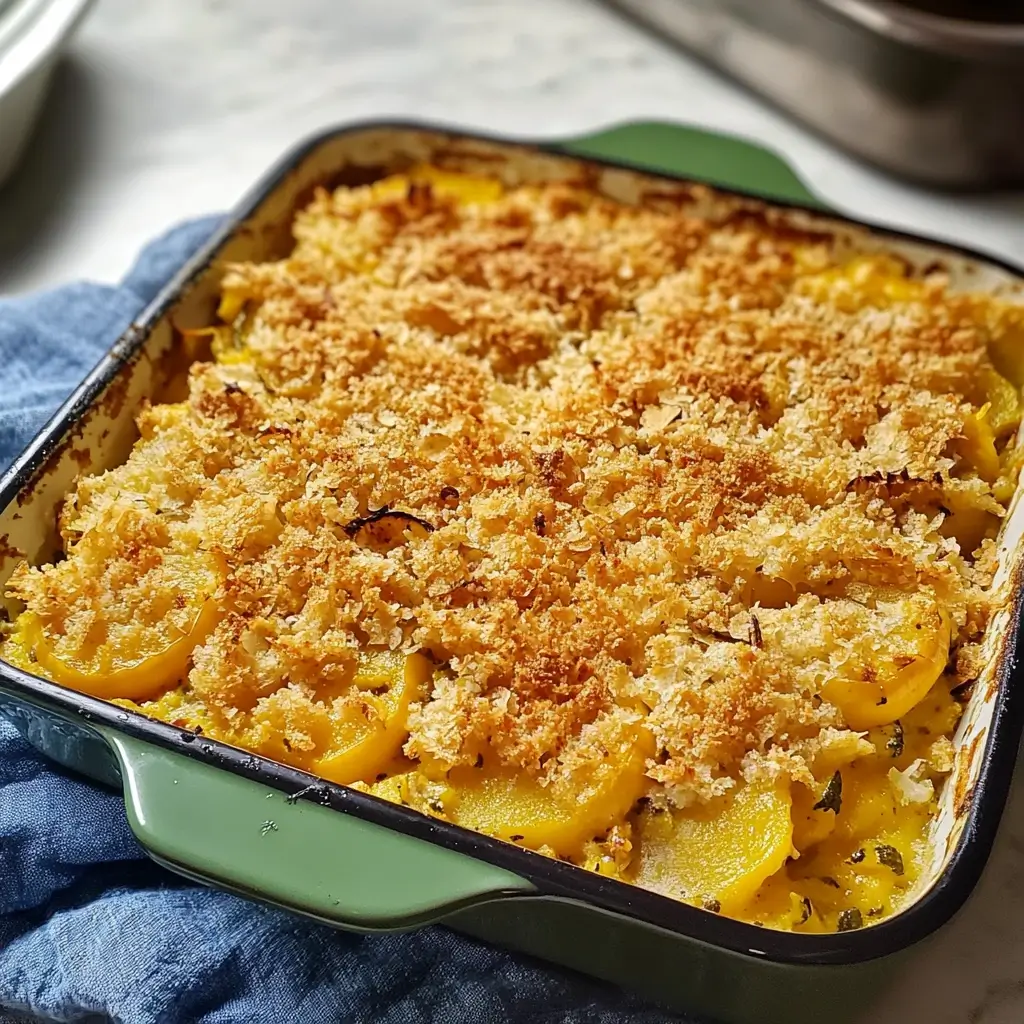

Squash casserole. Just the name conjures up images of potlucks, family reunions, and cozy Sunday dinners down South. For my family, it’s more than just a side dish; it’s a warm, comforting hug on a plate. I remember the first time I made this Old-School Squash Casserole from Southern Living, following this very recipe to the letter. The aroma that filled my kitchen was pure nostalgia, even though it was a new dish for me to cook personally. The golden-brown, buttery cracker topping crackled invitingly, giving way to a creamy, cheesy, and subtly sweet squash filling that had everyone at the table reaching for seconds. Even my kids, who are sometimes skeptical of vegetables, devoured it. It’s become a regular request in our home, and I’ve learned a few tricks along the way to make it even better. This isn’t just a recipe; it’s an experience, a taste of Southern hospitality and home-cooked goodness that’s sure to become a favorite in your kitchen too.
Ingredients
To create this classic Southern comfort dish, you’ll need a handful of readily available ingredients that come together to form a symphony of flavors and textures. Each component plays a crucial role in the final casserole, so let’s delve into them:
- Unsalted Butter (6 Tbsp, divided): Butter is the soul of this casserole, contributing richness and flavor at every stage. Dividing the butter is key; some is used to sauté the squash and vegetables, infusing them with buttery goodness from the start, while the rest is melted and tossed with the cracker topping to create that irresistible, crispy crust. Unsalted butter is recommended to control the overall saltiness of the dish, especially when using salted cheeses and crackers. If you only have salted butter, reduce the added kosher salt accordingly. The fat in butter also helps to emulsify the sauce, creating a smoother and more luxurious texture.
- Yellow Squash (3 lbs, sliced 1/4-inch thick, from 5 medium squash): Yellow squash is the star of the show, lending its mild, slightly sweet flavor and tender texture to the casserole. Three pounds might seem like a lot, but squash cooks down significantly, so this quantity ensures a generous and satisfying casserole. Slicing the squash into 1/4-inch thick pieces is important for even cooking; they will soften in the skillet and bake through perfectly in the oven without becoming mushy. When selecting squash, look for firm, unblemished vegetables with smooth skin. Smaller to medium-sized squash tend to be more tender and have fewer seeds. While yellow squash is traditional, you can certainly incorporate zucchini for a slightly different flavor profile, or even use a mix of both for added complexity.
- Yellow Onion (1 medium-size, chopped, about 1 1/2 cups): Onion provides a foundational savory note that balances the sweetness of the squash and richness of the cheese sauce. Yellow onions are preferred for their mild sweetness and versatility. Chopping the onion to about 1 1/2 cups ensures it cooks evenly and incorporates well into the casserole. Sautéing the onion alongside the squash allows its flavors to mellow and deepen, creating a more harmonious overall taste. If you prefer a milder onion flavor, you can soak the chopped onion in cold water for a few minutes before sautéing.
- Kosher Salt (2 tsp, divided): Salt is a crucial flavor enhancer, and kosher salt is preferred by many cooks for its clean taste and ease of use. Dividing the salt ensures that the squash and vegetables are properly seasoned during the sautéing process, and that the casserole filling is also perfectly balanced. Salt not only enhances the existing flavors but also helps to draw out moisture from the squash during cooking, which is essential for preventing a watery casserole.
- Large Eggs (2, lightly beaten): Eggs act as a binding agent in this casserole, holding all the ingredients together and contributing to the creamy texture of the sauce. Lightly beating the eggs ensures they incorporate smoothly into the mixture without over-mixing. Eggs also add richness and protein to the dish, making it more substantial and satisfying. They create a custard-like consistency when baked with the cheese and mayonnaise, contributing to the signature creamy sauce of squash casserole.
- Sour Cream (1 (8-oz.) container): Sour cream is the backbone of the creamy sauce, providing tanginess, richness, and moisture. It adds a delightful depth of flavor that complements the squash and cheese beautifully. Full-fat sour cream is recommended for the best flavor and texture, but you can use reduced-fat sour cream if desired, though it may slightly alter the richness. For a tangier flavor, consider using Mexican crema. If you’re looking for a lighter alternative, plain Greek yogurt can be substituted, but it will result in a slightly tangier and less rich casserole.
- Sharp Cheddar Cheese (4 oz, shredded, about 1 cup): Cheddar cheese brings a sharp, savory, and slightly tangy flavor to the casserole. Sharp cheddar is preferred for its robust taste that stands up well to the other ingredients. Shredding the cheese ensures it melts evenly and incorporates smoothly into the sauce. You can use pre-shredded cheese for convenience, but freshly shredded cheese generally melts better and has a fresher flavor. For a bolder cheddar flavor, consider using extra-sharp cheddar.
- Swiss Cheese (2 oz, shredded, about 1/2 cup): Swiss cheese adds a nutty, slightly sweet, and mild flavor dimension to the cheese blend. It melts beautifully and contributes to the overall creamy texture of the sauce. The combination of cheddar and Swiss cheese creates a balanced and complex cheese flavor profile that is both savory and subtly sweet. Gruyere cheese can be used as a substitute for Swiss cheese for a similar nutty flavor.
- Mayonnaise (1/2 cup): Mayonnaise might seem like an unexpected ingredient in a casserole, but it is a secret weapon for adding richness, moisture, and a subtle tang. It emulsifies beautifully with the other sauce ingredients, creating a velvety smooth texture. Full-fat mayonnaise is recommended for the best flavor and texture, but light mayonnaise can be used as a lower-fat option, though it may slightly alter the richness and creaminess. The acidity in mayonnaise also helps to balance the richness of the cheese and sour cream.
- Fresh Thyme (2 tsp, chopped): Fresh thyme brings a bright, herbaceous, and slightly lemony flavor that elevates the casserole and adds a touch of freshness. Chopping the thyme releases its aromatic oils and ensures it distributes evenly throughout the filling. Fresh thyme is preferred for its superior flavor, but if you only have dried thyme, use about 1 teaspoon, as dried herbs are more concentrated. Oregano or marjoram can be used as substitutes for thyme, offering slightly different but complementary herbal notes.
- Black Pepper (1/2 tsp): Black pepper provides a subtle warmth and spice that enhances the overall flavor profile of the casserole. Freshly ground black pepper is always recommended for the best flavor. It adds a touch of complexity and balances the richness of the cheese and butter.
- Round Buttery Crackers (2 sleeves, such as Ritz, coarsely crushed): Round buttery crackers, like Ritz, are the quintessential topping for squash casserole, providing a delightful buttery, salty, and crispy contrast to the creamy filling. Coarsely crushing the crackers creates a textured topping that bakes to golden brown perfection. Two sleeves of crackers provide ample topping for the casserole. You can also use other buttery crackers, such as Town House crackers, or even a mix of different buttery crackers. For a slightly different flavor and texture, you can experiment with using breadcrumbs, panko, or even crushed potato chips for the topping.
- Parmesan Cheese (1 oz, shredded, about 1/4 cup): Parmesan cheese, sprinkled over the cracker topping, adds a salty, nutty, and umami-rich flavor that complements the buttery crackers and enhances the overall savory profile of the casserole. Shredding the Parmesan ensures it melts slightly and creates a slightly cheesy and browned crust. Freshly grated Parmesan is recommended for the best flavor, but pre-shredded Parmesan can be used for convenience. Pecorino Romano cheese can be used as a substitute for Parmesan for a similar salty and sharp flavor.
Instructions
Follow these step-by-step instructions to create a delicious Old-School Squash Casserole that will impress your family and friends:
Step 1: Prepare Oven and Baking Dish (Preheating Perfection)
- Preheat your oven to a consistent 350°F (175°C). This ensures even baking and prevents the casserole from cooking too quickly on the outside before the inside is heated through.
- Grease an 11- x 7-inch (2-quart) baking dish with cooking spray. This prevents the casserole from sticking to the dish and makes serving and cleanup easier. Ensure you grease the bottom and sides of the dish thoroughly. A glass or ceramic baking dish works well for casseroles.
Step 2: Cook Squash (Sautéing to Tender Goodness)
- Melt 3 tablespoons of the unsalted butter in a large skillet over medium-high heat. Allow the butter to melt completely and shimmer slightly, but be careful not to let it brown or burn.
- Add the sliced yellow squash, chopped yellow onion, and 1 teaspoon of kosher salt to the skillet. The salt will help draw out moisture from the vegetables and enhance their flavor.
- Cook, stirring often, for about 10 minutes, or until the center of the squash is just tender and the liquid has evaporated. Stirring frequently prevents the vegetables from sticking to the skillet and promotes even cooking. The goal is to cook the squash until it’s just tender but still holds its shape, as it will continue to cook in the oven. Evaporating the liquid at this stage is crucial to prevent a watery casserole. You may need to cook for slightly longer than 10 minutes depending on the thickness of your squash slices and the heat of your stovetop. The squash should be slightly softened and have a slightly translucent appearance when it’s ready.
Step 3: Drain Liquid (Removing Excess Moisture)
- Transfer the cooked squash and onion mixture to a colander set over a bowl. This allows the excess liquid to drain away, which is essential for preventing a soggy casserole.
- Drain for 5 minutes, discarding any liquid that collects in the bowl. Press gently on the squash with a spoon or spatula to encourage more liquid to drain out, but be careful not to mash the squash. Discarding this liquid is a key step in achieving the perfect texture for your squash casserole.
Step 4: Stir Together Casserole Filling (Creating Creamy Harmony)
- In a large bowl, stir together the lightly beaten eggs, sour cream, shredded Cheddar cheese, shredded Swiss cheese, mayonnaise, chopped fresh thyme, black pepper, and the remaining 1 teaspoon of kosher salt. Ensure all ingredients are well combined, creating a smooth and creamy sauce base. Taste the mixture at this stage and adjust seasoning if needed, keeping in mind that the cracker topping will also add salt.
- Gently fold in the drained squash mixture. Folding is important to avoid breaking up the squash slices and maintaining their texture. Distribute the squash evenly throughout the cheese sauce.
Step 5: Spoon Casserole Filling into Baking Dish (Layering for Perfection)
- Spoon the casserole filling into the lightly greased 11- x 7-inch (2-quart) baking dish. Spread the filling evenly in the dish, ensuring a consistent thickness for even baking.
Step 6: Make Cracker Topping (Crafting the Crispy Crust)
- Microwave the remaining 3 tablespoons of unsalted butter in a medium-size microwavable bowl on HIGH until melted, about 25 seconds. Be careful not to overheat the butter; microwave in short intervals and check frequently.
- In the same bowl, toss together the coarsely crushed round buttery crackers and shredded Parmesan cheese with the melted butter until combined. Ensure the crackers are evenly coated with the butter and Parmesan mixture. The buttery coating will help the crackers crisp up beautifully in the oven.
Step 7: Sprinkle Topping over Casserole (Golden Brown Dreams)
- Sprinkle the cracker topping evenly over the casserole filling in the baking dish. Distribute the topping to cover the entire surface of the casserole, ensuring every bite gets a touch of crispy cracker goodness.
Step 8: Bake and Serve (Golden Brown and Delicious)
- Bake in the preheated oven for about 20 minutes, or until the topping is golden brown and the casserole is heated through and bubbly around the edges. The baking time may vary slightly depending on your oven and the depth of your baking dish. The casserole is done when the topping is nicely browned and the filling is heated through and bubbling.
- Let the casserole cool slightly before serving. This allows the filling to set up slightly and makes it easier to serve.
- Serve hot and enjoy this classic Southern comfort food!
Nutrition Facts
(Estimated, per serving, based on ingredients and standard nutritional databases. Actual values may vary.)
- Servings: 8
- Calories per Serving: Approximately 350-400 calories
Please note that these are estimates. The exact calorie count can vary based on specific ingredient brands, portion sizes, and variations in preparation. This casserole is a rich and indulgent dish, reflecting its comforting nature. It provides a good source of vegetables and dairy, but is also higher in fat and sodium due to the cheese, butter, mayonnaise, and crackers. Enjoy in moderation as part of a balanced diet.
Preparation Time
- Active Time: 25 minutes (This includes chopping vegetables, sautéing, mixing ingredients, and preparing the topping)
- Total Time: 1 hour 5 minutes (This includes active prep time plus cooking time and baking time)
This recipe is relatively quick to prepare, especially considering the delicious and satisfying result. The majority of the time is spent in the oven baking, allowing you to focus on other tasks or simply relax while the comforting aroma fills your kitchen.
How to Serve
Old-School Squash Casserole is a versatile dish that can be served in a variety of ways, making it perfect for both casual family meals and more formal gatherings. Here are some serving suggestions:
- Classic Southern Side Dish: Serve it as a quintessential side dish alongside other Southern favorites like:
- Fried chicken or grilled chicken
- Pulled pork or BBQ ribs
- Meatloaf or pot roast
- Collard greens or green beans
- Mashed potatoes or rice
- Vegetarian Main Course: Squash casserole can easily stand alone as a satisfying vegetarian main dish. Pair it with:
- A fresh green salad with a vinaigrette dressing
- Cornbread or biscuits
- A side of fruit salad for a lighter touch
- Potluck and Holiday Staple: This casserole is always a hit at potlucks, church suppers, Thanksgiving, Easter, or any holiday gathering. Its make-ahead nature makes it ideal for these occasions.
- Brunch or Lunch Option: Serve smaller portions of squash casserole as part of a brunch spread or a light lunch, accompanied by:
- Fresh fruit
- Yogurt parfait
- A side salad
- Garnish Ideas: To elevate the presentation and add a touch of freshness:
- Sprinkle with fresh thyme sprigs or chopped parsley after baking.
- Drizzle with a balsamic glaze for a touch of sweetness and acidity.
- Serve with a dollop of sour cream or Greek yogurt on the side.
- Add a sprinkle of red pepper flakes for a subtle hint of spice.
Additional Tips for Squash Casserole Success
To ensure your Old-School Squash Casserole is a resounding success, keep these helpful tips in mind:
- Don’t Skip Draining the Squash: As emphasized in the original recipe, draining the cooked squash is absolutely crucial. Squash is naturally high in water content, and if you skip this step, your casserole will likely be watery and lack the desired creamy texture. Take the extra few minutes to properly drain the squash – it makes a world of difference.
- Sauté Squash Until Just Tender: Overcooking the squash during the sautéing process can lead to mushy squash in the final casserole. Cook it until it is just tender and the liquid has evaporated. It will continue to cook and soften in the oven during baking. Aim for slightly al dente squash at the sauté stage.
- Gentle Folding is Key: When combining the cooked squash with the cheese sauce, be gentle and fold it in rather than stirring vigorously. This helps to maintain the integrity of the squash slices and prevents them from breaking apart and becoming mushy. Use a spatula and gently turn the squash into the sauce until just combined.
- Customize Your Cheese Blend: While the recipe calls for Cheddar and Swiss, feel free to experiment with other cheeses to create your own signature flavor profile. Consider adding:
- Monterey Jack for a mild and creamy melt.
- Gruyere for a more pronounced nutty flavor.
- Pepper Jack for a spicy kick.
- A smoked Gouda for a smoky depth.
Using a combination of your favorite cheeses can add a unique twist to this classic dish.
- Elevate Your Cracker Topping: The Ritz cracker topping is iconic, but you can also experiment with variations to add different textures and flavors:
- Breadcrumbs: Use Italian-seasoned breadcrumbs or panko breadcrumbs for a different kind of crunch.
- Stove Top Stuffing: As mentioned in the Southern Living community tips, adding Stove Top stuffing can give the topping extra flavor and zest.
- Potato Chips: Crushed potato chips, especially kettle-cooked chips, can add a salty and extra crispy element.
- Herbaceous Topping: Mix the cracker crumbs with chopped fresh herbs like parsley, chives, or rosemary for added freshness and aroma.
FAQ: Your Squash Casserole Questions Answered
General Questions:
Q1: Can I make squash casserole ahead of time?
A1: Absolutely! Squash casserole is an excellent make-ahead dish. You can prepare the casserole completely up to Step 5 (filling in the baking dish), cover it tightly, and refrigerate it for up to 12 hours or overnight. When you’re ready to bake, simply add the cracker topping and bake as directed, adding a few extra minutes to the baking time if needed, as the casserole will be cold from the refrigerator. This is a lifesaver for busy weeknights or holiday gatherings.
Q2: Can I freeze squash casserole?
A2: Yes, you can freeze squash casserole for longer storage. Prepare the casserole up to Step 5, leaving off the cracker topping. Wrap the baking dish tightly in plastic wrap, then in foil, and freeze for up to 2-3 months. To bake from frozen, thaw the casserole overnight in the refrigerator. Then, add the cracker topping and bake as directed, adding extra baking time to ensure it’s heated through, likely around 30-40 minutes from a thawed state, or longer if baking directly from frozen.
Q3: Can I make this recipe vegetarian or vegan?
A3: This recipe is already vegetarian! To make it vegan, you would need to substitute several key ingredients. Vegan mayonnaise and sour cream alternatives are available and can be used. For the cheese, use a good quality vegan cheese blend that melts well. For the eggs, you could try using a flax egg (1 tablespoon flaxseed meal mixed with 3 tablespoons water, let sit for 5 minutes to thicken) as a binder, although this may slightly alter the texture. Vegan butter should be used for the topping. Be aware that these substitutions may change the overall flavor and texture of the casserole, but it is possible to create a vegan version.
Q4: My squash casserole is watery, what did I do wrong?
A4: Watery squash casserole is usually caused by not draining enough liquid from the squash after sautéing. Ensure you follow Step 3 carefully and drain the squash for the full 5 minutes, pressing gently to remove excess moisture. Also, avoid overcooking the squash during the sautéing stage, as this can release more water. If your casserole is still watery after baking, you can try broiling it for a few minutes at the end (watch carefully to prevent burning the topping) to evaporate some of the excess liquid.
Q5: Can I use zucchini instead of yellow squash?
A5: Yes, you can definitely use zucchini, or a combination of zucchini and yellow squash, in this recipe. Zucchini has a similar texture and mild flavor to yellow squash, and it works well in casseroles. You can substitute zucchini directly for yellow squash in the same quantity. Using a mix of both can add a slight depth and complexity to the flavor profile.
Ingredient Specific Questions:
Q6: Can I use salted butter instead of unsalted butter?
A6: Yes, you can use salted butter, but you will need to reduce the amount of kosher salt added to the recipe. Start with half the amount of salt (1 teaspoon total instead of 2) and taste the filling before baking to adjust if needed. Keep in mind that the crackers and cheese also contain salt, so it’s best to err on the side of less salt and add more if necessary.
Q7: Can I use dried thyme instead of fresh thyme?
A7: Yes, if you don’t have fresh thyme, you can use dried thyme. Dried herbs are more concentrated, so use about 1 teaspoon of dried thyme in place of the 2 teaspoons of fresh thyme. Rub the dried thyme between your fingers before adding it to the mixture to help release its aroma. Fresh thyme is preferred for its brighter flavor, but dried thyme is a perfectly acceptable substitute.
Q8: Can I use different crackers for the topping?
A8: Absolutely! While Ritz crackers are classic, you can experiment with other buttery crackers, such as Town House crackers or similar brands. You can also use breadcrumbs (Italian-seasoned or panko), crushed potato chips, or even a combination for a different texture and flavor. Consider the saltiness of the crackers you choose, and adjust the seasoning of the topping accordingly.
Q9: Can I use pre-shredded cheese?
A9: Yes, you can use pre-shredded cheese for convenience. However, freshly shredded cheese generally melts better and has a fresher flavor. Pre-shredded cheese often contains cellulose to prevent clumping, which can sometimes affect melting. If using pre-shredded cheese, make sure it is a good quality brand.
Q10: Can I substitute Greek yogurt for sour cream?
A10: Yes, you can substitute plain Greek yogurt for sour cream as a slightly lighter alternative. Greek yogurt will add a similar tanginess and creaminess, but it will be less rich than sour cream. Full-fat Greek yogurt will be closer in texture and richness to sour cream than non-fat Greek yogurt. The substitution will slightly alter the overall flavor and richness of the casserole, but it is a healthy and acceptable alternative.
Print
Old-School Squash Casserole Recipe
Ingredients
- Unsalted Butter (6 Tbsp, divided): Butter is the soul of this casserole, contributing richness and flavor at every stage. Dividing the butter is key; some is used to sauté the squash and vegetables, infusing them with buttery goodness from the start, while the rest is melted and tossed with the cracker topping to create that irresistible, crispy crust. Unsalted butter is recommended to control the overall saltiness of the dish, especially when using salted cheeses and crackers. If you only have salted butter, reduce the added kosher salt accordingly. The fat in butter also helps to emulsify the sauce, creating a smoother and more luxurious texture.
- Yellow Squash (3 lbs, sliced 1/4-inch thick, from 5 medium squash): Yellow squash is the star of the show, lending its mild, slightly sweet flavor and tender texture to the casserole. Three pounds might seem like a lot, but squash cooks down significantly, so this quantity ensures a generous and satisfying casserole. Slicing the squash into 1/4-inch thick pieces is important for even cooking; they will soften in the skillet and bake through perfectly in the oven without becoming mushy. When selecting squash, look for firm, unblemished vegetables with smooth skin. Smaller to medium-sized squash tend to be more tender and have fewer seeds. While yellow squash is traditional, you can certainly incorporate zucchini for a slightly different flavor profile, or even use a mix of both for added complexity.
- Yellow Onion (1 medium-size, chopped, about 1 1/2 cups): Onion provides a foundational savory note that balances the sweetness of the squash and richness of the cheese sauce. Yellow onions are preferred for their mild sweetness and versatility. Chopping the onion to about 1 1/2 cups ensures it cooks evenly and incorporates well into the casserole. Sautéing the onion alongside the squash allows its flavors to mellow and deepen, creating a more harmonious overall taste. If you prefer a milder onion flavor, you can soak the chopped onion in cold water for a few minutes before sautéing.
- Kosher Salt (2 tsp, divided): Salt is a crucial flavor enhancer, and kosher salt is preferred by many cooks for its clean taste and ease of use. Dividing the salt ensures that the squash and vegetables are properly seasoned during the sautéing process, and that the casserole filling is also perfectly balanced. Salt not only enhances the existing flavors but also helps to draw out moisture from the squash during cooking, which is essential for preventing a watery casserole.
- Large Eggs (2, lightly beaten): Eggs act as a binding agent in this casserole, holding all the ingredients together and contributing to the creamy texture of the sauce. Lightly beating the eggs ensures they incorporate smoothly into the mixture without over-mixing. Eggs also add richness and protein to the dish, making it more substantial and satisfying. They create a custard-like consistency when baked with the cheese and mayonnaise, contributing to the signature creamy sauce of squash casserole.
- Sour Cream (1 (8-oz.) container): Sour cream is the backbone of the creamy sauce, providing tanginess, richness, and moisture. It adds a delightful depth of flavor that complements the squash and cheese beautifully. Full-fat sour cream is recommended for the best flavor and texture, but you can use reduced-fat sour cream if desired, though it may slightly alter the richness. For a tangier flavor, consider using Mexican crema. If you’re looking for a lighter alternative, plain Greek yogurt can be substituted, but it will result in a slightly tangier and less rich casserole.
- Sharp Cheddar Cheese (4 oz, shredded, about 1 cup): Cheddar cheese brings a sharp, savory, and slightly tangy flavor to the casserole. Sharp cheddar is preferred for its robust taste that stands up well to the other ingredients. Shredding the cheese ensures it melts evenly and incorporates smoothly into the sauce. You can use pre-shredded cheese for convenience, but freshly shredded cheese generally melts better and has a fresher flavor. For a bolder cheddar flavor, consider using extra-sharp cheddar.
- Swiss Cheese (2 oz, shredded, about 1/2 cup): Swiss cheese adds a nutty, slightly sweet, and mild flavor dimension to the cheese blend. It melts beautifully and contributes to the overall creamy texture of the sauce. The combination of cheddar and Swiss cheese creates a balanced and complex cheese flavor profile that is both savory and subtly sweet. Gruyere cheese can be used as a substitute for Swiss cheese for a similar nutty flavor.
- Mayonnaise (1/2 cup): Mayonnaise might seem like an unexpected ingredient in a casserole, but it is a secret weapon for adding richness, moisture, and a subtle tang. It emulsifies beautifully with the other sauce ingredients, creating a velvety smooth texture. Full-fat mayonnaise is recommended for the best flavor and texture, but light mayonnaise can be used as a lower-fat option, though it may slightly alter the richness and creaminess. The acidity in mayonnaise also helps to balance the richness of the cheese and sour cream.
- Fresh Thyme (2 tsp, chopped): Fresh thyme brings a bright, herbaceous, and slightly lemony flavor that elevates the casserole and adds a touch of freshness. Chopping the thyme releases its aromatic oils and ensures it distributes evenly throughout the filling. Fresh thyme is preferred for its superior flavor, but if you only have dried thyme, use about 1 teaspoon, as dried herbs are more concentrated. Oregano or marjoram can be used as substitutes for thyme, offering slightly different but complementary herbal notes.
- Black Pepper (1/2 tsp): Black pepper provides a subtle warmth and spice that enhances the overall flavor profile of the casserole. Freshly ground black pepper is always recommended for the best flavor. It adds a touch of complexity and balances the richness of the cheese and butter.
- Round Buttery Crackers (2 sleeves, such as Ritz, coarsely crushed): Round buttery crackers, like Ritz, are the quintessential topping for squash casserole, providing a delightful buttery, salty, and crispy contrast to the creamy filling. Coarsely crushing the crackers creates a textured topping that bakes to golden brown perfection. Two sleeves of crackers provide ample topping for the casserole. You can also use other buttery crackers, such as Town House crackers, or even a mix of different buttery crackers. For a slightly different flavor and texture, you can experiment with using breadcrumbs, panko, or even crushed potato chips for the topping.
- Parmesan Cheese (1 oz, shredded, about 1/4 cup): Parmesan cheese, sprinkled over the cracker topping, adds a salty, nutty, and umami-rich flavor that complements the buttery crackers and enhances the overall savory profile of the casserole. Shredding the Parmesan ensures it melts slightly and creates a slightly cheesy and browned crust. Freshly grated Parmesan is recommended for the best flavor, but pre-shredded Parmesan can be used for convenience. Pecorino Romano cheese can be used as a substitute for Parmesan for a similar salty and sharp flavor.
Instructions
Step 1: Prepare Oven and Baking Dish (Preheating Perfection)
- Preheat your oven to a consistent 350°F (175°C). This ensures even baking and prevents the casserole from cooking too quickly on the outside before the inside is heated through.
- Grease an 11- x 7-inch (2-quart) baking dish with cooking spray. This prevents the casserole from sticking to the dish and makes serving and cleanup easier. Ensure you grease the bottom and sides of the dish thoroughly. A glass or ceramic baking dish works well for casseroles.
Step 2: Cook Squash (Sautéing to Tender Goodness)
- Melt 3 tablespoons of the unsalted butter in a large skillet over medium-high heat. Allow the butter to melt completely and shimmer slightly, but be careful not to let it brown or burn.
- Add the sliced yellow squash, chopped yellow onion, and 1 teaspoon of kosher salt to the skillet. The salt will help draw out moisture from the vegetables and enhance their flavor.
- Cook, stirring often, for about 10 minutes, or until the center of the squash is just tender and the liquid has evaporated. Stirring frequently prevents the vegetables from sticking to the skillet and promotes even cooking. The goal is to cook the squash until it’s just tender but still holds its shape, as it will continue to cook in the oven. Evaporating the liquid at this stage is crucial to prevent a watery casserole. You may need to cook for slightly longer than 10 minutes depending on the thickness of your squash slices and the heat of your stovetop. The squash should be slightly softened and have a slightly translucent appearance when it’s ready.
Step 3: Drain Liquid (Removing Excess Moisture)
- Transfer the cooked squash and onion mixture to a colander set over a bowl. This allows the excess liquid to drain away, which is essential for preventing a soggy casserole.
- Drain for 5 minutes, discarding any liquid that collects in the bowl. Press gently on the squash with a spoon or spatula to encourage more liquid to drain out, but be careful not to mash the squash. Discarding this liquid is a key step in achieving the perfect texture for your squash casserole.
Step 4: Stir Together Casserole Filling (Creating Creamy Harmony)
- In a large bowl, stir together the lightly beaten eggs, sour cream, shredded Cheddar cheese, shredded Swiss cheese, mayonnaise, chopped fresh thyme, black pepper, and the remaining 1 teaspoon of kosher salt. Ensure all ingredients are well combined, creating a smooth and creamy sauce base. Taste the mixture at this stage and adjust seasoning if needed, keeping in mind that the cracker topping will also add salt.
- Gently fold in the drained squash mixture. Folding is important to avoid breaking up the squash slices and maintaining their texture. Distribute the squash evenly throughout the cheese sauce.
Step 5: Spoon Casserole Filling into Baking Dish (Layering for Perfection)
- Spoon the casserole filling into the lightly greased 11- x 7-inch (2-quart) baking dish. Spread the filling evenly in the dish, ensuring a consistent thickness for even baking.
Step 6: Make Cracker Topping (Crafting the Crispy Crust)
- Microwave the remaining 3 tablespoons of unsalted butter in a medium-size microwavable bowl on HIGH until melted, about 25 seconds. Be careful not to overheat the butter; microwave in short intervals and check frequently.
- In the same bowl, toss together the coarsely crushed round buttery crackers and shredded Parmesan cheese with the melted butter until combined. Ensure the crackers are evenly coated with the butter and Parmesan mixture. The buttery coating will help the crackers crisp up beautifully in the oven.
Step 7: Sprinkle Topping over Casserole (Golden Brown Dreams)
- Sprinkle the cracker topping evenly over the casserole filling in the baking dish. Distribute the topping to cover the entire surface of the casserole, ensuring every bite gets a touch of crispy cracker goodness.
Step 8: Bake and Serve (Golden Brown and Delicious)
- Bake in the preheated oven for about 20 minutes, or until the topping is golden brown and the casserole is heated through and bubbly around the edges. The baking time may vary slightly depending on your oven and the depth of your baking dish. The casserole is done when the topping is nicely browned and the filling is heated through and bubbling.
- Let the casserole cool slightly before serving. This allows the filling to set up slightly and makes it easier to serve.
- Serve hot and enjoy this classic Southern comfort food!
Nutrition
- Serving Size: One Normal Portion
- Calories: 350-400