
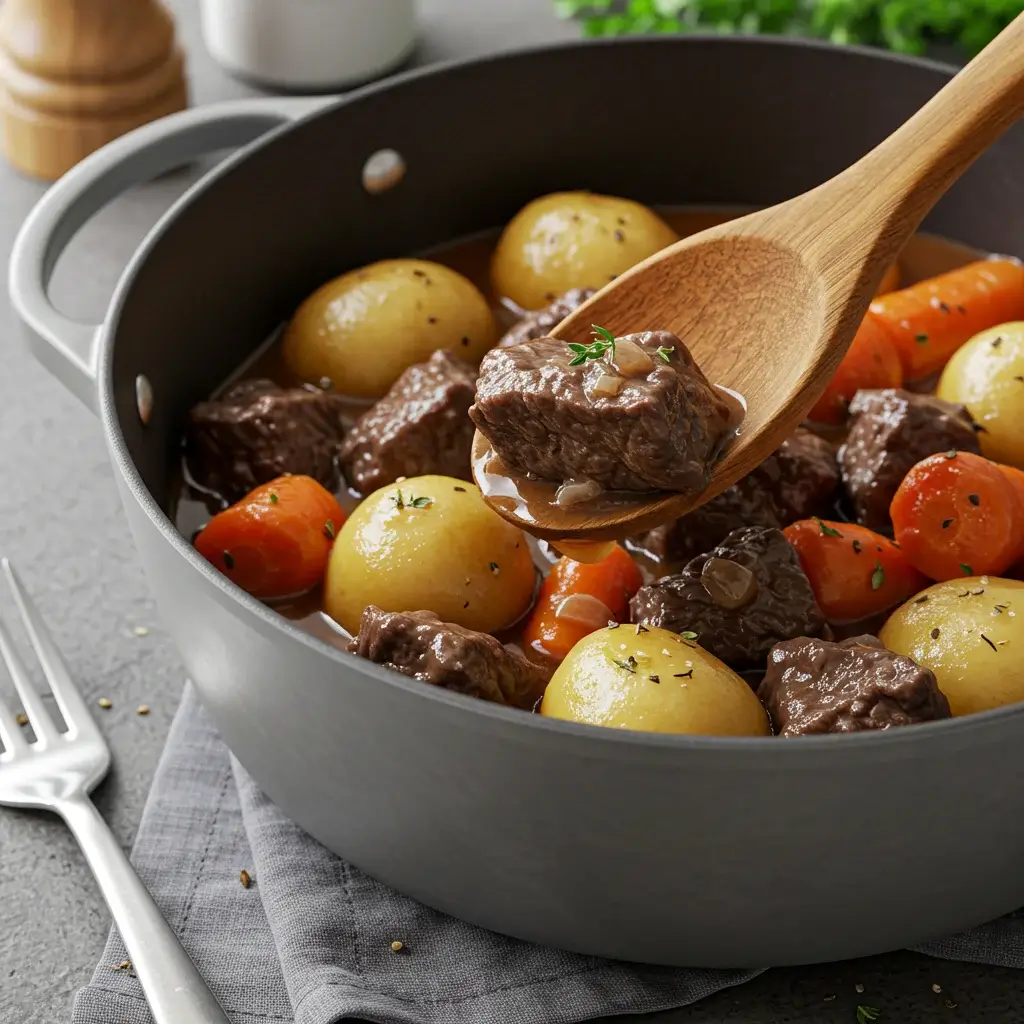
When it comes to comfort food, nothing quite matches the warmth and heartiness of a well-made beef stew. The rich, savory flavors mingling in a single pot create a symphony of taste that’s both satisfying and nourishing. In this article, we’ll delve into the world of one-pot beef stew, offering a comprehensive guide that’s perfect for both novice cooks and seasoned chefs. From ingredients to serving suggestions, this article provides everything you need to create a stew that’s sure to become a family favorite.
Ingredients
Before diving into the cooking process, it’s essential to gather all your ingredients. Having everything on hand will make the cooking process seamless and enjoyable. Below is a list of ingredients you’ll need to create a delicious one-pot beef stew:
- Beef Chuck Roast – 2 pounds, cut into 1-inch cubes
- Salt and Pepper – to taste
- Olive Oil – 2 tablespoons
- Yellow Onion – 1 large, chopped
- Garlic Cloves – 3 cloves, minced
- Carrots – 4, peeled and sliced
- Celery Stalks – 3, sliced
- Potatoes – 4 medium, peeled and diced
- Tomato Paste – 2 tablespoons
- Red Wine – 1 cup (optional)
- Beef Broth – 4 cups
- Bay Leaves – 2
- Thyme – 1 teaspoon, dried
- Rosemary – 1 teaspoon, dried
- Worcestershire Sauce – 2 tablespoons
- Frozen Peas – 1 cup
- Fresh Parsley – for garnish
Instructions
Creating a one-pot beef stew is straightforward, and the process can be broken down into simple steps. Follow these instructions to craft a delicious stew that will warm the heart and soul:
- Prepare the Beef: Season the beef cubes generously with salt and pepper. In a large pot or Dutch oven, heat olive oil over medium-high heat. Add the beef in batches, searing each piece until browned on all sides. Remove the beef and set it aside.
- Sauté Vegetables: In the same pot, add the chopped onion and minced garlic. Sauté until the onion becomes translucent and the garlic is fragrant, about 3-4 minutes.
- Add Vegetables: Stir in the carrots, celery, and potatoes. Cook for another 4-5 minutes, allowing the vegetables to get a slight color.
- Incorporate Tomato Paste and Wine: Add the tomato paste, stirring to coat the vegetables evenly. Pour in the red wine and let it simmer for a few minutes, allowing the alcohol to evaporate.
- Combine Ingredients: Return the beef to the pot. Pour in the beef broth and add the bay leaves, thyme, rosemary, and Worcestershire sauce. Stir to combine all ingredients.
- Simmer: Bring the mixture to a boil, then reduce the heat to low. Cover the pot and let the stew simmer for about 2 hours, or until the beef is tender and the flavors have melded together.
- Final Touches: About 15 minutes before serving, stir in the frozen peas. Adjust seasoning with salt and pepper to taste.
- Garnish and Serve: Once the stew is ready, remove the bay leaves. Garnish with fresh parsley before serving hot.
Nutrition Facts
Understanding the nutritional profile of your one-pot beef stew can help you make informed dietary choices. Here’s an estimated breakdown of the nutritional content per serving (based on 6 servings):
- Calories: 450
- Protein: 35g
- Carbohydrates: 40g
- Dietary Fiber: 6g
- Sugars: 4g
- Total Fat: 17g
- Saturated Fat: 5g
- Cholesterol: 90mg
- Sodium: 800mg
These values may vary based on specific ingredient brands and quantities used.
How to Serve
Serving your one-pot beef stew can be as simple or as creative as you wish, allowing you to customize the experience to suit your taste and occasion. Here are some comprehensive suggestions to enhance your serving options:
Bread
A classic accompaniment to beef stew is warm, crusty bread or dinner rolls, which provide the perfect vessel for soaking up the rich and flavorful broth. Consider options like:
- Sourdough Bread: Its tangy flavor and chewy texture make it a delightful pairing. You can serve it sliced or as a whole loaf for a rustic touch.
- Baguette: A crusty French baguette can be sliced into manageable pieces for easy dipping.
- Dinner Rolls: Soft, pillowy dinner rolls can add a comforting element to the meal, ideal for mopping up every last drop of stew.
- Garlic Bread: For an extra burst of flavor, consider serving garlic bread, which can add a robust element to the meal.
To elevate the presentation, arrange the bread on a wooden cutting board or in a bread basket lined with a cloth napkin. This not only looks appealing but also keeps the bread warm throughout the meal.
Rice or Pasta
For those seeking a heartier meal, serving beef stew over a bed of rice or cooked pasta can transform it into a filling dish. Here are a few options to consider:
- Rice: Fluffy white rice or brown rice can absorb the stew’s flavors beautifully. For an added twist, try flavored rice varieties, such as pilaf or saffron rice, which can add depth and color to your plate.
- Pasta: Wide noodles like pappardelle or egg noodles are excellent choices that can cradle the meat and vegetables of the stew. Alternatively, small pasta shapes like orzo or shells can provide a lovely texture contrast.
- Polenta: For a unique twist, serve the stew over creamy polenta. The buttery flavor and smooth consistency of polenta can enhance the overall richness of the dish.
Ensure that the rice or pasta is well-seasoned and cooked to perfection to create a balanced dish.
Salad
To contrast the hearty richness of the beef stew, a fresh green salad can be a refreshing addition to your meal. Consider the following options:
- Mixed Greens: A simple salad of mixed greens tossed with a light vinaigrette can provide a fresh and crisp element, cutting through the heaviness of the stew.
- Caesar Salad: The creamy dressing and crunchy croutons of a classic Caesar salad can complement the stew’s savory notes while adding a bit of indulgence.
- Roasted Vegetable Salad: A salad featuring roasted seasonal vegetables, such as beets, carrots, or Brussels sprouts, can provide a deliciously sweet and smoky flavor, enhancing the overall meal experience.
Garnish the salad with nuts or seeds for added texture, and consider including a sprinkle of cheese, such as feta or parmesan, for a savory touch.
Wine Pairing
If you enjoy wine, pairing your beef stew with an appropriate glass can elevate the dining experience even further. Here are some tips for selecting the right wine:
- Same Red Wine Used in the Stew: For a harmonious pairing, consider enjoying a glass of the same red wine you used in the stew. This creates a cohesive flavor profile, allowing the wine to complement the dish beautifully.
- Full-Bodied Red Wines: Full-bodied reds like Cabernet Sauvignon, Merlot, or Syrah are excellent choices to match the robust flavors of the stew. Their tannins can balance the richness of the meat while enhancing the savory notes.
- Light- to Medium-Bodied Reds: If you prefer something lighter, consider Pinot Noir or a Chianti. These wines can offer a refreshing contrast while still harmonizing with the stew’s flavors.
- Serving Temperature: Remember to serve your wine slightly below room temperature for red wines, typically around 60-65°F (15-18°C), to enhance its aromas and flavors.
Consider presenting the wine in a decanter to allow it to breathe, and provide appropriate glassware to enhance your dining experience.
Final Touches
When serving your beef stew, presentation can make a significant impact. Use wide, shallow bowls to showcase the stew and its garnishes, and don’t hesitate to add fresh herbs, such as parsley or thyme, on top for a pop of color and freshness.
Additionally, consider offering optional toppings, such as grated cheese or a dollop of sour cream, to allow guests to customize their bowls according to their preferences.
By thoughtfully considering these serving options and pairing suggestions, you can create a delightful dining experience that accentuates the heartwarming qualities of your one-pot beef stew. Enjoy!
Additional Tips
To truly enhance your one-pot beef stew, consider incorporating the following detailed tips and techniques that will not only improve the flavor and texture of your dish but also personalize it according to your taste preferences.
Choosing the Right Beef
When it comes to beef stew, the type of meat you select plays a crucial role in achieving a tender and flavorful dish. Beef chuck roast is widely regarded as the best cut for stewing due to its ideal balance of connective tissue and fat. The marbling present in chuck roast melts during the slow cooking process, infusing the stew with rich flavors and ensuring a tender bite. For those seeking alternatives, brisket or round can also work, though they may require slightly different cooking times or techniques.
For the best results, consider purchasing your beef from a local butcher who can provide high-quality, grass-fed options. This not only supports local farmers but often results in a more flavorful cut of meat. When prepping your beef, cut it into uniform pieces—typically 1 to 2 inches—so that it cooks evenly throughout.
Thickening the Stew
A thick, hearty stew can be the highlight of your culinary creation. If you prefer a thicker consistency, there are several methods to achieve this. One popular technique involves mixing a tablespoon of cornstarch with an equal amount of cold water to create a slurry. Stir this mixture into your stew during the last 15 minutes of cooking, ensuring you mix well to avoid lumps.
Alternatively, you can thicken your stew by mashing some of the vegetables within it. Simply remove a portion of the stew, blend it until smooth, and then return it to the pot. This will not only thicken the stew but also add a velvety texture. Another option is to incorporate flour or butter into your cooking process; a roux made from equal parts flour and fat can be cooked and added to the stew to achieve a rich consistency.
Flavor Enhancements
To elevate the flavor profile of your beef stew, consider adding a splash of balsamic vinegar during the last few minutes of cooking. The acidity from the vinegar will brighten the dish, balancing the richness of the beef and enhancing the overall depth of flavor.
For those who enjoy a smoky undertone, a pinch of smoked paprika can transform your stew into a gourmet experience. This spice adds a subtle, earthy warmth that complements the savory notes of the meat and vegetables. Other flavor enhancers you might consider include a dash of Worcestershire sauce, which adds umami, or fresh herbs like thyme and rosemary, which can be added early in the cooking process for a robust herbal flavor.
Vegetable Variations
While traditional beef stew typically includes carrots, potatoes, and onions, don’t hesitate to get creative with your vegetable selection. Adding mushrooms can introduce a rich, earthy flavor and a satisfying texture. Bell peppers can add a sweet crunch, while parsnips or sweet potatoes can introduce a hint of sweetness.
You can also experiment with seasonal vegetables—such as butternut squash in the fall or green beans in the summer—to keep your stew fresh and exciting. Just be mindful of cooking times; add quicker-cooking vegetables toward the end of the stew’s cooking process to prevent them from becoming mushy. To maximize the nutritional value of your stew, consider incorporating leafy greens like spinach or kale during the final minutes of cooking.
By following these additional tips and variations, you can create a one-pot beef stew that is uniquely yours, bursting with flavor, warmth, and comfort. Each adjustment you make will not only enhance the dish but also allow you to experiment and find the perfect balance for your palate.
FAQs
Q1: Can I make this stew in a slow cooker?
A1: Yes, you can adapt this recipe for a slow cooker. After searing the beef and sautéing the vegetables, transfer everything to a slow cooker. Cook on low for 6-8 hours or on high for 4-5 hours.
Q2: How can I store leftovers?
A2: Store leftover stew in an airtight container in the refrigerator for up to 3 days. For longer storage, freeze the stew for up to 3 months.
Q3: Can I make this stew vegetarian?
A3: To make a vegetarian version, substitute the beef with plant-based protein options like tofu or tempeh and use vegetable broth instead of beef broth.
Q4: What can I do if my stew is too salty?
A4: If your stew is too salty, add a peeled potato to the pot and let it simmer for 20 minutes. The potato can absorb some of the excess salt.
Conclusion
A satisfying and delicious one-pot beef stew is within your reach with this comprehensive guide. Whether you’re cooking for a cozy family dinner or a festive gathering, this stew promises to deliver warmth and comfort with every bite. By following the instructions and tips outlined in this article, you’ll create a memorable dish that will have your family and friends coming back for seconds.
Remember, cooking is an art, and you’re free to experiment with flavors and ingredients to make this recipe truly your own. Enjoy the process and the wonderful aromas that fill your kitchen as you craft a scrumptious one-pot beef stew.
Print
One-Pot Beef Stew Recipe
Ingredients
- Beef Chuck Roast – 2 pounds, cut into 1-inch cubes
- Salt and Pepper – to taste
- Olive Oil – 2 tablespoons
- Yellow Onion – 1 large, chopped
- Garlic Cloves – 3 cloves, minced
- Carrots – 4, peeled and sliced
- Celery Stalks – 3, sliced
- Potatoes – 4 medium, peeled and diced
- Tomato Paste – 2 tablespoons
- Red Wine – 1 cup (optional)
- Beef Broth – 4 cups
- Bay Leaves – 2
- Thyme – 1 teaspoon, dried
- Rosemary – 1 teaspoon, dried
- Worcestershire Sauce – 2 tablespoons
- Frozen Peas – 1 cup
- Fresh Parsley – for garnish
Instructions
- Prepare the Beef: Season the beef cubes generously with salt and pepper. In a large pot or Dutch oven, heat olive oil over medium-high heat. Add the beef in batches, searing each piece until browned on all sides. Remove the beef and set it aside.
- Sauté Vegetables: In the same pot, add the chopped onion and minced garlic. Sauté until the onion becomes translucent and the garlic is fragrant, about 3-4 minutes.
- Add Vegetables: Stir in the carrots, celery, and potatoes. Cook for another 4-5 minutes, allowing the vegetables to get a slight color.
- Incorporate Tomato Paste and Wine: Add the tomato paste, stirring to coat the vegetables evenly. Pour in the red wine and let it simmer for a few minutes, allowing the alcohol to evaporate.
- Combine Ingredients: Return the beef to the pot. Pour in the beef broth and add the bay leaves, thyme, rosemary, and Worcestershire sauce. Stir to combine all ingredients.
- Simmer: Bring the mixture to a boil, then reduce the heat to low. Cover the pot and let the stew simmer for about 2 hours, or until the beef is tender and the flavors have melded together.
- Final Touches: About 15 minutes before serving, stir in the frozen peas. Adjust seasoning with salt and pepper to taste.
- Garnish and Serve: Once the stew is ready, remove the bay leaves. Garnish with fresh parsley before serving hot.
Nutrition
- Serving Size: one normal portion
- Calories: 450
- Sugar: 4g
- Sodium: 800mg
- Fat: 17g
- Saturated Fat: 5g
- Carbohydrates: 40g
- Fiber: 6g
- Protein: 35g
- Cholesterol: 90mg