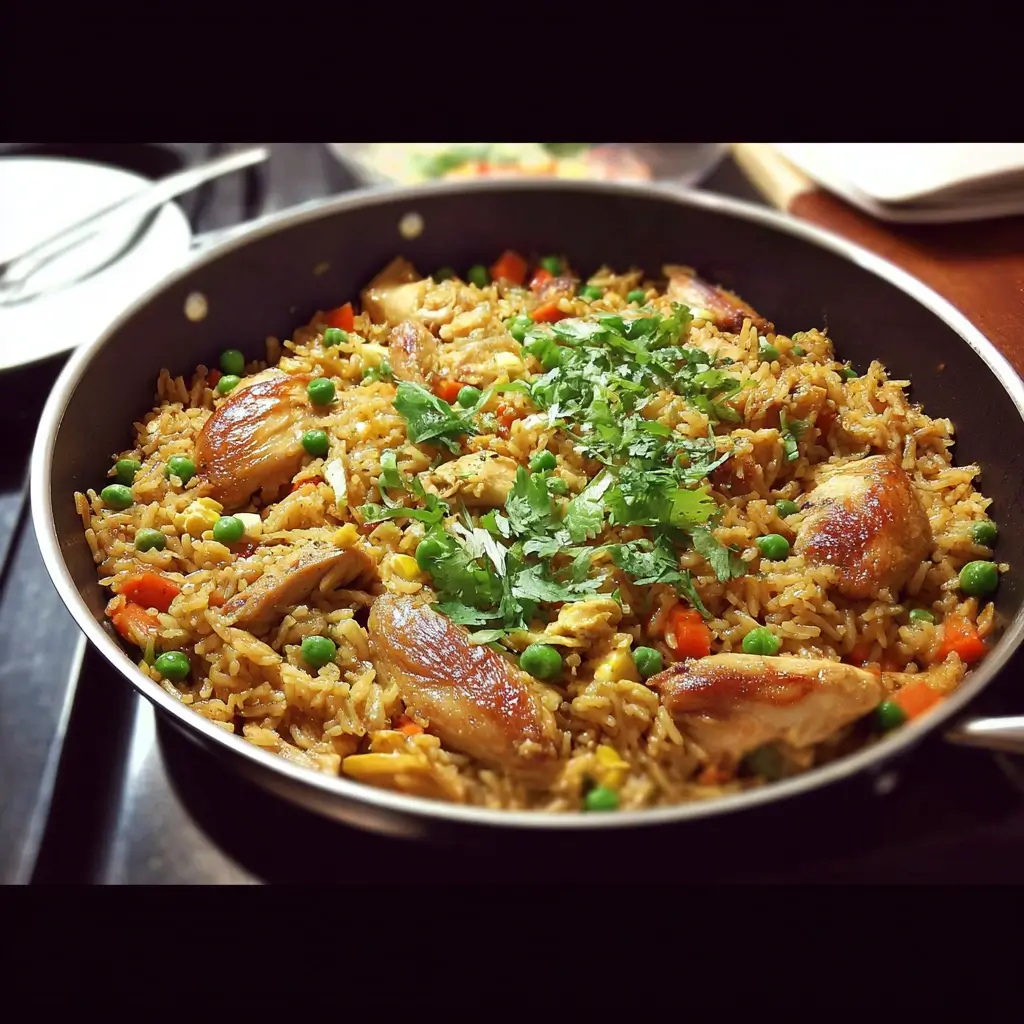

It’s a scene I know all too well: the mid-week slump hits, energy levels are low, and the thought of cooking an elaborate meal, let alone facing a mountain of dishes afterwards, is enough to make anyone reach for the takeout menu. For years, chicken fried rice was my family’s go-to “rescue meal” from our local Chinese restaurant. We loved the savory, umami-rich flavors, the satisfying mix of textures, and how it always seemed to hit the spot. But then, driven by a desire for a healthier, more budget-friendly option, and frankly, the challenge of it, I embarked on a mission to recreate that magic at home. After many (many!) attempts, some resulting in mushy rice, others in bland chicken, I finally cracked the code with this One Pot Chinese Chicken Fried Rice. The beauty of this recipe isn’t just in its authentic-tasting flavor, but in its sheer simplicity and the minimal cleanup. The first time I served this version, my kids, who are usually my toughest critics, devoured their portions and asked for seconds – a true testament to its success! My husband, a self-proclaimed fried rice aficionado, declared it “better than takeout.” Now, it’s a beloved staple in our meal rotation, a dish that brings smiles to everyone’s faces and leaves me with only one pot to wash. It’s a game-changer, transforming a typically multi-pan dish into an effortless weeknight wonder.
One Pot Chinese Chicken Fried Rice: The Ultimate Guide
This recipe is designed to bring you the full flavor and satisfaction of classic Chinese chicken fried rice, all cooked conveniently in a single pot or large skillet. Get ready to impress your family and friends with this easy-to-follow, incredibly delicious meal.
Ingredients: Crafting the Perfect Flavor Profile
To achieve that authentic restaurant-quality taste, the right combination and preparation of ingredients are key. Here’s what you’ll need:
- For the Chicken & Marinade:
- Chicken: 1 pound (about 450g) boneless, skinless chicken thighs or breasts, cut into ½-inch cubes. Thighs offer more flavor and moisture, but breasts work well too.
- Soy Sauce: 1 tablespoon (low sodium recommended, to control saltiness). This tenderizes and seasons the chicken.
- Cornstarch: 1 teaspoon. This creates a light coating that helps the chicken brown and stay tender.
- Shaoxing Rice Wine (or Dry Sherry): 1 teaspoon (optional, but adds authentic depth).
- For the Fried Rice:
- Cooked Rice: 3 cups day-old, cold cooked rice (preferably medium or long-grain like Jasmine). Using cold, leftover rice is crucial for preventing mushiness, as the grains are drier and separate easily. If you must use fresh rice, spread it on a baking sheet and chill it in the refrigerator for at least an hour, or even freeze for 15-20 minutes.
- Eggs: 3 large eggs, lightly beaten with a pinch of salt.
- Neutral Cooking Oil: 3-4 tablespoons (e.g., canola, vegetable, grapeseed, or peanut oil), divided. Peanut oil adds a nice, subtle nutty flavor.
- Aromatics:
- Yellow Onion: ½ medium, finely chopped (about ¾ cup).
- Garlic: 3-4 cloves, minced. The backbone of many Asian dishes.
- Ginger: 1 tablespoon fresh ginger, minced or grated. Adds a warm, zesty kick.
- Vegetables:
- Frozen Peas and Carrots Mix: 1 cup. A classic and convenient choice. Thaw them slightly before use.
- Scallions (Green Onions): 3-4 stalks, thinly sliced, whites and greens separated. Whites are cooked with aromatics, greens are for garnish and fresh flavor.
- Sauce:
- Soy Sauce: 2-3 tablespoons (low sodium recommended). Adjust to your taste.
- Oyster Sauce: 1 tablespoon (optional, but highly recommended for umami depth). For a gluten-free version, use GF oyster sauce or tamari instead of soy sauce.
- Toasted Sesame Oil: 1-2 teaspoons. Added at the end for its distinct nutty aroma and flavor. A little goes a long way.
- White Pepper: ¼ – ½ teaspoon (or to taste). Offers a different, more earthy heat than black pepper, common in Chinese cooking.
Instructions: Your Step-by-Step Path to Fried Rice Perfection
Follow these detailed instructions for a flawless one-pot chicken fried rice experience. The key is to work quickly once you start cooking, so have all your ingredients prepped and ready to go (mise en place).
- Marinate the Chicken: In a medium bowl, combine the cubed chicken, 1 tablespoon of soy sauce, cornstarch, and Shaoxing rice wine (if using). Toss well to coat evenly. Let it sit for at least 10-15 minutes while you prepare the other ingredients. This simple step makes a big difference in the chicken’s flavor and texture.
- Prepare the Aromatics and Vegetables: Chop your onion, mince the garlic and ginger, and slice the scallions, keeping the white/light green parts separate from the dark green tops. If using other fresh vegetables, chop them into small, bite-sized pieces. Ensure your frozen peas and carrots are thawed.
- Cook the Eggs: Heat 1 tablespoon of the neutral cooking oil in a large, heavy-bottomed skillet, wok, or Dutch oven over medium-high heat. Once the oil is shimmering, pour in the beaten eggs. Let them set for about 20-30 seconds, then gently scramble them until just cooked but still slightly moist. Remove the scrambled eggs from the pot and set them aside on a plate. Don’t overcook them at this stage, as they’ll be added back later.
- Cook the Chicken: Add another tablespoon of oil to the same pot, still over medium-high heat. Add the marinated chicken in a single layer, trying not to overcrowd the pan (cook in batches if necessary to ensure proper browning). Cook for 4-6 minutes, stirring occasionally, until the chicken is golden brown and cooked through. Remove the chicken from the pot and set it aside with the eggs.
- Sauté Aromatics and Vegetables: If the pot looks dry, add the remaining 1-2 tablespoons of oil. Add the chopped onion and the white/light green parts of the scallions. Sauté for 2-3 minutes until softened and translucent. Add the minced garlic and ginger and cook for another minute until fragrant, stirring constantly to prevent burning. Be careful not to burn the garlic, as it can turn bitter.
- Add Rice: Add the cold, day-old rice to the pot. Using your spatula or spoon, break up any large clumps of rice. Stir-fry the rice with the aromatics for 2-3 minutes, ensuring each grain is coated with oil and heated through. Spread the rice out in an even layer and let it sit for a minute or two without stirring to allow some of the grains to get slightly crispy – this adds a wonderful texture.
- Incorporate Vegetables: Add the thawed peas and carrots (and any other quick-cooking vegetables you’re using) to the pot. Stir-fry for another 2-3 minutes until the vegetables are heated through and tender-crisp.
- Sauce it Up: Create a well in the center of the rice. Pour in the 2-3 tablespoons of soy sauce and the oyster sauce (if using). Let the sauces sizzle in the well for about 15-20 seconds to caramelize slightly before stirring them into the rice. This step enhances their flavor.
- Combine Everything: Return the cooked chicken and scrambled eggs to the pot. Add the white pepper. Gently toss everything together until well combined and heated through. Break up the scrambled eggs into smaller pieces as you stir.
- Final Touches & Serve: Turn off the heat. Drizzle the toasted sesame oil over the fried rice and add most of the green parts of the scallions. Give it one final toss to distribute the flavors. Taste and adjust seasoning if necessary – you might want a little more soy sauce for saltiness or a pinch more white pepper. Serve immediately, garnished with the remaining fresh scallion greens.
Nutrition Facts
- Servings: This recipe yields approximately 4-6 servings.
- Calories per Serving (approximate): 450-550 calories, depending on the exact ingredients used (e.g., chicken thighs vs. breast, amount of oil) and portion size.
- Disclaimer: Nutritional information is an estimate and can vary based on specific ingredients, brands, and preparation methods used.
Preparation Time
- Prep Time: 20-25 minutes (includes chopping vegetables and marinating chicken)
- Cook Time: 20-25 minutes
- Total Time: Approximately 40-50 minutes
This makes it an excellent choice for a satisfying weeknight dinner that doesn’t demand hours in the kitchen.
How to Serve: Elevating Your Fried Rice Experience
While this One Pot Chinese Chicken Fried Rice is a complete meal on its own, here are some delightful ways to serve and enhance it:
- Classic Bowl Presentation:
- Serve piping hot in individual bowls.
- Garnish generously with extra fresh scallions (green parts).
- A sprinkle of toasted sesame seeds adds a lovely nutty crunch and visual appeal.
- For those who like a bit of heat, offer a side of chili garlic sauce, sriracha, or a small dish of chili flakes or chili oil.
- Family-Style Platter:
- Serve on a large platter in the center of the table for a communal dining experience.
- This encourages sharing and makes for a more festive meal.
- Accompaniments & Side Dishes:
- Simple Green Salad: A light salad with a ginger-sesame dressing can provide a refreshing contrast.
- Steamed or Stir-fried Greens: Bok choy, gai lan (Chinese broccoli), or even regular broccoli, simply steamed or quickly stir-fried with a touch of garlic, complements the richness of the fried rice.
- Egg Drop Soup or Hot and Sour Soup: Start the meal with a classic Chinese soup for a complete restaurant-style experience.
- Potstickers or Spring Rolls: If you have them on hand (store-bought are fine!), these make excellent appetizers or side additions.
- Pickled Ginger (Gari): A small amount on the side can act as a palate cleanser.
- Beverage Pairings:
- Green Tea or Jasmine Tea: Traditional and complementary.
- Light Lager Beer: A crisp, light beer cuts through the richness nicely.
- Sake: A cup of warm or chilled sake can also be a good match.
- For the Adventurous Eater:
- Top with a crispy fried egg (sunny-side up or over easy) for an extra layer of richness and a runny yolk that mingles beautifully with the rice.
- Drizzle with a touch of Japanese mayonnaise (Kewpie mayo) for a creamy, tangy element often found in some styles of fried rice.
Additional Tips for Fried Rice Success (5 Tips)
Mastering fried rice is all about technique and a few key insights. Here are five additional tips to help you make the best One Pot Chinese Chicken Fried Rice every time:
- The Rice is Right (Day-Old is King): This cannot be stressed enough. Freshly cooked rice is too moist and will result in gummy, sticky fried rice. Day-old rice that has been refrigerated has had a chance to dry out. The grains become firmer and separate easily when stir-fried. If you’re in a pinch and only have fresh rice, cook it, spread it thinly on a baking sheet, and let it air dry for an hour or two, or pop it in the fridge (uncovered) for a few hours or even the freezer for 20-30 minutes until cold and slightly dried.
- High Heat, Quick Cooking: Authentic fried rice is cooked quickly over very high heat in a well-seasoned wok. While you may not have a restaurant-grade burner, use the highest heat your stove and pot can safely handle. This helps to achieve that slightly charred, “wok hei” (breath of the wok) flavor and prevents the ingredients from steaming. Keep things moving in the pan to prevent burning.
- Don’t Overcrowd the Pot: If you add too many ingredients to the pot at once, the temperature will drop, and your ingredients will steam rather than fry. This leads to soggy fried rice. If your pot isn’t large enough, it’s better to cook ingredients like the chicken or even the rice in batches, removing them and adding them back in later.
- Mise en Place is Your Best Friend: French for “everything in its place,” this means having all your ingredients chopped, measured, and ready to go before you even turn on the stove. Stir-frying is a fast process. You won’t have time to chop an onion or measure out soy sauce once things start sizzling. Preparation is key to a smooth and successful cooking experience.
- Taste and Adjust Seasoning at the End: The saltiness of soy sauces can vary by brand. Oyster sauce also contributes salt and umami. Always taste your fried rice before serving and adjust the seasonings as needed. You might want a little more soy sauce for saltiness, a dash more sesame oil for aroma, or an extra pinch of white pepper for a bit more kick. This final step is crucial for personalizing the dish to your preference.
FAQ Section: Your Fried Rice Questions Answered
Here are answers to some frequently asked questions about making One Pot Chinese Chicken Fried Rice:
- Q: Can I use brown rice or other types of rice?
- A: Yes, you can use brown rice, but it has a chewier texture and nuttier flavor which will alter the traditional taste and mouthfeel. Like white rice, it should also be cooked and chilled thoroughly (day-old is best). Other medium or long-grain white rice varieties like basmati can also work, but Jasmine rice is a classic choice for its slightly sticky yet separate grains when cooked and cooled. Avoid short-grain rice like Arborio or sushi rice, as they are too starchy and will become mushy.
- Q: What other vegetables can I add to chicken fried rice?
- A: Fried rice is wonderfully versatile! Feel free to add other vegetables you enjoy or have on hand. Good options include:
- Diced bell peppers (any color)
- Chopped broccoli florets (blanch them briefly first if they are large)
- Corn kernels (fresh or frozen)
- Sliced mushrooms (shiitake, cremini, or button)
- Bean sprouts (add towards the very end to keep them crisp)
- Chopped celery
- Water chestnuts for crunch
Remember to cut them into small, bite-sized pieces for even cooking.
- A: Fried rice is wonderfully versatile! Feel free to add other vegetables you enjoy or have on hand. Good options include:
- Q: How can I make this recipe vegetarian or vegan?
- A: Easily!
- For Vegetarian: Omit the chicken and replace it with firm or extra-firm tofu (pressed and cubed), more eggs, or additional vegetables like edamame or shiitake mushrooms for a meaty texture.
- For Vegan: Omit the chicken and eggs. Use pressed and cubed firm/extra-firm tofu (you can pan-fry it separately until golden before adding) or a plant-based chicken alternative. Ensure your oyster sauce is a vegan version (mushroom-based oyster sauce is available) or omit it and perhaps add a bit more soy sauce or a splash of tamari and a tiny pinch of sugar to compensate for the lost umami and sweetness.
- A: Easily!
- Q: How do I store and reheat leftover fried rice?
- A: Let the fried rice cool completely, then store it in an airtight container in the refrigerator for up to 3-4 days. To reheat, you can either:
- Stovetop (recommended for best texture): Heat a tablespoon of oil in a skillet over medium-high heat. Add the leftover fried rice and stir-fry until heated through, adding a teaspoon or two of water or broth if it seems dry.
- Microwave: Place the fried rice in a microwave-safe dish, cover loosely, and heat until warmed through, stirring halfway. You might want to add a splash of water to prevent it from drying out.
- A: Let the fried rice cool completely, then store it in an airtight container in the refrigerator for up to 3-4 days. To reheat, you can either:
- Q: My fried rice always turns out mushy or sticky. What am I doing wrong?
- A: This is a common problem with several potential causes:
- Using fresh, warm rice: As mentioned, cold, day-old rice is essential. Its drier grains separate better.
- Too much liquid/sauce: Adding too much soy sauce or other liquid ingredients can make the rice wet. Add sauce sparingly and taste as you go.
- Overcrowding the pan: This lowers the temperature, causing the ingredients to steam instead of fry. Cook in batches if needed.
- Not enough heat: The pan needs to be hot enough to stir-fry the ingredients quickly.
- Wrong type of rice: Short-grain or sushi rice is too starchy. Stick to medium or long-grain varieties.
By addressing these points, especially using cold, day-old rice and high heat, you should see a significant improvement in the texture of your fried rice.
- A: This is a common problem with several potential causes:
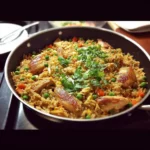
One Pot Chinese Chicken Fried Rice Recipe
Ingredients
- For the Chicken & Marinade:
- Chicken: 1 pound (about 450g) boneless, skinless chicken thighs or breasts, cut into ½-inch cubes. Thighs offer more flavor and moisture, but breasts work well too.
- Soy Sauce: 1 tablespoon (low sodium recommended, to control saltiness). This tenderizes and seasons the chicken.
- Cornstarch: 1 teaspoon. This creates a light coating that helps the chicken brown and stay tender.
- Shaoxing Rice Wine (or Dry Sherry): 1 teaspoon (optional, but adds authentic depth).
- For the Fried Rice:
- Cooked Rice: 3 cups day-old, cold cooked rice (preferably medium or long-grain like Jasmine). Using cold, leftover rice is crucial for preventing mushiness, as the grains are drier and separate easily. If you must use fresh rice, spread it on a baking sheet and chill it in the refrigerator for at least an hour, or even freeze for 15-20 minutes.
- Eggs: 3 large eggs, lightly beaten with a pinch of salt.
- Neutral Cooking Oil: 3-4 tablespoons (e.g., canola, vegetable, grapeseed, or peanut oil), divided. Peanut oil adds a nice, subtle nutty flavor.
- Aromatics:
- Yellow Onion: ½ medium, finely chopped (about ¾ cup).
- Garlic: 3-4 cloves, minced. The backbone of many Asian dishes.
- Ginger: 1 tablespoon fresh ginger, minced or grated. Adds a warm, zesty kick.
- Vegetables:
- Frozen Peas and Carrots Mix: 1 cup. A classic and convenient choice. Thaw them slightly before use.
- Scallions (Green Onions): 3-4 stalks, thinly sliced, whites and greens separated. Whites are cooked with aromatics, greens are for garnish and fresh flavor.
- Sauce:
- Soy Sauce: 2-3 tablespoons (low sodium recommended). Adjust to your taste.
- Oyster Sauce: 1 tablespoon (optional, but highly recommended for umami depth). For a gluten-free version, use GF oyster sauce or tamari instead of soy sauce.
- Toasted Sesame Oil: 1-2 teaspoons. Added at the end for its distinct nutty aroma and flavor. A little goes a long way.
- White Pepper: ¼ – ½ teaspoon (or to taste). Offers a different, more earthy heat than black pepper, common in Chinese cooking.
Instructions
- Marinate the Chicken: In a medium bowl, combine the cubed chicken, 1 tablespoon of soy sauce, cornstarch, and Shaoxing rice wine (if using). Toss well to coat evenly. Let it sit for at least 10-15 minutes while you prepare the other ingredients. This simple step makes a big difference in the chicken’s flavor and texture.
- Prepare the Aromatics and Vegetables: Chop your onion, mince the garlic and ginger, and slice the scallions, keeping the white/light green parts separate from the dark green tops. If using other fresh vegetables, chop them into small, bite-sized pieces. Ensure your frozen peas and carrots are thawed.
- Cook the Eggs: Heat 1 tablespoon of the neutral cooking oil in a large, heavy-bottomed skillet, wok, or Dutch oven over medium-high heat. Once the oil is shimmering, pour in the beaten eggs. Let them set for about 20-30 seconds, then gently scramble them until just cooked but still slightly moist. Remove the scrambled eggs from the pot and set them aside on a plate. Don’t overcook them at this stage, as they’ll be added back later.
- Cook the Chicken: Add another tablespoon of oil to the same pot, still over medium-high heat. Add the marinated chicken in a single layer, trying not to overcrowd the pan (cook in batches if necessary to ensure proper browning). Cook for 4-6 minutes, stirring occasionally, until the chicken is golden brown and cooked through. Remove the chicken from the pot and set it aside with the eggs.
- Sauté Aromatics and Vegetables: If the pot looks dry, add the remaining 1-2 tablespoons of oil. Add the chopped onion and the white/light green parts of the scallions. Sauté for 2-3 minutes until softened and translucent. Add the minced garlic and ginger and cook for another minute until fragrant, stirring constantly to prevent burning. Be careful not to burn the garlic, as it can turn bitter.
- Add Rice: Add the cold, day-old rice to the pot. Using your spatula or spoon, break up any large clumps of rice. Stir-fry the rice with the aromatics for 2-3 minutes, ensuring each grain is coated with oil and heated through. Spread the rice out in an even layer and let it sit for a minute or two without stirring to allow some of the grains to get slightly crispy – this adds a wonderful texture.
- Incorporate Vegetables: Add the thawed peas and carrots (and any other quick-cooking vegetables you’re using) to the pot. Stir-fry for another 2-3 minutes until the vegetables are heated through and tender-crisp.
- Sauce it Up: Create a well in the center of the rice. Pour in the 2-3 tablespoons of soy sauce and the oyster sauce (if using). Let the sauces sizzle in the well for about 15-20 seconds to caramelize slightly before stirring them into the rice. This step enhances their flavor.
- Combine Everything: Return the cooked chicken and scrambled eggs to the pot. Add the white pepper. Gently toss everything together until well combined and heated through. Break up the scrambled eggs into smaller pieces as you stir.
- Final Touches & Serve: Turn off the heat. Drizzle the toasted sesame oil over the fried rice and add most of the green parts of the scallions. Give it one final toss to distribute the flavors. Taste and adjust seasoning if necessary – you might want a little more soy sauce for saltiness or a pinch more white pepper. Serve immediately, garnished with the remaining fresh scallion greens.
Nutrition
- Serving Size: One Normal Portion
- Calories: 450-550