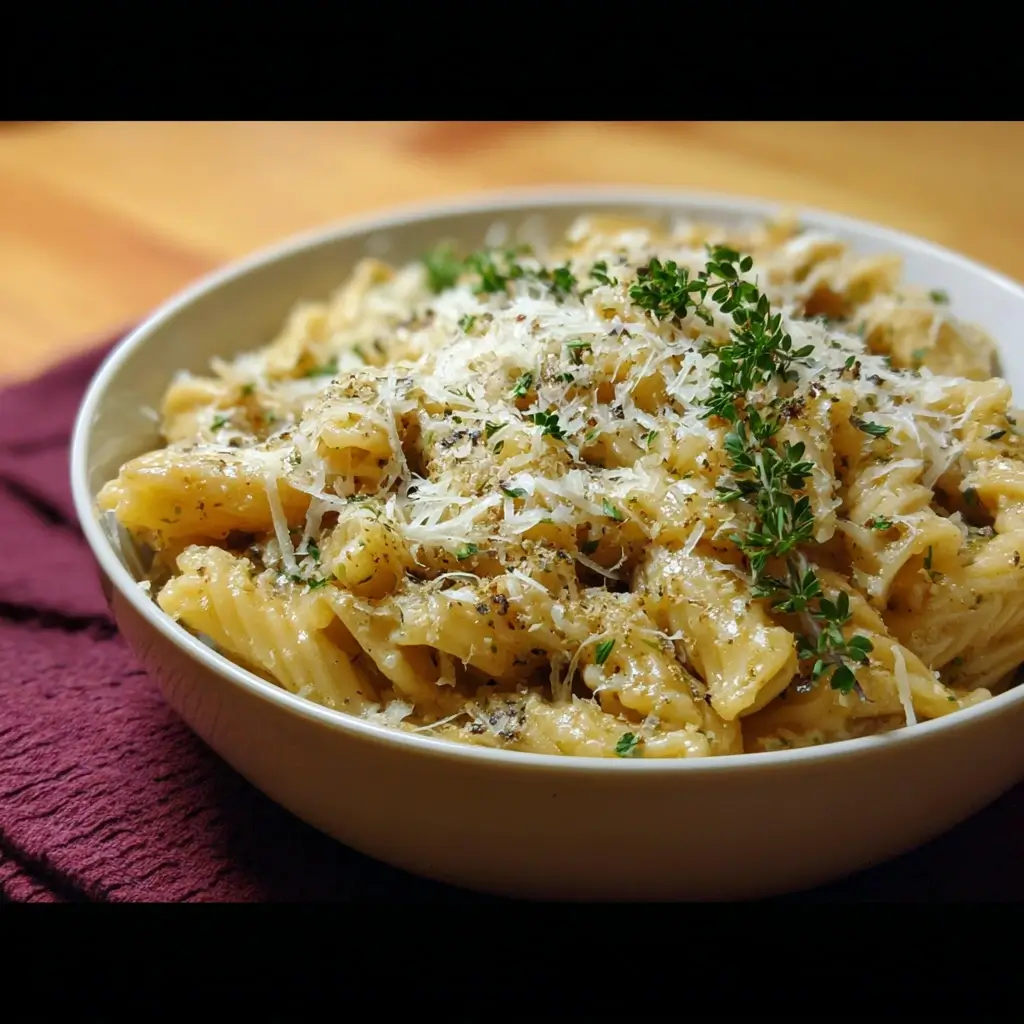

Of all the culinary mashups I’ve ever attempted in my kitchen, this One-Pot French Onion Pasta is, without a doubt, the reigning champion. I remember the evening I first made it. The air was getting crisp, and my family was craving a double dose of comfort food. My husband suggested pasta; my daughter, a fan of all things cheesy and soupy, begged for French Onion Soup. A lightbulb went off. What if I could combine the deep, umami-rich, sweet-and-savory flavor of caramelized onions and beefy broth with the satisfying chew of pasta, all crowned with that iconic, gloriously gooey Gruyère cheese? The result was pure magic. The aroma alone—sweet onions, rich broth, and fragrant thyme filling the house—had everyone gravitating toward the kitchen. Seeing their faces as they took that first bite, a perfect tangle of creamy pasta and melted cheese, was priceless. It has since become our go-to “special” weeknight meal, delivering a gourmet restaurant experience with the beautiful simplicity of a single pot and minimal cleanup.
The Ultimate Comfort Food: A Deep Dive into One-Pot French Onion Pasta
This isn’t just another pasta dish; it’s a culinary experience. It takes the very soul of classic French Onion Soup—the patient caramelization of onions, the savory depth of beef broth, the sharp nuttiness of Gruyère cheese—and marries it with the universal comfort of pasta. The “one-pot” method is the true genius here. As the pasta cooks directly in the sauce, it releases its starches, creating an unbelievably creamy, luscious texture without needing an excessive amount of cream. Every single noodle is infused with the rich, complex flavors of the French onion broth. This recipe is designed to be a showstopper, perfect for a cozy night in, a dinner party with friends, or any time you need a dish that feels both elegant and deeply comforting.
Mastering the Ingredients: The Key to Authentic Flavor
The success of this dish lies in using high-quality ingredients. Each component plays a crucial role in building the layers of flavor that mimic traditional French Onion Soup. Here’s a breakdown of what you’ll need and why it matters.
For the Caramelized Onions and Sauce Base:
- Unsalted Butter (4 tablespoons): Butter provides a rich flavor and helps the onions brown beautifully. Using unsalted allows you to control the final saltiness of the dish.
- Olive Oil (2 tablespoons): A touch of olive oil mixed with the butter raises the smoke point, preventing the butter from browning too quickly before the onions have a chance to soften and sweeten.
- Yellow Onions (3 large, thinly sliced): This is the star of the show. Yellow onions have the perfect balance of sweetness and astringency, allowing them to caramelize into a deep, jammy, and flavorful base. Slice them pole-to-pole for slices that hold their shape better.
- Garlic (4 cloves, minced): Added towards the end of the caramelization process, garlic provides a pungent, aromatic kick that complements the sweet onions.
- Dry Sherry or Dry White Wine (1/2 cup): This is essential for deglazing the pan. The alcohol lifts all those browned, flavorful bits (the “fond”) from the bottom of the pot, infusing the sauce with incredible depth. A dry sherry is traditional and adds a nutty complexity, while a dry white wine like Sauvignon Blanc or Pinot Grigio works wonderfully too.
- All-Purpose Flour (2 tablespoons): This acts as a thickening agent, helping to create a roux with the butter and onion drippings. It gives the final sauce a velvety body and prevents it from being watery.
For the Pasta and Broth:
- Beef Broth (4 cups / 32 oz): Use a high-quality, low-sodium beef broth. This is the liquid backbone of the dish and mimics the classic soup. Its rich, savory flavor is non-negotiable for an authentic taste.
- Short Pasta (1 lb / 16 oz): Choose a pasta shape with ridges or cups to capture the creamy sauce. Rigatoni, penne, fusilli, or cavatappi are all excellent choices.
- Fresh Thyme (4 sprigs, plus more for garnish): Fresh thyme is a hallmark of French cooking. Its earthy, slightly minty flavor is the perfect herbal counterpoint to the rich sauce. You can tie the sprigs together with kitchen twine for easy removal.
- Bay Leaf (1): Another classic aromatic that adds a subtle, background layer of flavor.
- Heavy Cream (1/2 cup): This is the secret to the luxurious, silky finish. It rounds out the flavors and creates an irresistibly creamy texture.
- Salt and Freshly Ground Black Pepper (to taste): Essential for seasoning. Be sure to taste and adjust at the end, especially since the broth and cheese contain salt.
For the Cheesy Topping:
- Gruyère Cheese (8 oz, freshly shredded): This is the iconic cheese for French Onion Soup. Its nutty, slightly sweet, and salty flavor is distinctive, and it melts into a perfect, bubbly, golden-brown crust. Shredding your own cheese from a block is highly recommended for the best meltability (pre-shredded cheeses often have anti-caking agents).
- Parmesan Cheese (1/4 cup, freshly grated): A little Parmesan adds a sharp, salty bite that complements the Gruyère perfectly.
Step-by-Step Instructions for One-Pot Perfection
Follow these detailed steps carefully to build the layers of flavor that make this dish so special. The most important virtue you can have is patience, especially during the first step.
1. Caramelize the Onions (The Most Important Step):
- Place a large Dutch oven or a heavy-bottomed pot over medium-low heat. Add the 4 tablespoons of butter and 2 tablespoons of olive oil.
- Once the butter is melted and foaming, add all the thinly sliced onions to the pot. Stir to coat them in the fat, and season lightly with a pinch of salt. The salt will help draw out moisture and speed up the process slightly.
- Cook the onions slowly, stirring every 5-10 minutes. This is a low-and-slow process that cannot be rushed. It will take anywhere from 30 to 45 minutes. The onions will first soften, then turn translucent, then become golden, and finally reach a deep, rich, jammy brown color. If they start to stick or burn, reduce the heat slightly and add a tablespoon of water to scrape the bottom of the pot. Patience here is rewarded with incredible flavor.
2. Build the Flavor Base:
- Once the onions are deeply caramelized, stir in the 4 minced cloves of garlic and cook for about 1 minute until fragrant. Be careful not to burn the garlic.
- Sprinkle the 2 tablespoons of all-purpose flour over the onions and stir continuously for 1-2 minutes. This will cook out the raw flour taste and create a roux.
3. Deglaze the Pot:
- Pour in the 1/2 cup of dry sherry or white wine. As it sizzles, use a wooden spoon or spatula to scrape up all the browned bits (the fond) from the bottom of the pot. This is where a massive amount of flavor is hiding. Let the liquid bubble and reduce by about half, which should take 2-3 minutes.
4. Create the Sauce and Cook the Pasta:
- Pour in the 4 cups of beef broth. Add the 4 sprigs of fresh thyme and the bay leaf. Bring the mixture to a simmer over medium-high heat.
- Once simmering, add the 1 lb of uncooked pasta directly to the pot. Stir well to ensure the pasta is submerged in the liquid.
- Reduce the heat to maintain a steady simmer. Cook according to the package directions for al dente pasta, stirring occasionally to prevent the pasta from sticking to the bottom. The sauce will thicken as the pasta cooks and releases its starches.
5. Finish with Cream and Cheese:
- Once the pasta is cooked to al dente, remove the pot from the heat. Fish out the thyme sprigs and the bay leaf.
- Stir in the 1/2 cup of heavy cream. Season generously with salt and freshly ground black pepper to taste. The sauce should be luscious and creamy, clinging to every piece of pasta.
- If your pot is oven-safe, you can proceed to the next step directly. If not, transfer the pasta to a 9×13 inch baking dish.
6. The Final Melt:
- Preheat your oven’s broiler to high.
- Sprinkle the 8 oz of shredded Gruyère cheese and 1/4 cup of grated Parmesan cheese evenly over the top of the pasta.
- Place the pot or baking dish under the broiler for 2-4 minutes, watching it very carefully. Broilers work fast! You want the cheese to be completely melted, bubbly, and beautifully golden brown in spots.
- Carefully remove the pot from the oven. Let it rest for 5 minutes before serving, as it will be extremely hot. Garnish with fresh thyme leaves or chopped parsley.
Nutrition Facts
- Servings: 6-8 generous servings
- Calories per serving: Approximately 650-750 kcal (This is an estimate and can vary based on the specific brands of pasta, cheese, and broth used.)
Preparation and Cooking Time
- Prep Time: 15 minutes (slicing onions, mincing garlic, shredding cheese)
- Cook Time: 60-75 minutes (includes 30-45 minutes for caramelizing onions)
- Total Time: Approximately 1 hour 15 minutes to 1 hour 30 minutes
How to Serve Your One-Pot French Onion Pasta
Serving this dish is all about celebrating its rich, comforting nature. Here are a few ways to present it for the ultimate experience:
- The Classic Garnish: Serve it directly from the pot or baking dish, garnished with a sprinkle of fresh thyme leaves or finely chopped fresh parsley. The green adds a pop of color and a touch of freshness.
- Crouton Crunch: To truly mimic the soup experience, top each individual serving with a handful of toasted, garlic-infused croutons right before eating. This adds a delightful textural contrast to the creamy pasta.
- With a Simple Green Salad: The richness of the pasta pairs beautifully with a light, acidic counterpoint. Serve it alongside a simple green salad dressed with a sharp lemon or red wine vinaigrette.
- Crusty Bread on the Side: A slice of crusty baguette or sourdough is perfect for sopping up any remaining sauce on the plate. No drop of this deliciousness should go to waste!
- Wine Pairing: Complement the flavors with a glass of wine. A medium-bodied red like a Merlot or a Cotes du Rhone works well. If you prefer white, a dry, oaky Chardonnay can stand up to the richness of the dish.
5 Additional Tips for Pasta Perfection
- Patience with Onions is Non-Negotiable: I cannot stress this enough. The 30-45 minutes it takes to properly caramelize the onions is where 90% of the flavor is developed. If you rush this step with high heat, the onions will burn instead of sweetening, resulting in a bitter taste. Put on some music, pour a glass of wine, and enjoy the process.
- Choose the Right Pot: A heavy-bottomed Dutch oven is the ideal vessel for this recipe. It distributes heat evenly, which is crucial for caramelizing onions without burning them, and it retains heat well, keeping the pasta warm for serving. A pot that is also oven-safe saves you an extra dish to wash.
- Don’t Skip the Deglazing Step: That brown, stuck-on layer at the bottom of the pot after caramelizing the onions is called the “fond,” which is French for “foundation.” It’s a concentration of pure flavor. The splash of sherry or wine is critical to lift that flavor and incorporate it into your sauce.
- Shred Your Own Cheese: Pre-shredded cheeses are coated with starches like potato starch or cellulose to prevent them from clumping in the bag. These agents can inhibit melting and result in a slightly gritty or greasy texture. Buying a block of Gruyère and shredding it yourself takes only a few extra minutes and yields a vastly superior, gooey, melted cheese topping.
- Taste and Adjust Seasoning at the End: Between the beef broth and the cheeses (Gruyère and Parmesan), your dish will already have a significant amount of salt. Wait until the very end, after the cream has been added, to taste the sauce and adjust the salt and pepper. This prevents you from accidentally over-salting the dish.
Frequently Asked Questions (FAQ)
1. Can I make this dish vegetarian?
Absolutely! To make a vegetarian version, simply swap the beef broth for a high-quality, dark vegetable broth or mushroom broth. Mushroom broth, in particular, will add a wonderful depth and umami that mimics the richness of beef broth. Ensure you use a vegetarian-friendly Parmesan alternative if needed, as traditional Parmesan contains animal rennet.
2. My sauce seems too thin (or too thick). How can I fix it?
If your sauce is too thin after the pasta has cooked, it might be because your simmer was too low. You can let it simmer for a few extra minutes with the lid off to allow more liquid to evaporate. If it’s too thick, simply stir in a splash more beef broth or a bit of hot water until it reaches your desired consistency. The sauce will continue to thicken as it cools, so aim for a consistency that is slightly looser than you’d ultimately like.
3. Can I use a different type of alcohol or omit it altogether?
Yes. If you don’t have dry sherry or white wine, you can use a dry vermouth or even brandy. If you need to omit the alcohol completely, you can still deglaze the pan. Simply use an equal amount (1/2 cup) of your beef broth. Scrape the bottom of the pan vigorously as you pour it in. While you will lose the specific flavor note from the alcohol, you will still capture the delicious fond from the bottom of the pot.
4. What’s the best substitute for Gruyère cheese?
If you can’t find Gruyère or want to try something different, there are several great substitutes. Comté is a French cheese very similar in flavor and melting properties. Jarlsberg is a good, milder alternative. A high-quality Swiss cheese or even a mix of provolone and white cheddar can also work well to get that delicious, cheesy pull.
5. Can I make this dish ahead of time?
Yes, you can prepare parts of this dish ahead of time. You can caramelize the onions up to 3 days in advance and store them in an airtight container in the refrigerator. You can also assemble the entire pasta dish (without the final cheese topping and broiling) and refrigerate it. When ready to serve, you may need to add a splash of broth while reheating it on the stovetop to loosen the sauce. Once it’s hot, top with cheese and broil as directed. Note that the pasta will absorb more liquid as it sits, so the texture will be softer than when freshly made.
One-Pot French Onion Pasta Recipe
Ingredients
For the Caramelized Onions and Sauce Base:
- Unsalted Butter (4 tablespoons): Butter provides a rich flavor and helps the onions brown beautifully. Using unsalted allows you to control the final saltiness of the dish.
- Olive Oil (2 tablespoons): A touch of olive oil mixed with the butter raises the smoke point, preventing the butter from browning too quickly before the onions have a chance to soften and sweeten.
- Yellow Onions (3 large, thinly sliced): This is the star of the show. Yellow onions have the perfect balance of sweetness and astringency, allowing them to caramelize into a deep, jammy, and flavorful base. Slice them pole-to-pole for slices that hold their shape better.
- Garlic (4 cloves, minced): Added towards the end of the caramelization process, garlic provides a pungent, aromatic kick that complements the sweet onions.
- Dry Sherry or Dry White Wine (1/2 cup): This is essential for deglazing the pan. The alcohol lifts all those browned, flavorful bits (the “fond”) from the bottom of the pot, infusing the sauce with incredible depth. A dry sherry is traditional and adds a nutty complexity, while a dry white wine like Sauvignon Blanc or Pinot Grigio works wonderfully too.
- All-Purpose Flour (2 tablespoons): This acts as a thickening agent, helping to create a roux with the butter and onion drippings. It gives the final sauce a velvety body and prevents it from being watery.
For the Pasta and Broth:
- Beef Broth (4 cups / 32 oz): Use a high-quality, low-sodium beef broth. This is the liquid backbone of the dish and mimics the classic soup. Its rich, savory flavor is non-negotiable for an authentic taste.
- Short Pasta (1 lb / 16 oz): Choose a pasta shape with ridges or cups to capture the creamy sauce. Rigatoni, penne, fusilli, or cavatappi are all excellent choices.
- Fresh Thyme (4 sprigs, plus more for garnish): Fresh thyme is a hallmark of French cooking. Its earthy, slightly minty flavor is the perfect herbal counterpoint to the rich sauce. You can tie the sprigs together with kitchen twine for easy removal.
- Bay Leaf (1): Another classic aromatic that adds a subtle, background layer of flavor.
- Heavy Cream (1/2 cup): This is the secret to the luxurious, silky finish. It rounds out the flavors and creates an irresistibly creamy texture.
- Salt and Freshly Ground Black Pepper (to taste): Essential for seasoning. Be sure to taste and adjust at the end, especially since the broth and cheese contain salt.
For the Cheesy Topping:
- Gruyère Cheese (8 oz, freshly shredded): This is the iconic cheese for French Onion Soup. Its nutty, slightly sweet, and salty flavor is distinctive, and it melts into a perfect, bubbly, golden-brown crust. Shredding your own cheese from a block is highly recommended for the best meltability (pre-shredded cheeses often have anti-caking agents).
- Parmesan Cheese (1/4 cup, freshly grated): A little Parmesan adds a sharp, salty bite that complements the Gruyère perfectly.
Instructions
1. Caramelize the Onions (The Most Important Step):
- Place a large Dutch oven or a heavy-bottomed pot over medium-low heat. Add the 4 tablespoons of butter and 2 tablespoons of olive oil.
- Once the butter is melted and foaming, add all the thinly sliced onions to the pot. Stir to coat them in the fat, and season lightly with a pinch of salt. The salt will help draw out moisture and speed up the process slightly.
- Cook the onions slowly, stirring every 5-10 minutes. This is a low-and-slow process that cannot be rushed. It will take anywhere from 30 to 45 minutes. The onions will first soften, then turn translucent, then become golden, and finally reach a deep, rich, jammy brown color. If they start to stick or burn, reduce the heat slightly and add a tablespoon of water to scrape the bottom of the pot. Patience here is rewarded with incredible flavor.
2. Build the Flavor Base:
- Once the onions are deeply caramelized, stir in the 4 minced cloves of garlic and cook for about 1 minute until fragrant. Be careful not to burn the garlic.
- Sprinkle the 2 tablespoons of all-purpose flour over the onions and stir continuously for 1-2 minutes. This will cook out the raw flour taste and create a roux.
3. Deglaze the Pot:
- Pour in the 1/2 cup of dry sherry or white wine. As it sizzles, use a wooden spoon or spatula to scrape up all the browned bits (the fond) from the bottom of the pot. This is where a massive amount of flavor is hiding. Let the liquid bubble and reduce by about half, which should take 2-3 minutes.
4. Create the Sauce and Cook the Pasta:
- Pour in the 4 cups of beef broth. Add the 4 sprigs of fresh thyme and the bay leaf. Bring the mixture to a simmer over medium-high heat.
- Once simmering, add the 1 lb of uncooked pasta directly to the pot. Stir well to ensure the pasta is submerged in the liquid.
- Reduce the heat to maintain a steady simmer. Cook according to the package directions for al dente pasta, stirring occasionally to prevent the pasta from sticking to the bottom. The sauce will thicken as the pasta cooks and releases its starches.
5. Finish with Cream and Cheese:
- Once the pasta is cooked to al dente, remove the pot from the heat. Fish out the thyme sprigs and the bay leaf.
- Stir in the 1/2 cup of heavy cream. Season generously with salt and freshly ground black pepper to taste. The sauce should be luscious and creamy, clinging to every piece of pasta.
- If your pot is oven-safe, you can proceed to the next step directly. If not, transfer the pasta to a 9×13 inch baking dish.
6. The Final Melt:
- Preheat your oven’s broiler to high.
- Sprinkle the 8 oz of shredded Gruyère cheese and 1/4 cup of grated Parmesan cheese evenly over the top of the pasta.
- Place the pot or baking dish under the broiler for 2-4 minutes, watching it very carefully. Broilers work fast! You want the cheese to be completely melted, bubbly, and beautifully golden brown in spots.
- Carefully remove the pot from the oven. Let it rest for 5 minutes before serving, as it will be extremely hot. Garnish with fresh thyme leaves or chopped parsley.
Nutrition
- Serving Size: One Normal Portion
- Calories: 650-750