
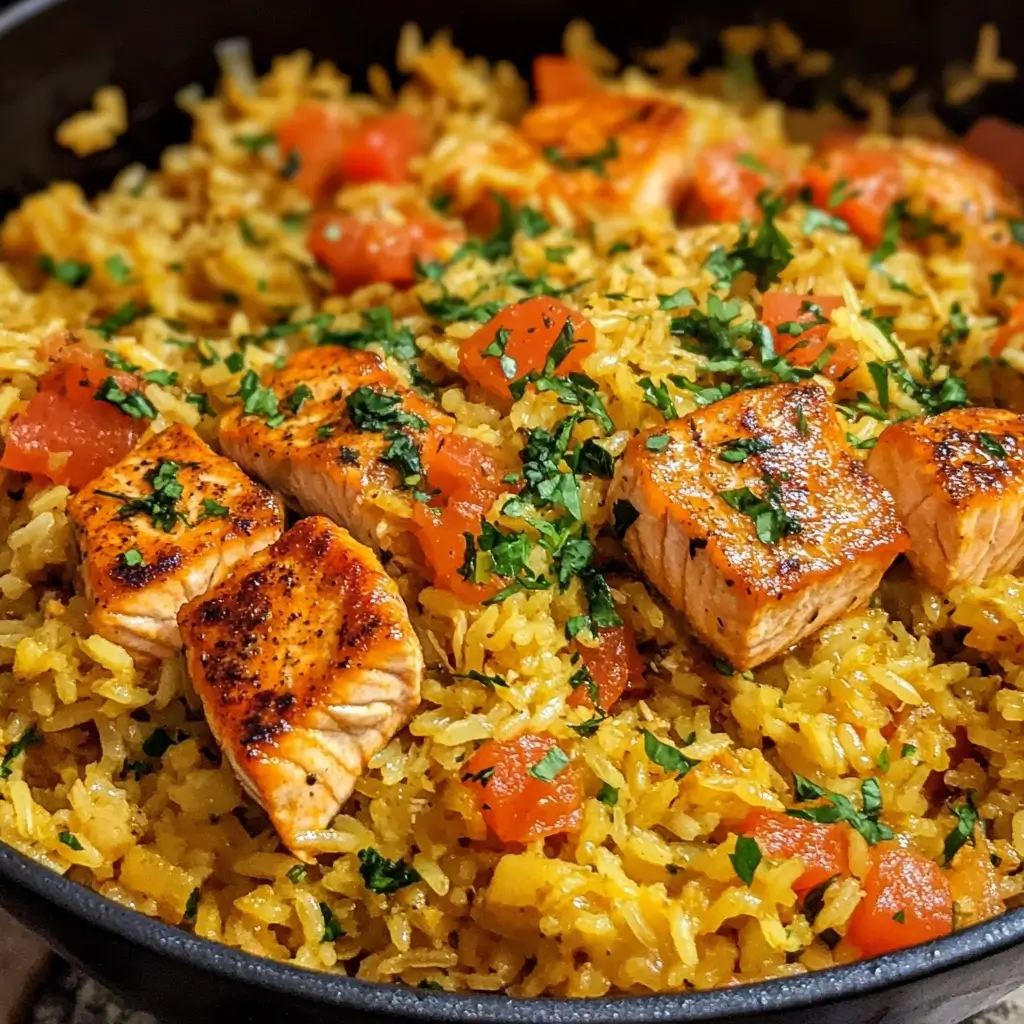
After a long day, the last thing anyone wants is a complicated, multi-pot cooking extravaganza. That’s why this One-Pot Salmon and Rice recipe has become a weeknight staple in our home. It’s the kind of dish that’s both incredibly easy to throw together and surprisingly elegant on the plate. My family? They absolutely adore it. Even my pickiest eater, who often shies away from fish, gobbles this up without a fuss. The fluffy, flavorful rice infused with the subtle richness of salmon, all cooked together in one pot – it’s a weeknight dinner miracle. If you’re looking for a healthy, hassle-free, and utterly delicious meal that minimizes cleanup, look no further. This recipe is about to become your new best friend in the kitchen.
Ingredients
To create this culinary magic in one pot, you’ll need a handful of fresh, flavorful ingredients. The beauty of this recipe lies in its simplicity, but choosing high-quality ingredients will truly elevate the final dish. Here’s what you’ll need to gather:
- Salmon Fillets: 1.5 lbs, skin on or off, boneless. For the best flavor and texture, opt for skin-on salmon as the skin renders delicious fat into the rice as it cooks, and you can easily remove it before serving if desired. Sockeye, Coho, or King salmon all work beautifully. Cut into roughly equal portions for even cooking. If using frozen salmon, ensure it’s fully thawed before starting.
- Long-Grain Rice: 1.5 cups, uncooked. Long-grain rice, such as Basmati or Jasmine, is ideal for this recipe as it cooks up fluffy and separate, absorbing the flavors without becoming mushy. Avoid short-grain rice or Arborio rice, which are starchier and will result in a creamier, risotto-like consistency that’s not desired here.
- Vegetable Broth (or Chicken Broth): 3 cups. The broth is the cooking liquid and flavor base for the rice. Vegetable broth keeps the dish light and allows the salmon flavor to shine, while chicken broth adds a slightly richer dimension. Low-sodium broth is recommended to control the saltiness of the final dish.
- Onion: 1 medium, finely diced. Onion forms the aromatic base of the recipe. Yellow or white onions are both suitable. Dicing finely ensures they cook down and become tender, infusing their flavor throughout the rice.
- Garlic: 3-4 cloves, minced. Garlic is another essential aromatic. Freshly minced garlic is always preferred for its pungent flavor. Adjust the amount to your preference – more if you love garlic, less if you prefer a milder flavor.
- Fresh Lemon: 1, zested and juiced. Lemon zest adds a bright, citrusy aroma, while the juice adds acidity that balances the richness of the salmon and brightens the overall flavors. Use a microplane or fine grater for zesting and a citrus juicer for the juice.
- Fresh Dill: ¼ cup, chopped, plus extra for garnish. Dill pairs wonderfully with salmon, adding a fresh, herbaceous note. Fresh dill is highly recommended for its vibrant flavor. If using dried dill, use about 1 tablespoon, but fresh is significantly better.
- Olive Oil: 2 tablespoons. Olive oil is used to sauté the onion and garlic, building flavor from the start. Extra virgin olive oil adds a richer flavor, but regular olive oil works just as well.
- Salt: To taste. Sea salt or kosher salt is recommended. Seasoning is crucial; adjust to your taste throughout the cooking process.
- Black Pepper: Freshly ground, to taste. Freshly ground black pepper provides a more robust and aromatic flavor than pre-ground pepper.
- Optional Add-ins (for extra flavor and nutrition):
- Asparagus or Broccoli Florets: 1 cup, added during the last 5-7 minutes of cooking for some green vegetables.
- Cherry Tomatoes: ½ cup, halved, added during the last 5-7 minutes for sweetness and acidity.
- Spinach: 1-2 cups, added in the last minute to wilt in for extra greens.
- White Wine: ¼ cup, added with the broth for a richer flavor (reduce broth quantity by ¼ cup if using).
- Red Pepper Flakes: A pinch, for a subtle kick of heat.
Instructions
This one-pot wonder is incredibly straightforward to prepare. Follow these simple steps to create a delicious and satisfying meal with minimal fuss:
- Sauté Aromatics: Heat the olive oil in a large, oven-safe pot or Dutch oven over medium heat. Once the oil is shimmering, add the diced onion and cook for 3-5 minutes, or until softened and translucent. Stir occasionally to prevent burning. Softening the onions at this stage is crucial as it releases their sweetness and creates a flavorful base for the dish. Don’t rush this step; properly sautéed onions contribute significantly to the overall taste.
- Add Garlic and Rice: Add the minced garlic to the pot and cook for another minute, until fragrant. Be careful not to burn the garlic, as burnt garlic can become bitter. The aroma of garlic at this stage should be enticing and mouthwatering. Next, add the uncooked long-grain rice to the pot and stir to coat it in the oil and aromatics. Toasting the rice lightly for a minute enhances its flavor and helps it cook more evenly.
- Pour in Broth and Season: Pour in the vegetable (or chicken) broth. Add the lemon zest, salt, and black pepper. Stir everything well to combine and ensure the salt is evenly distributed. Taste the broth at this point and adjust seasoning as needed. Remember that the salmon will also impart some saltiness, so err on the side of slightly under-seasoning initially. You can always adjust seasoning at the end. Bring the mixture to a gentle simmer.
- Place Salmon on Top: Once the broth is simmering, gently place the salmon fillets on top of the rice, spacing them evenly. Press them down slightly into the rice and broth. The salmon should be partially submerged in the liquid. If adding optional vegetables like asparagus or broccoli, arrange them around the salmon at this stage. Cherry tomatoes can also be added now.
- Simmer and Cook: Reduce the heat to low, cover the pot tightly with a lid, and simmer gently for 15-20 minutes, or until the rice is cooked through and the liquid is absorbed. Do not lift the lid during this time, as this will release steam and prolong the cooking time. The steam trapped inside the pot is essential for cooking both the rice and the salmon perfectly. The cooking time may vary slightly depending on the thickness of your salmon fillets and the type of pot you are using.
- Check for Doneness: After 15 minutes, check the rice for doneness. It should be tender and have absorbed most of the liquid. The salmon should be cooked through and flaky when gently pressed with a fork. If the rice is still slightly firm or there is still liquid remaining, continue to simmer for another 2-3 minutes, checking again. If adding spinach, stir it in during the last minute of cooking, allowing it to wilt.
- Rest and Fluff: Once the rice and salmon are cooked, remove the pot from the heat and let it rest, covered, for 5 minutes. This resting period allows the rice to fully absorb any remaining moisture and become perfectly fluffy. After resting, gently fluff the rice with a fork, being careful not to break up the salmon too much.
- Finish and Serve: Squeeze fresh lemon juice over the dish. Sprinkle generously with chopped fresh dill. Taste and adjust seasoning with salt and pepper if needed. Serve immediately and enjoy!
Nutrition Facts
This One-Pot Salmon and Rice is not only delicious but also a nutritious and balanced meal. Here’s an approximate nutritional breakdown per serving:
- Servings: 4
- This recipe comfortably serves 4 adults. Serving sizes can be adjusted based on individual appetite.
- Calories Per Serving: Approximately 550-650 calories
- This is an estimated range and can vary based on the type of salmon used (fattier salmon like King salmon will have more calories), the amount of olive oil, and any optional add-ins.
- Macronutrient Breakdown (Approximate):
- Protein: 40-50 grams
- Salmon is an excellent source of high-quality protein, essential for muscle building and repair, as well as overall bodily functions.
- Carbohydrates: 60-70 grams
- Primarily from the long-grain rice, providing energy. Choose brown rice for a higher fiber content if desired, although cooking time may need adjustment.
- Fat: 20-30 grams
- Healthy fats, primarily from the salmon and olive oil. Salmon is rich in omega-3 fatty acids, which are beneficial for heart health, brain function, and reducing inflammation.
- Protein: 40-50 grams
- Key Nutrients:
- Omega-3 Fatty Acids: Excellent source from salmon.
- Vitamin D: Salmon is naturally rich in Vitamin D.
- B Vitamins: Good source of B vitamins from salmon and rice.
- Selenium: Salmon is a good source of selenium, an antioxidant.
- Fiber: Moderate amount from rice and optional vegetables.
Disclaimer: These nutrition facts are estimates and can vary depending on the specific ingredients used, portion sizes, and cooking methods. For precise nutritional information, use a nutrition calculator with the exact brands and quantities of ingredients you use.
Preparation Time
This recipe is designed for speed and ease. Here’s a breakdown of the time involved:
- Prep Time: 15 minutes
- This includes chopping the onion, mincing the garlic, zesting and juicing the lemon, chopping the dill, and measuring out the other ingredients. Efficient knife skills will help speed up this process.
- Cook Time: 20 minutes
- This is the active cooking time on the stovetop, simmering until the rice is cooked and salmon is flaky.
- Rest Time: 5 minutes
- Essential for allowing the rice to become perfectly fluffy and for the flavors to meld together.
- Total Time: 40 minutes
- From start to finish, you can have a delicious and healthy meal on the table in under 40 minutes, making it ideal for busy weeknights.
How to Serve
One-Pot Salmon and Rice is a complete meal in itself, but here are some delightful ways to enhance your serving experience:
- Garnish:
- Fresh Dill Sprigs: A sprig of fresh dill on top of each serving adds a visually appealing and aromatic touch.
- Lemon Wedges: Serve with extra lemon wedges on the side for those who like an extra squeeze of citrus.
- Chopped Parsley or Chives: For a different herbaceous note, you could also garnish with chopped parsley or chives.
- Red Pepper Flakes: A sprinkle of red pepper flakes for those who enjoy a little heat.
- Side Dishes (Optional):
- Simple Green Salad: A light and crisp green salad with a vinaigrette dressing complements the richness of the salmon and rice beautifully.
- Roasted Asparagus or Broccoli: If you didn’t add vegetables directly to the pot, serving roasted asparagus or broccoli on the side is a great way to increase your vegetable intake.
- Steamed Green Beans: Another simple and healthy side that pairs well.
- Crusty Bread: For soaking up any flavorful juices left in the pot.
- Serving Suggestions:
- Serve immediately: This dish is best enjoyed hot and fresh right after cooking.
- Individual Bowls: Portion the salmon and rice into individual bowls for easy serving.
- Family Style: Serve directly from the pot in the center of the table for a more casual, family-style meal.
- Wine Pairing: A crisp white wine like Sauvignon Blanc or Pinot Grigio would pair wonderfully with this dish, complementing the salmon and lemon flavors. A light-bodied rosé is also a good option.
Additional Tips for One-Pot Salmon and Rice Perfection
Elevate your One-Pot Salmon and Rice from good to absolutely fantastic with these helpful tips:
- Don’t Overcook the Salmon: Salmon cooks quickly, and overcooked salmon becomes dry and less flavorful. Keep a close eye on it and check for doneness after 15 minutes of simmering. It should be flaky and just cooked through. It’s better to slightly undercook it as it will continue to cook slightly during the resting period.
- Use Quality Broth: The broth is the foundation of the flavor in this dish. Using a good quality vegetable or chicken broth makes a significant difference. Homemade broth is even better if you have the time, but a good store-bought low-sodium broth is perfectly acceptable. Avoid overly salty broths as they can make the dish too salty overall.
- Toast the Rice (Briefly): Toasting the rice in the olive oil with the onions and garlic for a minute before adding the broth enhances its flavor and texture. This simple step adds a subtle nutty aroma and helps prevent the rice from becoming mushy.
- Adjust Liquid for Rice Type: While long-grain rice is recommended, different brands and types of rice can absorb liquid differently. If you find your rice is consistently undercooked or overcooked with this recipe, adjust the amount of broth slightly next time. Start with the recommended amount and observe during cooking.
- Customize with Spices and Herbs: Feel free to experiment with different spices and herbs to customize the flavor profile. Consider adding a pinch of red pepper flakes for a little heat, smoked paprika for a smoky flavor, or different fresh herbs like thyme or rosemary in addition to or instead of dill. Capers or olives can also add a briny, Mediterranean twist.
Frequently Asked Questions (FAQ)
Here are some common questions you might have about making One-Pot Salmon and Rice:
Q1: Can I use brown rice instead of white rice?
A: Yes, you can use brown rice, but you will need to adjust the cooking time and liquid. Brown rice takes longer to cook than white rice and requires more liquid. You’ll likely need to increase the cooking time to around 40-45 minutes and may need to add an extra ½ to 1 cup of broth. Check the rice for doneness and add more broth if needed during cooking.
Q2: Can I use frozen salmon?
A: Absolutely. Frozen salmon is a convenient and often more budget-friendly option. Just ensure the salmon fillets are fully thawed before cooking. You can thaw them in the refrigerator overnight or use the quick-thaw method by placing them in a sealed bag in cold water for about 30-60 minutes, changing the water every 15 minutes. Pat them dry with paper towels before adding them to the pot.
Q3: Can I make this recipe ahead of time?
A: While this dish is best served fresh, you can prepare the base (sautéed onions, garlic, and rice with broth) up to a few hours ahead of time. Keep it covered at room temperature. When ready to cook, bring the broth back to a simmer, add the salmon, and continue with the recipe instructions. Leftovers can be stored in an airtight container in the refrigerator for up to 2 days, but the rice may become slightly drier upon reheating.
Q4: What if I don’t have fresh dill?
A: Fresh dill is highly recommended for its bright flavor, but if you don’t have it, you can use dried dill. Use about 1 tablespoon of dried dill in place of ¼ cup of fresh dill. Add the dried dill along with the salt and pepper when you add the broth. You can also substitute with other fresh herbs like parsley, chives, or a mix of herbs.
Q5: Can I add other vegetables to this dish?
A: Yes, definitely! This recipe is very adaptable. You can add vegetables like asparagus, broccoli florets, cherry tomatoes, peas, bell peppers, or spinach. Heartier vegetables like broccoli and asparagus should be added about 5-7 minutes before the end of cooking, while quicker-cooking vegetables like spinach can be added in the last minute to wilt. Get creative and use your favorite vegetables!
This One-Pot Salmon and Rice recipe is a testament to the fact that delicious, healthy, and satisfying meals don’t have to be complicated or time-consuming. It’s a perfect weeknight dinner solution, a crowd-pleaser, and a dish that’s sure to become a regular in your recipe rotation. Enjoy the ease, the flavor, and the minimal cleanup – happy cooking!
Print
One-Pot Salmon and Rice Recipe
Ingredients
- Salmon Fillets: 1.5 lbs, skin on or off, boneless. For the best flavor and texture, opt for skin-on salmon as the skin renders delicious fat into the rice as it cooks, and you can easily remove it before serving if desired. Sockeye, Coho, or King salmon all work beautifully. Cut into roughly equal portions for even cooking. If using frozen salmon, ensure it’s fully thawed before starting.
- Long-Grain Rice: 1.5 cups, uncooked. Long-grain rice, such as Basmati or Jasmine, is ideal for this recipe as it cooks up fluffy and separate, absorbing the flavors without becoming mushy. Avoid short-grain rice or Arborio rice, which are starchier and will result in a creamier, risotto-like consistency that’s not desired here.
- Vegetable Broth (or Chicken Broth): 3 cups. The broth is the cooking liquid and flavor base for the rice. Vegetable broth keeps the dish light and allows the salmon flavor to shine, while chicken broth adds a slightly richer dimension. Low-sodium broth is recommended to control the saltiness of the final dish.
- Onion: 1 medium, finely diced. Onion forms the aromatic base of the recipe. Yellow or white onions are both suitable. Dicing finely ensures they cook down and become tender, infusing their flavor throughout the rice.
- Garlic: 3-4 cloves, minced. Garlic is another essential aromatic. Freshly minced garlic is always preferred for its pungent flavor. Adjust the amount to your preference – more if you love garlic, less if you prefer a milder flavor.
- Fresh Lemon: 1, zested and juiced. Lemon zest adds a bright, citrusy aroma, while the juice adds acidity that balances the richness of the salmon and brightens the overall flavors. Use a microplane or fine grater for zesting and a citrus juicer for the juice.
- Fresh Dill: ¼ cup, chopped, plus extra for garnish. Dill pairs wonderfully with salmon, adding a fresh, herbaceous note. Fresh dill is highly recommended for its vibrant flavor. If using dried dill, use about 1 tablespoon, but fresh is significantly better.
- Olive Oil: 2 tablespoons. Olive oil is used to sauté the onion and garlic, building flavor from the start. Extra virgin olive oil adds a richer flavor, but regular olive oil works just as well.
- Salt: To taste. Sea salt or kosher salt is recommended. Seasoning is crucial; adjust to your taste throughout the cooking process.
- Black Pepper: Freshly ground, to taste. Freshly ground black pepper provides a more robust and aromatic flavor than pre-ground pepper.
- Optional Add-ins (for extra flavor and nutrition):
- Asparagus or Broccoli Florets: 1 cup, added during the last 5-7 minutes of cooking for some green vegetables.
- Cherry Tomatoes: ½ cup, halved, added during the last 5-7 minutes for sweetness and acidity.
- Spinach: 1-2 cups, added in the last minute to wilt in for extra greens.
- White Wine: ¼ cup, added with the broth for a richer flavor (reduce broth quantity by ¼ cup if using).
- Red Pepper Flakes: A pinch, for a subtle kick of heat.
Instructions
- Sauté Aromatics: Heat the olive oil in a large, oven-safe pot or Dutch oven over medium heat. Once the oil is shimmering, add the diced onion and cook for 3-5 minutes, or until softened and translucent. Stir occasionally to prevent burning. Softening the onions at this stage is crucial as it releases their sweetness and creates a flavorful base for the dish. Don’t rush this step; properly sautéed onions contribute significantly to the overall taste.
- Add Garlic and Rice: Add the minced garlic to the pot and cook for another minute, until fragrant. Be careful not to burn the garlic, as burnt garlic can become bitter. The aroma of garlic at this stage should be enticing and mouthwatering. Next, add the uncooked long-grain rice to the pot and stir to coat it in the oil and aromatics. Toasting the rice lightly for a minute enhances its flavor and helps it cook more evenly.
- Pour in Broth and Season: Pour in the vegetable (or chicken) broth. Add the lemon zest, salt, and black pepper. Stir everything well to combine and ensure the salt is evenly distributed. Taste the broth at this point and adjust seasoning as needed. Remember that the salmon will also impart some saltiness, so err on the side of slightly under-seasoning initially. You can always adjust seasoning at the end. Bring the mixture to a gentle simmer.
- Place Salmon on Top: Once the broth is simmering, gently place the salmon fillets on top of the rice, spacing them evenly. Press them down slightly into the rice and broth. The salmon should be partially submerged in the liquid. If adding optional vegetables like asparagus or broccoli, arrange them around the salmon at this stage. Cherry tomatoes can also be added now.
- Simmer and Cook: Reduce the heat to low, cover the pot tightly with a lid, and simmer gently for 15-20 minutes, or until the rice is cooked through and the liquid is absorbed. Do not lift the lid during this time, as this will release steam and prolong the cooking time. The steam trapped inside the pot is essential for cooking both the rice and the salmon perfectly. The cooking time may vary slightly depending on the thickness of your salmon fillets and the type of pot you are using.
- Check for Doneness: After 15 minutes, check the rice for doneness. It should be tender and have absorbed most of the liquid. The salmon should be cooked through and flaky when gently pressed with a fork. If the rice is still slightly firm or there is still liquid remaining, continue to simmer for another 2-3 minutes, checking again. If adding spinach, stir it in during the last minute of cooking, allowing it to wilt.
- Rest and Fluff: Once the rice and salmon are cooked, remove the pot from the heat and let it rest, covered, for 5 minutes. This resting period allows the rice to fully absorb any remaining moisture and become perfectly fluffy. After resting, gently fluff the rice with a fork, being careful not to break up the salmon too much.
- Finish and Serve: Squeeze fresh lemon juice over the dish. Sprinkle generously with chopped fresh dill. Taste and adjust seasoning with salt and pepper if needed. Serve immediately and enjoy!
Nutrition
- Serving Size: one normal portion
- Calories: 550-650
- Fat: 20-30 grams
- Carbohydrates: 60-70 grams
- Protein: 40-50 grams