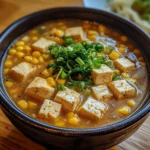
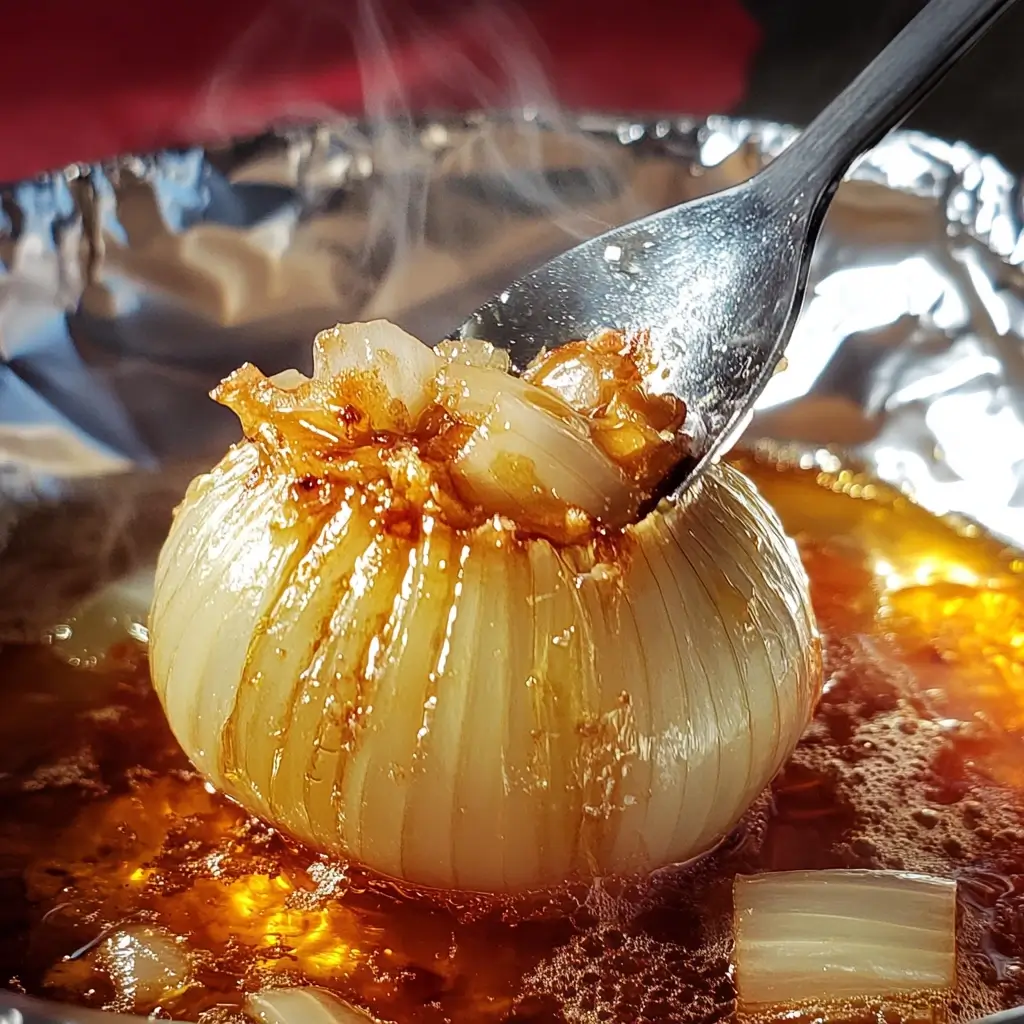
The first time I stumbled upon the idea of an “Onion Boil,” I was admittedly skeptical. It sounded almost too simple, perhaps even a bit bland. But a chilly autumn evening and a surplus of onions in my pantry nudged me to give it a try. I sliced, I sautéed gently, I simmered, and the aroma that began to fill my kitchen was the first sign I was onto something special. It wasn’t the sharp, pungent smell of raw onions, but a deep, sweet, and incredibly savory fragrance. When it was finally ready, I ladled a steaming bowl for myself, and then one for my husband who had been curiously sniffing the air. The verdict? Utterly comforting, surprisingly complex, and deeply satisfying. It became an instant favorite, a go-to for those days when we crave warmth and nourishment without fuss. It’s a testament to how the humblest of ingredients, treated with a little care, can transform into something truly magical. This Onion Boil isn’t just a recipe; it’s a warm hug in a bowl, a simple pleasure that reminds us of the beauty in simplicity.
The Allure of the Humble Onion Boil: A Symphony of Simplicity
The “Onion Boil,” as we’re affectionately calling it, is essentially a very rustic and profoundly flavorful onion soup or broth. It’s less about the elaborate cheesy topping of a French Onion Soup and more about celebrating the transformative power of slowly cooked onions. By gently coaxing out their natural sugars and allowing them to meld with simple aromatics and a good quality broth, you create a concoction that is both light and deeply savory. It’s the kind of dish that feels restorative, perfect for a chilly day, when you’re feeling under the weather, or simply when you crave something uncomplicated yet soul-satisfying. Its beauty lies in its adaptability – enjoy it as is, or use it as a magnificent base for more complex dishes.
Ingredients for the Perfect Onion Boil
This recipe focuses on extracting maximum flavor from minimal ingredients. Quality matters here, especially the onions and the broth.
- Onions: 4 large yellow onions (about 2 lbs or 900g), peeled and thinly sliced
- Garlic: 4-6 cloves, thinly sliced or minced
- Butter: 2 tablespoons (or olive oil for a vegan option)
- Olive Oil: 1 tablespoon (can use all butter or all olive oil if preferred)
- Dry White Wine (Optional but Recommended): 1/2 cup (e.g., Sauvignon Blanc, Pinot Grigio) – for deglazing and adding depth. If omitting, you can use a little extra broth or a splash of white wine vinegar at the end.
- Vegetable or Chicken Broth: 6 cups (low sodium is best, so you can control seasoning)
- Bay Leaves: 2
- Fresh Thyme Sprigs: 3-4 (or 1/2 teaspoon dried thyme)
- Salt: 1 teaspoon (or to taste – adjust based on broth saltiness)
- Freshly Ground Black Pepper: 1/2 teaspoon (or to taste)
- Optional Garnish: Fresh parsley or chives, chopped; croutons; a swirl of cream or a sprinkle of Parmesan cheese.
Crafting Your Onion Boil: Step-by-Step Instructions
The key to a flavorful Onion Boil is patience, allowing the onions to soften and sweeten without rushing them.
- Prepare the Onions: Peel the onions. Cut them in half from pole to pole (root to stem). Lay them flat and slice them thinly, about 1/8 to 1/4 inch thick. If your eyes are sensitive, try chilling the onions beforehand or using a very sharp knife. Slice or mince the garlic.
- Sauté the Aromatics: In a large, heavy-bottomed pot or Dutch oven, melt the butter and olive oil over medium-low heat. You want gentle heat to avoid browning the butter too quickly.
- Cook the Onions (The Slow Simmer): Add the sliced onions to the pot. Stir them well to coat with the fat. Sprinkle with about 1/2 teaspoon of salt – this helps draw out moisture and aids in the softening process. Cover the pot and cook over low to medium-low heat for 15-20 minutes, stirring occasionally. The onions should become very soft, translucent, and significantly reduced in volume. They should not be browning deeply at this stage, just softening and releasing their sugars. If they start to stick or brown too quickly, reduce the heat further and add a tablespoon of water if necessary.
- Add Garlic and Intensify Flavor: After the initial softening, uncover the pot. Add the sliced or minced garlic and fresh thyme sprigs (if using dried, add it later with the broth). Increase the heat slightly to medium and continue to cook, stirring more frequently, for another 10-15 minutes. Now, you’re looking for some light caramelization – a gentle golden to light brown color. This deepens the flavor. Don’t rush this; burnt onions will make the boil bitter.
- Deglaze (Optional): If using white wine, pour it into the pot. Scrape up any browned bits (fond) from the bottom of the pot with a wooden spoon. Let the wine simmer and reduce by about half, which should take 2-3 minutes. This adds a wonderful layer of complexity.
- Add Broth and Seasonings: Pour in the vegetable or chicken broth. Add the bay leaves and the remaining 1/2 teaspoon of salt (or to your preference) and the black pepper. If using dried thyme, add it now.
- Simmer to Perfection: Bring the mixture to a gentle simmer. Once simmering, reduce the heat to low, cover the pot loosely (leaving a small gap for steam to escape), and let it cook for at least 30-45 minutes. For an even deeper flavor, you can simmer for up to an hour or even longer. The longer it simmers, the more the flavors will meld and deepen.
- Taste and Adjust: After simmering, remove the bay leaves and thyme sprigs (if using fresh). Taste the Onion Boil carefully. Adjust seasoning as needed – more salt, pepper? Perhaps a tiny splash of apple cider vinegar or lemon juice if it needs a touch of brightness (especially if you skipped the wine).
- Rest (Optional but Recommended): Like many soups and stews, this Onion Boil benefits from a short resting period off the heat, about 10-15 minutes, before serving. This allows the flavors to settle and meld even further.
Nutritional Snapshot: Understanding Your Onion Boil
The nutritional information can vary based on the exact ingredients used (especially the type of broth and whether butter or oil is chosen). This is an approximation.
- Servings: This recipe makes approximately 6-8 servings.
- Calories per serving (approximate): 80-150 calories.
- This estimate assumes low-sodium vegetable broth and the use of both butter and oil as listed. Using only olive oil might slightly alter the fatty acid profile but not drastically the calorie count. Adding cream or cheese as a garnish will increase the calorie count.
Onions themselves are low in calories but rich in vitamins, minerals, and powerful plant compounds, including antioxidants like quercetin. This makes the Onion Boil a light yet nutrient-dense option.
Time Investment: Preparation and Cooking Time
Understanding the time commitment helps in planning your meal.
- Preparation Time: 20-25 minutes (mostly for peeling and slicing onions).
- Cooking Time: 1 hour to 1 hour 30 minutes (includes initial onion softening, caramelization, and simmering).
- Total Time: Approximately 1 hour 20 minutes to 1 hour 55 minutes.
While it’s not a 30-minute meal, much of the cooking time is hands-off simmering, allowing you to attend to other things.
Serving Suggestions: Elevating Your Onion Boil Experience
This simple Onion Boil can be enjoyed in various delightful ways:
- Simply As Is:
- Ladle into warm bowls and enjoy its pure, unadulterated flavor.
- Garnish with a sprinkle of fresh chopped parsley, chives, or green onions for a touch of freshness and color.
- With Bread:
- Serve with crusty bread (sourdough, baguette, or a rustic whole wheat loaf) for dipping.
- Top with homemade or store-bought croutons for added texture. Garlic croutons are particularly good.
- Enhanced with Dairy/Cheese:
- Swirl in a tablespoon of heavy cream or crème fraîche per bowl for a richer, creamier texture.
- Sprinkle with grated Parmesan, Gruyère, or a sharp cheddar cheese. For a classic touch, float a slice of toasted bread topped with melted Gruyère (similar to French Onion Soup, but without the intensive baking).
- As a Light Meal Component:
- Serve alongside a simple green salad with a vinaigrette dressing.
- Pair with a grilled cheese sandwich for a classic comfort food combination.
- As a Flavorful Base:
- Use this Onion Boil as an incredibly flavorful base for other soups, stews, or braises. It can replace plain broth in many recipes to add significant depth.
- Strain the onions out (if desired) for a clear, intensely flavored onion consommé.
- With Added Protein or Grains:
- Stir in some cooked shredded chicken or white beans for a heartier meal.
- Add a scoop of cooked quinoa or barley to each bowl for added fiber and substance.
Beyond the Basics: Additional Tips for Onion Boil Mastery
- Onion Variety Matters: While yellow onions are the standard for their balanced flavor, don’t be afraid to experiment.
- Sweet Onions (like Vidalia or Walla Walla): These will yield an even sweeter boil, requiring less caramelization time. They are lovely but might lack some of the pungency of yellow onions.
- Red Onions: Will lend a beautiful color and a slightly sharper, spicier note. The color will mute somewhat upon cooking.
- Shallots: For a more delicate, refined flavor, you can substitute some of the yellow onions with shallots.
- A mix of onions can also create a more complex flavor profile.
- The Art of “Sweating” Onions: The initial cooking stage, often called “sweating,” is crucial. Cooking the onions covered over low heat with a bit of salt allows them to release their moisture and soften without browning. This develops their inherent sweetness before you move to any caramelization. Don’t rush this step.
- Deglazing Power: If you use wine to deglaze, ensure you scrape all those flavorful browned bits (the “fond”) from the bottom of the pot. This is where a significant amount of deep, savory flavor resides. If not using wine, a splash of broth can also work for deglazing, though wine adds a unique aromatic dimension.
- Storage and Reheating: This Onion Boil stores wonderfully. Let it cool completely, then transfer to an airtight container and refrigerate for up to 4-5 days. The flavors often deepen and improve overnight. Reheat gently on the stovetop or in the microwave. It also freezes well for up to 3 months. Thaw in the refrigerator before reheating.
- Making it Vegan/Vegetarian: This recipe is easily made vegan.
- Ensure you use a high-quality vegetable broth. Mushroom broth can also add a lovely umami depth.
- Use olive oil exclusively instead of butter, or a good quality vegan butter alternative.
- For creamy vegan options, consider a swirl of unsweetened cashew cream or a dash of full-fat coconut milk (though coconut milk will alter the flavor profile more noticeably).
Your Onion Boil Questions Answered: FAQ
Q1: Why is it called an “Onion Boil”? It seems more like a soup.
A1: The term “Onion Boil” emphasizes the simplicity and the core process of simmering onions in liquid to extract their essence. While it functions much like a soup or a rich broth, “boil” harks back to very basic, rustic cooking methods where ingredients are gently boiled or simmered to create a nourishing dish. It highlights the onion as the star, cooked down to its flavorful soul.
Q2: Can I make this recipe with fewer onions?
A2: You can, but onions reduce significantly in volume when cooked. Using fewer onions will result in a less intensely flavored boil and a smaller yield. The recipe is designed to maximize the deep, sweet onion flavor, so using the recommended amount is ideal for the intended result. If you do reduce the quantity of onions, consider reducing the amount of broth proportionally.
Q3: How do I stop my eyes from watering when slicing so many onions?
A3: This is a common challenge! Here are a few popular tricks:
* Chill the onions: Place them in the refrigerator for 30 minutes or the freezer for 10-15 minutes before slicing.
* Use a very sharp knife: A sharp knife damages fewer onion cells, releasing fewer tear-inducing compounds.
* Work near a vent or open window: Good ventilation can help dissipate the sulfuric compounds.
* Cut under running water or submerged (less practical): This washes away the compounds but can make onions slippery.
* Wear goggles: Swimming or onion goggles create a physical barrier.
* Don’t cut off the root end until last: The root end contains the highest concentration of these compounds.
Q4: Can I make this Onion Boil creamy without adding dairy?
A4: Absolutely! For a creamy, non-dairy version, you have a few options:
* Blend a portion: After the boil is cooked, remove about 1-2 cups, blend it until smooth (either with an immersion blender or a regular blender – be careful with hot liquids!), and then stir it back into the pot. This uses the onions themselves as a thickener.
* Cashew Cream: Soak raw cashews in hot water for 30 minutes, then blend with fresh water until super smooth. Stir this into the finished boil.
* Potato: Add a small, peeled and diced potato to the boil along with the broth. Once cooked, it can be mashed or blended into the soup to add creaminess.
* Full-fat Coconut Milk/Cream: A small amount can add creaminess, but be mindful that it will impart a coconut flavor.
Q5: Is this Onion Boil good if I have a cold or flu?
A5: Many people find warm, brothy soups like this very comforting and soothing when they’re unwell. Onions contain beneficial compounds like quercetin, which has anti-inflammatory properties, and garlic is also known for its immune-supportive qualities. The warm steam can help clear nasal passages, and the broth helps with hydration. While it’s not a cure, it’s a nourishing, easily digestible, and comforting food that can certainly make you feel better. Ensure it’s not too heavily seasoned if your stomach is sensitive.
Onion Boil Recipe
Ingredients
- Onions: 4 large yellow onions (about 2 lbs or 900g), peeled and thinly sliced
- Garlic: 4-6 cloves, thinly sliced or minced
- Butter: 2 tablespoons (or olive oil for a vegan option)
- Olive Oil: 1 tablespoon (can use all butter or all olive oil if preferred)
- Dry White Wine (Optional but Recommended): 1/2 cup (e.g., Sauvignon Blanc, Pinot Grigio) – for deglazing and adding depth. If omitting, you can use a little extra broth or a splash of white wine vinegar at the end.
- Vegetable or Chicken Broth: 6 cups (low sodium is best, so you can control seasoning)
- Bay Leaves: 2
- Fresh Thyme Sprigs: 3-4 (or 1/2 teaspoon dried thyme)
- Salt: 1 teaspoon (or to taste – adjust based on broth saltiness)
- Freshly Ground Black Pepper: 1/2 teaspoon (or to taste)
- Optional Garnish: Fresh parsley or chives, chopped; croutons; a swirl of cream or a sprinkle of Parmesan cheese.
Instructions
- Prepare the Onions: Peel the onions. Cut them in half from pole to pole (root to stem). Lay them flat and slice them thinly, about 1/8 to 1/4 inch thick. If your eyes are sensitive, try chilling the onions beforehand or using a very sharp knife. Slice or mince the garlic.
- Sauté the Aromatics: In a large, heavy-bottomed pot or Dutch oven, melt the butter and olive oil over medium-low heat. You want gentle heat to avoid browning the butter too quickly.
- Cook the Onions (The Slow Simmer): Add the sliced onions to the pot. Stir them well to coat with the fat. Sprinkle with about 1/2 teaspoon of salt – this helps draw out moisture and aids in the softening process. Cover the pot and cook over low to medium-low heat for 15-20 minutes, stirring occasionally. The onions should become very soft, translucent, and significantly reduced in volume. They should not be browning deeply at this stage, just softening and releasing their sugars. If they start to stick or brown too quickly, reduce the heat further and add a tablespoon of water if necessary.
- Add Garlic and Intensify Flavor: After the initial softening, uncover the pot. Add the sliced or minced garlic and fresh thyme sprigs (if using dried, add it later with the broth). Increase the heat slightly to medium and continue to cook, stirring more frequently, for another 10-15 minutes. Now, you’re looking for some light caramelization – a gentle golden to light brown color. This deepens the flavor. Don’t rush this; burnt onions will make the boil bitter.
- Deglaze (Optional): If using white wine, pour it into the pot. Scrape up any browned bits (fond) from the bottom of the pot with a wooden spoon. Let the wine simmer and reduce by about half, which should take 2-3 minutes. This adds a wonderful layer of complexity.
- Add Broth and Seasonings: Pour in the vegetable or chicken broth. Add the bay leaves and the remaining 1/2 teaspoon of salt (or to your preference) and the black pepper. If using dried thyme, add it now.
- Simmer to Perfection: Bring the mixture to a gentle simmer. Once simmering, reduce the heat to low, cover the pot loosely (leaving a small gap for steam to escape), and let it cook for at least 30-45 minutes. For an even deeper flavor, you can simmer for up to an hour or even longer. The longer it simmers, the more the flavors will meld and deepen.
- Taste and Adjust: After simmering, remove the bay leaves and thyme sprigs (if using fresh). Taste the Onion Boil carefully. Adjust seasoning as needed – more salt, pepper? Perhaps a tiny splash of apple cider vinegar or lemon juice if it needs a touch of brightness (especially if you skipped the wine).
- Rest (Optional but Recommended): Like many soups and stews, this Onion Boil benefits from a short resting period off the heat, about 10-15 minutes, before serving. This allows the flavors to settle and meld even further.
Nutrition
- Serving Size: One Normal Portion
- Calories: 80-150