

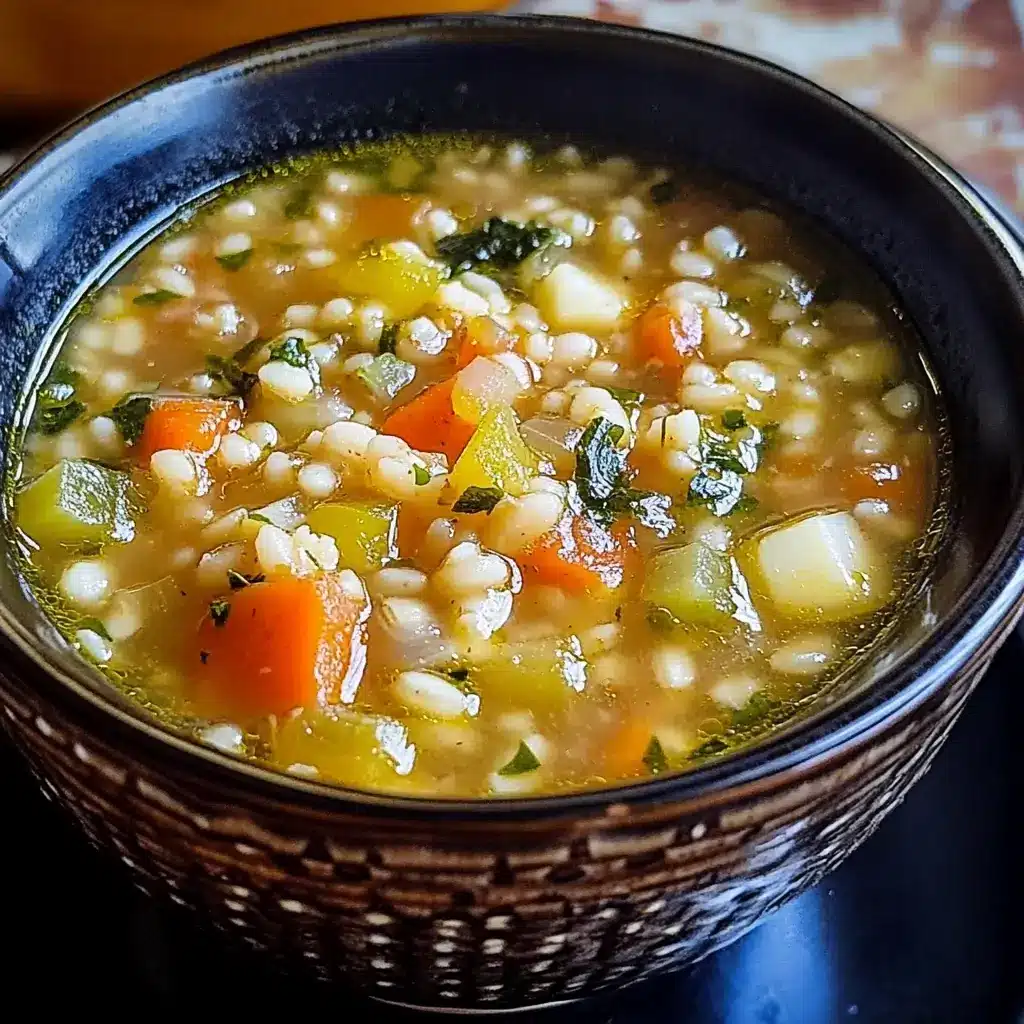
Pearl Barley and Vegetable Minestrone is a dish that has become a staple in our home, especially during the colder months. There’s something incredibly comforting about a warm bowl of hearty soup, brimming with vibrant vegetables and wholesome grains. This particular minestrone recipe, with its focus on healthy substitutions, has been a game-changer. It’s not just a meal; it’s a celebration of fresh flavors and nourishing ingredients that the whole family, from the pickiest eaters to the most health-conscious, truly enjoys. The aroma alone, as it simmers gently on the stove, fills the kitchen with an inviting warmth that promises a satisfying and healthful meal. We often find ourselves making a big batch, not just for dinner, but also for lunches throughout the week. It’s the kind of recipe that gets even better the next day, as the flavors meld together beautifully. If you’re looking for a way to incorporate more vegetables and whole grains into your diet without sacrificing taste, this Pearl Barley and Vegetable Minestrone is an absolute must-try.
Ingredients
This recipe is wonderfully flexible, allowing you to use what you have on hand and adapt it to your preferences. Here’s what you’ll need to create this flavorful and nutritious Pearl Barley and Vegetable Minestrone.
US Customary:
- 1/4 cup pearl barley
- 6 cups vegetable broth or chicken broth, low-sodium preferred
- 2 zucchini, diced
- 1 medium onion, finely chopped
- 1 big potato, peeled and diced
- 2 celery stalks, diced
- 1/2 pound swiss chard (8 ounces), tough stalks removed and diced
- 2 medium carrots, diced
- 2 medium tomatoes, diced
- 4 ounces green beans, chopped
- 4 ounces cabbage, chopped
- 1/4 cup parsley, finely chopped
- 1/4 cup basil, finely chopped
- 1/2 teaspoon salt
- 1/2 teaspoon pepper
- 2 tablespoons parmesan cheese, grated (more if desired)
- 1 tablespoon extra virgin olive oil
Metric:
- 50 grams pearl barley
- 1.4 liters vegetable broth or chicken broth, low-sodium preferred
- 2 medium zucchini, diced
- 1 medium onion, finely chopped
- 1 large potato, peeled and diced
- 2 celery stalks, diced
- 225 grams swiss chard, tough stalks removed and diced
- 2 medium carrots, diced
- 2 medium tomatoes, diced
- 115 grams green beans, chopped
- 115 grams cabbage, chopped
- 30 grams parsley, finely chopped
- 30 grams basil, finely chopped
- 2.5 milliliters salt
- 2.5 milliliters pepper
- 30 grams parmesan cheese, grated (more if desired)
- 15 milliliters extra virgin olive oil
Healthy Ingredient Substitutions & Enhancements:
To truly optimize this minestrone for health and flavor, consider these smart swaps and additions:
- Broth: While low-sodium vegetable or chicken broth is recommended, homemade vegetable broth is an even better choice for controlling sodium and maximizing nutrient content. You can easily make your own broth by simmering vegetable scraps (onion peels, carrot tops, celery ends, etc.) with water and herbs. For a vegan option, ensure you use vegetable broth.
- Pearl Barley: Pearl barley is a fantastic source of fiber, but if you’re looking for a gluten-free alternative, consider using brown rice or quinoa. For an even more robust flavor and texture, you could use farro, which is another ancient grain with a nutty taste.
- Vegetables: The beauty of minestrone is its versatility. Feel free to swap out vegetables based on seasonality and availability. Consider adding:
- Seasonal Greens: Spinach, kale, or escarole can be used in place of or in addition to swiss chard. These greens are packed with vitamins and minerals.
- Root Vegetables: Turnips, parsnips, or sweet potatoes can add sweetness and depth of flavor.
- Legumes: Cannellini beans, kidney beans, or chickpeas can boost the protein and fiber content, making the soup even more satisfying and hearty. Add them in during the last 30 minutes of cooking to prevent them from becoming mushy.
- Squash: Butternut squash, acorn squash, or pumpkin adds a creamy texture and sweetness to the soup. Diced squash can be added along with the other root vegetables.
- Tomatoes: Fresh, ripe tomatoes are wonderful when in season. Out of season, high-quality canned diced tomatoes or crushed tomatoes are excellent substitutes. Look for no-salt-added or low-sodium options to control sodium intake. For a richer tomato flavor, a tablespoon of tomato paste can be sautéed with the onions and celery at the beginning.
- Parmesan Cheese: While parmesan adds a lovely salty and savory note, you can reduce the amount or omit it altogether for a lower-fat and vegan version. Nutritional yeast is an excellent vegan substitute for parmesan, offering a cheesy, umami flavor. A sprinkle of toasted pine nuts or walnuts can also provide a satisfying textural and flavor element instead of cheese.
- Olive Oil: Extra virgin olive oil is a healthy fat, but be mindful of the quantity. While the recipe calls for 1 tablespoon, you can slightly reduce it if you are watching your fat intake. Ensure you use high-quality extra virgin olive oil for the best flavor and health benefits.
- Salt and Pepper: Taste as you go and adjust seasoning. Consider using fresh herbs generously as they add flavor without adding sodium. A squeeze of lemon juice or a dash of balsamic vinegar at the end can also brighten the flavors and reduce the need for excessive salt.
By making these thoughtful substitutions and additions, you can tailor this Pearl Barley and Vegetable Minestrone to your dietary needs and preferences, making it an even healthier and more delicious meal for you and your family.
Instructions
Creating this hearty and flavorful Pearl Barley and Vegetable Minestrone is a straightforward process. Follow these simple steps to bring this wholesome soup to life:
- Prepare the Barley and Broth: Begin by rinsing the pearl barley under cold running water in a fine-mesh sieve. This removes any excess starch and helps prevent the soup from becoming too cloudy. In a large saucepan or Dutch oven, combine the rinsed pearl barley with the vegetable or chicken broth.
- Add the Vegetables (Part 1): Add all the diced vegetables except for the parsley and basil at this stage. This includes the zucchini, onion, potato, celery, swiss chard, carrots, green beans, and cabbage. Ensure the vegetables are diced to a similar size for even cooking.
- Bring to a Boil and Simmer: Place the saucepan over medium heat and bring the mixture to a boil. Once boiling, reduce the heat to low, cover the pot, and let the soup simmer gently for 1 hour and 30 minutes. Simmering allows the flavors to meld and the barley and vegetables to soften beautifully.
- Stir Occasionally: During the simmering process, stir the soup occasionally, especially in the beginning. This prevents the vegetables and barley from sticking to the bottom of the saucepan and ensures even cooking.
- Add Parsley and Basil Mid-Cooking: After the soup has been simmering for about 45 minutes (halfway through the cooking time), add the finely chopped parsley and basil. Adding fresh herbs mid-cooking allows their flavors to infuse the soup without becoming muted by prolonged heat.
- Season with Salt and Pepper: Around the same time you add the herbs, season the soup with salt and pepper. Start with the recommended amounts (1/2 teaspoon of each) and adjust to taste towards the end of cooking. Remember that the broth may already contain some salt.
- Check for Doneness: After simmering for the full 1 hour and 30 minutes, check if the pearl barley is tender and the vegetables are cooked through but not mushy. The soup should have thickened slightly, and the flavors should be well-combined.
- Finish with Parmesan and Olive Oil: Once the soup is cooked to your liking, turn off the heat. Stir in the grated parmesan cheese. The amount of parmesan is to your preference; start with 2 tablespoons and add more if desired. Finally, drizzle with fresh extra virgin olive oil. This adds a richness and a final layer of flavor to the soup.
- Serve Hot: Ladle the Pearl Barley and Vegetable Minestrone into bowls and serve immediately while hot. Garnish with extra parmesan cheese, a sprinkle of fresh herbs, or a drizzle of olive oil, if desired.
Tips for Perfect Instructions:
- Don’t Overcook the Barley: Keep an eye on the barley during simmering. Overcooked barley can become mushy. It should be tender but still have a slight chew.
- Vegetable Texture: The vegetables should be cooked through but retain some texture. Avoid overcooking them to mush.
- Adjust Simmer Time: Depending on your stove and the size of your vegetable dice, the simmering time might need slight adjustments. Check for barley and vegetable tenderness around the 1 hour 15 minute mark.
- Taste and Adjust Seasoning: Always taste the soup towards the end of cooking and adjust the salt, pepper, and herb levels to your liking.
- Aromatics: For an even deeper flavor base, you can sauté the onions and celery in the olive oil for a few minutes before adding the broth and other vegetables. You can also add minced garlic or a bay leaf for extra depth of flavor during simmering (remove bay leaf before serving).
By following these instructions and tips, you’ll create a delicious and wholesome Pearl Barley and Vegetable Minestrone that is perfect for a comforting meal any time of year.
Nutrition Facts: A Bowlful of Goodness
This Pearl Barley and Vegetable Minestrone isn’t just delicious; it’s also packed with nutritional benefits. Here’s a breakdown of what you can expect in each serving, keeping in mind that these are estimates and can vary based on specific ingredients and portion sizes.
Servings: 8
Serving Size: Approximately 1.75 cups (415 ml)
Estimated Nutritional Information Per Serving (Approximate Values):
- Calories: 180-250 kcal (depending on broth type, parmesan amount, and oil quantity)
- Protein: 7-10 grams
- Fat: 5-8 grams (mostly from olive oil and parmesan, healthy fats)
- Saturated Fat: 1-2 grams
- Cholesterol: 5-10 mg (primarily from parmesan, negligible if vegan parmesan is used)
- Sodium: 200-400 mg (depending on broth and parmesan, can be significantly lower with low-sodium broth and reduced parmesan or substitutes)
- Carbohydrates: 25-35 grams
- Fiber: 6-8 grams (excellent source of dietary fiber from barley and vegetables)
- Sugar: 5-8 grams (naturally occurring sugars from vegetables)
Vitamins and Minerals (Significant Sources):
- Vitamin A: From carrots, swiss chard, and other vegetables. Essential for vision, immune function, and skin health.
- Vitamin C: From tomatoes, green beans, and other vegetables. An antioxidant important for immune function and collagen production.
- Vitamin K: From swiss chard and green vegetables. Important for blood clotting and bone health.
- Potassium: From potatoes, swiss chard, and other vegetables. Essential for blood pressure regulation and nerve function.
- Folate (Vitamin B9): From leafy greens and vegetables. Important for cell growth and development.
- Iron: From pearl barley, swiss chard, and other vegetables. Essential for oxygen transport in the blood.
- Manganese: From pearl barley and vegetables. An antioxidant and important for metabolism.
Health Benefits Highlight:
- High in Fiber: The pearl barley and abundance of vegetables make this soup an excellent source of dietary fiber. Fiber aids digestion, promotes satiety, helps regulate blood sugar levels, and supports heart health.
- Rich in Vitamins and Minerals: A wide array of colorful vegetables ensures a broad spectrum of essential vitamins and minerals, supporting overall health and well-being.
- Low in Fat and Calories (Relatively): When made with low-sodium broth and mindful amounts of olive oil and parmesan, this soup is relatively low in fat and calories, making it a great choice for weight management.
- Heart-Healthy: The combination of fiber, vegetables, and healthy fats (from olive oil) contributes to heart health. Lower sodium versions are particularly beneficial for blood pressure.
- Plant-Based Powerhouse: Packed with vegetables and grains, this minestrone is naturally rich in antioxidants and phytonutrients that protect against chronic diseases.
- Satiating and Filling: The fiber and protein content make this soup very satisfying, helping to prevent overeating and keep you feeling full for longer.
Disclaimer: These nutritional values are estimates. For precise nutritional information, use a nutrition calculator with the specific brands and quantities of ingredients you use. Always consult with a healthcare professional or registered dietitian for personalized dietary advice.
Preparation Time: Get Ready to Simmer
Planning and preparing your meals efficiently can make healthy eating more sustainable. Here’s a breakdown of the time involved in making this Pearl Barley and Vegetable Minestrone:
Prep Time: 15 minutes
This is the time it takes to get all your ingredients ready:
- Washing and Rinsing: Rinse the pearl barley and wash all the vegetables.
- Chopping and Dicing: Dice the zucchini, onion, potato, celery, swiss chard (after removing tough stalks), carrots, tomatoes, green beans, and cabbage. Finely chop the parsley and basil.
- Measuring Ingredients: Measure out the pearl barley, broth, olive oil, parmesan, salt, and pepper.
Cook Time: 1 hour 30 minutes
This is the time the soup needs to simmer on the stove:
- Simmering: The majority of the cook time is hands-off simmering, allowing the flavors to develop and the barley and vegetables to cook through.
- Mid-Cooking Additions: Briefly adding the parsley and basil and seasoning during the simmering process.
Total Time: 1 hour 45 minutes
This is the sum of the prep time and cook time, representing the total time from start to finish.
Why the Time is Worth It:
While 1 hour and 45 minutes might seem like a considerable time, remember that most of it is hands-off simmering. The active prep time is only 15 minutes. The longer simmering time is crucial for:
- Flavor Development: Slow simmering allows the flavors of the vegetables, barley, and herbs to meld together beautifully, creating a rich and complex taste that you can’t achieve with quicker cooking methods.
- Barley Tenderness: Pearl barley needs time to soften and become tender. Simmering ensures it reaches the perfect texture without becoming mushy.
- Vegetable Softening: Simmering softens the vegetables to a pleasant texture while still retaining some bite, preventing them from becoming completely disintegrated.
- Meal Prep Advantage: Making a large batch of minestrone is an excellent meal prep strategy. You can enjoy it for dinner and have leftovers for lunches throughout the week, saving you time and effort in the long run. It also freezes well, allowing you to have a healthy and homemade meal ready whenever you need it.
So, while the total time is 1 hour and 45 minutes, the active time is minimal, and the reward is a flavorful, nutritious, and satisfying soup that is well worth the effort. Plan ahead, enjoy the aroma as it simmers, and savor the delicious results!
How to Serve Your Pearl Barley and Vegetable Minestrone
This Pearl Barley and Vegetable Minestrone is incredibly versatile and can be enjoyed in numerous ways. Here are some delicious serving suggestions to elevate your meal:
- Classic Bowl with Crusty Bread:
- Essential Pairing: Serve generous bowls of hot minestrone with a side of crusty bread. Sourdough, Italian bread, or a baguette are excellent choices for dipping into the flavorful broth and soaking up all the deliciousness.
- Garlic Bread Upgrade: For an extra treat, serve with homemade garlic bread. Brush slices of bread with garlic-infused olive oil and bake or grill until golden and crispy.
- Toppings for Texture and Flavor:
- Parmesan Cheese: Offer extra grated parmesan cheese at the table for those who want to add more cheesy goodness.
- Fresh Herbs: Garnish with a sprinkle of freshly chopped parsley, basil, or even oregano for a burst of freshness and aroma.
- Red Pepper Flakes: For a touch of heat, provide a small bowl of red pepper flakes for those who like a little spice.
- Drizzle of Olive Oil: A final drizzle of high-quality extra virgin olive oil just before serving enhances the richness and flavor of the soup.
- Croutons: Homemade or store-bought croutons add a delightful crunch. For a healthier option, consider whole-wheat croutons or toasted bread cubes.
- Side Salad for a Balanced Meal:
- Light and Refreshing: Pair the hearty minestrone with a light and refreshing side salad. A simple green salad with a vinaigrette dressing complements the richness of the soup.
- Italian-Inspired Salad: An Italian salad with mixed greens, tomatoes, cucumbers, olives, and a balsamic vinaigrette would be a perfect thematic pairing.
- As a Starter or Main Course:
- Versatile Serving: Minestrone can be served as a satisfying starter to a larger meal or as a hearty and complete main course, especially for lunch or a light dinner.
- Main Course Enhancement: To make it an even more substantial main course, consider adding cooked cannellini beans, chickpeas, or even small pasta shapes like ditalini or orzo during the last 20 minutes of cooking.
- Meal Prep and Leftovers:
- Perfect for Meal Prep: Minestrone is ideal for meal prepping. Make a big batch on the weekend and enjoy it for lunches or dinners throughout the week.
- Flavor Enhances Over Time: The flavors of minestrone actually deepen and improve the next day, making leftovers even more delicious.
- Storage: Store leftover minestrone in airtight containers in the refrigerator for up to 3-4 days.
- Freezing: Minestrone freezes exceptionally well. Portion it into freezer-safe containers and freeze for up to 2-3 months. Thaw overnight in the refrigerator and reheat gently on the stovetop or in the microwave.
- Wine Pairing (Optional):
- Light and Crisp Whites: If serving minestrone as part of a more formal meal, consider pairing it with a light and crisp white wine like Pinot Grigio or Vermentino, which complement the fresh vegetable flavors.
- Light-Bodied Reds: A light-bodied red wine like Chianti or a young Sangiovese can also pair well with the Italian flavors of minestrone.
By using these serving suggestions, you can create a delightful and satisfying meal experience centered around your homemade Pearl Barley and Vegetable Minestrone, whether it’s a casual weeknight dinner or a gathering with friends and family.
Additional Tips for the Perfect Minestrone
To ensure your Pearl Barley and Vegetable Minestrone is not just good, but truly exceptional, consider these additional tips:
- Embrace Vegetable Variety and Seasonality:
- Seasonal Stars: Take advantage of seasonal vegetables for the freshest flavors and best nutritional value. In the summer, zucchini, tomatoes, and green beans are at their peak. In the fall and winter, root vegetables like carrots, potatoes, and cabbage shine.
- Mix and Match: Don’t be afraid to experiment with different vegetables based on what you have on hand or what looks best at the market. Broccoli, cauliflower, bell peppers, eggplant, and mushrooms can all be delicious additions.
- Color and Texture: Aim for a variety of colors and textures in your vegetable selection. This not only makes the soup visually appealing but also provides a wider range of nutrients and flavors.
- Enhance Flavor with Aromatics and Depth:
- Sauté Aromatics: Sautéing the onion and celery (and carrots if you like) in olive oil at the beginning is crucial for building a flavorful base. Sauté until softened and fragrant before adding the broth and other vegetables.
- Garlic Power: Add minced garlic along with the onions and celery for extra flavor depth. Sauté for about a minute until fragrant, being careful not to burn it.
- Bay Leaf Magic: Include a bay leaf during the simmering process. It adds a subtle but noticeable layer of savory flavor. Remember to remove it before serving.
- Dried Herbs: In addition to fresh herbs, consider adding a teaspoon of dried oregano, thyme, or Italian seasoning along with the vegetables for a more complex herb profile.
- Don’t Overcook the Vegetables (Maintain Texture):
- Staggered Addition: If using vegetables that cook at different rates (e.g., delicate greens like spinach or chard cook much faster than root vegetables), consider adding them in stages. Add heartier vegetables earlier and leafy greens towards the end of cooking to prevent overcooking.
- Al Dente Vegetables: Aim for vegetables that are cooked through but still retain some texture. Overcooked, mushy vegetables detract from the overall enjoyment of the soup.
- Make it Vegan (or Vegetarian-Friendly):
- Vegan Parmesan Substitute: To make the recipe vegan, simply omit the parmesan cheese or use a vegan parmesan alternative made from nutritional yeast, nuts, or seeds. Nutritional yeast provides a cheesy, umami flavor.
- Vegetable Broth Only: Ensure you are using vegetable broth and not chicken broth to keep the soup vegetarian or vegan.
- Bean Boost: Adding beans like cannellini beans or chickpeas not only increases the protein and fiber but also makes the soup more satisfying for a vegan or vegetarian main course.
- Batch Cooking and Freezing for Future Meals:
- Double or Triple the Recipe: Minestrone is perfect for batch cooking. Double or triple the recipe to have plenty of leftovers for lunches or to freeze for future meals.
- Freezer-Friendly: Minestrone freezes beautifully. Allow the soup to cool completely before portioning it into freezer-safe containers or bags. Leave some headspace for expansion.
- Convenient Meals: Having frozen minestrone on hand is incredibly convenient for busy weeknights or when you need a quick, healthy, and homemade meal. Thaw overnight in the refrigerator or gently reheat from frozen on the stovetop or in the microwave.
By incorporating these tips, you can elevate your Pearl Barley and Vegetable Minestrone from a simple soup to a truly outstanding and flavorful meal that your family and friends will love.
Frequently Asked Questions About Pearl Barley Minestrone (FAQ)
Here are some common questions people ask about Pearl Barley and Vegetable Minestrone, along with helpful answers to guide you:
Q1: Can I use different vegetables in this minestrone recipe?
A: Absolutely! One of the best things about minestrone is its versatility. Feel free to substitute or add vegetables based on your preferences, what’s in season, or what you have on hand. Great additions or substitutions include:
- Root Vegetables: Parsnips, turnips, sweet potatoes, butternut squash.
- Greens: Spinach, kale, escarole, collard greens.
- Other Vegetables: Bell peppers, broccoli, cauliflower, eggplant, mushrooms, corn (fresh or frozen), peas (fresh or frozen).
Just be mindful of cooking times. Heartier vegetables like root vegetables should be added earlier, while more delicate greens should be added towards the end of cooking.
Q2: Can I make this minestrone vegetarian or vegan?
A: Yes, easily! To make it vegetarian, simply ensure you are using vegetable broth instead of chicken broth. For a vegan version, in addition to using vegetable broth, omit the parmesan cheese or substitute it with vegan parmesan cheese or nutritional yeast for a cheesy flavor. The recipe is naturally packed with plant-based goodness and is easily adaptable to both vegetarian and vegan diets.
Q3: How long does Pearl Barley and Vegetable Minestrone last in the refrigerator and freezer?
A: In the refrigerator, leftover minestrone will last for 3-4 days when stored in an airtight container. For longer storage, minestrone freezes very well. Store it in freezer-safe containers or bags for up to 2-3 months. To thaw, transfer it to the refrigerator overnight or reheat it directly from frozen on the stovetop or in the microwave. Freezing is a great way to have healthy, homemade meals readily available.
Q4: Can I use different grains or pasta instead of pearl barley?
A: Yes, you can substitute pearl barley with other grains or small pasta shapes. Good alternatives include:
- Brown Rice: For a gluten-free option, brown rice adds a nutty flavor and chewy texture.
- Quinoa: Another gluten-free choice, quinoa cooks quickly and is a complete protein.
- Farro: Farro offers a similar chewy texture to pearl barley and a slightly nutty taste.
- Small Pasta: Ditalini, orzo, elbow macaroni, or small shells can be used for a more traditional Italian minestrone. Add pasta during the last 15-20 minutes of cooking as it cooks faster than barley.
Adjust cooking time as needed depending on the grain or pasta you choose.
Q5: How can I thicken the soup if it’s too thin for my liking?
A: If you prefer a thicker minestrone, there are several ways to thicken it:
- Simmer Longer: Continue to simmer the soup uncovered for a longer period. This will allow some of the liquid to evaporate and the soup to naturally thicken.
- Blend Some Vegetables: Remove about 1-2 cups of the soup, blend it until smooth using an immersion blender or regular blender (carefully when hot), and then return it to the pot. This adds body and thickness.
- Cornstarch Slurry (Optional): In a small bowl, whisk together 1-2 teaspoons of cornstarch with 2 tablespoons of cold water to make a slurry. Gradually whisk the slurry into the simmering soup and cook for a few minutes until it thickens. Start with a smaller amount and add more if needed.
- Add Beans: If you haven’t already, adding beans like cannellini beans or kidney beans not only increases the protein and fiber but also contributes to a thicker soup consistency as they release starch while cooking.
Choose the method that best suits your preferences and dietary needs. Blending some vegetables is often the healthiest and most natural way to thicken minestrone.
Print
Pearl Barley and Vegetable Minestrone Recipe
Ingredients
- 1/4 cup pearl barley
- 6 cups vegetable broth or chicken broth, low-sodium preferred
- 2 zucchini, diced
- 1 medium onion, finely chopped
- 1 big potato, peeled and diced
- 2 celery stalks, diced
- 1/2 pound swiss chard (8 ounces), tough stalks removed and diced
- 2 medium carrots, diced
- 2 medium tomatoes, diced
- 4 ounces green beans, chopped
- 4 ounces cabbage, chopped
- 1/4 cup parsley, finely chopped
- 1/4 cup basil, finely chopped
- 1/2 teaspoon salt
- 1/2 teaspoon pepper
- 2 tablespoons parmesan cheese, grated (more if desired)
- 1 tablespoon extra virgin olive oil
Instructions
- Prepare the Barley and Broth: Begin by rinsing the pearl barley under cold running water in a fine-mesh sieve. This removes any excess starch and helps prevent the soup from becoming too cloudy. In a large saucepan or Dutch oven, combine the rinsed pearl barley with the vegetable or chicken broth.
- Add the Vegetables (Part 1): Add all the diced vegetables except for the parsley and basil at this stage. This includes the zucchini, onion, potato, celery, swiss chard, carrots, green beans, and cabbage. Ensure the vegetables are diced to a similar size for even cooking.
- Bring to a Boil and Simmer: Place the saucepan over medium heat and bring the mixture to a boil. Once boiling, reduce the heat to low, cover the pot, and let the soup simmer gently for 1 hour and 30 minutes. Simmering allows the flavors to meld and the barley and vegetables to soften beautifully.
- Stir Occasionally: During the simmering process, stir the soup occasionally, especially in the beginning. This prevents the vegetables and barley from sticking to the bottom of the saucepan and ensures even cooking.
- Add Parsley and Basil Mid-Cooking: After the soup has been simmering for about 45 minutes (halfway through the cooking time), add the finely chopped parsley and basil. Adding fresh herbs mid-cooking allows their flavors to infuse the soup without becoming muted by prolonged heat.
- Season with Salt and Pepper: Around the same time you add the herbs, season the soup with salt and pepper. Start with the recommended amounts (1/2 teaspoon of each) and adjust to taste towards the end of cooking. Remember that the broth may already contain some salt.
- Check for Doneness: After simmering for the full 1 hour and 30 minutes, check if the pearl barley is tender and the vegetables are cooked through but not mushy. The soup should have thickened slightly, and the flavors should be well-combined.
- Finish with Parmesan and Olive Oil: Once the soup is cooked to your liking, turn off the heat. Stir in the grated parmesan cheese. The amount of parmesan is to your preference; start with 2 tablespoons and add more if desired. Finally, drizzle with fresh extra virgin olive oil. This adds a richness and a final layer of flavor to the soup.
- Serve Hot: Ladle the Pearl Barley and Vegetable Minestrone into bowls and serve immediately while hot. Garnish with extra parmesan cheese, a sprinkle of fresh herbs, or a drizzle of olive oil, if desired.
Nutrition
- Serving Size: One Normal Portion
- Calories: 180-250 kcal
- Sugar: 5-8 grams
- Sodium: 200-400 mg
- Fat: 5-8 grams
- Saturated Fat: 1-2 grams
- Carbohydrates: 25-35 grams
- Fiber: 6-8 grams
- Protein: 7-10 grams
- Cholesterol: 5-10 mg