

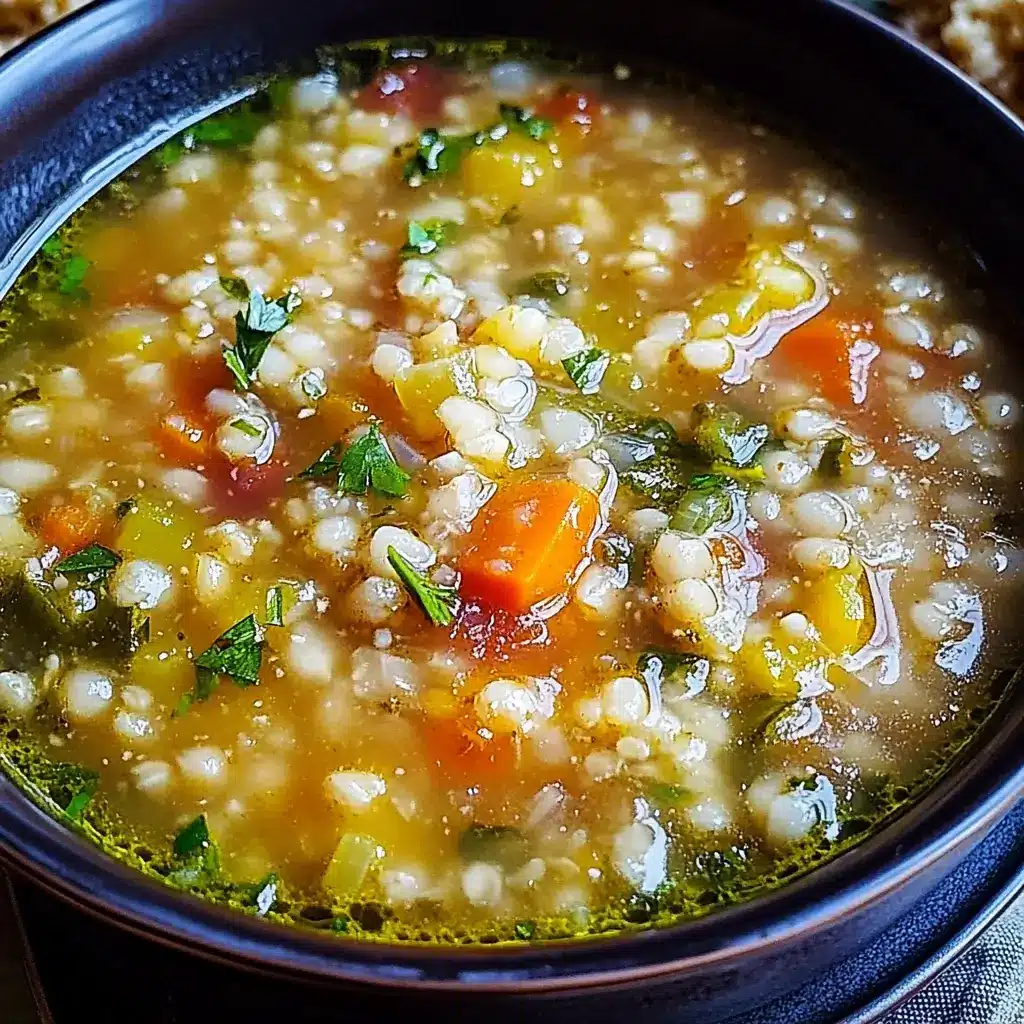

Pearl Barley and Vegetable Minestrone has become a staple in our home, especially during the colder months. There’s something incredibly comforting and wholesome about a steaming bowl of hearty vegetable soup, and this recipe takes it to another level. My family absolutely adores it, and even my picky eaters happily slurp down bowls of this flavorful and nutrient-packed minestrone. What I love most is how versatile it is – you can really adapt it to whatever vegetables you have on hand, making it a fantastic way to use up seasonal produce and reduce food waste. Plus, the pearl barley adds a wonderful chewy texture and boosts the fiber content, making it a truly satisfying and healthy meal. This isn’t just soup; it’s a bowl full of warmth, nourishment, and Italian-inspired goodness that I’m thrilled to share with you.
Ingredients
This Pearl Barley and Vegetable Minestrone is packed with fresh, wholesome ingredients, each contributing to its rich flavor and nutritional profile. Here’s what you’ll need to create this comforting soup, along with some healthy substitution suggestions to make it even more tailored to your dietary needs and preferences.
- 1/4 cup Pearl Barley: Pearl barley is the heart of this minestrone, adding a delightful chewy texture and a boost of fiber. It’s a fantastic whole grain that’s both nutritious and satisfying.
- Healthy Substitution: For a gluten-free option, you could substitute with quinoa or brown rice. Quinoa will cook faster, so adjust cooking time accordingly. Brown rice will also require a longer cooking time similar to pearl barley. For a slightly different texture and nutty flavor, farro could also be used, though it’s not gluten-free.
- 6 cups Vegetable Broth or Chicken Broth, Low-Sodium Preferred: The broth forms the flavorful base of the soup. Low-sodium broth is recommended to control the salt content and allow the natural flavors of the vegetables to shine through.
- Healthy Substitution: Opting for vegetable broth makes this recipe vegetarian and vegan-friendly. If using chicken broth, ensure it’s low-sodium or homemade to minimize processed ingredients. You can also use homemade bone broth for an extra nutrient boost and richer flavor. Another option is to use water with bouillon cubes, but be mindful of sodium levels.
- 2 Zucchini, Diced: Zucchini adds a mild, slightly sweet flavor and a good dose of vitamins and hydration to the soup.
- Healthy Substitution: Yellow squash can be used interchangeably with zucchini. For a different flavor profile and texture, you could also use other summer squashes or even eggplant, diced into similar-sized pieces.
- 1 Medium Onion, Finely Chopped: Onion is an aromatic base for the soup, providing depth of flavor and essential nutrients.
- Healthy Substitution: Shallots or leeks can be used as alternatives to onions. Shallots offer a milder, sweeter flavor, while leeks provide a subtle oniony taste with a hint of sweetness.
- 1 Big Potato, Peeled and Diced: Potato adds heartiness and creaminess to the minestrone. Using a larger potato ensures a substantial texture in each serving.
- Healthy Substitution: Sweet potatoes or yams can be used for a sweeter flavor and added beta-carotene. For a lower-carb option, you can reduce the amount of potato or substitute with root vegetables like diced turnips or parsnips, which will still provide a creamy texture and nutritional value. Cauliflower florets can also be incorporated to reduce carbs and increase vegetable intake.
- 2 Celery Stalks, Diced: Celery contributes a subtle savory note and a pleasant crunch to the soup.
- Healthy Substitution: Fennel bulb, diced, can offer a similar crunchy texture and a slightly anise-like flavor, adding complexity to the soup.
- 1/2 pound Swiss Chard, Tough Stalks Removed and Diced (8 ounces): Swiss chard is a leafy green powerhouse, packed with vitamins and minerals. Removing the tough stalks ensures a tender texture in the soup.
- Healthy Substitution: Spinach, kale, or other leafy greens like collard greens or mustard greens can be used as alternatives to Swiss chard. Spinach is the mildest and cooks down quickly. Kale and collard greens might require slightly longer cooking to become tender.
- 2 Medium Carrots, Diced: Carrots bring sweetness, color, and a wealth of beta-carotene to the minestrone.
- Healthy Substitution: Parsnips can be used for a slightly sweeter and earthier flavor, complementing the other root vegetables in the soup.
- 2 Medium Tomatoes, Diced: Tomatoes provide acidity, sweetness, and a juicy burst of flavor, essential for the classic minestrone taste.
- Healthy Substitution: Canned diced tomatoes or crushed tomatoes can be used when fresh tomatoes are not in season or for convenience. Fire-roasted tomatoes will add a smoky depth of flavor. For a richer tomato flavor, use sun-dried tomatoes (rehydrated).
- 4 ounces Green Beans, Chopped: Green beans add a crisp-tender texture and a fresh, vegetal flavor to the soup.
- Healthy Substitution: Asparagus, chopped into similar lengths, can be used for a slightly more delicate flavor. Broccoli florets or snap peas can also be added for a similar green vegetable element.
- 4 ounces Cabbage, Chopped: Cabbage adds a subtle sweetness and a hearty, slightly crunchy texture to the soup.
- Healthy Substitution: Savoy cabbage, napa cabbage, or even Brussels sprouts (halved or quartered) can be used as alternatives. Each will bring a slightly different flavor profile and texture.
- 1/4 cup Parsley, Finely Chopped: Fresh parsley adds a bright, herbaceous note and a pop of freshness to the finished soup.
- Healthy Substitution: Cilantro can be used for a different herbaceous flavor profile, especially if you enjoy its slightly citrusy notes.
- 1/4 cup Basil, Finely Chopped: Fresh basil contributes a sweet, aromatic, and distinctly Italian flavor to the minestrone.
- Healthy Substitution: Oregano or marjoram can be used as alternatives, offering a more savory and earthy Italian herb flavor.
- 1/2 teaspoon Salt: Salt enhances the flavors of all the ingredients and balances the overall taste of the soup.
- Healthy Substitution: Use sea salt or Himalayan pink salt for added mineral content. Adjust the amount to taste, especially if using low-sodium broth.
- 1/2 teaspoon Pepper: Pepper adds a subtle spice and depth of flavor.
- Healthy Substitution: Freshly ground black pepper is always preferred for its superior flavor. White pepper can be used for a milder heat.
- 2 tablespoons Parmesan Cheese, Grated (more if desired): Parmesan cheese adds a salty, umami-rich finish to the soup.
- Healthy Substitution: For a vegetarian version, ensure you are using Parmesan made with vegetarian rennet. For a vegan version, nutritional yeast can be used to provide a cheesy, umami flavor. Alternatively, you can skip the cheese entirely or use a plant-based Parmesan alternative.
- 1 tablespoon Extra Virgin Olive Oil: Extra virgin olive oil adds healthy fats, richness, and a fruity aroma, especially when drizzled at the end.
- Healthy Substitution: Avocado oil or other high-quality plant-based oils can be used as alternatives. Olive oil is preferred for its flavor profile in Italian cuisine and its health benefits.
Instructions
Making this Pearl Barley and Vegetable Minestrone is a straightforward process, perfect for a comforting and healthy meal. Follow these step-by-step instructions to create a delicious and satisfying soup.
Step 1: Prepare the Barley and Broth Base
Begin by rinsing the pearl barley under cold running water. This step helps to remove any excess starch and impurities, resulting in a cleaner-tasting soup and preventing the barley from becoming too sticky during cooking. Place the rinsed pearl barley in a large, heavy-bottomed saucepan or Dutch oven. Pour in the vegetable broth (or chicken broth). Ensure the barley is fully submerged in the broth. The broth will not only cook the barley but also infuse it with flavor from the start.
Step 2: Add the Hearty Vegetables
Now it’s time to layer in the vegetables that require longer cooking times. Add the diced onion, diced potato, diced carrots, and diced celery to the saucepan with the barley and broth. These vegetables will cook alongside the barley, softening and releasing their flavors into the broth, creating a rich and aromatic base for the minestrone.
Step 3: Bring to a Boil and Simmer
Place the saucepan over medium heat and bring the mixture to a boil. Once it reaches a rolling boil, reduce the heat to low. It’s crucial to simmer gently rather than boiling vigorously to ensure the barley and vegetables cook evenly and don’t break down too much. Cover the saucepan with a lid and let it simmer for 1 hour and 30 minutes. Simmering allows the flavors to meld together beautifully and the barley to become tender and chewy.
Step 4: Stir Occasionally
During the simmering process, it’s important to stir the soup occasionally, especially in the beginning and towards the end of the cooking time. Stirring prevents the vegetables and barley from sticking to the bottom of the saucepan and ensures even cooking. This also helps to distribute the heat evenly throughout the soup.
Step 5: Add the Remaining Vegetables and Seasonings
After simmering for about 45 minutes (halfway through the cooking time), it’s time to add the remaining vegetables: diced zucchini, diced swiss chard, chopped green beans, and chopped cabbage. These vegetables cook relatively quickly, so adding them later in the cooking process ensures they retain some texture and don’t become overly mushy. At this stage, also add the salt and pepper to season the soup. The salt and pepper enhance the flavors of all the vegetables and broth, bringing the soup to life.
Step 6: Incorporate Fresh Herbs
In the middle of the cooking process, around 45 minutes into the total 1 hour and 30 minutes simmer time (which is when you add the later vegetables), stir in the finely chopped parsley and basil. Adding fresh herbs during cooking, rather than just at the end, allows their flavors to infuse deeply into the soup, creating a more fragrant and flavorful minestrone.
Step 7: Check for Doneness and Adjust Seasoning
After simmering for the full 1 hour and 30 minutes, check if the pearl barley is tender and chewy and if the vegetables are cooked to your liking. Taste the soup and adjust the seasoning if needed. You may want to add a little more salt, pepper, or even a pinch of red pepper flakes for a touch of heat, depending on your preference.
Step 8: Finish and Serve
Once the soup is cooked to perfection, turn off the heat. Stir in the grated Parmesan cheese. The warmth of the soup will melt the cheese, adding a creamy and savory richness. Drizzle the soup with fresh extra virgin olive oil just before serving. The olive oil adds a beautiful sheen, a fruity aroma, and healthy fats to the finished dish.
Step 9: Serve Hot
Ladle the Pearl Barley and Vegetable Minestrone into bowls and serve immediately while it’s hot. Garnish with extra grated Parmesan cheese and a sprig of fresh basil or parsley, if desired. Enjoy this hearty, flavorful, and nutritious soup!
Nutrition Facts
(Approximate values per serving, based on estimated ingredient values and recipe yield)
Serving Size: 1.75 cups (approx. 420g)
Servings Per Recipe: 8
Calories per serving: Approximately 250-350 kcal (depending on broth type and added cheese/oil)
Approximate Nutritional Breakdown per Serving:
- Protein: 8-12g
- Fat: 8-12g (primarily from olive oil and Parmesan, healthy fats)
- Saturated Fat: 2-4g
- Cholesterol: 5-10mg (primarily from Parmesan, minimal if vegan substitutions are used)
- Sodium: 300-500mg (depending on broth and salt added)
- Carbohydrates: 40-50g
- Fiber: 8-12g (high fiber content due to barley and vegetables)
- Sugar: 10-15g (natural sugars from vegetables)
Vitamins and Minerals (Significant amounts):
- Vitamin A (from carrots, swiss chard, tomatoes)
- Vitamin C (from tomatoes, green beans, cabbage)
- Vitamin K (from swiss chard, parsley, basil)
- Potassium (from potatoes, swiss chard, tomatoes)
- Folate (from leafy greens, barley)
- Iron (from barley, swiss chard)
- Manganese (from barley)
Note: These values are estimates and can vary based on specific ingredients used, portion sizes, and cooking methods. For precise nutritional information, use a nutrition calculator with the specific brands and quantities of ingredients you use.
Preparation Time
- Prep Time: 15 minutes
- Cook Time: 1 hour 30 minutes
- Total Time: 1 hour 45 minutes
How to Serve
This Pearl Barley and Vegetable Minestrone is a versatile dish that can be served in numerous ways, making it a perfect meal for various occasions. Here are some ideas on how to serve and enhance your minestrone:
- Classic Soup Bowl:
- Serve hot in large soup bowls as a hearty and comforting main course.
- Garnish each bowl with an extra sprinkle of grated Parmesan cheese and a drizzle of extra virgin olive oil.
- Add a fresh sprig of basil or parsley for visual appeal and an extra burst of fresh herb flavor.
- With Crusty Bread:
- Pair the minestrone with a side of crusty Italian bread, sourdough, or focaccia for dipping into the flavorful broth.
- Garlic bread or breadsticks also complement the soup beautifully.
- As a Starter:
- Serve smaller portions of minestrone as a warm and inviting starter to a larger Italian meal.
- This is a lighter yet flavorful way to begin a dinner party or family gathering.
- With a Salad:
- Create a balanced and satisfying meal by serving minestrone alongside a fresh green salad.
- A simple salad with vinaigrette dressing or a Caprese salad with tomatoes, mozzarella, and basil would pair wonderfully.
- As Part of a Soup and Sandwich Combo:
- Combine a bowl of minestrone with a grilled cheese sandwich, a panini, or a vegetarian sandwich for a comforting and fulfilling lunch or light dinner.
- Family Style:
- Serve the minestrone family-style in a large tureen or pot in the center of the table.
- Allow everyone to serve themselves, creating a warm and communal dining experience.
- Make it a Minestrone Bar:
- Set up a minestrone bar with various toppings and additions for everyone to customize their bowls.
- Offer options like extra Parmesan cheese, croutons, pesto, a swirl of cream or yogurt (dairy or plant-based), red pepper flakes, and different types of bread.
- Serve with Pasta (for a heartier meal):
- For an even more substantial meal, you can add cooked small pasta shapes like ditalini or elbow macaroni directly to the soup during the last 15-20 minutes of cooking.
- This transforms the soup into a more filling pasta e fagioli style dish.
Additional Tips for the Best Pearl Barley Minestrone
To elevate your Pearl Barley and Vegetable Minestrone and make it even more delicious and nutritious, consider these helpful tips:
- Sauté Aromatics for Deeper Flavor: Before adding the broth, sauté the onions, carrots, and celery in olive oil for 5-7 minutes until they soften and become fragrant. This step, known as a mirepoix, builds a deeper flavor base for your soup. Adding garlic along with these vegetables for the last minute of sautéing will further enhance the aroma.
- Toast the Pearl Barley: Toasting the pearl barley in a dry pan for a few minutes before rinsing and adding it to the soup can enhance its nutty flavor. Be careful not to burn it; toast until lightly fragrant. This extra step adds another layer of flavor complexity to the minestrone.
- Use Seasonal Vegetables: Minestrone is incredibly adaptable to seasonal produce. Feel free to swap out vegetables based on what’s fresh and available. In the spring, add asparagus and peas. In the fall, consider butternut squash, pumpkin, or sweet potatoes. Using seasonal vegetables ensures the best flavor and nutrition.
- Enhance with a Parmesan Rind: If you have a Parmesan rind leftover from grating, add it to the soup while it simmers. The rind will infuse the broth with a rich, cheesy umami flavor. Remember to remove the rind before serving. This is a fantastic way to maximize flavor and reduce food waste.
- Make it Vegan (or Vegetarian): This recipe is easily adaptable for vegan and vegetarian diets. Ensure you use vegetable broth and skip the Parmesan cheese or use a vegan Parmesan alternative or nutritional yeast. The natural flavors of the vegetables and herbs are so robust that the soup remains incredibly flavorful and satisfying even without cheese.
FAQ Section: Pearl Barley and Vegetable Minestrone
Q1: Can I make this minestrone ahead of time?
A: Yes, Pearl Barley and Vegetable Minestrone is an excellent make-ahead dish! In fact, the flavors often deepen and improve after a day or two in the refrigerator. Allow the soup to cool completely before storing it in airtight containers in the fridge for up to 3-4 days. Reheat gently on the stovetop or in the microwave until heated through. You may need to add a little extra broth or water when reheating as the barley can absorb liquid as it sits.
Q2: Can I freeze Pearl Barley and Vegetable Minestrone?
A: Yes, this minestrone freezes well. Allow the soup to cool completely, then portion it into freezer-safe containers or bags. Freeze for up to 2-3 months. To thaw, you can either defrost it in the refrigerator overnight or directly reheat it from frozen on the stovetop over low heat, adding a little extra broth or water as needed. Keep in mind that the texture of some vegetables might change slightly after freezing and thawing, but the overall flavor will remain delicious.
Q3: I don’t have pearl barley, can I use another grain?
A: Absolutely! If you don’t have pearl barley, you can substitute with other grains like quinoa, brown rice, or farro. Quinoa will cook much faster, so add it in the last 20-30 minutes of cooking. Brown rice and farro will require similar cooking times to pearl barley, so adjust accordingly. For a gluten-free option, quinoa or brown rice are excellent choices.
Q4: Can I add beans to this minestrone?
A: Yes, beans are a classic addition to minestrone! Cannellini beans, kidney beans, or borlotti beans would all be wonderful additions. You can add canned beans (drained and rinsed) during the last 30 minutes of cooking to heat them through. If using dried beans, you’ll need to cook them separately beforehand and then add them to the soup. Beans will add extra protein and fiber, making the soup even more hearty and satisfying.
Q5: How can I make this minestrone even more flavorful?
A: To boost the flavor of your minestrone, consider these tips:
* Sauté aromatics: As mentioned in the tips, sautéing onions, carrots, and celery at the beginning creates a deeper flavor base.
* Use quality broth: Opt for a good quality vegetable or chicken broth, or even homemade broth for the best flavor.
* Add herbs generously: Don’t be shy with fresh herbs like parsley and basil. You can also add other Italian herbs like oregano or thyme.
* Parmesan rind: Adding a Parmesan rind while simmering adds a rich umami depth.
* Acidic element: A squeeze of lemon juice or a splash of balsamic vinegar at the end can brighten the flavors and add complexity.
* Seasoning: Taste and adjust seasoning throughout the cooking process. Salt and pepper are crucial for bringing out the flavors of the vegetables.

Pearl Barley and Vegetable Minestrone Recipe
Ingredients
- 1/4 cup Pearl Barley: Pearl barley is the heart of this minestrone, adding a delightful chewy texture and a boost of fiber. It’s a fantastic whole grain that’s both nutritious and satisfying.
- Healthy Substitution: For a gluten-free option, you could substitute with quinoa or brown rice. Quinoa will cook faster, so adjust cooking time accordingly. Brown rice will also require a longer cooking time similar to pearl barley. For a slightly different texture and nutty flavor, farro could also be used, though it’s not gluten-free.
- 6 cups Vegetable Broth or Chicken Broth, Low-Sodium Preferred: The broth forms the flavorful base of the soup. Low-sodium broth is recommended to control the salt content and allow the natural flavors of the vegetables to shine through.
- Healthy Substitution: Opting for vegetable broth makes this recipe vegetarian and vegan-friendly. If using chicken broth, ensure it’s low-sodium or homemade to minimize processed ingredients. You can also use homemade bone broth for an extra nutrient boost and richer flavor. Another option is to use water with bouillon cubes, but be mindful of sodium levels.
- 2 Zucchini, Diced: Zucchini adds a mild, slightly sweet flavor and a good dose of vitamins and hydration to the soup.
- Healthy Substitution: Yellow squash can be used interchangeably with zucchini. For a different flavor profile and texture, you could also use other summer squashes or even eggplant, diced into similar-sized pieces.
- 1 Medium Onion, Finely Chopped: Onion is an aromatic base for the soup, providing depth of flavor and essential nutrients.
- Healthy Substitution: Shallots or leeks can be used as alternatives to onions. Shallots offer a milder, sweeter flavor, while leeks provide a subtle oniony taste with a hint of sweetness.
- 1 Big Potato, Peeled and Diced: Potato adds heartiness and creaminess to the minestrone. Using a larger potato ensures a substantial texture in each serving.
- Healthy Substitution: Sweet potatoes or yams can be used for a sweeter flavor and added beta-carotene. For a lower-carb option, you can reduce the amount of potato or substitute with root vegetables like diced turnips or parsnips, which will still provide a creamy texture and nutritional value. Cauliflower florets can also be incorporated to reduce carbs and increase vegetable intake.
- 2 Celery Stalks, Diced: Celery contributes a subtle savory note and a pleasant crunch to the soup.
- Healthy Substitution: Fennel bulb, diced, can offer a similar crunchy texture and a slightly anise-like flavor, adding complexity to the soup.
- 1/2 pound Swiss Chard, Tough Stalks Removed and Diced (8 ounces): Swiss chard is a leafy green powerhouse, packed with vitamins and minerals. Removing the tough stalks ensures a tender texture in the soup.
- Healthy Substitution: Spinach, kale, or other leafy greens like collard greens or mustard greens can be used as alternatives to Swiss chard. Spinach is the mildest and cooks down quickly. Kale and collard greens might require slightly longer cooking to become tender.
- 2 Medium Carrots, Diced: Carrots bring sweetness, color, and a wealth of beta-carotene to the minestrone.
- Healthy Substitution: Parsnips can be used for a slightly sweeter and earthier flavor, complementing the other root vegetables in the soup.
- 2 Medium Tomatoes, Diced: Tomatoes provide acidity, sweetness, and a juicy burst of flavor, essential for the classic minestrone taste.
- Healthy Substitution: Canned diced tomatoes or crushed tomatoes can be used when fresh tomatoes are not in season or for convenience. Fire-roasted tomatoes will add a smoky depth of flavor. For a richer tomato flavor, use sun-dried tomatoes (rehydrated).
- 4 ounces Green Beans, Chopped: Green beans add a crisp-tender texture and a fresh, vegetal flavor to the soup.
- Healthy Substitution: Asparagus, chopped into similar lengths, can be used for a slightly more delicate flavor. Broccoli florets or snap peas can also be added for a similar green vegetable element.
- 4 ounces Cabbage, Chopped: Cabbage adds a subtle sweetness and a hearty, slightly crunchy texture to the soup.
- Healthy Substitution: Savoy cabbage, napa cabbage, or even Brussels sprouts (halved or quartered) can be used as alternatives. Each will bring a slightly different flavor profile and texture.
- 1/4 cup Parsley, Finely Chopped: Fresh parsley adds a bright, herbaceous note and a pop of freshness to the finished soup.
- Healthy Substitution: Cilantro can be used for a different herbaceous flavor profile, especially if you enjoy its slightly citrusy notes.
- 1/4 cup Basil, Finely Chopped: Fresh basil contributes a sweet, aromatic, and distinctly Italian flavor to the minestrone.
- Healthy Substitution: Oregano or marjoram can be used as alternatives, offering a more savory and earthy Italian herb flavor.
- 1/2 teaspoon Salt: Salt enhances the flavors of all the ingredients and balances the overall taste of the soup.
- Healthy Substitution: Use sea salt or Himalayan pink salt for added mineral content. Adjust the amount to taste, especially if using low-sodium broth.
- 1/2 teaspoon Pepper: Pepper adds a subtle spice and depth of flavor.
- Healthy Substitution: Freshly ground black pepper is always preferred for its superior flavor. White pepper can be used for a milder heat.
- 2 tablespoons Parmesan Cheese, Grated (more if desired): Parmesan cheese adds a salty, umami-rich finish to the soup.
- Healthy Substitution: For a vegetarian version, ensure you are using Parmesan made with vegetarian rennet. For a vegan version, nutritional yeast can be used to provide a cheesy, umami flavor. Alternatively, you can skip the cheese entirely or use a plant-based Parmesan alternative.
- 1 tablespoon Extra Virgin Olive Oil: Extra virgin olive oil adds healthy fats, richness, and a fruity aroma, especially when drizzled at the end.
- Healthy Substitution: Avocado oil or other high-quality plant-based oils can be used as alternatives. Olive oil is preferred for its flavor profile in Italian cuisine and its health benefits.
Instructions
Step 1: Prepare the Barley and Broth Base
Begin by rinsing the pearl barley under cold running water. This step helps to remove any excess starch and impurities, resulting in a cleaner-tasting soup and preventing the barley from becoming too sticky during cooking. Place the rinsed pearl barley in a large, heavy-bottomed saucepan or Dutch oven. Pour in the vegetable broth (or chicken broth). Ensure the barley is fully submerged in the broth. The broth will not only cook the barley but also infuse it with flavor from the start.
Step 2: Add the Hearty Vegetables
Now it’s time to layer in the vegetables that require longer cooking times. Add the diced onion, diced potato, diced carrots, and diced celery to the saucepan with the barley and broth. These vegetables will cook alongside the barley, softening and releasing their flavors into the broth, creating a rich and aromatic base for the minestrone.
Step 3: Bring to a Boil and Simmer
Place the saucepan over medium heat and bring the mixture to a boil. Once it reaches a rolling boil, reduce the heat to low. It’s crucial to simmer gently rather than boiling vigorously to ensure the barley and vegetables cook evenly and don’t break down too much. Cover the saucepan with a lid and let it simmer for 1 hour and 30 minutes. Simmering allows the flavors to meld together beautifully and the barley to become tender and chewy.
Step 4: Stir Occasionally
During the simmering process, it’s important to stir the soup occasionally, especially in the beginning and towards the end of the cooking time. Stirring prevents the vegetables and barley from sticking to the bottom of the saucepan and ensures even cooking. This also helps to distribute the heat evenly throughout the soup.
Step 5: Add the Remaining Vegetables and Seasonings
After simmering for about 45 minutes (halfway through the cooking time), it’s time to add the remaining vegetables: diced zucchini, diced swiss chard, chopped green beans, and chopped cabbage. These vegetables cook relatively quickly, so adding them later in the cooking process ensures they retain some texture and don’t become overly mushy. At this stage, also add the salt and pepper to season the soup. The salt and pepper enhance the flavors of all the vegetables and broth, bringing the soup to life.
Step 6: Incorporate Fresh Herbs
In the middle of the cooking process, around 45 minutes into the total 1 hour and 30 minutes simmer time (which is when you add the later vegetables), stir in the finely chopped parsley and basil. Adding fresh herbs during cooking, rather than just at the end, allows their flavors to infuse deeply into the soup, creating a more fragrant and flavorful minestrone.
Step 7: Check for Doneness and Adjust Seasoning
After simmering for the full 1 hour and 30 minutes, check if the pearl barley is tender and chewy and if the vegetables are cooked to your liking. Taste the soup and adjust the seasoning if needed. You may want to add a little more salt, pepper, or even a pinch of red pepper flakes for a touch of heat, depending on your preference.
Step 8: Finish and Serve
Once the soup is cooked to perfection, turn off the heat. Stir in the grated Parmesan cheese. The warmth of the soup will melt the cheese, adding a creamy and savory richness. Drizzle the soup with fresh extra virgin olive oil just before serving. The olive oil adds a beautiful sheen, a fruity aroma, and healthy fats to the finished dish.
Step 9: Serve Hot
Ladle the Pearl Barley and Vegetable Minestrone into bowls and serve immediately while it’s hot. Garnish with extra grated Parmesan cheese and a sprig of fresh basil or parsley, if desired. Enjoy this hearty, flavorful, and nutritious soup!
Nutrition
- Serving Size: One Normal Portion
- Calories: 250-350 kcal
- Sugar: 10-15g
- Sodium: 300-500mg
- Fat: 8-12g
- Saturated Fat: 2-4g
- Carbohydrates: 40-50g
- Fiber: 8-12g
- Protein: 8-12g
- Cholesterol: 5-10mg