
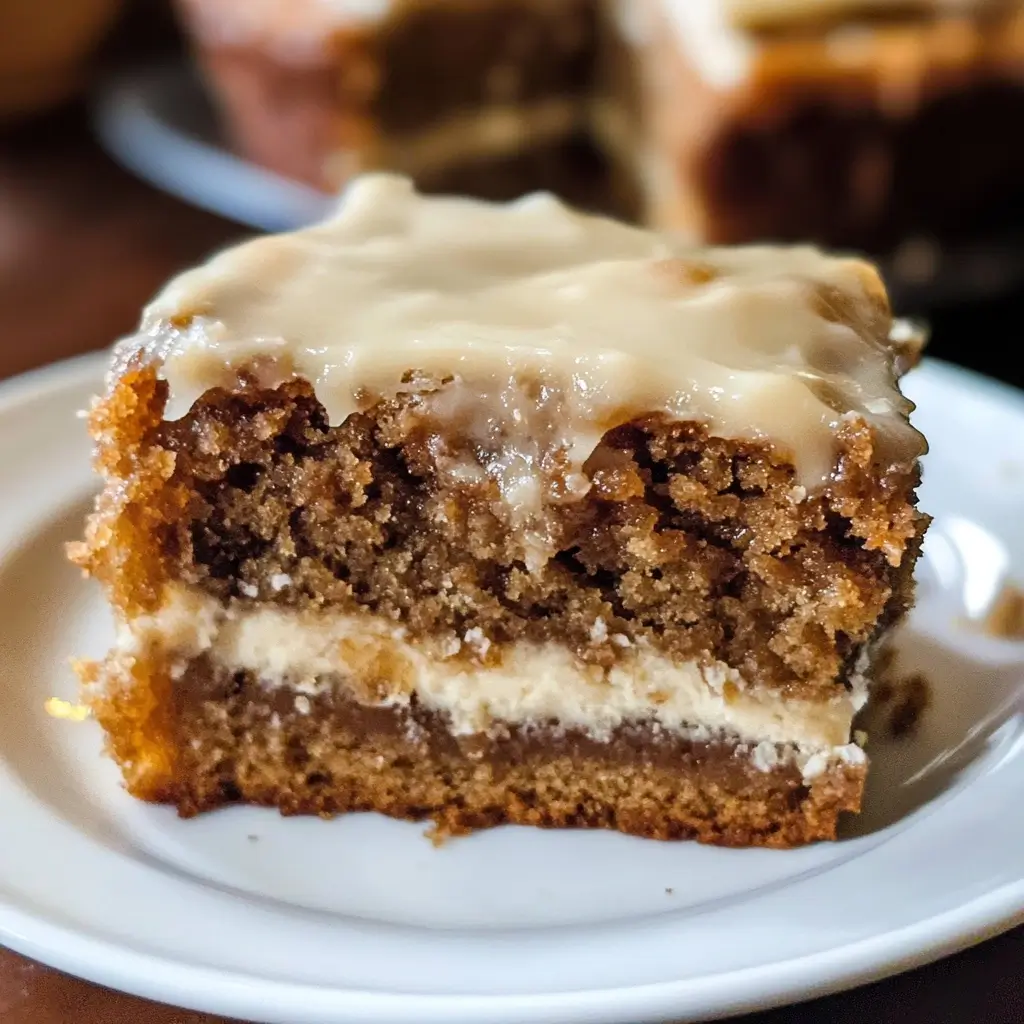
This applesauce cake. Oh, this applesauce cake! It’s more than just a recipe to me; it’s a warm hug on a chilly day, a comforting scent wafting through the house, and a guaranteed smile from everyone in my family. I remember the first time I baked it – I was looking for something simple yet satisfying, something that used up the mountain of applesauce I’d made after a particularly enthusiastic apple-picking trip. The aroma alone was intoxicating, a rich blend of cinnamon, nutmeg, and sweet apple. When it came out of the oven, perfectly golden and promising untold deliciousness, my kids were practically bouncing off the walls. The first bite? Pure bliss. It was incredibly moist, tender, and packed with just the right amount of spice to complement the subtle sweetness of the applesauce. It’s become a fall staple in our home, requested for potlucks, and often baked “just because.” It’s forgiving, easy to whip up, and consistently turns out beautifully. Trust me, this isn’t just another cake recipe; it’s an experience, and one I’m thrilled to share with you.
The Perfect Applesauce Cake: A Recipe for Cozy Comfort
This applesauce cake strikes the perfect balance between homestyle comfort and delightful flavor. Its moist crumb, infused with warm spices and the natural sweetness of applesauce, makes it an irresistible treat for any occasion. Whether you’re a seasoned baker or just starting, this recipe is straightforward and rewarding.
Ingredients for Your Delicious Applesauce Cake
Before you embark on this baking adventure, let’s gather our culinary tools and ingredients. Precision is key in baking, so ensure you have everything measured out.
For the Applesauce Cake:
- All-Purpose Flour: 2 ½ cups (approx. 300g) – The structural backbone of our cake.
- Baking Soda: 2 teaspoons – Our primary leavening agent, reacting with the acidic applesauce.
- Ground Cinnamon: 1 ½ teaspoons – The quintessential warm spice.
- Ground Nutmeg: ¾ teaspoon – Adds a lovely, aromatic depth.
- Ground Cloves: ½ teaspoon – A potent spice, use sparingly for a classic touch.
- Salt: ½ teaspoon – Balances the sweetness and enhances flavors.
- Unsalted Butter: ½ cup (1 stick or 113g), softened to room temperature – For richness and a tender crumb.
- Granulated Sugar: ¾ cup (approx. 150g) – For sweetness and structure.
- Light Brown Sugar: ¾ cup (approx. 165g), packed – Adds moisture and a deeper, molasses-like flavor.
- Large Eggs: 2, at room temperature – Bind the ingredients and add richness.
- Unsweetened Applesauce: 1 ½ cups (approx. 360g) – The star ingredient, providing moisture and apple flavor. Homemade or store-bought works beautifully.
- Vanilla Extract: 1 ½ teaspoons – Enhances all the other flavors.
- Chopped Walnuts or Pecans (Optional): 1 cup – For a delightful crunch and nutty flavor.
- Raisins (Optional): ¾ cup, soaked in hot water for 10 minutes and drained – For bursts of sweetness and chewiness.
For the Simple Vanilla Glaze (Optional but Recommended):
- Powdered Sugar: 1 cup (approx. 120g), sifted
- Milk or Cream: 2-3 tablespoons (or more, for desired consistency)
- Vanilla Extract: ½ teaspoon
Step-by-Step Instructions for Baking Success
Follow these instructions carefully, and you’ll be rewarded with a perfectly baked applesauce cake.
- Preheat and Prepare: Preheat your oven to 350°F (175°C). Grease and flour a 9×13 inch baking pan, or a 10-12 cup Bundt pan. Alternatively, line the 9×13 inch pan with parchment paper, leaving an overhang for easy removal. This step is crucial to prevent sticking and ensure your cake comes out cleanly.
- Whisk Dry Ingredients: In a medium bowl, whisk together the all-purpose flour, baking soda, ground cinnamon, ground nutmeg, ground cloves, and salt. Sifting these ingredients first can help create an even lighter crumb, though whisking thoroughly is often sufficient. Set aside.
- Cream Butter and Sugars: In a large mixing bowl, using an electric mixer (stand or handheld), beat the softened unsalted butter, granulated sugar, and packed light brown sugar together on medium-high speed until the mixture is light, fluffy, and pale in color. This process, known as creaming, incorporates air into the batter, which contributes to the cake’s tenderness and rise. This usually takes about 3-5 minutes. Scrape down the sides of the bowl occasionally.
- Add Eggs and Vanilla: Beat in the room temperature eggs one at a time, mixing well after each addition until fully incorporated. If the eggs are cold, they can cause the butter mixture to curdle. Then, stir in the vanilla extract. The batter should look smooth and well-combined.
- Incorporate Applesauce: Reduce the mixer speed to low and gradually add the unsweetened applesauce, mixing until just combined. Don’t overmix at this stage. The batter might look a little separated or curdled after adding the applesauce, which is perfectly normal due to the high moisture content.
- Combine Wet and Dry Ingredients: With the mixer still on low, gradually add the dry ingredient mixture to the wet ingredients in two or three additions, mixing until just combined after each addition. Be careful not to overmix; mix only until the flour streaks disappear. Overmixing develops gluten, which can result in a tougher cake.
- Fold in Optional Add-ins: If using, gently fold in the chopped walnuts or pecans and/or the soaked and drained raisins using a spatula. Ensure they are evenly distributed throughout the batter.
- Pour and Spread Batter: Pour the batter into your prepared baking pan. Use a spatula to spread it evenly, ensuring it reaches all corners. If using a Bundt pan, make sure the batter is evenly distributed in the intricate shape.
- Bake to Perfection: Bake for 35-45 minutes for a 9×13 inch pan, or 50-60 minutes for a Bundt pan. The baking time can vary depending on your oven and pan material. The cake is done when a wooden skewer or toothpick inserted into the center comes out clean, or with a few moist crumbs attached (but no wet batter). The top should be golden brown and spring back lightly when touched.
- Cool the Cake: Once baked, remove the cake from the oven and let it cool in the pan on a wire rack for at least 15-20 minutes. If you used a Bundt pan, carefully invert it onto the wire rack to release the cake after this initial cooling period. If you used a 9×13 inch pan, you can let it cool completely in the pan or use the parchment paper overhang to lift it out onto a wire rack after about 20 minutes. Allowing it to cool properly prevents it from breaking.
- Prepare the Glaze (Optional): While the cake is cooling, prepare the vanilla glaze if desired. In a small bowl, whisk together the sifted powdered sugar, 2 tablespoons of milk or cream, and the vanilla extract. Add more milk or cream, one teaspoon at a time, until you reach your desired drizzling consistency. It should be thick enough to coat the back of a spoon but thin enough to pour.
- Glaze and Serve: Once the cake has cooled significantly (preferably to room temperature, or at least lukewarm), drizzle the glaze over the top. Allow the glaze to set for about 15-20 minutes before slicing and serving.
Nutrition Facts (Approximate)
- Servings: This recipe yields approximately 12-16 servings, depending on how you slice it.
- Calories per serving (without glaze or nuts/raisins): Approximately 250-300 calories.
- Calories per serving (with glaze and nuts): Approximately 350-420 calories.
Please note: These are estimates. Actual nutritional values can vary based on specific ingredient brands, precise measurements, and optional additions.
Preparation & Baking Time
Understanding the time commitment helps in planning your baking session.
- Preparation Time: 20-25 minutes (includes measuring ingredients and mixing the batter)
- Baking Time: 35-60 minutes (depending on the pan size and type)
- Cooling Time: At least 1 hour (longer if glazing, as the cake should be mostly cool)
- Total Time: Approximately 2 to 2.5 hours (including cooling)
How to Serve Your Applesauce Cake
This versatile cake can be enjoyed in numerous ways. Here are some delightful serving suggestions:
- Simply Warm:
- Serve a slice slightly warm, as is. The spices are more aromatic when the cake is warm, offering a truly comforting experience.
- With a Dusting of Powdered Sugar:
- If you skip the glaze, a simple dusting of powdered sugar adds an elegant touch and a hint of extra sweetness.
- A La Mode:
- A classic pairing! Serve a warm slice of applesauce cake with a generous scoop of:
- Vanilla bean ice cream
- Cinnamon ice cream
- Caramel swirl ice cream
- A classic pairing! Serve a warm slice of applesauce cake with a generous scoop of:
- With a Dollop of Cream:
- Freshly whipped cream (lightly sweetened or unsweetened)
- A spoonful of tangy crème fraîche
- Cream cheese frosting (a richer alternative to the simple glaze)
- Alongside a Hot Beverage:
- Perfect with a cup of hot coffee for a morning treat.
- Enjoy with a cup of black tea, chai tea, or herbal tea in the afternoon.
- A glass of cold milk is also a classic companion.
- As a Dessert Centerpiece:
- For gatherings, present the whole glazed cake (especially if baked in a Bundt pan) and let guests admire it before slicing.
- With Fruit Compote:
- A warm spiced apple or pear compote can elevate the apple flavor further.
- Toasted with Butter:
- Day-old slices can be lightly toasted and spread with a thin layer of butter for a delightful breakfast or snack.
Additional Tips for the Best Applesauce Cake
To ensure your applesauce cake turns out perfectly every time, consider these extra tips:
- Quality of Applesauce Matters: While any unsweetened applesauce works, using a good quality, flavorful one will enhance the cake. If you have homemade unsweetened applesauce, that’s even better! If you only have sweetened applesauce, consider reducing the sugar in the recipe by about ¼ cup.
- Room Temperature Ingredients are Key: Ensure your butter, eggs, and even applesauce are at room temperature. Room temperature ingredients emulsify better, creating a smoother batter and a more tender, evenly baked cake. Cold ingredients can cause the batter to curdle and result in a denser texture.
- Don’t Overbake: Overbaking is the most common culprit for a dry cake. Start checking for doneness a few minutes before the minimum recommended baking time. The toothpick test (clean or with a few moist crumbs) is your best friend here.
- Spice it Your Way: The spice blend provided is a classic, but feel free to adjust it to your preference. Love ginger? Add ¼ to ½ teaspoon of ground ginger. Prefer more cinnamon? Up it slightly. You can also use an “apple pie spice” blend if you have it on hand (use about 2 ½ – 3 teaspoons in total).
- Proper Cooling is Crucial: Resist the urge to slice into the cake straight from the oven. Allowing it to cool in the pan for 15-20 minutes first, then transferring to a wire rack to cool further, prevents it from falling apart and allows the crumb structure to set properly. If glazing, ensure the cake is almost completely cool, or the glaze will just melt and soak in too much.
Frequently Asked Questions (FAQ) about Applesauce Cake
Here are answers to some common questions you might have about making this delicious applesauce cake:
- Q: Can I use sweetened applesauce instead of unsweetened?
- A: Yes, you can. However, since the recipe calls for a specific amount of sugar based on unsweetened applesauce, your cake will turn out sweeter. If using sweetened applesauce, I recommend reducing the granulated sugar and/or brown sugar in the recipe by about ¼ cup total to compensate. Taste your applesauce to gauge its sweetness level.
- Q: Can I make this applesauce cake gluten-free?
- A: Yes, you likely can, though results may vary. Substitute the all-purpose flour with a good-quality gluten-free all-purpose flour blend that contains xanthan gum (or add xanthan gum as per the blend’s instructions, typically ¼ to ½ teaspoon per cup of flour). Gluten-free cakes can sometimes be a bit drier, so ensure your applesauce is moist. Baking times might also need slight adjustments.
- Q: My cake turned out dry. What went wrong?
- A: Several factors can lead to a dry cake:
- Overbaking: This is the most common reason. Use the toothpick test and check early.
- Incorrect Flour Measurement: Scooping flour directly from the bag can pack it in, leading to too much flour. Spoon flour into your measuring cup and then level it off.
- Oven Temperature: Your oven might run hotter than indicated. An oven thermometer can help verify its accuracy.
- Not Enough Fat/Moisture: Ensure you’ve used the correct amount of butter and applesauce.
- A: Several factors can lead to a dry cake:
- Q: How should I store leftover applesauce cake?
- A: Store leftover applesauce cake in an airtight container at room temperature for up to 3-4 days. If your kitchen is very warm, or if you’ve used a cream cheese frosting, it’s best to store it in the refrigerator. If refrigerated, allow it to come to room temperature before serving for the best flavor and texture.
- Q: Can I freeze this applesauce cake?
- A: Absolutely! Applesauce cake freezes beautifully.
- Without Glaze: Let the cake cool completely. Wrap it tightly in plastic wrap, then in a layer of aluminum foil, or place it in a freezer-safe container or bag. It can be frozen for up to 3 months.
- With Glaze: It’s generally better to freeze it unglazed, as some glazes can become a bit watery or sticky upon thawing. However, this simple vanilla glaze usually fares okay.
- Thawing: Thaw the cake at room temperature (still wrapped to prevent condensation from making it soggy) for several hours or overnight. You can then add glaze if you froze it plain.
- A: Absolutely! Applesauce cake freezes beautifully.
This applesauce cake is more than just a dessert; it’s a vessel for warmth, spice, and comforting memories. Happy baking!
Print
Perfect Applesauce Cake Recipe
Ingredients
For the Applesauce Cake:
- All-Purpose Flour: 2 ½ cups (approx. 300g) – The structural backbone of our cake.
- Baking Soda: 2 teaspoons – Our primary leavening agent, reacting with the acidic applesauce.
- Ground Cinnamon: 1 ½ teaspoons – The quintessential warm spice.
- Ground Nutmeg: ¾ teaspoon – Adds a lovely, aromatic depth.
- Ground Cloves: ½ teaspoon – A potent spice, use sparingly for a classic touch.
- Salt: ½ teaspoon – Balances the sweetness and enhances flavors.
- Unsalted Butter: ½ cup (1 stick or 113g), softened to room temperature – For richness and a tender crumb.
- Granulated Sugar: ¾ cup (approx. 150g) – For sweetness and structure.
- Light Brown Sugar: ¾ cup (approx. 165g), packed – Adds moisture and a deeper, molasses-like flavor.
- Large Eggs: 2, at room temperature – Bind the ingredients and add richness.
- Unsweetened Applesauce: 1 ½ cups (approx. 360g) – The star ingredient, providing moisture and apple flavor. Homemade or store-bought works beautifully.
- Vanilla Extract: 1 ½ teaspoons – Enhances all the other flavors.
- Chopped Walnuts or Pecans (Optional): 1 cup – For a delightful crunch and nutty flavor.
- Raisins (Optional): ¾ cup, soaked in hot water for 10 minutes and drained – For bursts of sweetness and chewiness.
For the Simple Vanilla Glaze (Optional but Recommended):
- Powdered Sugar: 1 cup (approx. 120g), sifted
- Milk or Cream: 2-3 tablespoons (or more, for desired consistency)
- Vanilla Extract: ½ teaspoon
Instructions
- Preheat and Prepare: Preheat your oven to 350°F (175°C). Grease and flour a 9×13 inch baking pan, or a 10-12 cup Bundt pan. Alternatively, line the 9×13 inch pan with parchment paper, leaving an overhang for easy removal. This step is crucial to prevent sticking and ensure your cake comes out cleanly.
- Whisk Dry Ingredients: In a medium bowl, whisk together the all-purpose flour, baking soda, ground cinnamon, ground nutmeg, ground cloves, and salt. Sifting these ingredients first can help create an even lighter crumb, though whisking thoroughly is often sufficient. Set aside.
- Cream Butter and Sugars: In a large mixing bowl, using an electric mixer (stand or handheld), beat the softened unsalted butter, granulated sugar, and packed light brown sugar together on medium-high speed until the mixture is light, fluffy, and pale in color. This process, known as creaming, incorporates air into the batter, which contributes to the cake’s tenderness and rise. This usually takes about 3-5 minutes. Scrape down the sides of the bowl occasionally.
- Add Eggs and Vanilla: Beat in the room temperature eggs one at a time, mixing well after each addition until fully incorporated. If the eggs are cold, they can cause the butter mixture to curdle. Then, stir in the vanilla extract. The batter should look smooth and well-combined.
- Incorporate Applesauce: Reduce the mixer speed to low and gradually add the unsweetened applesauce, mixing until just combined. Don’t overmix at this stage. The batter might look a little separated or curdled after adding the applesauce, which is perfectly normal due to the high moisture content.
- Combine Wet and Dry Ingredients: With the mixer still on low, gradually add the dry ingredient mixture to the wet ingredients in two or three additions, mixing until just combined after each addition. Be careful not to overmix; mix only until the flour streaks disappear. Overmixing develops gluten, which can result in a tougher cake.
- Fold in Optional Add-ins: If using, gently fold in the chopped walnuts or pecans and/or the soaked and drained raisins using a spatula. Ensure they are evenly distributed throughout the batter.
- Pour and Spread Batter: Pour the batter into your prepared baking pan. Use a spatula to spread it evenly, ensuring it reaches all corners. If using a Bundt pan, make sure the batter is evenly distributed in the intricate shape.
- Bake to Perfection: Bake for 35-45 minutes for a 9×13 inch pan, or 50-60 minutes for a Bundt pan. The baking time can vary depending on your oven and pan material. The cake is done when a wooden skewer or toothpick inserted into the center comes out clean, or with a few moist crumbs attached (but no wet batter). The top should be golden brown and spring back lightly when touched.
- Cool the Cake: Once baked, remove the cake from the oven and let it cool in the pan on a wire rack for at least 15-20 minutes. If you used a Bundt pan, carefully invert it onto the wire rack to release the cake after this initial cooling period. If you used a 9×13 inch pan, you can let it cool completely in the pan or use the parchment paper overhang to lift it out onto a wire rack after about 20 minutes. Allowing it to cool properly prevents it from breaking.
- Prepare the Glaze (Optional): While the cake is cooling, prepare the vanilla glaze if desired. In a small bowl, whisk together the sifted powdered sugar, 2 tablespoons of milk or cream, and the vanilla extract. Add more milk or cream, one teaspoon at a time, until you reach your desired drizzling consistency. It should be thick enough to coat the back of a spoon but thin enough to pour.
- Glaze and Serve: Once the cake has cooled significantly (preferably to room temperature, or at least lukewarm), drizzle the glaze over the top. Allow the glaze to set for about 15-20 minutes before slicing and serving.
Nutrition
- Serving Size: One Normal Portion
- Calories: 250-300