
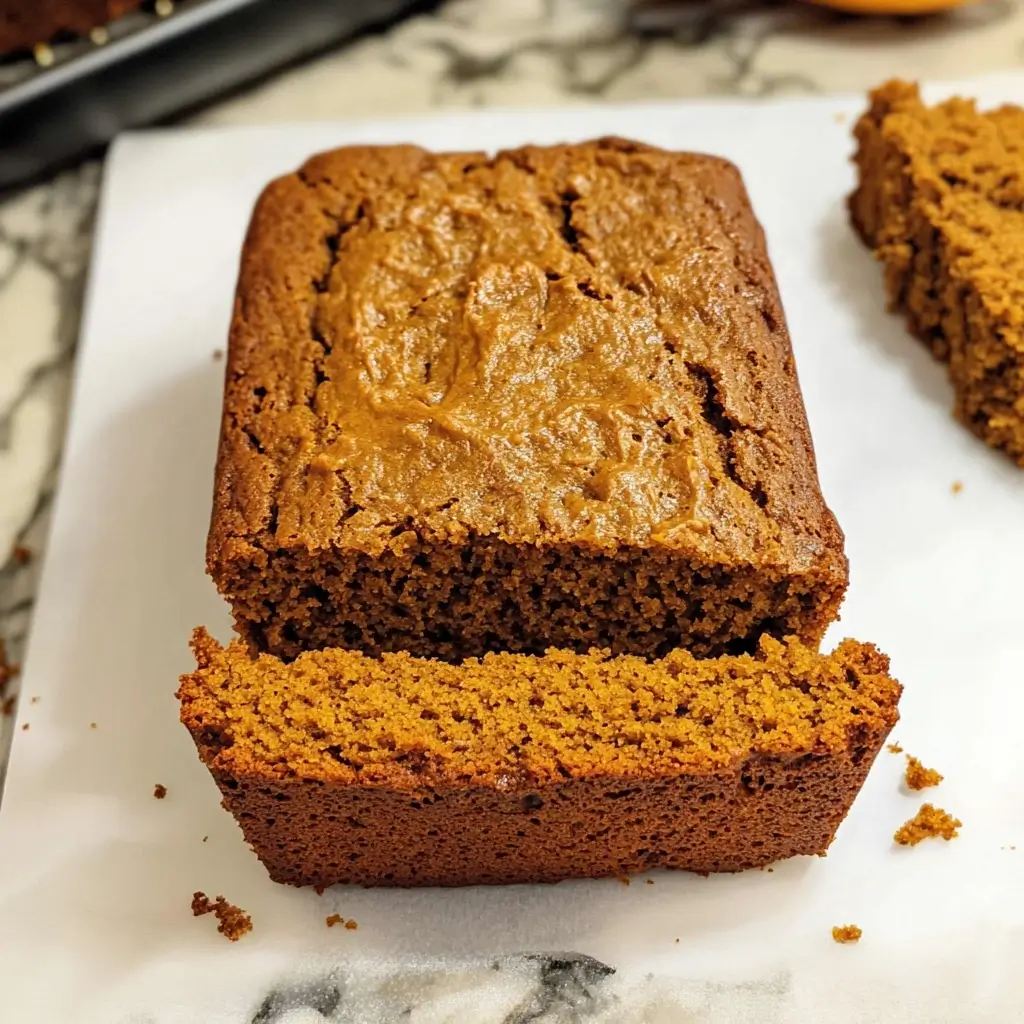

It’s that time of year again when the leaves start to turn, the air gets crisp, and the scent of warm spices fills the kitchen. For me, and likely for many of you, that can only mean one thing: pumpkin bread season is officially here! This isn’t just any pumpkin bread recipe; this is the pumpkin bread recipe that has become a staple in our home. From cozy autumn brunches to satisfying afternoon snacks and even a delightful dessert after dinner, this loaf has graced our table in countless moments. The aroma alone, a symphony of cinnamon, nutmeg, and ginger mingling with the sweet earthiness of pumpkin, is enough to make anyone’s mouth water. My family devours it within days, and I’ve even started making double batches just to keep up with the demand. Whether you’re a seasoned baker or just starting out, this recipe is incredibly easy to follow and promises a moist, flavorful, and utterly irresistible pumpkin bread that will become your new fall favorite. Trust me, once you bake this, your house will smell like autumn dreams, and your taste buds will thank you!
Ingredients
The magic of any recipe truly lies in the quality and balance of its ingredients, and this pumpkin bread is no exception. Each component plays a crucial role in creating that perfect moist crumb, warm spice profile, and comforting autumnal flavor we all crave. Let’s break down each ingredient and understand why it’s essential for baking the ultimate pumpkin bread.
- 1 ¾ cups All-Purpose Flour: The foundation of our pumpkin bread, all-purpose flour provides the structure and body. Its protein content, when mixed with liquid and leavening agents, develops gluten, which gives the bread its texture. For this recipe, all-purpose flour strikes the right balance, creating a tender yet sturdy loaf. Using too much flour can result in a dry, dense bread, while too little might lead to a loaf that lacks structure. If you’re looking for a slightly denser texture, you can substitute a quarter cup of all-purpose flour with whole wheat flour, but for the classic light and moist crumb, all-purpose is the way to go. Make sure to measure your flour correctly – spoon it into your measuring cup and level it off with a straight edge. Scooping directly from the bag can compact the flour, leading to too much flour in your recipe.
- 1 teaspoon Baking Soda: This is our primary leavening agent in this recipe. Baking soda, when combined with an acidic ingredient like pumpkin puree and moisture, releases carbon dioxide gas. These gas bubbles are what make our pumpkin bread rise and become light and airy. It’s crucial to use fresh baking soda; old baking soda can lose its potency and result in a flat, dense bread. To test if your baking soda is still active, drop a teaspoon into a bit of vinegar – it should fizz vigorously. Baking soda also contributes slightly to the bread’s browning and flavor.
- 2 teaspoons Ground Cinnamon: Cinnamon is the quintessential fall spice, and it’s a star player in our pumpkin bread. It brings warmth, sweetness, and a delightful aromatic complexity. Two teaspoons provide a pronounced cinnamon flavor that complements the pumpkin beautifully without being overpowering. For an even richer cinnamon experience, you can use freshly ground cinnamon or opt for Ceylon cinnamon, which has a more delicate and nuanced flavor compared to the stronger Cassia cinnamon often found in supermarkets.
- ½ teaspoon Ground Nutmeg: Nutmeg adds a warm, slightly nutty, and subtly sweet note to the spice blend. It provides depth and complexity, preventing the cinnamon from being the sole flavor profile. Just a half teaspoon is enough to enhance the overall flavor without making the nutmeg itself dominant. Freshly grated nutmeg is significantly more fragrant and flavorful than pre-ground nutmeg. If you have whole nutmeg, consider grating it fresh for the most impactful flavor.
- ½ teaspoon Ground Ginger: Ginger brings a zesty warmth and a slight bite to the pumpkin bread. It cuts through the sweetness and adds another layer of complexity to the spice profile. Like nutmeg, a little ginger goes a long way. Ground ginger is convenient, but if you’re feeling adventurous, you can add a small amount of freshly grated ginger for a more vibrant and pungent flavor.
- ½ teaspoon Salt: Salt is often underestimated in sweet recipes, but it’s crucial for balancing flavors. It enhances the sweetness, brings out the other spice notes, and prevents the bread from tasting flat or one-dimensional. Use regular table salt or fine sea salt for this recipe. If using kosher salt, you may need to use slightly more as it is less dense than table salt.
- 1 cup Canned Pumpkin Puree: The heart and soul of our pumpkin bread, canned pumpkin puree provides moisture, flavor, and that signature orange hue. It’s important to use pumpkin puree, not pumpkin pie filling. Pumpkin pie filling contains added sugars and spices that will alter the recipe’s balance. Canned pumpkin puree is readily available and consistent in quality. Make sure to use 100% pumpkin puree for the best results.
- ½ cup Vegetable Oil: Vegetable oil adds moisture and tenderness to the bread, contributing to its delightful crumb. Oil-based breads tend to be moister and stay fresh longer than butter-based breads. You can use any neutral-flavored vegetable oil like canola oil, sunflower oil, or even light olive oil. The oil ensures a moist texture that will last for days.
- 2 Large Eggs: Eggs serve multiple purposes in this recipe. They provide structure, richness, and moisture. The proteins in eggs coagulate during baking, helping to set the bread and give it its shape. The yolks add richness and color, while the whites contribute to the structure. Use large eggs at room temperature for the best incorporation and emulsification with the other ingredients.
- 1 cup Granulated Sugar: Granulated sugar provides sweetness and moisture, and it also helps with browning and tenderness. It contributes to the overall structure of the bread and balances the spices and pumpkin flavor. The amount of sugar is carefully balanced to create a sweet but not overly sugary bread, allowing the pumpkin and spices to shine.
- ½ cup Brown Sugar: Brown sugar, with its molasses content, adds a depth of flavor, moisture, and a slightly chewy texture to the pumpkin bread. It complements the granulated sugar and enhances the caramel notes. You can use light or dark brown sugar; dark brown sugar will impart a richer molasses flavor. Brown sugar also contributes to the moistness and softness of the bread.
- 1 teaspoon Vanilla Extract: Vanilla extract enhances the overall flavor profile, adding a warm, aromatic sweetness that ties all the ingredients together. It rounds out the flavors and adds a subtle complexity. Use pure vanilla extract for the best flavor; avoid imitation vanilla, which can taste artificial. For an even more intense vanilla flavor, you can use vanilla bean paste or scrape the seeds from a vanilla bean.
Instructions
Baking this delightful pumpkin bread is surprisingly straightforward, even for novice bakers. The key is to follow each step carefully and avoid overmixing, which can lead to a tough bread. Let’s walk through the process step-by-step to ensure your pumpkin bread turns out perfectly moist, flavorful, and beautifully risen every time.
- Preheat and Prepare: Begin by preheating your oven to 350°F (175°C). This is crucial because the oven needs to be at the correct temperature when you place the batter inside for even baking. While the oven is preheating, prepare your loaf pan. Grease a 9×5-inch loaf pan thoroughly with cooking spray or butter. Alternatively, for easier removal and cleanup, line the pan with parchment paper, leaving an overhang on the sides to lift the baked bread out effortlessly. Properly preparing the pan prevents the bread from sticking and ensures it releases cleanly once baked.
- Whisk Dry Ingredients: In a medium-sized mixing bowl, combine all the dry ingredients: 1 ¾ cups all-purpose flour, 1 teaspoon baking soda, 2 teaspoons ground cinnamon, ½ teaspoon ground nutmeg, ½ teaspoon ground ginger, and ½ teaspoon salt. Whisk these ingredients together vigorously for about 30 seconds. Whisking is essential to evenly distribute the baking soda and spices throughout the flour. This ensures that the leavening is uniform, and the spices are dispersed throughout the bread, preventing clumps and ensuring a consistent flavor in every bite.
- Combine Wet Ingredients: In a large mixing bowl, whisk together the wet ingredients: 1 cup canned pumpkin puree, ½ cup vegetable oil, 2 large eggs, 1 cup granulated sugar, ½ cup brown sugar, and 1 teaspoon vanilla extract. Mix these ingredients until they are well combined and smooth. You can use a hand whisk or an electric mixer on low speed. The goal is to emulsify the wet ingredients, creating a homogenous mixture that will blend seamlessly with the dry ingredients. Ensure the sugars are fully incorporated and the eggs are well beaten into the mixture.
- Combine Wet and Dry Ingredients: Gradually add the dry ingredients to the wet ingredients. Add the dry mixture in two to three additions, mixing on low speed or gently folding with a spatula until just combined after each addition. The most important tip here is to not overmix. Overmixing develops the gluten in the flour, which can result in a tough and dense bread. Mix only until the dry ingredients are just incorporated and no streaks of flour remain. A few lumps are okay, but avoid excessive mixing.
- Pour and Bake: Pour the batter into the prepared loaf pan, spreading it out evenly with a spatula. This ensures that the bread bakes uniformly and doesn’t have any uneven spots. Place the loaf pan in the preheated oven and bake for 55-65 minutes. To check for doneness, insert a toothpick into the center of the bread. If it comes out clean or with just a few moist crumbs attached, the bread is done. If the toothpick comes out wet with batter, continue baking for a few more minutes and check again. If you notice the top of the bread browning too quickly before the inside is fully cooked, loosely cover the loaf pan with aluminum foil to prevent over-browning while allowing the inside to continue baking.
- Cool and Serve: Once baked, remove the pumpkin bread from the oven and let it cool in the pan for about 10 minutes. This allows the bread to set slightly and makes it easier to handle. After 10 minutes, carefully invert the bread onto a wire rack to cool completely. Cooling on a wire rack allows air to circulate around the bread, preventing the bottom from becoming soggy. Let the bread cool completely before slicing. While warm pumpkin bread is tempting, slicing it while it’s still hot can result in a crumbly texture. Allowing it to cool completely ensures clean slices and the best texture.
Nutrition Facts
Understanding the nutritional content of what we eat is becoming increasingly important. While this pumpkin bread is undoubtedly a delicious treat, it’s good to have an idea of its nutritional profile. Please remember that these are estimated values and can vary slightly based on ingredient brands and specific measurements.
Servings: 10 slices
Approximate Calories per serving (per slice): 250-300 calories
Estimated Nutritional Breakdown (per slice):
- Calories: 250-300 kcal
- Total Fat: 12-15g
- Saturated Fat: 2-3g
- Unsaturated Fat: 9-12g
- Cholesterol: 30-40mg
- Sodium: 200-250mg
- Total Carbohydrates: 35-40g
- Dietary Fiber: 1-2g
- Sugars: 20-25g
- Protein: 3-4g
Important Notes:
- These values are estimates and can vary.
- The calorie count is influenced by the oil and sugar content.
- Pumpkin bread provides some fiber and vitamins from the pumpkin puree, but it is primarily a carbohydrate-rich dessert or breakfast treat.
- For a slightly healthier version, you could reduce the sugar content slightly or substitute some of the vegetable oil with unsweetened applesauce, but this will alter the texture and flavor.
Preparation Time
One of the beauties of this pumpkin bread recipe is how quickly it comes together. Perfect for busy mornings or when you need a delicious treat without spending hours in the kitchen, here’s a breakdown of the time involved:
- Prep time: 15 minutes
- This includes gathering ingredients, preheating the oven, preparing the loaf pan, measuring and whisking dry ingredients, and mixing wet ingredients.
- Cooking time: 1 hour 5 minutes (55-65 minutes)
- This is the time the pumpkin bread spends baking in the oven. Baking times can vary slightly depending on your oven and altitude.
- Total time: 1 hour 20 minutes
From start to finish, you can have a warm, fragrant loaf of homemade pumpkin bread in just over an hour. This makes it an ideal recipe for spontaneous baking sessions or when you need to whip up something delicious on short notice. The active prep time is minimal, allowing you to focus on enjoying the baking process and the wonderful aroma that fills your home.
How to Serve
Pumpkin bread is incredibly versatile and can be enjoyed in so many ways, making it perfect for any time of day. Here are some delightful serving suggestions to elevate your pumpkin bread experience:
- Classic Slice with Butter: The simplest and perhaps most comforting way to enjoy pumpkin bread is sliced and served with a pat of butter. The warmth of the bread melts the butter slightly, creating a rich and satisfying bite.
- Toasted with Cream Cheese: For a richer breakfast or brunch option, toast a slice of pumpkin bread lightly and spread it with cream cheese. The tangy cream cheese complements the sweetness and spices of the bread beautifully. You can also sprinkle a little cinnamon on top for extra flavor.
- With a Dollop of Whipped Cream or Yogurt: For a dessert-like treat or a slightly lighter option, serve a slice of pumpkin bread with a dollop of freshly whipped cream or Greek yogurt. A sprinkle of chopped nuts or a drizzle of maple syrup can further enhance this simple dessert.
- As French Toast: Elevate your weekend brunch by turning pumpkin bread into French toast. Dip slices of pumpkin bread into a mixture of eggs, milk, and a touch of cinnamon, then pan-fry until golden brown. Serve with maple syrup, fresh fruit, or a dusting of powdered sugar.
- Paired with Coffee or Tea: Pumpkin bread is the perfect accompaniment to a warm cup of coffee or tea. The spices in the bread complement the warmth of the beverage, making it an ideal pairing for breakfast, afternoon tea, or a cozy evening treat.
- Alongside Apple Cider or Hot Chocolate: Embrace the fall vibes by serving pumpkin bread with a glass of warm apple cider or rich hot chocolate. These autumnal beverages enhance the cozy and comforting flavors of the bread, making it a perfect seasonal indulgence.
- In Bread Pudding: For a decadent dessert, use leftover pumpkin bread to make pumpkin bread pudding. Cube the bread, soak it in a custard mixture, and bake until golden and set. This is a fantastic way to use up slightly stale bread and create a warm, comforting dessert.
- With a Caramel Drizzle: Take your pumpkin bread to the next level by drizzling it with homemade or store-bought caramel sauce. The rich, buttery caramel adds another layer of sweetness and indulgence that pairs wonderfully with the spiced pumpkin bread.
Additional Tips for Perfect Pumpkin Bread
While this recipe is straightforward, a few extra tips can help ensure your pumpkin bread is consistently moist, flavorful, and absolutely perfect every time.
- Don’t Overmix the Batter: As mentioned earlier, overmixing is the enemy of tender pumpkin bread. Mix the wet and dry ingredients just until combined. A few lumps are perfectly fine. Overmixing develops gluten, leading to a tough and dense loaf.
- Measure Ingredients Accurately: Baking is a science, and accurate measurements are crucial for success. Use measuring cups and spoons specifically designed for baking. For flour, spoon it into the measuring cup and level it off with a straight edge instead of scooping directly from the bag. This prevents using too much flour, which can dry out the bread.
- Use Room Temperature Ingredients: While not strictly necessary, using room temperature eggs allows them to emulsify more easily with the other ingredients, resulting in a smoother batter and a more even texture.
- Check for Doneness Properly: Rely on the toothpick test to determine when your pumpkin bread is done. Insert a toothpick into the center of the loaf. It should come out clean or with just a few moist crumbs attached. If it comes out wet with batter, it needs more baking time. Ovens can vary in temperature, so start checking for doneness around 55 minutes and adjust baking time as needed.
- Cool Completely Before Slicing: Resist the temptation to slice into the pumpkin bread while it’s still hot. Allow it to cool in the pan for 10 minutes and then transfer it to a wire rack to cool completely. Cooling allows the bread to set properly and prevents it from becoming crumbly when sliced. It also enhances the flavor as the spices meld together as it cools.
Frequently Asked Questions (FAQ)
Baking can sometimes come with questions, especially when trying a new recipe. Here are some frequently asked questions about pumpkin bread to help you bake with confidence:
Q1: Can I use fresh pumpkin puree instead of canned?
A: While canned pumpkin puree is convenient and consistent, you can use fresh pumpkin puree. To make fresh pumpkin puree, roast or steam pumpkin until tender, then puree it in a food processor or blender until smooth. Be sure to drain any excess moisture from homemade pumpkin puree by placing it in a cheesecloth-lined strainer for a few hours. Canned pumpkin is often slightly thicker and less watery, which contributes to the texture of this bread. If using fresh, ensure it’s not too watery.
Q2: Can I substitute the vegetable oil with something else?
A: Yes, you can substitute vegetable oil with other neutral oils like canola oil, sunflower oil, or even light olive oil. For a slightly healthier option, you can use unsweetened applesauce or mashed banana. However, be aware that substitutions can slightly alter the texture and flavor of the bread. Applesauce and banana will add a hint of their flavor and may make the bread slightly denser.
Q3: Can I add nuts or chocolate chips to this recipe?
A: Absolutely! Adding nuts or chocolate chips is a fantastic way to customize your pumpkin bread. Walnuts, pecans, or chopped almonds work wonderfully with pumpkin bread. Chocolate chips, especially semi-sweet or dark chocolate, add a delightful sweetness. Add about ½ to 1 cup of your chosen add-ins to the batter just before pouring it into the loaf pan.
Q4: How do I store pumpkin bread, and how long does it last?
A: Pumpkin bread is best stored at room temperature in an airtight container. It will stay moist and delicious for 3-4 days at room temperature. For longer storage, you can wrap it tightly in plastic wrap and then foil and freeze it for up to 2-3 months. Thaw it overnight in the refrigerator or at room temperature before serving.
Q5: My pumpkin bread is sinking in the middle. What did I do wrong?
A: Sinking in the middle can be caused by a few factors:
- Oven Temperature: Your oven might be too hot, causing the outside to bake too quickly before the inside is set. Ensure your oven is accurately calibrated to 350°F (175°C).
- Overmixing: Overmixing the batter can weaken the gluten structure, leading to sinking. Mix just until combined.
- Too Much Leavening: While unlikely in this recipe, too much baking soda can sometimes cause a bread to rise too quickly and then collapse. Ensure you are using the correct amount of baking soda.
- Underbaking: If the bread is underbaked, it may sink as it cools. Make sure to bake it for the full recommended time and check for doneness with a toothpick.
By following this comprehensive guide and these helpful tips, you are well on your way to baking a perfect loaf of moist, flavorful, and utterly irresistible pumpkin bread that will be a cherished treat for you, your family, and your friends all season long! Happy baking!
Print
Perfect Pumpkin Bread Recipe
Ingredients
- 1 ¾ cups All-Purpose Flour: The foundation of our pumpkin bread, all-purpose flour provides the structure and body. Its protein content, when mixed with liquid and leavening agents, develops gluten, which gives the bread its texture. For this recipe, all-purpose flour strikes the right balance, creating a tender yet sturdy loaf. Using too much flour can result in a dry, dense bread, while too little might lead to a loaf that lacks structure. If you’re looking for a slightly denser texture, you can substitute a quarter cup of all-purpose flour with whole wheat flour, but for the classic light and moist crumb, all-purpose is the way to go. Make sure to measure your flour correctly – spoon it into your measuring cup and level it off with a straight edge. Scooping directly from the bag can compact the flour, leading to too much flour in your recipe.
- 1 teaspoon Baking Soda: This is our primary leavening agent in this recipe. Baking soda, when combined with an acidic ingredient like pumpkin puree and moisture, releases carbon dioxide gas. These gas bubbles are what make our pumpkin bread rise and become light and airy. It’s crucial to use fresh baking soda; old baking soda can lose its potency and result in a flat, dense bread. To test if your baking soda is still active, drop a teaspoon into a bit of vinegar – it should fizz vigorously. Baking soda also contributes slightly to the bread’s browning and flavor.
- 2 teaspoons Ground Cinnamon: Cinnamon is the quintessential fall spice, and it’s a star player in our pumpkin bread. It brings warmth, sweetness, and a delightful aromatic complexity. Two teaspoons provide a pronounced cinnamon flavor that complements the pumpkin beautifully without being overpowering. For an even richer cinnamon experience, you can use freshly ground cinnamon or opt for Ceylon cinnamon, which has a more delicate and nuanced flavor compared to the stronger Cassia cinnamon often found in supermarkets.
- ½ teaspoon Ground Nutmeg: Nutmeg adds a warm, slightly nutty, and subtly sweet note to the spice blend. It provides depth and complexity, preventing the cinnamon from being the sole flavor profile. Just a half teaspoon is enough to enhance the overall flavor without making the nutmeg itself dominant. Freshly grated nutmeg is significantly more fragrant and flavorful than pre-ground nutmeg. If you have whole nutmeg, consider grating it fresh for the most impactful flavor.
- ½ teaspoon Ground Ginger: Ginger brings a zesty warmth and a slight bite to the pumpkin bread. It cuts through the sweetness and adds another layer of complexity to the spice profile. Like nutmeg, a little ginger goes a long way. Ground ginger is convenient, but if you’re feeling adventurous, you can add a small amount of freshly grated ginger for a more vibrant and pungent flavor.
- ½ teaspoon Salt: Salt is often underestimated in sweet recipes, but it’s crucial for balancing flavors. It enhances the sweetness, brings out the other spice notes, and prevents the bread from tasting flat or one-dimensional. Use regular table salt or fine sea salt for this recipe. If using kosher salt, you may need to use slightly more as it is less dense than table salt.
- 1 cup Canned Pumpkin Puree: The heart and soul of our pumpkin bread, canned pumpkin puree provides moisture, flavor, and that signature orange hue. It’s important to use pumpkin puree, not pumpkin pie filling. Pumpkin pie filling contains added sugars and spices that will alter the recipe’s balance. Canned pumpkin puree is readily available and consistent in quality. Make sure to use 100% pumpkin puree for the best results.
- ½ cup Vegetable Oil: Vegetable oil adds moisture and tenderness to the bread, contributing to its delightful crumb. Oil-based breads tend to be moister and stay fresh longer than butter-based breads. You can use any neutral-flavored vegetable oil like canola oil, sunflower oil, or even light olive oil. The oil ensures a moist texture that will last for days.
- 2 Large Eggs: Eggs serve multiple purposes in this recipe. They provide structure, richness, and moisture. The proteins in eggs coagulate during baking, helping to set the bread and give it its shape. The yolks add richness and color, while the whites contribute to the structure. Use large eggs at room temperature for the best incorporation and emulsification with the other ingredients.
- 1 cup Granulated Sugar: Granulated sugar provides sweetness and moisture, and it also helps with browning and tenderness. It contributes to the overall structure of the bread and balances the spices and pumpkin flavor. The amount of sugar is carefully balanced to create a sweet but not overly sugary bread, allowing the pumpkin and spices to shine.
- ½ cup Brown Sugar: Brown sugar, with its molasses content, adds a depth of flavor, moisture, and a slightly chewy texture to the pumpkin bread. It complements the granulated sugar and enhances the caramel notes. You can use light or dark brown sugar; dark brown sugar will impart a richer molasses flavor. Brown sugar also contributes to the moistness and softness of the bread.
- 1 teaspoon Vanilla Extract: Vanilla extract enhances the overall flavor profile, adding a warm, aromatic sweetness that ties all the ingredients together. It rounds out the flavors and adds a subtle complexity. Use pure vanilla extract for the best flavor; avoid imitation vanilla, which can taste artificial. For an even more intense vanilla flavor, you can use vanilla bean paste or scrape the seeds from a vanilla bean.
Instructions
- Preheat and Prepare: Begin by preheating your oven to 350°F (175°C). This is crucial because the oven needs to be at the correct temperature when you place the batter inside for even baking. While the oven is preheating, prepare your loaf pan. Grease a 9×5-inch loaf pan thoroughly with cooking spray or butter. Alternatively, for easier removal and cleanup, line the pan with parchment paper, leaving an overhang on the sides to lift the baked bread out effortlessly. Properly preparing the pan prevents the bread from sticking and ensures it releases cleanly once baked.
- Whisk Dry Ingredients: In a medium-sized mixing bowl, combine all the dry ingredients: 1 ¾ cups all-purpose flour, 1 teaspoon baking soda, 2 teaspoons ground cinnamon, ½ teaspoon ground nutmeg, ½ teaspoon ground ginger, and ½ teaspoon salt. Whisk these ingredients together vigorously for about 30 seconds. Whisking is essential to evenly distribute the baking soda and spices throughout the flour. This ensures that the leavening is uniform, and the spices are dispersed throughout the bread, preventing clumps and ensuring a consistent flavor in every bite.
- Combine Wet Ingredients: In a large mixing bowl, whisk together the wet ingredients: 1 cup canned pumpkin puree, ½ cup vegetable oil, 2 large eggs, 1 cup granulated sugar, ½ cup brown sugar, and 1 teaspoon vanilla extract. Mix these ingredients until they are well combined and smooth. You can use a hand whisk or an electric mixer on low speed. The goal is to emulsify the wet ingredients, creating a homogenous mixture that will blend seamlessly with the dry ingredients. Ensure the sugars are fully incorporated and the eggs are well beaten into the mixture.
- Combine Wet and Dry Ingredients: Gradually add the dry ingredients to the wet ingredients. Add the dry mixture in two to three additions, mixing on low speed or gently folding with a spatula until just combined after each addition. The most important tip here is to not overmix. Overmixing develops the gluten in the flour, which can result in a tough and dense bread. Mix only until the dry ingredients are just incorporated and no streaks of flour remain. A few lumps are okay, but avoid excessive mixing.
- Pour and Bake: Pour the batter into the prepared loaf pan, spreading it out evenly with a spatula. This ensures that the bread bakes uniformly and doesn’t have any uneven spots. Place the loaf pan in the preheated oven and bake for 55-65 minutes. To check for doneness, insert a toothpick into the center of the bread. If it comes out clean or with just a few moist crumbs attached, the bread is done. If the toothpick comes out wet with batter, continue baking for a few more minutes and check again. If you notice the top of the bread browning too quickly before the inside is fully cooked, loosely cover the loaf pan with aluminum foil to prevent over-browning while allowing the inside to continue baking.
- Cool and Serve: Once baked, remove the pumpkin bread from the oven and let it cool in the pan for about 10 minutes. This allows the bread to set slightly and makes it easier to handle. After 10 minutes, carefully invert the bread onto a wire rack to cool completely. Cooling on a wire rack allows air to circulate around the bread, preventing the bottom from becoming soggy. Let the bread cool completely before slicing. While warm pumpkin bread is tempting, slicing it while it’s still hot can result in a crumbly texture. Allowing it to cool completely ensures clean slices and the best texture.
Nutrition
- Serving Size: One Normal Portion
- Calories: 250-300
- Sugar: 20-25g
- Sodium: 200-250mg
- Fat: 12-15g
- Saturated Fat: 2-3g
- Unsaturated Fat: 9-12g
- Carbohydrates: 35-40g
- Fiber: 1-2g
- Protein: 3-4g
- Cholesterol: 30-40mg