
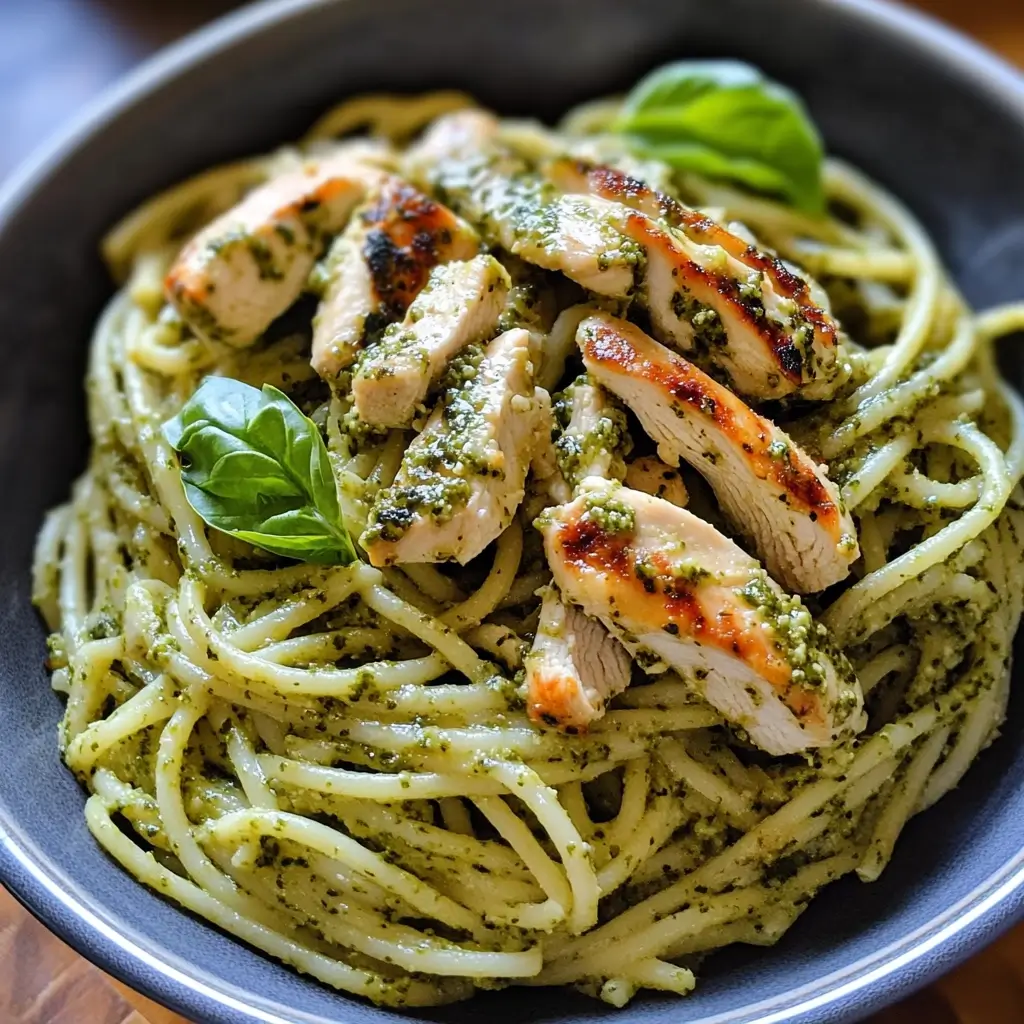
There are just some dishes that become instant family favorites, and for us, Pesto Chicken Pasta is definitely one of them. From the first time I whipped up this vibrant and flavorful meal, it was a hit. The creamy pesto sauce clinging to perfectly cooked pasta, studded with tender, juicy chicken – it’s a symphony of textures and tastes that’s both comforting and exciting. Even my pickiest eaters devour this dish without complaint, which, as any parent knows, is a culinary victory in itself! It’s become my go-to for busy weeknights when I need something quick, satisfying, and utterly delicious. Plus, it’s incredibly versatile – you can easily adapt it to your liking with different vegetables or pasta shapes. If you’re looking for a recipe that’s guaranteed to become a staple in your kitchen, look no further. This Pesto Chicken Pasta is it.
Ingredients
This recipe uses simple, fresh ingredients to create a dish bursting with flavor. The quality of your pesto will significantly impact the final taste, so consider using homemade pesto for the best results, or choose a high-quality store-bought version.
- Pasta: 1 pound (450g) of your favorite pasta shape. Penne, fusilli, rotini, farfalle, and shells all work exceptionally well as their shapes hold onto the pesto sauce beautifully. For a smoother sauce coating, spaghetti or linguine can also be used. Consider whole wheat pasta for added fiber or gluten-free pasta for dietary needs.
- Chicken Breast: 1.5 pounds (680g) boneless, skinless chicken breasts. Ensure the chicken breasts are of even thickness for even cooking. You can also use chicken thighs for a richer flavor, but breasts are leaner and quicker to cook.
- Pesto: 1 cup (approximately 240ml) of fresh basil pesto. Homemade pesto is highly recommended for the freshest and most vibrant flavor. If using store-bought, choose a refrigerated pesto rather than shelf-stable jars for better taste.
- Heavy Cream: 1 cup (240ml) heavy cream or heavy whipping cream. This is essential for creating a creamy and luxurious sauce. For a slightly lighter option, you can use half-and-half, but the sauce will be less rich.
- Chicken Broth: ½ cup (120ml) low-sodium chicken broth. The broth helps to thin the pesto sauce to the perfect consistency and adds depth of flavor. Vegetable broth can be substituted for a vegetarian version.
- Garlic: 2 cloves garlic, minced. Fresh garlic is crucial for adding that pungent, aromatic base to the sauce. Mincing ensures it disperses evenly and flavors the sauce throughout.
- Olive Oil: 2 tablespoons extra virgin olive oil. Used for sautéing the chicken and garlic. Extra virgin olive oil provides the best flavor and healthy fats.
- Parmesan Cheese: ½ cup (50g) grated Parmesan cheese, plus extra for serving. Parmesan adds a salty, savory, and nutty flavor to the sauce and is perfect for garnishing the finished dish. Freshly grated Parmesan is always preferred for its superior taste and texture.
- Pine Nuts (optional): 2 tablespoons toasted pine nuts for garnish. Pine nuts add a delightful crunch and nutty flavor that complements the pesto. Toasting enhances their flavor. Walnuts or slivered almonds can be used as substitutes if pine nuts are unavailable.
- Fresh Basil Leaves (optional): A few fresh basil leaves for garnish. Adds a pop of fresh green color and reinforces the basil flavor in the dish.
- Salt and Black Pepper: To taste. Essential for seasoning both the chicken and the sauce. Freshly ground black pepper is recommended for its superior aroma.
- Red Pepper Flakes (optional): A pinch of red pepper flakes for a touch of heat. Adds a subtle kick to balance the richness of the pesto and cream.
Instructions
Follow these step-by-step instructions to create perfect Pesto Chicken Pasta every time. Read through the entire recipe before starting to ensure you have all ingredients prepped and ready.
- Cook the Pasta: Bring a large pot of salted water to a rolling boil. Add the pasta and cook according to package directions until al dente. Tip: Don’t overcook the pasta! Al dente means “to the tooth,” and it should have a slight bite to it. Overcooked pasta will become mushy and won’t hold the sauce as well. Once cooked, drain the pasta, reserving about ½ cup of pasta water. Set aside. Reserving pasta water is crucial as it’s starchy and can help thicken the sauce and make it cling to the pasta better.
- Prepare the Chicken: While the pasta is cooking, prepare the chicken. Pat the chicken breasts dry with paper towels. Drying the chicken helps it to brown better when sautéed. Season both sides generously with salt and black pepper. You can also add a pinch of red pepper flakes at this stage if you like a little heat.
- Sauté the Chicken: Heat olive oil in a large skillet or Dutch oven over medium-high heat. Once the oil is hot and shimmering, carefully add the chicken breasts to the skillet. Ensure the skillet is hot before adding the chicken to get a good sear and prevent sticking. Cook for about 5-7 minutes per side, or until the chicken is golden brown and cooked through. The internal temperature of the chicken should reach 165°F (74°C) to ensure it’s safely cooked. Use a meat thermometer to check if necessary. Remove the cooked chicken from the skillet and set aside on a plate to rest.
- Sauté the Garlic: Reduce the heat to medium. In the same skillet (using the chicken drippings for extra flavor), add the minced garlic and sauté for about 1 minute, or until fragrant. Be careful not to burn the garlic, as it will become bitter. Sautéing until fragrant is key – you should smell a strong garlic aroma.
- Make the Pesto Cream Sauce: Pour the chicken broth into the skillet to deglaze, scraping up any browned bits from the bottom of the pan. Deglazing adds depth of flavor to the sauce. Add the heavy cream and pesto to the skillet. Stir well to combine all ingredients and bring the sauce to a gentle simmer.
- Thicken the Sauce (if needed): If the sauce is too thin, let it simmer for a few minutes, allowing it to reduce and thicken slightly. If it becomes too thick, add a splash of the reserved pasta water to thin it to your desired consistency. The pasta water is your secret weapon for achieving the perfect sauce consistency.
- Add Parmesan Cheese: Stir in the grated Parmesan cheese. Continue stirring until the cheese is melted and the sauce is smooth and creamy. Taste and adjust seasoning with salt and pepper as needed. Parmesan cheese adds saltiness, so taste before adding more salt.
- Slice the Chicken: While the sauce is simmering, slice the cooked chicken breasts into bite-sized pieces or strips.
- Combine Pasta, Chicken, and Sauce: Add the cooked and drained pasta and the sliced chicken to the skillet with the pesto cream sauce. Toss everything together gently to ensure the pasta and chicken are evenly coated in the sauce. Toss gently to avoid breaking the pasta.
- Serve: Serve immediately, garnished with extra grated Parmesan cheese, toasted pine nuts (if using), and fresh basil leaves (if using). Enjoy your delicious Pesto Chicken Pasta!
Nutrition Facts
(Note: Nutritional information is an estimate and can vary based on specific ingredients used, portion sizes, and brands. The following is an approximate guide per serving.)
- Servings: Approximately 6 servings
- Calories per Serving: Approximately 650-750 calories
Approximate Nutritional Breakdown per Serving:
- Protein: 40-50 grams
- Fat: 40-50 grams (varies depending on cream and pesto fat content)
- Saturated Fat: 20-30 grams (varies depending on cream and pesto fat content)
- Cholesterol: 150-200 mg
- Sodium: 500-700 mg (varies based on broth and pesto sodium content)
- Carbohydrates: 40-50 grams
- Fiber: 3-5 grams
- Sugar: 5-7 grams
Disclaimer: This nutritional information is an estimate only. For precise nutritional values, use a nutrition calculator with the specific brands and quantities of ingredients you use.
Preparation Time
This recipe is perfect for a quick and satisfying meal, ideal for busy weeknights.
- Prep Time: 15 minutes (includes chopping garlic, seasoning chicken, and getting ingredients ready)
- Cook Time: 25 minutes (includes cooking pasta, sautéing chicken, and making the sauce)
- Total Time: 40 minutes
How to Serve
Pesto Chicken Pasta is delicious on its own, but here are some serving suggestions to elevate your meal and create a complete dining experience:
- Garnishes:
- Freshly grated Parmesan cheese: Always a welcome addition for extra cheesy flavor.
- Toasted pine nuts or walnuts: Adds a delightful crunch and nutty flavor.
- Fresh basil leaves: Provides a pop of color and fresh basil aroma.
- A drizzle of olive oil: Enhances the richness and flavor.
- A sprinkle of red pepper flakes: For those who like a little extra heat.
- Side Dishes:
- Garlic bread or crusty bread: Perfect for soaking up the delicious pesto cream sauce.
- Caprese salad: The fresh tomatoes, mozzarella, and basil complement the richness of the pasta.
- Green salad with a light vinaigrette: Provides a refreshing contrast to the creamy pasta.
- Roasted vegetables (broccoli, asparagus, bell peppers): Adds nutrients and a different texture to the meal.
- Steamed green beans or snap peas: A simple and healthy side vegetable.
- Wine Pairing:
- Crisp white wines: Pinot Grigio, Sauvignon Blanc, or Vermentino are excellent choices that cut through the richness of the pesto and cream.
- Light-bodied red wine: If you prefer red, a light-bodied Pinot Noir or a dry Rosé can also pair well.
- Presentation:
- Serve in bowls or plates: Warm bowls help keep the pasta hot longer.
- Garnish each serving individually: Makes the dish look more appealing and restaurant-worthy.
- Serve immediately: Pesto Chicken Pasta is best served hot right after preparation.
Additional Tips for Perfect Pesto Chicken Pasta
Here are five extra tips to ensure your Pesto Chicken Pasta is absolutely perfect every time:
- Don’t Overcook the Pasta: Al dente pasta is key. Overcooked pasta becomes mushy and loses its texture. Cook it according to package directions and test for doneness a minute or two before the recommended time. It should have a slight bite to it.
- Use High-Quality Pesto: The pesto is the star of this dish, so use the best quality you can find. Homemade pesto is ideal for the freshest flavor. If using store-bought, opt for refrigerated pesto over shelf-stable jars. Look for pesto made with fresh basil, pine nuts, Parmesan cheese, garlic, and olive oil.
- Don’t Skip the Pasta Water: Reserving pasta water is crucial for creating a perfectly emulsified and creamy sauce. The starch in the pasta water helps to bind the sauce and makes it cling beautifully to the pasta. Add it gradually until you reach your desired sauce consistency.
- Adjust Creaminess to Your Preference: If you prefer a richer, creamier sauce, use full heavy cream. For a slightly lighter version, you can use half-and-half or even a combination of heavy cream and milk. You can also add a tablespoon of cream cheese for extra richness and tang.
- Customize with Vegetables: Pesto Chicken Pasta is incredibly versatile. Feel free to add vegetables to boost nutrition and flavor. Cherry tomatoes (halved), spinach, sun-dried tomatoes, roasted red peppers, artichoke hearts, or sautéed mushrooms all work wonderfully. Add vegetables towards the end of cooking to prevent them from becoming overcooked.
FAQ – Frequently Asked Questions
Here are five frequently asked questions about Pesto Chicken Pasta:
Q1: Can I make Pesto Chicken Pasta ahead of time?
A: While Pesto Chicken Pasta is best served fresh, you can prepare components ahead of time. You can cook the chicken and pasta separately and store them in the refrigerator. You can also make the pesto sauce ahead and store it in the refrigerator for up to 3 days. When ready to serve, reheat the sauce, pasta, and chicken separately, then combine them. However, be aware that the pasta may absorb some of the sauce if stored together, so you might need to add a splash of broth or pasta water when reheating.
Q2: Can I freeze Pesto Chicken Pasta?
A: Freezing cooked pasta dishes with creamy sauces is generally not recommended as the sauce can sometimes separate and become grainy upon thawing. The pasta texture can also become softer. If you must freeze it, ensure it’s cooled completely, store it in an airtight container, and thaw it in the refrigerator overnight. Reheat gently on the stovetop, adding a little broth or milk to restore creaminess if needed. For best results, it’s better to make the sauce and chicken ahead and cook the pasta fresh when you are ready to serve.
Q3: Can I make this recipe vegetarian?
A: Yes, absolutely! To make this vegetarian, simply omit the chicken. You can add vegetables like roasted vegetables (zucchini, eggplant, bell peppers), grilled halloumi cheese, or white beans for added protein and substance. You can also use a vegetarian pesto, ensuring it doesn’t contain Parmesan cheese made with animal rennet if you are strictly vegetarian or vegan.
Q4: Can I use a different type of pesto?
A: Yes, while classic basil pesto is traditional, you can experiment with other pesto variations. Sun-dried tomato pesto, spinach pesto, kale pesto, or even arugula pesto can all create delicious and unique flavor profiles. Consider how the flavor of the pesto will complement the chicken and pasta when choosing.
Q5: How can I make Pesto Chicken Pasta spicier?
A: There are several ways to add heat to Pesto Chicken Pasta. You can add a pinch of red pepper flakes while sautéing the garlic or when seasoning the chicken. You can also use a spicy pesto variety or add a dash of hot sauce (like sriracha or chili oil) to the sauce. Another option is to add sliced jalapeños or Calabrian chili peppers to the dish for a more pronounced heat. Start with a small amount and adjust to your spice preference.
This Pesto Chicken Pasta recipe is a guaranteed crowd-pleaser, perfect for a weeknight dinner or a casual gathering. With its vibrant flavors, creamy texture, and easy preparation, it’s a dish you’ll find yourself making again and again. Enjoy!
Print
Pesto Chicken Pasta Recipe
Ingredients
-
- Pasta: 1 pound (450g) of your favorite pasta shape. Penne, fusilli, rotini, farfalle, and shells all work exceptionally well as their shapes hold onto the pesto sauce beautifully. For a smoother sauce coating, spaghetti or linguine can also be used. Consider whole wheat pasta for added fiber or gluten-free pasta for dietary needs.
-
- Chicken Breast: 1.5 pounds (680g) boneless, skinless chicken breasts. Ensure the chicken breasts are of even thickness for even cooking. You can also use chicken thighs for a richer flavor, but breasts are leaner and quicker to cook.
-
- Pesto: 1 cup (approximately 240ml) of fresh basil pesto. Homemade pesto is highly recommended for the freshest and most vibrant flavor. If using store-bought, choose a refrigerated pesto rather than shelf-stable jars for better taste.
-
- Heavy Cream: 1 cup (240ml) heavy cream or heavy whipping cream. This is essential for creating a creamy and luxurious sauce. For a slightly lighter option, you can use half-and-half, but the sauce will be less rich.
-
- Chicken Broth: ½ cup (120ml) low-sodium chicken broth. The broth helps to thin the pesto sauce to the perfect consistency and adds depth of flavor. Vegetable broth can be substituted for a vegetarian version.
-
- Garlic: 2 cloves garlic, minced. Fresh garlic is crucial for adding that pungent, aromatic base to the sauce. Mincing ensures it disperses evenly and flavors the sauce throughout.
-
- Olive Oil: 2 tablespoons extra virgin olive oil. Used for sautéing the chicken and garlic. Extra virgin olive oil provides the best flavor and healthy fats.
-
- Parmesan Cheese: ½ cup (50g) grated Parmesan cheese, plus extra for serving. Parmesan adds a salty, savory, and nutty flavor to the sauce and is perfect for garnishing the finished dish. Freshly grated Parmesan is always preferred for its superior taste and texture.
-
- Pine Nuts (optional): 2 tablespoons toasted pine nuts for garnish. Pine nuts add a delightful crunch and nutty flavor that complements the pesto. Toasting enhances their flavor. Walnuts or slivered almonds can be used as substitutes if pine nuts are unavailable.
-
- Fresh Basil Leaves (optional): A few fresh basil leaves for garnish. Adds a pop of fresh green color and reinforces the basil flavor in the dish.
-
- Salt and Black Pepper: To taste. Essential for seasoning both the chicken and the sauce. Freshly ground black pepper is recommended for its superior aroma.
-
- Red Pepper Flakes (optional): A pinch of red pepper flakes for a touch of heat. Adds a subtle kick to balance the richness of the pesto and cream.
Instructions
-
- Cook the Pasta: Bring a large pot of salted water to a rolling boil. Add the pasta and cook according to package directions until al dente. Tip: Don’t overcook the pasta! Al dente means “to the tooth,” and it should have a slight bite to it. Overcooked pasta will become mushy and won’t hold the sauce as well. Once cooked, drain the pasta, reserving about ½ cup of pasta water. Set aside. Reserving pasta water is crucial as it’s starchy and can help thicken the sauce and make it cling to the pasta better.
-
- Prepare the Chicken: While the pasta is cooking, prepare the chicken. Pat the chicken breasts dry with paper towels. Drying the chicken helps it to brown better when sautéed. Season both sides generously with salt and black pepper. You can also add a pinch of red pepper flakes at this stage if you like a little heat.
-
- Sauté the Chicken: Heat olive oil in a large skillet or Dutch oven over medium-high heat. Once the oil is hot and shimmering, carefully add the chicken breasts to the skillet. Ensure the skillet is hot before adding the chicken to get a good sear and prevent sticking. Cook for about 5-7 minutes per side, or until the chicken is golden brown and cooked through. The internal temperature of the chicken should reach 165°F (74°C) to ensure it’s safely cooked. Use a meat thermometer to check if necessary. Remove the cooked chicken from the skillet and set aside on a plate to rest.
-
- Sauté the Garlic: Reduce the heat to medium. In the same skillet (using the chicken drippings for extra flavor), add the minced garlic and sauté for about 1 minute, or until fragrant. Be careful not to burn the garlic, as it will become bitter. Sautéing until fragrant is key – you should smell a strong garlic aroma.
-
- Make the Pesto Cream Sauce: Pour the chicken broth into the skillet to deglaze, scraping up any browned bits from the bottom of the pan. Deglazing adds depth of flavor to the sauce. Add the heavy cream and pesto to the skillet. Stir well to combine all ingredients and bring the sauce to a gentle simmer.
-
- Thicken the Sauce (if needed): If the sauce is too thin, let it simmer for a few minutes, allowing it to reduce and thicken slightly. If it becomes too thick, add a splash of the reserved pasta water to thin it to your desired consistency. The pasta water is your secret weapon for achieving the perfect sauce consistency.
-
- Add Parmesan Cheese: Stir in the grated Parmesan cheese. Continue stirring until the cheese is melted and the sauce is smooth and creamy. Taste and adjust seasoning with salt and pepper as needed. Parmesan cheese adds saltiness, so taste before adding more salt.
-
- Slice the Chicken: While the sauce is simmering, slice the cooked chicken breasts into bite-sized pieces or strips.
-
- Combine Pasta, Chicken, and Sauce: Add the cooked and drained pasta and the sliced chicken to the skillet with the pesto cream sauce. Toss everything together gently to ensure the pasta and chicken are evenly coated in the sauce. Toss gently to avoid breaking the pasta.
-
- Serve: Serve immediately, garnished with extra grated Parmesan cheese, toasted pine nuts (if using), and fresh basil leaves (if using). Enjoy your delicious Pesto Chicken Pasta!
Nutrition
- Serving Size: One Normal Portion
- Calories: 650-750
- Sugar: 5-7 grams
- Sodium: 500-700 mg
- Fat: 40-50 grams
- Saturated Fat: 20-30 grams
- Carbohydrates: 40-50 grams
- Fiber: 3-5 grams
- Protein: 40-50 grams
- Cholesterol: 150-200 mg