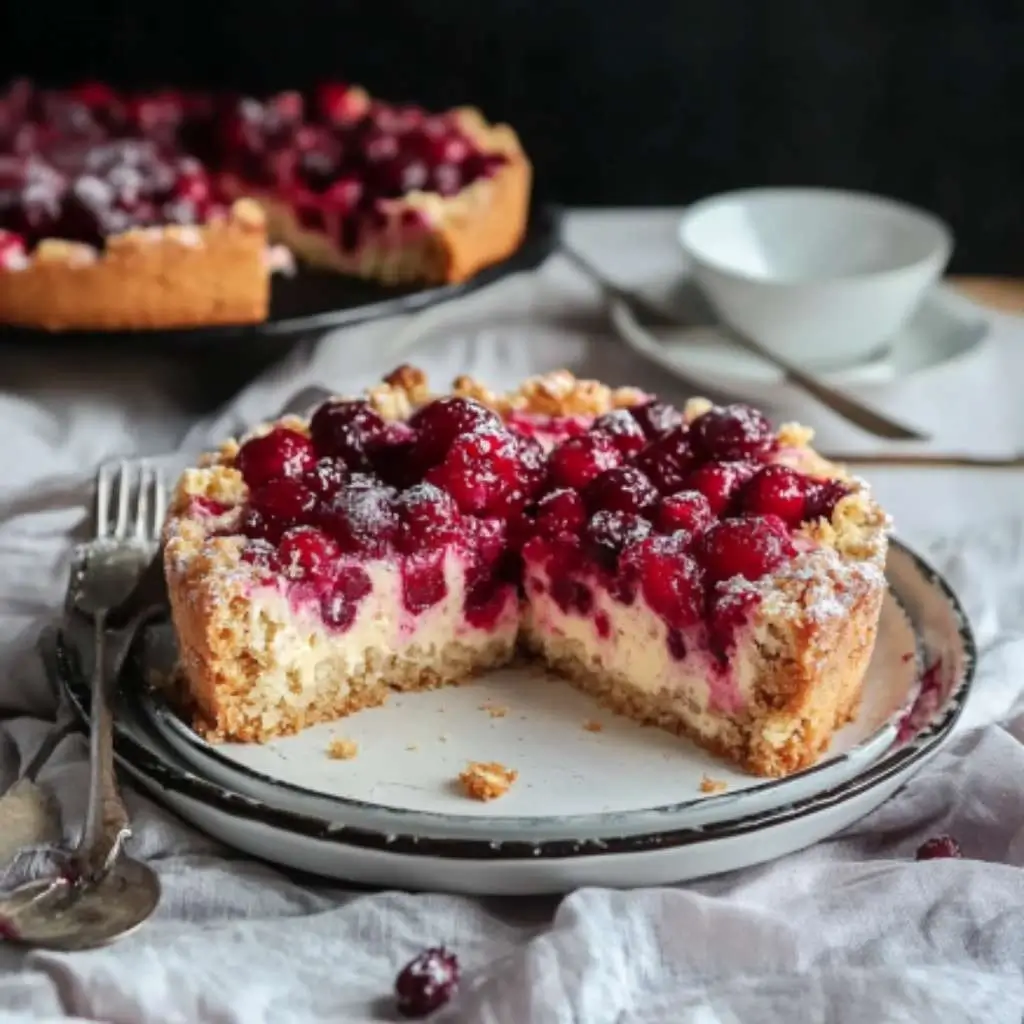

The aroma of freshly baked plum cake wafting through the house is a memory that instantly transports me back to cozy autumn afternoons. My grandmother, a woman whose kitchen was a haven of warmth and delicious scents, used to bake a plum cake every year when the plums were at their peak. This recipe, adapted from her notes and tweaked over time, is a testament to the simple joy of home baking. It’s a cake that’s forgiving to novice bakers and rewarding for seasoned pros. The moist crumb, the burst of sweet-tart plums, and the subtle hint of spice – it’s a combination that’s utterly irresistible. My family devours it within days, and it’s become a requested staple for gatherings and holidays. If you’re looking for a cake that’s both comforting and flavorful, this plum cake recipe is a must-try.
Ingredients
To embark on your plum cake baking journey, gathering the right ingredients is the first crucial step. Each ingredient plays a vital role in the final texture, flavor, and overall success of your cake. Let’s delve deeper into each component and understand its purpose.
- 2 cups All-Purpose Flour: The foundation of our plum cake, all-purpose flour provides the structure and body. It’s a versatile flour, readily available in most kitchens, striking a balance between protein content for structure and starch for tenderness.
- Flour Power: All-purpose flour is designed for a wide range of baking applications, making it a reliable choice for this cake. Its moderate gluten content ensures the cake has a good rise and a pleasing crumb without becoming too tough.
- Measuring Matters: Accurate measurement of flour is paramount in baking. Too much flour can result in a dry, dense cake, while too little can lead to a cake that’s too wet and doesn’t hold its shape. The best practice is to spoon flour into your measuring cup and level it off with a straight edge, rather than scooping directly from the bag, which can compact the flour and lead to over-measuring.
- Flour Alternatives (For the Curious Baker): If you’re looking to experiment or have dietary restrictions, you could explore alternatives like whole wheat flour (for a nuttier flavor and denser texture, use half whole wheat and half all-purpose for best results), or gluten-free blends (ensure your blend is formulated for baking and follow package instructions as ratios may differ).
- 1 tsp Baking Powder: The leavening agent, baking powder is responsible for the cake’s rise and light, airy texture. It’s a chemical leavener that contains both an acid and a base, activated by moisture and heat.
- Rise to the Occasion: Baking powder works by releasing carbon dioxide gas when mixed with liquid and heated, creating bubbles that expand the batter and give the cake its lift.
- Freshness is Key: Baking powder has a shelf life, and old baking powder can lose its potency, resulting in a flat cake. To test its freshness, place a teaspoon of baking powder in hot water. If it fizzes vigorously, it’s still active.
- Double-Acting Power: Most baking powders are double-acting, meaning they react in two stages – once when mixed with liquid at room temperature and again when heated in the oven. This ensures a consistent and even rise.
- ¼ tsp Salt: Often underestimated, salt is a crucial ingredient in baking. It doesn’t just add saltiness; it enhances the flavors of all other ingredients, balances sweetness, and controls the activity of yeast (though less relevant in this baking powder-based recipe, its flavor-enhancing role is still vital).
- Flavor Enhancer: Salt acts as a flavor amplifier, bringing out the sweetness of the sugar and the richness of the butter and plums. Without salt, the cake can taste flat and one-dimensional.
- Salt Types: Table salt, sea salt, or kosher salt can be used. If using kosher salt, which has larger crystals, you might need to slightly increase the quantity to achieve the same level of saltiness as table salt. Always use fine salt for baking as coarse salt may not dissolve evenly.
- ½ cup Unsalted Butter, Softened: Butter is the fat component that contributes to the cake’s tenderness, moisture, and rich flavor. Unsalted butter is preferred in baking as it gives you control over the salt content. Softened butter is crucial for proper creaming with sugar.
- Butter’s Role: Butter creates a tender crumb by coating the flour particles and inhibiting gluten development. It also adds a characteristic buttery flavor and richness that is difficult to replicate with other fats.
- Softened, Not Melted: Softened butter should be pliable and easily creamed, but not melted. Overly softened or melted butter can result in a greasy cake with a less desirable texture. The ideal consistency is when you can press your finger into the butter and leave a slight indentation without it feeling oily or melting.
- Butter Alternatives (For Dietary Needs): For a dairy-free or vegan option, you can use plant-based butter sticks specifically designed for baking. Coconut oil (solid form) can also be used, but it will impart a subtle coconut flavor. Oil (vegetable, canola) can be used in a pinch, but the cake will lack the richness and flavor of butter.
- 1 cup Brown Sugar: Brown sugar adds sweetness, moisture, and a subtle molasses flavor that complements the plums beautifully. It also contributes to the cake’s soft texture and slightly chewy edges.
- Moisture Magnet: Brown sugar contains molasses, which is hygroscopic, meaning it attracts and retains moisture. This contributes to the cake’s moistness and prevents it from drying out too quickly.
- Flavor Depth: The molasses in brown sugar imparts a warm, caramel-like flavor that is more complex than white granulated sugar. It pairs wonderfully with fruits like plums and spices like cinnamon.
- Light vs. Dark Brown Sugar: You can use either light or dark brown sugar. Dark brown sugar has more molasses and a stronger flavor, resulting in a slightly richer and more intensely flavored cake. Light brown sugar offers a milder molasses flavor.
- 2 Large Eggs: Eggs are essential for binding the ingredients, adding richness, moisture, and structure to the cake. They also contribute to the cake’s color and leavening.
- Binding Power: Eggs act as an emulsifier, helping to bind the fats and liquids together in the batter, creating a smooth and cohesive mixture.
- Structure and Richness: The proteins in eggs coagulate when heated, providing structure to the cake and preventing it from collapsing. The yolks add richness, color, and fat, contributing to a tender crumb.
- Room Temperature Eggs: Using room temperature eggs is recommended for better emulsification and a smoother batter, especially when creaming butter and sugar. If you forget to take them out of the fridge, you can quickly warm them by placing them in a bowl of warm (not hot) water for a few minutes.
- 1 tsp Vanilla Extract: Vanilla extract enhances the overall flavor profile of the cake, adding warmth and complexity. It complements the sweetness of the sugar and the fruitiness of the plums.
- Flavor Enhancer: Vanilla extract is a potent flavor enhancer that rounds out the other flavors in the cake, creating a more harmonious and delicious taste.
- Pure vs. Imitation: Pure vanilla extract is made from vanilla beans and has a richer, more complex flavor than imitation vanilla, which is synthetically produced. While imitation vanilla is less expensive, pure vanilla extract is worth the investment for superior flavor in baking.
- Vanilla Bean Paste (Elevated Vanilla): For an even more intense vanilla flavor and visual appeal (specks of vanilla bean), consider using vanilla bean paste. Use an equal amount to vanilla extract.
- 1 cup Milk (Dairy or Plant-Based): Milk provides moisture to the batter, helps to activate the baking powder, and contributes to the cake’s tender crumb. You can use dairy milk or a plant-based alternative depending on your preference or dietary needs.
- Moisture and Activation: Milk hydrates the dry ingredients and helps to create a smooth batter. It also activates the baking powder, initiating the leavening process.
- Dairy vs. Plant-Based: Whole milk will result in a richer and slightly denser cake. Lower fat dairy milk or plant-based milks like almond milk, oat milk, soy milk, or even coconut milk (from a carton, not canned coconut cream) can be used as substitutes. Oat milk is particularly good for baking as it has a creamy texture and neutral flavor.
- 2 cups Pitted Plums, Chopped: The star of the show! Plums provide the signature flavor, moisture, and beautiful texture to the cake. Ripe, but firm plums are ideal for baking as they hold their shape during baking and don’t become mushy.
- Plum Perfection: Choose plums that are ripe but still slightly firm to the touch. Overripe plums can become too soft and release too much moisture, potentially making the cake soggy.
- Variety is the Spice of Life (and Cake): Different varieties of plums offer varying degrees of sweetness and tartness. Black plums, red plums, or even Italian prune plums all work well. Experiment to find your favorite!
- Fresh vs. Frozen: Fresh plums are best when in season. However, if plums are out of season, you can use frozen plums. Thaw them slightly and drain off any excess liquid before chopping and adding them to the batter.
- 1 tsp Cinnamon (Optional): Cinnamon adds a warm, comforting spice note that enhances the flavor of the plums and complements the brown sugar. While optional, it’s highly recommended for adding an extra layer of flavor complexity.
- Spice it Up: Cinnamon’s warm, sweet, and slightly woody flavor pairs beautifully with plums. It adds depth and enhances the overall cozy and comforting feel of the cake.
- Spice Alternatives (For Adventurous Palates): If you’re not a fan of cinnamon, or want to experiment, you can try other warm spices like nutmeg, cardamom, or ginger. A pinch of ground cloves can also add a unique depth of flavor. Pumpkin pie spice blend can also be a delicious alternative.
Instructions
Now that we’ve gathered our ingredients and understand their roles, let’s move on to the step-by-step instructions for baking this delightful plum cake. Following these instructions carefully will ensure a successful and delicious outcome.
- Preheat your oven to 350°F (175°C). Grease a 9×5-inch loaf pan.
- Oven Temperature Precision: Preheat your oven to the specified temperature and allow it to reach the correct temperature before placing the cake in. Oven thermometers are inexpensive and can help ensure accurate temperature readings, as oven dials can be inaccurate.
- Pan Preparation is Key: Greasing the loaf pan prevents the cake from sticking and ensures easy removal after baking. Use butter, shortening, or cooking spray to grease the pan thoroughly. For extra insurance against sticking, you can also dust the greased pan with flour, tapping out any excess. Alternatively, line the pan with parchment paper, leaving an overhang on the sides to lift the baked cake out easily.
- In a bowl, whisk together flour, baking powder, and salt.
- Dry Ingredients Harmony: Whisking the dry ingredients together ensures that the baking powder and salt are evenly distributed throughout the flour. This is important for consistent leavening and flavor in every bite.
- Sifting (Optional, But Recommended for Lightness): For an even lighter and airier cake, you can sift the dry ingredients together. Sifting helps to aerate the flour and remove any lumps, resulting in a smoother batter. However, whisking thoroughly is usually sufficient for this recipe.
- In another bowl, cream the butter and sugar until fluffy. Add eggs and vanilla, mixing well.
- Creaming for Lightness: Creaming the softened butter and brown sugar together is a crucial step for creating a light and fluffy cake. Use an electric mixer (stand mixer or hand mixer) or do it by hand with a wooden spoon. Cream until the mixture is pale, light, and fluffy, which incorporates air and creates a tender crumb. This process may take 3-5 minutes.
- Egg Incorporation – One at a Time: Add the eggs one at a time, mixing well after each addition. This allows each egg to fully emulsify into the butter and sugar mixture, creating a smooth and stable batter. If you add them all at once, the mixture might curdle.
- Vanilla Infusion: Add the vanilla extract along with the eggs. This ensures it is evenly distributed throughout the batter.
- Gradually add the flour mixture, alternating with milk, and stir until just combined.
- Alternating Additions – For Texture: Adding the dry and wet ingredients in alternating batches prevents the batter from becoming too dense or overworked. Start and end with the dry ingredients. This technique helps maintain a tender crumb by minimizing gluten development.
- Gentle Mixing – Don’t Overmix: Stir the batter until just combined. Overmixing develops the gluten in the flour, resulting in a tough cake. Stop mixing as soon as the flour is incorporated, even if there are still a few streaks of flour visible. These will disappear as you fold in the plums.
- Fold in the chopped plums and cinnamon (if using).
- Folding for Delicacy: Gently fold in the chopped plums and cinnamon using a spatula. Folding is a gentle technique that involves cutting down through the batter, across the bottom of the bowl, and turning the spatula over to bring the batter from the bottom to the top. This minimizes gluten development and ensures the plums are evenly distributed without breaking them down too much.
- Even Distribution: Ensure the plums are evenly distributed throughout the batter for consistent flavor and texture in every slice.
- Pour the batter into the prepared pan and smooth the top.
- Pan Filling – Even Baking: Pour the batter evenly into the prepared loaf pan. Use a spatula or spoon to smooth the top of the batter. This helps the cake bake evenly and prevents a domed or uneven top.
- Bake for 50-60 minutes or until a toothpick comes out clean. Let cool before slicing.
- Baking Time Variations: Baking times can vary depending on your oven and the pan used. Start checking for doneness around 50 minutes.
- Toothpick Test for Doneness: Insert a wooden toothpick or skewer into the center of the cake. If it comes out clean or with just a few moist crumbs clinging to it, the cake is done. If it comes out with wet batter, bake for a few more minutes and test again.
- Visual Cues of Doneness: The cake should be golden brown on top and slightly pulling away from the sides of the pan when it’s done.
- Cooling is Crucial: Let the cake cool in the pan for about 10-15 minutes before inverting it onto a wire rack to cool completely. Cooling in the pan allows the cake to set and prevents it from breaking apart. Cooling completely on a wire rack prevents the bottom of the cake from becoming soggy. Resist the temptation to slice into the warm cake, as it will be more fragile and crumbly.
Nutrition Facts (Per Slice, approx. 12 slices)
Understanding the nutritional profile of what we eat is increasingly important. Here’s a breakdown of the approximate nutrition facts per slice of this plum cake (based on 12 slices per cake):
- Calories: 180 – Calories are a measure of energy. This plum cake offers a moderate calorie count per slice, making it a treat you can enjoy in moderation as part of a balanced diet.
- Protein: 3g – Protein is essential for building and repairing tissues. While not a high-protein food, the cake does provide a small amount of protein from the flour, eggs, and milk.
- Fat: 6g – Fat is an important macronutrient that provides energy and helps absorb vitamins. This cake contains fat primarily from the butter and eggs. It’s important to consider the type of fats you consume as part of a healthy diet.
- Carbohydrates: 28g – Carbohydrates are the body’s primary source of energy. The carbohydrates in this cake come mainly from the flour and sugar.
- Fiber: 1g – Fiber is important for digestive health and can help you feel full and satisfied. While this cake provides a small amount of fiber from the flour and plums, it’s not a significant source.
- Sugar: 10g – Sugar provides sweetness and energy. This cake contains sugar from both brown sugar and naturally occurring sugars in the plums. It’s mindful to be aware of sugar intake and enjoy sweet treats in moderation.
Disclaimer: These nutrition facts are approximate and can vary based on specific ingredients used, slice size, and baking variations. For precise nutritional information, you can use online nutrition calculators and input the exact ingredient amounts you use.
Preparation Time
Planning is key, especially when baking. Here’s a breakdown of the preparation time for this plum cake:
- Prep Time: 15 minutes – This includes:
- Gathering ingredients (5 minutes)
- Preheating oven and preparing the pan (2 minutes)
- Whisking dry ingredients (2 minutes)
- Creaming butter and sugar, adding eggs and vanilla (5 minutes)
- Chopping plums (1 minute)
- Cook Time: 50-60 minutes – This is the time the cake spends baking in the oven. It may vary slightly depending on your oven.
- Total Time: 1 hour 15 minutes – This is the sum of the prep time and cook time, giving you a complete picture of the time commitment for this recipe.
How to Serve
Plum cake is incredibly versatile and can be enjoyed in numerous ways. Here are some serving suggestions to elevate your plum cake experience:
- Warm or Cold: Plum cake is delicious served both warm and cold. Warm slices are wonderfully comforting, especially on a cool day. Cold slices are perfect for a refreshing treat on a warmer day.
- Dusted with Powdered Sugar: A simple dusting of powdered sugar adds a touch of elegance and sweetness.
- With a Dollop of Whipped Cream or Yogurt: A dollop of freshly whipped cream or Greek yogurt provides a creamy contrast to the cake’s texture and flavor.
- Alongside Vanilla Ice Cream: Warm plum cake with a scoop of cold vanilla ice cream is a classic and irresistible dessert pairing.
- Drizzled with a Simple Glaze: A simple glaze made with powdered sugar and milk (or lemon juice for a tangier glaze) adds extra sweetness and visual appeal.
- Paired with Fresh Fruit: Serve slices alongside fresh plum slices, berries, or other seasonal fruits for a refreshing and healthy touch.
- With a Cup of Tea or Coffee: Plum cake is a perfect accompaniment to a cup of hot tea or coffee for breakfast, brunch, or an afternoon treat.
- As Part of a Dessert Platter: Include plum cake slices on a dessert platter with other baked goods and fruits for a delightful spread.
Additional Tips for Plum Cake Perfection
Baking is a science and an art. Here are five additional tips to help you achieve plum cake perfection every time:
- Use Room Temperature Ingredients: Ensure your butter, eggs, and milk are at room temperature. Room temperature ingredients emulsify more easily, creating a smoother batter and a more tender cake.
- Don’t Overmix the Batter: Overmixing develops gluten, which can make the cake tough. Mix until just combined, and stop as soon as the flour is incorporated.
- Measure Ingredients Accurately: Baking is precise. Use measuring cups and spoons to accurately measure your ingredients, especially flour.
- Check Oven Temperature: Oven temperatures can vary. Use an oven thermometer to ensure your oven is heating to the correct temperature for optimal baking.
- Let the Cake Cool Completely Before Slicing: Allow the cake to cool completely before slicing. This allows the cake to set and prevents it from crumbling when you cut into it.
Frequently Asked Questions (FAQs) About Plum Cake
Got questions about plum cake? Here are answers to some frequently asked questions:
- Q: Can I use frozen plums?
- A: Yes, you can use frozen plums. Thaw them slightly and drain off any excess liquid before chopping and adding them to the batter.
- Q: Can I use a different type of sugar?
- A: Yes, you can substitute granulated white sugar for brown sugar, but the cake will have a slightly different flavor and may be less moist. You can also experiment with coconut sugar for a less refined option.
- Q: Can I make this recipe vegan?
- A: Yes, you can make this recipe vegan by substituting plant-based butter sticks for unsalted butter, a flax egg or applesauce for eggs, and plant-based milk for dairy milk.
- Q: Can I add nuts to this plum cake?
- A: Absolutely! Chopped walnuts, pecans, or almonds would be delicious additions. Fold about ½ cup of chopped nuts into the batter along with the plums.
- Q: How should I store plum cake?
- A: Store plum cake at room temperature in an airtight container for up to 3-4 days, or in the refrigerator for up to a week. For longer storage, you can freeze the cake (see below).
- Q: Can I freeze plum cake?
- A: Yes, plum cake freezes well. Let the cake cool completely, then wrap it tightly in plastic wrap and then in foil, or place it in a freezer-safe container. Freeze for up to 2-3 months. Thaw overnight in the refrigerator or at room temperature for a few hours before serving.
- Q: Can I double this recipe?
- A: Yes, you can easily double this recipe. Use a larger loaf pan or bake in two 9×5-inch loaf pans. Adjust baking time accordingly, checking for doneness with a toothpick.
- Q: Can I make muffins instead of a loaf cake?
- A: Yes, you can bake this batter as muffins. Line a muffin tin with paper liners or grease it well. Fill each muffin cup about ¾ full and bake at 350°F (175°C) for 20-25 minutes, or until a toothpick inserted into the center comes out clean.
- Q: What other spices can I use besides cinnamon?
- A: Nutmeg, cardamom, ginger, or a pinch of cloves would all be delicious alternatives or additions to cinnamon. Pumpkin pie spice blend is also a great option.
Conclusion: Your Journey to Plum Cake Perfection
This plum cake recipe is more than just a set of instructions; it’s an invitation to create a comforting and flavorful treat that will fill your kitchen with delightful aromas and bring smiles to faces. From the careful selection of ingredients to the gentle folding of plums into the batter, each step is a part of the baking journey. Whether you’re a seasoned baker or just starting out, this recipe is designed to be accessible and rewarding. So, gather your ingredients, preheat your oven, and embark on your plum cake adventure. The result? A moist, delicious cake bursting with the sweet-tartness of plums and the warmth of spices, ready to be enjoyed and shared. Happy baking!
Print
Plum Cake Recipe
Ingredients
- 2 cups All-Purpose Flour: The foundation of our plum cake, all-purpose flour provides the structure and body. It’s a versatile flour, readily available in most kitchens, striking a balance between protein content for structure and starch for tenderness.
- Flour Power: All-purpose flour is designed for a wide range of baking applications, making it a reliable choice for this cake. Its moderate gluten content ensures the cake has a good rise and a pleasing crumb without becoming too tough.
- Measuring Matters: Accurate measurement of flour is paramount in baking. Too much flour can result in a dry, dense cake, while too little can lead to a cake that’s too wet and doesn’t hold its shape. The best practice is to spoon flour into your measuring cup and level it off with a straight edge, rather than scooping directly from the bag, which can compact the flour and lead to over-measuring.
- Flour Alternatives (For the Curious Baker): If you’re looking to experiment or have dietary restrictions, you could explore alternatives like whole wheat flour (for a nuttier flavor and denser texture, use half whole wheat and half all-purpose for best results), or gluten-free blends (ensure your blend is formulated for baking and follow package instructions as ratios may differ).
- 1 tsp Baking Powder: The leavening agent, baking powder is responsible for the cake’s rise and light, airy texture. It’s a chemical leavener that contains both an acid and a base, activated by moisture and heat.
- Rise to the Occasion: Baking powder works by releasing carbon dioxide gas when mixed with liquid and heated, creating bubbles that expand the batter and give the cake its lift.
- Freshness is Key: Baking powder has a shelf life, and old baking powder can lose its potency, resulting in a flat cake. To test its freshness, place a teaspoon of baking powder in hot water. If it fizzes vigorously, it’s still active.
- Double-Acting Power: Most baking powders are double-acting, meaning they react in two stages – once when mixed with liquid at room temperature and again when heated in the oven. This ensures a consistent and even rise.
- ¼ tsp Salt: Often underestimated, salt is a crucial ingredient in baking. It doesn’t just add saltiness; it enhances the flavors of all other ingredients, balances sweetness, and controls the activity of yeast (though less relevant in this baking powder-based recipe, its flavor-enhancing role is still vital).
- Flavor Enhancer: Salt acts as a flavor amplifier, bringing out the sweetness of the sugar and the richness of the butter and plums. Without salt, the cake can taste flat and one-dimensional.
- Salt Types: Table salt, sea salt, or kosher salt can be used. If using kosher salt, which has larger crystals, you might need to slightly increase the quantity to achieve the same level of saltiness as table salt. Always use fine salt for baking as coarse salt may not dissolve evenly.
- ½ cup Unsalted Butter, Softened: Butter is the fat component that contributes to the cake’s tenderness, moisture, and rich flavor. Unsalted butter is preferred in baking as it gives you control over the salt content. Softened butter is crucial for proper creaming with sugar.
- Butter’s Role: Butter creates a tender crumb by coating the flour particles and inhibiting gluten development. It also adds a characteristic buttery flavor and richness that is difficult to replicate with other fats.
- Softened, Not Melted: Softened butter should be pliable and easily creamed, but not melted. Overly softened or melted butter can result in a greasy cake with a less desirable texture. The ideal consistency is when you can press your finger into the butter and leave a slight indentation without it feeling oily or melting.
- Butter Alternatives (For Dietary Needs): For a dairy-free or vegan option, you can use plant-based butter sticks specifically designed for baking. Coconut oil (solid form) can also be used, but it will impart a subtle coconut flavor. Oil (vegetable, canola) can be used in a pinch, but the cake will lack the richness and flavor of butter.
- 1 cup Brown Sugar: Brown sugar adds sweetness, moisture, and a subtle molasses flavor that complements the plums beautifully. It also contributes to the cake’s soft texture and slightly chewy edges.
- Moisture Magnet: Brown sugar contains molasses, which is hygroscopic, meaning it attracts and retains moisture. This contributes to the cake’s moistness and prevents it from drying out too quickly.
- Flavor Depth: The molasses in brown sugar imparts a warm, caramel-like flavor that is more complex than white granulated sugar. It pairs wonderfully with fruits like plums and spices like cinnamon.
- Light vs. Dark Brown Sugar: You can use either light or dark brown sugar. Dark brown sugar has more molasses and a stronger flavor, resulting in a slightly richer and more intensely flavored cake. Light brown sugar offers a milder molasses flavor.
- 2 Large Eggs: Eggs are essential for binding the ingredients, adding richness, moisture, and structure to the cake. They also contribute to the cake’s color and leavening.
- Binding Power: Eggs act as an emulsifier, helping to bind the fats and liquids together in the batter, creating a smooth and cohesive mixture.
- Structure and Richness: The proteins in eggs coagulate when heated, providing structure to the cake and preventing it from collapsing. The yolks add richness, color, and fat, contributing to a tender crumb.
- Room Temperature Eggs: Using room temperature eggs is recommended for better emulsification and a smoother batter, especially when creaming butter and sugar. If you forget to take them out of the fridge, you can quickly warm them by placing them in a bowl of warm (not hot) water for a few minutes.
- 1 tsp Vanilla Extract: Vanilla extract enhances the overall flavor profile of the cake, adding warmth and complexity. It complements the sweetness of the sugar and the fruitiness of the plums.
- Flavor Enhancer: Vanilla extract is a potent flavor enhancer that rounds out the other flavors in the cake, creating a more harmonious and delicious taste.
- Pure vs. Imitation: Pure vanilla extract is made from vanilla beans and has a richer, more complex flavor than imitation vanilla, which is synthetically produced. While imitation vanilla is less expensive, pure vanilla extract is worth the investment for superior flavor in baking.
- Vanilla Bean Paste (Elevated Vanilla): For an even more intense vanilla flavor and visual appeal (specks of vanilla bean), consider using vanilla bean paste. Use an equal amount to vanilla extract.
- 1 cup Milk (Dairy or Plant-Based): Milk provides moisture to the batter, helps to activate the baking powder, and contributes to the cake’s tender crumb. You can use dairy milk or a plant-based alternative depending on your preference or dietary needs.
- Moisture and Activation: Milk hydrates the dry ingredients and helps to create a smooth batter. It also activates the baking powder, initiating the leavening process.
- Dairy vs. Plant-Based: Whole milk will result in a richer and slightly denser cake. Lower fat dairy milk or plant-based milks like almond milk, oat milk, soy milk, or even coconut milk (from a carton, not canned coconut cream) can be used as substitutes. Oat milk is particularly good for baking as it has a creamy texture and neutral flavor.
- 2 cups Pitted Plums, Chopped: The star of the show! Plums provide the signature flavor, moisture, and beautiful texture to the cake. Ripe, but firm plums are ideal for baking as they hold their shape during baking and don’t become mushy.
- Plum Perfection: Choose plums that are ripe but still slightly firm to the touch. Overripe plums can become too soft and release too much moisture, potentially making the cake soggy.
- Variety is the Spice of Life (and Cake): Different varieties of plums offer varying degrees of sweetness and tartness. Black plums, red plums, or even Italian prune plums all work well. Experiment to find your favorite!
- Fresh vs. Frozen: Fresh plums are best when in season. However, if plums are out of season, you can use frozen plums. Thaw them slightly and drain off any excess liquid before chopping and adding them to the batter.
- 1 tsp Cinnamon (Optional): Cinnamon adds a warm, comforting spice note that enhances the flavor of the plums and complements the brown sugar. While optional, it’s highly recommended for adding an extra layer of flavor complexity.
- Spice it Up: Cinnamon’s warm, sweet, and slightly woody flavor pairs beautifully with plums. It adds depth and enhances the overall cozy and comforting feel of the cake.
- Spice Alternatives (For Adventurous Palates): If you’re not a fan of cinnamon, or want to experiment, you can try other warm spices like nutmeg, cardamom, or ginger. A pinch of ground cloves can also add a unique depth of flavor. Pumpkin pie spice blend can also be a delicious alternative.
Instructions
- Preheat your oven to 350°F (175°C). Grease a 9×5-inch loaf pan.
- Oven Temperature Precision: Preheat your oven to the specified temperature and allow it to reach the correct temperature before placing the cake in. Oven thermometers are inexpensive and can help ensure accurate temperature readings, as oven dials can be inaccurate.
- Pan Preparation is Key: Greasing the loaf pan prevents the cake from sticking and ensures easy removal after baking. Use butter, shortening, or cooking spray to grease the pan thoroughly. For extra insurance against sticking, you can also dust the greased pan with flour, tapping out any excess. Alternatively, line the pan with parchment paper, leaving an overhang on the sides to lift the baked cake out easily.
- In a bowl, whisk together flour, baking powder, and salt.
- Dry Ingredients Harmony: Whisking the dry ingredients together ensures that the baking powder and salt are evenly distributed throughout the flour. This is important for consistent leavening and flavor in every bite.
- Sifting (Optional, But Recommended for Lightness): For an even lighter and airier cake, you can sift the dry ingredients together. Sifting helps to aerate the flour and remove any lumps, resulting in a smoother batter. However, whisking thoroughly is usually sufficient for this recipe.
- In another bowl, cream the butter and sugar until fluffy. Add eggs and vanilla, mixing well.
- Creaming for Lightness: Creaming the softened butter and brown sugar together is a crucial step for creating a light and fluffy cake. Use an electric mixer (stand mixer or hand mixer) or do it by hand with a wooden spoon. Cream until the mixture is pale, light, and fluffy, which incorporates air and creates a tender crumb. This process may take 3-5 minutes.
- Egg Incorporation – One at a Time: Add the eggs one at a time, mixing well after each addition. This allows each egg to fully emulsify into the butter and sugar mixture, creating a smooth and stable batter. If you add them all at once, the mixture might curdle.
- Vanilla Infusion: Add the vanilla extract along with the eggs. This ensures it is evenly distributed throughout the batter.
- Gradually add the flour mixture, alternating with milk, and stir until just combined.
- Alternating Additions – For Texture: Adding the dry and wet ingredients in alternating batches prevents the batter from becoming too dense or overworked. Start and end with the dry ingredients. This technique helps maintain a tender crumb by minimizing gluten development.
- Gentle Mixing – Don’t Overmix: Stir the batter until just combined. Overmixing develops the gluten in the flour, resulting in a tough cake. Stop mixing as soon as the flour is incorporated, even if there are still a few streaks of flour visible. These will disappear as you fold in the plums.
- Fold in the chopped plums and cinnamon (if using).
- Folding for Delicacy: Gently fold in the chopped plums and cinnamon using a spatula. Folding is a gentle technique that involves cutting down through the batter, across the bottom of the bowl, and turning the spatula over to bring the batter from the bottom to the top. This minimizes gluten development and ensures the plums are evenly distributed without breaking them down too much.
- Even Distribution: Ensure the plums are evenly distributed throughout the batter for consistent flavor and texture in every slice.
- Pour the batter into the prepared pan and smooth the top.
- Pan Filling – Even Baking: Pour the batter evenly into the prepared loaf pan. Use a spatula or spoon to smooth the top of the batter. This helps the cake bake evenly and prevents a domed or uneven top.
- Bake for 50-60 minutes or until a toothpick comes out clean. Let cool before slicing.
- Baking Time Variations: Baking times can vary depending on your oven and the pan used. Start checking for doneness around 50 minutes.
- Toothpick Test for Doneness: Insert a wooden toothpick or skewer into the center of the cake. If it comes out clean or with just a few moist crumbs clinging to it, the cake is done. If it comes out with wet batter, bake for a few more minutes and test again.
- Visual Cues of Doneness: The cake should be golden brown on top and slightly pulling away from the sides of the pan when it’s done.
- Cooling is Crucial: Let the cake cool in the pan for about 10-15 minutes before inverting it onto a wire rack to cool completely. Cooling in the pan allows the cake to set and prevents it from breaking apart. Cooling completely on a wire rack prevents the bottom of the cake from becoming soggy. Resist the temptation to slice into the warm cake, as it will be more fragile and crumbly.
Nutrition
- Serving Size: One Normal Portion
- Calories: 180
- Sugar: 10g
- Fat: 6g
- Carbohydrates: 28g
- Fiber: 1g
- Protein: 3g