
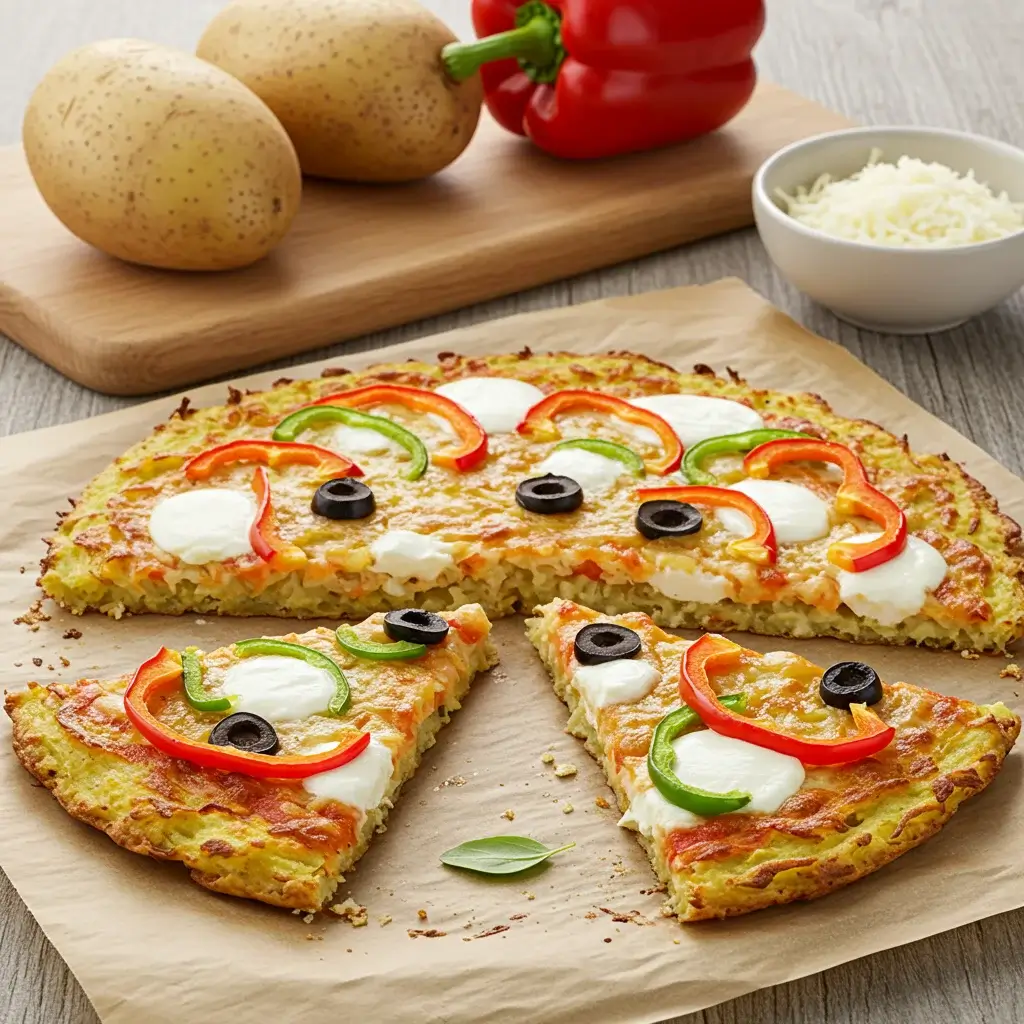
Pizza is a beloved dish around the world, and for good reason. It’s versatile, delicious, and can be customized to fit any dietary preference. Whether you’re a fan of traditional pizzas or looking for something a bit more unconventional, the Potato Crust Pizza with Mozzarella offers a unique twist that’s sure to tantalize your taste buds. In this article, we’ll explore how to make this delectable dish, its nutritional benefits, and some tips to perfect your homemade pizza experience.
Ingredients
Creating a delicious potato crust pizza requires a handful of simple ingredients. Here’s what you’ll need:
- 2 large potatoes
- 1 cup shredded mozzarella cheese
- 1/4 cup grated Parmesan cheese
- 1 tsp garlic powder
- 1 tsp dried oregano
- Salt and pepper to taste
- Toppings of your choice (e.g., bell peppers, mushrooms, olives)
These ingredients are easy to find and provide a base that’s both flavorful and satisfying. The combination of potatoes and cheese creates a rich, hearty crust that complements any toppings you choose.
Instructions
Making a potato crust pizza is straightforward. Follow these steps to achieve a perfect golden crust and delicious toppings:
- Preheat your oven to 425°F (220°C).
- Peel and grate the potatoes. Once grated, place them in a clean kitchen towel and squeeze out excess moisture to ensure the crust will be crisp.
- In a large bowl, mix the grated potatoes with mozzarella cheese, Parmesan cheese, garlic powder, oregano, salt, and pepper until well combined.
- Spread the potato mixture onto a baking sheet lined with parchment paper, forming a circular crust about 1/4-inch thick.
- Bake the crust in the preheated oven for 25-30 minutes or until it turns golden brown and firm.
- Remove from the oven and add your favorite toppings. Return the pizza to the oven and bake for an additional 10 minutes, or until the toppings are cooked and the cheese is melted.
- Slice and enjoy your homemade potato crust pizza!
Nutrition Facts
Understanding the nutritional content of your meals is crucial, especially if you’re mindful of your diet. Here’s the approximate nutritional breakdown per serving of this potato crust pizza:
- Calories: 220
- Protein: 10g
- Fat: 8g
- Carbohydrates: 30g
- Fiber: 3g
This pizza offers a balanced nutritional profile, providing a good amount of protein and fiber while keeping the calorie count reasonable. The combination of potatoes and cheese not only makes it filling but also satisfying for both your taste buds and your nutritional needs.
How to Serve
Potato crust pizza is incredibly versatile in terms of serving options, making it an ideal dish for various occasions and preferences. Here are several comprehensive suggestions on how to serve this delightful dish, ensuring that it caters to different tastes and settings:
As an Appetizer
Cut the pizza into smaller, bite-sized pieces to serve as an appetizer at parties, gatherings, or casual get-togethers. This approach allows your guests to sample this unique pizza variant without feeling overwhelmed by a large portion. To elevate the appetizer experience, consider pairing the potato crust pizza with a selection of dipping sauces, such as a tangy marinara, creamy ranch, or zesty garlic aioli. You can also garnish the pizza bites with fresh herbs like basil or parsley, adding a pop of color and flavor that will entice your guests. Presenting these mini slices on a rustic wooden board or a vibrant platter adds an appealing visual element, making it a standout hors d’oeuvre that sparks conversation.
As a Main Course
When serving potato crust pizza as a main course, consider complementing it with side dishes that enhance the overall dining experience. A fresh green salad, tossed with a light vinaigrette, provides a refreshing contrast to the hearty pizza. Incorporate seasonal vegetables or fruits, such as cherry tomatoes, cucumbers, or sliced avocados, to bring color and texture to the meal. Alternatively, you can serve a simple tomato soup on the side, which not only adds warmth but also balances the flavors of the pizza. For a more substantial meal, add protein-rich toppings to your pizza, like grilled chicken, sautéed mushrooms, or roasted vegetables. This not only enhances the dish nutritionally but also allows for a customizable dining experience that aligns with various dietary preferences.
As a Snack
Potato crust pizza makes an excellent snack option, whether enjoyed as a midday pick-me-up or a quick evening bite. Its balanced nutrition profile—including carbohydrates, healthy fats, and protein—makes it a satisfying choice that can keep you energized throughout the day. To make snacking more exciting, try experimenting with different toppings and flavors. For instance, create a breakfast-inspired version with scrambled eggs, cheese, and bacon, or opt for a Mediterranean twist with hummus, olives, and feta cheese. Additionally, consider serving smaller slices alongside a selection of fresh fruits or raw vegetables for a well-rounded snack that satisfies cravings while providing essential nutrients. This adaptability ensures that potato crust pizza can fit seamlessly into your daily routine, whether you’re looking for something savory or a bit more indulgent.
Pairing Suggestions
No serving of potato crust pizza is complete without the perfect beverage accompaniment. For a casual gathering, craft beers with hoppy or malty notes can complement the dish beautifully, while a light-bodied white wine, such as Sauvignon Blanc, enhances the flavors without overwhelming them. If you’re looking for a non-alcoholic option, consider serving sparkling water infused with fresh herbs or citrus fruits, which can refresh the palate and elevate the dining experience.
Conclusion
Potato crust pizza is not just a meal; it’s a versatile dish that can be tailored to fit various occasions and preferences. Whether served as an appetizer, main course, or snack, there are myriad ways to enhance the experience, making it a delightful addition to any menu. By incorporating complementary sides, toppings, and beverages, you can create a memorable culinary experience that highlights the unique qualities of this innovative pizza variant.
Additional Tips
To make your potato crust pizza experience even better, consider these additional tips:
Experiment with Toppings
When it comes to pizza, the sky’s the limit! Don’t hesitate to get creative with your toppings. While classic choices like pepperoni and bell peppers are always a hit, venturing beyond the traditional can lead to exciting flavor combinations. For a protein-packed option, try adding cooked chicken seasoned with herbs or spices that complement your sauce. This not only adds a satisfying texture but also increases the nutritional value of your pizza.
Incorporating fresh spinach can provide a burst of color and nutrients, while also balancing the richness of the cheese. Simply scatter a handful of fresh spinach leaves on top before baking to let them wilt slightly. For a heartier option, roasted vegetables such as zucchini, bell peppers, or even caramelized onions can add depth and sweetness. The roasting process intensifies the flavors and adds a deliciously smoky element to your pizza. Don’t be afraid to mix and match different toppings to create a personalized flavor profile that suits your palate.
Use a Cheese Blend
The choice of cheese can significantly affect the overall flavor and texture of your potato crust pizza. While mozzarella is a popular choice for its melting characteristics, consider using a cheese blend that includes varieties like cheddar or gouda. Cheddar adds a sharpness that can cut through the richness of the potato crust, while gouda brings a creamy, slightly nutty flavor that complements the other ingredients beautifully. Mixing different cheeses also enhances the complexity of flavors, making each bite more enjoyable. For a gourmet twist, you could even experiment with cheeses like fontina or blue cheese, which can provide unique flavors and aromas.
Pre-cook Some Toppings
For toppings that require longer cooking times, such as mushrooms, onions, or bell peppers, it’s a good idea to sauté them beforehand. Pre-cooking these ingredients ensures they are soft and flavorful by the time the pizza is ready to serve. Sautéing helps to release moisture from the vegetables, preventing your pizza from becoming soggy. For instance, caramelizing onions until they are golden brown can enhance their natural sweetness, adding a delightful contrast to the savory potato crust. Similarly, sautéing mushrooms with a touch of garlic and olive oil can elevate their earthy flavor profile. By taking the time to pre-cook certain toppings, you can achieve a more cohesive and delicious pizza.
Adjust the Spices
Seasoning plays a crucial role in elevating the flavor of your pizza. While the potato crust provides a hearty base, adjusting the spices can take your dish to the next level. Feel free to experiment with the seasoning to suit your taste preferences. A sprinkle of red pepper flakes can add a delightful kick of heat, while Italian herbs such as oregano, basil, and thyme can introduce a fresh, aromatic quality. You might also consider adding garlic powder or a drizzle of garlic-infused olive oil for an extra layer of flavor. Remember, the key to a great pizza is balance; ensure that the spices enhance rather than overpower the other ingredients. Taste as you go, and don’t be afraid to make adjustments until you find the perfect blend that excites your palate.
By incorporating these tips into your potato crust pizza-making process, you’ll not only enhance your culinary experience but also create a pizza that is uniquely yours. Happy cooking!
FAQs
11. Can I make this recipe gluten-free?
Yes, this pizza is naturally gluten-free because the crust is made from potatoes, which do not contain gluten. This makes it an excellent option for those with gluten sensitivities, celiac disease, or anyone simply looking to reduce gluten in their diet. However, it is crucial to pay attention to the additional toppings and seasonings you choose to use on your pizza. Many common pizza toppings, such as certain sauces, cheeses, and processed meats, can contain hidden gluten.
To ensure your pizza remains gluten-free, opt for fresh, whole ingredients whenever possible. For example, use fresh vegetables, unprocessed meats, and gluten-free sauces. If you’re using store-bought ingredients, always read labels carefully to check for gluten-containing additives or cross-contamination warnings. Additionally, consider gluten-free alternatives for any crust toppings, such as gluten-free pesto or tomato sauce, to maintain the integrity of your gluten-free pizza.
2. How can I store leftover pizza?
To preserve the quality and taste of your leftover pizza, store it in an airtight container or tightly wrap it with plastic wrap or aluminum foil. This will help keep moisture in and prevent the pizza from drying out. Place the container in the refrigerator, where it should remain fresh for up to 3 days.
When you’re ready to enjoy your leftovers, reheating is key to retaining the crust’s crispiness. The oven is the preferred method; preheat it to around 375°F (190°C) and place the pizza directly on the oven rack or on a baking sheet for approximately 10-15 minutes, or until heated through. Alternatively, you can reheat on a stovetop by placing the pizza in a skillet over medium-low heat, covering it with a lid to help melt the cheese and warm the toppings evenly. This method can also help revive the crust’s crispiness, giving you that freshly baked texture.
3. Can I make the crust ahead of time?
Absolutely! Preparing your crust ahead of time is a great way to save time on busy nights while still enjoying delicious homemade pizza. You can prepare the crust up to the point of baking, allowing you to simply assemble and bake your pizza when you’re ready.
To do this, make the potato crust according to the recipe instructions, and then spread it out on a baking sheet lined with parchment paper. Once it’s formed and ready, you can freeze the crust. Make sure to let it cool completely before wrapping it tightly in plastic wrap or transferring it to a freezer-safe container to avoid freezer burn.
When you’re ready to use the crust, you can bake it directly from the freezer. Just keep in mind that it may need a few extra minutes of cooking time, so check for doneness by ensuring the edges are golden and crispy. This method not only saves you time but also allows you to enjoy freshly made pizza whenever the craving strikes.
4. What type of potatoes work best for this recipe?
When it comes to making the perfect pizza crust from potatoes, the type of potato you choose can significantly affect the texture and flavor of your pizza. Russet potatoes are a popular choice, primarily due to their high starch content, which helps the crust hold together and achieve a desirable crispy exterior. Their fluffy interior makes them easy to mash and shape, creating a base that can stand up to various toppings.
However, you might consider experimenting with other varieties as well. Yukon Gold potatoes, for instance, have a slightly creamier texture and a naturally buttery flavor that can add a unique taste to your crust. Their medium starch content makes them a versatile option, providing a balance between fluffiness and structure.
For a twist on traditional flavors, you could also try red potatoes or even sweet potatoes. Red potatoes have a waxy texture, which can create a different mouthfeel, while sweet potatoes can impart natural sweetness and additional nutrients. The key is to thoroughly cook and mash the potatoes, allowing you to achieve the right consistency regardless of the variety you choose. Don’t hesitate to mix different types of potatoes to create a unique crust that suits your palate!
Conclusion
The Potato Crust Pizza with Mozzarella is a delightful and innovative take on traditional pizza, offering a crispy, flavorful crust that’s both gluten-free and packed with nutrients. With a simple list of ingredients and easy-to-follow instructions, this recipe is perfect for anyone looking to try something new in the kitchen. Whether you’re serving it as an appetizer, main course, or snack, this pizza is sure to impress your family and friends. Don’t forget to experiment with toppings and spices to make it uniquely yours. Happy cooking!
PrintPotato Crust Pizza with Mozzarella Recipe
Ingredients
- 2 large potatoes
- 1 cup shredded mozzarella cheese
- 1/4 cup grated Parmesan cheese
- 1 tsp garlic powder
- 1 tsp dried oregano
- Salt and pepper to taste
- Toppings of your choice (e.g., bell peppers, mushrooms, olives)
Instructions
- Preheat your oven to 425°F (220°C).
- Peel and grate the potatoes. Once grated, place them in a clean kitchen towel and squeeze out excess moisture to ensure the crust will be crisp.
- In a large bowl, mix the grated potatoes with mozzarella cheese, Parmesan cheese, garlic powder, oregano, salt, and pepper until well combined.
- Spread the potato mixture onto a baking sheet lined with parchment paper, forming a circular crust about 1/4-inch thick.
- Bake the crust in the preheated oven for 25-30 minutes or until it turns golden brown and firm.
- Remove from the oven and add your favorite toppings. Return the pizza to the oven and bake for an additional 10 minutes, or until the toppings are cooked and the cheese is melted.
- Slice and enjoy your homemade potato crust pizza!
Nutrition
- Serving Size: one normal portion
- Calories: 220
- Fat: 8g
- Carbohydrates: 30g
- Fiber: 3g
- Protein: 10g