There are mornings, and then there are those mornings. The ones where the alarm feels like a personal attack, the coffee maker is moving in slow motion, and the thought of making a nutritious breakfast feels like climbing a mountain. For the longest time, my solution was a grab-and-go bar or, I’ll admit, sometimes nothing at all. That all changed when I perfected this Protein-Packed Smoothie Bowl. It started as a personal quest for a post-workout refuel that didn’t feel like a chore, but it quickly became a family-wide obsession. My husband, who is notoriously skeptical of anything “too healthy,” now asks for his “breakfast ice cream.” The kids are so mesmerized by the vibrant colors and fun toppings that they have no idea they’re eating a bowl loaded with spinach, protein, and fiber. It’s the ultimate parenting win. This recipe isn’t just about food; it’s about transforming a chaotic morning into a moment of delicious, energizing calm. It’s the breakfast that powers our busiest days and makes us feel genuinely good from the inside out.
Why This Protein-Packed Smoothie Bowl is a Game-Changer
Before we dive into the recipe itself, let’s talk about what makes a smoothie bowl so fundamentally satisfying. Unlike a drinkable smoothie, a smoothie bowl is thick, creamy, and eaten with a spoon. This simple difference is psychologically powerful. The act of chewing and the variety of textures from toppings send signals to your brain that you’re eating a substantial meal, leading to greater satiety and preventing that mid-morning snack attack.
This specific recipe is engineered for peak performance and flavor. It strikes the perfect balance between macronutrients—high-quality protein for muscle repair and satiety, complex carbohydrates from fruit for sustained energy, and healthy fats from seeds and toppings for brain health and nutrient absorption. It’s not just breakfast; it’s a complete nutritional strategy to start your day strong.
The Ultimate Protein-Packed Smoothie Bowl Recipe
Here is the foundational recipe that has become a staple in my kitchen. It’s delicious on its own but also serves as the perfect canvas for your creativity.
Ingredients You’ll Need
- Frozen Banana: 1 large, ripe, peeled and sliced before freezing
- Frozen Mixed Berries: 1 cup (a mix of strawberries, blueberries, raspberries, and blackberries works best)
- Protein Powder: 1 scoop (approx. 30g) of your favorite vanilla or unflavored protein powder
- Plain Greek Yogurt: ½ cup (use full-fat for extra creaminess or non-fat for a lighter option)
- Unsweetened Almond Milk: ¼ to ½ cup (or any milk of your choice, start with less)
- Fresh Spinach: 1 large handful (about 1 cup, packed)
- Chia Seeds: 1 tablespoon (optional, for extra fiber and omega-3s)
Step-by-Step Instructions
- Prepare Your Blender: The key to a thick smoothie bowl is using a high-powered blender. If you don’t have one, don’t worry—you can still achieve a great texture, it might just take a bit more patience.
- Layer Your Ingredients: Add the ingredients to your blender in the following order for the most efficient blending: first, the liquid (start with just ¼ cup of almond milk), then the Greek yogurt, spinach, chia seeds, protein powder, and finally, top with the frozen fruit (berries and banana). Placing the frozen ingredients on top helps push everything down towards the blades.
- Start Blending: Begin blending on a low speed to break up the ingredients, then gradually increase to high speed. Use your blender’s tamper (if it has one) to push the frozen fruit down into the blades. If you don’t have a tamper, you may need to stop the blender and scrape down the sides with a spatula a few times.
- Achieve the Right Consistency: The goal is a thick, spoonable, soft-serve ice cream consistency. If the mixture is too thick and your blender is struggling, add the remaining almond milk one tablespoon at a time until it blends smoothly. Be very careful not to add too much liquid, as this is the most common mistake that leads to a runny smoothie.
- Serve Immediately: Once the smoothie is perfectly thick and creamy with no lumps, pour it into a chilled bowl. Work quickly, as it will start to melt.
- Add Your Toppings: This is where the magic happens! Decorate your bowl with your favorite toppings (see our suggestions below) and enjoy immediately with a spoon.
Nutrition Facts (Estimated)
- Servings: 1 large bowl
- Calories per serving: Approximately 450-550 kcal (this can vary significantly based on your specific protein powder and toppings)
Disclaimer: The nutritional information provided is an estimate and will change based on the exact brands, ingredients, and topping choices you use.
Preparation & Total Time
- Preparation Time: 5 minutes
- Total Time: 5-7 minutes
A Deep Dive into Our Powerhouse Ingredients
Understanding why we choose each ingredient can help you appreciate the nutritional punch this bowl packs and empower you to make smart substitutions.
The Creamy Base: Frozen Fruit
The use of frozen fruit is non-negotiable for achieving that coveted thick, ice-cream-like texture.
- Frozen Banana: This is the undisputed king of smoothie bowl bases. When frozen and blended, bananas become incredibly creamy and add natural sweetness, often eliminating the need for any added sugars. They are also a great source of potassium, which is vital for balancing fluids and muscle contractions.
- Frozen Mixed Berries: Berries are a low-sugar fruit packed with powerful antioxidants (like anthocyanins, which give them their rich color), vitamins (especially Vitamin C), and fiber. Using a mix adds a complex, tart flavor that beautifully balances the sweet banana.
The Protein Punch: Choosing Your Powder
The protein powder is what elevates this from a simple fruit smoothie to a muscle-building, hunger-crushing meal.
- Whey Protein: A dairy-based protein, it’s a complete protein (containing all nine essential amino acids) and is typically absorbed quickly, making it ideal for post-workout recovery. Whey isolate is a more filtered version with less fat and lactose than whey concentrate.
- Casein Protein: Another dairy protein, casein is absorbed slowly, providing a steady release of amino acids. This can make your smoothie bowl even more satiating.
- Plant-Based Protein: For those who are vegan or dairy-sensitive, there are fantastic options like pea, soy, hemp, or brown rice protein. Look for a blend of different plant sources to ensure you’re getting a complete amino acid profile. Vanilla or unflavored varieties tend to be the most versatile.
The Gut-Health Hero: Greek Yogurt
Greek yogurt is a thick, strained yogurt that does double duty in this recipe. First, it adds a significant amount of extra protein. Second, its tangy flavor cuts through the sweetness of the fruit. Most importantly, it’s a fantastic source of probiotics—beneficial bacteria that support a healthy gut microbiome, which is linked to better digestion, a stronger immune system, and even improved mental health.
The Unseen Green: Spinach
Don’t be afraid of adding spinach! A large handful will completely disappear into the vibrant berry color, and its mild flavor is entirely masked by the other ingredients. What it does add is an incredible nutritional boost. Spinach is loaded with iron, calcium, magnesium, and vitamins A, C, and K. It’s the easiest, most tasteless way to sneak a serving of greens into your breakfast.
How to Serve: The Art of the Topping
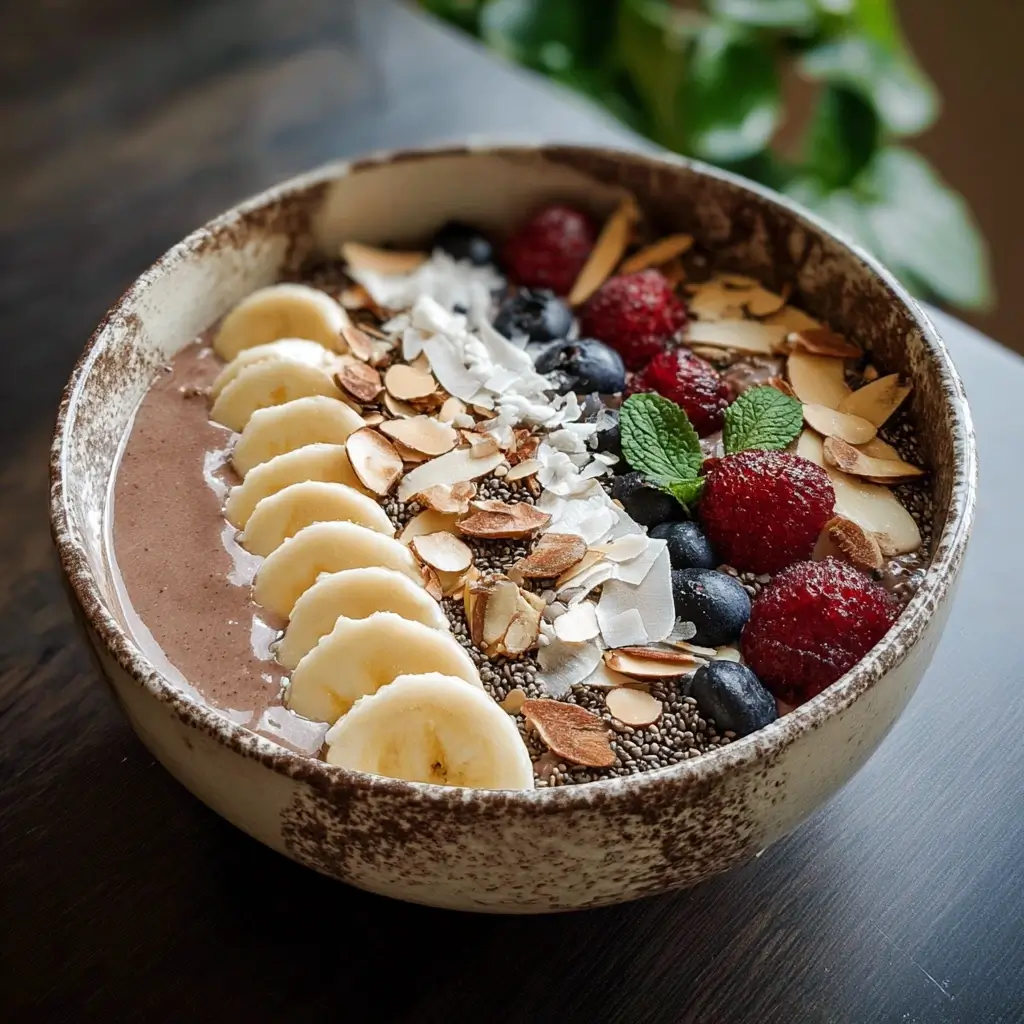
Serving a smoothie bowl is a creative process. The toppings not only add visual appeal but are crucial for adding texture, healthy fats, and even more nutrients. Arrange them in neat lines, sprinkle them artfully, or just pile them on. Here are some ideas categorized by what they bring to the party:
- For a Satisfying Crunch:
- Low-sugar granola or muesli
- Chopped almonds, walnuts, or pecans
- Pumpkin seeds (pepitas) or sunflower seeds
- Cacao nibs for a bitter, chocolatey crunch
- Toasted coconut flakes
- For Freshness and Flavor:
- Sliced fresh banana
- Fresh berries (blueberries, sliced strawberries, raspberries)
- Kiwi slices or mango chunks
- Pomegranate arils for a juicy burst
- For a Healthy Fat & Fiber Boost:
- A drizzle of almond, peanut, or cashew butter
- A sprinkle of chia seeds (whole or ground)
- A sprinkle of ground flaxseed or hemp hearts
- Half a sliced avocado on the side or even blended in for extra creaminess
- For a Drizzle of Extra Sweetness (Use Sparingly):
- A light drizzle of raw honey
- A touch of pure maple syrup
- A sprinkle of bee pollen
Additional Tips for the Perfect Smoothie Bowl Every Time
After making hundreds of these bowls, I’ve learned a few tricks that guarantee success.
- The “Less is More” Liquid Rule. This is the most critical tip. Always start with the absolute minimum amount of liquid your recipe calls for. You can always add more, but you can’t take it out. A runny smoothie bowl is just a sad, regular smoothie in a bowl. Add liquid one tablespoon at a time only when your blender needs it.
- A Powerful Blender is Your Best Friend. While any blender can work with enough patience, a high-speed blender (like a Vitamix or Blendtec) makes the process effortless. It can pulverize frozen ingredients with very little liquid, creating the smoothest, thickest possible texture in seconds. If your blender is less powerful, make sure your fruit is chopped into smaller pieces before freezing.
- Flash-Freeze Your Serving Bowl. This is a pro-level trick that makes a huge difference. While you’re blending your ingredients, pop your serving bowl into the freezer. Pouring the smoothie into a chilled bowl will slow down the melting process, giving you more time to add your toppings and enjoy it at the perfect consistency.
- Work Quickly and Efficiently. Have your toppings prepped and ready to go before you even start blending. Smoothie bowls begin to melt the moment the blender stops. Blend, pour, top, and eat. Don’t let your beautiful creation turn into soup while you search the pantry for granola.
- Master the Art of Smoothie Packs. For the ultimate fast breakfast, create freezer-safe smoothie packs. In a zip-top bag or reusable silicone bag, combine the pre-portioned frozen banana, frozen berries, spinach, and chia seeds. In the morning, all you have to do is dump the contents of the bag into your blender, add your protein powder, yogurt, and milk, and blend. This cuts prep time down to under two minutes.
Customizing Your Bowl: Variations & Swaps
This recipe is a fantastic starting point, but feel free to make it your own!
Tropical Mango Tango Bowl
- Swap: Replace mixed berries with 1 cup of frozen mango chunks and ½ cup of frozen pineapple.
- Use: Coconut milk instead of almond milk.
- Protein: A vanilla or plain protein powder works best.
- Top with: Toasted coconut flakes, fresh kiwi slices, and macadamia nuts.
Chocolate Peanut Butter Dream Bowl
- Base: Keep the frozen banana.
- Add: 1-2 tablespoons of unsweetened cocoa powder and 1 tablespoon of natural peanut butter (or powdered peanut butter for a lower-fat option) directly into the blender.
- Protein: Use a chocolate or peanut butter flavored protein powder.
- Top with: A drizzle of melted peanut butter, cacao nibs, and a few slices of fresh banana.
Lean Green Power Bowl
- Fruit: Use 1 frozen banana and ½ cup frozen pineapple.
- Greens: Add the handful of spinach PLUS ½ a small avocado (for ultimate creaminess and healthy fats).
- Liquid: Use unsweetened almond milk or plain water.
- Protein: An unflavored or vanilla protein powder is ideal.
- Top with: Hemp hearts, pumpkin seeds, and fresh blueberries.
Vegan & Dairy-Free Version
- Yogurt: Simply swap the Greek yogurt for a dairy-free alternative like coconut yogurt, soy yogurt, or almond-based yogurt. You can also omit it entirely and add ¼ of an avocado for creaminess.
- Protein: Ensure you are using a certified plant-based protein powder (pea, soy, hemp, etc.).
- Milk: Use any plant-based milk like almond, soy, oat, or coconut milk.
Frequently Asked Questions (FAQ)
1. Why is my smoothie bowl always runny?
This is the most common issue and almost always comes down to one thing: too much liquid. The ratio of frozen ingredients to liquid is paramount. For a single-serving bowl, you should rarely need more than ½ cup of liquid, and often just ¼ cup is enough. Always start with less and add it slowly. The other culprit could be using fresh fruit instead of frozen. Frozen fruit is essential for a thick texture.
2. Can I make this smoothie bowl without protein powder?
Absolutely! The protein powder is there for the “protein-packed” element, which aids in satiety and muscle recovery. If you omit it, you will still have a delicious and healthy smoothie bowl. To compensate for the lost protein and thickness, you can increase the Greek yogurt to a full cup or add 2-3 tablespoons of hemp hearts, which are a great source of plant-based protein.
3. Can I meal prep smoothie bowls for the week?
You can’t fully blend them ahead of time, as they will melt and separate in the fridge. However, you can (and should!) prep the dry and frozen components. As mentioned in the tips, create individual freezer packs with your pre-portioned frozen fruit, spinach, and seeds. Store them in the freezer. This makes your morning assembly incredibly fast—just dump a pack into the blender with your liquid, yogurt, and protein powder.
4. What is the best blender for making thick smoothie bowls?
A high-powered blender (like a Vitamix, Blendtec, or a high-end Ninja) is the gold standard because its powerful motor and effective tamper can churn through frozen ingredients with minimal liquid. However, you don’t need the most expensive model to succeed. Many personal blenders (like a NutriBullet) can also work well, but you may need to stop and shake them or use a spatula to move the ingredients around, and you might need to add a tiny bit more liquid to get things moving.
5. Is a smoothie bowl healthier than a regular smoothie?
Not necessarily—it all depends on the ingredients. A smoothie bowl can become less healthy if it’s overloaded with high-sugar toppings like sweetened granola, chocolate chips, and large amounts of honey or syrup. The primary health advantage of a bowl over a drinkable smoothie is often related to portion control and satiety. Because you eat it slowly with a spoon and it contains textured toppings, your body and brain register it as a more substantial meal, which can lead to better appetite control throughout the day.
Protein-Packed Smoothie Bowl Recipe
Ingredients
- Frozen Banana: 1 large, ripe, peeled and sliced before freezing
- Frozen Mixed Berries: 1 cup (a mix of strawberries, blueberries, raspberries, and blackberries works best)
- Protein Powder: 1 scoop (approx. 30g) of your favorite vanilla or unflavored protein powder
- Plain Greek Yogurt: ½ cup (use full-fat for extra creaminess or non-fat for a lighter option)
- Unsweetened Almond Milk: ¼ to ½ cup (or any milk of your choice, start with less)
- Fresh Spinach: 1 large handful (about 1 cup, packed)
- Chia Seeds: 1 tablespoon (optional, for extra fiber and omega-3s)
Instructions
- Prepare Your Blender: The key to a thick smoothie bowl is using a high-powered blender. If you don’t have one, don’t worry—you can still achieve a great texture, it might just take a bit more patience.
- Layer Your Ingredients: Add the ingredients to your blender in the following order for the most efficient blending: first, the liquid (start with just ¼ cup of almond milk), then the Greek yogurt, spinach, chia seeds, protein powder, and finally, top with the frozen fruit (berries and banana). Placing the frozen ingredients on top helps push everything down towards the blades.
- Start Blending: Begin blending on a low speed to break up the ingredients, then gradually increase to high speed. Use your blender’s tamper (if it has one) to push the frozen fruit down into the blades. If you don’t have a tamper, you may need to stop the blender and scrape down the sides with a spatula a few times.
- Achieve the Right Consistency: The goal is a thick, spoonable, soft-serve ice cream consistency. If the mixture is too thick and your blender is struggling, add the remaining almond milk one tablespoon at a time until it blends smoothly. Be very careful not to add too much liquid, as this is the most common mistake that leads to a runny smoothie.
- Serve Immediately: Once the smoothie is perfectly thick and creamy with no lumps, pour it into a chilled bowl. Work quickly, as it will start to melt.
- Add Your Toppings: This is where the magic happens! Decorate your bowl with your favorite toppings (see our suggestions below) and enjoy immediately with a spoon.
Nutrition
- Serving Size: One Normal Portion
- Calories: 450-550