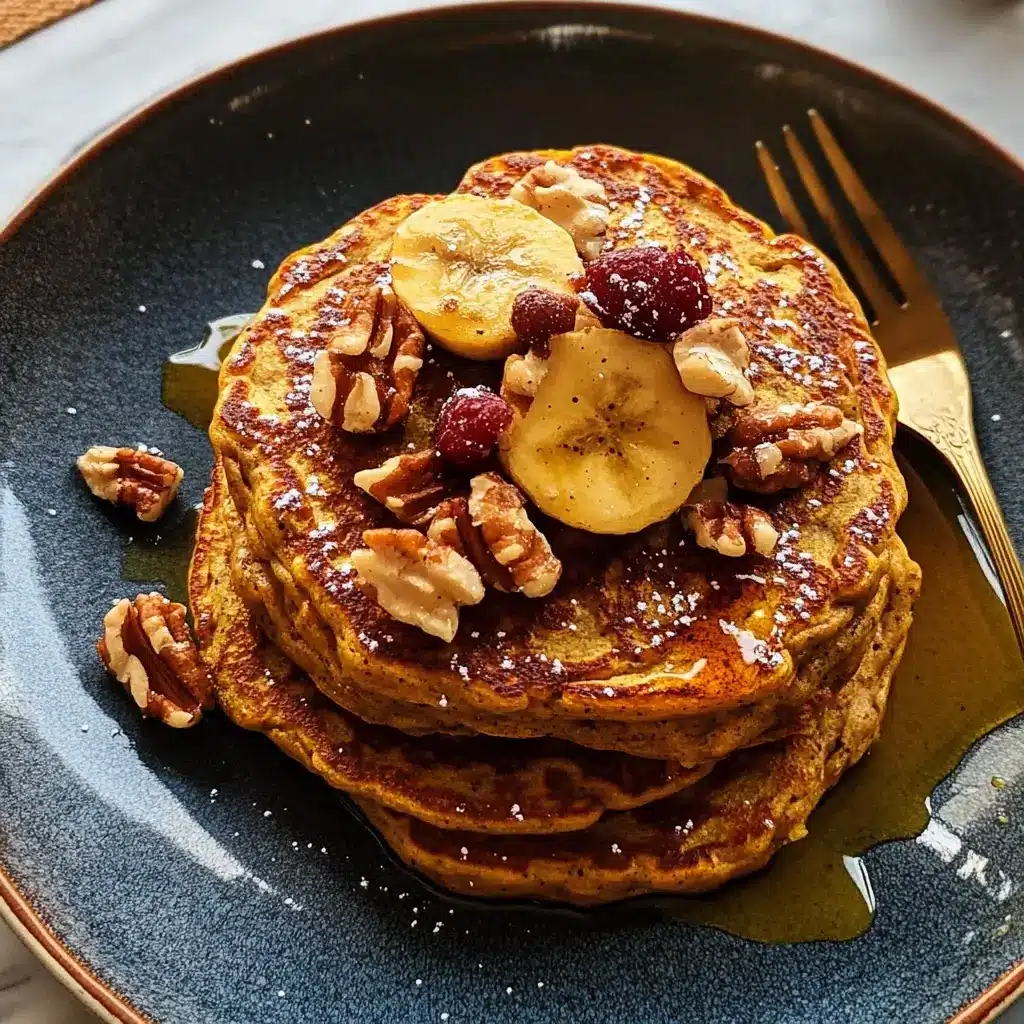

Pumpkin protein pancakes have become a delightful staple in our home, especially as the cozy flavors of autumn roll in. There’s something truly magical about waking up on a crisp morning to the aroma of pumpkin spice filling the kitchen, and these pancakes deliver that experience in spades, but with a healthy twist. What I particularly love about this recipe, created by Christine Byrne, is how it manages to pack in a protein punch without relying on protein powder. My family, always eager taste testers, absolutely devoured them. Even my kids, who can be a bit picky with breakfast, asked for seconds, which is always a winning sign! The texture is wonderfully fluffy and moist, not at all dense or rubbery like some protein pancakes can be. And the subtle sweetness from the pumpkin and maple syrup is just perfect, not overly sugary but satisfyingly delicious. If you’re looking for a breakfast that’s both wholesome and indulgent, that feels like a treat but fuels your day with goodness, then these pumpkin protein pancakes are an absolute must-try. They’ve quickly become a weekend morning favorite in our house, and I have a feeling they will in yours too.
Ingredients
The beauty of these pumpkin protein pancakes lies in their simple yet powerful ingredient list. Each component plays a vital role in creating a breakfast that’s not only delicious but also packed with nutrients. Let’s delve into each ingredient and understand its contribution to this delightful recipe:
- 2 Large Eggs: Eggs are the foundational protein source in this recipe, eliminating the need for protein powder. They are nutritional powerhouses, loaded with high-quality protein, essential vitamins, and minerals. Eggs contribute to the structure and richness of the pancakes, binding the ingredients together and creating that desirable fluffy texture. Beyond protein, eggs are rich in choline, important for brain health, and lutein and zeaxanthin, antioxidants beneficial for eye health. Using large eggs ensures the right balance of wet to dry ingredients, crucial for achieving the perfect pancake consistency. For those conscious about sourcing, opting for pasture-raised or organic eggs can further enhance the nutritional profile and ethical considerations.
- ¾ Cup Plain 2-Percent-Fat Greek Yogurt: Greek yogurt is the secret weapon for boosting the protein content and moisture of these pancakes. Unlike regular yogurt, Greek yogurt is strained to remove whey, resulting in a thicker, creamier texture and significantly higher protein content. The 2-percent fat version provides a good balance of richness without being overly heavy, contributing to the pancakes’ tender crumb. The tanginess of Greek yogurt also complements the sweetness of the pumpkin and maple syrup, adding a subtle complexity to the flavor profile. Beyond protein, Greek yogurt is an excellent source of calcium and probiotics, beneficial for bone health and gut health, respectively. Ensure you are using plain, unsweetened Greek yogurt, as flavored varieties often contain added sugars that are unnecessary in this recipe.
- ½ Cup Canned Pumpkin: Canned pumpkin is the star flavor and a nutritional powerhouse in these pancakes. It provides that signature pumpkin spice flavor, vibrant color, and moistness. Importantly, canned pumpkin is packed with Vitamin A, crucial for vision, immune function, and skin health. It’s also a good source of fiber, contributing to the overall fiber content of the pancakes and aiding in digestive health and satiety. Make sure you’re using 100% pure canned pumpkin puree, not pumpkin pie filling, which contains added sugars and spices that would alter the recipe’s intended flavor and nutritional profile. The smooth texture of canned pumpkin blends seamlessly into the batter, creating a consistent and delightful pancake.
- Maple Syrup, Divided: Maple syrup serves a dual purpose in this recipe: it adds sweetness to the batter and acts as a delicious topping. Using maple syrup as the primary sweetener keeps the recipe naturally sweetened and avoids refined sugars. Maple syrup also contributes a unique depth of flavor that complements the pumpkin spice beautifully. Opt for pure maple syrup rather than pancake syrup, which is often made with corn syrup and artificial flavors. The recipe calls for divided maple syrup, indicating that some is incorporated into the batter for subtle sweetness, while the rest is reserved for drizzling over the finished pancakes, allowing for customizable sweetness levels.
- ½ Teaspoon Vanilla Extract: Vanilla extract is a flavor enhancer that elevates the overall taste profile of these pancakes. It adds a warm, aromatic note that complements the pumpkin spice and maple syrup, creating a more complex and inviting flavor. A little vanilla extract goes a long way, and even a small amount can significantly enhance the perceived sweetness and richness of the pancakes. Using pure vanilla extract, rather than imitation vanilla, will provide the best flavor.
- ½ Cup Whole Wheat Flour: Whole wheat flour is a key ingredient for adding fiber and whole grains to these pancakes, making them a more nutritious breakfast option. Compared to white flour, whole wheat flour retains the bran and germ of the wheat kernel, which are rich in fiber, vitamins, and minerals. The fiber content contributes to satiety, helping you feel fuller for longer, and aids in digestive health. Whole wheat flour also provides a slightly nuttier and heartier flavor that complements the other ingredients in the recipe. When measuring flour, use the “spoon and level” method to avoid packing it too tightly, which can result in dry pancakes.
- ¼ Cup Rolled Oats: Rolled oats are another source of fiber and whole grains in these pancakes, further boosting their nutritional value and adding a delightful texture. Oats contribute a subtle chewiness and nuttiness to the pancakes, enhancing their overall mouthfeel. Like whole wheat flour, oats are rich in fiber, particularly soluble fiber, which is known to help lower cholesterol levels and promote heart health. Using rolled oats rather than instant oats is recommended for better texture and nutritional benefits.
- 1 Teaspoon Baking Powder: Baking powder is the leavening agent that makes these pancakes light and fluffy. It creates air bubbles in the batter, causing the pancakes to rise and become airy during cooking. Ensure your baking powder is fresh for optimal leavening power. Double-acting baking powder is commonly used in baking and reacts in two stages: once when mixed with liquid and again when heated. This double action ensures a consistent rise and fluffy texture.
- 1 Pinch Salt: A pinch of salt might seem insignificant, but it plays a crucial role in enhancing the flavors of all the other ingredients in the pancakes. Salt balances the sweetness and brings out the subtle nuances of the pumpkin spice, vanilla, and maple syrup. It also helps to control the activity of the baking powder, contributing to a more even rise. Use regular table salt or sea salt.
- ¼ Teaspoon Pumpkin Pie Spice: Pumpkin pie spice is the quintessential flavor of fall and adds that warm, comforting aroma and taste to these pancakes. It’s typically a blend of spices like cinnamon, ginger, nutmeg, and cloves. Pumpkin pie spice perfectly complements the pumpkin puree and maple syrup, creating that classic pumpkin spice flavor profile. If you don’t have pumpkin pie spice on hand, you can make your own blend using these individual spices.
- 20 Pecan Halves, Chopped: Pecan halves, chopped, are used as a delicious and nutritious topping for these pancakes. They add a satisfying crunch, nutty flavor, and healthy fats. Pecans are a good source of monounsaturated fats, which are beneficial for heart health. They also provide antioxidants and minerals. Chopping the pecans allows them to be evenly distributed over the pancakes and makes them easier to eat. You can toast the pecans lightly before chopping to enhance their flavor and crunch even further. If you have nut allergies or prefer a different topping, you can substitute with other nuts like walnuts or almonds, or seeds like pumpkin seeds or sunflower seeds.
Instructions
Creating these wholesome and flavorful pumpkin protein pancakes is a straightforward process, broken down into easy-to-follow steps. Let’s walk through each stage of the recipe to ensure pancake perfection:
Step 1: Combine Wet Ingredients
In a medium-sized mixing bowl, begin by cracking and beating the two large eggs. Whisk the eggs vigorously for about a minute until they are light and slightly frothy. This step is important as it incorporates air into the eggs, contributing to the fluffiness of the pancakes. Next, add the ¾ cup of plain 2-percent-fat Greek yogurt to the bowl. Gently stir the yogurt into the beaten eggs until it is well combined. Follow by adding the ½ cup of canned pumpkin puree. Incorporate the pumpkin into the egg and yogurt mixture, ensuring it’s smooth and evenly distributed. Pour in 1 tablespoon of maple syrup to add a touch of sweetness to the batter and enhance the pumpkin flavor. Finally, add ½ teaspoon of vanilla extract to enrich the flavor profile. Stir all the wet ingredients together until they are thoroughly combined and you have a smooth, homogenous mixture. Set this bowl aside while you prepare the dry ingredients.
Step 2: Combine Dry Ingredients
In a separate, clean mixing bowl, prepare the dry ingredients. Measure out ½ cup of whole wheat flour and add it to the bowl. Next, add ¼ cup of rolled oats. Ensure you are using rolled oats and not instant oats for the best texture. Add 1 teaspoon of baking powder to the dry ingredients. Make sure your baking powder is fresh for optimal leavening. Add a pinch of salt, about ⅛ teaspoon, to enhance the flavors. Finally, add ¼ teaspoon of pumpkin pie spice to infuse the dry ingredients with that classic autumnal aroma. Whisk all the dry ingredients together thoroughly. This step is crucial for evenly distributing the baking powder and spices throughout the flour mixture, ensuring consistent leavening and flavor in every pancake.
Step 3: Combine Wet and Dry Ingredients
This step brings together the wet and dry components to form the pancake batter. Gradually add the dry ingredients to the bowl of wet ingredients. Add about one-third of the dry mixture to the wet mixture and gently stir to combine. Continue adding the dry ingredients in two more additions, stirring after each addition until just combined. It’s important not to overmix the batter at this stage. Overmixing can develop the gluten in the flour, resulting in tough pancakes. Stir just until the dry ingredients are incorporated and there are no large lumps of flour remaining. A few small lumps are perfectly acceptable and will disappear during cooking. The batter should be thick but pourable. If it seems too thick, you can add a tablespoon or two of milk or water to thin it slightly, but it should be relatively thick for protein pancakes.
Step 4: Cook the Pancakes
Place a large nonstick skillet or griddle over medium-low heat. Coat the surface of the skillet lightly with cooking spray or a small amount of butter or oil. Allow the skillet to heat up properly. To test if the skillet is ready, you can drop a tiny droplet of batter onto the surface; it should sizzle gently. Once the skillet is heated, use a heaping ⅓ cup measuring cup to scoop the batter and drop it onto the hot skillet for each pancake. Leave some space between each pancake to allow for spreading. Cook the pancakes over medium-low heat for about 3 minutes per side. You’ll know it’s time to flip when the underside is golden brown and bubbles start to form on the top surface of the pancake and begin to pop. Carefully flip each pancake using a spatula. Cook the flipped side for another 3 minutes, or until it is also golden brown and cooked through. The pancakes should be lightly golden brown on both sides and cooked through in the center. Repeat this process with the remaining batter, adding more cooking spray to the skillet as needed between batches.
Step 5: Top and Serve
Once all the pancakes are cooked, it’s time to top them and serve. Arrange the warm pumpkin protein pancakes on plates. Sprinkle the chopped pecan halves evenly over the pancakes. Drizzle the remaining maple syrup over the pancakes according to your desired level of sweetness. Serve immediately and enjoy the warm, fluffy, and protein-packed pumpkin pancakes.
Step 6: Store Leftovers (Optional)
If you have any leftover pancakes, allow them to cool completely to room temperature. Once cooled, store the leftover pancakes in an airtight container in the refrigerator. They can be stored in the fridge for up to 3 days. To reheat, you can gently warm them in a toaster, microwave, or skillet until heated through. Alternatively, if you have leftover batter, you can store it in an airtight container in the refrigerator for up to 4 days. The batter may thicken slightly upon standing, so you may need to add a tablespoon or two of milk or water to thin it to the desired consistency before cooking.
Nutrition Facts
Understanding the nutritional profile of your food is essential, especially when aiming for a balanced and healthy diet. These Pumpkin Protein Pancakes are designed to be both delicious and nutritious. Here’s a breakdown of the nutrition facts per serving, as provided by the original recipe, for 3 large pancakes with toppings:
Servings: Makes 2 Servings (each serving is 3 large pancakes)
Calories Per Serving: 415 calories
Macronutrient Breakdown Per Serving:
- Fat: 16 grams
- Saturated Fat: 3 grams
- Carbohydrates: 49 grams
- Sugar: 15 grams
- Fiber: 7 grams
- Protein: 22 grams
Detailed Nutritional Highlights:
- High Protein: With 22 grams of protein per serving, these pancakes are an excellent source of protein. Protein is crucial for muscle building and repair, satiety, and overall metabolic function. The protein primarily comes from the eggs and Greek yogurt, making it a natural and wholesome protein source.
- Good Source of Fiber: Providing 7 grams of fiber per serving, these pancakes contribute significantly to your daily fiber intake. Fiber is essential for digestive health, helps regulate blood sugar levels, promotes satiety, and can contribute to heart health. The fiber content comes from whole wheat flour, rolled oats, and pumpkin puree.
- Moderate Calorie Count: At 415 calories per serving, these pancakes are a substantial and satisfying breakfast without being excessively high in calories. The calorie count is balanced by the high protein and fiber content, which helps promote fullness and prevent overeating later in the day.
- Healthy Fats: The 16 grams of fat per serving include 3 grams of saturated fat, with the majority being unsaturated fats. These healthy fats come from the pecans, eggs, and Greek yogurt. Unsaturated fats are beneficial for heart health and overall well-being.
- Moderate Carbohydrate Content: With 49 grams of carbohydrates, these pancakes provide energy for your day. A significant portion of these carbs are complex carbohydrates from whole wheat flour and oats, which are digested more slowly than simple carbohydrates, providing sustained energy release.
- Moderate Sugar Content: The 15 grams of sugar per serving come primarily from the maple syrup and naturally occurring sugars in pumpkin and yogurt. While it’s important to be mindful of sugar intake, the sugar in this recipe is relatively moderate and balanced by the fiber and protein content.
- Vitamins and Minerals: Beyond the macronutrients, these pancakes are also a good source of various vitamins and minerals. Pumpkin is rich in Vitamin A and potassium. Eggs are a good source of choline, riboflavin, and selenium. Greek yogurt provides calcium and vitamin B12. Whole wheat flour and oats contribute iron and magnesium.
Nutritional Considerations:
- Portion Control: The nutrition facts are based on a serving size of 3 large pancakes. Adjusting the serving size will affect the calorie and nutrient intake.
- Topping Variations: The nutritional information includes the pecan and maple syrup topping. Adding extra toppings like fruit, nuts, seeds, or chocolate chips will alter the nutritional values.
- Individual Needs: Nutritional needs vary based on individual factors like activity level, age, and health goals. These pancakes can be a healthy part of a balanced diet for most individuals, but those with specific dietary needs should consider their individual requirements.
Overall, these Pumpkin Protein Pancakes offer a balanced nutritional profile, making them a healthy and satisfying breakfast or brunch option. They are a good source of protein and fiber, moderate in calories, and provide essential vitamins and minerals.
Preparation Time
One of the many appealing aspects of these Pumpkin Protein Pancakes is their quick preparation time. Perfect for busy mornings or when you crave a wholesome breakfast without spending hours in the kitchen, this recipe is designed for efficiency. Here’s a breakdown of the preparation time:
Total Time: 20 minutes
This total time encompasses all stages, from gathering ingredients to serving the final pancakes. Let’s break it down further:
- Prep Time: Approximately 10 minutes
- Gathering Ingredients: This includes taking out all the necessary ingredients from your pantry and refrigerator. Having everything readily available streamlines the process.
- Measuring Ingredients: Accurately measuring out the ingredients is crucial for recipe success. This step takes a few minutes, especially when measuring both wet and dry components separately.
- Mixing Wet Ingredients: Beating the eggs and combining them with Greek yogurt, pumpkin, maple syrup, and vanilla extract takes just a couple of minutes.
- Mixing Dry Ingredients: Whisking together the whole wheat flour, rolled oats, baking powder, salt, and pumpkin pie spice is quick and efficient.
- Combining Wet and Dry Ingredients: Gradually adding the dry to the wet and stirring until just combined is a brief step, requiring carefulness not to overmix.
- Cook Time: Approximately 10 minutes
- Heating Skillet: Allowing the nonstick skillet to heat up properly over medium-low heat takes a few minutes to ensure even cooking.
- Cooking Pancakes (per batch): Each batch of pancakes cooks for about 6 minutes in total (3 minutes per side). Given the recipe yields 2 servings (6 pancakes total), you might cook in two batches depending on the size of your skillet.
- Flipping Pancakes: Flipping each pancake and ensuring it cooks evenly on both sides contributes to the cook time.
Time-Saving Tips:
- Mise en Place: Practicing “mise en place,” which means “everything in its place,” can significantly speed up the prep time. Measure out all ingredients before you start mixing.
- Efficient Mixing: Use a whisk for both wet and dry ingredients to ensure quick and even mixing. Avoid overmixing the batter.
- Preheat Skillet While Prepping: Start heating the skillet while you are preparing the batter to save time. It will be ready to go as soon as the batter is mixed.
- Cook in Batches: Depending on the size of your skillet, you can cook multiple pancakes at once to reduce the overall cook time.
- Leftover Batter: If you’re short on time one morning, you can prepare the batter the night before and store it in the refrigerator. This significantly reduces the morning prep time.
Preparation Time Benefits:
- Quick Weekday Breakfast: The 20-minute preparation time makes these pancakes ideal for busy weekday mornings when you want a healthy and satisfying breakfast without spending too much time cooking.
- Easy Weekend Brunch: They are also perfect for a leisurely weekend brunch. The short prep time allows you to enjoy a delicious homemade meal without being stuck in the kitchen for long.
- Convenient and Efficient: The recipe is designed to be straightforward and efficient, making it accessible for even beginner cooks.
In conclusion, the 20-minute total preparation time for these Pumpkin Protein Pancakes makes them a wonderfully convenient and time-saving option for a nutritious and delicious breakfast or brunch.
How to Serve
Serving these Pumpkin Protein Pancakes is where you can truly get creative and tailor them to your preferences. They are delicious on their own, but a few thoughtful serving suggestions can elevate them from a great breakfast to an exceptional culinary experience. Here are some ideas on how to serve these protein-packed delights:
- Classic Maple Syrup Drizzle: The recipe already includes maple syrup, and a generous drizzle of pure maple syrup is a classic and timeless topping that perfectly complements the pumpkin spice flavors. Warm maple syrup slightly for an even more luxurious experience.
- Fresh Fruit Medley: Add a burst of freshness and natural sweetness by topping your pancakes with a variety of fresh fruits. Consider:
- Berries: Blueberries, raspberries, strawberries, or blackberries add vibrant color, antioxidants, and a touch of tartness.
- Sliced Bananas: Bananas provide natural sweetness and creaminess.
- Diced Apples or Pears: Sautéed or fresh diced apples or pears, especially with a sprinkle of cinnamon, enhance the autumnal flavors.
- Orange Segments: Orange segments offer a bright, citrusy counterpoint to the richness of the pancakes.
- Nut Butter Swirl: For an extra protein boost and creamy texture, swirl a spoonful of your favorite nut butter over the pancakes.
- Peanut Butter: Classic and comforting, peanut butter pairs wonderfully with pumpkin spice.
- Almond Butter: Almond butter offers a slightly milder, nutty flavor.
- Cashew Butter: Cashew butter is incredibly creamy and adds a subtle sweetness.
- Sunflower Seed Butter: For a nut-free option, sunflower seed butter is a great alternative.
- Whipped Cream or Greek Yogurt Topping: Add a dollop of whipped cream or an extra spoonful of Greek yogurt for a creamy, cooling element.
- Lightly Sweetened Whipped Cream: Homemade or store-bought whipped cream adds indulgence.
- Vanilla Greek Yogurt: Enhance the protein content further and add a tangy creaminess with vanilla Greek yogurt.
- Nut and Seed Crunch: Beyond pecans, explore other nuts and seeds for added texture and flavor.
- Toasted Walnuts: Toasted walnuts provide a slightly bitter, earthy crunch.
- Chopped Almonds: Slivered or chopped almonds offer a milder nuttiness.
- Pumpkin Seeds (Pepitas): Roasted pumpkin seeds enhance the pumpkin theme and add a satisfying crunch.
- Chia Seeds or Flaxseeds: Sprinkle chia seeds or flaxseeds for extra fiber and omega-3 fatty acids.
- Spiced Butter: Elevate your butter topping by making a spiced butter.
- Cinnamon Butter: Soften butter and mix in cinnamon and a touch of maple syrup or honey.
- Pumpkin Spice Butter: Combine softened butter with pumpkin pie spice and a hint of sweetness.
- Chocolate Drizzle: For a touch of indulgence, drizzle melted chocolate over the pancakes.
- Dark Chocolate: Dark chocolate offers a slightly bitter and rich flavor that complements pumpkin spice.
- Milk Chocolate: Milk chocolate provides classic sweetness.
- White Chocolate: White chocolate adds a creamy, sweet contrast.
- Caramel Sauce: A drizzle of homemade or store-bought caramel sauce adds a decadent touch. The rich, buttery sweetness of caramel is a delightful pairing with pumpkin.
- Warm Compote: Serve with a warm fruit compote for a comforting and flavorful topping.
- Apple Compote: Simmer diced apples with cinnamon, nutmeg, and a touch of maple syrup.
- Berry Compote: Cook mixed berries with a bit of sugar or maple syrup until softened and saucy.
- Powdered Sugar Dusting: For a simple and elegant touch, dust the pancakes with powdered sugar.
By mixing and matching these serving suggestions, you can create a personalized and delightful experience with your Pumpkin Protein Pancakes every time you make them. Experiment and find your favorite combinations!
Additional Tips
To ensure your Pumpkin Protein Pancakes turn out perfectly every time, here are five additional tips based on recipe insights and general pancake-making wisdom:
- Don’t Overmix the Batter: This is crucial for tender, fluffy pancakes. Overmixing develops the gluten in the whole wheat flour, leading to tough and dense pancakes. Stir the wet and dry ingredients together just until combined. A few small lumps are perfectly fine and will disappear during cooking. Resist the urge to keep stirring until the batter is completely smooth.
- Adjust Batter Consistency: The consistency of the batter should be thick but pourable. If your batter seems too thick, especially if using different brands of yogurt or flour, you can add a tablespoon or two of milk (dairy or non-dairy) or water to thin it out slightly. Conversely, if the batter seems too thin, add a tablespoon of flour to thicken it. The ideal consistency is when the batter slowly drips off a spoon.
- Use Medium-Low Heat and Be Patient: Cooking pancakes over medium-low heat is key to ensuring they cook through without burning on the outside. Resist the temptation to crank up the heat to speed up the process. Cooking at a lower temperature allows the inside of the pancake to cook evenly before the outside browns too quickly. Be patient and allow each side to cook for the recommended 3 minutes, or until golden brown and bubbles form on top.
- Test Skillet Temperature: Before you start cooking a full batch of pancakes, test the skillet temperature. Heat your nonstick skillet over medium-low heat and lightly grease it. Drop a small droplet of batter onto the hot skillet. If it sizzles gently and browns nicely in a few minutes without burning, your skillet is at the right temperature. If it browns too quickly, reduce the heat. If it doesn’t sizzle or browns too slowly, increase the heat slightly.
- Keep Pancakes Warm While Cooking: If you are making a large batch of pancakes, you can keep the cooked pancakes warm while you finish cooking the rest of the batter. Preheat your oven to a low temperature (around 200°F or 95°C). Place a wire rack on a baking sheet and arrange the cooked pancakes on the rack in a single layer. This will keep them warm without making them soggy, ensuring everyone can enjoy warm pancakes together. Alternatively, you can use a warming drawer if you have one.
By following these additional tips alongside the recipe instructions, you’ll be well on your way to making perfect, protein-packed, and utterly delicious Pumpkin Protein Pancakes every time.
FAQ Section (Ingredients)
To further assist you in making these delightful Pumpkin Protein Pancakes, here are some frequently asked questions specifically related to the ingredients:
Q1: Can I use regular yogurt instead of Greek yogurt?
A: While Greek yogurt is recommended for its high protein content and thick texture, you can substitute with regular plain yogurt. However, regular yogurt is thinner, so you might need to reduce the liquid slightly or add a bit more flour to achieve the desired batter consistency. Keep in mind that using regular yogurt will reduce the overall protein content of the pancakes. If you do use regular yogurt, opt for a full-fat version for better flavor and texture.
Q2: Can I use a different type of flour besides whole wheat flour?
A: Yes, you can substitute whole wheat flour with other types of flour. Options include:
- All-Purpose Flour: This will result in lighter and fluffier pancakes but will reduce the fiber content.
- Oat Flour: For a gluten-free option and to enhance the oat flavor, use oat flour. You may need to adjust the liquid as oat flour absorbs more moisture.
- Spelt Flour or White Whole Wheat Flour: These are good alternatives that offer a slightly milder flavor than regular whole wheat flour while still providing whole grain benefits.
- Gluten-Free Flour Blend: For a completely gluten-free version, use a gluten-free all-purpose flour blend. Ensure it’s a blend designed for baking and follow the blend’s instructions regarding liquid ratios if needed.
Q3: Can I use fresh pumpkin puree instead of canned pumpkin?
A: Yes, you can use fresh pumpkin puree. To make fresh pumpkin puree, roast pumpkin pieces until tender, then scoop out the flesh and puree it in a food processor or blender until smooth. Ensure the fresh pumpkin puree is not too watery. If it is, you can strain it through cheesecloth to remove excess moisture before using it in the recipe. Canned pumpkin is often preferred for its consistent texture and convenience.
Q4: Can I substitute maple syrup with another sweetener?
A: Yes, you can use other sweeteners instead of maple syrup. Alternatives include:
- Honey: Honey is a natural sweetener that adds a different flavor profile.
- Agave Nectar: Agave nectar is sweeter than maple syrup, so you may need to use slightly less.
- Brown Sugar or Coconut Sugar: These can be used in the batter for a different flavor and texture. You might need to add a touch of liquid if using granulated sugars.
- Sugar-Free Sweeteners: For a lower-sugar option, you can use sugar-free sweeteners like erythritol or stevia, but adjust the amount to your sweetness preference and consider that they may not provide the same moisture and flavor depth as maple syrup.
Q5: Can I omit the pumpkin pie spice or use individual spices instead?
A: Yes, you can definitely adjust the spices. If you don’t have pumpkin pie spice, you can create your own blend using individual spices. Common spices in pumpkin pie spice include:
- Cinnamon: The most prominent spice.
- Ginger: Adds warmth and a slight zing.
- Nutmeg: Provides a nutty, warm flavor.
- Cloves: Adds a strong, pungent flavor (use sparingly).
- Allspice: Offers a complex, warm flavor.
You can use a combination of these spices to create your own pumpkin spice blend. A good starting point might be ¾ teaspoon cinnamon, ¼ teaspoon ginger, ⅛ teaspoon nutmeg, and a pinch of cloves or allspice. Adjust the ratios to your personal preference. If you prefer a simpler flavor, you can just use cinnamon.
Print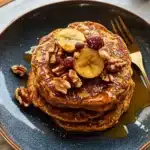
Pumpkin Protein Pancakes Recipe
Ingredients
- 2 Large Eggs: Eggs are the foundational protein source in this recipe, eliminating the need for protein powder. They are nutritional powerhouses, loaded with high-quality protein, essential vitamins, and minerals. Eggs contribute to the structure and richness of the pancakes, binding the ingredients together and creating that desirable fluffy texture. Beyond protein, eggs are rich in choline, important for brain health, and lutein and zeaxanthin, antioxidants beneficial for eye health. Using large eggs ensures the right balance of wet to dry ingredients, crucial for achieving the perfect pancake consistency. For those conscious about sourcing, opting for pasture-raised or organic eggs can further enhance the nutritional profile and ethical considerations.
- ¾ Cup Plain 2-Percent-Fat Greek Yogurt: Greek yogurt is the secret weapon for boosting the protein content and moisture of these pancakes. Unlike regular yogurt, Greek yogurt is strained to remove whey, resulting in a thicker, creamier texture and significantly higher protein content. The 2-percent fat version provides a good balance of richness without being overly heavy, contributing to the pancakes’ tender crumb. The tanginess of Greek yogurt also complements the sweetness of the pumpkin and maple syrup, adding a subtle complexity to the flavor profile. Beyond protein, Greek yogurt is an excellent source of calcium and probiotics, beneficial for bone health and gut health, respectively. Ensure you are using plain, unsweetened Greek yogurt, as flavored varieties often contain added sugars that are unnecessary in this recipe.
- ½ Cup Canned Pumpkin: Canned pumpkin is the star flavor and a nutritional powerhouse in these pancakes. It provides that signature pumpkin spice flavor, vibrant color, and moistness. Importantly, canned pumpkin is packed with Vitamin A, crucial for vision, immune function, and skin health. It’s also a good source of fiber, contributing to the overall fiber content of the pancakes and aiding in digestive health and satiety. Make sure you’re using 100% pure canned pumpkin puree, not pumpkin pie filling, which contains added sugars and spices that would alter the recipe’s intended flavor and nutritional profile. The smooth texture of canned pumpkin blends seamlessly into the batter, creating a consistent and delightful pancake.
- Maple Syrup, Divided: Maple syrup serves a dual purpose in this recipe: it adds sweetness to the batter and acts as a delicious topping. Using maple syrup as the primary sweetener keeps the recipe naturally sweetened and avoids refined sugars. Maple syrup also contributes a unique depth of flavor that complements the pumpkin spice beautifully. Opt for pure maple syrup rather than pancake syrup, which is often made with corn syrup and artificial flavors. The recipe calls for divided maple syrup, indicating that some is incorporated into the batter for subtle sweetness, while the rest is reserved for drizzling over the finished pancakes, allowing for customizable sweetness levels.
- ½ Teaspoon Vanilla Extract: Vanilla extract is a flavor enhancer that elevates the overall taste profile of these pancakes. It adds a warm, aromatic note that complements the pumpkin spice and maple syrup, creating a more complex and inviting flavor. A little vanilla extract goes a long way, and even a small amount can significantly enhance the perceived sweetness and richness of the pancakes. Using pure vanilla extract, rather than imitation vanilla, will provide the best flavor.
- ½ Cup Whole Wheat Flour: Whole wheat flour is a key ingredient for adding fiber and whole grains to these pancakes, making them a more nutritious breakfast option. Compared to white flour, whole wheat flour retains the bran and germ of the wheat kernel, which are rich in fiber, vitamins, and minerals. The fiber content contributes to satiety, helping you feel fuller for longer, and aids in digestive health. Whole wheat flour also provides a slightly nuttier and heartier flavor that complements the other ingredients in the recipe. When measuring flour, use the “spoon and level” method to avoid packing it too tightly, which can result in dry pancakes.
- ¼ Cup Rolled Oats: Rolled oats are another source of fiber and whole grains in these pancakes, further boosting their nutritional value and adding a delightful texture. Oats contribute a subtle chewiness and nuttiness to the pancakes, enhancing their overall mouthfeel. Like whole wheat flour, oats are rich in fiber, particularly soluble fiber, which is known to help lower cholesterol levels and promote heart health. Using rolled oats rather than instant oats is recommended for better texture and nutritional benefits.
- 1 Teaspoon Baking Powder: Baking powder is the leavening agent that makes these pancakes light and fluffy. It creates air bubbles in the batter, causing the pancakes to rise and become airy during cooking. Ensure your baking powder is fresh for optimal leavening power. Double-acting baking powder is commonly used in baking and reacts in two stages: once when mixed with liquid and again when heated. This double action ensures a consistent rise and fluffy texture.
- 1 Pinch Salt: A pinch of salt might seem insignificant, but it plays a crucial role in enhancing the flavors of all the other ingredients in the pancakes. Salt balances the sweetness and brings out the subtle nuances of the pumpkin spice, vanilla, and maple syrup. It also helps to control the activity of the baking powder, contributing to a more even rise. Use regular table salt or sea salt.
- ¼ Teaspoon Pumpkin Pie Spice: Pumpkin pie spice is the quintessential flavor of fall and adds that warm, comforting aroma and taste to these pancakes. It’s typically a blend of spices like cinnamon, ginger, nutmeg, and cloves. Pumpkin pie spice perfectly complements the pumpkin puree and maple syrup, creating that classic pumpkin spice flavor profile. If you don’t have pumpkin pie spice on hand, you can make your own blend using these individual spices.
- 20 Pecan Halves, Chopped: Pecan halves, chopped, are used as a delicious and nutritious topping for these pancakes. They add a satisfying crunch, nutty flavor, and healthy fats. Pecans are a good source of monounsaturated fats, which are beneficial for heart health. They also provide antioxidants and minerals. Chopping the pecans allows them to be evenly distributed over the pancakes and makes them easier to eat. You can toast the pecans lightly before chopping to enhance their flavor and crunch even further. If you have nut allergies or prefer a different topping, you can substitute with other nuts like walnuts or almonds, or seeds like pumpkin seeds or sunflower seeds.
Instructions
Step 1: Combine Wet Ingredients
In a medium-sized mixing bowl, begin by cracking and beating the two large eggs. Whisk the eggs vigorously for about a minute until they are light and slightly frothy. This step is important as it incorporates air into the eggs, contributing to the fluffiness of the pancakes. Next, add the ¾ cup of plain 2-percent-fat Greek yogurt to the bowl. Gently stir the yogurt into the beaten eggs until it is well combined. Follow by adding the ½ cup of canned pumpkin puree. Incorporate the pumpkin into the egg and yogurt mixture, ensuring it’s smooth and evenly distributed. Pour in 1 tablespoon of maple syrup to add a touch of sweetness to the batter and enhance the pumpkin flavor. Finally, add ½ teaspoon of vanilla extract to enrich the flavor profile. Stir all the wet ingredients together until they are thoroughly combined and you have a smooth, homogenous mixture. Set this bowl aside while you prepare the dry ingredients.
Step 2: Combine Dry Ingredients
In a separate, clean mixing bowl, prepare the dry ingredients. Measure out ½ cup of whole wheat flour and add it to the bowl. Next, add ¼ cup of rolled oats. Ensure you are using rolled oats and not instant oats for the best texture. Add 1 teaspoon of baking powder to the dry ingredients. Make sure your baking powder is fresh for optimal leavening. Add a pinch of salt, about ⅛ teaspoon, to enhance the flavors. Finally, add ¼ teaspoon of pumpkin pie spice to infuse the dry ingredients with that classic autumnal aroma. Whisk all the dry ingredients together thoroughly. This step is crucial for evenly distributing the baking powder and spices throughout the flour mixture, ensuring consistent leavening and flavor in every pancake.
Step 3: Combine Wet and Dry Ingredients
This step brings together the wet and dry components to form the pancake batter. Gradually add the dry ingredients to the bowl of wet ingredients. Add about one-third of the dry mixture to the wet mixture and gently stir to combine. Continue adding the dry ingredients in two more additions, stirring after each addition until just combined. It’s important not to overmix the batter at this stage. Overmixing can develop the gluten in the flour, resulting in tough pancakes. Stir just until the dry ingredients are incorporated and there are no large lumps of flour remaining. A few small lumps are perfectly acceptable and will disappear during cooking. The batter should be thick but pourable. If it seems too thick, you can add a tablespoon or two of milk or water to thin it slightly, but it should be relatively thick for protein pancakes.
Step 4: Cook the Pancakes
Place a large nonstick skillet or griddle over medium-low heat. Coat the surface of the skillet lightly with cooking spray or a small amount of butter or oil. Allow the skillet to heat up properly. To test if the skillet is ready, you can drop a tiny droplet of batter onto the surface; it should sizzle gently. Once the skillet is heated, use a heaping ⅓ cup measuring cup to scoop the batter and drop it onto the hot skillet for each pancake. Leave some space between each pancake to allow for spreading. Cook the pancakes over medium-low heat for about 3 minutes per side. You’ll know it’s time to flip when the underside is golden brown and bubbles start to form on the top surface of the pancake and begin to pop. Carefully flip each pancake using a spatula. Cook the flipped side for another 3 minutes, or until it is also golden brown and cooked through. The pancakes should be lightly golden brown on both sides and cooked through in the center. Repeat this process with the remaining batter, adding more cooking spray to the skillet as needed between batches.
Step 5: Top and Serve
Once all the pancakes are cooked, it’s time to top them and serve. Arrange the warm pumpkin protein pancakes on plates. Sprinkle the chopped pecan halves evenly over the pancakes. Drizzle the remaining maple syrup over the pancakes according to your desired level of sweetness. Serve immediately and enjoy the warm, fluffy, and protein-packed pumpkin pancakes.
Step 6: Store Leftovers (Optional)
If you have any leftover pancakes, allow them to cool completely to room temperature. Once cooled, store the leftover pancakes in an airtight container in the refrigerator. They can be stored in the fridge for up to 3 days. To reheat, you can gently warm them in a toaster, microwave, or skillet until heated through. Alternatively, if you have leftover batter, you can store it in an airtight container in the refrigerator for up to 4 days. The batter may thicken slightly upon standing, so you may need to add a tablespoon or two of milk or water to thin it to the desired consistency before cooking.
Nutrition
- Serving Size: One Normal Portion
- Calories: 415
- Sugar: 15 grams
- Fat: 16 grams
- Saturated Fat: 3 grams
- Carbohydrates: 49 grams
- Fiber: 7 grams
- Protein: 22 grams