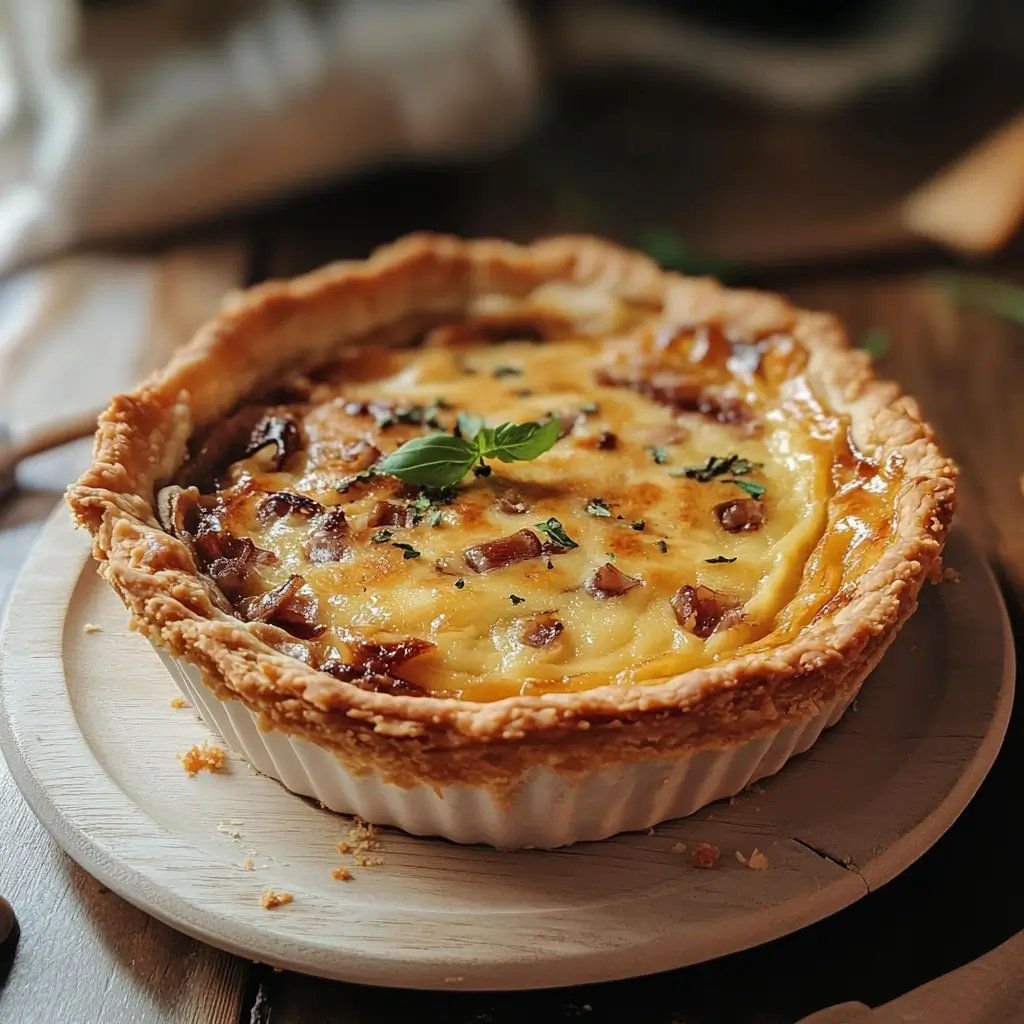

Quiche Lorraine has always been a staple in our family gatherings, especially during spring celebrations. There’s something undeniably comforting about the rich, savory custard nestled in a buttery, flaky crust. Every time I bake it, the aroma fills the kitchen with warmth, instantly making everyone feel at home and ready to celebrate. It’s the kind of dish that disappears quickly, with requests for seconds always echoing around the table. This year, as Easter approaches, I’m planning to make it the centerpiece of our Easter lunch, surrounded by other springtime delights. It’s not just a recipe; it’s a tradition, a taste of home, and a guaranteed crowd-pleaser.
H2: Quiche Lorraine: A Timeless Classic for Your Easter Celebration
Quiche Lorraine, with its humble yet sophisticated origins, is a dish that transcends trends. Originating from the Lorraine region of France, this savory tart has captured hearts and palates worldwide. Its simple elegance lies in the harmonious blend of creamy custard, smoky bacon, and nutty Gruyère cheese, all encased in a perfectly crisp crust. While often enjoyed for brunch, Quiche Lorraine is equally delightful as a lunch dish, especially during festive occasions like Easter. Its versatility and make-ahead nature make it an ideal choice for celebratory gatherings, allowing you to focus on enjoying time with loved ones rather than being stuck in the kitchen. This recipe will guide you through creating a Quiche Lorraine that is sure to impress your guests and become a cherished part of your Easter traditions.
H2: Ingredients for the Perfect Quiche Lorraine
To create an authentic and delicious Quiche Lorraine, you’ll need high-quality ingredients. The beauty of this dish is in its simplicity, so each component plays a crucial role in the final flavor profile. Here’s what you’ll need:
- For the Crust:
- 1 ½ cups All-Purpose Flour: Provides the structure for the flaky crust. Ensure it’s measured correctly for the right texture.
- ½ teaspoon Salt: Enhances the flavor of the crust and balances the richness of the filling.
- ½ cup (1 stick) Unsalted Butter, chilled and cubed: The key to a flaky crust. Cold butter creates steam during baking, resulting in layers.
- ¼ cup Ice Water: Binds the dough together without overworking it, maintaining tenderness.
- For the Filling:
- 6 slices Thick-Cut Bacon, diced: Choose good quality bacon for the best smoky flavor. Pancetta can also be used for a slightly different, but equally delicious, twist.
- 1 medium Yellow Onion, finely chopped: Adds a subtle sweetness and aromatic depth to the filling. Shallots can be used as a milder alternative.
- 4 large Eggs: The foundation of the creamy custard filling. Use fresh, high-quality eggs for the best results.
- 1 ½ cups Heavy Cream: Provides richness and creaminess to the custard. For a slightly lighter version, you can substitute with half-and-half, but the texture will be less decadent.
- ½ cup Whole Milk: Balances the richness of the heavy cream and adds moisture.
- 1 cup Gruyère Cheese, grated: The classic cheese for Quiche Lorraine. Gruyère offers a nutty, slightly sweet, and complex flavor that melts beautifully. You can also use Emmental or a combination of Gruyère and Swiss cheese.
- ¼ teaspoon Ground Nutmeg: Adds a warm, subtle spice that complements the other flavors beautifully. Freshly grated nutmeg is preferred for the most aromatic result.
- Salt and freshly ground Black Pepper to taste: Seasoning is crucial. Taste and adjust as needed to enhance all the flavors.
H2: Step-by-Step Instructions for Making Quiche Lorraine
Creating Quiche Lorraine is a rewarding culinary experience. Follow these detailed instructions to ensure success:
1. Prepare the Crust:
- Combine Dry Ingredients: In a large bowl, whisk together the flour and salt.
- Incorporate Butter: Add the chilled, cubed butter to the flour mixture. Using a pastry blender or your fingertips, cut the butter into the flour until the mixture resembles coarse crumbs with some pea-sized pieces of butter remaining. This step is crucial for flakiness. Avoid overworking the dough.
- Add Ice Water: Gradually add the ice water, one tablespoon at a time, mixing gently with a fork until the dough just comes together. Be careful not to add too much water; you want a dough that is moist but not sticky.
- Form Dough and Chill: Gather the dough into a disc, wrap it tightly in plastic wrap, and flatten it slightly. Refrigerate for at least 30 minutes, or up to 2 hours. Chilling allows the gluten to relax, resulting in a more tender crust.
- Roll Out Dough: On a lightly floured surface, roll out the chilled dough into a 12-inch circle, about ⅛-inch thick.
- Transfer to Pie Dish: Gently transfer the dough to a 9-inch pie dish. Press the dough into the bottom and up the sides of the dish. Trim any excess dough and crimp the edges decoratively.
- Pre-bake the Crust (Blind Bake): Preheat oven to 375°F (190°C). Line the crust with parchment paper and fill with pie weights or dried beans. This prevents the crust from puffing up during pre-baking. Bake for 15 minutes. Remove the parchment paper and pie weights and bake for another 10 minutes, or until the crust is lightly golden. This pre-baking step ensures a crisp bottom crust. Let the crust cool slightly while you prepare the filling.
2. Prepare the Filling:
- Cook Bacon and Onion: In a skillet over medium heat, cook the diced bacon until crisp. Remove the bacon with a slotted spoon and set aside, reserving about 1 tablespoon of bacon fat in the skillet. Add the chopped onion to the skillet with the bacon fat and cook until softened and translucent, about 5-7 minutes. Do not brown the onions.
- Whisk Eggs and Dairy: In a large bowl, whisk together the eggs, heavy cream, and milk until well combined.
- Season Custard: Stir in the grated Gruyère cheese, nutmeg, salt, and freshly ground black pepper. Taste and adjust seasoning as needed.
- Assemble Quiche: Sprinkle the cooked bacon and sautéed onions evenly over the bottom of the pre-baked crust. Pour the egg mixture over the bacon and onions, ensuring it is evenly distributed.
3. Bake the Quiche:
- Bake: Bake in the preheated oven at 350°F (175°C) for 35-45 minutes, or until the custard is set and the crust is golden brown. The quiche is done when the center is just set and jiggles slightly when gently shaken. If the crust is browning too quickly, you can loosely tent it with aluminum foil.
- Cool and Serve: Let the quiche cool in the pie dish for at least 10-15 minutes before slicing and serving. This allows the custard to set further and makes slicing easier.
H2: Nutrition Facts (Per Serving, Estimated)
Please note that these are estimated values and can vary based on specific ingredients and portion sizes.
- Servings: 8
- Calories per Serving: Approximately 450-550 calories
This estimate is based on standard ingredient quantities and assumes a moderate serving size. The calorie count is primarily influenced by the butter in the crust, the bacon, cheese, and heavy cream in the filling.
H2: Preparation Time
- Prep Time: 45 minutes (including crust making and filling preparation)
- Chill Time: 30 minutes – 2 hours (for the crust dough)
- Cook Time: 45-55 minutes (including pre-baking and baking the quiche)
- Total Time: Approximately 2-3 hours (including chilling time)
While the total time might seem lengthy, much of it is hands-off chilling and baking time. The active preparation time is manageable, and the result is well worth the effort. You can also make the crust dough ahead of time and store it in the refrigerator for up to 2 days or freeze it for longer storage.
H2: How to Serve Quiche Lorraine
Quiche Lorraine is incredibly versatile and can be served in various ways, making it perfect for Easter lunch. Here are some serving suggestions:
- As a Main Course:
- With a Fresh Green Salad: A simple salad with vinaigrette provides a refreshing contrast to the richness of the quiche. Consider adding seasonal spring vegetables like asparagus or radishes to your salad.
- Alongside Roasted Asparagus or Green Beans: Lightly roasted vegetables complement the savory quiche and add a healthy element to the meal.
- With a Fruit Salad: A bright and colorful fruit salad offers a sweet and tangy counterpoint to the savory flavors of the quiche.
- Paired with a Light Soup: A delicate soup like creamy tomato soup or a chilled cucumber soup can be a lovely starter or side.
- As Part of a Brunch or Buffet:
- Alongside Other Easter Brunch Favorites: Include items like deviled eggs, fruit platters, pastries, and yogurt parfaits for a complete brunch spread.
- Cut into Smaller Wedges for Appetizers: Quiche Lorraine can be served as elegant appetizers when cut into smaller portions.
- Serve Warm or at Room Temperature: Quiche Lorraine is delicious both warm and at room temperature, making it convenient for serving at gatherings.
H2: Additional Tips for the Perfect Quiche Lorraine
To elevate your Quiche Lorraine and ensure it’s a showstopper, consider these helpful tips:
- Use Cold Ingredients for the Crust: Keeping the butter and water ice-cold is crucial for a flaky crust. Cold butter prevents gluten development and creates steam during baking, resulting in layers.
- Don’t Overwork the Dough: Overworking the dough develops gluten, leading to a tough crust. Mix the dough just until it comes together.
- Blind Bake the Crust Properly: Pre-baking the crust prevents a soggy bottom, especially when using a moist filling like quiche custard. Ensure you use pie weights or dried beans and bake until lightly golden.
- Don’t Overfill the Quiche: Overfilling the crust can cause the custard to spill over during baking and prevent it from setting properly. Fill the crust to about ¾ full.
- Use Quality Cheese and Bacon: The flavor of Quiche Lorraine heavily relies on the quality of its ingredients. Invest in good Gruyère cheese and thick-cut bacon for the best taste. Consider experimenting with different types of bacon or cheeses for variations once you’ve mastered the classic recipe.
H2: Frequently Asked Questions (FAQ) about Quiche Lorraine
Here are some common questions about making and serving Quiche Lorraine:
Q1: Can I make Quiche Lorraine ahead of time?
A: Yes, Quiche Lorraine is an excellent make-ahead dish. You can bake it a day in advance and store it in the refrigerator. Reheat it gently in a low oven or serve it at room temperature.
Q2: Can I freeze Quiche Lorraine?
A: Yes, you can freeze baked Quiche Lorraine. Let it cool completely, then wrap it tightly in plastic wrap and foil. Freeze for up to 2-3 months. Thaw overnight in the refrigerator and reheat in a low oven.
Q3: Can I use a store-bought pie crust?
A: While homemade crust is recommended for the best flavor and texture, you can use a good quality store-bought pie crust to save time. Ensure it is a deep-dish crust for sufficient filling.
Q4: Can I substitute the Gruyère cheese?
A: Yes, if you don’t have Gruyère, you can use Emmental, Swiss cheese, or a combination of these. Each cheese will offer a slightly different flavor profile, but they are all good substitutes.
Q5: My quiche crust is soggy. What did I do wrong?
A: A soggy crust is usually due to not pre-baking the crust properly or the filling being too moist. Ensure you blind bake the crust until lightly golden and don’t overfill the quiche with custard. Also, make sure the onions and bacon are cooked to release excess moisture before adding them to the quiche.
H2: 15 Festive Easter Lunch Ideas to Celebrate Spring
Beyond the delightful Quiche Lorraine, there are many other wonderful dishes that can grace your Easter lunch table. Embrace the flavors of spring with these 15 festive Easter lunch ideas:
- Honey Baked Ham: A classic Easter centerpiece, glazed with honey and spices for a sweet and savory delight. Serve with pineapple or cherry sauce for extra festive flair.
- Roasted Leg of Lamb: Another traditional Easter favorite, lamb roasted with rosemary and garlic is both elegant and flavorful. Pair it with mint sauce or a red wine reduction.
- Spring Asparagus Tart: Highlight seasonal asparagus in a delicate tart with ricotta cheese and lemon zest. This vegetarian option is light, bright, and perfect for spring.
- Deviled Eggs: A quintessential Easter appetizer, deviled eggs can be customized with various toppings like paprika, chives, or even crispy bacon bits.
- Carrot and Ginger Soup: A vibrant and warming soup, carrot and ginger soup is a lovely starter that celebrates spring flavors.
- Lemon Herb Roasted Chicken: A lighter alternative to ham or lamb, a whole roasted chicken infused with lemon and herbs is a crowd-pleaser.
- Scalloped Potatoes: Creamy and comforting, scalloped potatoes are a classic side dish that complements ham, lamb, or chicken beautifully.
- Roasted Spring Vegetables: Showcase the bounty of spring with a medley of roasted vegetables like carrots, peas, radishes, and new potatoes, tossed with herbs and olive oil.
- Spinach and Ricotta Stuffed Shells: A vegetarian main course that is both hearty and flavorful. Jumbo pasta shells stuffed with spinach and ricotta, baked in marinara sauce.
- Easter Bread (Tsoureki or Hot Cross Buns): Traditional Easter breads add a touch of sweetness to the meal. Tsoureki (Greek Easter bread) or Hot Cross Buns are both excellent choices.
- Strawberry Spinach Salad with Poppy Seed Dressing: A refreshing salad combining fresh strawberries, spinach, and a tangy poppy seed dressing. Add feta cheese and toasted almonds for extra texture and flavor.
- Glazed Carrots: Sweet and tender glazed carrots are a simple yet elegant side dish that pairs well with any Easter main course. Use honey or maple syrup for the glaze.
- Potato Salad with Dill and Spring Onions: A classic potato salad with a springtime twist. Add fresh dill and spring onions for a bright and herbaceous flavor.
- Lemon Bars: A zesty and refreshing dessert that captures the essence of spring. Lemon bars are easy to make and always a hit.
- Carrot Cake: No Easter celebration is complete without carrot cake. A moist and spiced carrot cake with cream cheese frosting is the perfect sweet ending to your Easter lunch.

Quiche Lorraine Recipe
Ingredients
- For the Crust:
- 1 ½ cups All-Purpose Flour: Provides the structure for the flaky crust. Ensure it’s measured correctly for the right texture.
- ½ teaspoon Salt: Enhances the flavor of the crust and balances the richness of the filling.
- ½ cup (1 stick) Unsalted Butter, chilled and cubed: The key to a flaky crust. Cold butter creates steam during baking, resulting in layers.
- ¼ cup Ice Water: Binds the dough together without overworking it, maintaining tenderness.
- For the Filling:
- 6 slices Thick-Cut Bacon, diced: Choose good quality bacon for the best smoky flavor. Pancetta can also be used for a slightly different, but equally delicious, twist.
- 1 medium Yellow Onion, finely chopped: Adds a subtle sweetness and aromatic depth to the filling. Shallots can be used as a milder alternative.
- 4 large Eggs: The foundation of the creamy custard filling. Use fresh, high-quality eggs for the best results.
- 1 ½ cups Heavy Cream: Provides richness and creaminess to the custard. For a slightly lighter version, you can substitute with half-and-half, but the texture will be less decadent.
- ½ cup Whole Milk: Balances the richness of the heavy cream and adds moisture.
- 1 cup Gruyère Cheese, grated: The classic cheese for Quiche Lorraine. Gruyère offers a nutty, slightly sweet, and complex flavor that melts beautifully. You can also use Emmental or a combination of Gruyère and Swiss cheese.
- ¼ teaspoon Ground Nutmeg: Adds a warm, subtle spice that complements the other flavors beautifully. Freshly grated nutmeg is preferred for the most aromatic result.
- Salt and freshly ground Black Pepper to taste: Seasoning is crucial. Taste and adjust as needed to enhance all the flavors.
Instructions
1. Prepare the Crust:
- Combine Dry Ingredients: In a large bowl, whisk together the flour and salt.
- Incorporate Butter: Add the chilled, cubed butter to the flour mixture. Using a pastry blender or your fingertips, cut the butter into the flour until the mixture resembles coarse crumbs with some pea-sized pieces of butter remaining. This step is crucial for flakiness. Avoid overworking the dough.
- Add Ice Water: Gradually add the ice water, one tablespoon at a time, mixing gently with a fork until the dough just comes together. Be careful not to add too much water; you want a dough that is moist but not sticky.
- Form Dough and Chill: Gather the dough into a disc, wrap it tightly in plastic wrap, and flatten it slightly. Refrigerate for at least 30 minutes, or up to 2 hours. Chilling allows the gluten to relax, resulting in a more tender crust.
- Roll Out Dough: On a lightly floured surface, roll out the chilled dough into a 12-inch circle, about ⅛-inch thick.
- Transfer to Pie Dish: Gently transfer the dough to a 9-inch pie dish. Press the dough into the bottom and up the sides of the dish. Trim any excess dough and crimp the edges decoratively.
- Pre-bake the Crust (Blind Bake): Preheat oven to 375°F (190°C). Line the crust with parchment paper and fill with pie weights or dried beans. This prevents the crust from puffing up during pre-baking. Bake for 15 minutes. Remove the parchment paper and pie weights and bake for another 10 minutes, or until the crust is lightly golden. This pre-baking step ensures a crisp bottom crust. Let the crust cool slightly while you prepare the filling.
2. Prepare the Filling:
- Cook Bacon and Onion: In a skillet over medium heat, cook the diced bacon until crisp. Remove the bacon with a slotted spoon and set aside, reserving about 1 tablespoon of bacon fat in the skillet. Add the chopped onion to the skillet with the bacon fat and cook until softened and translucent, about 5-7 minutes. Do not brown the onions.
- Whisk Eggs and Dairy: In a large bowl, whisk together the eggs, heavy cream, and milk until well combined.
- Season Custard: Stir in the grated Gruyère cheese, nutmeg, salt, and freshly ground black pepper. Taste and adjust seasoning as needed.
- Assemble Quiche: Sprinkle the cooked bacon and sautéed onions evenly over the bottom of the pre-baked crust. Pour the egg mixture over the bacon and onions, ensuring it is evenly distributed.
3. Bake the Quiche:
- Bake: Bake in the preheated oven at 350°F (175°C) for 35-45 minutes, or until the custard is set and the crust is golden brown. The quiche is done when the center is just set and jiggles slightly when gently shaken. If the crust is browning too quickly, you can loosely tent it with aluminum foil.
- Cool and Serve: Let the quiche cool in the pie dish for at least 10-15 minutes before slicing and serving. This allows the custard to set further and makes slicing easier.
Nutrition
- Serving Size: One Normal Portion
- Calories: 450-550