
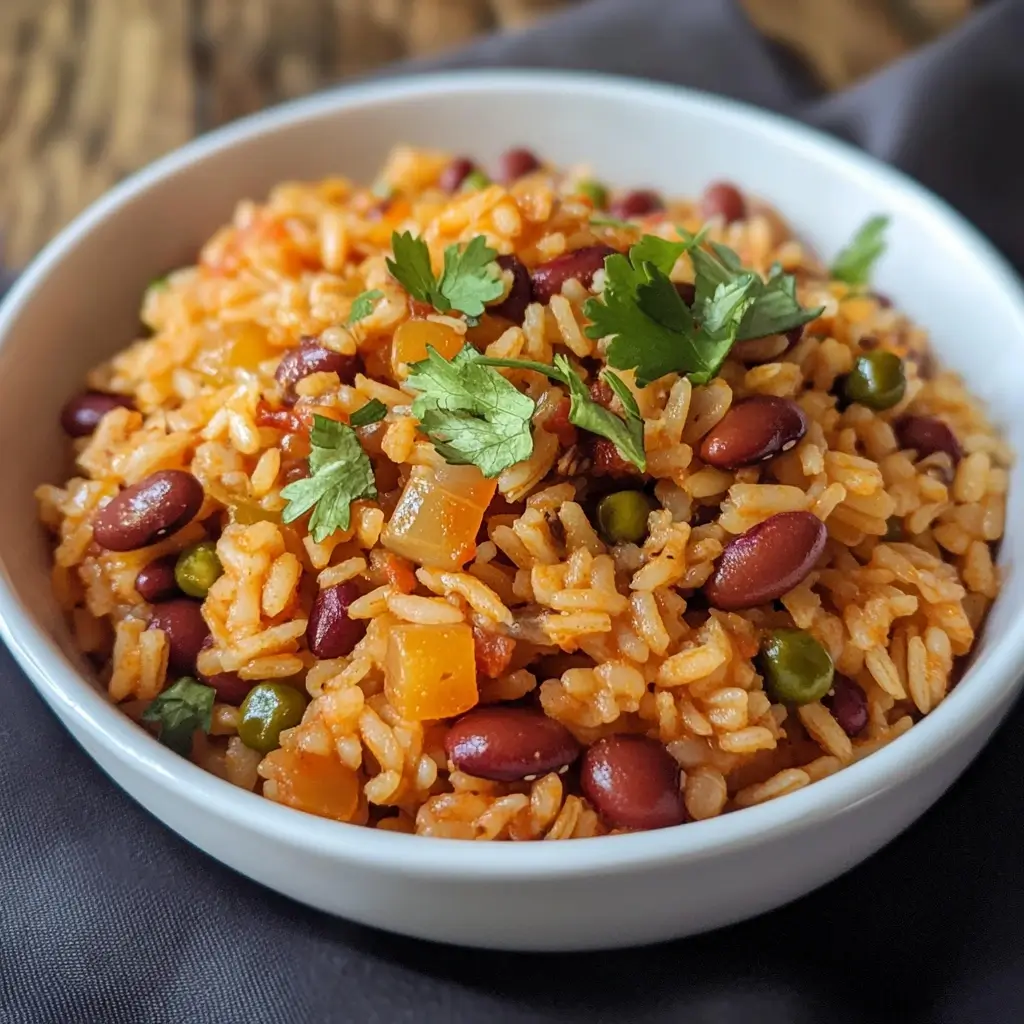
This rice and beans recipe has become an absolute cornerstone in my kitchen, a dish my family requests week after week. There’s something profoundly comforting about the marriage of fluffy rice and tender, flavorful beans. The first time I made this particular version, the aroma alone had everyone drifting into the kitchen, eyes wide with anticipation. My kids, who can be notoriously picky, devoured their plates and even asked for seconds – a rare and cherished victory for any parent! It’s not just the incredible taste that makes it a winner; it’s the simplicity, the affordability, and the sheer versatility. It’s a dish that feels like a warm hug, perfect for a busy weeknight when you need something satisfying and wholesome, or as a hearty base for a weekend feast. The gentle spices, the creamy texture of the beans, and the perfectly cooked rice create a symphony of flavors and textures that’s both humble and extraordinarily delicious. It’s a testament to how simple ingredients, when treated with a little care, can create something truly magical.
H2: The Ultimate Comfort: Our Family-Favorite Rice and Beans Recipe
This recipe balances simplicity with a depth of flavor that will make it a staple in your home too. We’re aiming for perfectly cooked, separate grains of rice and tender, well-seasoned beans that come together in a harmonious dish.
Ingredients:
- For the Beans:
- 1 tablespoon olive oil or vegetable oil
- 1 medium yellow onion, finely chopped (about 1 cup)
- 1 green bell pepper, finely chopped (about 1 cup)
- 3-4 cloves garlic, minced
- 1 teaspoon ground cumin
- 1 teaspoon dried oregano
- ½ teaspoon smoked paprika
- ¼ teaspoon cayenne pepper (optional, for a hint of spice)
- 2 (15-ounce) cans black beans or kidney beans, rinsed and drained (or 1.5 cups dried beans, cooked)
- 1 (14.5-ounce) can diced tomatoes, undrained
- 1 cup vegetable or chicken broth (plus more if needed)
- 1 bay leaf
- Salt and freshly ground black pepper to taste
- Juice of ½ lime (optional, for finishing)
- ¼ cup chopped fresh cilantro (optional, for garnish)
- For the Rice:
- 1 tablespoon olive oil or butter
- 1 ½ cups long-grain white rice, rinsed thoroughly
- 3 cups water or vegetable/chicken broth
- ½ teaspoon salt (or to taste, adjust if using salted broth)
H2: Step-by-Step to Perfectly Cooked Rice and Beans
Follow these instructions carefully for a delicious and satisfying meal. We’ll cook the beans and rice separately to ensure perfect texture for both, then combine them or serve them alongside each other.
Instructions for the Beans:
- Sauté Aromatics: Heat the olive oil in a large pot or Dutch oven over medium heat. Add the chopped onion and bell pepper. Sauté for 5-7 minutes, or until softened and the onion is translucent.
- Add Garlic and Spices: Stir in the minced garlic, ground cumin, dried oregano, smoked paprika, and cayenne pepper (if using). Cook for another 1-2 minutes, stirring constantly, until fragrant. This step is crucial for blooming the spices and building a deep flavor base.
- Incorporate Beans and Liquids: Add the rinsed and drained beans, undrained diced tomatoes, vegetable or chicken broth, and the bay leaf to the pot. Stir well to combine.
- Simmer to Perfection: Bring the mixture to a gentle simmer. Reduce the heat to low, cover the pot, and let it cook for at least 20-25 minutes, allowing the flavors to meld. Stir occasionally. If the mixture becomes too thick, add a little more broth or water. For dried beans that you’ve pre-cooked, you might want a longer simmer (30-45 minutes) for maximum flavor infusion.
- Season and Finish: After simmering, remove the bay leaf. Taste the beans and season generously with salt and freshly ground black pepper. If you like a bit of brightness, stir in the juice of half a lime. Keep warm while you prepare the rice.
Instructions for the Rice:
- Rinse the Rice: Place the long-grain white rice in a fine-mesh sieve and rinse under cold running water until the water runs mostly clear. This removes excess starch and helps prevent clumpy rice. Drain well.
- Sauté Rice (Optional but Recommended): In a medium saucepan with a tight-fitting lid, heat the olive oil or butter over medium heat. Add the rinsed and drained rice and stir for 1-2 minutes until the grains are lightly toasted and coated with oil. This adds a subtle nutty flavor.
- Add Liquid and Salt: Pour in the water or broth and add the salt. Stir once to combine.
- Bring to a Boil, then Simmer: Increase the heat and bring the liquid to a rolling boil. Once boiling, immediately reduce the heat to the lowest possible setting, cover the saucepan with the tight-fitting lid, and let it simmer for 18-20 minutes. Do NOT lift the lid during this time, as the steam is essential for cooking the rice properly.
- Rest the Rice: After 18-20 minutes, turn off the heat but leave the saucepan covered on the stove for another 5-10 minutes. This allows the rice to finish steaming and absorb any remaining moisture, resulting in fluffier grains.
- Fluff and Serve: After resting, remove the lid and fluff the rice gently with a fork.
Combining (Optional):
If you prefer your rice and beans mixed, like in some traditional dishes (e.g., “Moros y Cristianos” if using black beans), you can gently fold the cooked rice into the pot with the beans. Alternatively, serve the beans spooned generously over a bed of fluffy white rice. Garnish with fresh cilantro, if desired.
H2: Nutritional Snapshot: What’s in Your Bowl?
Understanding the nutritional value can help you incorporate this dish into a balanced diet.
- Servings: This recipe yields approximately 4-6 servings.
- Calories per serving (approximate): Around 400-550 calories per serving, depending on the exact ingredients used (e.g., oil quantity, type of broth) and serving size. This estimate includes both the rice and the beans.
A Deeper Look at the Goodness:
Beans are a fantastic source of plant-based protein and dietary fiber, which aids in digestion and promotes satiety. They also provide essential minerals like iron and magnesium. Rice, particularly white rice as used here, offers carbohydrates for energy. When combined, rice and beans form a complete protein, meaning they provide all the essential amino acids your body needs. This dish, especially when made with vegetable broth, is inherently vegetarian and can easily be vegan. The addition of vegetables like onions and bell peppers boosts the vitamin and antioxidant content.
H2: Time Investment: From Pantry to Plate
Knowing the time commitment helps in planning your meal preparation.
- Preparation Time: 20-25 minutes (This includes chopping vegetables, rinsing beans and rice).
- Cook Time:
- Beans: 25-35 minutes (longer if simmering for deeper flavor)
- Rice: 20 minutes simmer + 10 minutes rest = 30 minutes
- Total Time: Approximately 50-60 minutes (if cooking beans and rice concurrently, which is recommended).
This timing makes it a feasible option for a weeknight dinner, especially if you multitask by prepping ingredients while others cook.
H2: The Enduring Appeal of Rice and Beans Worldwide
Rice and beans, in their myriad forms, are more than just a meal; they are a cultural cornerstone in countless countries across the globe. From the Caribbean shores where “Rice and Peas” (often made with kidney beans or pigeon peas and coconut milk) is a staple, to Latin America where dishes like Cuban “Moros y Cristianos” (black beans and rice cooked together), Puerto Rican “Arroz con Gandules” (rice with pigeon peas), and Brazilian “Feijoada” (a rich black bean stew served with rice) reign supreme, this humble pairing nourishes millions.
In the Southern United States, “Red Beans and Rice” is a Monday tradition in New Orleans, a hearty and flavorful dish slow-cooked with sausage and spices. Throughout Central America, “Gallo Pinto” (meaning “spotted rooster,” typically a mix of rice and black beans) is a common breakfast. Even in parts of Africa and Asia, variations of rice and beans provide essential sustenance and delicious flavors.
What makes this combination so universally beloved?
- Affordability & Accessibility: Both rice and dried beans are inexpensive, shelf-stable, and readily available globally, making them accessible to all economic strata.
- Nutritional Powerhouse: As mentioned, they form a complete protein, offering excellent nutrition without relying on meat. They are packed with fiber, complex carbohydrates, and essential micronutrients.
- Versatility: The flavor profiles are incredibly adaptable. Depending on the local spices, herbs, fats, and additions (like coconut milk, meats, or vegetables), rice and beans can transform into vastly different culinary experiences.
- Comfort and Tradition: For many, rice and beans are synonymous with home cooking, family gatherings, and cultural identity. They are dishes passed down through generations, carrying stories and memories with them.
This recipe, while a simplified version, taps into that global tradition of hearty, flavorful, and nourishing food that brings people together.
H2: Choosing Your Beans: A Quick Guide for This Recipe
While this recipe specifies black or kidney beans, the world of beans is vast and offers many delicious alternatives.
- Black Beans: These are small, oval-shaped beans with a slightly sweet, earthy flavor and a soft, creamy texture when cooked. They hold their shape well and are popular in Latin American, Caribbean, and Southwestern U.S. cuisines. They are an excellent choice for this recipe, providing a beautiful color contrast with white rice.
- Kidney Beans: Large, reddish-brown, and kidney-shaped, these beans have a robust flavor and a mealy, tender texture. They are prominent in chili, Caribbean “rice and peas,” and Indian “rajma.” They absorb flavors well and add a hearty element.
- Pinto Beans: Medium-sized, oval, and beige with reddish-brown speckles that disappear when cooked, pinto beans turn a uniform pinkish-brown. They have an earthy flavor and a creamy texture, often used in Mexican cuisine for refried beans or charro beans. They would also work wonderfully here.
- Canned vs. Dried Beans:
- Canned Beans: Offer ultimate convenience. They are pre-cooked and ready to use after a quick rinse. Look for low-sodium options if possible.
- Dried Beans: More economical and often considered to have a superior texture and flavor. They require soaking (usually overnight, or a quick soak method) and longer cooking times. If using dried beans for this recipe, you’ll need about 1.5 cups of dried beans, soaked and cooked until tender according to package directions, before proceeding with step 3 of the bean instructions. Cooking them in the flavorful broth from step 3 onwards will enhance their taste.
H2: The Perfect Rice for Your Beans
The type of rice you choose can significantly impact the final dish. For this recipe, long-grain white rice is recommended.
- Long-Grain White Rice: This is the classic choice. The grains are slender and, when cooked properly, remain fluffy, separate, and distinct. This texture pairs beautifully with the saucy beans, allowing each component to shine. Varieties like standard American long-grain, Jasmine, or Basmati all fall into this category, though Jasmine and Basmati have more distinct aromatic profiles.
- Why Rinsing is Key: Rinsing long-grain rice removes excess surface starch. This starch is what can make rice gummy or sticky. For fluffy, individual grains, don’t skip this step!
- Toasting the Rice: Briefly toasting the rinsed rice in a little oil or butter before adding the liquid (as mentioned in the instructions) enhances its natural nutty flavor and can also help the grains stay separate.
- Other Rice Options:
- Brown Rice: A whole-grain option, brown rice offers more fiber and nutrients. It has a nuttier flavor and chewier texture. If using brown rice, you’ll need to adjust the liquid ratio (typically 1 part rice to 2.5 parts liquid) and cooking time (usually 40-45 minutes).
- Medium-Grain Rice: Grains are shorter and plumper than long-grain. They tend to be moister and stickier, like Arborio (used for risotto) or Calrose. While delicious, they might not provide the same fluffy separation desired for this particular style of rice and beans.
H2: Elevate Your Meal: Serving Suggestions for Rice and Beans
Rice and beans are fantastic on their own, but they also serve as a wonderful canvas for various toppings and accompaniments. Here are some ideas:
- Keep it Classic:
- Serve the beans generously spooned over a bed of the fluffy white rice.
- A simple garnish of freshly chopped cilantro adds a burst of freshness.
- Add Creaminess & Tang:
- A dollop of sour cream or plain Greek yogurt.
- Crumbled cotija cheese or feta cheese.
- Slices of fresh avocado or a scoop of guacamole.
- Boost the Freshness:
- Pico de gallo or your favorite salsa.
- A squeeze of fresh lime juice just before serving.
- Pickled red onions for a sharp, tangy contrast.
- Make it a Heartier Meal:
- Serve alongside grilled or roasted chicken, pork, or beef.
- Top with a fried egg for a delicious brunch or dinner option.
- Add some cooked, crumbled chorizo or andouille sausage to the beans during the last 10 minutes of simmering for extra flavor and protein.
- On the Side:
- Warm tortillas (corn or flour) for scooping.
- A side of sweet fried plantains (maduros).
- A simple green salad with a light vinaigrette.
H2: Additional Pro Tips for Rice and Beans Perfection
Take your rice and beans from great to absolutely unforgettable with these extra tips:
- Bloom Your Spices: Don’t just toss your dried spices into the liquid. Sautéing them with the aromatics (onion, pepper, garlic) in oil for a minute or two, as instructed, “blooms” them. This process awakens their essential oils and deepens their flavor, making a significant difference in the final dish.
- The Power of Sofrito: The initial sauté of onion, bell pepper, and garlic is a simplified sofrito, a foundational flavor base in many Latin American and Caribbean cuisines. Take your time with this step; don’t rush it. Let the vegetables soften and sweeten to build a complex backdrop for the beans. You can even add a finely chopped carrot or celery stalk for more depth.
- Don’t Underestimate the Bean Liquid (Aquafaba from Canned Beans): While the recipe calls for rinsing canned beans (primarily to remove excess sodium and improve texture), some cooks like to reserve a little of the liquid (aquafaba) from the can. It can add a bit of body and creaminess to the bean mixture if it seems too thin. Use sparingly if you choose to.
- Achieve Creamier Beans (Without Cream): If you prefer your beans to have a creamier, thicker sauce, once they are tender, you can mash about ½ to 1 cup of the beans against the side of the pot with a spoon, or remove them, mash them, and stir them back in. The starches released will naturally thicken the sauce.
- Rest is Best (For Both!): Just like the rice benefits from a resting period off the heat to finish steaming, the beans also improve with a little rest. After they’re done cooking, let them sit, covered, off the heat for 10-15 minutes before serving. This allows the flavors to meld even further, resulting in a more cohesive and delicious dish.
H2: Customizing Your Rice and Beans: Making It Your Own
One of the beauties of rice and beans is its adaptability. Feel free to experiment and tailor it to your preferences!
- Spice Level:
- Milder: Omit the cayenne pepper. Ensure your smoked paprika is sweet, not hot.
- Spicier: Increase the cayenne, add a pinch of red pepper flakes, or incorporate a finely minced jalapeño or serrano pepper (seeds removed for less heat) along with the onions and bell peppers. A dash of your favorite hot sauce can also be stirred in at the end.
- Vegetable Boost:
- Add diced carrots and celery along with the onions and bell peppers for a more traditional mirepoix/sofrito base.
- Stir in a cup of frozen corn during the last 10 minutes of the beans simmering.
- Wilt in some fresh spinach or kale at the very end of cooking the beans for added greens.
- Protein Power-Up:
- Add cooked, crumbled sausage (like chorizo or andouille) to the beans.
- Stir in shredded cooked chicken or pork.
- For a vegetarian option, consider adding diced smoked tofu or tempeh.
- Flavor Twists:
- Smokiness: Use chipotle powder instead of or in addition to smoked paprika for a smokier heat. A dash of liquid smoke can also be used (sparingly!).
- Caribbean Flair: Consider adding a sprig of fresh thyme along with the bay leaf. Some like a hint of allspice. For “Rice and Peas” style, part of the liquid for the rice can be replaced with coconut milk.
- Herbaceous Notes: Besides cilantro, fresh parsley or even a little fresh oregano can be stirred in at the end.
- Bean Swaps: As mentioned, pinto beans are a great alternative. For a different texture and flavor, try cannellini beans or even chickpeas, though the cooking method might need slight adjustments for chickpeas if starting from dried.
Don’t be afraid to experiment! The core recipe is a solid foundation, and small tweaks can lead you to your own signature version of this beloved classic.
H2: Your Rice and Beans Questions Answered: FAQ
Here are answers to some commonly asked questions about making rice and beans.
- Q: Can I use dried beans instead of canned? How do I adjust the recipe?
A: Absolutely! Dried beans are more economical and many prefer their texture. You’ll need about 1.5 cups of dried black or kidney beans. First, sort and rinse them. Then, soak them overnight in water (or use a quick-soak method: cover with water, bring to a boil for 2-3 minutes, then remove from heat, cover, and let stand for 1 hour). Drain the soaking water. You can then either cook the beans separately until tender before adding them to the recipe at step 3 (replacing the canned beans), or you can add the soaked, drained beans directly to the pot with the aromatics and spices, increase the broth/water to about 4-5 cups, and simmer for 1.5-2.5 hours, or until the beans are tender. The latter method allows the beans to absorb more flavor as they cook. - Q: How can I make this recipe vegan?
A: This recipe is very easily made vegan! Simply ensure you use vegetable broth instead of chicken broth, and use olive oil or another plant-based oil instead of butter for the rice if you opt for fat in the rice. All other ingredients are typically plant-based. - Q: My rice always comes out sticky or mushy. What am I doing wrong?
A: The most common culprits for sticky rice are not rinsing the rice enough, using too much water, or peeking/stirring while it simmers. Rinse your long-grain rice thoroughly until the water runs clear. Use the correct rice-to-water ratio (typically 1 part rice to 2 parts water/broth for long-grain white rice, but check package directions). Bring it to a boil, then immediately reduce to the lowest simmer and cover tightly. Do NOT lift the lid for the entire simmer time. Finally, let it rest, covered, off the heat for 5-10 minutes before fluffing. - Q: How do I store and reheat leftover rice and beans?
A: Store leftover rice and beans in an airtight container in the refrigerator for up to 3-4 days. You can store them mixed or separately. To reheat, you can microwave them until hot, or gently reheat on the stovetop. For stovetop reheating, you might need to add a splash of water or broth to the beans or rice to prevent them from drying out. Ensure rice is reheated thoroughly to piping hot. - Q: Can I freeze rice and beans?
A: Yes, rice and beans freeze quite well! Cool completely, then transfer to freezer-safe containers or bags. They can be frozen for up to 2-3 months. Thaw overnight in the refrigerator before reheating. The texture of the rice might be slightly softer after freezing and thawing, but it will still be delicious. You can freeze them mixed together or separately.
Rice and Beans Recipe
Ingredients
- For the Beans:
- 1 tablespoon olive oil or vegetable oil
- 1 medium yellow onion, finely chopped (about 1 cup)
- 1 green bell pepper, finely chopped (about 1 cup)
- 3–4 cloves garlic, minced
- 1 teaspoon ground cumin
- 1 teaspoon dried oregano
- ½ teaspoon smoked paprika
- ¼ teaspoon cayenne pepper (optional, for a hint of spice)
- 2 (15-ounce) cans black beans or kidney beans, rinsed and drained (or 1.5 cups dried beans, cooked)
- 1 (14.5-ounce) can diced tomatoes, undrained
- 1 cup vegetable or chicken broth (plus more if needed)
- 1 bay leaf
- Salt and freshly ground black pepper to taste
- Juice of ½ lime (optional, for finishing)
- ¼ cup chopped fresh cilantro (optional, for garnish)
- For the Rice:
- 1 tablespoon olive oil or butter
- 1 ½ cups long-grain white rice, rinsed thoroughly
- 3 cups water or vegetable/chicken broth
- ½ teaspoon salt (or to taste, adjust if using salted broth)
Instructions
Instructions for the Beans:
- Sauté Aromatics: Heat the olive oil in a large pot or Dutch oven over medium heat. Add the chopped onion and bell pepper. Sauté for 5-7 minutes, or until softened and the onion is translucent.
- Add Garlic and Spices: Stir in the minced garlic, ground cumin, dried oregano, smoked paprika, and cayenne pepper (if using). Cook for another 1-2 minutes, stirring constantly, until fragrant. This step is crucial for blooming the spices and building a deep flavor base.
- Incorporate Beans and Liquids: Add the rinsed and drained beans, undrained diced tomatoes, vegetable or chicken broth, and the bay leaf to the pot. Stir well to combine.
- Simmer to Perfection: Bring the mixture to a gentle simmer. Reduce the heat to low, cover the pot, and let it cook for at least 20-25 minutes, allowing the flavors to meld. Stir occasionally. If the mixture becomes too thick, add a little more broth or water. For dried beans that you’ve pre-cooked, you might want a longer simmer (30-45 minutes) for maximum flavor infusion.
- Season and Finish: After simmering, remove the bay leaf. Taste the beans and season generously with salt and freshly ground black pepper. If you like a bit of brightness, stir in the juice of half a lime. Keep warm while you prepare the rice.
Instructions for the Rice:
- Rinse the Rice: Place the long-grain white rice in a fine-mesh sieve and rinse under cold running water until the water runs mostly clear. This removes excess starch and helps prevent clumpy rice. Drain well.
- Sauté Rice (Optional but Recommended): In a medium saucepan with a tight-fitting lid, heat the olive oil or butter over medium heat. Add the rinsed and drained rice and stir for 1-2 minutes until the grains are lightly toasted and coated with oil. This adds a subtle nutty flavor.
- Add Liquid and Salt: Pour in the water or broth and add the salt. Stir once to combine.
- Bring to a Boil, then Simmer: Increase the heat and bring the liquid to a rolling boil. Once boiling, immediately reduce the heat to the lowest possible setting, cover the saucepan with the tight-fitting lid, and let it simmer for 18-20 minutes. Do NOT lift the lid during this time, as the steam is essential for cooking the rice properly.
- Rest the Rice: After 18-20 minutes, turn off the heat but leave the saucepan covered on the stove for another 5-10 minutes. This allows the rice to finish steaming and absorb any remaining moisture, resulting in fluffier grains.
- Fluff and Serve: After resting, remove the lid and fluff the rice gently with a fork.
Nutrition
- Serving Size: One Normal Portion
- Calories: 400-550