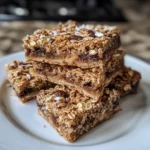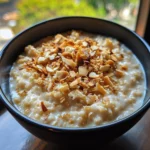

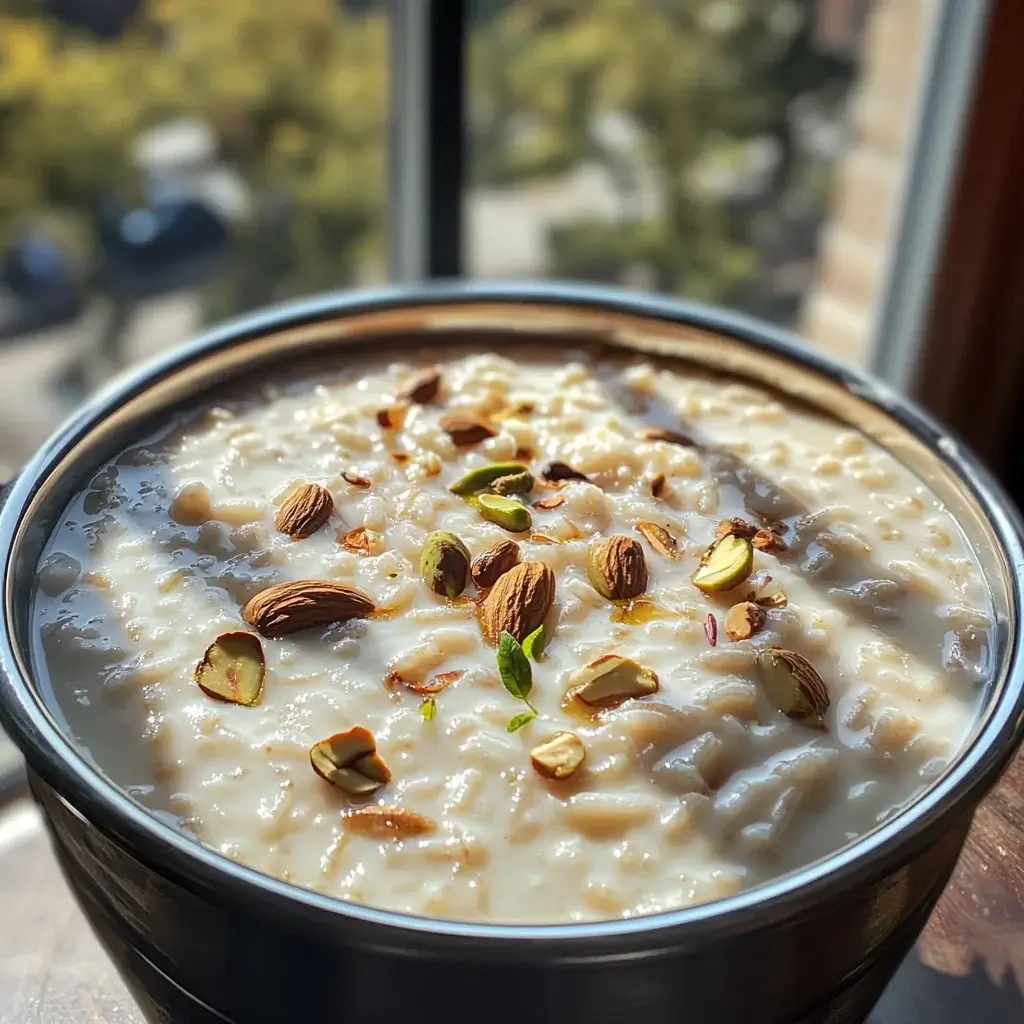

Rice Kheer, a quintessential Indian dessert, is cherished for its creamy texture and aromatic flavors. This beloved delicacy, often enjoyed during festivals and special occasions, is a delightful blend of rice, milk, and sugar, enriched with the essence of cardamom and saffron. Whether you’re new to Indian cuisine or a seasoned cook, this comprehensive guide will help you master the art of making Rice Kheer. Let’s dive into the world of flavors and aromas that make this dessert a favorite across generations.
Ingredients
Before we start cooking, gather these essential ingredients. Each component plays a crucial role in creating the perfect Rice Kheer:
- 1/2 cup rice (basmati or any variety)
- 4 cups milk (dairy or plant-based)
- 1/2 cup sugar (or jaggery)
- 1/4 teaspoon cardamom powder
- 2 tablespoons chopped nuts (almonds, cashews, or pistachios)
- A pinch of saffron (optional)
- 1 teaspoon rose water (optional)
Instructions
Creating Rice Kheer is a straightforward process, but it requires patience and attention to detail. Follow these steps to ensure a creamy and luscious kheer:
- Prepare the Rice:
- Rinse the rice thoroughly under cold water to remove excess starch.
- Soak the rice in water for 30 minutes, then drain.
- Begin Cooking:
- In a heavy-bottomed pot, bring the milk to a boil over medium heat.
- Add the soaked and drained rice to the boiling milk. Reduce the heat to a simmer.
- Simmer to Perfection:
- Cook the rice and milk mixture on low heat for 25-30 minutes.
- Stir occasionally to prevent the rice from sticking to the pot and ensure even cooking.
- Add Sweetness and Flavor:
- Once the rice is soft and the pudding has thickened, add sugar or jaggery.
- Stir in cardamom powder, chopped nuts, and saffron (if using). Cook for an additional 5 minutes.
- Finishing Touches:
- Remove the pot from heat.
- Add rose water (if using) for an aromatic finish.
- Serving Suggestions:
- Serve the Rice Kheer warm or chilled, based on your preference.
Nutrition Facts
Understanding the nutritional content of Rice Kheer helps you appreciate this dessert’s balance of flavors and health benefits. Here’s what you can expect per serving:
- Calories: 200
- Protein: 5g
- Carbs: 30g
- Fat: 6g
- Sugar: 12g
Rice Kheer provides a comforting sweetness while also offering a moderate amount of protein and healthy fats, making it a well-rounded dessert choice.
How to Serve
Rice Kheer, a beloved Indian dessert, is incredibly versatile in its presentation and serving style. Whether it’s a cozy family dinner or a grand festive celebration, the way you serve this creamy delicacy can elevate the overall experience. Below are some detailed suggestions on how to best serve Rice Kheer, catering to various occasions and personal tastes.
Warm Comfort
One of the most delightful ways to enjoy Rice Kheer is warm. On a chilly evening, a bowl of warm kheer can be incredibly soothing and comforting. To serve warm kheer, simply prepare it as per your recipe and allow it to cool slightly before ladling it into bowls. You can enhance the warmth by adding a pinch of cardamom powder or a drizzle of ghee on top just before serving. For added texture, consider garnishing with slivers of toasted almonds or cashews. This not only elevates the flavor but also adds a delightful crunch to each spoonful.
Chilled Delight
On hot summer days, a chilled serving of Rice Kheer can be a refreshing treat. To prepare, allow your kheer to cool to room temperature before transferring it to the refrigerator. Let it chill for at least 2-3 hours, or even overnight for the best results. When ready to serve, you can add a few fresh fruits like chopped mangoes or strawberries for a fruity twist that complements the creamy texture. A sprinkle of crushed pistachios on top can also add a vibrant color and an extra layer of flavor. Serving the kheer in elegant dessert cups or glasses can make it visually appealing, perfect for summer gatherings or parties.
Festive Garnish
Rice Kheer is often associated with celebrations and special occasions, and garnishing can make it feel even more festive. For a traditional touch, consider adding extra toppings such as finely chopped or whole nuts, like pistachios, almonds, or walnuts. You can also incorporate dried fruits like raisins or chopped dates for added sweetness and texture. For a truly opulent presentation, consider using edible silver leaf (varak) to adorn the top of the kheer. This not only enhances its aesthetic appeal but also signifies luxury and festivity, making it perfect for festivals, weddings, or family gatherings.
Accompaniments
To create a more rounded meal experience, Rice Kheer can be paired with traditional Indian snacks. The rich, creamy texture of the kheer complements savory snacks beautifully. Serving it alongside crispy samosas or spicy pakoras provides a delightful contrast in flavors and textures. You might also consider including a tangy chutney or a side of crispy papadums to enhance the overall taste. This combination makes for an enjoyable experience, turning dessert into a part of a more extensive meal.
Personal Touch
Ultimately, how you serve Rice Kheer can be personalized to suit your guests’ tastes or the occasion. Consider the preferences of your family and friends—some may prefer it richer with additional milk or cream, while others might enjoy a lighter version. You can also experiment with flavors by infusing the kheer with saffron strands or rose water, which can add a unique twist. For a modern touch, you might even serve Rice Kheer in mason jars, topped with a lid, making it convenient for guests to enjoy at their leisure.
By thoughtfully considering how you serve Rice Kheer, you can enhance not only the presentation but also the overall dining experience, making this classic dessert a memorable part of any meal.
Additional Tips
To elevate your Rice Kheer from delightful to truly exceptional, consider these comprehensive tips that enhance both flavor and texture, ensuring a memorable dessert experience.
Rice Selection
While traditional recipes often call for Basmati rice due to its aromatic qualities and long grains, it’s important to note that various rice types can also produce delicious results. Basmati rice is ideal for its fragrance and fluffy texture, which contributes to the overall experience of the kheer. However, if Basmati is unavailable, Jasmine rice can serve as a fragrant alternative, while short-grain rice, such as Arborio, can give a creamier, more risotto-like texture. If you prefer a healthier option, brown rice may be used, keeping in mind that it will require a longer cooking time and will produce a nuttier flavor and chewier texture.
Milk Choice
The type of milk you choose significantly impacts the creaminess and richness of your kheer. Full-fat cow’s milk is highly recommended for its luscious, creamy texture which integrates beautifully with the rice and enhances the flavor profile. If you’re looking for a plant-based alternative, coconut milk is an excellent option, imparting a subtle sweetness and tropical flavor that can elevate your kheer. Almond milk or oat milk are also viable substitutes, though they may yield a slightly less creamy texture. For those who are lactose intolerant or following a vegan diet, using a blend of plant-based milks can create a more balanced flavor and texture.
Sweetness Level
Sugar is a key ingredient in kheer, but the level of sweetness can be tailored to suit your palate. Standard granulated sugar is commonly used, but consider experimenting with jaggery, a traditional Indian unrefined sugar made from cane juice or palm sap. Jaggery not only adds a unique depth of flavor but also brings additional health benefits, as it contains more minerals compared to regular sugar. If you prefer a lower-calorie option, natural sweeteners like honey or maple syrup can also be used, though it’s recommended to add them towards the end of the cooking process to preserve their nutritional benefits.
Nut Variations
Nuts are a fantastic way to add both flavor and texture to your Rice Kheer. While cashews and almonds are the most common choices, don’t hesitate to experiment with other nuts such as pistachios or walnuts for a unique twist. Toasting the nuts beforehand can intensify their flavor and add a delightful crunch that contrasts with the creamy kheer. Additionally, consider incorporating raisins or dried fruits like sultanas or dates. These can provide a natural sweetness and chewy texture, enhancing the overall mouthfeel of the dish.
Consistency
Achieving the perfect consistency of kheer is essential for a satisfying dessert. If you prefer a thicker kheer, allow it to simmer longer to reduce the liquid and concentrate the flavors. Stir frequently to prevent the rice from sticking to the bottom of the pot. Conversely, if you enjoy a soupier version, you can add extra milk or water as needed during cooking. It’s worth noting that the kheer will thicken further upon cooling, so consider this when deciding on your desired consistency.
Flavor Enhancements
To make your kheer even more special, consider infusing it with additional flavors. Cardamom is a classic addition that brings warmth and a hint of spice; simply crush a few pods and add them during the cooking process. For a more exotic touch, a splash of rose water or saffron can impart a floral note that is both aromatic and visually appealing. Just a few strands of saffron soaked in warm milk can add a beautiful golden hue and a luxurious flavor.
Serving Suggestions
Finally, presentation plays a crucial role in enjoying any dish. Serve your Rice Kheer in decorative bowls and garnish with a sprinkle of finely chopped nuts, a drizzle of honey, or a few strands of saffron for a visually stunning dish that is also inviting. Pairing kheer with a dollop of fresh whipped cream or a scoop of vanilla ice cream can create a delightful contrast of temperatures and textures.
By following these detailed tips, you can transform your Rice Kheer into a rich, flavorful, and unforgettable dessert that will impress family and friends alike. Enjoy the process of creating this beloved dish and savor each bite of your homemade kheer!
FAQs
Q1: Can I use leftover rice to make Kheer?
A1: Yes, you can use leftover cooked rice. Simply adjust the cooking time as the rice is already cooked.
Q2: How long can I store Rice Kheer?
A2: Rice Kheer can be stored in the refrigerator for up to 3-4 days. Ensure it’s in an airtight container to maintain freshness.
Q3: Is it possible to make Rice Kheer without sugar?
A3: Absolutely! You can use natural sweeteners like honey or stevia or opt for jaggery for a traditional touch.
Q4: What can I use instead of rose water?
A4: If you don’t have rose water, you can use a few drops of vanilla extract or omit it entirely.
Conclusion
Rice Kheer is a beloved Indian dessert that goes beyond satisfying a sweet tooth—it’s a celebration of tradition, culture, and the art of slow cooking. This creamy and aromatic dish, enriched with fragrant spices like cardamom and saffron, combines simplicity with elegance to create a timeless dessert. Whether served warm or chilled, Rice Kheer offers comfort and indulgence in every bite, making it a perfect choice for festive occasions, celebrations, or everyday meals.
One of the beauties of Rice Kheer is its adaptability. It can be customized to suit your preferences, allowing you to adjust the sweetness, add a variety of nuts and dried fruits, or experiment with alternative flavorings such as rose water or vanilla. The silky consistency of the milk, combined with the soft grains of rice, creates a delightful texture that pairs beautifully with the crunch of toasted almonds, pistachios, or cashews.
Preparing Rice Kheer is as much about the process as it is about the result. The slow simmering of milk and rice not only deepens the flavors but also fills your kitchen with a comforting, sweet aroma. This unhurried cooking method reflects the patience and care that are hallmarks of traditional Indian desserts. Each step in the recipe contributes to a rich and luscious final product that is truly rewarding.
Rice Kheer also holds a special place in Indian culture, often served during festivals, religious ceremonies, and family gatherings. Its universal appeal transcends occasions, making it a dish that brings people together. The comforting flavors and creamy texture make it a dessert that’s loved by people of all ages.
In essence, Rice Kheer is more than just a sweet dish—it’s an experience that combines flavors, textures, and a deep sense of tradition. By following this guide, you can master the art of making a kheer that’s perfectly creamy, beautifully spiced, and utterly delicious. So, gather your ingredients, embrace the process, and savor the rich, aromatic delight of homemade Rice Kheer. Each spoonful is a celebration of culinary heritage and the simple joys of good food!
Print
Rice Kheer
Ingredients
Before we start cooking, gather these essential ingredients. Each component plays a crucial role in creating the perfect Rice Kheer:
- 1/2 cup rice (basmati or any variety)
- 4 cups milk (dairy or plant-based)
- 1/2 cup sugar (or jaggery)
- 1/4 teaspoon cardamom powder
- 2 tablespoons chopped nuts (almonds, cashews, or pistachios)
- A pinch of saffron (optional)
- 1 teaspoon rose water (optional)
Instructions
Creating Rice Kheer is a straightforward process, but it requires patience and attention to detail. Follow these steps to ensure a creamy and luscious kheer:
- Prepare the Rice:
- Rinse the rice thoroughly under cold water to remove excess starch.
- Soak the rice in water for 30 minutes, then drain.
- Begin Cooking:
- In a heavy-bottomed pot, bring the milk to a boil over medium heat.
- Add the soaked and drained rice to the boiling milk. Reduce the heat to a simmer.
- Simmer to Perfection:
- Cook the rice and milk mixture on low heat for 25-30 minutes.
- Stir occasionally to prevent the rice from sticking to the pot and ensure even cooking.
- Add Sweetness and Flavor:
- Once the rice is soft and the pudding has thickened, add sugar or jaggery.
- Stir in cardamom powder, chopped nuts, and saffron (if using). Cook for an additional 5 minutes.
- Finishing Touches:
- Remove the pot from heat.
- Add rose water (if using) for an aromatic finish.
- Serving Suggestions:
- Serve the Rice Kheer warm or chilled, based on your preference.
Nutrition
- Serving Size: 1 normal portion
- Calories: 200
- Sugar: 12g
- Fat: 6g
- Carbohydrates: 30g
- Protein: 5g