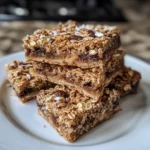



Of all the aromas that can fill a kitchen, the scent of baking bread is perhaps the most universally comforting. But when you weave in the rustic, pine-like fragrance of fresh rosemary and the pungent, savory punch of garlic, it transforms from mere comfort into something truly magical. I’ll never forget the first time I pulled a batch of these Rosemary Garlic Focaccia Muffins from the oven. The plan was to serve them alongside a big pot of minestrone soup for a family dinner, but they barely made it to the table. My kids, usually picky about anything with “green stuff,” were drawn in by the irresistible smell. They hovered around the cooling rack, their eyes wide. My husband, a self-proclaimed bread connoisseur, broke one open while it was still steaming, revealing the pillowy, airy crumb inside. The audible crunch of the golden crust, glistening with infused olive oil and sparkling with flaky sea salt, was followed by a moment of reverent silence, and then a simple, “Wow. You have to make these again.” And I have. Over and over. These focaccia muffins have become a staple for everything from casual weeknight dinners to impressive holiday appetizers. They are deceptively simple to make, yet they deliver a sophisticated flavor and texture that feels like it came from a high-end artisan bakery. This recipe isn’t just about baking; it’s about creating a moment of pure, delicious joy that you can hold in your hand.
Why You Will Adore These Focaccia Muffins
Before we dive into the nuts and bolts of the recipe, let’s talk about why these Rosemary Garlic Focaccia Muffins will quickly become a favorite in your baking repertoire. This isn’t just another bread recipe; it’s a game-changer for several reasons.
- Perfectly Portioned: Traditional focaccia is fantastic, but it can be messy to cut and serve, especially for a crowd. By baking the dough in a muffin tin, you get perfectly portioned, individual servings. This makes them ideal for dinner parties, potlucks, lunchboxes, or simply grabbing a quick, satisfying snack. No knife required!
- Incredibly Flavorful: The combination of rosemary and garlic is a timeless classic for a reason. We don’t just sprinkle the herbs on top; we infuse them into high-quality olive oil. This process draws out the essential oils and aromatic compounds, ensuring that every single bite is saturated with deep, savory flavor.
- Amazing Texture: The hallmark of great focaccia is the contrast between a soft, airy, chewy interior and a crisp, golden-brown crust. This recipe nails that texture. The high moisture content of the dough creates a beautiful open crumb, while the generous amount of olive oil in the muffin tin essentially “fries” the outside of the muffins, resulting in an unbelievably satisfying crunch.
- Beginner-Friendly: If you’re new to bread-making, this is the perfect place to start. The dough is very forgiving and doesn’t require complex shaping techniques. The stand mixer does most of the heavy lifting, and the entire process is straightforward and rewarding. It’s a fantastic way to build your confidence in working with yeast.
- Extremely Versatile: While the rosemary and garlic combination is stellar, think of this recipe as a blank canvas. You can easily customize the toppings to suit your taste or what you have on hand. Sun-dried tomatoes, Kalamata olives, grated Parmesan cheese, or different herbs can all be used to create your own signature focaccia muffin.
The Science of a Perfect Crumb: A Look at the Ingredients
The magic of these muffins lies in the simplicity of their ingredients. However, the quality of each component and understanding its role is crucial to achieving that bakery-level result. Let’s break down the key players.
For the Dough:
- All-Purpose Flour (500g, or about 4 cups): While many bread recipes call for high-protein bread flour, we’re using all-purpose flour here. Why? All-purpose flour has a moderate protein content (around 10-12%), which is perfect for developing enough gluten to create a chewy structure without making the final product tough. It gives us that signature soft, pillowy interior that defines classic focaccia. Be sure to measure your flour correctly, either by weight (which is most accurate) or by using the “spoon and level” method to avoid a dense, heavy crumb.
- Instant Yeast (2 ¼ teaspoons, or one 7g packet): Instant yeast is a fantastic choice for home bakers because it’s reliable and can be mixed directly in with the dry ingredients without needing to be “proofed” or activated in warm water first. It works quickly to create the carbon dioxide bubbles that give the dough its lift and airy texture. If you only have active dry yeast, you’ll need to activate it in the warm water with a pinch of sugar for about 5-10 minutes until it becomes foamy.
- Lukewarm Water (400ml, or about 1 ¾ cups): The temperature of the water is critical. It should be lukewarm, around 105-115°F (40-46°C). Too cold, and the yeast won’t activate properly, resulting in a flat dough. Too hot, and you risk killing the yeast entirely. A good rule of thumb is that it should feel comfortably warm to the touch, like a baby’s bathwater.
- Fine Sea Salt (2 teaspoons): Salt does more than just add flavor; it’s essential for controlling the yeast’s activity, preventing it from working too quickly. It also strengthens the gluten structure, which contributes to a better chew and overall texture.
- Granulated Sugar (1 teaspoon): A small amount of sugar acts as food for the yeast, giving it a little boost to kickstart the fermentation process. It doesn’t make the bread sweet but helps ensure a vigorous and healthy rise.
- Extra Virgin Olive Oil (2 tablespoons): This olive oil is mixed directly into the dough. It enriches the dough, tenderizing the crumb and adding a subtle, fruity flavor that is foundational to authentic focaccia.
For the Garlic Rosemary Oil and Topping:
- Extra Virgin Olive Oil (½ cup): This is for the infusion and for coating the muffin tin. Do not skimp here! A good quality, flavorful extra virgin olive oil is the star of the show. It’s not just a cooking medium; it’s a primary flavor component. Its fruity, peppery notes will shine through in the final product.
- Fresh Rosemary (3-4 sprigs, finely chopped): Fresh rosemary is highly recommended over dried for its vibrant, pine-like aroma and less woody texture. When chopped finely and infused in warm oil, it releases its fragrant oils, perfuming the entire bread.
- Garlic (4-5 cloves, thinly sliced or minced): Fresh garlic provides a pungent, savory depth that is absolutely irresistible. Slicing it thinly allows it to gently toast in the oven without burning, while mincing it will distribute the flavor more intensely throughout the oil.
- Flaky Sea Salt (like Maldon, for topping): This is the finishing touch and is non-negotiable for an authentic focaccia experience. Unlike fine salt, these large, pyramid-shaped flakes don’t dissolve into the dough. Instead, they sit on top, providing a delightful crunch and a burst of clean, briny flavor that contrasts beautifully with the soft bread and rich oil.
Instructions: Your Step-by-Step Guide to Focaccia Muffin Bliss
Follow these steps carefully, and you’ll be rewarded with a batch of the most delicious savory muffins you’ve ever tasted.
Step 1: Prepare the Garlic Rosemary Infused Oil
- In a small saucepan, combine the ½ cup of extra virgin olive oil, the finely chopped fresh rosemary, and the sliced or minced garlic.
- Heat the mixture over low heat. You do not want to fry the garlic; the goal is to gently warm the oil to infuse it with flavor.
- Let the oil warm for about 5-7 minutes, stirring occasionally. You’ll know it’s ready when the oil is highly fragrant and the garlic is softened but not browned.
- Remove the saucepan from the heat and set it aside to cool slightly, allowing the flavors to meld further.
Step 2: Mix and Knead the Dough
- In the bowl of a stand mixer fitted with the dough hook attachment, combine the 500g of all-purpose flour, 2 ¼ teaspoons of instant yeast, 2 teaspoons of fine sea salt, and 1 teaspoon of granulated sugar. Give it a quick whisk to evenly distribute the dry ingredients.
- Add the 400ml of lukewarm water and the 2 tablespoons of olive oil to the dry ingredients.
- Turn the mixer on to a low speed and mix until the ingredients come together to form a shaggy, sticky dough.
- Increase the mixer speed to medium-low and knead the dough for 8-10 minutes. The dough will be quite wet and sticky at first, which is normal for focaccia. Don’t be tempted to add too much extra flour.
- You’ll know the dough is ready when it has become smooth, elastic, and pulls away from the sides of the bowl, though it will still be slightly sticky to the touch. A good test is the “windowpane test”: take a small piece of dough and gently stretch it between your fingers. If you can stretch it thin enough to see light through it without it tearing, the gluten is well-developed.
Step 3: The First Rise (Bulk Fermentation)
- Take a large, clean bowl and lightly grease it with a bit of your infused rosemary garlic oil.
- Turn the kneaded dough out onto a lightly floured surface and form it into a smooth ball.
- Place the dough ball into the greased bowl, turning it over once to coat the top with oil. This prevents a skin from forming.
- Cover the bowl with plastic wrap or a damp kitchen towel.
- Place the bowl in a warm, draft-free spot to rise for 1 to 1.5 hours, or until the dough has doubled in size.
Step 4: Prepare the Muffin Tin and Shape the Muffins
- While the dough is rising, prepare a standard 12-cup muffin tin. Using a pastry brush, generously coat the bottom and sides of each cup with your prepared garlic rosemary oil. Be liberal with the oil – this is key to getting that crispy, fried-like crust. Make sure to get some of the bits of rosemary and garlic in each cup.
- Once the dough has doubled, gently punch it down to release the air.
- Turn the dough out onto a lightly floured surface and divide it into 12 equal pieces. A kitchen scale is helpful here for uniform muffins, but you can also eyeball it.
- Roll each piece into a small, rough ball and place one ball in each of the prepared muffin cups.
Step 5: The Second Rise
- Cover the muffin tin loosely with plastic wrap.
- Let the muffins rise again in a warm place for another 30-45 minutes, or until they have puffed up and are risen just above the rim of the muffin cups.
- Towards the end of the second rise, preheat your oven to 400°F (200°C).
Step 6: Dimple, Top, and Bake
- Once the muffins have risen, remove the plastic wrap.
- Dip your fingers in the remaining garlic rosemary oil and press down into the top of each muffin, creating the classic focaccia dimples. This helps prevent the bread from puffing up too much and creates little pools to hold the delicious oil.
- Drizzle any remaining oil over the tops of the muffins.
- Sprinkle generously with the flaky sea salt. This is the final, crucial touch for flavor and texture.
- Bake in the preheated oven for 20-25 minutes, or until the tops are a deep golden brown and the edges are crispy. If you tap the top of a muffin, it should sound hollow.
- Let the focaccia muffins cool in the tin for 5-10 minutes before carefully removing them to a wire rack to cool completely. They are best enjoyed warm on the day they are made.
Nutrition Facts
- Servings: 12 muffins
- Calories per serving: Approximately 220-250 kcal (This is an estimate and can vary based on the specific type of olive oil and flour used).
Preparation Time
- Active Prep Time: 25 minutes
- First Rise Time: 60-90 minutes
- Second Rise Time: 30-45 minutes
- Bake Time: 20-25 minutes
- Total Time: Approximately 2.5 – 3 hours
How to Serve Your Rosemary Garlic Focaccia Muffins
These versatile muffins can be served in countless ways, elevating any meal from simple to special. Here are some of our favorite ways to enjoy them:
- As an Appetizer or Snack:
- Serve them warm, straight from the oven, with a small dish of high-quality balsamic vinegar and olive oil for dipping.
- Place them in a bread basket as the centerpiece of a charcuterie or cheese board. They pair wonderfully with prosciutto, salami, aged cheddar, and creamy brie.
- Alongside Soups and Stews:
- Their spongy texture is perfect for soaking up the last bits of a hearty soup. They are a perfect match for:
- Creamy Tomato Basil Soup
- Hearty Minestrone or Lentil Soup
- A rustic Beef and Vegetable Stew
- Their spongy texture is perfect for soaking up the last bits of a hearty soup. They are a perfect match for:
- With Your Favorite Pasta Dishes:
- Use them to mop up extra sauce from classic pasta dishes. They are particularly good with:
- Spaghetti Bolognese
- Creamy Fettuccine Alfredo
- Pesto Pasta with Cherry Tomatoes
- Use them to mop up extra sauce from classic pasta dishes. They are particularly good with:
- As Mini Sandwich Buns:
- Slice a muffin in half horizontally and create delicious mini-sandwiches. Fill them with:
- Mozzarella, tomato, and fresh basil for a mini Caprese sandwich.
- Roasted red peppers and goat cheese.
- Prosciutto, fig jam, and arugula.
- Slice a muffin in half horizontally and create delicious mini-sandwiches. Fill them with:
- For a Savory Breakfast:
- Split and toast a muffin and top it with a poached or fried egg for a truly decadent start to your day.
Additional Tips for Focaccia Muffin Perfection
Unlock your inner baker with these five expert tips to ensure your focaccia muffins are flawless every single time.
- Don’t Be Shy with the Olive Oil: This is the most important rule of focaccia. The generous amount of oil in the muffin tin is what creates the signature crispy, almost-fried texture on the bottom and sides. It also prevents sticking and infuses the entire muffin with flavor. When you think you’ve used enough, add a little more.
- Master the Dimple: The dimpling process is more than just for show. Pressing your oiled fingertips firmly into the dough before baking helps to de-gas it slightly, preventing it from rising too much like a dinner roll and preserving the flatter, denser-yet-airy texture of focaccia. These dimples also create perfect little pockets to trap the olive oil and flaky salt.
- Find a Warm Spot for Rising: Yeast is a living organism that thrives in warmth. A dough that rises in a cold environment will be sluggish and may not double in size, leading to dense muffins. Ideal spots include a turned-off oven with the light on, on top of the refrigerator, or near a sunny window. A consistent, warm rise is key to a light, airy crumb.
- Get Creative with Toppings: While rosemary and garlic are a classic pairing, feel free to experiment! Before the final bake, press in other toppings like chopped Kalamata olives, sun-dried tomatoes, thinly sliced red onion, or crumbled feta cheese. You could also swap the rosemary for fresh thyme or oregano.
- Check for Doneness with Confidence: The visual cue is a deep golden-brown color. However, for complete confidence, you can use an instant-read thermometer. The internal temperature of a fully cooked bread should be between 190°F and 200°F (88°C and 93°C). This guarantees the inside is cooked through and not doughy.
Frequently Asked Questions (FAQ)
Here are answers to some common questions you might have about making these delightful savory muffins.
1. My dough didn’t rise. What did I do wrong?
This is the most common issue in bread making and usually comes down to the yeast. There are a few likely culprits:
- Your yeast was expired or dead. Always check the expiration date on the packet.
- Your water was too hot. Water above 120°F (49°C) can kill yeast. Test it on your wrist; it should feel pleasantly warm, not hot.
- Your kitchen was too cold. Yeast activity slows down dramatically in the cold. Make sure you place the dough to rise in a consistently warm, draft-free spot.
2. Can I make these ahead of time? How do I store them?
Yes! These muffins are best on the day they are baked, but they store well.
- Room Temperature: Store them in an airtight container or a zip-top bag at room temperature for up to 2-3 days. To refresh them, spritz them lightly with water and warm them in a 350°F (175°C) oven for 5-7 minutes. This will bring back the crust’s crispness.
- Freezing: These muffins freeze beautifully. Let them cool completely, then place them in a freezer-safe bag or container. They can be frozen for up to 3 months. To serve, let them thaw at room temperature or warm them directly from frozen in the oven.
3. Can I use dried rosemary instead of fresh?
You can, but the flavor will be different and more potent. The general rule of thumb is to use one-third the amount of dried herbs as you would fresh. For this recipe, you would use about 1 to 1.5 teaspoons of dried rosemary. I recommend crushing the dried rosemary between your fingers as you add it to the oil to help release its flavor. Fresh garlic is still highly recommended for the best taste.
4. Why were my focaccia muffins dense and heavy instead of light and airy?
A dense crumb is usually caused by one of three things:
- Incorrect Flour Measurement: Too much flour is the number one cause of dense bread. Using a kitchen scale for grams is the most accurate way to measure. If using cups, be sure to spoon the flour into the measuring cup and level it off, rather than scooping directly from the bag.
- Under-Kneading: The dough needs to be kneaded for the full 8-10 minutes to develop the gluten structure that traps air. If the gluten isn’t strong enough, the muffin can’t hold its airy structure.
- Not Letting it Rise Long Enough: If you rush the rising process, the yeast won’t have enough time to produce the gasses needed for a light texture. Be patient and wait for the dough to truly double in size.
5. Can I make this recipe without a stand mixer?
Absolutely! It will just require a bit more elbow grease. After combining the ingredients in a large bowl, turn the sticky dough out onto a well-floured surface. Knead by hand for 10-15 minutes. Use a bench scraper to help you lift and turn the sticky dough. Continue kneading until it becomes smooth and elastic. The rest of the steps remain the same. It’s a great workout with a delicious reward

Rosemary Garlic Focaccia Muffins Recipe
Ingredients
For the Dough:
- All-Purpose Flour (500g, or about 4 cups): While many bread recipes call for high-protein bread flour, we’re using all-purpose flour here. Why? All-purpose flour has a moderate protein content (around 10-12%), which is perfect for developing enough gluten to create a chewy structure without making the final product tough. It gives us that signature soft, pillowy interior that defines classic focaccia. Be sure to measure your flour correctly, either by weight (which is most accurate) or by using the “spoon and level” method to avoid a dense, heavy crumb.
- Instant Yeast (2 ¼ teaspoons, or one 7g packet): Instant yeast is a fantastic choice for home bakers because it’s reliable and can be mixed directly in with the dry ingredients without needing to be “proofed” or activated in warm water first. It works quickly to create the carbon dioxide bubbles that give the dough its lift and airy texture. If you only have active dry yeast, you’ll need to activate it in the warm water with a pinch of sugar for about 5-10 minutes until it becomes foamy.
- Lukewarm Water (400ml, or about 1 ¾ cups): The temperature of the water is critical. It should be lukewarm, around 105-115°F (40-46°C). Too cold, and the yeast won’t activate properly, resulting in a flat dough. Too hot, and you risk killing the yeast entirely. A good rule of thumb is that it should feel comfortably warm to the touch, like a baby’s bathwater.
- Fine Sea Salt (2 teaspoons): Salt does more than just add flavor; it’s essential for controlling the yeast’s activity, preventing it from working too quickly. It also strengthens the gluten structure, which contributes to a better chew and overall texture.
- Granulated Sugar (1 teaspoon): A small amount of sugar acts as food for the yeast, giving it a little boost to kickstart the fermentation process. It doesn’t make the bread sweet but helps ensure a vigorous and healthy rise.
- Extra Virgin Olive Oil (2 tablespoons): This olive oil is mixed directly into the dough. It enriches the dough, tenderizing the crumb and adding a subtle, fruity flavor that is foundational to authentic focaccia.
For the Garlic Rosemary Oil and Topping:
- Extra Virgin Olive Oil (½ cup): This is for the infusion and for coating the muffin tin. Do not skimp here! A good quality, flavorful extra virgin olive oil is the star of the show. It’s not just a cooking medium; it’s a primary flavor component. Its fruity, peppery notes will shine through in the final product.
- Fresh Rosemary (3-4 sprigs, finely chopped): Fresh rosemary is highly recommended over dried for its vibrant, pine-like aroma and less woody texture. When chopped finely and infused in warm oil, it releases its fragrant oils, perfuming the entire bread.
- Garlic (4-5 cloves, thinly sliced or minced): Fresh garlic provides a pungent, savory depth that is absolutely irresistible. Slicing it thinly allows it to gently toast in the oven without burning, while mincing it will distribute the flavor more intensely throughout the oil.
- Flaky Sea Salt (like Maldon, for topping): This is the finishing touch and is non-negotiable for an authentic focaccia experience. Unlike fine salt, these large, pyramid-shaped flakes don’t dissolve into the dough. Instead, they sit on top, providing a delightful crunch and a burst of clean, briny flavor that contrasts beautifully with the soft bread and rich oil.
Instructions
Step 1: Prepare the Garlic Rosemary Infused Oil
- In a small saucepan, combine the ½ cup of extra virgin olive oil, the finely chopped fresh rosemary, and the sliced or minced garlic.
- Heat the mixture over low heat. You do not want to fry the garlic; the goal is to gently warm the oil to infuse it with flavor.
- Let the oil warm for about 5-7 minutes, stirring occasionally. You’ll know it’s ready when the oil is highly fragrant and the garlic is softened but not browned.
- Remove the saucepan from the heat and set it aside to cool slightly, allowing the flavors to meld further.
Step 2: Mix and Knead the Dough
- In the bowl of a stand mixer fitted with the dough hook attachment, combine the 500g of all-purpose flour, 2 ¼ teaspoons of instant yeast, 2 teaspoons of fine sea salt, and 1 teaspoon of granulated sugar. Give it a quick whisk to evenly distribute the dry ingredients.
- Add the 400ml of lukewarm water and the 2 tablespoons of olive oil to the dry ingredients.
- Turn the mixer on to a low speed and mix until the ingredients come together to form a shaggy, sticky dough.
- Increase the mixer speed to medium-low and knead the dough for 8-10 minutes. The dough will be quite wet and sticky at first, which is normal for focaccia. Don’t be tempted to add too much extra flour.
- You’ll know the dough is ready when it has become smooth, elastic, and pulls away from the sides of the bowl, though it will still be slightly sticky to the touch. A good test is the “windowpane test”: take a small piece of dough and gently stretch it between your fingers. If you can stretch it thin enough to see light through it without it tearing, the gluten is well-developed.
Step 3: The First Rise (Bulk Fermentation)
- Take a large, clean bowl and lightly grease it with a bit of your infused rosemary garlic oil.
- Turn the kneaded dough out onto a lightly floured surface and form it into a smooth ball.
- Place the dough ball into the greased bowl, turning it over once to coat the top with oil. This prevents a skin from forming.
- Cover the bowl with plastic wrap or a damp kitchen towel.
- Place the bowl in a warm, draft-free spot to rise for 1 to 1.5 hours, or until the dough has doubled in size.
Step 4: Prepare the Muffin Tin and Shape the Muffins
- While the dough is rising, prepare a standard 12-cup muffin tin. Using a pastry brush, generously coat the bottom and sides of each cup with your prepared garlic rosemary oil. Be liberal with the oil – this is key to getting that crispy, fried-like crust. Make sure to get some of the bits of rosemary and garlic in each cup.
- Once the dough has doubled, gently punch it down to release the air.
- Turn the dough out onto a lightly floured surface and divide it into 12 equal pieces. A kitchen scale is helpful here for uniform muffins, but you can also eyeball it.
- Roll each piece into a small, rough ball and place one ball in each of the prepared muffin cups.
Step 5: The Second Rise
- Cover the muffin tin loosely with plastic wrap.
- Let the muffins rise again in a warm place for another 30-45 minutes, or until they have puffed up and are risen just above the rim of the muffin cups.
- Towards the end of the second rise, preheat your oven to 400°F (200°C).
Step 6: Dimple, Top, and Bake
- Once the muffins have risen, remove the plastic wrap.
- Dip your fingers in the remaining garlic rosemary oil and press down into the top of each muffin, creating the classic focaccia dimples. This helps prevent the bread from puffing up too much and creates little pools to hold the delicious oil.
- Drizzle any remaining oil over the tops of the muffins.
- Sprinkle generously with the flaky sea salt. This is the final, crucial touch for flavor and texture.
- Bake in the preheated oven for 20-25 minutes, or until the tops are a deep golden brown and the edges are crispy. If you tap the top of a muffin, it should sound hollow.
- Let the focaccia muffins cool in the tin for 5-10 minutes before carefully removing them to a wire rack to cool completely. They are best enjoyed warm on the day they are made.
Nutrition
- Serving Size: One Normal Portion
- Calories: 220-250 kcal