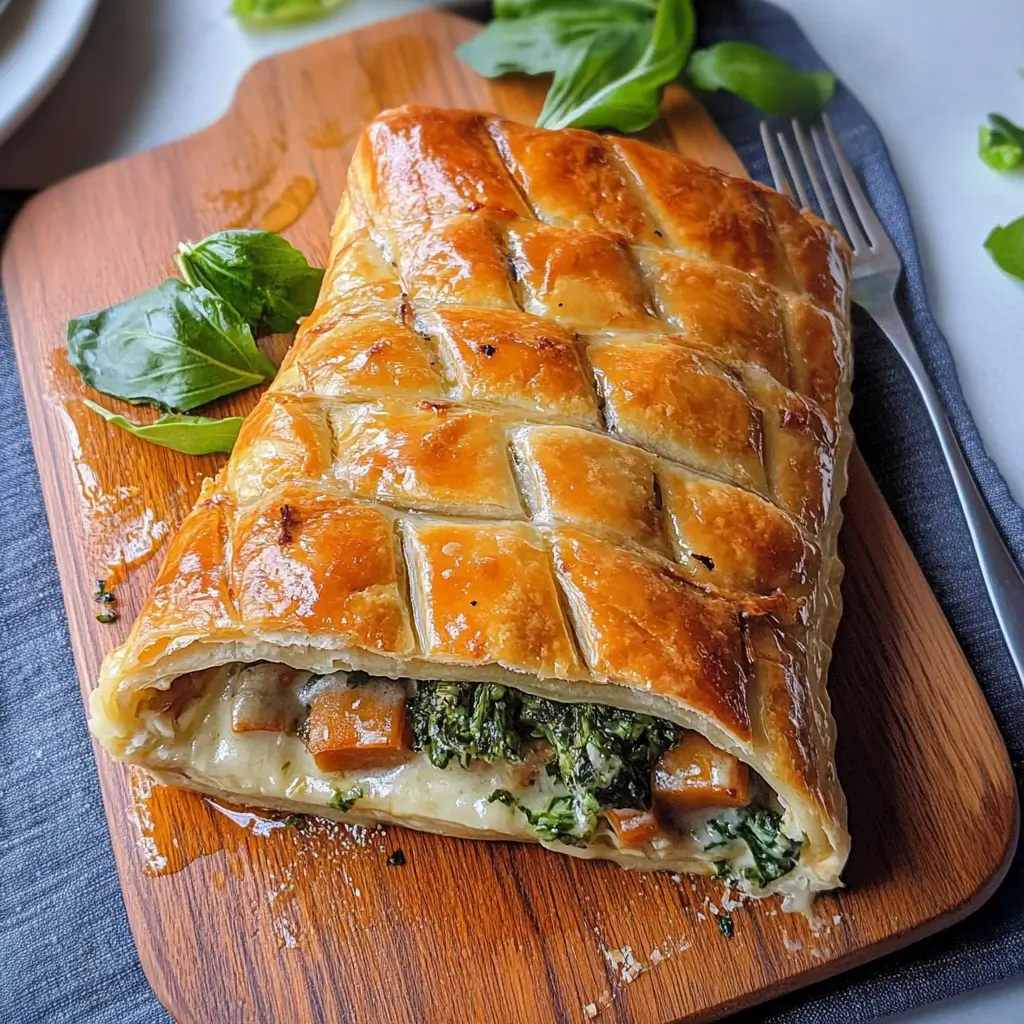
Salmon Wellington. Just the name itself conjures images of elegant dinner parties and sophisticated dining experiences. But don’t let the fancy name intimidate you! This isn’t some restaurant-only dish locked away behind chef secrets. In my own kitchen, Salmon Wellington has become a cherished centerpiece, a dish that manages to impress every single time, yet is surprisingly achievable for any home cook. The first time I made it, I was a little nervous, I’ll admit. Puff pastry always seemed a bit…temperamental. But following a good recipe, and with a little patience, the result was nothing short of spectacular. My family? They were absolutely blown away. The flaky, golden crust gave way to succulent, perfectly cooked salmon, nestled in a savory duxelles and creamy spinach layer. It was a symphony of textures and flavors that had everyone asking for seconds, and then thirds! Since then, Salmon Wellington has become my go-to for special occasions, from holiday dinners to celebratory birthdays. It’s a dish that feels luxurious, tastes incredible, and creates that “wow” factor without demanding hours of culinary expertise. Trust me, if I can make this a family favorite, you absolutely can too. Let’s dive into the secrets of crafting your own show-stopping Salmon Wellington.
Ingredients: The Building Blocks of Culinary Excellence
The beauty of Salmon Wellington lies in the harmonious blend of its components. Each ingredient plays a crucial role in creating the final masterpiece. High-quality ingredients are key here, as they directly impact the flavor and texture of your dish. Let’s break down each element:
- Salmon Fillet (Skinless and Boneless): 1.5 – 2 lbs center-cut salmon fillet is ideal. Look for a thick, even piece for consistent cooking. Fresh salmon is always preferred for the best flavor and texture. Consider sustainably sourced salmon for an environmentally conscious choice. If using frozen salmon, ensure it’s fully thawed and patted dry to remove excess moisture before use. The quality of your salmon will significantly impact the overall taste, so invest in the best you can find. Think about the color – a vibrant, healthy pink is a good indicator of freshness.
- Puff Pastry (All-Butter, Store-Bought or Homemade): 1 lb of all-butter puff pastry is essential for that signature flaky, golden crust. All-butter puff pastry offers superior flavor and flakiness compared to those made with vegetable shortening. While homemade puff pastry is a labor of love and truly elevates the dish, high-quality store-bought puff pastry is a fantastic and convenient option for busy cooks. Make sure the puff pastry is thoroughly thawed in the refrigerator according to package instructions before you start working with it. It should be pliable but still cold to prevent it from becoming sticky and difficult to handle.
- Mushrooms (Cremini, White Button, or a Mix): 1 lb of mushrooms forms the base of the flavorful duxelles. Cremini mushrooms (also known as baby bellas) offer a richer, earthier flavor than white button mushrooms. A mix of mushroom varieties can add complexity. Ensure your mushrooms are clean and dry before chopping. Excess moisture will hinder the sautéing process and result in a watery duxelles.
- Shallots (or Yellow Onion): 2-3 shallots, finely diced, provide a delicate onion flavor that complements the mushrooms and salmon. If shallots aren’t available, a small yellow onion, finely diced, can be used as a substitute. Shallots are preferred for their milder, sweeter flavor profile which doesn’t overpower the other ingredients.
- Garlic: 2-3 cloves of garlic, minced, add aromatic depth and complexity to the duxelles. Fresh garlic is always best for its pungent flavor. Mince the garlic finely to ensure it incorporates evenly into the mushroom mixture.
- Fresh Spinach: 5 oz baby spinach, washed and thoroughly dried, adds a vibrant green layer and subtle earthy notes. Baby spinach is tender and cooks down quickly. Make sure the spinach is completely dry, as excess moisture can make the Wellington soggy. You can also use frozen spinach, but be sure to thaw it completely and squeeze out as much excess water as possible before using.
- Dijon Mustard: 2 tablespoons of Dijon mustard provide a tangy, subtle spice that complements the richness of the salmon and duxelles. Dijon mustard adds a crucial layer of flavor and helps to create a slight barrier between the salmon and the puff pastry, preventing sogginess. Use a good quality Dijon mustard for the best flavor.
- Heavy Cream: 1/4 cup of heavy cream adds richness and creaminess to the duxelles and spinach mixture, binding the flavors together and creating a luxurious texture. Heavy cream provides a richer flavor and thicker consistency compared to milk or half-and-half.
- Dry White Wine (Optional): 1/4 cup of dry white wine, such as Sauvignon Blanc or Pinot Grigio, adds depth of flavor and acidity to the duxelles. The wine deglazes the pan and adds complexity. If you prefer not to use wine, you can substitute chicken broth or vegetable broth.
- Fresh Thyme (or other herbs like Parsley or Dill): 1 tablespoon of fresh thyme leaves, chopped, adds an herbaceous note that enhances the earthy flavors. Fresh herbs are always preferred for their vibrant aroma and flavor. Parsley or dill can be used as alternatives or in combination with thyme to create your preferred herb profile.
- Egg Wash (1 Egg + 1 tablespoon Water): 1 large egg beaten with 1 tablespoon of water creates an egg wash for brushing the puff pastry. Egg wash gives the puff pastry a beautiful golden-brown color and a glossy finish. It also helps to seal the pastry and promote even browning.
- Olive Oil: 2 tablespoons of olive oil are used for sautéing the vegetables. Olive oil adds flavor and helps to prevent the vegetables from sticking to the pan. Use a good quality olive oil for the best flavor.
- Salt and Black Pepper: To taste, for seasoning. Salt and freshly ground black pepper are essential for enhancing the flavors of all the ingredients. Season each layer of the dish as you go to ensure optimal flavor development.
Instructions: Crafting Your Culinary Masterpiece Step-by-Step
Creating Salmon Wellington is a rewarding process that involves several steps, each contributing to the final exquisite result. Don’t rush the process; take your time and enjoy the culinary journey. Proper preparation and attention to detail are key to achieving a perfectly cooked and beautifully presented Salmon Wellington.
Step 1: Prepare the Duxelles (Mushroom Mixture)
- Clean and Chop Mushrooms: Begin by thoroughly cleaning your mushrooms. Brush off any dirt with a mushroom brush or a slightly damp paper towel. Avoid soaking them in water, as they will absorb it and become soggy. Finely chop the mushrooms into small, even pieces. The finer the chop, the smoother the texture of your duxelles will be.
- Sauté Shallots and Garlic: Heat 1 tablespoon of olive oil in a large skillet over medium heat. Add the finely diced shallots and sauté until softened and translucent, about 3-5 minutes. Add the minced garlic and sauté for another minute until fragrant, being careful not to burn the garlic. Aromatics are crucial for building flavor, so don’t rush this step.
- Cook the Mushrooms: Add the chopped mushrooms to the skillet with the shallots and garlic. Increase the heat slightly to medium-high. Sauté the mushrooms, stirring frequently, until they release their moisture and then begin to brown and become deeply flavorful. This process can take about 10-15 minutes. As the mushrooms cook, they will initially release a lot of liquid. Continue cooking until this liquid evaporates and the mushrooms start to caramelize and deepen in color. This concentration of flavor is essential for a delicious duxelles.
- Deglaze with White Wine (Optional): If using white wine, pour it into the skillet once the mushrooms are browned. Scrape the bottom of the pan with a spatula to loosen any browned bits (fond), which add depth of flavor to the duxelles. Let the wine reduce until almost completely evaporated, about 2-3 minutes. This step adds acidity and complexity to the mushroom mixture.
- Add Cream, Thyme, and Season: Stir in the heavy cream, chopped fresh thyme, salt, and black pepper to the mushroom mixture. Reduce the heat to low and simmer for another 2-3 minutes, or until the cream has slightly thickened and the flavors have melded together. Taste and adjust seasoning as needed. The duxelles should be richly flavored and slightly creamy.
- Cool Completely: Remove the duxelles from the heat and transfer it to a bowl to cool completely. It’s crucial that the duxelles is completely cool before assembling the Wellington. Warm duxelles can melt the puff pastry and make it difficult to work with. You can even prepare the duxelles a day ahead and store it in the refrigerator.
Step 2: Prepare the Spinach Layer
- Sauté Spinach: In the same skillet (no need to wash it), heat the remaining 1 tablespoon of olive oil over medium heat. Add the washed and thoroughly dried baby spinach. Sauté the spinach, stirring frequently, until it wilts down completely, about 2-3 minutes. Spinach cooks down very quickly, so watch it carefully.
- Drain Excess Moisture (if needed): If there is any excess moisture in the skillet from the spinach, drain it off. Excess moisture can make the Wellington soggy. If using frozen spinach, ensure it’s completely thawed and squeezed dry.
- Season Spinach: Season the wilted spinach with a pinch of salt and pepper. Taste and adjust seasoning as needed.
- Cool Slightly: Allow the spinach to cool slightly before assembling the Wellington. It doesn’t need to be completely cold, but it should be cool enough to handle comfortably.
Step 3: Assemble the Salmon Wellington
- Prepare the Salmon: Pat the salmon fillet thoroughly dry with paper towels. This is essential for ensuring a crisp puff pastry bottom. Season the salmon generously on all sides with salt and pepper.
- Roll Out Puff Pastry: On a lightly floured surface, roll out the thawed puff pastry into a large rectangle, approximately 1/8 inch thick. The rectangle should be large enough to fully encase the salmon fillet with some overlap for sealing. Cut the rectangle in half to create two pieces of roughly equal size. One piece will be the base, and the other will be the top.
- Spread Duxelles on Pastry Base: Place one piece of puff pastry on a baking sheet lined with parchment paper. Spread the cooled duxelles evenly over the pastry, leaving a 1-inch border around the edges. This border will be needed for sealing the Wellington.
- Layer Spinach on Duxelles: Spread the slightly cooled wilted spinach evenly over the duxelles layer.
- Place Salmon on Spinach: Place the seasoned salmon fillet on top of the spinach layer, centered on the pastry.
- Brush Salmon with Mustard: Brush the top and sides of the salmon fillet evenly with Dijon mustard. This adds flavor and helps to create a barrier.
- Top with Second Pastry Sheet: Gently place the second piece of puff pastry over the salmon, duxelles, and spinach. Carefully align the edges with the bottom pastry sheet.
- Seal the Wellington: Press the edges of the top and bottom pastry sheets together to seal. You can use your fingers or the tines of a fork to crimp the edges and create a decorative seal. Ensure the Wellington is tightly sealed to prevent any filling from leaking out during baking. Trim any excess pastry to create a neat, even shape.
- Score the Pastry: Using a sharp knife, gently score the top of the puff pastry in a decorative pattern. Be careful not to cut all the way through the pastry, as this will allow steam to escape and prevent the pastry from puffing properly. Scoring allows steam to escape in a controlled manner and creates a visually appealing finish.
- Egg Wash: In a small bowl, whisk together the egg and water to create the egg wash. Brush the entire surface of the puff pastry Wellington evenly with the egg wash. This will give it a beautiful golden-brown color and a glossy shine.
- Chill (Optional but Recommended): For best results, chill the assembled Salmon Wellington in the refrigerator for at least 30 minutes, or up to 1 hour, before baking. Chilling helps to firm up the puff pastry and prevents it from shrinking excessively during baking.
Step 4: Bake the Salmon Wellington
- Preheat Oven: Preheat your oven to 400°F (200°C). Ensure your oven is properly preheated for even baking.
- Bake: Place the baking sheet with the Salmon Wellington in the preheated oven. Bake for 30-40 minutes, or until the puff pastry is golden brown and puffed up, and the internal temperature of the salmon reaches 145°F (63°C) when measured with a meat thermometer inserted into the thickest part of the salmon. Baking time may vary depending on your oven and the thickness of the salmon.
- Rest: Once baked, remove the Salmon Wellington from the oven and let it rest for 5-10 minutes before slicing and serving. Resting allows the juices to redistribute throughout the salmon, resulting in a more moist and flavorful dish, and also makes it easier to slice.
Step 5: Serve and Enjoy!
Carefully slice the Salmon Wellington into thick slices using a serrated knife. Serve immediately and enjoy the exquisite flavors and textures of your homemade Salmon Wellington!
Nutrition Facts: A Delicious and Nutritious Choice
(Note: Nutritional information is an estimate and can vary based on specific ingredients and portion sizes.)
Servings: Approximately 6-8 servings
Per Serving (Estimated):
- Calories: 450-550 kcal (This can vary based on puff pastry and salmon fat content)
- Protein: 30-40g
- Fat: 25-35g (Healthy fats from salmon and olive oil, and saturated fats from puff pastry and cream)
- Carbohydrates: 20-30g
- Fiber: 2-3g
Salmon Wellington offers a good source of protein, healthy omega-3 fatty acids from the salmon, and some vitamins and minerals from the vegetables. It’s a balanced meal that is both satisfying and flavorful. However, be mindful of the calorie and fat content, especially from the puff pastry and cream, if you are watching your intake.
Preparation Time: Planning for Perfection
- Prep Time: 45-60 minutes (Includes chopping vegetables, making duxelles, preparing spinach, and assembling Wellington)
- Cook Time: 30-40 minutes
- Total Time: Approximately 1 hour 15 minutes – 1 hour 40 minutes
While Salmon Wellington requires a bit of time for preparation, especially for making the duxelles, the hands-on time is manageable. You can break down the preparation by making the duxelles ahead of time. The baking time is relatively quick, making it feasible for a special weeknight dinner or a weekend gathering.
How to Serve: Elevating the Dining Experience
Salmon Wellington is a show-stopping dish on its own, but the right accompaniments can elevate the dining experience even further. Consider these serving suggestions:
- Classic Lemon Butter Sauce: A simple lemon butter sauce complements the richness of the Salmon Wellington beautifully. The acidity of the lemon cuts through the richness, creating a balanced flavor profile.
- Hollandaise Sauce: For a more luxurious and decadent option, serve with homemade or high-quality store-bought hollandaise sauce. The creamy, buttery hollandaise pairs perfectly with the salmon and puff pastry.
- Roasted Asparagus: Roasted asparagus spears provide a fresh, green side dish that adds color and texture to the plate. Asparagus is a classic pairing with salmon.
- Sautéed Green Beans with Almonds: Sautéed green beans with toasted almonds offer a crisp and flavorful vegetable side that complements the Wellington.
- Mashed Potatoes or Creamy Polenta: For a heartier meal, serve with creamy mashed potatoes or polenta. These comforting sides absorb the delicious sauces and juices from the Wellington.
- Fresh Salad with Vinaigrette: A light and refreshing green salad with a vinaigrette dressing provides a contrast to the richness of the Wellington and cleanses the palate.
- Crusty Bread: Serve with warm, crusty bread for soaking up any delicious sauce and enjoying every last bit of the meal.
Additional Tips: Mastering the Art of Salmon Wellington
- Ensure Puff Pastry is Cold: Work with cold puff pastry. If it becomes too warm, it will be sticky and difficult to handle. If your pastry gets too soft, return it to the refrigerator for a few minutes to firm up. Cold pastry puffs up better in the oven, resulting in a flakier crust.
- Dry Ingredients are Key: Make sure your salmon, mushrooms, and spinach are all as dry as possible before assembling the Wellington. Excess moisture is the enemy of a crisp puff pastry bottom. Pat salmon dry with paper towels, cook mushrooms until their moisture evaporates, and thoroughly dry spinach after washing.
- Don’t Overcook the Salmon: Salmon is best cooked to medium or medium-rare for optimal moisture and flavor. Use a meat thermometer to ensure it reaches 145°F (63°C). Overcooked salmon will be dry and less enjoyable. It will continue to cook slightly while resting.
- Make Duxelles Ahead: The duxelles can be made a day in advance and stored in the refrigerator. This breaks down the preparation and makes assembling the Wellington quicker on the day you plan to serve it. Allow the duxelles to come to room temperature slightly before assembling.
- Get Creative with Decorations: Use pastry scraps to create decorative shapes on top of the Wellington before baking. Leaves, fish scales, or simple geometric patterns add a professional and personalized touch. Secure them with a little egg wash.
FAQ Section: Your Salmon Wellington Questions Answered
Q1: Can I use frozen puff pastry for Salmon Wellington?
A: Yes, absolutely! High-quality frozen all-butter puff pastry is a fantastic and convenient option. Just make sure to thaw it thoroughly in the refrigerator according to package instructions before using. Do not thaw it at room temperature or in the microwave, as this can affect its texture.
Q2: How do I prevent the bottom of my Salmon Wellington from getting soggy?
A: Preventing a soggy bottom is key! Ensure your salmon, duxelles, and spinach are all as dry as possible before assembly. Brushing the puff pastry base with a thin layer of Dijon mustard before adding the fillings can also create a moisture barrier. Chilling the assembled Wellington before baking also helps. Baking on parchment paper on a baking sheet allows for better air circulation underneath.
Q3: Can I make Salmon Wellington ahead of time?
A: You can prepare the duxelles and spinach filling up to a day ahead and store them in the refrigerator. You can also assemble the entire Wellington (uncooked) several hours ahead of time and keep it chilled in the refrigerator until you are ready to bake. However, it’s best to bake it as close to serving time as possible for the crispiest puff pastry.
Q4: What other fillings can I add to Salmon Wellington?
A: While duxelles and spinach are classic, you can experiment with other fillings! Consider adding sautéed leeks, caramelized onions, roasted red peppers, or different herbs like dill or parsley. You can also incorporate a thin layer of cream cheese or Boursin cheese for added richness.
Q5: What wine pairs well with Salmon Wellington?
A: A crisp, dry white wine like Sauvignon Blanc or Pinot Grigio pairs beautifully with Salmon Wellington. The acidity of these wines cuts through the richness of the dish. A light-bodied rosé or even a dry sparkling wine like Prosecco can also be lovely choices. For red wine lovers, a light-bodied Pinot Noir could work as well.

Salmon Wellington Recipe
Ingredients
- Salmon Fillet (Skinless and Boneless): 1.5 – 2 lbs center-cut salmon fillet is ideal. Look for a thick, even piece for consistent cooking. Fresh salmon is always preferred for the best flavor and texture. Consider sustainably sourced salmon for an environmentally conscious choice. If using frozen salmon, ensure it’s fully thawed and patted dry to remove excess moisture before use. The quality of your salmon will significantly impact the overall taste, so invest in the best you can find. Think about the color – a vibrant, healthy pink is a good indicator of freshness.
- Puff Pastry (All-Butter, Store-Bought or Homemade): 1 lb of all-butter puff pastry is essential for that signature flaky, golden crust. All-butter puff pastry offers superior flavor and flakiness compared to those made with vegetable shortening. While homemade puff pastry is a labor of love and truly elevates the dish, high-quality store-bought puff pastry is a fantastic and convenient option for busy cooks. Make sure the puff pastry is thoroughly thawed in the refrigerator according to package instructions before you start working with it. It should be pliable but still cold to prevent it from becoming sticky and difficult to handle.
- Mushrooms (Cremini, White Button, or a Mix): 1 lb of mushrooms forms the base of the flavorful duxelles. Cremini mushrooms (also known as baby bellas) offer a richer, earthier flavor than white button mushrooms. A mix of mushroom varieties can add complexity. Ensure your mushrooms are clean and dry before chopping. Excess moisture will hinder the sautéing process and result in a watery duxelles.
- Shallots (or Yellow Onion): 2-3 shallots, finely diced, provide a delicate onion flavor that complements the mushrooms and salmon. If shallots aren’t available, a small yellow onion, finely diced, can be used as a substitute. Shallots are preferred for their milder, sweeter flavor profile which doesn’t overpower the other ingredients.
- Garlic: 2-3 cloves of garlic, minced, add aromatic depth and complexity to the duxelles. Fresh garlic is always best for its pungent flavor. Mince the garlic finely to ensure it incorporates evenly into the mushroom mixture.
- Fresh Spinach: 5 oz baby spinach, washed and thoroughly dried, adds a vibrant green layer and subtle earthy notes. Baby spinach is tender and cooks down quickly. Make sure the spinach is completely dry, as excess moisture can make the Wellington soggy. You can also use frozen spinach, but be sure to thaw it completely and squeeze out as much excess water as possible before using.
- Dijon Mustard: 2 tablespoons of Dijon mustard provide a tangy, subtle spice that complements the richness of the salmon and duxelles. Dijon mustard adds a crucial layer of flavor and helps to create a slight barrier between the salmon and the puff pastry, preventing sogginess. Use a good quality Dijon mustard for the best flavor.
- Heavy Cream: 1/4 cup of heavy cream adds richness and creaminess to the duxelles and spinach mixture, binding the flavors together and creating a luxurious texture. Heavy cream provides a richer flavor and thicker consistency compared to milk or half-and-half.
- Dry White Wine (Optional): 1/4 cup of dry white wine, such as Sauvignon Blanc or Pinot Grigio, adds depth of flavor and acidity to the duxelles. The wine deglazes the pan and adds complexity. If you prefer not to use wine, you can substitute chicken broth or vegetable broth.
- Fresh Thyme (or other herbs like Parsley or Dill): 1 tablespoon of fresh thyme leaves, chopped, adds an herbaceous note that enhances the earthy flavors. Fresh herbs are always preferred for their vibrant aroma and flavor. Parsley or dill can be used as alternatives or in combination with thyme to create your preferred herb profile.
- Egg Wash (1 Egg + 1 tablespoon Water): 1 large egg beaten with 1 tablespoon of water creates an egg wash for brushing the puff pastry. Egg wash gives the puff pastry a beautiful golden-brown color and a glossy finish. It also helps to seal the pastry and promote even browning.
- Olive Oil: 2 tablespoons of olive oil are used for sautéing the vegetables. Olive oil adds flavor and helps to prevent the vegetables from sticking to the pan. Use a good quality olive oil for the best flavor.
- Salt and Black Pepper: To taste, for seasoning. Salt and freshly ground black pepper are essential for enhancing the flavors of all the ingredients. Season each layer of the dish as you go to ensure optimal flavor development.
Instructions
Step 1: Prepare the Duxelles (Mushroom Mixture)
- Clean and Chop Mushrooms: Begin by thoroughly cleaning your mushrooms. Brush off any dirt with a mushroom brush or a slightly damp paper towel. Avoid soaking them in water, as they will absorb it and become soggy. Finely chop the mushrooms into small, even pieces. The finer the chop, the smoother the texture of your duxelles will be.
- Sauté Shallots and Garlic: Heat 1 tablespoon of olive oil in a large skillet over medium heat. Add the finely diced shallots and sauté until softened and translucent, about 3-5 minutes. Add the minced garlic and sauté for another minute until fragrant, being careful not to burn the garlic. Aromatics are crucial for building flavor, so don’t rush this step.
- Cook the Mushrooms: Add the chopped mushrooms to the skillet with the shallots and garlic. Increase the heat slightly to medium-high. Sauté the mushrooms, stirring frequently, until they release their moisture and then begin to brown and become deeply flavorful. This process can take about 10-15 minutes. As the mushrooms cook, they will initially release a lot of liquid. Continue cooking until this liquid evaporates and the mushrooms start to caramelize and deepen in color. This concentration of flavor is essential for a delicious duxelles.
- Deglaze with White Wine (Optional): If using white wine, pour it into the skillet once the mushrooms are browned. Scrape the bottom of the pan with a spatula to loosen any browned bits (fond), which add depth of flavor to the duxelles. Let the wine reduce until almost completely evaporated, about 2-3 minutes. This step adds acidity and complexity to the mushroom mixture.
- Add Cream, Thyme, and Season: Stir in the heavy cream, chopped fresh thyme, salt, and black pepper to the mushroom mixture. Reduce the heat to low and simmer for another 2-3 minutes, or until the cream has slightly thickened and the flavors have melded together. Taste and adjust seasoning as needed. The duxelles should be richly flavored and slightly creamy.
- Cool Completely: Remove the duxelles from the heat and transfer it to a bowl to cool completely. It’s crucial that the duxelles is completely cool before assembling the Wellington. Warm duxelles can melt the puff pastry and make it difficult to work with. You can even prepare the duxelles a day ahead and store it in the refrigerator.
Step 2: Prepare the Spinach Layer
- Sauté Spinach: In the same skillet (no need to wash it), heat the remaining 1 tablespoon of olive oil over medium heat. Add the washed and thoroughly dried baby spinach. Sauté the spinach, stirring frequently, until it wilts down completely, about 2-3 minutes. Spinach cooks down very quickly, so watch it carefully.
- Drain Excess Moisture (if needed): If there is any excess moisture in the skillet from the spinach, drain it off. Excess moisture can make the Wellington soggy. If using frozen spinach, ensure it’s completely thawed and squeezed dry.
- Season Spinach: Season the wilted spinach with a pinch of salt and pepper. Taste and adjust seasoning as needed.
- Cool Slightly: Allow the spinach to cool slightly before assembling the Wellington. It doesn’t need to be completely cold, but it should be cool enough to handle comfortably.
Step 3: Assemble the Salmon Wellington
- Prepare the Salmon: Pat the salmon fillet thoroughly dry with paper towels. This is essential for ensuring a crisp puff pastry bottom. Season the salmon generously on all sides with salt and pepper.
- Roll Out Puff Pastry: On a lightly floured surface, roll out the thawed puff pastry into a large rectangle, approximately 1/8 inch thick. The rectangle should be large enough to fully encase the salmon fillet with some overlap for sealing. Cut the rectangle in half to create two pieces of roughly equal size. One piece will be the base, and the other will be the top.
- Spread Duxelles on Pastry Base: Place one piece of puff pastry on a baking sheet lined with parchment paper. Spread the cooled duxelles evenly over the pastry, leaving a 1-inch border around the edges. This border will be needed for sealing the Wellington.
- Layer Spinach on Duxelles: Spread the slightly cooled wilted spinach evenly over the duxelles layer.
- Place Salmon on Spinach: Place the seasoned salmon fillet on top of the spinach layer, centered on the pastry.
- Brush Salmon with Mustard: Brush the top and sides of the salmon fillet evenly with Dijon mustard. This adds flavor and helps to create a barrier.
- Top with Second Pastry Sheet: Gently place the second piece of puff pastry over the salmon, duxelles, and spinach. Carefully align the edges with the bottom pastry sheet.
- Seal the Wellington: Press the edges of the top and bottom pastry sheets together to seal. You can use your fingers or the tines of a fork to crimp the edges and create a decorative seal. Ensure the Wellington is tightly sealed to prevent any filling from leaking out during baking. Trim any excess pastry to create a neat, even shape.
- Score the Pastry: Using a sharp knife, gently score the top of the puff pastry in a decorative pattern. Be careful not to cut all the way through the pastry, as this will allow steam to escape and prevent the pastry from puffing properly. Scoring allows steam to escape in a controlled manner and creates a visually appealing finish.
- Egg Wash: In a small bowl, whisk together the egg and water to create the egg wash. Brush the entire surface of the puff pastry Wellington evenly with the egg wash. This will give it a beautiful golden-brown color and a glossy shine.
- Chill (Optional but Recommended): For best results, chill the assembled Salmon Wellington in the refrigerator for at least 30 minutes, or up to 1 hour, before baking. Chilling helps to firm up the puff pastry and prevents it from shrinking excessively during baking.
Step 4: Bake the Salmon Wellington
- Preheat Oven: Preheat your oven to 400°F (200°C). Ensure your oven is properly preheated for even baking.
- Bake: Place the baking sheet with the Salmon Wellington in the preheated oven. Bake for 30-40 minutes, or until the puff pastry is golden brown and puffed up, and the internal temperature of the salmon reaches 145°F (63°C) when measured with a meat thermometer inserted into the thickest part of the salmon. Baking time may vary depending on your oven and the thickness of the salmon.
- Rest: Once baked, remove the Salmon Wellington from the oven and let it rest for 5-10 minutes before slicing and serving. Resting allows the juices to redistribute throughout the salmon, resulting in a more moist and flavorful dish, and also makes it easier to slice.
Step 5: Serve and Enjoy!
Carefully slice the Salmon Wellington into thick slices using a serrated knife. Serve immediately and enjoy the exquisite flavors and textures of your homemade Salmon Wellington!
Nutrition
- Serving Size: one normal portion
- Calories: 450-550 kcal
- Fat: 25-35g
- Carbohydrates: 20-30g
- Fiber: 2-3g
- Protein: 30-40g