
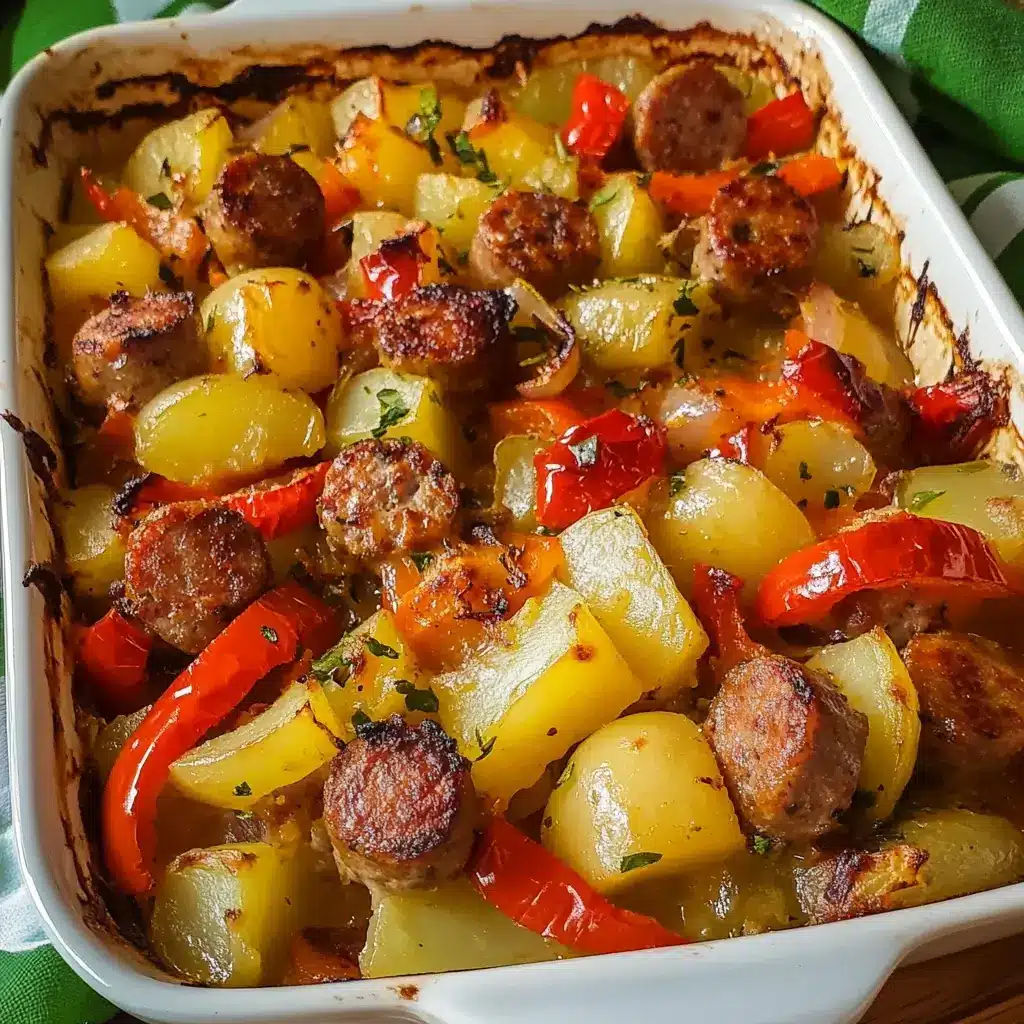

In our busy household, weeknight dinners need to be two things: delicious and simple. Honestly, if a recipe requires more than a handful of ingredients or an hour of active cooking, it’s often relegated to the weekend “maybe” list. That’s why this Sausage Potato and Bell Pepper Casserole has become an absolute champion in our kitchen. From the moment the savory aroma starts wafting through the house to the satisfyingly hearty bites, this dish is a guaranteed crowd-pleaser. My family, especially my notoriously picky eaters, devour this casserole with gusto. They’ve even declared it a “10-star recipe,” which, in our house, is the highest culinary accolade! What I love most is its sheer simplicity. It’s truly a toss-and-bake wonder – minimal prep, maximum flavor, and hardly any dishes to wash. If you’re looking for a comforting, flavorful, and incredibly easy meal that will have everyone asking for seconds, look no further. This Sausage Potato and Bell Pepper Casserole is about to become your new weeknight hero.
Ingredients
This recipe shines because of the quality and simplicity of its ingredients. Each element plays a crucial role in creating a balanced and flavorful casserole. Here’s a detailed look at what you’ll need:
- 1.5 pounds Sweet Italian Sausage, cut into 1-inch pieces: The star of the show, sweet Italian sausage provides a wonderful depth of flavor that’s both savory and slightly sweet. The 1-inch pieces ensure even cooking and perfect bite-sized portions throughout the casserole. You can find sweet Italian sausage in most grocery stores, usually in the meat department alongside other sausages. For those who prefer a bit of heat, you could absolutely substitute hot Italian sausage or even a mix of sweet and hot for a more complex flavor profile. If you’re watching your fat intake, you can opt for lean Italian sausage or even turkey Italian sausage, although the flavor might be slightly less intense. Remember to remove the sausage from its casings before cutting it into pieces for easier cooking and distribution within the casserole.
- 4 large potatoes, peeled and cubed into bite-size pieces: Potatoes provide the hearty base of this casserole, offering a comforting and starchy element that perfectly complements the sausage and peppers. Using large potatoes ensures you get enough potato to balance the other ingredients. The “bite-size” cube recommendation is crucial – roughly 1-inch cubes are ideal. Too large, and they might not cook through in the allotted time; too small, and they can become mushy. Russet potatoes are a classic choice for casseroles due to their fluffy texture when baked, but Yukon Gold or red potatoes would also work beautifully. Yukon Golds will offer a slightly creamier texture, while red potatoes will hold their shape a bit better and have a subtly waxy consistency. Make sure to peel the potatoes to ensure a smooth texture in the finished casserole.
- 1 green bell pepper, sliced: Green bell peppers contribute a slightly bitter and vibrant flavor, along with a satisfying crunch that contrasts nicely with the softer potatoes and sausage. Slicing them into strips allows for even cooking and distribution throughout the casserole. Green bell peppers are readily available and add a pop of color to the dish. Don’t discard the seeds and membranes when slicing; simply remove the core and slice the pepper into strips of your desired thickness.
- 1 red bell pepper, sliced: Red bell peppers bring a sweetness and a milder flavor compared to green peppers, adding another layer of complexity to the casserole. Their vibrant red color also enhances the visual appeal of the dish. Like green peppers, slicing red peppers ensures they cook evenly and distribute their flavor throughout the casserole. The combination of red and green bell peppers not only adds flavor diversity but also creates a visually appealing and colorful dish.
- 1 large yellow onion, chopped: Yellow onion is a foundational aromatic ingredient, adding a savory depth and sweetness as it cooks down and caramelizes in the oven. Chopping the onion into roughly ½-inch pieces ensures it cooks evenly and blends seamlessly with the other ingredients. Yellow onions are a versatile choice and their flavor intensifies as they cook. If you prefer a milder onion flavor, you could use a sweet onion like Vidalia. Make sure to chop the onion to a consistent size for even cooking throughout the casserole.
- 3 cloves garlic, minced: Garlic is essential for adding a pungent and aromatic punch to the casserole. Minced garlic disperses its flavor effectively, infusing the entire dish with its savory goodness. Fresh garlic is always recommended for the best flavor, but in a pinch, you can use pre-minced garlic from a jar. For a stronger garlic flavor, you can add an extra clove or two. Minced garlic incorporates beautifully into the casserole, creating a fragrant and flavorful base.
- 1 cup chicken broth: Chicken broth provides moisture to the casserole, helping to steam the potatoes and keep the dish from drying out. It also adds a subtle savory flavor that complements the other ingredients. Low-sodium chicken broth is a good choice to control the overall salt content of the dish. You can also use vegetable broth for a vegetarian option, although the flavor profile might be slightly different. The broth helps to create a slightly saucy element in the casserole as it cooks and reduces.
- 1 teaspoon Italian Seasoning: Italian seasoning is a pre-mixed blend of herbs like oregano, basil, rosemary, thyme, and marjoram, instantly adding classic Italian flavors to the casserole. It simplifies seasoning and provides a harmonious blend of herbs that complements the sausage and vegetables. You can find Italian seasoning in the spice aisle of most grocery stores. If you don’t have Italian seasoning, you can create your own blend by combining equal parts dried oregano, basil, rosemary, and thyme.
- ½ teaspoon paprika: Paprika adds a subtle smoky and slightly sweet flavor, along with a beautiful reddish hue to the casserole. It enhances the visual appeal and adds a touch of warmth to the overall flavor profile. Smoked paprika would add an even more pronounced smoky flavor, while sweet paprika offers a milder, sweeter note. Paprika is a versatile spice that complements the other flavors in the casserole beautifully.
- Salt and pepper to taste: Salt and pepper are fundamental seasonings that enhance all the other flavors in the dish. Seasoning “to taste” is crucial, as individual preferences for saltiness and pepperiness vary. Start with a generous pinch of salt and pepper and then adjust as needed after tasting the casserole while it’s cooking. Freshly ground black pepper is always recommended for the best flavor. Taste and adjust the seasoning at various stages of cooking to ensure the casserole is perfectly seasoned to your liking.
Instructions
This Sausage Potato and Bell Pepper Casserole is incredibly straightforward to make. Follow these simple step-by-step instructions for a guaranteed delicious result:
- Preheat oven to 400 degrees F (200 degrees C). Preheating the oven is crucial for ensuring even cooking and proper browning of the casserole. Make sure your oven reaches the correct temperature before placing the casserole inside. This high temperature allows the potatoes to cook through and the sausage to brown beautifully while keeping the vegetables tender-crisp. Using an oven thermometer can help ensure your oven is accurately preheated.
- Add all of the ingredients into a 9×13 inch baking dish. A 9×13 inch baking dish is the ideal size for this recipe, providing enough space for all the ingredients to cook evenly without overcrowding. Using a dish that is too small can lead to uneven cooking and potentially overflowing. Glass, ceramic, or metal baking dishes all work well for this casserole. Make sure the baking dish is oven-safe and can withstand the high temperature.
- Season with salt and pepper to taste. Seasoning at this stage ensures that all the ingredients are properly flavored before baking. Start with a generous pinch of salt and pepper and then adjust as needed based on your preference. Remember that the sausage will also contribute some saltiness, so don’t over-salt initially. It’s always better to under-season and add more salt later if needed. Taste a small piece of sausage or potato before baking to gauge the seasoning and adjust accordingly.
- Stir to fully combine all the ingredients together. Thoroughly mixing the ingredients ensures that the flavors are evenly distributed throughout the casserole and that the potatoes are coated with the broth and seasonings. Use a large spoon or spatula to gently toss all the ingredients together until they are well combined. Ensure that the potatoes are somewhat submerged in the chicken broth to help them cook through and become tender.
- Cook in the preheated oven for 45-55 minutes, or until potatoes are softened and tender. The cooking time may vary slightly depending on your oven and the size of your potato cubes. Start checking for doneness around 45 minutes. The potatoes are done when they are easily pierced with a fork and are tender throughout. The sausage should be cooked through and browned, and the vegetables should be tender-crisp. If the top of the casserole starts to brown too quickly, you can loosely cover it with aluminum foil for the remaining cooking time to prevent burning.
- Serve and enjoy this yummy sausage and pepper casserole! Once the casserole is cooked through and the potatoes are tender, carefully remove it from the oven. Let it rest for a few minutes before serving to allow the flavors to meld together and the casserole to cool slightly. Serve hot and enjoy the delicious combination of savory sausage, tender potatoes, and flavorful bell peppers. This casserole is perfect on its own, but you can also serve it with a side salad or some crusty bread for a complete and satisfying meal.
Nutrition Facts
This Sausage Potato and Bell Pepper Casserole is not only delicious but also provides a good balance of macronutrients. While specific nutritional values can vary based on the type of sausage and potatoes used, here’s an approximate overview based on standard ingredients:
- Servings: 6
- Calories per serving (estimated): Approximately 450-550 calories
Approximate Nutritional Breakdown per Serving (estimated):
- Protein: 25-30 grams (from sausage and a small amount from potatoes)
- Fat: 25-35 grams (primarily from sausage, can vary with sausage type)
- Saturated Fat: 10-15 grams (can vary significantly based on sausage type)
- Cholesterol: 80-100 mg (from sausage)
- Sodium: 600-800 mg (can vary based on sausage, broth, and added salt)
- Carbohydrates: 30-40 grams (primarily from potatoes and peppers)
- Fiber: 4-6 grams (from potatoes and peppers)
- Sugar: 5-8 grams (naturally occurring sugars in vegetables and sausage)
Important Notes:
- These are estimates and can vary significantly depending on the specific ingredients used. Using leaner sausage or adjusting portion sizes will impact the calorie and fat content.
- Potatoes are a good source of potassium and vitamin C.
- Bell peppers are rich in vitamin C and antioxidants.
- This casserole provides a good source of protein and carbohydrates for energy.
- To reduce the calorie and fat content, consider using turkey Italian sausage, reducing the amount of sausage, or using less oil when cooking (though this recipe doesn’t require added oil).
- For more precise nutritional information, you can use online nutrition calculators and input the specific brands and quantities of ingredients you use.
Preparation Time
One of the biggest advantages of this Sausage Potato and Bell Pepper Casserole is its minimal preparation time. It’s a perfect recipe for busy weeknights when you need a delicious and satisfying meal on the table quickly.
- Prep Time: 10 minutes
This incredibly short prep time is thanks to the simple “dump and bake” nature of the recipe. The majority of the prep involves just chopping the vegetables and sausage. There’s no pre-cooking or complicated steps involved. You can easily have this casserole ready for the oven in just about 10 minutes, making it a true weeknight winner. This quick prep time allows you to focus on other tasks while the casserole bakes, or simply relax knowing dinner is practically making itself.
- Cook Time: 50 minutes
The cook time is primarily for ensuring the potatoes become tender and the sausage is cooked through. While the casserole is baking, you are free to do other things, making it a hands-off cooking experience. The oven does all the work, transforming simple ingredients into a flavorful and comforting meal.
- Total Time: 1 hour
From start to finish, including prep and cook time, this Sausage Potato and Bell Pepper Casserole is ready in just about an hour. This makes it an incredibly efficient and convenient meal option for busy individuals and families. The minimal active time combined with the delicious results makes this casserole a true kitchen staple.
How to Serve
This Sausage Potato and Bell Pepper Casserole is delicious and satisfying on its own, but here are some fantastic ways to serve it and elevate your meal:
- Classic Comfort:
- Serve it as is: Sometimes, simple is best! Enjoy the casserole straight from the oven, allowing the flavors to shine. It’s a complete meal in one dish.
- Crusty Bread: Serve with warm, crusty bread like Italian bread, sourdough, or baguette for soaking up the delicious juices from the casserole. Garlic bread would also be a fantastic accompaniment.
- Side Salad: A simple green salad with a light vinaigrette provides a refreshing contrast to the richness of the casserole. Consider a Caesar salad or a mixed greens salad with tomatoes and cucumbers.
- Elevate the Flavors:
- Grated Parmesan Cheese: Sprinkle freshly grated Parmesan cheese over the hot casserole just before serving. The cheese will melt slightly and add a salty, nutty flavor.
- Fresh Herbs: Garnish with chopped fresh parsley, basil, or oregano for a burst of freshness and added aroma. These herbs complement the Italian flavors of the casserole beautifully.
- Red Pepper Flakes: For those who like a little heat, sprinkle a pinch of red pepper flakes over individual servings.
- Make it a Feast:
- Roasted Vegetables: Serve alongside other roasted vegetables like broccoli, asparagus, or Brussels sprouts for a more substantial and balanced meal.
- Mashed Potatoes or Polenta: For extra comfort food vibes, serve a scoop of creamy mashed potatoes or polenta alongside the casserole. This is particularly good for heartier appetites.
- Garlic Knots or Breadsticks: Round out the Italian theme with garlic knots or breadsticks for dipping in the casserole juices.
- Wine Pairing Suggestions:
- Chianti: A classic Italian red wine like Chianti pairs beautifully with the Italian sausage and savory flavors of the casserole.
- Pinot Grigio: A crisp white wine like Pinot Grigio is a refreshing option that complements the dish without overpowering it.
- Rosé: A dry rosé wine is a versatile choice that works well with a variety of flavors and is a great option for warmer weather.
No matter how you choose to serve it, this Sausage Potato and Bell Pepper Casserole is sure to be a hit. Its versatility allows you to customize your meal to your preferences and create a truly satisfying dining experience.
Additional Tips for the Best Casserole
To ensure your Sausage Potato and Bell Pepper Casserole is absolutely perfect every time, here are five helpful tips and tricks:
- Evenly Cut Vegetables for Consistent Cooking: Take the time to cut your potatoes, bell peppers, and onions into roughly uniform sizes. This is crucial for even cooking. If some pieces are much larger than others, they will take longer to cook, potentially leading to some parts of the casserole being overcooked while others are still undercooked. Aim for bite-sized pieces, around 1-inch cubes for potatoes and similar sizes for peppers and onions. Consistent sizes ensure that everything cooks through at the same rate, resulting in a perfectly textured casserole.
- Don’t Overcrowd the Baking Dish: Using the recommended 9×13 inch baking dish is important. Overcrowding the dish can lead to steaming instead of roasting, resulting in soggy potatoes and vegetables rather than nicely browned and slightly crisp ones. If you are doubling the recipe, it’s best to use two separate 9×13 inch dishes or a larger roasting pan to ensure proper airflow and even cooking. Adequate space allows for heat circulation and proper browning, which are key to a delicious casserole.
- Adjust Seasoning to Your Preference: The recipe provides a guideline for seasoning, but always taste and adjust to your liking. Salt and pepper are essential for enhancing the flavors of all the ingredients. Consider the saltiness of your sausage and broth when seasoning. You can also experiment with other spices to customize the flavor profile. A pinch of dried oregano, basil, or even a dash of garlic powder can add extra depth of flavor. Taste the casserole while it’s baking (carefully!) and adjust seasoning as needed.
- Consider Par-Boiling Potatoes for Extra Tenderness (Optional): If you prefer exceptionally tender potatoes, you can par-boil them before adding them to the casserole. Simply boil the cubed potatoes for about 5-7 minutes until they are slightly softened but not fully cooked. Drain them well and then proceed with the recipe instructions. Par-boiling ensures that the potatoes are guaranteed to be tender and fluffy in the finished casserole, especially if you are using larger potato cubes or are concerned about them cooking through completely in the oven. This step adds a little extra time but can be worthwhile for potato perfectionists.
- Let it Rest Before Serving: Once the casserole is out of the oven, let it rest for about 5-10 minutes before serving. This resting time allows the juices to redistribute throughout the casserole, resulting in a more flavorful and moist dish. It also makes it easier to serve as the casserole will set slightly and hold its shape better. Resting is a simple but often overlooked step that significantly improves the overall texture and flavor of the casserole.
By following these tips, you can take your Sausage Potato and Bell Pepper Casserole from good to absolutely outstanding! These small adjustments can make a big difference in the final result, ensuring a delicious and crowd-pleasing meal every time.
FAQ Section: Your Sausage Potato and Pepper Casserole Questions Answered
We’ve gathered some common questions you might have about making this Sausage Potato and Pepper Casserole. Let’s dive in:
Q1: Can I use different types of sausage in this casserole?
A: Absolutely! While sweet Italian sausage is classic and delicious, you can definitely experiment with other types of sausage to customize the flavor profile. Hot Italian sausage will add a spicy kick. Mild Italian sausage is a good option if you want less sweetness and heat. For a leaner option, consider turkey Italian sausage or chicken Italian sausage, although the flavor might be slightly less intense. Even chorizo or kielbasa could be interesting alternatives, though they will significantly change the overall flavor of the casserole. Just ensure that whatever sausage you choose is pre-cooked or will cook through in the oven within the recommended time.
Q2: I don’t have bell peppers. Can I substitute other vegetables?
A: Yes, you can definitely substitute or add other vegetables to this casserole based on your preferences and what you have on hand. Onions are already in the recipe, but you could add more onions or use different types like red onions or shallots. Other great vegetable additions or substitutions include:
- Mushrooms: Sliced mushrooms, like cremini or white button mushrooms, add an earthy and savory flavor.
- Zucchini or Yellow Squash: Cubed zucchini or yellow squash adds a mild, slightly sweet flavor and cooks quickly.
- Eggplant: Cubed eggplant adds a meaty texture and absorbs flavors beautifully. You may want to salt and drain eggplant beforehand to remove excess moisture.
- Carrots: Sliced or diced carrots add sweetness and color. Keep in mind that carrots may take slightly longer to cook than other vegetables, so cut them into smaller pieces.
- Broccoli or Cauliflower Florets: Adding broccoli or cauliflower florets adds a healthy and cruciferous element. Add them about halfway through cooking to prevent them from becoming too mushy.
Feel free to get creative and use whatever vegetables you enjoy or have available. The beauty of a casserole is its adaptability!
Q3: Can I prepare this casserole ahead of time?
A: Yes, you can definitely prepare this casserole ahead of time, which makes it perfect for meal prepping or busy schedules. You have a couple of options:
- Assemble Ahead and Bake Later: You can assemble the entire casserole in the baking dish, cover it tightly with plastic wrap or foil, and store it in the refrigerator for up to 24 hours. When you’re ready to bake, remove it from the refrigerator about 30 minutes before baking to allow it to come to room temperature slightly. Then, bake as directed, possibly adding a few extra minutes to the cooking time if it’s still cold.
- Bake Ahead and Reheat: You can also fully bake the casserole ahead of time, let it cool completely, and then store it in the refrigerator in an airtight container for up to 3 days. To reheat, you can bake it in a preheated oven at 350 degrees F (175 degrees C) until heated through, or microwave individual portions. Reheating in the oven will help maintain the texture better than microwaving.
Q4: Can I make this casserole vegetarian or vegan?
A: While this recipe is centered around sausage, you can adapt it to be vegetarian or even vegan with some substitutions:
- Vegetarian: To make it vegetarian, simply replace the Italian sausage with vegetarian Italian sausage substitutes, such as plant-based sausages made from soy, vegetables, or grains. Many brands offer flavorful vegetarian Italian sausages that would work well.
- Vegan: To make it vegan, in addition to using vegan Italian sausage substitutes, ensure your chicken broth is vegetable broth. There are also vegan sausage options available that mimic the flavor and texture of Italian sausage. Double-check all ingredient labels to ensure they are vegan-friendly.
With these substitutions, you can enjoy a delicious and hearty vegetarian or vegan casserole inspired by this recipe.
Q5: My potatoes are still hard after 55 minutes. What should I do?
A: If your potatoes are still hard after the recommended cooking time, there are a few things you can check and do:
- Check Oven Temperature: Ensure your oven is actually reaching the set temperature of 400 degrees F (200 degrees C). Use an oven thermometer to verify. If your oven is running cooler, it will take longer for the potatoes to cook through.
- Potato Cube Size: Make sure your potatoes are cut into bite-sized cubes, around 1-inch. Larger cubes will take longer to cook. If they are larger, consider cutting them smaller or cooking longer.
- Add More Broth: If the casserole seems dry and the potatoes are still hard, add a little more chicken broth (or water) to the baking dish to create more steam and help soften the potatoes. About ¼ cup of broth added to the dish can make a difference.
- Continue Baking: If everything else seems right, simply continue baking the casserole for another 10-15 minutes, checking for tenderness every 5 minutes. Cover the casserole loosely with aluminum foil if the top is browning too quickly while waiting for the potatoes to soften.
Sometimes, potatoes can vary in their cooking time depending on the variety and freshness. Patience and these adjustments should help you achieve perfectly tender potatoes in your casserole.
Print
Sausage Potato and Pepper Casserole Recipe
Ingredients
- 1.5 pounds Sweet Italian Sausage, cut into 1-inch pieces: The star of the show, sweet Italian sausage provides a wonderful depth of flavor that’s both savory and slightly sweet. The 1-inch pieces ensure even cooking and perfect bite-sized portions throughout the casserole. You can find sweet Italian sausage in most grocery stores, usually in the meat department alongside other sausages. For those who prefer a bit of heat, you could absolutely substitute hot Italian sausage or even a mix of sweet and hot for a more complex flavor profile. If you’re watching your fat intake, you can opt for lean Italian sausage or even turkey Italian sausage, although the flavor might be slightly less intense. Remember to remove the sausage from its casings before cutting it into pieces for easier cooking and distribution within the casserole.
- 4 large potatoes, peeled and cubed into bite-size pieces: Potatoes provide the hearty base of this casserole, offering a comforting and starchy element that perfectly complements the sausage and peppers. Using large potatoes ensures you get enough potato to balance the other ingredients. The “bite-size” cube recommendation is crucial – roughly 1-inch cubes are ideal. Too large, and they might not cook through in the allotted time; too small, and they can become mushy. Russet potatoes are a classic choice for casseroles due to their fluffy texture when baked, but Yukon Gold or red potatoes would also work beautifully. Yukon Golds will offer a slightly creamier texture, while red potatoes will hold their shape a bit better and have a subtly waxy consistency. Make sure to peel the potatoes to ensure a smooth texture in the finished casserole.
- 1 green bell pepper, sliced: Green bell peppers contribute a slightly bitter and vibrant flavor, along with a satisfying crunch that contrasts nicely with the softer potatoes and sausage. Slicing them into strips allows for even cooking and distribution throughout the casserole. Green bell peppers are readily available and add a pop of color to the dish. Don’t discard the seeds and membranes when slicing; simply remove the core and slice the pepper into strips of your desired thickness.
- 1 red bell pepper, sliced: Red bell peppers bring a sweetness and a milder flavor compared to green peppers, adding another layer of complexity to the casserole. Their vibrant red color also enhances the visual appeal of the dish. Like green peppers, slicing red peppers ensures they cook evenly and distribute their flavor throughout the casserole. The combination of red and green bell peppers not only adds flavor diversity but also creates a visually appealing and colorful dish.
- 1 large yellow onion, chopped: Yellow onion is a foundational aromatic ingredient, adding a savory depth and sweetness as it cooks down and caramelizes in the oven. Chopping the onion into roughly ½-inch pieces ensures it cooks evenly and blends seamlessly with the other ingredients. Yellow onions are a versatile choice and their flavor intensifies as they cook. If you prefer a milder onion flavor, you could use a sweet onion like Vidalia. Make sure to chop the onion to a consistent size for even cooking throughout the casserole.
- 3 cloves garlic, minced: Garlic is essential for adding a pungent and aromatic punch to the casserole. Minced garlic disperses its flavor effectively, infusing the entire dish with its savory goodness. Fresh garlic is always recommended for the best flavor, but in a pinch, you can use pre-minced garlic from a jar. For a stronger garlic flavor, you can add an extra clove or two. Minced garlic incorporates beautifully into the casserole, creating a fragrant and flavorful base.
- 1 cup chicken broth: Chicken broth provides moisture to the casserole, helping to steam the potatoes and keep the dish from drying out. It also adds a subtle savory flavor that complements the other ingredients. Low-sodium chicken broth is a good choice to control the overall salt content of the dish. You can also use vegetable broth for a vegetarian option, although the flavor profile might be slightly different. The broth helps to create a slightly saucy element in the casserole as it cooks and reduces.
- 1 teaspoon Italian Seasoning: Italian seasoning is a pre-mixed blend of herbs like oregano, basil, rosemary, thyme, and marjoram, instantly adding classic Italian flavors to the casserole. It simplifies seasoning and provides a harmonious blend of herbs that complements the sausage and vegetables. You can find Italian seasoning in the spice aisle of most grocery stores. If you don’t have Italian seasoning, you can create your own blend by combining equal parts dried oregano, basil, rosemary, and thyme.
- ½ teaspoon paprika: Paprika adds a subtle smoky and slightly sweet flavor, along with a beautiful reddish hue to the casserole. It enhances the visual appeal and adds a touch of warmth to the overall flavor profile. Smoked paprika would add an even more pronounced smoky flavor, while sweet paprika offers a milder, sweeter note. Paprika is a versatile spice that complements the other flavors in the casserole beautifully.
- Salt and pepper to taste: Salt and pepper are fundamental seasonings that enhance all the other flavors in the dish. Seasoning “to taste” is crucial, as individual preferences for saltiness and pepperiness vary. Start with a generous pinch of salt and pepper and then adjust as needed after tasting the casserole while it’s cooking. Freshly ground black pepper is always recommended for the best flavor. Taste and adjust the seasoning at various stages of cooking to ensure the casserole is perfectly seasoned to your liking.
Instructions
- Preheat oven to 400 degrees F (200 degrees C). Preheating the oven is crucial for ensuring even cooking and proper browning of the casserole. Make sure your oven reaches the correct temperature before placing the casserole inside. This high temperature allows the potatoes to cook through and the sausage to brown beautifully while keeping the vegetables tender-crisp. Using an oven thermometer can help ensure your oven is accurately preheated.
- Add all of the ingredients into a 9×13 inch baking dish. A 9×13 inch baking dish is the ideal size for this recipe, providing enough space for all the ingredients to cook evenly without overcrowding. Using a dish that is too small can lead to uneven cooking and potentially overflowing. Glass, ceramic, or metal baking dishes all work well for this casserole. Make sure the baking dish is oven-safe and can withstand the high temperature.
- Season with salt and pepper to taste. Seasoning at this stage ensures that all the ingredients are properly flavored before baking. Start with a generous pinch of salt and pepper and then adjust as needed based on your preference. Remember that the sausage will also contribute some saltiness, so don’t over-salt initially. It’s always better to under-season and add more salt later if needed. Taste a small piece of sausage or potato before baking to gauge the seasoning and adjust accordingly.
- Stir to fully combine all the ingredients together. Thoroughly mixing the ingredients ensures that the flavors are evenly distributed throughout the casserole and that the potatoes are coated with the broth and seasonings. Use a large spoon or spatula to gently toss all the ingredients together until they are well combined. Ensure that the potatoes are somewhat submerged in the chicken broth to help them cook through and become tender.
- Cook in the preheated oven for 45-55 minutes, or until potatoes are softened and tender. The cooking time may vary slightly depending on your oven and the size of your potato cubes. Start checking for doneness around 45 minutes. The potatoes are done when they are easily pierced with a fork and are tender throughout. The sausage should be cooked through and browned, and the vegetables should be tender-crisp. If the top of the casserole starts to brown too quickly, you can loosely cover it with aluminum foil for the remaining cooking time to prevent burning.
- Serve and enjoy this yummy sausage and pepper casserole! Once the casserole is cooked through and the potatoes are tender, carefully remove it from the oven. Let it rest for a few minutes before serving to allow the flavors to meld together and the casserole to cool slightly. Serve hot and enjoy the delicious combination of savory sausage, tender potatoes, and flavorful bell peppers. This casserole is perfect on its own, but you can also serve it with a side salad or some crusty bread for a complete and satisfying meal.
Nutrition
- Serving Size: One Normal Portion
- Calories: 450-550
- Sugar: 5-8 grams
- Sodium: 600-800 mg
- Fat: 25-35 grams
- Saturated Fat: 10-15 grams
- Carbohydrates: 30-40 grams
- Fiber: 4-6 grams
- Protein: 25-30 grams
- Cholesterol: 80-100 mg