
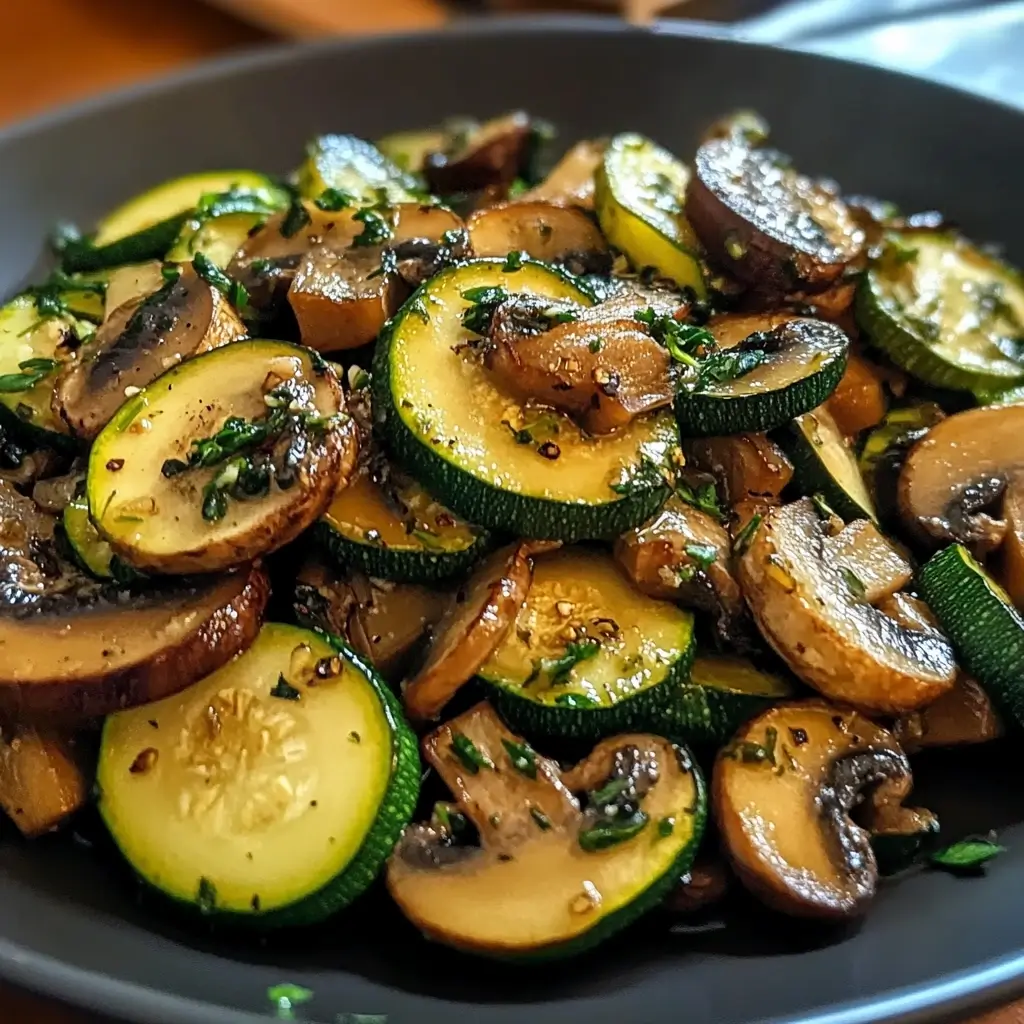

It’s funny how the simplest dishes often become family favorites, isn’t it? In our house, this Sautéed Mushrooms and Zucchini recipe has become exactly that. What started as a quick way to use up some vegetables from the fridge has morphed into a regular request at dinner. There’s just something about the earthy mushrooms mingling with the tender zucchini, all kissed with garlic and herbs, that hits the spot every time. Even my pickiest eater, who usually shies away from anything green, happily devours this, especially when I add a tiny squeeze of lemon at the end. It’s vibrant, it’s flavorful, and most importantly, it’s incredibly easy to throw together, making it perfect for busy weeknights or as a delightful addition to a weekend feast. Honestly, if you’re looking for a side dish that’s both healthy and delicious, and won’t keep you chained to the stove for hours, you absolutely have to try this.
Ingredients
To bring this delightful sautéed mushroom and zucchini dish to life, you’ll need a handful of fresh, simple ingredients. Each component plays a crucial role in building the overall flavor profile, so let’s take a closer look at what you’ll need and why.
- 3 cups mushrooms (cremini, button, or a mix of both): Mushrooms are the star of the show, lending an earthy, umami-rich depth to the dish. You have wonderful flexibility here – cremini mushrooms, also known as baby bellas, offer a slightly more intense flavor than white button mushrooms, but both work beautifully. For an even more complex taste, consider using a mix of both. Portobello mushrooms, shiitake, or oyster mushrooms could also be incorporated for a more gourmet twist. When selecting mushrooms, look for ones that are firm, plump, and free from blemishes. Avoid mushrooms that appear slimy or have a strong, ammonia-like odor. Freshness is key to maximizing their flavor and texture in this sauté.
- 2 medium zucchini (sliced into rounds or half-moons): Zucchini provides a lovely contrast in texture and a mild, slightly sweet flavor that complements the earthiness of the mushrooms. Choose zucchini that are firm to the touch and have smooth, unblemished skin. Smaller to medium-sized zucchini are generally preferred as they tend to be less watery and have fewer seeds. Slicing the zucchini into rounds or half-moons ensures even cooking and a pleasant bite in every mouthful. If you prefer, you could also dice the zucchini into cubes, but rounds or half-moons are visually more appealing in a sauté.
- 2 tablespoons olive oil (or your preferred cooking oil): Olive oil is the foundation for sautéing, providing a healthy fat that helps to cook the vegetables evenly and develop flavor. Extra virgin olive oil is a great choice for its rich flavor and health benefits, but regular olive oil or even avocado oil, coconut oil, or canola oil will also work well. The key is to use an oil with a relatively high smoke point suitable for sautéing over medium-high heat. The oil not only prevents sticking but also helps to caramelize the mushrooms and zucchini, enhancing their natural sweetness and savory notes.
- 3 garlic cloves (minced): Garlic is a flavor powerhouse, adding a pungent, aromatic dimension to the sauté. Fresh garlic cloves are essential for the best flavor; avoid using pre-minced garlic from a jar, as it often lacks the same vibrancy. Mincing the garlic finely ensures that its flavor is evenly distributed throughout the dish and that it cooks quickly without burning. If you’re a garlic lover, feel free to add an extra clove or two for a bolder garlic flavor. For a milder garlic taste, you can use roasted garlic instead.
- 1 tablespoon fresh parsley (chopped, for garnish): Fresh parsley provides a bright, herbaceous note and a pop of color to finish the dish. Italian flat-leaf parsley is generally preferred for its stronger flavor compared to curly parsley. Chopping the parsley just before serving preserves its fresh aroma and vibrant green color. Parsley is not just a garnish; it also contributes to the overall flavor profile, adding a touch of freshness that balances the richness of the mushrooms and garlic.
- 1 teaspoon fresh thyme (or ½ teaspoon dried thyme): Thyme offers a warm, earthy, and slightly minty flavor that beautifully complements mushrooms. Fresh thyme is always preferable for its more pronounced aroma and flavor, but dried thyme is a perfectly acceptable substitute, especially when convenience is key. If using dried thyme, remember that dried herbs are generally more concentrated in flavor than fresh, so you’ll need to use about half the amount. Thyme is a classic pairing with mushrooms, enhancing their savory qualities and adding a layer of aromatic complexity to the sauté.
- 1 tablespoon soy sauce or tamari (optional, for extra umami): Soy sauce or tamari adds a boost of umami, that savory “fifth taste,” which deepens the flavor of the dish and enhances the earthiness of the mushrooms. Tamari is a gluten-free alternative to soy sauce, making this recipe suitable for those with gluten sensitivities. If you’re watching your sodium intake, you can use low-sodium soy sauce or tamari. While optional, a tablespoon of soy sauce or tamari really elevates the flavor profile, adding a subtle saltiness and depth that makes the dish even more satisfying.
- Salt and pepper (to taste): Salt and pepper are essential seasonings that bring out the natural flavors of all the ingredients. Kosher salt or sea salt are good choices for their clean flavor. Freshly ground black pepper is always recommended for its more robust and aromatic taste compared to pre-ground pepper. Seasoning to taste is crucial – start with a pinch of salt and pepper and then adjust according to your preference. Remember that the soy sauce or tamari already adds salt, so season carefully, especially if you’re using it.
- 1 tablespoon lemon juice (optional, for brightness): Lemon juice adds a touch of acidity and brightness that cuts through the richness of the dish and balances the savory flavors. Freshly squeezed lemon juice is always best for its vibrant, zesty flavor. A tablespoon of lemon juice, squeezed over the sauté just before serving, adds a refreshing tang and elevates the overall taste, making it feel lighter and more vibrant. Lime juice can also be used as a substitute if you prefer a slightly different citrus note.
Having these ingredients prepped and ready to go will make the cooking process smooth and efficient, allowing you to enjoy this flavorful dish in no time.
Instructions
Now that you have all your ingredients gathered and ready, let’s walk through the simple steps to create this delicious Sautéed Mushrooms and Zucchini dish. This recipe is designed to be quick and easy, perfect for weeknight meals or when you need a flavorful side in a hurry.
- Prepare the Vegetables: The key to efficient cooking is preparation. Begin by thoroughly washing your mushrooms. While some people prefer to simply brush mushrooms clean, a quick rinse under cold water is perfectly fine, especially for button or cremini mushrooms. Just make sure to pat them completely dry with a clean kitchen towel or paper towels. Excess moisture will hinder browning and cause the mushrooms to steam instead of sautéing. Once dry, slice the mushrooms into medium-thick pieces. For smaller mushrooms, halving or quartering them will suffice. The size should be uniform for even cooking. Next, wash the zucchini and trim off the ends. Slice the zucchini into rounds or half-moons, about ¼ to ½ inch thick. Slicing them to this thickness ensures they cook through without becoming mushy and retain a slight bite. If you prefer smaller pieces, you can dice them, but rounds and half-moons are more visually appealing and maintain better texture in a sauté. Peel and mince the garlic cloves finely. Mincing ensures that the garlic flavor infuses the dish evenly and cooks quickly without burning. Finally, if you’re using fresh parsley and thyme, chop them now. Having all your vegetables and herbs prepped in advance will make the cooking process seamless and enjoyable. This is the “mise en place” – everything in its place – a fundamental principle of efficient and enjoyable cooking.
- Heat the Pan: Choose a large skillet or sauté pan, preferably a 12-inch pan, to provide ample surface area for cooking the vegetables without overcrowding. A stainless steel or cast iron skillet works well for sautéing. Place the pan over medium-high heat and add the olive oil. Allow the pan to heat up properly before adding the vegetables. You’ll know the oil is ready when it starts to shimmer slightly or when a drop of water flicked into the pan sizzles immediately. Heating the pan and oil sufficiently before adding the mushrooms is crucial for achieving a good sear and preventing them from steaming. If the pan is not hot enough, the mushrooms will release too much moisture and won’t brown properly.
- Sauté the Mushrooms: Once the oil is hot and shimmering, carefully add the sliced mushrooms to the pan in a single, even layer. Avoid overcrowding the pan; if necessary, sauté the mushrooms in batches. Overcrowding will lower the pan temperature and cause the mushrooms to steam instead of sautéing, resulting in a less desirable texture and flavor. Let the mushrooms cook undisturbed for 4–5 minutes. This initial undisturbed cooking period allows them to develop a golden-brown color on the bottom and intensify their savory, umami flavor through the Maillard reaction. After 4-5 minutes, stir the mushrooms occasionally, allowing them to brown on all sides. As the mushrooms cook, they will release moisture. This moisture will initially steam the mushrooms, but as it evaporates, they will begin to brown and caramelize. Continue to sauté the mushrooms for a total of about 8-10 minutes, or until they are nicely browned and tender. Keep an eye on the heat and adjust as needed to prevent burning. If the pan becomes too dry, you can add a tiny splash more olive oil. The goal is to achieve deeply flavorful, golden-brown mushrooms.
- Add the Garlic and Herbs: Once the mushrooms are beautifully browned and tender, reduce the heat slightly to medium and add the minced garlic and thyme to the pan. Stir everything together to combine the garlic and herbs with the mushrooms. Sauté the garlic for just 1–2 minutes, until it becomes fragrant and lightly golden. Garlic cooks very quickly and can burn easily, so be vigilant and don’t overcook it. Burnt garlic will impart a bitter taste to the dish. The heat from the pan will release the aromatic oils from the thyme, infusing the mushrooms and garlic with its warm, earthy fragrance. If using dried thyme, add it a little earlier, perhaps when you first add the mushrooms, to give it more time to rehydrate and release its full flavor.
- Add the Zucchini: Next, add the zucchini slices to the pan. Stir them well with the sautéed mushrooms, garlic, and thyme, ensuring they are coated with the oil and seasonings. Increase the heat back to medium-high if it has dropped too low. Zucchini cooks quickly, so you only need to sauté it for about 4–5 minutes, or until it is tender-crisp. Stir the mixture frequently to ensure the zucchini cooks evenly and doesn’t overcook and become mushy. You want the zucchini to retain a slight bite in the center while being tender on the outside. If you are using soy sauce or tamari for extra umami, drizzle it over the vegetables at this stage. Stir to distribute the soy sauce evenly and allow it to meld with the other flavors. The soy sauce will add a rich depth of flavor and enhance the overall savoriness of the dish without overpowering the natural taste of the zucchini and mushrooms. The slight saltiness will also help to season the vegetables.
- Season and Finish the Dish: Once the zucchini has softened and is tender-crisp, remove the pan from the heat. Season the sauté generously with salt and freshly ground black pepper to taste. Remember to consider the saltiness from the soy sauce or tamari if you used it, and adjust your seasoning accordingly. Taste the dish and add more salt and pepper as needed until the flavors are well-balanced and delicious. For a final touch of brightness, squeeze fresh lemon juice over the sauté just before serving. Start with about a tablespoon and add more to taste, depending on your preference. The lemon juice will cut through the richness of the mushrooms and garlic, adding a refreshing, tangy contrast that elevates the dish. Stir in the chopped fresh parsley for a pop of color and fresh herbaceousness. Your Sautéed Mushrooms and Zucchini is now ready to serve! It’s best enjoyed immediately while the vegetables are still warm and tender-crisp.
Nutrition Facts
(Per serving, approximate values)
- Servings: 4
- Calories: Approximately 120-150 calories per serving
Please note: Nutritional values are estimates and can vary based on specific ingredients used, portion sizes, and cooking methods. This estimate is based on the ingredients listed and standard nutritional databases. For precise nutritional information, you can use a nutrition calculator with the exact brands and quantities of ingredients you use.
This dish is naturally low in calories and fat, especially if you use a moderate amount of olive oil. Mushrooms and zucchini are both excellent sources of vitamins, minerals, and fiber. Mushrooms are rich in B vitamins, selenium, and copper, while zucchini is a good source of vitamin C, potassium, and antioxidants. This sautéed vegetable dish is a healthy and flavorful way to incorporate more vegetables into your diet.
Preparation Time
- Prep Time: 10 minutes
- Cook Time: 15 minutes
- Total Time: 25 minutes
This recipe is wonderfully quick and efficient, making it perfect for busy weeknights or when you need a side dish ready in under 30 minutes. The majority of the time is spent on sautéing the mushrooms to achieve that desirable golden-brown color and depth of flavor. The zucchini cooks very quickly, ensuring the dish is ready in a flash.
How to Serve
Sautéed Mushrooms and Zucchini is incredibly versatile and can be served in numerous ways. Here are some delicious serving suggestions:
- Side Dish for Main Courses:
- Grilled or Roasted Meats: Pairs perfectly with grilled chicken, steak, pork chops, or roasted lamb. The earthy flavors of the vegetables complement the richness of the meats beautifully.
- Fish and Seafood: Serve alongside baked salmon, grilled cod, pan-seared shrimp, or scallops. The lightness of the zucchini and mushrooms enhances the delicate flavors of seafood.
- Poultry: A fantastic side for roasted chicken, turkey breast, or chicken cutlets. The vegetables add a healthy and flavorful element to poultry dishes.
- Vegetarian Mains: Elevates vegetarian main courses like lentil loaf, vegetarian burgers, or tofu steaks. It adds another layer of texture and flavor to vegetarian meals.
- Light Main Course:
- Over Grains: Serve over a bed of fluffy quinoa, brown rice, couscous, or farro for a light and satisfying vegetarian meal.
- With Pasta: Toss with cooked pasta like penne, spaghetti, or fettuccine for a simple and flavorful pasta dish. Add a sprinkle of Parmesan cheese or nutritional yeast for extra flavor.
- On Toast or Bruschetta: Spoon the sautéed mushrooms and zucchini over toasted bread slices or bruschetta for a delicious appetizer or light lunch.
- Other Creative Serving Ideas:
- Omelets or Frittatas: Stir into omelets or frittatas for a flavorful and healthy breakfast or brunch option.
- Tacos or Quesadillas: Use as a filling for vegetarian tacos or quesadillas. The sautéed vegetables add a savory and satisfying element.
- Salads: Add warm or cold sautéed mushrooms and zucchini to salads for extra flavor, texture, and nutrients. Pairs well with leafy greens, grains, and vinaigrette dressings.
- Pizza Topping: Use as a delicious and healthy pizza topping. Adds a gourmet touch to homemade or store-bought pizzas.
- Soup Garnish: Spoon a dollop of sautéed mushrooms and zucchini on top of creamy soups like mushroom soup, tomato soup, or butternut squash soup for added flavor and texture.
Additional Tips for Perfect Sautéed Mushrooms and Zucchini
To ensure your Sautéed Mushrooms and Zucchini turns out perfectly every time, here are five helpful tips:
- Don’t Overcrowd the Pan: This is crucial for achieving beautifully browned mushrooms. Overcrowding the pan lowers the temperature and causes the mushrooms to steam instead of sautéing. If you have a lot of mushrooms, cook them in batches to ensure they brown properly. Give them space to release moisture and then caramelize.
- Pat Mushrooms Dry: Whether you rinse or brush your mushrooms, make sure to pat them thoroughly dry before sautéing. Excess moisture on the mushrooms will prevent them from browning and result in a soggy texture. Dry mushrooms will sauté and brown much more effectively.
- Don’t Skimp on the Oil: While you don’t want the dish to be swimming in oil, using enough olive oil is essential for sautéing and preventing sticking. The oil also helps to conduct heat and allows the vegetables to cook evenly and develop flavor. Ensure the pan is properly coated with oil before adding the vegetables.
- Season Generously: Mushrooms and zucchini can be a bit bland on their own, so don’t be shy with the seasoning. Salt and pepper are essential to bring out their natural flavors. Taste and adjust seasoning throughout the cooking process. Consider adding other flavor enhancers like garlic powder, onion powder, or a pinch of red pepper flakes for extra depth.
- Add Lemon Juice at the End: Fresh lemon juice is a game-changer for this dish. Adding it at the very end preserves its bright, zesty flavor and prevents it from becoming bitter during cooking. The acidity of the lemon juice balances the richness of the mushrooms and garlic and adds a refreshing touch to the overall dish.
FAQ Section
Q1: Can I use different types of mushrooms for this recipe?
A: Absolutely! This recipe is very versatile when it comes to mushrooms. While cremini and button mushrooms are classic choices, you can easily use other varieties or a mix. Consider using portobello, shiitake, oyster mushrooms, or even wild mushrooms like chanterelles or morels for a more gourmet flavor. Each type of mushroom will bring a slightly different flavor and texture to the dish, so feel free to experiment and find your favorites.
Q2: Can I make this recipe ahead of time?
A: While Sautéed Mushrooms and Zucchini is best enjoyed fresh and hot, you can prepare it ahead of time if needed. Cook the dish according to the instructions, then let it cool completely. Store it in an airtight container in the refrigerator for up to 2-3 days. To reheat, gently warm it in a skillet over medium heat or in the microwave. Keep in mind that the zucchini may soften slightly upon reheating, but the flavor will still be delicious.
Q3: I don’t have fresh thyme. Can I use other herbs?
A: Yes, definitely! If you don’t have fresh thyme, you can substitute with other herbs. Dried thyme works well, just use half the amount as dried herbs are more concentrated. Other great herb options include fresh or dried rosemary, oregano, or Italian seasoning. For a brighter, more peppery flavor, consider using fresh chives or tarragon. Parsley is essential for garnish, but you can also incorporate other fresh herbs like basil or cilantro for a different flavor profile.
Q4: Can I add other vegetables to this sauté?
A: Absolutely! Feel free to customize this recipe by adding other vegetables to your sauté. Some great additions include sliced onions, bell peppers (any color), cherry tomatoes, spinach, kale, or asparagus. Consider the cooking times of different vegetables – add vegetables that take longer to cook (like onions and peppers) earlier in the process, and those that cook quickly (like spinach or cherry tomatoes) towards the end, along with the zucchini.
Q5: Is this recipe vegan and gluten-free?
A: Yes, this recipe is naturally vegan as it only uses plant-based ingredients. To ensure it is gluten-free, simply use tamari instead of soy sauce. Tamari is a type of soy sauce that is typically made without wheat and is certified gluten-free. Always double-check the label of your tamari to confirm it is gluten-free if you have dietary restrictions. Otherwise, the recipe as written is both vegan and easily made gluten-free, making it a great option for a wide range of dietary needs.
Print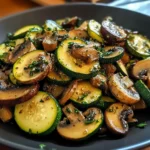
Sautéed Mushrooms and Zucchini Recipe
Ingredients
- 3 cups mushrooms (cremini, button, or a mix of both): Mushrooms are the star of the show, lending an earthy, umami-rich depth to the dish. You have wonderful flexibility here – cremini mushrooms, also known as baby bellas, offer a slightly more intense flavor than white button mushrooms, but both work beautifully. For an even more complex taste, consider using a mix of both. Portobello mushrooms, shiitake, or oyster mushrooms could also be incorporated for a more gourmet twist. When selecting mushrooms, look for ones that are firm, plump, and free from blemishes. Avoid mushrooms that appear slimy or have a strong, ammonia-like odor. Freshness is key to maximizing their flavor and texture in this sauté.
- 2 medium zucchini (sliced into rounds or half-moons): Zucchini provides a lovely contrast in texture and a mild, slightly sweet flavor that complements the earthiness of the mushrooms. Choose zucchini that are firm to the touch and have smooth, unblemished skin. Smaller to medium-sized zucchini are generally preferred as they tend to be less watery and have fewer seeds. Slicing the zucchini into rounds or half-moons ensures even cooking and a pleasant bite in every mouthful. If you prefer, you could also dice the zucchini into cubes, but rounds or half-moons are visually more appealing in a sauté.
- 2 tablespoons olive oil (or your preferred cooking oil): Olive oil is the foundation for sautéing, providing a healthy fat that helps to cook the vegetables evenly and develop flavor. Extra virgin olive oil is a great choice for its rich flavor and health benefits, but regular olive oil or even avocado oil, coconut oil, or canola oil will also work well. The key is to use an oil with a relatively high smoke point suitable for sautéing over medium-high heat. The oil not only prevents sticking but also helps to caramelize the mushrooms and zucchini, enhancing their natural sweetness and savory notes.
- 3 garlic cloves (minced): Garlic is a flavor powerhouse, adding a pungent, aromatic dimension to the sauté. Fresh garlic cloves are essential for the best flavor; avoid using pre-minced garlic from a jar, as it often lacks the same vibrancy. Mincing the garlic finely ensures that its flavor is evenly distributed throughout the dish and that it cooks quickly without burning. If you’re a garlic lover, feel free to add an extra clove or two for a bolder garlic flavor. For a milder garlic taste, you can use roasted garlic instead.
- 1 tablespoon fresh parsley (chopped, for garnish): Fresh parsley provides a bright, herbaceous note and a pop of color to finish the dish. Italian flat-leaf parsley is generally preferred for its stronger flavor compared to curly parsley. Chopping the parsley just before serving preserves its fresh aroma and vibrant green color. Parsley is not just a garnish; it also contributes to the overall flavor profile, adding a touch of freshness that balances the richness of the mushrooms and garlic.
- 1 teaspoon fresh thyme (or ½ teaspoon dried thyme): Thyme offers a warm, earthy, and slightly minty flavor that beautifully complements mushrooms. Fresh thyme is always preferable for its more pronounced aroma and flavor, but dried thyme is a perfectly acceptable substitute, especially when convenience is key. If using dried thyme, remember that dried herbs are generally more concentrated in flavor than fresh, so you’ll need to use about half the amount. Thyme is a classic pairing with mushrooms, enhancing their savory qualities and adding a layer of aromatic complexity to the sauté.
- 1 tablespoon soy sauce or tamari (optional, for extra umami): Soy sauce or tamari adds a boost of umami, that savory “fifth taste,” which deepens the flavor of the dish and enhances the earthiness of the mushrooms. Tamari is a gluten-free alternative to soy sauce, making this recipe suitable for those with gluten sensitivities. If you’re watching your sodium intake, you can use low-sodium soy sauce or tamari. While optional, a tablespoon of soy sauce or tamari really elevates the flavor profile, adding a subtle saltiness and depth that makes the dish even more satisfying.
- Salt and pepper (to taste): Salt and pepper are essential seasonings that bring out the natural flavors of all the ingredients. Kosher salt or sea salt are good choices for their clean flavor. Freshly ground black pepper is always recommended for its more robust and aromatic taste compared to pre-ground pepper. Seasoning to taste is crucial – start with a pinch of salt and pepper and then adjust according to your preference. Remember that the soy sauce or tamari already adds salt, so season carefully, especially if you’re using it.
- 1 tablespoon lemon juice (optional, for brightness): Lemon juice adds a touch of acidity and brightness that cuts through the richness of the dish and balances the savory flavors. Freshly squeezed lemon juice is always best for its vibrant, zesty flavor. A tablespoon of lemon juice, squeezed over the sauté just before serving, adds a refreshing tang and elevates the overall taste, making it feel lighter and more vibrant. Lime juice can also be used as a substitute if you prefer a slightly different citrus note.
Instructions
- Prepare the Vegetables: The key to efficient cooking is preparation. Begin by thoroughly washing your mushrooms. While some people prefer to simply brush mushrooms clean, a quick rinse under cold water is perfectly fine, especially for button or cremini mushrooms. Just make sure to pat them completely dry with a clean kitchen towel or paper towels. Excess moisture will hinder browning and cause the mushrooms to steam instead of sautéing. Once dry, slice the mushrooms into medium-thick pieces. For smaller mushrooms, halving or quartering them will suffice. The size should be uniform for even cooking. Next, wash the zucchini and trim off the ends. Slice the zucchini into rounds or half-moons, about ¼ to ½ inch thick. Slicing them to this thickness ensures they cook through without becoming mushy and retain a slight bite. If you prefer smaller pieces, you can dice them, but rounds and half-moons are more visually appealing and maintain better texture in a sauté. Peel and mince the garlic cloves finely. Mincing ensures that the garlic flavor infuses the dish evenly and cooks quickly without burning. Finally, if you’re using fresh parsley and thyme, chop them now. Having all your vegetables and herbs prepped in advance will make the cooking process seamless and enjoyable. This is the “mise en place” – everything in its place – a fundamental principle of efficient and enjoyable cooking.
- Heat the Pan: Choose a large skillet or sauté pan, preferably a 12-inch pan, to provide ample surface area for cooking the vegetables without overcrowding. A stainless steel or cast iron skillet works well for sautéing. Place the pan over medium-high heat and add the olive oil. Allow the pan to heat up properly before adding the vegetables. You’ll know the oil is ready when it starts to shimmer slightly or when a drop of water flicked into the pan sizzles immediately. Heating the pan and oil sufficiently before adding the mushrooms is crucial for achieving a good sear and preventing them from steaming. If the pan is not hot enough, the mushrooms will release too much moisture and won’t brown properly.
- Sauté the Mushrooms: Once the oil is hot and shimmering, carefully add the sliced mushrooms to the pan in a single, even layer. Avoid overcrowding the pan; if necessary, sauté the mushrooms in batches. Overcrowding will lower the pan temperature and cause the mushrooms to steam instead of sautéing, resulting in a less desirable texture and flavor. Let the mushrooms cook undisturbed for 4–5 minutes. This initial undisturbed cooking period allows them to develop a golden-brown color on the bottom and intensify their savory, umami flavor through the Maillard reaction. After 4-5 minutes, stir the mushrooms occasionally, allowing them to brown on all sides. As the mushrooms cook, they will release moisture. This moisture will initially steam the mushrooms, but as it evaporates, they will begin to brown and caramelize. Continue to sauté the mushrooms for a total of about 8-10 minutes, or until they are nicely browned and tender. Keep an eye on the heat and adjust as needed to prevent burning. If the pan becomes too dry, you can add a tiny splash more olive oil. The goal is to achieve deeply flavorful, golden-brown mushrooms.
- Add the Garlic and Herbs: Once the mushrooms are beautifully browned and tender, reduce the heat slightly to medium and add the minced garlic and thyme to the pan. Stir everything together to combine the garlic and herbs with the mushrooms. Sauté the garlic for just 1–2 minutes, until it becomes fragrant and lightly golden. Garlic cooks very quickly and can burn easily, so be vigilant and don’t overcook it. Burnt garlic will impart a bitter taste to the dish. The heat from the pan will release the aromatic oils from the thyme, infusing the mushrooms and garlic with its warm, earthy fragrance. If using dried thyme, add it a little earlier, perhaps when you first add the mushrooms, to give it more time to rehydrate and release its full flavor.
- Add the Zucchini: Next, add the zucchini slices to the pan. Stir them well with the sautéed mushrooms, garlic, and thyme, ensuring they are coated with the oil and seasonings. Increase the heat back to medium-high if it has dropped too low. Zucchini cooks quickly, so you only need to sauté it for about 4–5 minutes, or until it is tender-crisp. Stir the mixture frequently to ensure the zucchini cooks evenly and doesn’t overcook and become mushy. You want the zucchini to retain a slight bite in the center while being tender on the outside. If you are using soy sauce or tamari for extra umami, drizzle it over the vegetables at this stage. Stir to distribute the soy sauce evenly and allow it to meld with the other flavors. The soy sauce will add a rich depth of flavor and enhance the overall savoriness of the dish without overpowering the natural taste of the zucchini and mushrooms. The slight saltiness will also help to season the vegetables.
- Season and Finish the Dish: Once the zucchini has softened and is tender-crisp, remove the pan from the heat. Season the sauté generously with salt and freshly ground black pepper to taste. Remember to consider the saltiness from the soy sauce or tamari if you used it, and adjust your seasoning accordingly. Taste the dish and add more salt and pepper as needed until the flavors are well-balanced and delicious. For a final touch of brightness, squeeze fresh lemon juice over the sauté just before serving. Start with about a tablespoon and add more to taste, depending on your preference. The lemon juice will cut through the richness of the mushrooms and garlic, adding a refreshing, tangy contrast that elevates the dish. Stir in the chopped fresh parsley for a pop of color and fresh herbaceousness. Your Sautéed Mushrooms and Zucchini is now ready to serve! It’s best enjoyed immediately while the vegetables are still warm and tender-crisp.
Nutrition
- Serving Size: One Normal Portion
- Calories: 120-150