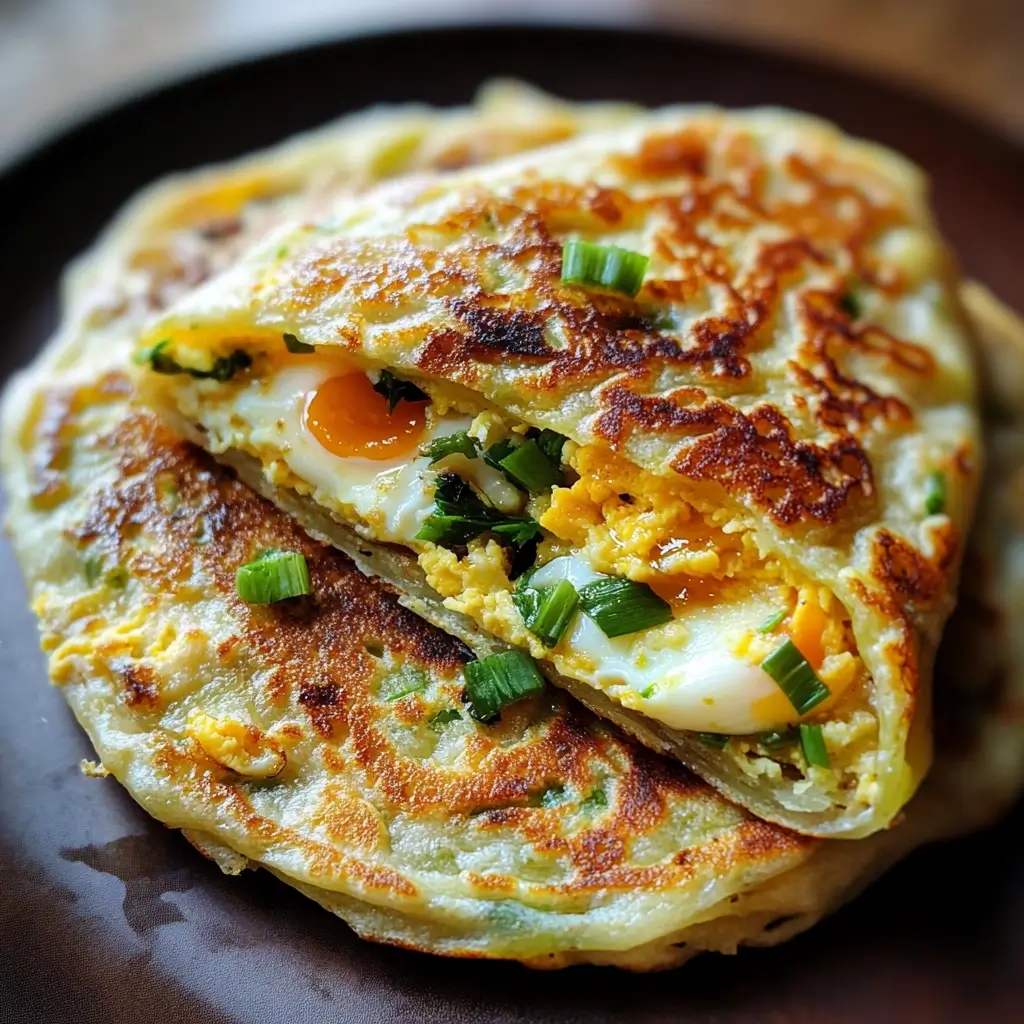
There are certain dishes that just scream comfort, tradition, and pure, unadulterated deliciousness. For my family and me, the Scallion Pancake with Eggs is undeniably one of them. I still remember the first time I successfully recreated the magic of those street-vendor versions at home – the kitchen filled with the nutty aroma of toasting flour and sesame, the sizzle in the pan, and then the triumphant crunch giving way to a chewy, eggy, scallion-studded interior. My kids, initially skeptical of anything “green,” were instantly won over by the savory layers and the fun of dipping them into a tangy soy-vinegar sauce. Now, it’s a weekend brunch staple, a quick weeknight “brinner” hero, and the star of any casual get-together. It’s more than just a recipe; it’s a culinary hug, a taste of bustling night markets, and a testament to how simple ingredients can create something truly extraordinary. The combination of the crispy, flaky pancake with the richness of a perfectly cooked egg swirled onto its surface is, simply put, divine.
The Ultimate Scallion Pancake with Eggs: A Crispy, Chewy Delight
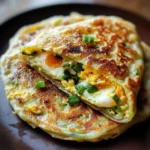
Scallion pancakes, known as “Cong You Bing” (葱油饼) in Mandarin, are a beloved staple in Chinese cuisine, famous for their savory flavor, delightful chewiness, and wonderfully flaky layers. This version takes it up a notch by incorporating a rich, savory egg layer cooked right onto the pancake, transforming it into a more substantial and even more irresistible meal or snack. Imagine a crispy, golden-brown exterior giving way to soft, chewy layers, punctuated by the fresh, piquant taste of green onions and the comforting richness of egg – it’s a textural and flavorful masterpiece.
This recipe guides you through creating these iconic pancakes from scratch, ensuring you achieve those coveted separate layers and that perfect balance of crisp and chew. While it might seem daunting to the uninitiated, the process is surprisingly straightforward and incredibly rewarding. We’ll break down each step, from making the simple hot water dough that gives the pancakes their characteristic tenderness, to the rolling and coiling technique that creates the beautiful laminations, and finally, the genius method of adding the egg for that extra layer of deliciousness. This isn’t just food; it’s an experience, and one you’ll want to recreate time and time again.
Ingredients for Irresistible Scallion Pancakes with Eggs
To embark on this culinary journey, you’ll need a few simple, readily available ingredients. The quality of these components, especially the scallions and eggs, will significantly impact the final taste.
For the Pancake Dough:
- All-Purpose Flour: 2 ½ cups (approx. 300g), plus extra for dusting. This provides the structure and chew.
- Boiling Water: ¾ cup (180ml). Hot water denatures some of the gluten, resulting in a softer, more tender dough.
- Cold Water: ¼ cup (60ml). Helps to cool the dough slightly and achieve the right consistency.
- Salt: ½ teaspoon. Enhances the flavor of the dough.
- Toasted Sesame Oil: 1 tablespoon (for the dough). Adds a beautiful nutty aroma and flavor.
For the Scallion Filling:
- Scallions (Green Onions): 1 ½ cups, finely chopped (about 6-8 stalks, both green and white parts). These are the star!
- Neutral Flavored Oil: ¼ cup (e.g., vegetable, canola, grapeseed oil), for brushing. This helps create the layers.
- Salt: ½ teaspoon (or to taste), for sprinkling over scallions.
- Optional: Chinese Five Spice Powder or White Pepper: ¼ teaspoon, for an extra flavor dimension.
For the Egg Layer (per pancake):
- Large Eggs: 1 per pancake (so, 4-6 eggs total, depending on how many pancakes you make from the dough).
- Salt and Black Pepper: A pinch of each, per egg.
- Optional: A few drops of Soy Sauce or a tiny sprinkle of finely chopped cilantro or extra scallions for mixing into the egg.
For Frying:
- Neutral Flavored Oil: 2-3 tablespoons per pancake, or as needed.
Step-by-Step Instructions: Crafting Your Perfect Scallion Pancake with Eggs
Follow these detailed instructions carefully, and you’ll be rewarded with restaurant-quality scallion pancakes with egg, right in your own kitchen.
Phase 1: Making the Dough
- Combine Flour and Salt: In a large mixing bowl, whisk together the 2 ½ cups of all-purpose flour and ½ teaspoon of salt.
- Add Hot Water: Make a well in the center of the flour. Gradually pour in the ¾ cup of boiling water, using chopsticks or a wooden spoon to stir the flour into the water, creating a shaggy, clumpy mixture. Be careful as the water is very hot.
- Add Cold Water and Sesame Oil: Once the hot water is mostly incorporated, drizzle in the ¼ cup of cold water and the 1 tablespoon of toasted sesame oil. Continue to mix until a rough dough begins to form.
- Knead the Dough: Turn the dough out onto a lightly floured surface. Knead for 5-7 minutes until it becomes smooth and elastic. The dough should be soft and slightly tacky, but not overly sticky. If it’s too sticky, add a tiny bit more flour; if too dry, a few drops of water.
- Rest the Dough (Crucial Step!): Place the dough back into the bowl, cover it with plastic wrap or a damp cloth, and let it rest at room temperature for at least 30 minutes, or preferably 1 hour. This allows the gluten to relax, making the dough much easier to roll out and resulting in more tender pancakes. You can even rest it for up to 2 hours.
Phase 2: Preparing the Scallions and Shaping the Pancakes
- Prepare Scallions: While the dough is resting, ensure your 1 ½ cups of scallions are finely chopped. You can prepare these ahead of time.
- Divide the Dough: After resting, transfer the dough to a lightly floured surface. Gently punch it down and divide it into 4 to 6 equal pieces, depending on how large you want your pancakes. Roll each piece into a ball. Keep the pieces you’re not working with covered to prevent them from drying out.
- Roll Out: Take one ball of dough and, on a lightly floured surface, roll it out into a thin rectangle or circle, approximately 10-12 inches in diameter. The thinner you roll it, the flakier your pancake will be, but be careful not to tear it.
- Oil and Season: Brush the surface of the rolled-out dough with a thin layer of neutral oil (about 1-2 teaspoons). Sprinkle evenly with a portion of the chopped scallions (about ¼ to ⅓ cup per pancake) and a pinch of salt (and five-spice or white pepper, if using).
- Roll into a Log: Starting from one long edge, tightly roll the dough up into a log, like a jelly roll or cigar.
- Coil the Log: Take the log and coil it into a spiral shape, like a snail shell. Tuck the end underneath to secure it.
- Flatten and Rest Again: Gently flatten the spiral with the palm of your hand. Cover with plastic wrap and let it rest for another 15-20 minutes. This second rest helps the layers meld slightly and makes the final rolling easier. Repeat steps 3-7 for the remaining dough balls.
Phase 3: Cooking the Scallion Pancakes with Egg
- Final Roll: Take one rested coil. On a lightly floured surface, gently roll it out again into a circle about 7-8 inches in diameter and about ¼ inch thick. Don’t press too hard, or you’ll lose the distinct layers.
- Prepare Egg Mixture: For each pancake, crack 1 large egg into a small bowl. Add a pinch of salt and pepper (and soy sauce/cilantro if using) and whisk lightly with a fork.
- Heat Oil: Place a large non-stick skillet or well-seasoned cast-iron pan over medium heat. Add 2-3 tablespoons of neutral oil. The oil should be hot enough to sizzle when a drop of water hits it, but not smoking.
- Cook One Side of the Pancake: Carefully place the rolled-out pancake into the hot oil. Cook for 2-3 minutes per side, until golden brown and crispy. You might need to swirl the pan occasionally to ensure even browning.
- Add the Egg: Once the first side is golden and you’ve flipped it, let the second side cook for about 1 minute. Then, pour the whisked egg mixture evenly over the top surface of the pancake in the pan. Use a spatula to gently spread it if needed.
- Cook the Egg: Allow the egg to cook for 1-2 minutes, or until it’s just set. You can tilt the pan to help the egg spread and cook evenly.
- Flip to Finish (Optional but Recommended for Crispy Egg): Carefully flip the pancake one more time so the egg side is down. Cook for another 30 seconds to 1 minute, just to lightly brown and crisp up the egg. Be gentle during this flip.
- Remove and Rest: Transfer the cooked scallion pancake with egg to a wire rack for a minute or two (this helps maintain crispiness) or directly to a cutting board.
- Repeat: Add more oil to the pan as needed and repeat the cooking process for the remaining pancakes.
- Serve: Cut the pancake into wedges and serve immediately with your favorite dipping sauce.
Nutrition Facts (Approximate)
- Servings: This recipe makes 4-6 pancakes.
- Calories per serving (1 pancake, assuming 5 pancakes made): Approximately 350-450 kcal.
Disclaimer: Nutritional information is an estimate and can vary based on specific ingredients used, exact quantities, and portion sizes.
Preparation & Cooking Time
- Preparation Time (Dough & Filling): 30 minutes
- Dough Resting Time: 1 hour 20 minutes (30-60 mins first rest + 15-20 mins second rest per pancake, can be done concurrently for later pancakes)
- Cooking Time (per pancake): 6-8 minutes
- Total Time (for the whole batch, working sequentially): Approximately 2 hours 30 minutes (much of this is inactive resting time)
How to Serve Your Masterpiece: Elevating Your Scallion Pancake Experience
Serving these Scallion Pancakes with Eggs is all about complementing their savory, crispy, and chewy goodness. Here are some fantastic ways to enjoy them:
- Classic Dipping Sauce: This is almost non-negotiable!
- Simple Soy-Vinegar Dip:
- 2 tablespoons soy sauce
- 1 tablespoon Chinkiang vinegar (or other black rice vinegar)
- 1 teaspoon sesame oil
- Optional: a pinch of sugar, a few dashes of chili oil, finely grated ginger, or minced garlic.
- Simple Soy-Vinegar Dip:
- With a Spicy Kick:
- Chili Oil or Chili Crisp: A generous drizzle or a side dollop for dipping adds a wonderful spicy, crunchy element.
- Sriracha Mayo: Mix sriracha with mayonnaise for a creamy, spicy dip.
- As Part of a Larger Meal:
- Breakfast/Brunch: Serve alongside a simple fruit salad, congee (rice porridge), or a cup of hot soy milk or tea.
- Lunch/Dinner: Pair with a light Asian-inspired soup (like egg drop or hot and sour), a simple stir-fried vegetable dish, or a refreshing cucumber salad.
- Appetizer: Cut into smaller, bite-sized wedges and serve as a crowd-pleasing appetizer at gatherings.
- Make it a Wrap (Dan Bing Style):
- Before the egg fully sets, you can add toppings like cheese, ham, tuna salad, or even a piece of fried chicken (like a Taiwanese breakfast roll). Then, roll it up tightly.
- Garnishes for Presentation:
- Sprinkle with extra freshly chopped scallions or cilantro just before serving.
- A sprinkle of toasted sesame seeds adds a nice visual touch and nutty flavor.
No matter how you choose to serve them, these pancakes are best enjoyed hot and fresh from the pan when their crispiness is at its peak!
Additional Tips for Scallion Pancake Perfection
Achieving scallion pancake nirvana is within reach! Here are five extra tips to ensure yours are talked about for weeks:
- Don’t Skimp on the Dough Rest: This cannot be overstated. The initial rest (at least 30 minutes, ideally an hour) relaxes the gluten, making the dough pliable and easy to roll thinly. The second rest after coiling (15-20 minutes) allows the layers to settle and prevents the pancake from shrinking too much during the final roll and cooking. Patience here pays off in texture.
- Hot Water is Key for Tenderness: Using boiling water to partially cook the flour (a technique similar to tangzhong) gelatinizes some of the starches and denatures gluten proteins. This results in a dough that is softer, more tender, and easier to work with, contributing to that delightful chewy-yet-tender interior.
- Generous but Not Excessive Oil for Layers and Frying: When creating the layers, ensure you brush the dough with enough oil to separate them, but not so much that it becomes greasy and difficult to roll. For frying, use enough oil to get a shallow fry effect – this is what creates that incredibly crispy exterior. Don’t be afraid of oil; it’s crucial for the texture. Replenish as needed between pancakes.
- Master the “Fluff”: For extra flaky layers, once the pancake is nearly cooked, you can gently “fluff” it in the pan. Use two spatulas (or chopsticks and a spatula), one on each side of the pancake, and gently push inwards towards the center, then pull outwards slightly. Do this a few times. This action helps to separate the layers further. Be gentle so as not to break it apart too much if the egg is already on.
- Customize Your Fillings (Beyond Scallions): While scallions are classic, feel free to experiment once you’ve mastered the basic technique. Tiny bits of finely chopped Chinese chives, a whisper of garlic powder mixed with the salt, or even a sprinkle of toasted sesame seeds along with the scallions can add new dimensions of flavor. For the egg, a dash of fish sauce or a sprinkle of furikake can also be delicious.
Frequently Asked Questions (FAQ) about Scallion Pancakes with Eggs
Q1: Can I make the dough ahead of time?
A: Yes! You can make the dough, complete the first knead and rest, and then store it in an airtight container or well-wrapped in plastic wrap in the refrigerator for up to 2 days. Let it come to room temperature for about 30-60 minutes before proceeding with dividing and shaping. This actually enhances the flavor slightly.
Q2: My pancakes are tough, not chewy and flaky. What did I do wrong?
A: Several factors could contribute to tough pancakes:
* Not enough resting time: Gluten needs time to relax.
* Too much flour: Using too much flour during kneading or rolling can make them dense.
* Over-kneading: While kneading is important, excessive kneading can overdevelop gluten. 5-7 minutes is usually sufficient.
* Rolled too thick or too much pressure: If the final roll is too thick, or if you press down too hard and compress all the layers, you’ll lose flakiness.
* Not enough oil between layers: The oil is what separates the layers during cooking.
Q3: Can I freeze scallion pancakes?
A: Yes, they freeze surprisingly well! Cook the scallion pancakes without the egg. Let them cool completely. Stack them with parchment paper between each pancake, then place them in a freezer-safe bag or container. They can be frozen for up to 2-3 months. To reheat, you don’t need to thaw. Cook them from frozen in a lightly oiled pan over medium heat until heated through and crispy. Then, you can cook an egg separately and place it on top, or try adding the whisked egg to the pancake in the pan during the last couple of minutes of reheating.
Q4: What’s the best type of oil to use for frying?
A: A neutral-flavored oil with a high smoke point is best. Good options include vegetable oil, canola oil, grapeseed oil, peanut oil, or corn oil. Avoid olive oil for frying these, as its flavor can be overpowering and its smoke point is lower. Toasted sesame oil is used in the dough for flavor, not typically for frying in large amounts.
Q5: How do I get those beautiful, distinct layers in my pancakes?
A: The layers come from the technique of oiling, sprinkling scallions, rolling into a log, coiling the log, and then gently re-rolling. Key points include:
* Rolling the initial dough thinly.
* Adequately oiling the surface before adding scallions.
* Rolling the log tightly.
* Coiling snugly but not too tightly.
* Being gentle during the final roll to avoid compressing the layers too much.
* The “fluffing” technique mentioned in the tips section can also help enhance visible layers.
Scallion Pancake with Eggs Recipe
Ingredients
For the Pancake Dough:
- All-Purpose Flour: 2 ½ cups (approx. 300g), plus extra for dusting. This provides the structure and chew.
- Boiling Water: ¾ cup (180ml). Hot water denatures some of the gluten, resulting in a softer, more tender dough.
- Cold Water: ¼ cup (60ml). Helps to cool the dough slightly and achieve the right consistency.
- Salt: ½ teaspoon. Enhances the flavor of the dough.
- Toasted Sesame Oil: 1 tablespoon (for the dough). Adds a beautiful nutty aroma and flavor.
For the Scallion Filling:
- Scallions (Green Onions): 1 ½ cups, finely chopped (about 6-8 stalks, both green and white parts). These are the star!
- Neutral Flavored Oil: ¼ cup (e.g., vegetable, canola, grapeseed oil), for brushing. This helps create the layers.
- Salt: ½ teaspoon (or to taste), for sprinkling over scallions.
- Optional: Chinese Five Spice Powder or White Pepper: ¼ teaspoon, for an extra flavor dimension.
For the Egg Layer (per pancake):
- Large Eggs: 1 per pancake (so, 4-6 eggs total, depending on how many pancakes you make from the dough).
- Salt and Black Pepper: A pinch of each, per egg.
- Optional: A few drops of Soy Sauce or a tiny sprinkle of finely chopped cilantro or extra scallions for mixing into the egg.
For Frying:
- Neutral Flavored Oil: 2-3 tablespoons per pancake, or as needed.
Instructions
Phase 1: Making the Dough
- Combine Flour and Salt: In a large mixing bowl, whisk together the 2 ½ cups of all-purpose flour and ½ teaspoon of salt.
- Add Hot Water: Make a well in the center of the flour. Gradually pour in the ¾ cup of boiling water, using chopsticks or a wooden spoon to stir the flour into the water, creating a shaggy, clumpy mixture. Be careful as the water is very hot.
- Add Cold Water and Sesame Oil: Once the hot water is mostly incorporated, drizzle in the ¼ cup of cold water and the 1 tablespoon of toasted sesame oil. Continue to mix until a rough dough begins to form.
- Knead the Dough: Turn the dough out onto a lightly floured surface. Knead for 5-7 minutes until it becomes smooth and elastic. The dough should be soft and slightly tacky, but not overly sticky. If it’s too sticky, add a tiny bit more flour; if too dry, a few drops of water.
- Rest the Dough (Crucial Step!): Place the dough back into the bowl, cover it with plastic wrap or a damp cloth, and let it rest at room temperature for at least 30 minutes, or preferably 1 hour. This allows the gluten to relax, making the dough much easier to roll out and resulting in more tender pancakes. You can even rest it for up to 2 hours.
Phase 2: Preparing the Scallions and Shaping the Pancakes
- Prepare Scallions: While the dough is resting, ensure your 1 ½ cups of scallions are finely chopped. You can prepare these ahead of time.
- Divide the Dough: After resting, transfer the dough to a lightly floured surface. Gently punch it down and divide it into 4 to 6 equal pieces, depending on how large you want your pancakes. Roll each piece into a ball. Keep the pieces you’re not working with covered to prevent them from drying out.
- Roll Out: Take one ball of dough and, on a lightly floured surface, roll it out into a thin rectangle or circle, approximately 10-12 inches in diameter. The thinner you roll it, the flakier your pancake will be, but be careful not to tear it.
- Oil and Season: Brush the surface of the rolled-out dough with a thin layer of neutral oil (about 1-2 teaspoons). Sprinkle evenly with a portion of the chopped scallions (about ¼ to ⅓ cup per pancake) and a pinch of salt (and five-spice or white pepper, if using).
- Roll into a Log: Starting from one long edge, tightly roll the dough up into a log, like a jelly roll or cigar.
- Coil the Log: Take the log and coil it into a spiral shape, like a snail shell. Tuck the end underneath to secure it.
- Flatten and Rest Again: Gently flatten the spiral with the palm of your hand. Cover with plastic wrap and let it rest for another 15-20 minutes. This second rest helps the layers meld slightly and makes the final rolling easier. Repeat steps 3-7 for the remaining dough balls.
Phase 3: Cooking the Scallion Pancakes with Egg
- Final Roll: Take one rested coil. On a lightly floured surface, gently roll it out again into a circle about 7-8 inches in diameter and about ¼ inch thick. Don’t press too hard, or you’ll lose the distinct layers.
- Prepare Egg Mixture: For each pancake, crack 1 large egg into a small bowl. Add a pinch of salt and pepper (and soy sauce/cilantro if using) and whisk lightly with a fork.
- Heat Oil: Place a large non-stick skillet or well-seasoned cast-iron pan over medium heat. Add 2-3 tablespoons of neutral oil. The oil should be hot enough to sizzle when a drop of water hits it, but not smoking.
- Cook One Side of the Pancake: Carefully place the rolled-out pancake into the hot oil. Cook for 2-3 minutes per side, until golden brown and crispy. You might need to swirl the pan occasionally to ensure even browning.
- Add the Egg: Once the first side is golden and you’ve flipped it, let the second side cook for about 1 minute. Then, pour the whisked egg mixture evenly over the top surface of the pancake in the pan. Use a spatula to gently spread it if needed.
- Cook the Egg: Allow the egg to cook for 1-2 minutes, or until it’s just set. You can tilt the pan to help the egg spread and cook evenly.
- Flip to Finish (Optional but Recommended for Crispy Egg): Carefully flip the pancake one more time so the egg side is down. Cook for another 30 seconds to 1 minute, just to lightly brown and crisp up the egg. Be gentle during this flip.
- Remove and Rest: Transfer the cooked scallion pancake with egg to a wire rack for a minute or two (this helps maintain crispiness) or directly to a cutting board.
- Repeat: Add more oil to the pan as needed and repeat the cooking process for the remaining pancakes.
- Serve: Cut the pancake into wedges and serve immediately with your favorite dipping sauce.
Nutrition
- Serving Size: One Normal Portion
- Calories: 350-450