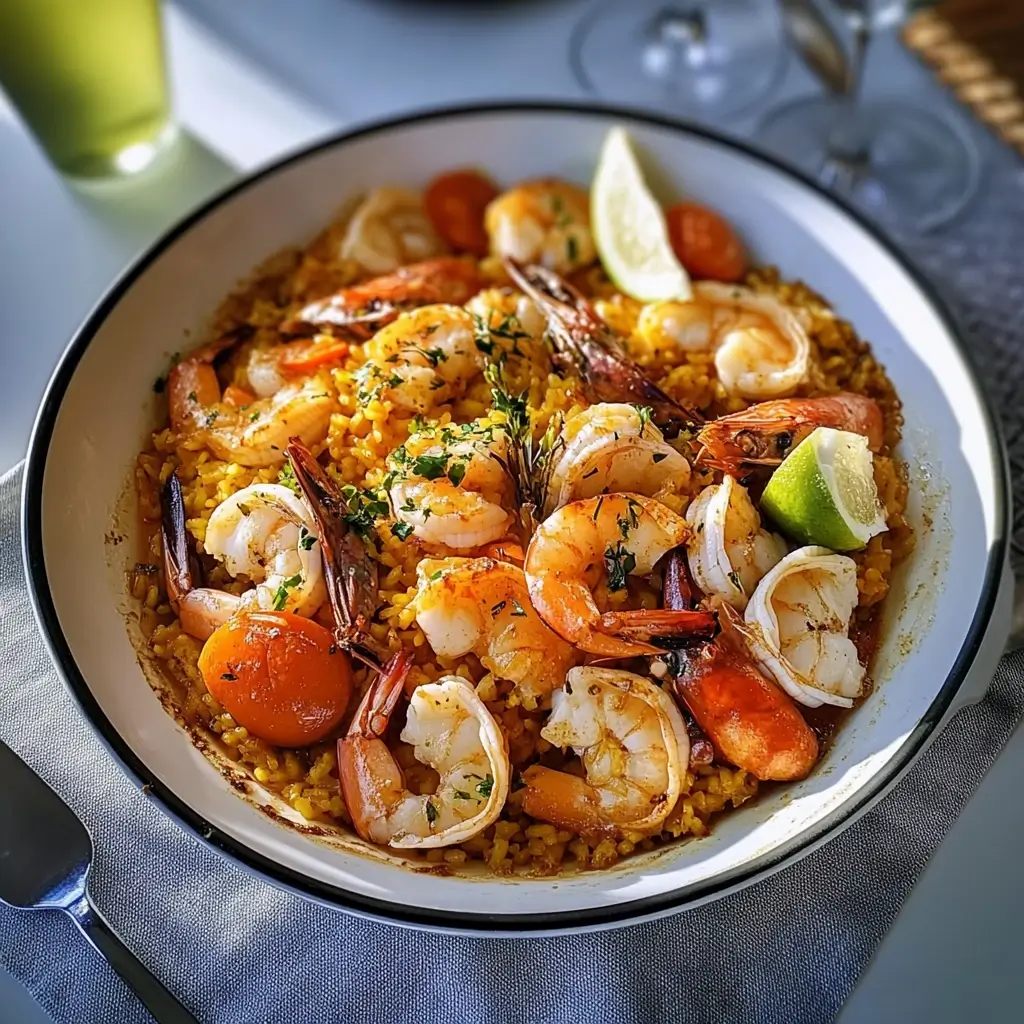
There are moments in the kitchen that transcend mere cooking; they become memory-making events. My first truly successful attempt at this Seafood Paella was one such occasion. I remember the nervous anticipation as I spread the rice, the sizzle of the seafood hitting the hot pan, and the intoxicating aroma of saffron and smoked paprika filling our home. When I finally brought the vibrant, steaming paella pan to the table, the collective “oohs” and “aahs” from my family were music to my ears. My partner, usually a reserved critic, declared it the “best paella” he’d ever had (outside of Spain, of course!), and the kids, initially wary of the mixed seafood, were soon fighting over the last crispy bits of socarrat from the bottom of the pan. It wasn’t just a meal; it was a celebration, a taste of Spanish sunshine on an ordinary Tuesday. This recipe, refined over time, is my attempt to share that joy and deliciousness with you. It’s more than just a list of ingredients and steps; it’s a journey to creating a show-stopping centerpiece that will delight your senses and bring people together.
The Ultimate Seafood Paella: Ingredients You’ll Need
Crafting an authentic and delicious seafood paella hinges on using high-quality ingredients. Each component plays a vital role in building layers of flavor and texture. Here’s what you’ll need to create a paella that serves 6-8 people generously:
For the Sofrito (Flavor Base):
- Olive Oil: 1/2 cup (75-100ml) extra virgin olive oil, preferably Spanish
- Onion: 1 large Spanish onion (or 2 medium yellow onions), finely chopped (about 1.5 cups)
- Garlic: 4-6 cloves, minced
- Bell Peppers: 1 red bell pepper and 1 green bell pepper, cored, seeded, and diced (or use a mix of colors)
- Tomatoes: 1 lb (approx. 450g) ripe tomatoes, grated (discard skins), or 1 (14.5 oz / 400g) can of crushed or diced tomatoes, drained
- Smoked Paprika (Pimentón Dulce): 2 teaspoons (sweet, not hot)
- Hot Smoked Paprika (Pimentón Picante): 1/2 teaspoon (optional, for a little kick)
- Saffron Threads: 1 generous pinch (about 1/2 to 1 teaspoon threads), lightly toasted and crumbled or steeped in a little warm water
For the Rice and Broth:
- Paella Rice: 2 cups (approx. 400g) Bomba or Calasparra rice (Valencian short-grain rice)
- Seafood Broth or Fish Stock: 6-7 cups (1.5 – 1.75 liters), high quality, warmed. You can also use chicken broth in a pinch, but seafood/fish stock is best.
- Dry White Wine: 1/2 cup (120ml) (optional, but adds depth)
- Salt: 1.5 – 2 teaspoons, or to taste (remember seafood and broth can be salty)
- Freshly Ground Black Pepper: To taste
For the Seafood Medley (Choose a good variety):
- Large Shrimp or Prawns: 1 lb (approx. 450g), shell-on, deveined (about 16-20 count)
- Mussels: 1 lb (approx. 450g), scrubbed and debearded
- Clams: 1 lb (approx. 450g), scrubbed (e.g., littlenecks or Manila clams)
- Calamari (Squid): 1/2 lb (approx. 225g), cleaned, bodies cut into rings, tentacles left whole or halved if large
- Firm White Fish Fillets: 1/2 lb (approx. 225g), such as monkfish, cod, or halibut, cut into 1-inch chunks (optional)
- Scallops: 1/2 lb (approx. 225g) large sea scallops, patted dry (optional)
For Garnish (Optional):
- Fresh Parsley: 1/4 cup, chopped
- Lemon Wedges: For serving
- Frozen Peas: 1/2 cup (add during the last 5-7 minutes of cooking if desired)
- Roasted Red Pepper Strips: For decoration (if not using fresh bell pepper in sofrito)
A Note on Key Ingredients:
- The Rice: Bomba or Calasparra rice is non-negotiable for authentic paella. These Spanish short-grain rice varieties absorb three times their volume in liquid without becoming mushy, leading to perfectly separate, flavorful grains. Arborio rice, used for risotto, will result in a creamy texture, which is not desired in paella.
- Saffron: This is the soul of paella, imparting its characteristic golden color, unique aroma, and subtle flavor. While expensive, a little goes a long way. Always use threads, not powder, for the best quality.
- Smoked Paprika (Pimentón): Spanish smoked paprika adds a deep, smoky flavor that is essential. Use Pimentón de la Vera, Dulce (sweet) as the primary, and a touch of Picante (hot) if you like a hint of spice.
- The Paella Pan (Paellera): A traditional paella pan is wide, shallow, and typically made of carbon steel or enameled steel. This design promotes rapid evaporation of liquid and ensures the rice cooks in a thin, even layer, which is crucial for developing the coveted socarrat (the crispy, toasted rice layer at the bottom). If you don’t have one, use the widest, shallowest skillet you own, preferably one that can go from stovetop to oven or grill.
Crafting Your Masterpiece: Step-by-Step Seafood Paella Instructions
Making paella is a process, but it’s a rewarding one. Follow these steps carefully, and you’ll be well on your way to a stunning dish. The key is preparation (mise en place) and patience, especially with the sofrito.
1. Prepare the Ingredients (Mise en Place – Crucial!):
* Chop all vegetables as directed. Grate the tomatoes. Mince the garlic.
* Clean and prepare all seafood. Scrub mussels and clams, debeard mussels. Devein shrimp. Cut calamari and fish. Pat scallops dry.
* Measure out rice, spices, wine, and broth. Warm the broth in a separate saucepan and keep it simmering.
* If using saffron threads, you can lightly toast them in a dry pan for 30 seconds, then crumble them, or steep them in 2 tablespoons of warm water or broth for 10-15 minutes to release their color and flavor.
2. Sauté Aromatics and Build the Sofrito (The Flavor Base):
* Place your paella pan over medium heat. Add the olive oil. Once shimmering, add the chopped onions and a pinch of salt. Sauté for 8-10 minutes, stirring occasionally, until softened and translucent.
* Add the diced bell peppers and continue to cook for another 5-7 minutes, until they begin to soften.
* Stir in the minced garlic and cook for 1-2 minutes more, until fragrant. Be careful not to burn the garlic.
* Add the grated tomatoes (or canned crushed tomatoes). Cook down for 10-15 minutes, stirring frequently, until the mixture darkens, thickens, and the oil starts to separate. This concentrated tomato base is a key part of your sofrito.
* Stir in the sweet smoked paprika and hot smoked paprika (if using). Cook for 1 minute more, stirring constantly, to toast the spices and release their aroma.
3. Searing Some Seafood (Optional First Sear):
* Push the sofrito to the sides of the pan to make space in the center.
* You can briefly sear some of your larger seafood items now to build more flavor and then remove them to be added back later. For example:
* Add the shrimp/prawns and cook for 1-2 minutes per side until pink. Remove and set aside.
* If using scallops, sear them quickly for 1 minute per side. Remove and set aside.
* If using calamari, you can also give it a quick sauté for 1-2 minutes until opaque. Remove and set aside.
* This step prevents these items from overcooking later. If you prefer, you can skip this and add all seafood later as described.
4. Add the Rice and Wine:
* Add the Bomba or Calasparra rice to the pan with the sofrito. Stir well for 1-2 minutes to coat the grains with the sofrito and toast them slightly. This helps the rice absorb flavors.
* If using white wine, pour it in and stir, scraping up any browned bits from the bottom of the pan. Let the alcohol cook off for a minute or two until mostly absorbed.
5. Add Saffron and Broth:
* Stir the crumbled saffron (or saffron-infused water) into the rice mixture.
* Pour in the hot seafood broth. Distribute the rice evenly across the pan. Season with salt and freshly ground black pepper. Stir gently once to ensure everything is evenly distributed.
* Important Paella Rule: From this point on, DO NOT STIR THE RICE. Stirring releases starch and makes the paella creamy like risotto, which is not the desired texture.
6. Cook the Rice:
* Bring the liquid to a gentle simmer. Cook uncovered over medium-high heat for about 10 minutes, or until much of the liquid has been absorbed and you can start to see the rice grains.
* Reduce the heat to medium-low. Continue to cook for another 8-10 minutes. You should hear a gentle crackling sound as the liquid fully absorbs and the rice at the bottom begins to toast (this is the start of the socarrat).
* If using frozen peas, scatter them over the top during these last 5-7 minutes of cooking.
7. Arrange the Seafood:
* About 5-10 minutes before the rice is fully cooked (when there’s still a little liquid visible and the rice is mostly tender), artfully arrange your seafood on top of the rice.
* Nestle the clams and mussels into the rice, hinge-side down, so they open upwards.
* Add the fish chunks (if using) and any calamari, shrimp, or scallops that you didn’t pre-sear.
* If you pre-seared shrimp, calamari, or scallops, arrange them on top now to heat through.
* Cover the paella pan loosely with aluminum foil or a large lid if your pan has one. This helps the seafood cook through and the clams/mussels to steam open.
8. Finish Cooking and Develop Socarrat:
* Continue to cook on medium-low for another 5-7 minutes, or until the rice is al dente (cooked through but with a slight bite), all the liquid has been absorbed, and the mussels and clams have opened. Discard any shellfish that remain closed.
* For the Socarrat (The Coveted Crispy Bottom): In the last 1-2 minutes of cooking, you can increase the heat slightly to medium-high. Listen carefully for a gentle, consistent crackling and sizzling sound, and you might smell a slight toasting aroma. Be careful not to burn it. This crispy layer is highly prized. Rotate the pan if your burner has hot spots.
9. Rest the Paella:
* Once cooked, remove the paella from the heat. Keep it covered with the foil or lid and let it rest for 5-10 minutes before serving. This allows the flavors to meld and the rice to finish cooking in its steam. This step is crucial!
10. Garnish and Serve:
* Uncover the paella. Garnish with freshly chopped parsley and arrange lemon wedges around the edge.
* Bring the entire paella pan to the table for a dramatic presentation.
Nutritional Snapshot: What’s in a Serving?
- Servings: This recipe generously serves 6-8 people.
- Calories per serving (approximate): 550-750 calories.
Disclaimer: Nutritional information is an estimate and can vary significantly based on the exact ingredients used, particularly the types and amounts of seafood, the quantity of olive oil, and the portion size. This estimate is for a general guideline.
The primary calories come from the rice, olive oil, and the protein-rich seafood. It’s a relatively balanced meal, providing carbohydrates for energy, lean protein from the seafood, and healthy fats from the olive oil.
Timing Your Paella Perfection: Preparation & Cooking Time
Understanding the time commitment helps in planning your paella feast:
- Preparation Time (Mise en Place): 45-60 minutes (This includes chopping vegetables, cleaning seafood, measuring ingredients. Doing this thoroughly upfront makes the cooking process smooth).
- Cooking Time: 50-60 minutes
- Sofrito: 20-25 minutes
- Adding rice & initial cook: 10-15 minutes
- Adding seafood & final cook: 15-20 minutes
- Resting Time: 5-10 minutes (essential)
- Total Time: Approximately 1 hour 40 minutes to 2 hours 10 minutes.
While it’s not a quick weeknight meal for most, it’s perfect for a weekend gathering or a special occasion where you can savor the process.
Serving Your Spectacular Seafood Paella
Serving paella is an event in itself. It’s traditionally a communal dish, meant to be shared and enjoyed together.
- Directly from the Pan: The most authentic way to serve paella is to bring the entire paella pan to the table and let guests serve themselves. This showcases the beautiful colors and arrangement of the seafood.
- Wooden Spoons: Traditionally, some enjoy eating paella directly from the pan with wooden spoons, though individual plates are more common in many settings.
- Lemon Wedges: Always serve with plenty of fresh lemon wedges on the side. A squeeze of lemon juice brightens the flavors of the seafood and cuts through the richness.
- Fresh Parsley: A sprinkle of freshly chopped parsley adds a touch of color and freshness just before serving.
- Accompaniments:
- Crusty Bread: Perfect for soaking up any delicious juices or the flavorful oil from the bottom of the pan.
- Simple Green Salad: A light salad with a vinaigrette dressing offers a refreshing contrast.
- Spanish Olives: A small bowl of good quality Spanish olives makes a nice appetizer or side.
- Wine Pairing:
- Spanish Whites: An Albariño from Rías Baixas is a classic choice, with its crisp acidity and citrus notes. A Verdejo from Rueda or a dry Spanish Rosado (rosé) also pair wonderfully.
- Light Spanish Reds: If you prefer red, a young, light-bodied Tempranillo (Rioja Crianza) can work, especially if your paella has a robust, smoky flavor.
- Sangria: For a festive touch, a pitcher of homemade sangria is always a crowd-pleaser.
Remember to provide serving spoons that can reach the bottom of the pan to ensure everyone gets a taste of the coveted socarrat!
Pro Tips for Paella Prowess (5 Tips)
Elevate your paella game from good to unforgettable with these expert tips:
- Invest in Quality Ingredients, Especially Rice and Saffron: The soul of your paella lies in its core components. Use authentic Spanish Bomba or Calasparra rice – its ability to absorb liquid while staying firm is unparalleled. Real saffron threads, though an investment, provide the signature color, aroma, and flavor that cannot be replicated. Fresh, high-quality seafood will also make a world of difference.
- Master the Sofrito – Patience is Key: The sofrito is the flavor foundation of your paella. Don’t rush this step. Cook the onions, peppers, and tomatoes slowly over medium-low heat until they are deeply caramelized, sweet, and concentrated. This can take a good 20-30 minutes, but the depth of flavor it builds is absolutely crucial.
- The Right Pan and Even Heat: A traditional paella pan (paellera) is wide, shallow, and conductive, allowing for even cooking and maximum evaporation – essential for achieving separate grains and the socarrat. If cooking on a stovetop that’s smaller than your pan, rotate the pan frequently or use two burners if possible. For very large pans, cooking over an outdoor grill or a dedicated paella burner provides the most even heat.
- Resist the Urge to Stir the Rice: Once you add the broth to the rice, stir it once to distribute everything evenly, and then leave it alone! Stirring releases starch from the rice, leading to a creamy, risotto-like texture, which is not what you want in an authentic paella. Let the rice cook undisturbed to allow the grains to absorb the liquid properly and for the socarrat to form.
- Don’t Skip the Rest: Once the paella is cooked and the liquid absorbed, remove it from the heat, cover it with foil or a clean kitchen towel, and let it rest for 5-10 minutes. This allows the rice to finish steaming, the flavors to meld beautifully, and the starches to set, resulting in a more flavorful and perfectly textured dish.
Your Seafood Paella Questions Answered: FAQ
Q1: What’s the best rice for paella, and can I use Arborio or regular long-grain rice?
A: The best rice for paella is Spanish short-grain rice, specifically Bomba or Calasparra. These varieties are exceptional at absorbing large amounts of liquid (up to three times their volume) while remaining firm and separate. Arborio rice, commonly used for risotto, becomes creamy when cooked due to its high starch content, which is not desirable for paella. Regular long-grain rice doesn’t absorb liquid as well and can become mushy. For authentic texture, stick to Bomba or Calasparra.
Q2: How do I achieve the “socarrat” (crispy bottom layer)?
A: Ah, the prized socarrat! This crispy, toasted rice layer at the bottom of the pan is a hallmark of a great paella. To achieve it:
* Ensure your rice is in a relatively thin layer.
* Once most of the liquid has been absorbed (towards the end of cooking), increase the heat to medium-high for the last 1-2 minutes.
* Listen carefully: you should hear a distinct crackling or sizzling sound. You might also smell a slight toasting aroma.
* Rotate the pan if needed for even toasting.
* Be vigilant to avoid burning; it’s a fine line between toasted and burnt. Experience helps here!
Q3: Can I prepare paella ahead of time?
A: Paella is undeniably best enjoyed fresh, straight from the pan after its resting period. The texture of the rice and the vibrancy of the seafood are optimal then. However, you can do some prep work ahead:
* Chop all your vegetables for the sofrito a day in advance and store them in an airtight container.
* Prepare your seafood (clean, devein) earlier in the day.
* Make the sofrito itself a day ahead. Cool and refrigerate. Reheat it gently before adding the rice.
If you have leftovers, they can be refrigerated for up to 2 days. Reheat gently in a skillet with a splash of broth or water, or in the microwave, but be aware the texture won’t be quite the same.
Q4: What if I don’t have a paella pan?
A: While a traditional paella pan (paellera) is ideal due to its wide, shallow shape promoting even cooking and evaporation, you can still make a delicious paella without one. Use the largest, widest, and shallowest skillet you own. A 12-14 inch heavy-bottomed frying pan (cast iron or stainless steel) can work. The key is to maximize the surface area for the rice to cook in a thin layer. You may need to adjust quantities slightly if your pan is smaller or deeper, and achieving a perfect socarrat might be trickier.
Q5: Can I customize the seafood in this recipe?
A: Absolutely! Seafood paella is very versatile. Feel free to use your favorite seafood or what’s freshest and available.
* Good choices include: Monkfish, cod, halibut, snapper, squid (calamari), shrimp, prawns, langoustines, mussels, clams, scallops, even lobster.
* Consider cooking times: Delicate fish or small scallops cook quickly and should be added towards the end. Heartier fish can be added earlier.
* Balance: Aim for a good mix of shellfish (for flavor and visual appeal) and firmer fish or squid for texture. The recipe provided offers a classic combination, but feel free to adapt it to your preferences and local availability.
Seafood Paella Recipe
Ingredients
For the Sofrito (Flavor Base):
- Olive Oil: 1/2 cup (75-100ml) extra virgin olive oil, preferably Spanish
- Onion: 1 large Spanish onion (or 2 medium yellow onions), finely chopped (about 1.5 cups)
- Garlic: 4-6 cloves, minced
- Bell Peppers: 1 red bell pepper and 1 green bell pepper, cored, seeded, and diced (or use a mix of colors)
- Tomatoes: 1 lb (approx. 450g) ripe tomatoes, grated (discard skins), or 1 (14.5 oz / 400g) can of crushed or diced tomatoes, drained
- Smoked Paprika (Pimentón Dulce): 2 teaspoons (sweet, not hot)
- Hot Smoked Paprika (Pimentón Picante): 1/2 teaspoon (optional, for a little kick)
- Saffron Threads: 1 generous pinch (about 1/2 to 1 teaspoon threads), lightly toasted and crumbled or steeped in a little warm water
For the Rice and Broth:
- Paella Rice: 2 cups (approx. 400g) Bomba or Calasparra rice (Valencian short-grain rice)
- Seafood Broth or Fish Stock: 6-7 cups (1.5 – 1.75 liters), high quality, warmed. You can also use chicken broth in a pinch, but seafood/fish stock is best.
- Dry White Wine: 1/2 cup (120ml) (optional, but adds depth)
- Salt: 1.5 – 2 teaspoons, or to taste (remember seafood and broth can be salty)
- Freshly Ground Black Pepper: To taste
For the Seafood Medley (Choose a good variety):
- Large Shrimp or Prawns: 1 lb (approx. 450g), shell-on, deveined (about 16-20 count)
- Mussels: 1 lb (approx. 450g), scrubbed and debearded
- Clams: 1 lb (approx. 450g), scrubbed (e.g., littlenecks or Manila clams)
- Calamari (Squid): 1/2 lb (approx. 225g), cleaned, bodies cut into rings, tentacles left whole or halved if large
- Firm White Fish Fillets: 1/2 lb (approx. 225g), such as monkfish, cod, or halibut, cut into 1-inch chunks (optional)
- Scallops: 1/2 lb (approx. 225g) large sea scallops, patted dry (optional)
Instructions
For the Sofrito (Flavor Base):
- Olive Oil: 1/2 cup (75-100ml) extra virgin olive oil, preferably Spanish
- Onion: 1 large Spanish onion (or 2 medium yellow onions), finely chopped (about 1.5 cups)
- Garlic: 4-6 cloves, minced
- Bell Peppers: 1 red bell pepper and 1 green bell pepper, cored, seeded, and diced (or use a mix of colors)
- Tomatoes: 1 lb (approx. 450g) ripe tomatoes, grated (discard skins), or 1 (14.5 oz / 400g) can of crushed or diced tomatoes, drained
- Smoked Paprika (Pimentón Dulce): 2 teaspoons (sweet, not hot)
- Hot Smoked Paprika (Pimentón Picante): 1/2 teaspoon (optional, for a little kick)
- Saffron Threads: 1 generous pinch (about 1/2 to 1 teaspoon threads), lightly toasted and crumbled or steeped in a little warm water
For the Rice and Broth:
- Paella Rice: 2 cups (approx. 400g) Bomba or Calasparra rice (Valencian short-grain rice)
- Seafood Broth or Fish Stock: 6-7 cups (1.5 – 1.75 liters), high quality, warmed. You can also use chicken broth in a pinch, but seafood/fish stock is best.
- Dry White Wine: 1/2 cup (120ml) (optional, but adds depth)
- Salt: 1.5 – 2 teaspoons, or to taste (remember seafood and broth can be salty)
- Freshly Ground Black Pepper: To taste
For the Seafood Medley (Choose a good variety):
- Large Shrimp or Prawns: 1 lb (approx. 450g), shell-on, deveined (about 16-20 count)
- Mussels: 1 lb (approx. 450g), scrubbed and debearded
- Clams: 1 lb (approx. 450g), scrubbed (e.g., littlenecks or Manila clams)
- Calamari (Squid): 1/2 lb (approx. 225g), cleaned, bodies cut into rings, tentacles left whole or halved if large
- Firm White Fish Fillets: 1/2 lb (approx. 225g), such as monkfish, cod, or halibut, cut into 1-inch chunks (optional)
- Scallops: 1/2 lb (approx. 225g) large sea scallops, patted dry (optional)
Nutrition
- Serving Size: One Normal Portion
- Calories: 550-750