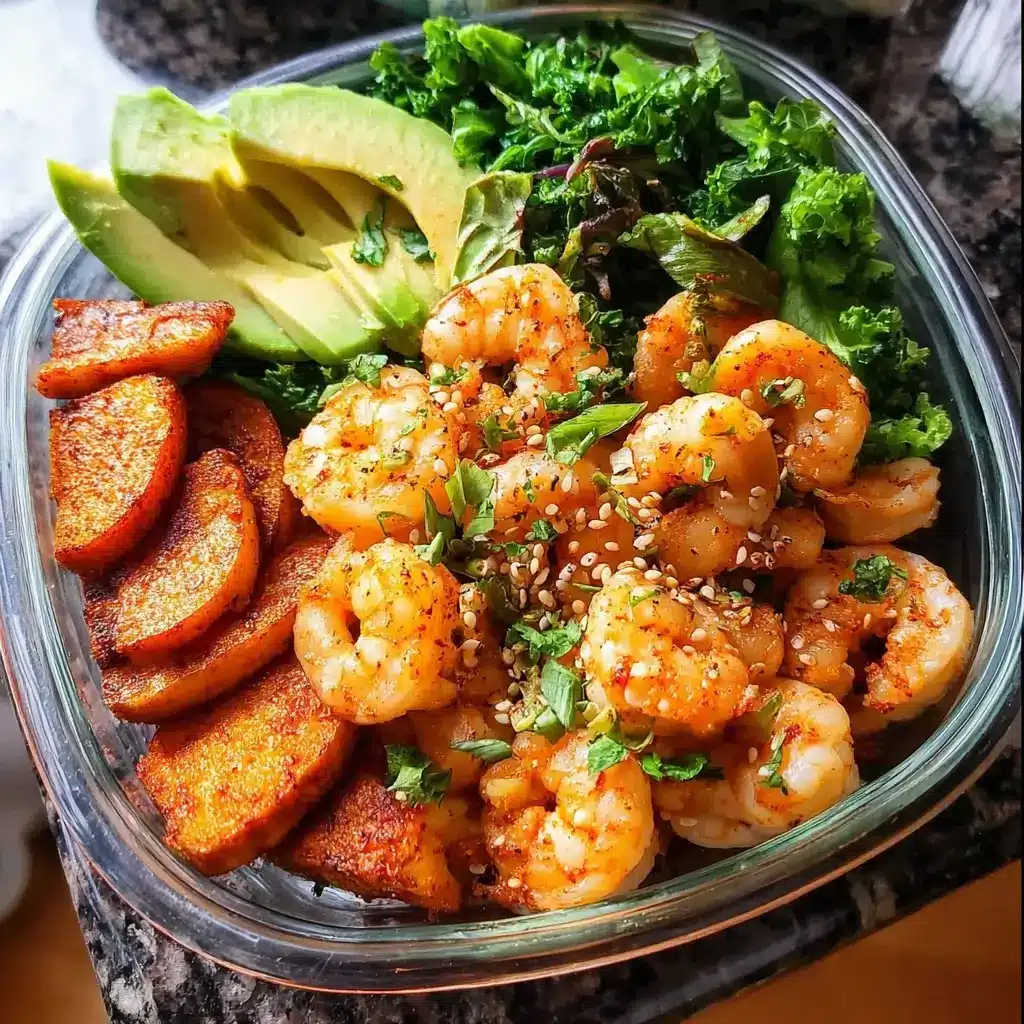
Okay, let’s dive into crafting a delicious and satisfying Shrimp Buddha Bowl! I remember the first time I made these for my family. It was one of those hectic weeknights where everyone was hungry, and I needed something healthy, quick, but also exciting enough to please a range of palates, including my somewhat picky teenagers. The vibrant colors alone were a hit, and then the flavors – the savory shrimp, the creamy dressing, the fresh crunch of veggies, and the satisfying grains – it was an instant winner! Everyone got to customize their bowls a little, which always goes down well. Since then, Shrimp Buddha Bowls have become a regular in our meal rotation, perfect for a light yet filling dinner or a fantastic make-ahead lunch. They just make you feel good, inside and out!
What Exactly is a Buddha Bowl?
Before we jump into the glorious details of our shrimp version, let’s quickly touch upon what makes a Buddha Bowl, well, a Buddha Bowl. Traditionally, a Buddha Bowl is a vegetarian meal served in a single bowl, consisting of small portions of several foods, artfully arranged. The name is often thought to come from the resemblance of the generously filled bowl to Buddha’s round belly, or perhaps from the practice of Buddhist monks collecting alms in a large bowl.
Modern interpretations, like ours, often include lean proteins such as shrimp, chicken, or fish. The core components usually include:
- A Grain Base: Think quinoa, brown rice, farro, or even noodles.
- Protein: Lentils, chickpeas, tofu, eggs, or in our case, delicious shrimp.
- A Generous Helping of Vegetables: A mix of raw, steamed, roasted, or sautéed veggies. Color is key!
- A Flavorful Dressing: This ties everything together – think tahini, peanut, miso, or a zesty vinaigrette.
- Optional Toppings: Nuts, seeds, fresh herbs, avocado for extra texture and flavor.
The beauty of a Buddha Bowl lies in its versatility, nutritional balance, and visual appeal. It’s a fantastic way to pack in a wide array of nutrients in one delicious meal.
Why You’ll Adore This Shrimp Buddha Bowl Recipe
This Shrimp Buddha Bowl isn’t just another healthy meal; it’s an experience! Here’s why it’s bound to become a favorite:
- Incredibly Flavorful: The combination of perfectly seasoned shrimp, fresh and roasted vegetables, hearty grains, and a luscious, creamy dressing is simply irresistible.
- Nutrient-Packed: Loaded with lean protein from the shrimp, fiber from the grains and vegetables, and healthy fats, this bowl is a powerhouse of nutrition.
- Highly Customizable: Don’t like a particular veggie? Swap it out! Prefer a different grain? Go for it! This recipe is a fantastic template to adapt to your preferences and what you have on hand.
- Visually Stunning: Let’s be honest, we eat with our eyes first! The vibrant colors and artful arrangement make this bowl a feast for the eyes as well as the palate.
- Perfect for Meal Prep: Prepare the components ahead of time, and you’ll have quick and healthy meals ready to go throughout the week.
- Surprisingly Easy: While it looks gourmet, this bowl is quite straightforward to put together, especially if you multitask while components are cooking.
Ingredients for Your Amazing Shrimp Buddha Bowl
Here’s what you’ll need to create this masterpiece. We’re aiming for a balance of textures and flavors.
For the Shrimp & Marinade:
- Shrimp: 1 lb (450g) large shrimp, peeled and deveined, tail on or off (your preference)
- Olive Oil: 1 tablespoon
- Soy Sauce (or Tamari for gluten-free): 1 tablespoon
- Lime Juice: 1 tablespoon (freshly squeezed is best)
- Garlic: 2 cloves, minced
- Ginger: 1 teaspoon, freshly grated
- Smoked Paprika: ½ teaspoon
- Red Pepper Flakes: ¼ teaspoon (optional, for a little heat)
For the Grain Base (Choose One):
- Quinoa: 1 cup uncooked, rinsed (yields about 3 cups cooked)
- Brown Rice: 1 cup uncooked (yields about 3 cups cooked)
- Farro: 1 cup uncooked (yields about 2.5-3 cups cooked)
- Water or Broth: According to package directions for your chosen grain
For the Roasted Vegetables:
- Sweet Potato: 1 large, peeled and diced into ½-inch cubes
- Broccoli Florets: 1 medium head, cut into bite-sized florets (about 2-3 cups)
- Olive Oil: 1-2 tablespoons
- Salt & Black Pepper: To taste
For the Fresh Vegetables & Add-ins:
- Red Cabbage: 1 cup, thinly shredded
- Carrots: 1 large, julienned or shredded
- Cucumber: ½ large, diced or thinly sliced
- Edamame: 1 cup, shelled (cooked, can be frozen and thawed)
- Avocado: 1 large, sliced or diced just before serving
- Lime Wedges: For serving
For the Creamy Peanut Dressing:
- Natural Peanut Butter: ½ cup, creamy or crunchy
- Soy Sauce (or Tamari): ¼ cup
- Rice Vinegar: 2 tablespoons
- Honey or Maple Syrup: 2 tablespoons (adjust to taste)
- Lime Juice: 2 tablespoons (freshly squeezed)
- Sesame Oil: 1 tablespoon, toasted
- Garlic: 1 clove, minced
- Ginger: 1 teaspoon, freshly grated
- Warm Water: 2-4 tablespoons, or more, to reach desired consistency
Optional Garnishes:
- Sesame Seeds: Toasted
- Fresh Cilantro: Chopped
- Green Onions: Thinly sliced
- Crushed Peanuts: For extra crunch
Step-by-Step Instructions to Craft Your Bowl
Follow these steps for a perfectly assembled and delicious Shrimp Buddha Bowl.
1. Cook Your Grain:
* Prepare your chosen grain (quinoa, brown rice, or farro) according to the package instructions. Typically, this involves simmering the grain in water or broth until tender and the liquid is absorbed.
* Once cooked, fluff with a fork and set aside. Keep it covered to stay warm.
2. Roast the Vegetables:
* Preheat your oven to 400°F (200°C).
* On a large baking sheet, toss the diced sweet potato and broccoli florets with 1-2 tablespoons of olive oil, salt, and pepper. Spread them in a single layer.
* Roast for 20-25 minutes, flipping halfway, until the sweet potatoes are tender and lightly caramelized, and the broccoli is tender-crisp and slightly charred at the edges.
* Set aside.
3. Prepare the Shrimp:
* While the vegetables are roasting, prepare the shrimp. In a medium bowl, combine the shrimp with 1 tablespoon olive oil, soy sauce (or tamari), lime juice, minced garlic, grated ginger, smoked paprika, and red pepper flakes (if using). Toss well to coat and let it marinate for at least 10-15 minutes (you can do this while the grains cook or veggies roast).
* Heat a large skillet or frying pan over medium-high heat. You can add a tiny bit more oil if your pan tends to stick.
* Add the marinated shrimp to the hot skillet in a single layer (cook in batches if necessary to avoid overcrowding).
* Cook for 2-3 minutes per side, or until pink, opaque, and cooked through. Be careful not to overcook, as shrimp can become rubbery.
* Remove from heat and set aside.
4. Whisk Together the Dressing:
* In a small bowl or jar, combine all the dressing ingredients: peanut butter, soy sauce (or tamari), rice vinegar, honey (or maple syrup), lime juice, sesame oil, minced garlic, and grated ginger.
* Whisk vigorously until smooth and creamy.
* Add warm water, one tablespoon at a time, whisking after each addition, until the dressing reaches your desired consistency. It should be pourable but still substantial. Taste and adjust seasonings if needed (more honey for sweetness, lime for tang, etc.).
5. Prepare Fresh Components:
* While other components are cooking, wash and prepare your fresh vegetables: thinly shred the red cabbage, julienne or shred the carrots, dice or slice the cucumber, and cook/thaw the edamame.
* Slice or dice the avocado just before assembling the bowls to prevent browning. A little lime juice tossed with the avocado can also help.
6. Assemble Your Shrimp Buddha Bowls:
* Divide the cooked grain evenly among 2-4 serving bowls (depending on your desired serving size).
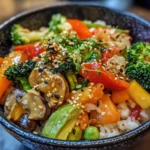
* Artfully arrange a portion of the roasted sweet potatoes, roasted broccoli, cooked shrimp, shredded red cabbage, carrots, cucumber, and edamame over the grain in distinct sections.
* Add slices or diced avocado to each bowl.
* Drizzle generously with the creamy peanut dressing.
* Garnish with optional toppings like toasted sesame seeds, chopped fresh cilantro, thinly sliced green onions, or crushed peanuts.
* Serve immediately with extra lime wedges on the side.
Nutrition Facts
- Servings: This recipe makes 2 large, very satisfying bowls or 4 smaller, moderate-sized bowls.
- Calories per serving (approximate, for 1 of 4 smaller bowls): 550-650 calories.
Disclaimer: Nutritional information is an estimate and can vary significantly based on specific ingredients used, portion sizes, and preparation methods. This estimate assumes quinoa as the grain base and includes a moderate amount of dressing.
Key nutritional highlights include:
- Protein: High, primarily from shrimp and quinoa.
- Fiber: Excellent source from grains, vegetables, and peanut butter.
- Healthy Fats: From avocado, olive oil, sesame oil, and peanut butter.
- Vitamins & Minerals: A wide array, thanks to the colorful variety of vegetables.
Preparation Time
- Prep Time: 25-30 minutes (includes chopping vegetables, marinating shrimp)
- Cook Time: 25-30 minutes (includes cooking grains, roasting vegetables, cooking shrimp)
- Total Time: Approximately 50-60 minutes (can be reduced if you multitask efficiently or use pre-cooked grains/pre-chopped veggies)
How to Serve Your Shrimp Buddha Bowl
Presentation can elevate your Buddha Bowl from a simple meal to a delightful culinary experience. Here are some ideas:
- Individual Assembly:
- Lay out all the prepared components (grains, shrimp, various veggies, dressing, toppings) buffet-style.
- Allow each person to build their own bowl according to their preferences. This is especially fun for families or gatherings.
- Artful Arrangement:
- When plating, aim for distinct sections for each component rather than mixing everything together. This highlights the colors and textures.
- Place the grain at the bottom as a base.
- Arrange vegetables and shrimp in neat piles or sections around the bowl.
- Place avocado slices or a fan on top or in a designated spot.
- Drizzle the dressing over the top in a zigzag pattern or serve it on the side for individual control.
- Garnish Generously:
- Don’t skip the garnishes! A sprinkle of sesame seeds, fresh cilantro, or green onions adds a final pop of flavor and visual appeal.
- A lime wedge on the side allows for an extra squeeze of brightness.
- Bowl Choice:
- Serve in wide, relatively shallow bowls to best display all the beautiful ingredients.
- Drink Pairings:
- Light and Refreshing: Iced green tea, limeade, or a crisp Sauvignon Blanc.
- Asian-Inspired: A light lager or a chilled sake.
- Non-Alcoholic: Coconut water or a ginger-infused sparkling water.
Additional Tips for the Perfect Bowl
- Meal Prep Like a Pro: This recipe is fantastic for meal prepping.
- Cook a large batch of your chosen grain at the beginning of the week.
- Roast a big tray of vegetables.
- Chop fresh veggies (except avocado) and store them in airtight containers.
- Whisk together the dressing and store it in a jar in the fridge (it may thicken, so you might need to add a touch more water and re-whisk before serving).
- Cook the shrimp fresh for best results, but cooked shrimp can be stored for 1-2 days.
- Assemble bowls just before serving.
- Don’t Overcook the Shrimp: Shrimp cook very quickly. Overcooked shrimp become tough and rubbery. Aim for just opaque and pink. Remove them from the heat as soon as they’re done.
- Dressing Consistency is Key: If your peanut dressing is too thick, add warm water, a little at a time, until it reaches a smooth, pourable consistency. If it’s too thin, you can try whisking in a little more peanut butter.
- Toast Your Nuts and Seeds: If using sesame seeds or crushed peanuts as a garnish, toasting them lightly in a dry skillet for a few minutes enhances their nutty flavor and aroma significantly.
- Embrace Seasonal Vegetables: Feel free to swap out the suggested vegetables for whatever is in season or what you have on hand. Roasted asparagus, bell peppers, zucchini, or fresh spinach, snap peas, and radishes would all be wonderful additions or substitutions.
Frequently Asked Questions (FAQ)
Q1: Can I make this Shrimp Buddha Bowl gluten-free?
A1: Absolutely! To make it gluten-free, ensure you use Tamari instead of regular soy sauce in both the shrimp marinade and the peanut dressing. Also, choose a gluten-free grain like quinoa or brown rice. Double-check all packaged ingredients (like peanut butter) to ensure they are certified gluten-free if you have celiac disease or severe gluten sensitivity.
Q2: Can I make this recipe vegan or vegetarian?
A2: Yes, easily! For a vegetarian version, you could substitute the shrimp with pan-fried halloumi, hard-boiled eggs, or crispy baked tofu. For a fully vegan version, use crispy baked or pan-fried tofu, tempeh, chickpeas (roasted or plain), or lentils instead of shrimp. Ensure your sweetener in the dressing (e.g., maple syrup instead of honey) is vegan-friendly.
Q3: What are some good alternatives to peanut dressing if I have an allergy or don’t like peanut butter?
A3: Great question! There are many delicious alternatives:
* Tahini Dressing: Mix tahini, lemon juice, garlic, water, and a pinch of salt.
* Almond Butter Dressing: Substitute almond butter for peanut butter in the current dressing recipe.
* Miso Ginger Dressing: Combine white miso paste, rice vinegar, sesame oil, grated ginger, and a touch of maple syrup.
* Lemon Herb Vinaigrette: Olive oil, lemon juice, Dijon mustard, and your favorite fresh herbs (like parsley, dill, or chives).
* Spicy Cashew Dressing: Soaked cashews blended with lime juice, sriracha, garlic, and water.
Q4: How long will leftovers last in the fridge?
A4: For best results, store the components separately in airtight containers.
* Cooked grains: 3-4 days.
* Roasted vegetables: 3-4 days.
* Cooked shrimp: 1-2 days (best eaten fresh).
* Fresh vegetables (like cabbage, carrots): 3-5 days.
* Avocado: Best cut fresh; if you have leftovers with avocado, it might brown.
* Dressing: Up to a week.
Assemble just before eating. You can gently reheat the grains, roasted veggies, and shrimp, or enjoy them cold/room temperature.
Q5: Can I use frozen shrimp for this recipe?
A5: Yes, frozen shrimp work perfectly well. Make sure to thaw them completely before marinating and cooking. You can thaw them overnight in the refrigerator or for a quicker method, place the frozen shrimp in a colander and run cold water over them for 5-10 minutes until thawed. Pat them dry thoroughly with paper towels before marinating to ensure they sear nicely.
This Shrimp Buddha Bowl is more than just a meal; it’s a celebration of fresh ingredients, vibrant flavors, and wholesome goodness. Enjoy the process of creating your own beautiful and delicious bowl!
Print
Shrimp Buddha Bowl Recipe
Ingredients
For the Shrimp & Marinade:
- Shrimp: 1 lb (450g) large shrimp, peeled and deveined, tail on or off (your preference)
- Olive Oil: 1 tablespoon
- Soy Sauce (or Tamari for gluten-free): 1 tablespoon
- Lime Juice: 1 tablespoon (freshly squeezed is best)
- Garlic: 2 cloves, minced
- Ginger: 1 teaspoon, freshly grated
- Smoked Paprika: ½ teaspoon
- Red Pepper Flakes: ¼ teaspoon (optional, for a little heat)
For the Grain Base (Choose One):
- Quinoa: 1 cup uncooked, rinsed (yields about 3 cups cooked)
- Brown Rice: 1 cup uncooked (yields about 3 cups cooked)
- Farro: 1 cup uncooked (yields about 2.5-3 cups cooked)
- Water or Broth: According to package directions for your chosen grain
For the Roasted Vegetables:
- Sweet Potato: 1 large, peeled and diced into ½-inch cubes
- Broccoli Florets: 1 medium head, cut into bite-sized florets (about 2-3 cups)
- Olive Oil: 1-2 tablespoons
- Salt & Black Pepper: To taste
For the Fresh Vegetables & Add-ins:
- Red Cabbage: 1 cup, thinly shredded
- Carrots: 1 large, julienned or shredded
- Cucumber: ½ large, diced or thinly sliced
- Edamame: 1 cup, shelled (cooked, can be frozen and thawed)
- Avocado: 1 large, sliced or diced just before serving
- Lime Wedges: For serving
For the Creamy Peanut Dressing:
- Natural Peanut Butter: ½ cup, creamy or crunchy
- Soy Sauce (or Tamari): ¼ cup
- Rice Vinegar: 2 tablespoons
- Honey or Maple Syrup: 2 tablespoons (adjust to taste)
- Lime Juice: 2 tablespoons (freshly squeezed)
- Sesame Oil: 1 tablespoon, toasted
- Garlic: 1 clove, minced
- Ginger: 1 teaspoon, freshly grated
- Warm Water: 2-4 tablespoons, or more, to reach desired consistency
Optional Garnishes:
- Sesame Seeds: Toasted
- Fresh Cilantro: Chopped
- Green Onions: Thinly sliced
- Crushed Peanuts: For extra crunch
Instructions
1. Cook Your Grain:
* Prepare your chosen grain (quinoa, brown rice, or farro) according to the package instructions. Typically, this involves simmering the grain in water or broth until tender and the liquid is absorbed.
* Once cooked, fluff with a fork and set aside. Keep it covered to stay warm.
2. Roast the Vegetables:
* Preheat your oven to 400°F (200°C).
* On a large baking sheet, toss the diced sweet potato and broccoli florets with 1-2 tablespoons of olive oil, salt, and pepper. Spread them in a single layer.
* Roast for 20-25 minutes, flipping halfway, until the sweet potatoes are tender and lightly caramelized, and the broccoli is tender-crisp and slightly charred at the edges.
* Set aside.
3. Prepare the Shrimp:
* While the vegetables are roasting, prepare the shrimp. In a medium bowl, combine the shrimp with 1 tablespoon olive oil, soy sauce (or tamari), lime juice, minced garlic, grated ginger, smoked paprika, and red pepper flakes (if using). Toss well to coat and let it marinate for at least 10-15 minutes (you can do this while the grains cook or veggies roast).
* Heat a large skillet or frying pan over medium-high heat. You can add a tiny bit more oil if your pan tends to stick.
* Add the marinated shrimp to the hot skillet in a single layer (cook in batches if necessary to avoid overcrowding).
* Cook for 2-3 minutes per side, or until pink, opaque, and cooked through. Be careful not to overcook, as shrimp can become rubbery.
* Remove from heat and set aside.
4. Whisk Together the Dressing:
* In a small bowl or jar, combine all the dressing ingredients: peanut butter, soy sauce (or tamari), rice vinegar, honey (or maple syrup), lime juice, sesame oil, minced garlic, and grated ginger.
* Whisk vigorously until smooth and creamy.
* Add warm water, one tablespoon at a time, whisking after each addition, until the dressing reaches your desired consistency. It should be pourable but still substantial. Taste and adjust seasonings if needed (more honey for sweetness, lime for tang, etc.).
5. Prepare Fresh Components:
* While other components are cooking, wash and prepare your fresh vegetables: thinly shred the red cabbage, julienne or shred the carrots, dice or slice the cucumber, and cook/thaw the edamame.
* Slice or dice the avocado just before assembling the bowls to prevent browning. A little lime juice tossed with the avocado can also help.
6. Assemble Your Shrimp Buddha Bowls:
* Divide the cooked grain evenly among 2-4 serving bowls (depending on your desired serving size).
* Artfully arrange a portion of the roasted sweet potatoes, roasted broccoli, cooked shrimp, shredded red cabbage, carrots, cucumber, and edamame over the grain in distinct sections.
* Add slices or diced avocado to each bowl.
* Drizzle generously with the creamy peanut dressing.
* Garnish with optional toppings like toasted sesame seeds, chopped fresh cilantro, thinly sliced green onions, or crushed peanuts.
* Serve immediately with extra lime wedges on the side.
Nutrition
- Serving Size: One Normal Portion
- Calories: 550-650