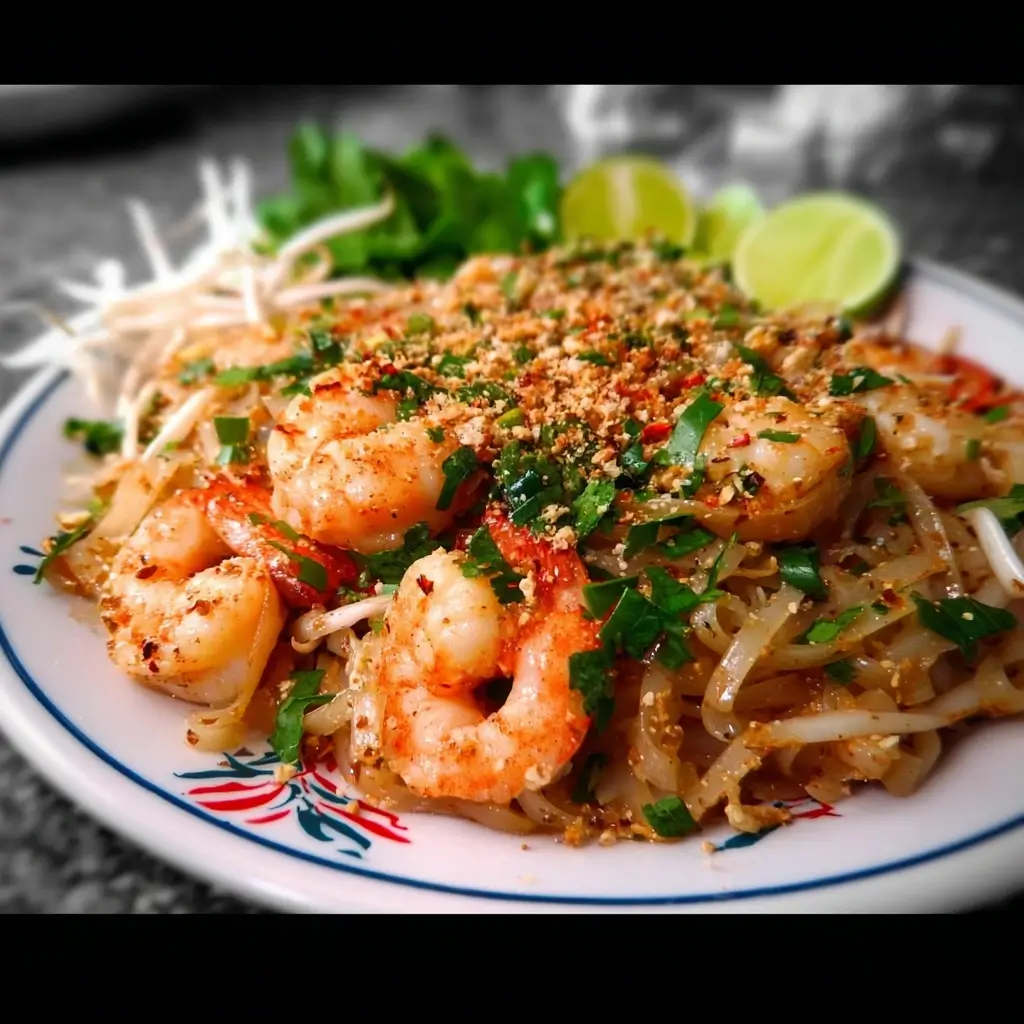
Of all the dishes that transport you straight to the bustling streets of Bangkok with a single bite, nothing does it quite like a perfectly executed Pad Thai. For years, I was on a quest for that elusive, restaurant-quality flavor at home. My early attempts were often too sweet, too sticky, or just plain lacking that authentic punch. I remember one particularly memorable “Pad Thai night” where my family, ever the supportive taste-testers, politely pushed gloopy, ketchup-colored noodles around their plates. It was a culinary low point. But I was determined. I dove into research, tinkered with sauce ratios, and discovered the non-negotiable magic of tamarind paste. This recipe is the culmination of that journey. The first time I served this version, the silence at the dinner table was different. It wasn’t polite; it was the sound of pure, unadulterated enjoyment. My husband looked up, chopsticks paused mid-air, and said, “This is it. This is better than takeout.” Seeing my kids eagerly twirling noodles and fighting over the last few succulent shrimp was my ultimate reward. This isn’t just a recipe; it’s a victory lap in a wok, a plate of vibrant, balanced, and utterly addictive noodles that will make your kitchen smell like the best Thai restaurant in town.
The Ultimate Shrimp Pad Thai: A Deep Dive
Pad Thai is more than just a stir-fried noodle dish; it’s a symphony of flavors and textures. The name itself, “kway teow pad Thai,” translates to “stir-fried rice noodles, Thai style.” It’s a relatively modern creation in Thailand’s rich culinary history, popularized in the mid-20th century as part of a campaign to establish a national identity. The genius of the dish lies in its perfect balance of the four core pillars of Thai cooking: salty (fish sauce), sweet (palm sugar), sour (tamarind), and spicy (chili flakes). This recipe is meticulously designed to help you master that balance, creating a dish that is complex yet approachable, and deeply satisfying.
Ingredients: The Building Blocks of Flavor
A great Pad Thai is all about the quality and preparation of its components. Here, we break down everything you need, separating them into logical groups. Getting these ingredients prepped and ready before you even think about turning on the stove (a process known as mise en place) is the single most important secret to success.
For the Authentic Pad Thai Sauce:
- 3 tbsp Tamarind Paste (or Concentrate): This is the heart and soul of the sauce, providing its signature sour and fruity tang. Look for a thick, dark paste, often sold in a plastic-wrapped block or a jar. Avoid tamarind concentrate that has added sugar if possible.
- 3 tbsp Fish Sauce: This provides the salty, umami backbone. Brands like Red Boat, Three Crabs, or Squid are excellent choices. Don’t be put off by the smell from the bottle; it transforms into a deeply savory flavor when cooked.
- 3-4 tbsp Palm Sugar (or Light Brown Sugar): Palm sugar, sold in hard cakes or a soft paste, offers a complex, caramel-like sweetness that is less cloying than white sugar. If you can’t find it, light brown sugar is the best substitute. You may need to grate or finely chop the hard cakes to help them dissolve.
- 1 tbsp Sriracha or 1-2 tsp Chili Flakes (Optional): For a touch of heat. Adjust the amount based on your personal preference. You can always add more at the end.
- 2 tbsp Water: To help dissolve the sugar and bring the sauce to the right consistency.
For the Noodles and Stir-Fry:
- 8 oz (225g) Dried Flat Rice Noodles: Look for noodles about ¼-inch wide, often labeled “Pad Thai” or “Chantaboon” noodles. The brand “Erawan” (with the three-headed elephant logo) is a gold standard.
- 1 lb (450g) Large Shrimp: Peeled and deveined, with tails on or off, as you prefer. Fresh, high-quality shrimp will make a world of difference.
- 1 tbsp Avocado Oil (or other high-smoke-point oil): For stir-frying. You need an oil that can handle the high heat of a wok. Canola, grapeseed, or peanut oil also work well.
- 4 Cloves Garlic: Minced finely. This builds the aromatic base of the dish.
- 1 Shallot: Sliced thinly. Shallots offer a milder, more delicate flavor than onions.
- 8 oz (225g) Extra-Firm Tofu: Pressed for at least 30 minutes, then cut into ½-inch cubes. Pressing the tofu removes excess water, allowing it to fry up beautifully golden and crisp rather than steaming.
- 2 Large Eggs: Lightly beaten in a small bowl.
- 2 cups Fresh Bean Sprouts: Divided. One cup will be cooked in the Pad Thai, and the other will be used for fresh garnish.
- ½ cup Garlic Chives (or Green Onions): Cut into 2-inch lengths. Garlic chives have a flat shape and a subtle garlic flavor that is traditional to Pad Thai. Green onions are a great substitute, using both the white and green parts.
For the Essential Garnishes:
- ½ cup Unsalted Roasted Peanuts: Roughly chopped. This adds a crucial crunchy texture.
- Lime Wedges: For serving. A final squeeze of fresh lime juice brightens all the flavors.
- Fresh Cilantro: Roughly chopped.
- Reserved Fresh Bean Sprouts
- Red Pepper Flakes: For those who like it extra spicy.
Instructions: Your Step-by-Step Guide to Pad Thai Perfection
Pad Thai cooks incredibly quickly, so preparation is everything. Read through all the steps before you begin, and have every single ingredient prepped and within arm’s reach of your stove.
Step 1: Prepare the Noodles and Sauce
- Soak the Noodles: Place the dried rice noodles in a large bowl. Cover them with warm (not boiling) water. Let them soak for about 20-30 minutes, or until they are pliable and flexible but still have a firm, slightly chalky core. They should feel like al dente spaghetti. Over-soaking will lead to mushy noodles in the final dish. Drain them completely in a colander and set aside.
- Mix the Sauce: While the noodles are soaking, prepare the sauce. In a small saucepan over low-medium heat, combine the tamarind paste, fish sauce, palm sugar, and water. Stir constantly until the sugar has completely dissolved. If using Sriracha, stir it in now. The sauce should be a balanced blend of sweet, sour, and salty. Taste it. It should be potent – it will be diluted by the noodles and other ingredients. If it’s too sour, add a bit more sugar. If too sweet, a tiny splash more fish sauce or a squeeze of lime can help. Set the sauce aside.
Step 2: The Art of the Stir-Fry (Mise en Place is Key!)
- Prepare the Wok: Place a large wok or a 12-inch non-stick skillet over high heat. High heat is essential for achieving the classic “wok hei” – the smoky, seared flavor of a great stir-fry. Let the wok get screaming hot. You should see faint wisps of smoke.
- Cook the Tofu: Add 1 tablespoon of oil to the hot wok and swirl to coat. Carefully add the pressed tofu cubes in a single layer. Fry for 2-3 minutes per side, until they are golden brown and crispy. Remove the tofu from the wok with a slotted spoon and set aside on a plate.
- Sauté the Aromatics: Add the shallots and minced garlic to the wok. Stir-fry for about 30 seconds until they become fragrant. Be careful not to burn the garlic.
- Cook the Shrimp: Add the peeled and deveined shrimp to the wok in a single layer. Cook for 1-2 minutes per side, just until they turn pink and opaque and curl into a “C” shape. Do not overcook them at this stage, as they will cook a bit more with the noodles. Remove the cooked shrimp and add them to the plate with the tofu.
Step 3: Bringing It All Together
- Scramble the Eggs: Push the aromatics to one side of the wok. Pour the lightly beaten eggs into the empty side. Scramble them with your spatula, breaking them into small curds, until they are just set (about 30-60 seconds).
- Add Noodles and Sauce: Add the drained noodles to the wok. Pour the prepared Pad Thai sauce all over the noodles. Using tongs or two spatulas, toss everything together quickly but gently, ensuring every noodle is coated in the glossy sauce. Cook for 2-3 minutes, continuing to toss, until the noodles have softened completely and absorbed most of the sauce.
- Combine All Ingredients: Return the cooked shrimp and tofu to the wok. Add one cup of the bean sprouts and the cut garlic chives (or green onions).
- The Final Toss: Toss everything together for one final minute until the garlic chives have slightly wilted and the bean sprouts are warmed but still crisp. This is the moment to taste a noodle. Does it need anything? A little more fish sauce for salt? A squeeze of lime for brightness? Now is the time to adjust.
- Serve Immediately: Turn off the heat. Immediately transfer the Pad Thai to a large serving platter or individual plates.
Nutrition Facts
This recipe is designed to be a complete meal, offering a good balance of carbohydrates, protein, and fats.
- Servings: 4 generous servings
- Calories per serving: Approximately 650-750 kcal
Disclaimer: The nutritional information provided is an estimate and can vary based on the specific brands of ingredients used, exact portion sizes, and any substitutions made.
The shrimp and tofu provide a substantial amount of protein, while the rice noodles deliver energy-rich carbohydrates. The peanuts add healthy fats and extra protein. To lower the calories, you can use less oil, reduce the amount of sugar in the sauce, and load up on more vegetables like shredded carrots or bell peppers.
Preparation and Cook Time
Understanding the time commitment helps in planning your meal, especially on a busy weeknight.
- Prep Time: 35 minutes (This includes soaking the noodles, pressing the tofu, chopping vegetables, and mixing the sauce).
- Cook Time: 15 minutes
- Total Time: 50 minutes
The key takeaway is that the majority of the time is spent on preparation. The actual cooking process is a whirlwind of activity that takes only a few minutes. This is why having your mise en place perfectly organized is non-negotiable.
How to Serve Shrimp Pad Thai
Presentation is part of the experience. Serving Pad Thai properly elevates it from a simple noodle dish to a true culinary event.
- Family Style: Serve the entire batch on a large, warm platter placed in the center of the table. Arrange the garnishes in small bowls around the platter so everyone can customize their own plate.
- Individual Portions: Plate the Pad Thai in wide, shallow bowls. Create a small “garnish station” on the side of each plate.
- The Classic Garnish Arrangement:
- Place a generous mound of the chopped roasted peanuts on one side.
- Add a small pile of the reserved fresh, crunchy bean sprouts next to it.
- Place a lime wedge (or two) directly on the noodles, ready to be squeezed.
- Sprinkle fresh cilantro over the top.
- Have a small dish of red pepper flakes on the table for those who enjoy extra heat.
- Beverage Pairings:
- Thai Iced Tea: The creamy, sweet tea is a classic and perfect counterpoint to the dish’s salty and spicy notes.
- Light Lager Beer: A crisp, cold beer like Singha or Chang cuts through the richness of the noodles beautifully.
- Off-Dry Riesling: The slight sweetness and high acidity of a Riesling wine complement the sweet and sour flavors of the Pad Thai sauce.
Additional Tips for Pad Thai Mastery
These five tips will help you troubleshoot common issues and elevate your dish from good to unforgettable.
- Embrace the Wok (or a Very Large Skillet): The high, sloping sides of a wok are designed for stir-frying. They allow you to toss ingredients efficiently and create different heat zones. If you don’t have a wok, a large (12-inch or more) non-stick or cast-iron skillet is the next best thing. The key is to avoid crowding the pan, which leads to steaming instead of searing. If your skillet is too small, cook the Pad Thai in two separate batches.
- Noodle Texture is Everything: The most common Pad Thai pitfall is gummy noodles. This happens for two reasons: over-soaking or using boiling water. Soaking in warm water softens the noodles just enough so they can finish cooking in the sauce, absorbing its flavor without turning to mush. They should be pliable but still have a firm bite before they hit the wok.
- The Power of Pressing Tofu: Don’t skip this step! A block of tofu is packed in water. If you throw it directly into a hot wok, that water will release, splattering oil and steaming the tofu. Pressing it for 30 minutes (by wrapping it in paper towels and placing something heavy on top) expels this water, allowing the tofu’s surface to get gloriously golden and crisp.
- Taste and Adjust the Sauce Before You Cook: Your sauce is your flavor foundation. Mix it and taste it on its own. It should taste potent and slightly more intense than you think is necessary, as its flavor will be diluted by the noodles, protein, and vegetables. Is it balanced? Does it lean too sweet or too sour for your liking? Adjust it now, because it’s much harder to correct the balance once everything is combined in the wok.
- Cook in Stages and Don’t Overcook the Shrimp: It’s tempting to throw everything in the wok at once to save time, but this is a mistake. Cook the tofu and shrimp separately first and remove them from the wok. This allows them to cook perfectly without being overcooked while you finish the rest of the dish. The shrimp, in particular, cook in a flash. They should be returned to the wok only in the final minute of cooking, just to heat them through.
Frequently Asked Questions (FAQ)
Here are answers to some of the most common questions about making homemade Shrimp Pad Thai.
1. Can I make this recipe vegetarian or vegan?
Absolutely! To make it vegetarian, simply omit the shrimp and substitute a high-quality vegetarian “fish sauce” (often made from seaweed or fermented soybeans) or use an equal amount of soy sauce or tamari (though you may need to add a bit more sugar/lime to compensate for the flavor difference). For a vegan version, follow the vegetarian instructions and ensure your sugar is vegan-certified, as some white sugars are processed with bone char. The eggs can be omitted or replaced with a vegan egg substitute like JUST Egg or a crumbled block of silken tofu added at the end.
2. What is tamarind paste, and is there a substitute?
Tamarind is a sour fruit that grows in a pod. The paste is made from its pulp and is the key to authentic Pad Thai flavor. You can find it in Asian markets or the international aisle of larger supermarkets. If you absolutely cannot find it, you can create a substitute in a pinch: for every 1 tablespoon of tamarind paste required, use 1 tablespoon of lime juice mixed with 1 tablespoon of brown sugar. While it will provide a sweet and sour note, it will lack the unique fruity depth of real tamarind.
3. Why did my Pad Thai noodles stick together in a big clump?
This is a very common problem. It usually stems from one of three issues:
- Over-soaking/Over-cooking: The noodles were too soft before they even hit the pan.
- Not Enough Sauce or Oil: The noodles need to be lubricated by the sauce to move freely. If your sauce is too thick or you don’t have enough, they will stick.
- A Crowded Pan: Too many ingredients in the pan at once lowers the temperature, causing the noodles to steam and release starch, which acts like glue. Tossing them constantly in a very hot wok helps prevent this. Rinsing the noodles with cold water after draining can also help remove excess surface starch.
4. Can I use a different protein, like chicken or beef?
Yes, this recipe is very versatile.
- For Chicken: Use about 1 lb of boneless, skinless chicken breast or thighs, sliced very thinly against the grain. Stir-fry it until it’s cooked through before you cook the eggs, then remove it from the wok and add it back at the end with the shrimp.
- For Beef: Use a tender cut like flank steak or sirloin, sliced very thinly against the grain. Beef cooks very quickly; sear it over high heat for just a minute or two until browned but still tender.
5. How do I store and reheat leftover Pad Thai?
Store leftover Pad Thai in an airtight container in the refrigerator for up to 3 days. The noodles will firm up when cold. To reheat, it’s best to use a skillet or wok over medium heat. Add a splash of water or a teaspoon of oil to the pan to create some steam and prevent the noodles from drying out. Add the Pad Thai and toss gently until it’s heated through. Microwaving can work, but it often results in a gummier texture. The fresh garnishes (bean sprouts, cilantro) will not hold up well, so it’s best to add those fresh after reheating.
Shrimp Pad Thai Recipe
Ingredients
For the Authentic Pad Thai Sauce:
- 3 tbsp Tamarind Paste (or Concentrate): This is the heart and soul of the sauce, providing its signature sour and fruity tang. Look for a thick, dark paste, often sold in a plastic-wrapped block or a jar. Avoid tamarind concentrate that has added sugar if possible.
- 3 tbsp Fish Sauce: This provides the salty, umami backbone. Brands like Red Boat, Three Crabs, or Squid are excellent choices. Don’t be put off by the smell from the bottle; it transforms into a deeply savory flavor when cooked.
- 3–4 tbsp Palm Sugar (or Light Brown Sugar): Palm sugar, sold in hard cakes or a soft paste, offers a complex, caramel-like sweetness that is less cloying than white sugar. If you can’t find it, light brown sugar is the best substitute. You may need to grate or finely chop the hard cakes to help them dissolve.
- 1 tbsp Sriracha or 1-2 tsp Chili Flakes (Optional): For a touch of heat. Adjust the amount based on your personal preference. You can always add more at the end.
- 2 tbsp Water: To help dissolve the sugar and bring the sauce to the right consistency.
For the Noodles and Stir-Fry:
- 8 oz (225g) Dried Flat Rice Noodles: Look for noodles about ¼-inch wide, often labeled “Pad Thai” or “Chantaboon” noodles. The brand “Erawan” (with the three-headed elephant logo) is a gold standard.
- 1 lb (450g) Large Shrimp: Peeled and deveined, with tails on or off, as you prefer. Fresh, high-quality shrimp will make a world of difference.
- 1 tbsp Avocado Oil (or other high-smoke-point oil): For stir-frying. You need an oil that can handle the high heat of a wok. Canola, grapeseed, or peanut oil also work well.
- 4 Cloves Garlic: Minced finely. This builds the aromatic base of the dish.
- 1 Shallot: Sliced thinly. Shallots offer a milder, more delicate flavor than onions.
- 8 oz (225g) Extra-Firm Tofu: Pressed for at least 30 minutes, then cut into ½-inch cubes. Pressing the tofu removes excess water, allowing it to fry up beautifully golden and crisp rather than steaming.
- 2 Large Eggs: Lightly beaten in a small bowl.
- 2 cups Fresh Bean Sprouts: Divided. One cup will be cooked in the Pad Thai, and the other will be used for fresh garnish.
- ½ cup Garlic Chives (or Green Onions): Cut into 2-inch lengths. Garlic chives have a flat shape and a subtle garlic flavor that is traditional to Pad Thai. Green onions are a great substitute, using both the white and green parts.
For the Essential Garnishes:
- ½ cup Unsalted Roasted Peanuts: Roughly chopped. This adds a crucial crunchy texture.
- Lime Wedges: For serving. A final squeeze of fresh lime juice brightens all the flavors.
- Fresh Cilantro: Roughly chopped.
- Reserved Fresh Bean Sprouts
- Red Pepper Flakes: For those who like it extra spicy.
Instructions
Step 1: Prepare the Noodles and Sauce
- Soak the Noodles: Place the dried rice noodles in a large bowl. Cover them with warm (not boiling) water. Let them soak for about 20-30 minutes, or until they are pliable and flexible but still have a firm, slightly chalky core. They should feel like al dente spaghetti. Over-soaking will lead to mushy noodles in the final dish. Drain them completely in a colander and set aside.
- Mix the Sauce: While the noodles are soaking, prepare the sauce. In a small saucepan over low-medium heat, combine the tamarind paste, fish sauce, palm sugar, and water. Stir constantly until the sugar has completely dissolved. If using Sriracha, stir it in now. The sauce should be a balanced blend of sweet, sour, and salty. Taste it. It should be potent – it will be diluted by the noodles and other ingredients. If it’s too sour, add a bit more sugar. If too sweet, a tiny splash more fish sauce or a squeeze of lime can help. Set the sauce aside.
Step 2: The Art of the Stir-Fry (Mise en Place is Key!)
- Prepare the Wok: Place a large wok or a 12-inch non-stick skillet over high heat. High heat is essential for achieving the classic “wok hei” – the smoky, seared flavor of a great stir-fry. Let the wok get screaming hot. You should see faint wisps of smoke.
- Cook the Tofu: Add 1 tablespoon of oil to the hot wok and swirl to coat. Carefully add the pressed tofu cubes in a single layer. Fry for 2-3 minutes per side, until they are golden brown and crispy. Remove the tofu from the wok with a slotted spoon and set aside on a plate.
- Sauté the Aromatics: Add the shallots and minced garlic to the wok. Stir-fry for about 30 seconds until they become fragrant. Be careful not to burn the garlic.
- Cook the Shrimp: Add the peeled and deveined shrimp to the wok in a single layer. Cook for 1-2 minutes per side, just until they turn pink and opaque and curl into a “C” shape. Do not overcook them at this stage, as they will cook a bit more with the noodles. Remove the cooked shrimp and add them to the plate with the tofu.
Step 3: Bringing It All Together
- Scramble the Eggs: Push the aromatics to one side of the wok. Pour the lightly beaten eggs into the empty side. Scramble them with your spatula, breaking them into small curds, until they are just set (about 30-60 seconds).
- Add Noodles and Sauce: Add the drained noodles to the wok. Pour the prepared Pad Thai sauce all over the noodles. Using tongs or two spatulas, toss everything together quickly but gently, ensuring every noodle is coated in the glossy sauce. Cook for 2-3 minutes, continuing to toss, until the noodles have softened completely and absorbed most of the sauce.
- Combine All Ingredients: Return the cooked shrimp and tofu to the wok. Add one cup of the bean sprouts and the cut garlic chives (or green onions).
- The Final Toss: Toss everything together for one final minute until the garlic chives have slightly wilted and the bean sprouts are warmed but still crisp. This is the moment to taste a noodle. Does it need anything? A little more fish sauce for salt? A squeeze of lime for brightness? Now is the time to adjust.
- Serve Immediately: Turn off the heat. Immediately transfer the Pad Thai to a large serving platter or individual plates.
Nutrition
- Serving Size: One Normal Portion
- Calories: 650-750