

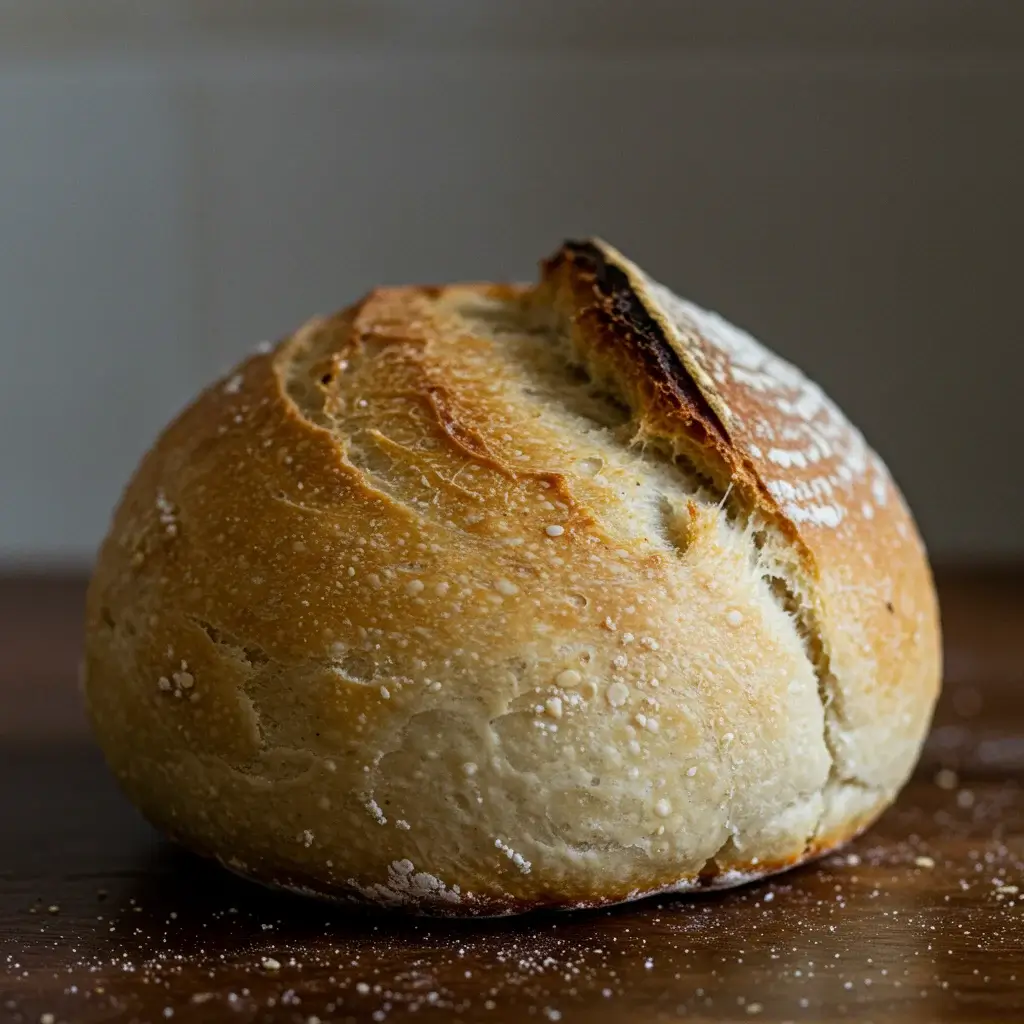

Sourdough bread, with its delightful crust and intricate flavors, has become a staple in many households. The unique tang and airy crumb make it a favorite among bread enthusiasts. This guide will walk you through the process of crafting your own sourdough bread at home. Whether you’re a seasoned baker or a beginner, this article will provide you with all the information you need to create a delicious loaf of sourdough bread.
Ingredients
To create the perfect sourdough bread, you’ll need a few basic ingredients. These simple components come together to create something truly special.
- 3 cups all-purpose flour
- 1 ¼ cups water (room temperature)
- 1 cup sourdough starter
- 1 ½ teaspoons salt
Instructions
Creating sourdough bread is an art that requires patience and precision. Follow these steps carefully to achieve the perfect loaf.
- Mix the Dry Ingredients
In a large bowl, combine the flour and salt. Mix them thoroughly to ensure the salt is evenly distributed throughout the flour. - Add Wet Ingredients
Pour in the sourdough starter and water. Stir the mixture until all the ingredients are combined into a shaggy dough. - Knead the Dough
Transfer the dough to a floured surface. Knead it for about 10 minutes until it becomes smooth and elastic. This step is crucial for developing the gluten structure that gives sourdough its chewy texture. - First Rise
Place the kneaded dough in a greased bowl. Cover it with a damp cloth or plastic wrap and let it rise at room temperature for 4-8 hours, or until it has doubled in size. The duration will depend on the ambient temperature and the strength of your starter. - Preheat the Oven
Preheat your oven to 450°F (230°C). Place a Dutch oven inside to heat up as well. This step ensures that the bread will bake evenly and develop a beautiful crust. - Shape the Dough
Once the dough has risen, gently shape it into a round loaf. Let it rest on a floured surface for about 30 minutes to relax and slightly rise again. - Bake the Bread
Carefully transfer the dough to the hot Dutch oven. Cover it with the lid and bake for 30 minutes. This creates a steamy environment that helps form a crisp crust. - Finish Baking
Remove the lid and continue baking for an additional 15 minutes, or until the loaf is golden brown and sounds hollow when tapped on the bottom. - Cool Before Slicing
Allow the bread to cool completely on a wire rack before slicing. This step is important as it allows the interior to set properly.
Nutrition Facts
Understanding the nutritional content of your sourdough bread can help you make informed dietary choices. Here’s what you need to know per slice:
- Calories: 80
- Protein: 3g
- Fat: 0.5g
- Carbohydrates: 15g
- Fiber: 1g
How to Serve Sourdough Bread
Sourdough bread is not only beloved for its distinctive tangy flavor and chewy texture, but it is also incredibly versatile, making it a favorite in various culinary applications. Below are several delightful ways to serve and enjoy sourdough bread, each method enhancing its unique characteristics while offering diverse flavor profiles.
Classic Toast
One of the simplest yet most satisfying ways to enjoy sourdough is by transforming it into classic toast. Slice the bread into thick or thin pieces, depending on your preference, and toast until golden brown. The crusty exterior provides a satisfying crunch, while the soft, airy interior absorbs toppings beautifully.
- Topping Ideas:
- Butter and Jam: A pat of creamy, salted butter melting into the warm toast, paired with your favorite fruit preserves, creates a perfect balance of sweetness and richness.
- Avocado Smash: For a nutritious breakfast, mash ripe avocado onto the toast and sprinkle with salt, pepper, and a squeeze of lemon juice. You can also add toppings like sliced radishes, cherry tomatoes, or a poached egg for extra flavor and texture.
- Nut Butters: Spread almond or peanut butter on warm toast and top it with banana slices or a drizzle of honey for a deliciously filling option.
Sandwiches
Sourdough bread serves as an excellent foundation for a wide array of sandwiches, thanks to its robust structure and flavor. The firm texture ensures that it can hold generous amounts of fillings without becoming soggy, making it ideal for both cold and hot sandwiches.
- Hearty Combinations:
- Classic Grilled Cheese: Layer slices of your favorite cheese between two pieces of sourdough and grill until the bread is golden and the cheese is melty. Add ingredients like tomatoes, bacon, or caramelized onions to elevate the flavor.
- Turkey and Avocado Club: Stack slices of turkey, crispy bacon, fresh greens, and ripe avocado between toasted sourdough for a satisfying lunch.
- Vegetarian Delight: Fill your sandwich with roasted vegetables, hummus, and fresh greens for a colorful and nutritious option that celebrates the bread’s tangy flavor.
Croutons
Transform leftover sourdough into crispy croutons that can elevate salads and soups. This is an excellent way to reduce food waste while adding a crunchy element to your dishes.
- Preparation Steps:
- Cutting: Start by cutting the sourdough into small cubes, about 1-inch in size.
- Seasoning: Toss the cubes in a bowl with olive oil, salt, pepper, and your choice of herbs such as thyme, rosemary, or garlic powder. You can also experiment with spices like paprika or Parmesan cheese for added flavor.
- Baking: Spread the seasoned cubes on a baking sheet in a single layer and bake in a preheated oven at around 375°F (190°C) for 15-20 minutes, or until they are golden and crunchy. Allow them to cool before using them on salads or in soups.
Bread Bowls
Using sourdough to create bread bowls is not only a creative presentation but also adds a delightful flavor component to your meals. This method is perfect for serving hearty soups and stews.
- How to Make a Bread Bowl:
- Hollowing Out: Start by selecting round sourdough loaves. Using a serrated knife, carefully cut a circle around the top of the loaf and gently remove the inner bread, creating a hollow cavity. Be cautious not to puncture the outer layer, as this will serve as the bowl’s base.
- Serving: Fill the hollowed loaf with your favorite soup, such as creamy tomato basil, clam chowder, or a savory chili. The bread absorbs the flavors of the soup, creating a deliciously edible bowl that can be enjoyed as a part of the meal.
- Garnishing: For an extra touch, sprinkle fresh herbs or cheese on top of the soup before serving, and offer the torn bread pieces from the hollowed-out loaf as dippers.
In summary, sourdough bread’s versatility allows it to shine in a variety of culinary applications. Whether enjoyed as classic toast, a hearty sandwich, crispy croutons, or a charming bread bowl, it can elevate any meal. Feel free to experiment with different toppings, fillings, and preparations to discover your own favorite ways to serve this beloved bread.
Additional Tips for Sourdough Success
Maintaining your sourdough starter is an essential aspect of successful baking, as it directly influences the flavor, texture, and overall quality of your bread. Below, we expand on some crucial tips to ensure your starter remains robust and effective, while also enhancing your baking experience.
1. Maintaining Your Starter
To keep your sourdough starter active and healthy, it’s important to establish a regular feeding schedule. This typically involves the following steps:
- Discarding: Before each feeding, it’s necessary to discard a portion of your starter. This might seem wasteful, but it’s crucial for maintaining the right balance of yeast and bacteria. Generally, discarding about half of your starter is recommended, but you can adjust this amount based on how much starter you need for your recipes.
- Feeding: After discarding, add equal parts flour and water to the remaining starter. A common ratio is 1:1:1, meaning one part starter, one part flour, and one part water by weight. This feeding process provides fresh nutrients, encouraging the yeast and bacteria to thrive.
- Types of Flour: While all-purpose flour is the most common choice for feeding, consider varying your flour types. Whole wheat flour and rye flour can enhance the flavor and nutritional profile of your starter due to their higher nutrient content. These flours can also lead to a more vigorous fermentation because they contain more enzymes and wild yeast.
- Monitoring Activity: Keep an eye on your starter’s activity. It should double in size within 4 to 6 hours after feeding at room temperature. Signs of a healthy starter include bubbles forming and a pleasant, slightly tangy smell. If your starter isn’t rising as expected, consider adjusting your feeding schedule or the flour type.
2. Room Temperature
The temperature of your water and starter plays a significant role in the fermentation process:
- Water Temperature: Before mixing, ensure your water is at room temperature, ideally around 70°F to 75°F (21°C to 24°C). Cold water can slow down the fermentation process, while water that is too warm may kill the yeast. If needed, let your water sit at room temperature for a few hours or gently warm it to the desired temperature.
- Starter Temperature: Similarly, your starter should also be at room temperature when you feed it and before you use it in recipes. If your starter has been refrigerated, allow it to come to room temperature after feeding for the best results.
- Environmental Factors: The ambient temperature of your kitchen can impact fermentation as well. In warmer weather, your starter may become overly active, requiring more frequent feedings. Conversely, in cooler environments, you might need to let your starter ferment longer to achieve the desired rise.
3. Experiment with Flours
Diversity in flour selection can significantly impact the flavor and texture of your sourdough bread:
- Whole Wheat Flour: Substituting a portion of all-purpose flour with whole wheat flour provides a nutty flavor and higher fiber content. It also tends to produce a denser crumb, which can be desirable in certain bread styles.
- Rye Flour: Rye flour is another excellent option, known for its rich, earthy flavor. It has a unique ability to hold moisture, resulting in a more moist and chewy crumb. Rye flour also contains different types of enzymes that can add complexity to the fermentation process.
- Specialty Flours: For the adventurous baker, experimenting with specialty flours such as spelt, einkorn, or even gluten-free options can open up a whole new world of flavors and textures. Each flour has its unique properties and baking characteristics, so keep notes on your experiments to perfect your recipes over time.
4. Scoring
Scoring your dough before baking is not just an aesthetic choice; it serves several practical purposes:
- Steam Release: The primary function of scoring is to allow steam to escape during the baking process. If steam cannot escape, it creates pressure that can cause the bread to burst unpredictably, leading to an uneven shape. Proper scoring helps control this steam release.
- Controlled Expansion: Scoring also encourages the dough to expand in a controlled manner, allowing for an even rise. By creating intentional cuts, you direct where the bread will expand during baking, which can enhance the overall appearance of your loaf.
- Creative Expression: Beyond functionality, scoring provides an opportunity for artistic expression. You can create various patterns or designs on the surface of your loaf, giving each bread a unique character. Use a sharp knife, a lame, or a razor blade for precise cuts, and practice different techniques to find your signature style.
By incorporating these detailed tips into your sourdough baking routine, you can enhance your starter’s health and vitality, experiment with new flavors, and master the art of scoring. This comprehensive approach not only leads to better bread but also enriches your overall baking experience. Happy baking!
FAQs
Q1: Why is my sourdough bread dense?
A: Dense bread can result from underproofing, insufficient kneading, or a weak starter. Ensure your starter is active and allow enough time for the dough to rise.
Q2: Can I use whole wheat flour in this recipe?
A: Yes, you can substitute some or all of the all-purpose flour with whole wheat flour. Keep in mind that whole wheat flour absorbs more water and may require adjustments to the hydration level.
Q3: How do I know when the dough is adequately kneaded?
A: The dough should be smooth and elastic. You can test it by performing the “windowpane test,” where you stretch a small piece of dough thin enough to see light through without tearing.
Q4: What if I don’t have a Dutch oven?
A: You can use a baking stone or sheet with a metal bowl or roasting pan inverted over the loaf to trap steam. This mimics the effect of a Dutch oven.
Conclusion
Making sourdough bread at home is a rewarding experience that combines art and science. The process may seem daunting at first, but with practice, you’ll master the techniques needed to create a beautiful, flavorful loaf. By understanding the ingredients, following the steps carefully, and incorporating helpful tips, you can enjoy the unique taste and texture of homemade sourdough bread. Whether you’re serving it as a simple toast or a sophisticated sandwich, sourdough bread is sure to impress with its distinctive character and wholesome goodness. Happy baking!
Print
Sourdough Bread Recipe
Ingredients
- 3 cups all-purpose flour
- 1 ¼ cups water (room temperature)
- 1 cup sourdough starter
- 1 ½ teaspoons salt
Instructions
- Mix the Dry Ingredients
In a large bowl, combine the flour and salt. Mix them thoroughly to ensure the salt is evenly distributed throughout the flour. - Add Wet Ingredients
Pour in the sourdough starter and water. Stir the mixture until all the ingredients are combined into a shaggy dough. - Knead the Dough
Transfer the dough to a floured surface. Knead it for about 10 minutes until it becomes smooth and elastic. This step is crucial for developing the gluten structure that gives sourdough its chewy texture. - First Rise
Place the kneaded dough in a greased bowl. Cover it with a damp cloth or plastic wrap and let it rise at room temperature for 4-8 hours, or until it has doubled in size. The duration will depend on the ambient temperature and the strength of your starter. - Preheat the Oven
Preheat your oven to 450°F (230°C). Place a Dutch oven inside to heat up as well. This step ensures that the bread will bake evenly and develop a beautiful crust. - Shape the Dough
Once the dough has risen, gently shape it into a round loaf. Let it rest on a floured surface for about 30 minutes to relax and slightly rise again. - Bake the Bread
Carefully transfer the dough to the hot Dutch oven. Cover it with the lid and bake for 30 minutes. This creates a steamy environment that helps form a crisp crust. - Finish Baking
Remove the lid and continue baking for an additional 15 minutes, or until the loaf is golden brown and sounds hollow when tapped on the bottom. - Cool Before Slicing
Allow the bread to cool completely on a wire rack before slicing. This step is important as it allows the interior to set properly.
Nutrition
- Serving Size: one normal portion
- Calories: 80
- Fat: 0.5g
- Carbohydrates: 15g
- Fiber: 1g
- Protein: 3g