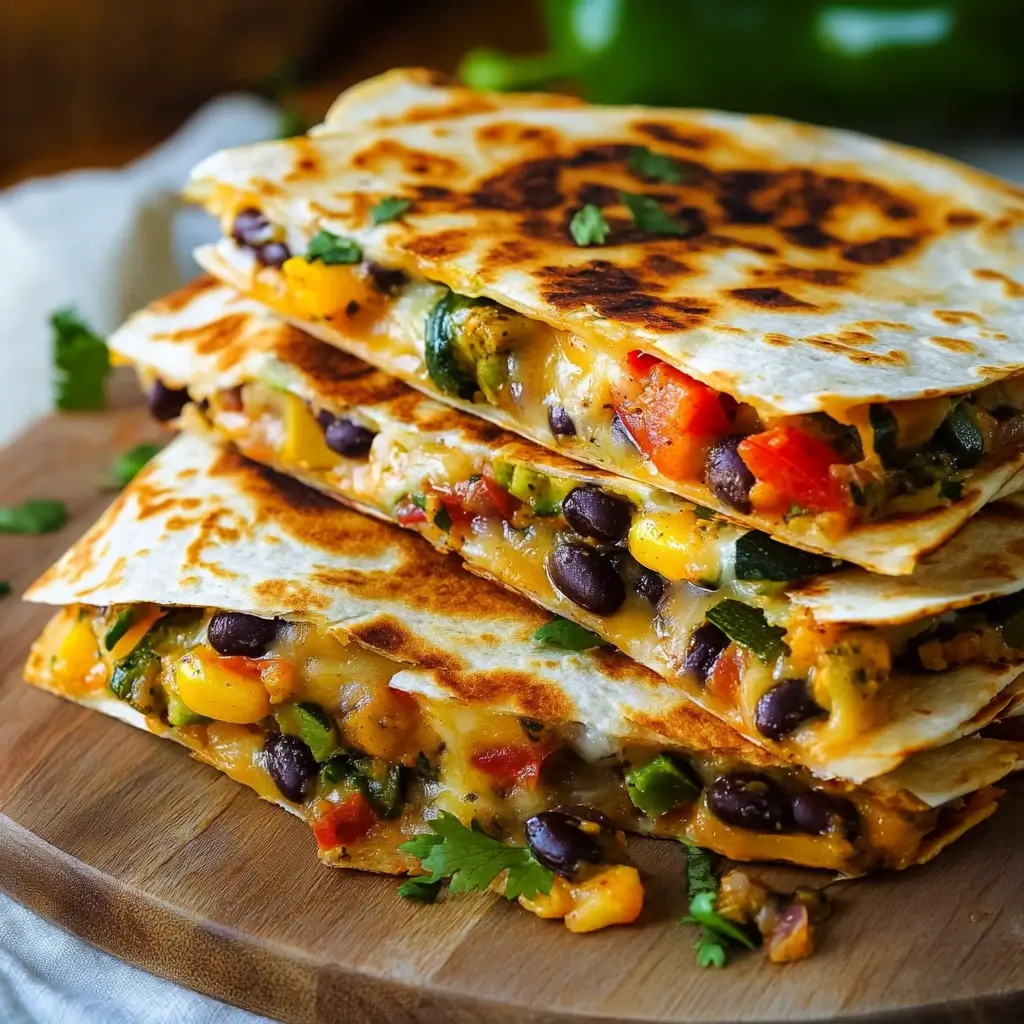
There are some meals that just universally click with everyone in the house, and these Southwest Veggie Quesadillas have firmly cemented their place in our family’s regular rotation. I remember the first time I made them – I was looking for something quick, relatively healthy, but packed with flavor for a busy weeknight. I wasn’t sure if the kids would go for the vibrant mix of bell peppers and black beans, but the combination of gooey melted cheese, the slightly smoky spices, and the crispy golden tortilla won them over instantly. Now, it’s a requested favorite. There’s something incredibly satisfying about slicing into that warm quesadilla, seeing the colorful filling ooze out slightly, and knowing it’s loaded with vegetables. It feels like a treat, but it’s also nourishing. We love customizing them with different toppings – a dollop of cool sour cream for me, extra salsa for my husband, and a side of guacamole that disappears almost immediately. They’re fantastic for using up leftover veggies, adaptable for different dietary needs, and honestly, just plain delicious. Whether it’s a fast dinner, a fun lunch, or even cut into wedges for a party appetizer, these quesadillas deliver big on flavor and satisfaction every single time. They’ve become more than just a recipe; they’re a reliable source of weeknight harmony and deliciousness in our home.
The Ultimate Southwest Veggie Quesadilla Ingredients
Creating the perfect Southwest Veggie Quesadilla starts with a vibrant mix of fresh ingredients and the right spices. This recipe balances textures and classic Southwestern flavors for a truly satisfying meal. Here’s what you’ll need to gather:
- Tortillas: 8 medium-sized (8-10 inch) flour tortillas. Flour tortillas tend to get crispier and hold together well, but corn tortillas can be used for a gluten-free option (they may be slightly more delicate). Choose a size that fits comfortably in your skillet. Whole wheat tortillas are also a great option for added fiber.
- Olive Oil (or Vegetable Oil): 2 tablespoons, divided. This is used for sautéing the vegetables and cooking the quesadillas. A neutral-flavored oil works best.
- Aromatics:
- Yellow Onion: 1 small onion, finely chopped (about 1 cup). Yellow onions provide a foundational sweetness when sautéed. Red onion can be substituted for a slightly sharper flavor and beautiful color.
- Garlic: 2-3 cloves, minced. Fresh garlic provides the best flavor, but 1/2 teaspoon of garlic powder can be substituted if necessary (add it with the other spices).
- Bell Peppers: 1 large bell pepper (or 2 small/medium), stemmed, seeded, and diced (about 1.5 cups). Using a mix of colors like red, yellow, or orange not only looks appealing but also adds slightly different notes of sweetness. Green bell peppers can be used but have a more vegetal flavor.
- Corn: 1 cup frozen, fresh, or canned corn. If using canned, ensure it’s well-drained. If using frozen, no need to thaw beforehand. Fresh corn cut off the cob (about 1 large ear) adds incredible sweetness and texture. Fire-roasted corn adds a lovely smoky dimension.
- Black Beans: 1 can (15 ounces) black beans, rinsed and thoroughly drained. Rinsing removes excess sodium and the canning liquid, improving texture and flavor.
- Spices: This blend is key to the Southwest flavor profile:
- Chili Powder: 1 tablespoon. Provides a mild heat and deep, earthy flavor. Use a good quality blend.
- Cumin: 1 ½ teaspoons. Offers a characteristic warm, smoky flavor essential to Southwest cuisine.
- Smoked Paprika: 1 teaspoon. Adds a distinct smokiness that elevates the dish. Sweet paprika can be used, but smoked is highly recommended.
- Dried Oregano: ½ teaspoon. Adds an herbaceous note. Mexican oregano has a slightly different flavor profile (more citrusy/licorice) that works beautifully here if you have it.
- Salt: ½ teaspoon (or to taste). Essential for bringing out all the flavors. Adjust based on your preference and the saltiness of your cheese and beans.
- Black Pepper: ¼ teaspoon (or to taste). Freshly ground pepper offers the best flavor.
- Optional: Pinch of cayenne pepper or red pepper flakes for extra heat.
- Cheese: 1 ½ to 2 cups shredded cheese. A Mexican blend is convenient and melts well. Monterey Jack, Colby Jack, Cheddar, or Pepper Jack (for extra spice) are all excellent choices. Shredding your own cheese from a block often results in better melting than pre-shredded varieties (which contain anti-caking agents).
- Optional additions to the filling:
- Jalapeño: 1 small jalapeño, seeded and finely minced (for heat).
- Fresh Cilantro: ¼ cup chopped fresh cilantro, stirred in at the end for brightness.
- Optional for Serving: Salsa, sour cream or plain Greek yogurt, guacamole or sliced avocado, chopped fresh cilantro, sliced jalapeños, hot sauce.
Having all your ingredients prepped (vegetables chopped, beans rinsed, spices measured) before you start cooking – a practice known as mise en place – will make the cooking process smooth and enjoyable. This ensures you’re not rushing to chop an onion while other ingredients are already sizzling in the pan.
Step-by-Step Instructions for Perfect Quesadillas
Follow these instructions carefully to achieve perfectly golden, cheesy, and flavorful Southwest Veggie Quesadillas every time. The process involves preparing the filling first, then assembling and cooking the quesadillas.
1. Sauté the Aromatics and Peppers:
- Place a large skillet or frying pan over medium heat. Add 1 tablespoon of olive oil and let it heat up until shimmering slightly (but not smoking).
- Add the chopped yellow onion and diced bell peppers to the skillet. Sauté, stirring occasionally, for about 5-7 minutes, or until the onions become translucent and the peppers begin to soften. You want them tender-crisp, not mushy.
2. Add Garlic and Spices:
- Stir in the minced garlic (and minced jalapeño, if using). Cook for about 1 minute more, until fragrant. Be careful not to burn the garlic, as it can become bitter.
- Add the chili powder, cumin, smoked paprika, dried oregano, salt, and black pepper (and cayenne/red pepper flakes, if using). Stir constantly for about 30-60 seconds, allowing the spices to toast in the oil. This step blooms the spices, intensifying their flavor and aroma significantly compared to adding them later with liquid.
3. Incorporate Corn and Black Beans:
- Add the drained and rinsed black beans and the corn (frozen, fresh, or drained canned) to the skillet.
- Stir everything together well to ensure the vegetables and beans are evenly coated with the spices.
- Continue to cook for another 3-5 minutes, stirring occasionally, until the beans and corn are heated through. The mixture should be flavorful and relatively dry – excess moisture can make the quesadillas soggy.
- If using fresh cilantro, remove the skillet from the heat and stir in the chopped cilantro now. Taste the filling and adjust salt and pepper if needed. Transfer the vegetable filling to a bowl and set aside. Wipe out the skillet or use a separate large skillet or griddle for cooking the quesadillas.
4. Assemble the Quesadillas:
- Lay one tortilla flat on your work surface.
- Sprinkle about 1/4 cup of the shredded cheese evenly over one half of the tortilla, leaving a small border around the edge.
- Spoon about 1/4 of the prepared Southwest veggie filling evenly over the cheese on that same half. Don’t overfill, as this makes flipping difficult and can lead to filling spilling out.
- Sprinkle another 1/4 cup of cheese (approximately) over the vegetable filling. The cheese acts like glue, holding the quesadilla together.
- Fold the empty half of the tortilla over the filling, pressing down gently to create a half-moon shape.
- Repeat this process with the remaining tortillas, cheese, and filling to assemble all four quesadillas.
5. Cook the Quesadillas:
- Place the large skillet (or griddle) back over medium heat. Add the remaining 1 tablespoon of olive oil (or use about ½ teaspoon per quesadilla if cooking in batches). Alternatively, you can use butter for extra flavor and browning, or cooking spray for a lower-fat option.
- Carefully place one or two assembled quesadillas in the skillet (don’t overcrowd the pan).
- Cook for 3-5 minutes per side. The key is medium heat – too high, and the tortilla will burn before the cheese melts; too low, and it won’t get crispy. Adjust the heat as needed.
- The quesadilla is ready to flip when the bottom is golden brown and crispy, and the cheese has started to melt. Use a large spatula to carefully flip the quesadilla.
- Cook the second side for another 3-5 minutes, until it’s also golden brown and crispy, and the cheese is completely melted and gooey. You can gently press down on the top with the spatula to help the cheese melt and the quesadilla seal.
6. Serve:
- Once cooked, carefully slide the quesadilla onto a cutting board. Let it rest for a minute or two before slicing – this allows the cheese to set slightly, making it easier to cut without the filling spilling out entirely.
- Cut the quesadilla into 2 or 3 wedges using a sharp knife or a pizza cutter.
- Serve immediately while hot and crispy, accompanied by your favorite toppings like salsa, sour cream, guacamole, and fresh cilantro. Repeat the cooking process for any remaining quesadillas.
Nutrition Facts (Estimated)
Understanding the nutritional profile can be helpful, especially if you’re tracking your intake. Please note that these values are estimates and can vary significantly based on the specific ingredients used (type and amount of cheese, type of tortillas, amount of oil, specific brands).
- Servings: This recipe makes 4 large quesadillas.
- Calories Per Serving (1 Quesadilla): Approximately 450 – 580 calories.
Factors influencing calorie count:
- Cheese: The type and amount of cheese are major contributors. Lower-fat cheese will reduce calories and fat.
- Tortillas: Calorie counts vary between brands and types (flour, corn, whole wheat, low-carb).
- Oil: The amount of oil used for sautéing and cooking significantly impacts fat and calorie content. Using cooking spray can lower this.
- Toppings: Sour cream, guacamole, and extra cheese will add additional calories and fat. Salsa is generally a low-calorie option.
General Nutritional Highlights:
- Good Source of Fiber: Thanks to the black beans, corn, and vegetables (especially if using whole wheat tortillas).
- Provides Protein: Primarily from the black beans and cheese.
- Rich in Vitamins and Minerals: From the variety of colorful vegetables like bell peppers and corn.
For a more precise nutritional breakdown, consider using an online recipe calculator and inputting your specific ingredients and quantities.
Preparation and Cooking Time
This recipe is designed to be relatively quick, making it ideal for weeknight dinners or easy lunches.
- Preparation Time: Approximately 15-20 minutes. This includes washing and chopping the vegetables, opening and draining cans, and measuring spices. Having everything prepped (mise en place) before starting to cook streamlines the process.
- Cooking Time: Approximately 20-25 minutes. This includes sautéing the vegetables (10-12 minutes) and cooking the quesadillas in batches (about 6-10 minutes per batch, depending on pan size and number of quesadillas cooked simultaneously).
- Total Time: Approximately 35-45 minutes from start to finish.
This timeframe makes Southwest Veggie Quesadillas a feasible and delicious option even on busy days. The filling can also be made ahead of time to speed things up further (see Additional Tips).
How to Serve Your Southwest Veggie Quesadillas
Serving these quesadillas is half the fun! The warm, cheesy, veggie-packed wedges are a fantastic canvas for a variety of delicious toppings and sides. Here are some ideas to elevate your quesadilla experience:
Classic Toppings (Offer a variety for customization):
- Salsa: A must-have! Offer different types:
- Pico de Gallo: Fresh, chunky salsa with tomatoes, onions, cilantro, jalapeño, and lime juice.
- Restaurant-Style Salsa: Smoother, slightly cooked salsa.
- Salsa Verde: Tangy salsa made with tomatillos.
- Corn and Black Bean Salsa: Echoes the flavors inside the quesadilla.
- Sour Cream: Adds a cool, creamy contrast to the warm quesadilla and spices.
- Greek Yogurt: A healthier alternative to sour cream, offering a similar tangy creaminess with added protein.
- Guacamole: Rich, creamy, and flavorful – homemade or store-bought.
- Sliced Avocado: Simple, creamy, and healthy. A squeeze of lime juice prevents browning.
- Chopped Fresh Cilantro: Adds a burst of freshness and color.
- Pickled Red Onions: Provides a bright, tangy crunch that cuts through the richness.
- Sliced Jalapeños: For those who like an extra kick of heat (fresh or pickled).
- Hot Sauce: Offer a selection for varying heat levels and flavor profiles (e.g., Cholula, Tabasco, Sriracha).
- Lime Wedges: A squeeze of fresh lime juice brightens all the flavors just before eating.
Complementary Side Dishes:
- Mexican Rice or Cilantro Lime Rice: A classic pairing that makes the meal more substantial.
- Refried Beans: Another staple side dish that complements the quesadilla flavors.
- Simple Green Salad: A light salad with a zesty vinaigrette (like a lime or cilantro-lime dressing) provides a refreshing counterpoint.
- Tortilla Chips: Serve alongside for scooping up any extra toppings or salsa.
- Mexican Street Corn Salad (Esquites): A flavorful salad featuring corn, cotija cheese, lime, and chili powder.
- Black Bean Soup: A light, brothy black bean soup can be a nice starter or side.
- Fruit Salad: Especially one with tropical fruits like mango or pineapple, offers a sweet and refreshing contrast.
Presentation:
- Arrange the quesadilla wedges attractively on a platter.
- Serve toppings in small bowls alongside, allowing everyone to customize their own plate.
- Garnish the platter with a sprinkle of fresh cilantro or a few lime wedges.
These serving suggestions turn a simple quesadilla into a full, satisfying, and festive meal suitable for any occasion.
Additional Tips for the Best Veggie Quesadillas
Take your Southwest Veggie Quesadillas from great to absolutely amazing with these five expert tips:
- Master the Cheese: Don’t skimp on the cheese, and distribute it evenly! Using cheese on both the bottom layer (directly on the tortilla) and the top layer (over the filling) is crucial. The bottom layer melts and helps create a seal with the tortilla, while the top layer melts into the filling and binds everything together. Grating your own cheese from a block generally yields superior meltability compared to pre-shredded bags, which contain cellulose to prevent caking. A mix of cheeses (like Monterey Jack for meltiness and Cheddar for flavor) is often ideal.
- Don’t Overcrowd the Filling: While it’s tempting to load up your quesadillas, overfilling is a common mistake. Too much filling makes the quesadilla difficult to fold and flip neatly. More importantly, it prevents the cheese from melting properly and sealing the edges, leading to filling spilling out during cooking. Aim for an even layer of filling, leaving about a ½-inch border around the edge of the half-tortilla. You want a good balance of tortilla, cheese, and filling in every bite.
- Control the Heat for Perfect Crispiness: Cook your quesadillas over medium heat. If the heat is too high, the tortilla will brown or even burn before the cheese has a chance to fully melt. If the heat is too low, the tortilla won’t get crispy, and the quesadilla might become soggy or greasy. Medium heat allows the tortilla to slowly crisp up to a beautiful golden brown while giving the cheese ample time to become perfectly gooey. Be patient and adjust the heat as needed throughout the cooking process.
- Make-Ahead Magic: The Southwest veggie filling can be made up to 3 days in advance! Simply prepare the filling mixture (steps 1-3 of the instructions), let it cool completely, and store it in an airtight container in the refrigerator. When you’re ready to eat, simply assemble the quesadillas with the cold filling and cheese, and cook as directed. This makes weeknight dinners incredibly fast – just assemble and cook! You can also freeze the cooked filling for longer storage (up to 2-3 months). Thaw it in the refrigerator overnight before using.
- Customize Your Crunch & Flavor: Feel free to get creative with the filling! Add other vegetables like diced zucchini, mushrooms, or even sweet potatoes (roast them beforehand until tender). For extra protein, consider adding cooked shredded chicken, ground turkey (browned with the onions), or plant-based options like crumbled tofu or extra beans (like pinto beans). You can also boost the flavor by adding a teaspoon of adobo sauce (from a can of chipotle peppers) to the filling for a smoky heat, or stirring in some green chiles. Don’t forget the power of a good spice blend – adjust the chili powder, cumin, and paprika to your liking.
Frequently Asked Questions (FAQ)
Here are answers to some common questions about making Southwest Veggie Quesadillas:
1. Can I make these quesadillas gluten-free?
- Yes, absolutely! To make this recipe gluten-free, simply substitute the flour tortillas with certified gluten-free corn tortillas or gluten-free flour tortillas (many brands are now available). Corn tortillas tend to be smaller and slightly more fragile than flour tortillas, so handle them gently when folding and flipping. You might find it easier to assemble them by layering filling and cheese between two whole corn tortillas instead of folding one in half. Ensure your spices and other packaged ingredients are also certified gluten-free if catering to someone with celiac disease.
2. How can I make these quesadillas vegan?
- Making vegan Southwest Veggie Quesadillas is straightforward. Use olive oil or another vegetable oil for sautéing (avoid butter). The main substitution is the cheese – use your favorite brand of dairy-free shredded cheese that melts well. Many vegan cheese alternatives based on cashew, almond, or coconut oil are available and work effectively in quesadillas. Ensure your tortillas are vegan (most flour and corn tortillas are, but always check ingredients for lard or dairy). Serve with vegan sour cream (cashew or tofu-based), salsa, and guacamole.
3. What’s the best way to store and reheat leftover quesadillas?
- Leftover quesadillas can be stored in an airtight container in the refrigerator for up to 3 days. However, they tend to lose their crispiness upon refrigeration. The best way to reheat them and revive some crispness is in a dry skillet over medium-low heat, flipping once, until heated through and re-crisped (about 2-3 minutes per side). You can also reheat them in a toaster oven or an air fryer at around 350°F (175°C) for a few minutes until warm and crispy. Microwaving is possible but will result in a softer, potentially soggy texture.
4. Can I freeze these quesadillas?
- Yes, you can freeze quesadillas, although the texture might change slightly upon reheating. It’s best to freeze them after cooking. Let the cooked quesadillas cool completely. You can freeze them whole or cut into wedges. Wrap each quesadilla tightly in plastic wrap, then place them in a freezer-safe bag or container, separating layers with parchment paper if stacking. They can be frozen for up to 2 months. Reheat directly from frozen using the skillet method (over low heat, covered initially to help thaw, then uncovered to crisp), in the oven (around 375°F/190°C until hot), or in an air fryer. Avoid microwaving frozen quesadillas. Alternatively, freeze the cooked filling separately (as mentioned in the tips) for easier assembly later.
5. How can I adjust the spice level?
- It’s easy to customize the heat!
- To make it spicier: Add minced fresh jalapeño or serrano pepper (including seeds for more heat) to the vegetable sauté. Increase the amount of chili powder slightly, add a pinch (or more) of cayenne pepper or red pepper flakes along with the other spices. Using Pepper Jack cheese instead of or in addition to other cheeses will also add a kick. Serve with hot sauce or pickled jalapeños.
- To make it milder: Omit the optional cayenne pepper/red pepper flakes entirely. Ensure your chili powder is a mild variety (some blends are spicier than others). You could slightly reduce the amount of chili powder if you are very sensitive to spice. Remove the seeds and membranes from the bell peppers thoroughly, as these can sometimes have a subtle heat. Serve with plenty of cooling sour cream or Greek yogurt.
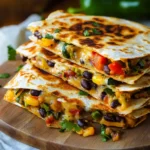
Southwest Veggie Quesadillas Recipe
Ingredients
- Tortillas: 8 medium-sized (8-10 inch) flour tortillas. Flour tortillas tend to get crispier and hold together well, but corn tortillas can be used for a gluten-free option (they may be slightly more delicate). Choose a size that fits comfortably in your skillet. Whole wheat tortillas are also a great option for added fiber.
- Olive Oil (or Vegetable Oil): 2 tablespoons, divided. This is used for sautéing the vegetables and cooking the quesadillas. A neutral-flavored oil works best.
- Aromatics:
- Yellow Onion: 1 small onion, finely chopped (about 1 cup). Yellow onions provide a foundational sweetness when sautéed. Red onion can be substituted for a slightly sharper flavor and beautiful color.
- Garlic: 2-3 cloves, minced. Fresh garlic provides the best flavor, but 1/2 teaspoon of garlic powder can be substituted if necessary (add it with the other spices).
- Bell Peppers: 1 large bell pepper (or 2 small/medium), stemmed, seeded, and diced (about 1.5 cups). Using a mix of colors like red, yellow, or orange not only looks appealing but also adds slightly different notes of sweetness. Green bell peppers can be used but have a more vegetal flavor.
- Corn: 1 cup frozen, fresh, or canned corn. If using canned, ensure it’s well-drained. If using frozen, no need to thaw beforehand. Fresh corn cut off the cob (about 1 large ear) adds incredible sweetness and texture. Fire-roasted corn adds a lovely smoky dimension.
- Black Beans: 1 can (15 ounces) black beans, rinsed and thoroughly drained. Rinsing removes excess sodium and the canning liquid, improving texture and flavor.
- Spices: This blend is key to the Southwest flavor profile:
- Chili Powder: 1 tablespoon. Provides a mild heat and deep, earthy flavor. Use a good quality blend.
- Cumin: 1 ½ teaspoons. Offers a characteristic warm, smoky flavor essential to Southwest cuisine.
- Smoked Paprika: 1 teaspoon. Adds a distinct smokiness that elevates the dish. Sweet paprika can be used, but smoked is highly recommended.
- Dried Oregano: ½ teaspoon. Adds an herbaceous note. Mexican oregano has a slightly different flavor profile (more citrusy/licorice) that works beautifully here if you have it.
- Salt: ½ teaspoon (or to taste). Essential for bringing out all the flavors. Adjust based on your preference and the saltiness of your cheese and beans.
- Black Pepper: ¼ teaspoon (or to taste). Freshly ground pepper offers the best flavor.
- Optional: Pinch of cayenne pepper or red pepper flakes for extra heat.
- Cheese: 1 ½ to 2 cups shredded cheese. A Mexican blend is convenient and melts well. Monterey Jack, Colby Jack, Cheddar, or Pepper Jack (for extra spice) are all excellent choices. Shredding your own cheese from a block often results in better melting than pre-shredded varieties (which contain anti-caking agents).
- Optional additions to the filling:
- Jalapeño: 1 small jalapeño, seeded and finely minced (for heat).
- Fresh Cilantro: ¼ cup chopped fresh cilantro, stirred in at the end for brightness.
- Optional for Serving: Salsa, sour cream or plain Greek yogurt, guacamole or sliced avocado, chopped fresh cilantro, sliced jalapeños, hot sauce.
Instructions
1. Sauté the Aromatics and Peppers:
- Place a large skillet or frying pan over medium heat. Add 1 tablespoon of olive oil and let it heat up until shimmering slightly (but not smoking).
- Add the chopped yellow onion and diced bell peppers to the skillet. Sauté, stirring occasionally, for about 5-7 minutes, or until the onions become translucent and the peppers begin to soften. You want them tender-crisp, not mushy.
2. Add Garlic and Spices:
- Stir in the minced garlic (and minced jalapeño, if using). Cook for about 1 minute more, until fragrant. Be careful not to burn the garlic, as it can become bitter.
- Add the chili powder, cumin, smoked paprika, dried oregano, salt, and black pepper (and cayenne/red pepper flakes, if using). Stir constantly for about 30-60 seconds, allowing the spices to toast in the oil. This step blooms the spices, intensifying their flavor and aroma significantly compared to adding them later with liquid.
3. Incorporate Corn and Black Beans:
- Add the drained and rinsed black beans and the corn (frozen, fresh, or drained canned) to the skillet.
- Stir everything together well to ensure the vegetables and beans are evenly coated with the spices.
- Continue to cook for another 3-5 minutes, stirring occasionally, until the beans and corn are heated through. The mixture should be flavorful and relatively dry – excess moisture can make the quesadillas soggy.
- If using fresh cilantro, remove the skillet from the heat and stir in the chopped cilantro now. Taste the filling and adjust salt and pepper if needed. Transfer the vegetable filling to a bowl and set aside. Wipe out the skillet or use a separate large skillet or griddle for cooking the quesadillas.
4. Assemble the Quesadillas:
- Lay one tortilla flat on your work surface.
- Sprinkle about 1/4 cup of the shredded cheese evenly over one half of the tortilla, leaving a small border around the edge.
- Spoon about 1/4 of the prepared Southwest veggie filling evenly over the cheese on that same half. Don’t overfill, as this makes flipping difficult and can lead to filling spilling out.
- Sprinkle another 1/4 cup of cheese (approximately) over the vegetable filling. The cheese acts like glue, holding the quesadilla together.
- Fold the empty half of the tortilla over the filling, pressing down gently to create a half-moon shape.
- Repeat this process with the remaining tortillas, cheese, and filling to assemble all four quesadillas.
5. Cook the Quesadillas:
- Place the large skillet (or griddle) back over medium heat. Add the remaining 1 tablespoon of olive oil (or use about ½ teaspoon per quesadilla if cooking in batches). Alternatively, you can use butter for extra flavor and browning, or cooking spray for a lower-fat option.
- Carefully place one or two assembled quesadillas in the skillet (don’t overcrowd the pan).
- Cook for 3-5 minutes per side. The key is medium heat – too high, and the tortilla will burn before the cheese melts; too low, and it won’t get crispy. Adjust the heat as needed.
- The quesadilla is ready to flip when the bottom is golden brown and crispy, and the cheese has started to melt. Use a large spatula to carefully flip the quesadilla.
- Cook the second side for another 3-5 minutes, until it’s also golden brown and crispy, and the cheese is completely melted and gooey. You can gently press down on the top with the spatula to help the cheese melt and the quesadilla seal.
6. Serve:
- Once cooked, carefully slide the quesadilla onto a cutting board. Let it rest for a minute or two before slicing – this allows the cheese to set slightly, making it easier to cut without the filling spilling out entirely.
- Cut the quesadilla into 2 or 3 wedges using a sharp knife or a pizza cutter.
- Serve immediately while hot and crispy, accompanied by your favorite toppings like salsa, sour cream, guacamole, and fresh cilantro. Repeat the cooking process for any remaining quesadillas.
Nutrition
- Serving Size: one normal portion
- Calories: 450 – 580