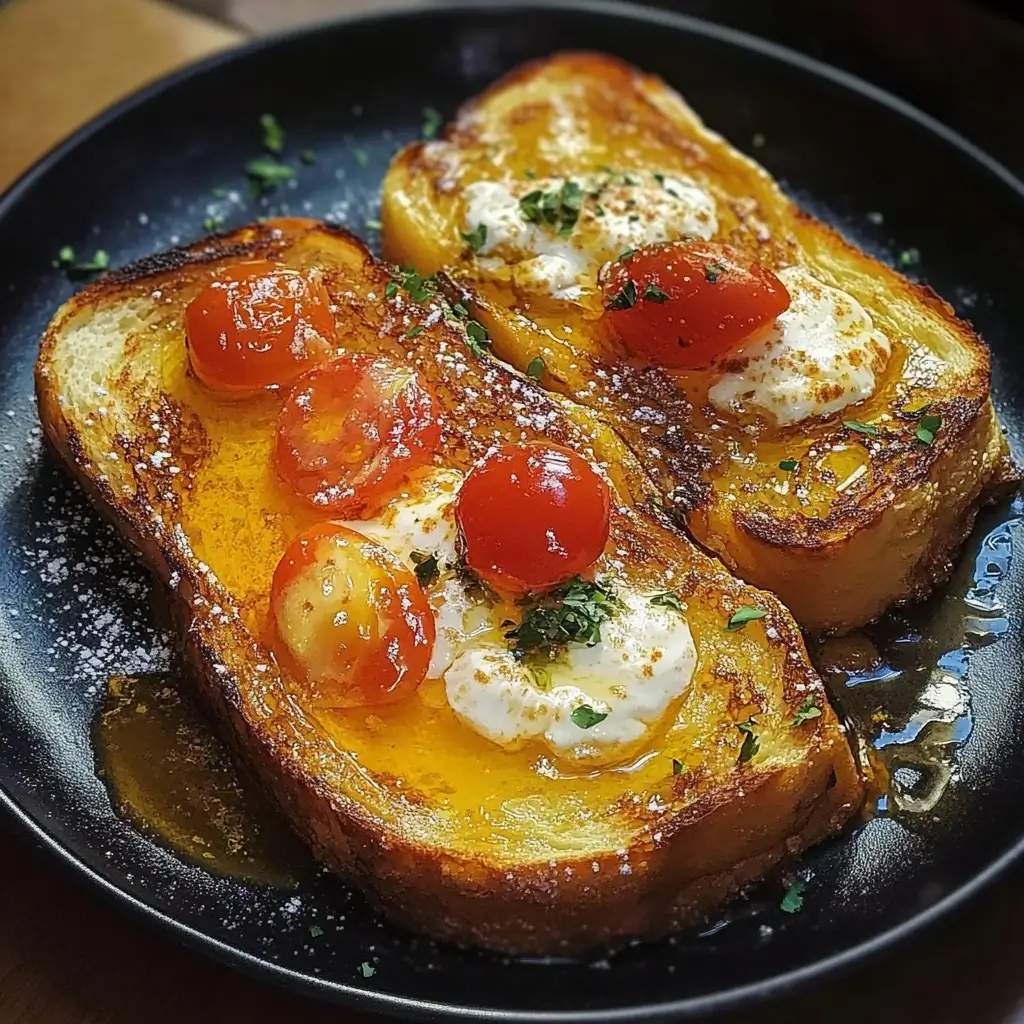
There are certain aromas that instantly transport you, triggering a cascade of warm memories and a deep sense of comfort. For me, the scent of warm milk infused with cinnamon and lemon peel, mingling with the faintest hint of frying sweetness, is inextricably linked to Torrijas, the glorious Spanish cousin of French Toast. The first time I attempted making them, following vague instructions scribbled down from a relative in Spain, the kitchen filled with this intoxicating perfume. My family, initially skeptical (“Isn’t it just… French Toast?”), gathered around, drawn by the smell. The verdict after the first bite? Eyes wide, appreciative murmurs, and an immediate request for seconds. They aren’t just French Toast; they are something more decadent, more custardy on the inside, often crispier on the outside, and steeped in tradition. Making Torrijas has become a cherished ritual in our home, especially around Easter, but honestly, they’re too good to save for just one season. This recipe captures the authentic spirit of the Torrijas I fell in love with – simple ingredients transformed into something truly special. It’s a taste of Spanish comfort, perfect for sharing (or enjoying all by yourself!).
Ingredients for Authentic Spanish Torrijas
Making truly memorable Torrijas starts with gathering the right ingredients. While the core components are humble, their quality and combination are key to achieving that perfect balance of flavour and texture. This recipe yields approximately 10-12 substantial Torrijas, depending on the size of your bread slices.
- Bread: 1 large loaf (approx. 400-500g) of day-old (or even two-day-old) dense, white bread. Traditionally, a Spanish ‘barra de pan’ (similar to a dense baguette or a rustic white loaf) is used. Avoid enriched breads like brioche or challah for the most authentic result, as they can become too soggy. The staleness is crucial for absorbing the milk mixture without disintegrating.
- Milk: 1 litre (approx. 4 cups) whole milk. Whole milk provides the necessary richness for a creamy interior.
- Sugar: 150 grams (approx. 3/4 cup) granulated sugar for the milk infusion, plus extra for coating (approx. 100g or 1/2 cup). You can adjust the sweetness slightly based on your preference.
- Aromatic Infusions:
- 1 large cinnamon stick
- Peel of 1 large lemon (use a vegetable peeler to get wide strips, avoiding the white pith which is bitter)
- Peel of 1 small orange (optional, but adds a lovely citrusy depth)
- Eggs: 3 large eggs, lightly beaten.
- Frying Oil: Approx. 500ml (2 cups) mild olive oil or sunflower oil for frying. Use enough oil to allow the Torrijas to float slightly, ensuring even cooking. Olive oil adds a subtle Spanish flavour, but sunflower oil is more neutral. Avoid extra virgin olive oil as its flavour can be overpowering and it has a lower smoke point.
- Coating (Optional but Recommended):
- 100 grams (approx. 1/2 cup) granulated sugar
- 1 tablespoon ground cinnamon
- Alternative Coating: Instead of dry sugar/cinnamon, some traditions use a light syrup made by simmering equal parts water and sugar with a cinnamon stick and lemon peel, or even a drizzle of honey.
Step-by-Step Instructions for Perfect Torrijas
Creating perfect Torrijas is a process that requires a little patience, especially during the soaking stage, but the results are well worth the effort. Follow these steps carefully for Torrijas that are custardy inside and beautifully golden outside.
Phase 1: Preparing the Bread and Infusing the Milk
- Slice the Bread: Using a serrated knife, carefully slice the stale bread into thick slices, about 2-2.5 cm (approx. 1 inch) thick. If the slices are too thin, they risk falling apart after soaking. If they are too thick, the centre might not get fully soaked or cooked. Arrange the slices in a single layer in a large, shallow dish or baking tray with sides – deep enough to hold the milk later.
- Infuse the Milk: In a medium saucepan, combine the 1 litre of whole milk, 150g of granulated sugar, the cinnamon stick, and the strips of lemon (and orange, if using) peel.
- Heat Gently: Place the saucepan over medium heat. Bring the milk mixture almost to a boil, stirring occasionally to dissolve the sugar. You should see steam rising and small bubbles forming around the edge of the pan. Do not let it come to a rolling boil.
- Steep and Cool: Once the milk is hot and fragrant, remove it from the heat. Cover the saucepan and let the aromatics steep in the warm milk for at least 15-20 minutes. This allows the flavours to fully infuse. Afterwards, remove the cinnamon stick and citrus peels using a slotted spoon. Allow the infused milk to cool down until it’s lukewarm or at room temperature. Soaking the bread in hot milk will cook the surface too quickly and prevent proper absorption.
Phase 2: Soaking, Egg-Coating, and Frying
- Soak the Bread: Carefully pour the cooled, infused milk evenly over the bread slices arranged in the shallow dish. Let the bread soak for about 5-10 minutes per side. The exact time depends on the density and staleness of your bread. The goal is for the bread to be thoroughly saturated and custardy but still hold its shape. Gently flip the slices halfway through to ensure even soaking. Be careful not to let them become completely waterlogged or they will disintegrate. You might need to gently press them down into the milk.
- Prepare for Frying: While the bread is soaking, prepare your frying station. Pour the frying oil into a large, deep frying pan or skillet – you need about 1-2 cm (1/2 to 3/4 inch) depth of oil. Heat the oil over medium-high heat. To test if the oil is ready, drop a small cube of bread into it; it should sizzle immediately and turn golden brown in about 30-40 seconds. If it browns too quickly, the oil is too hot; if it sinks and absorbs oil without sizzling vigorously, it’s too cool. Adjust the heat accordingly.
- Prepare Egg Wash and Coating: Lightly beat the 3 large eggs in a shallow dish wide enough to fit a slice of bread. In another separate shallow dish or on a plate, mix the extra 100g of sugar with the 1 tablespoon of ground cinnamon for the coating (if using).
- Carefully Transfer and Egg Coat: Using a wide spatula or your hands very gently, lift one soaked bread slice, allowing any excess milk to drip back into the dish (don’t squeeze it!). Carefully dip the soaked slice into the beaten egg, ensuring both sides and the edges are lightly coated. The egg wash helps create a seal, preventing the Torrija from absorbing too much oil and giving it a lovely golden crust.
- Fry the Torrijas: Immediately and carefully place the egg-coated bread slice into the hot oil. Don’t overcrowd the pan; fry the Torrijas in batches (usually 2-3 at a time, depending on your pan size). Fry for approximately 2-3 minutes per side, or until they are a deep golden brown and crispy. Adjust the heat as needed to maintain a steady frying temperature – if they brown too fast, the inside might remain uncooked.
- Drain Excess Oil: Once golden brown and cooked through, use a slotted spoon or spatula to carefully remove the Torrijas from the hot oil. Let any excess oil drip off back into the pan for a moment, then transfer them to a wire rack set over a baking sheet or a plate lined with paper towels to drain further. This helps keep them crispy.
Phase 3: Coating and Finishing
- Coat the Torrijas: While the Torrijas are still warm (but cool enough to handle), gently roll them in the cinnamon-sugar mixture until evenly coated on all sides. If you’re using a syrup or honey, you can either drizzle it over the warm Torrijas just before serving or briefly dip them in the cooled syrup.
- Repeat: Continue the process of egg-coating, frying, draining, and coating the remaining soaked bread slices until all are cooked. You may need to add a little more oil to the pan between batches and adjust the heat.
Nutritional Information (Approximate)
Please note that these values are estimates and can vary significantly based on the specific type of bread used, the exact amount of sugar, the type and amount of oil absorbed during frying, and the serving size.
- Servings: This recipe typically makes 10-12 Torrijas.
- Calories per serving (1 Torrija): Approximately 350-450 kcal.
- Breakdown factors: The bread itself contributes calories, as does the milk and sugar infusion. The egg wash adds protein and fat. Frying significantly increases the calorie count due to oil absorption, and the final sugar coating adds more. Using whole milk and frying are the main contributors to the higher calorie range.
Preparation and Cooking Time
Understanding the time commitment helps in planning. Torrijas are not complicated, but they do involve several stages.
- Preparation Time: Approximately 40-50 minutes.
- Includes: Slicing the bread (5 mins), infusing the milk (10 mins), steeping and cooling the milk (20-30 mins minimum), soaking the bread (10-20 mins).
- Cooking Time: Approximately 20-30 minutes.
- Includes: Frying the Torrijas in batches (approx. 5-6 minutes per batch).
- Total Time: Approximately 1 hour to 1 hour 20 minutes (plus additional cooling time for the milk).
How to Serve Your Delicious Torrijas
Torrijas are versatile and can be enjoyed in many ways, adapting to different times of the day and personal preferences. Here are some classic and creative ways to serve them:
- Temperature:
- Warm: Freshly made Torrijas, still warm from frying and coating, are arguably the best – crispy outside, soft and custardy inside.
- Room Temperature: They are also delicious once cooled to room temperature, allowing the flavours to meld further.
- Chilled: Some people enjoy them cold from the refrigerator, especially on a warm day. The texture becomes denser, more pudding-like.
- Traditional Presentation:
- Simply dusted with the cinnamon-sugar mixture.
- Arranged neatly on a platter.
- Served alongside a cup of strong Spanish coffee (café con leche or café solo).
- Paired with a glass of hot chocolate (‘chocolate a la taza’), especially for a comforting breakfast or snack.
- Accompanied by a small glass of sweet Spanish wine, such as Moscatel or Pedro Ximénez, particularly as a dessert after a meal.
- With Accompaniments:
- Drizzles:
- A generous drizzle of local honey.
- A light sugar syrup (almíbar), sometimes infused with cinnamon or citrus.
- Caramel sauce or dulce de leche for extra indulgence.
- Fruits:
- Fresh berries (strawberries, raspberries, blueberries) provide a tart contrast.
- Stewed apples or pears, perhaps spiced with cinnamon.
- Orange segments.
- Creamy Elements:
- A dollop of whipped cream (nata montada).
- A scoop of vanilla bean ice cream – the contrast between the warm Torrija and cold ice cream is delightful.
- A spoonful of Greek yogurt or crème fraîche for a tangy counterpoint.
- Drizzles:
- Occasions:
- Breakfast or Brunch: A luxurious alternative to regular French toast.
- Afternoon Snack (Merienda): A classic Spanish pick-me-up.
- Dessert: A satisfying end to a meal, especially during Lent and Easter (Semana Santa).
- Festive Gatherings: Always a crowd-pleaser on special occasions.
Pro Tips for Elevating Your Torrijas
Mastering the basics is great, but these tips can take your Torrijas from delicious to unforgettable:
- The Bread Matters Most: Don’t compromise on the bread. It truly needs to be stale (at least a day old, preferably two) and dense. A rustic white loaf, ‘pan de barra’, or even a sturdy Italian loaf works well. Avoid airy sandwich bread or enriched breads like brioche, which will likely turn to mush. The structure of stale bread allows it to soak up the flavoured milk beautifully without collapsing.
- Control the Soak: Be attentive during the soaking process. You want maximum absorption for that creamy interior, but stopping just before the bread becomes structurally unsound is key. Gently press the bread into the milk. If using very stale bread, it might need slightly longer. If it seems too delicate, soak for less time. It’s better to be slightly less soaked than to have it fall apart.
- Perfect Frying Temperature: Maintaining the correct oil temperature is crucial. Too hot, and the outside will burn before the inside cooks, resulting in a dark exterior and potentially raw eggy centre. Too cool, and the Torrijas will absorb too much oil, becoming greasy and heavy. Aim for that steady sizzle (around 175-180°C or 350°F). Use a thermometer if unsure, and adjust the heat between batches as adding the Torrijas will lower the oil temperature.
- Infusion Creativity: While classic cinnamon and lemon are fantastic, don’t be afraid to experiment gently with the milk infusion. Consider adding a split vanilla bean, a star anise, or a few cardamom pods for different aromatic profiles. For an adult version, replace a small portion of the milk (e.g., 100ml) with a sweet wine like Moscatel, sherry, or even a splash of brandy during the heating phase (allow alcohol to cook off slightly).
- Drainage is Key for Crispness: Don’t skip the draining step. Letting the freshly fried Torrijas rest on a wire rack allows excess oil to drip away effectively. Placing them directly onto paper towels can sometimes make the underside steam and become slightly soggy. Draining properly ensures a lighter, crispier result, especially if you plan to coat them in sugar rather than syrup.
Frequently Asked Questions (FAQ) about Torrijas
Here are answers to some common questions about making and enjoying Spanish Torrijas:
- Q: What is the absolute best type of bread to use for Torrijas?
- A: The ideal bread is a dense, rustic white loaf (‘pan de barra’ in Spain) that is at least one or two days old. Its tight crumb structure and dryness allow it to absorb the milk mixture without falling apart easily. Avoid soft sandwich bread, baguettes with very large holes, or enriched breads like brioche or challah, as they tend to disintegrate when soaked. If you only have fresh bread, you can slice it and leave it out on the counter for several hours or overnight to stale it slightly, or even lightly toast it in a low oven (around 120°C/250°F) until slightly dried out but not browned.
- Q: What’s the main difference between Spanish Torrijas and classic French Toast?
- A: While both involve soaking bread in a liquid and frying, there are key differences. Soaking Liquid: Torrijas are traditionally soaked in milk (or sometimes wine) infused with sugar, cinnamon, and citrus peel, then typically dipped in egg before frying. French Toast is usually soaked directly in an egg-and-milk (or cream) mixture, often flavoured with vanilla or cinnamon. Texture: Torrijas aim for a very moist, almost custardy interior due to the thorough milk soak, often with a distinct fried outer layer. French Toast texture can vary but is often less intensely soaked. Frying & Coating: Torrijas are often fried in more generous oil (shallow frying) and frequently coated in cinnamon sugar or syrup after frying. French Toast is typically pan-fried in butter or less oil and served with toppings like syrup, fruit, or powdered sugar.
- Q: Can I make Torrijas ahead of time? How should I store leftovers?
- A: Torrijas are undeniably best enjoyed fresh and warm shortly after cooking. However, they can be stored. Let them cool completely, then store them in an airtight container at room temperature for up to 2 days, or in the refrigerator for 3-4 days. Note that the texture will change – they will lose their crispness and become softer and denser, which some people actually enjoy. Reheating can be tricky; gentle warming in a low oven (around 150°C/300°F) or briefly in a dry non-stick pan might restore some warmth, but they won’t regain their original crispness. Avoid microwaving, which tends to make them tough.
- Q: My Torrijas fell apart during soaking or frying. What went wrong?
- A: This usually happens for a few reasons: Bread Choice: The bread was too fresh, too soft (like sandwich bread), or too porous. Use denser, staler bread. Over-Soaking: You let the bread soak for too long, causing it to become completely waterlogged and lose its structure. Pay close attention and remove it when saturated but still intact. Rough Handling: You were too aggressive when lifting the soaked bread or dipping it in egg. Handle the soaked slices very gently using a wide spatula. Oil Temperature Too Low: If the oil isn’t hot enough, the bread sits in it too long before the crust forms, potentially absorbing excess oil and becoming heavy, increasing the risk of breaking.
- Q: Can I bake Torrijas instead of frying them for a healthier version?
- A: Yes, you can bake Torrijas, but be aware that the result will be different from the traditional fried version. They won’t have the same crispy exterior or richness. To bake: Prepare the Torrijas through the soaking and egg-dipping stage. Place them on a baking sheet lined with parchment paper, perhaps lightly greased. You can brush them lightly with melted butter or a neutral oil. Bake in a preheated oven at around 200°C (400°F) for about 15-25 minutes, flipping halfway through, until golden brown and cooked through. Coat them with cinnamon sugar while warm, if desired. The texture will be softer, more like a baked bread pudding slice.
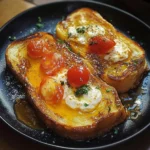
Spanish French Toast Recipe
Ingredients
- Bread: 1 large loaf (approx. 400-500g) of day-old (or even two-day-old) dense, white bread. Traditionally, a Spanish ‘barra de pan’ (similar to a dense baguette or a rustic white loaf) is used. Avoid enriched breads like brioche or challah for the most authentic result, as they can become too soggy. The staleness is crucial for absorbing the milk mixture without disintegrating.
- Milk: 1 litre (approx. 4 cups) whole milk. Whole milk provides the necessary richness for a creamy interior.
- Sugar: 150 grams (approx. 3/4 cup) granulated sugar for the milk infusion, plus extra for coating (approx. 100g or 1/2 cup). You can adjust the sweetness slightly based on your preference.
- Aromatic Infusions:
- 1 large cinnamon stick
- Peel of 1 large lemon (use a vegetable peeler to get wide strips, avoiding the white pith which is bitter)
- Peel of 1 small orange (optional, but adds a lovely citrusy depth)
- Eggs: 3 large eggs, lightly beaten.
- Frying Oil: Approx. 500ml (2 cups) mild olive oil or sunflower oil for frying. Use enough oil to allow the Torrijas to float slightly, ensuring even cooking. Olive oil adds a subtle Spanish flavour, but sunflower oil is more neutral. Avoid extra virgin olive oil as its flavour can be overpowering and it has a lower smoke point.
- Coating (Optional but Recommended):
- 100 grams (approx. 1/2 cup) granulated sugar
- 1 tablespoon ground cinnamon
- Alternative Coating: Instead of dry sugar/cinnamon, some traditions use a light syrup made by simmering equal parts water and sugar with a cinnamon stick and lemon peel, or even a drizzle of honey.
Instructions
Phase 1: Preparing the Bread and Infusing the Milk
- Slice the Bread: Using a serrated knife, carefully slice the stale bread into thick slices, about 2-2.5 cm (approx. 1 inch) thick. If the slices are too thin, they risk falling apart after soaking. If they are too thick, the centre might not get fully soaked or cooked. Arrange the slices in a single layer in a large, shallow dish or baking tray with sides – deep enough to hold the milk later.
- Infuse the Milk: In a medium saucepan, combine the 1 litre of whole milk, 150g of granulated sugar, the cinnamon stick, and the strips of lemon (and orange, if using) peel.
- Heat Gently: Place the saucepan over medium heat. Bring the milk mixture almost to a boil, stirring occasionally to dissolve the sugar. You should see steam rising and small bubbles forming around the edge of the pan. Do not let it come to a rolling boil.
- Steep and Cool: Once the milk is hot and fragrant, remove it from the heat. Cover the saucepan and let the aromatics steep in the warm milk for at least 15-20 minutes. This allows the flavours to fully infuse. Afterwards, remove the cinnamon stick and citrus peels using a slotted spoon. Allow the infused milk to cool down until it’s lukewarm or at room temperature. Soaking the bread in hot milk will cook the surface too quickly and prevent proper absorption.
Phase 2: Soaking, Egg-Coating, and Frying
- Soak the Bread: Carefully pour the cooled, infused milk evenly over the bread slices arranged in the shallow dish. Let the bread soak for about 5-10 minutes per side. The exact time depends on the density and staleness of your bread. The goal is for the bread to be thoroughly saturated and custardy but still hold its shape. Gently flip the slices halfway through to ensure even soaking. Be careful not to let them become completely waterlogged or they will disintegrate. You might need to gently press them down into the milk.
- Prepare for Frying: While the bread is soaking, prepare your frying station. Pour the frying oil into a large, deep frying pan or skillet – you need about 1-2 cm (1/2 to 3/4 inch) depth of oil. Heat the oil over medium-high heat. To test if the oil is ready, drop a small cube of bread into it; it should sizzle immediately and turn golden brown in about 30-40 seconds. If it browns too quickly, the oil is too hot; if it sinks and absorbs oil without sizzling vigorously, it’s too cool. Adjust the heat accordingly.
- Prepare Egg Wash and Coating: Lightly beat the 3 large eggs in a shallow dish wide enough to fit a slice of bread. In another separate shallow dish or on a plate, mix the extra 100g of sugar with the 1 tablespoon of ground cinnamon for the coating (if using).
- Carefully Transfer and Egg Coat: Using a wide spatula or your hands very gently, lift one soaked bread slice, allowing any excess milk to drip back into the dish (don’t squeeze it!). Carefully dip the soaked slice into the beaten egg, ensuring both sides and the edges are lightly coated. The egg wash helps create a seal, preventing the Torrija from absorbing too much oil and giving it a lovely golden crust.
- Fry the Torrijas: Immediately and carefully place the egg-coated bread slice into the hot oil. Don’t overcrowd the pan; fry the Torrijas in batches (usually 2-3 at a time, depending on your pan size). Fry for approximately 2-3 minutes per side, or until they are a deep golden brown and crispy. Adjust the heat as needed to maintain a steady frying temperature – if they brown too fast, the inside might remain uncooked.
- Drain Excess Oil: Once golden brown and cooked through, use a slotted spoon or spatula to carefully remove the Torrijas from the hot oil. Let any excess oil drip off back into the pan for a moment, then transfer them to a wire rack set over a baking sheet or a plate lined with paper towels to drain further. This helps keep them crispy.
Phase 3: Coating and Finishing
- Coat the Torrijas: While the Torrijas are still warm (but cool enough to handle), gently roll them in the cinnamon-sugar mixture until evenly coated on all sides. If you’re using a syrup or honey, you can either drizzle it over the warm Torrijas just before serving or briefly dip them in the cooled syrup.
- Repeat: Continue the process of egg-coating, frying, draining, and coating the remaining soaked bread slices until all are cooked. You may need to add a little more oil to the pan between batches and adjust the heat.
Nutrition
- Serving Size: One Normal Portion
- Calories: 350-450