
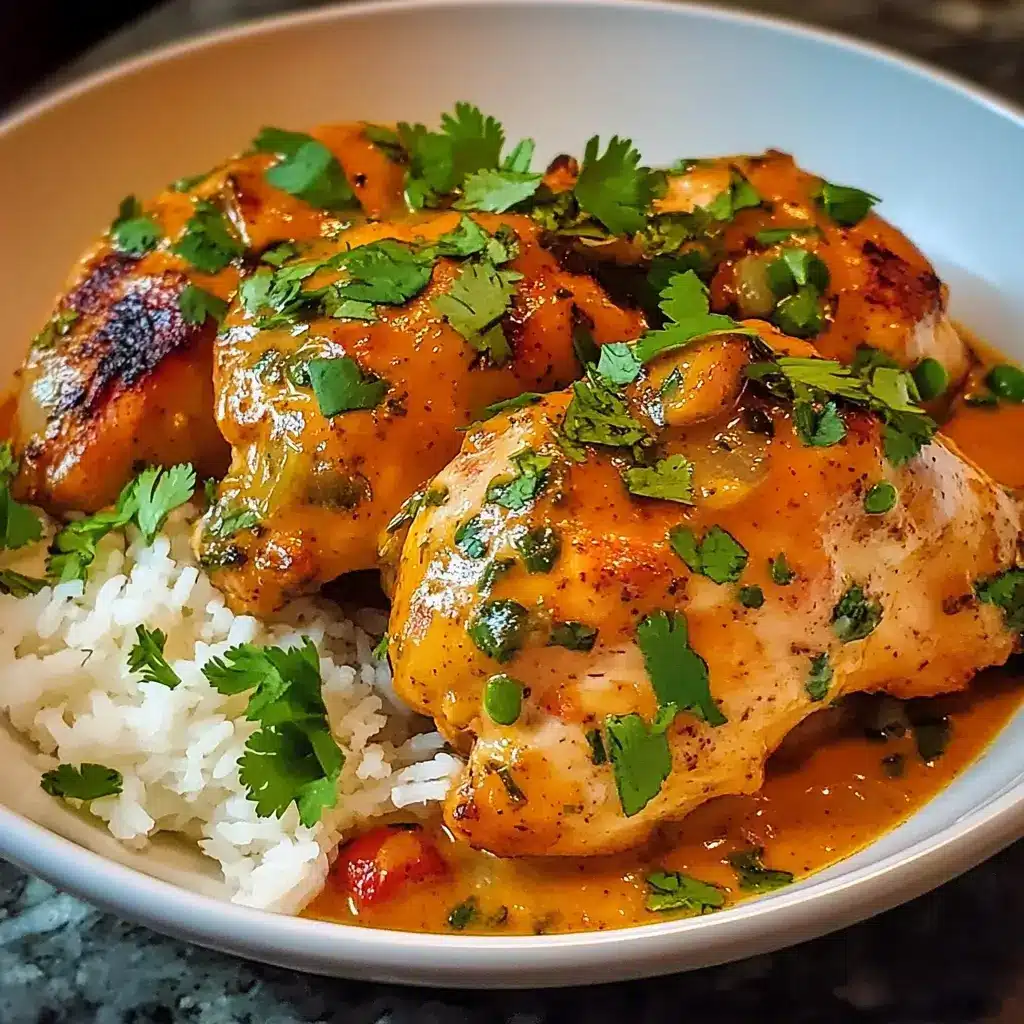

Honestly, when I first stumbled upon this Spicy Brazilian Coconut Chicken recipe, I was a little skeptical. Brazilian food isn’t something I cook regularly, and the combination of spicy and coconut sounded intriguing but potentially overwhelming. However, with a busy week looming and the desire to inject some excitement into our usual dinner routine, I decided to give it a whirl. Let me tell you, from the moment the aroma of sautéed onions and garlic mingled with the fragrant spices, I knew we were in for a treat. My family, who are usually quite vocal about their food preferences (to put it mildly!), were absolutely captivated. Even my youngest, who tends to shy away from anything remotely spicy, was asking for seconds! The creamy coconut milk perfectly balanced the heat, creating a dish that was both comforting and exhilarating. This recipe has become a staple in our household, and I’m thrilled to share it with you. It’s surprisingly easy to make, packed with flavor, and guaranteed to transport your taste buds straight to the vibrant streets of Brazil. Prepare to be amazed!
Ingredients
To embark on this flavorful journey to Brazil, you’ll need a collection of fresh, aromatic ingredients that harmonize to create the signature taste of this Spicy Brazilian Coconut Chicken. Each component plays a crucial role in building the layers of flavor that make this dish so irresistible. Let’s delve into each ingredient, understanding its purpose and offering tips for selection and potential substitutions if needed.
- Chicken Thighs (Boneless, Skinless): 2 lbs (approximately 900g). Chicken thighs are the star protein of this dish. They offer a richer, more succulent flavor compared to chicken breasts and remain wonderfully moist even when cooked in the flavorful sauce. For best results, opt for boneless, skinless thighs to save on preparation time. If you prefer chicken breasts, you can use them, but be mindful of cooking time as they can dry out quicker. Ensure your chicken is fresh, with a pinkish hue and no unpleasant odor. If using frozen thighs, thaw them completely in the refrigerator overnight for food safety and optimal cooking.
- Coconut Milk (Full-Fat): 2 cans (13.5 oz each, approximately 400ml each). Coconut milk is the heart of this recipe, providing the creamy richness and subtle sweetness that balances the spice. Full-fat coconut milk is crucial for achieving the desired texture and flavor depth. Light coconut milk will result in a thinner sauce and less pronounced coconut flavor. Look for good quality coconut milk without added thickeners or gums. The cream should be thick and rich when you open the can. If your coconut milk has separated, simply shake or stir it well to combine.
- Diced Tomatoes (Canned): 1 can (14.5 oz, approximately 410g). Canned diced tomatoes bring acidity, sweetness, and body to the sauce. They contribute to the vibrant color and create a lovely texture. You can use regular diced tomatoes or fire-roasted diced tomatoes for a slightly smoky depth of flavor. If you prefer fresh tomatoes, you can use about 2 cups of diced fresh tomatoes, but canned tomatoes tend to have a more consistent flavor and are readily available year-round. Ensure you drain off excess liquid from the canned tomatoes before adding them to the recipe to prevent the sauce from becoming too watery.
- Onion (Yellow or White), Diced: 1 large. Onion forms the aromatic base of many dishes, and this recipe is no exception. Yellow or white onions work well, offering a mild, savory flavor that becomes sweet and mellow when sautéed. Dice the onion into small, uniform pieces for even cooking. Red onion can also be used for a slightly sharper flavor, but yellow or white onions are traditionally preferred in this type of dish.
- Garlic, Minced: 4 cloves. Garlic is a powerhouse of flavor and a staple in Brazilian cuisine. Freshly minced garlic is always best for the most potent flavor. If you’re using pre-minced garlic from a jar, ensure it’s fresh and hasn’t lost its aroma. Adjust the amount of garlic to your preference; some may prefer more or less. Garlic adds a pungent, savory note that beautifully complements the other spices and ingredients.
- Red Bell Pepper, Diced: 1 medium. Red bell pepper adds sweetness, color, and a subtle vegetal note to the dish. It contributes to the overall flavor complexity and visual appeal. You can also use other colors of bell pepper, such as yellow or orange, for a slightly different flavor profile. Green bell pepper is less sweet and can be used, but red bell pepper is generally preferred for its sweetness in this recipe. Dice the bell pepper into similar-sized pieces as the onion for even cooking.
- Jalapeño Pepper, Minced (or to taste): 1-2, seeded and minced. Jalapeño pepper is the source of the “spicy” in this Spicy Brazilian Coconut Chicken. The amount of jalapeño you use can be adjusted to your preferred level of heat. For a milder dish, use only one jalapeño and remove the seeds and membranes, which contain most of the heat. For a spicier dish, use two jalapeños or leave some seeds in. If you’re very sensitive to spice, you can start with half a jalapeño and taste as you go. For an even spicier kick, consider using serrano peppers or a pinch of chili flakes.
- Lime Juice, Freshly Squeezed: 2 tablespoons. Fresh lime juice adds a bright, citrusy acidity that balances the richness of the coconut milk and enhances the overall flavors. Freshly squeezed lime juice is always superior in taste to bottled lime juice. Lime juice is added towards the end of cooking to preserve its fresh flavor. Lemon juice can be used as a substitute if lime juice is not available, although lime juice is more characteristic of Brazilian cuisine.
- Cilantro, Fresh, Chopped: 1/4 cup, plus extra for garnish. Fresh cilantro provides a vibrant, herbaceous flavor that adds a refreshing element to the dish. It’s a classic pairing with coconut milk and spicy flavors. Chop the cilantro just before adding it to the dish to maintain its fresh aroma and flavor. If you’re not a fan of cilantro, you can substitute with fresh parsley, although cilantro is more authentic to the Brazilian flavor profile.
- Olive Oil: 2 tablespoons. Olive oil is used for sautéing the vegetables and chicken. It provides a healthy fat and helps to develop the flavors of the aromatics. Extra virgin olive oil is a good choice for its flavor and health benefits, but regular olive oil or another neutral cooking oil like avocado oil or vegetable oil can also be used.
- Spices: This is where the Brazilian flair truly comes alive!
- Ground Cumin: 1 teaspoon. Cumin adds a warm, earthy, and slightly smoky flavor that is fundamental in many cuisines, including Brazilian. It provides depth and complexity to the spice blend.
- Ground Coriander: 1 teaspoon. Ground coriander offers a citrusy, warm, and slightly nutty flavor that complements cumin and other spices beautifully. It adds a layer of brightness to the spice profile.
- Turmeric Powder: 1/2 teaspoon. Turmeric contributes a warm, earthy, and slightly bitter flavor, as well as a vibrant golden color to the dish. It also has anti-inflammatory properties.
- Smoked Paprika: 1 teaspoon. Smoked paprika brings a deep, smoky, and slightly sweet flavor that enhances the overall richness and complexity of the dish. It adds a touch of warmth without being overly spicy. If you don’t have smoked paprika, regular paprika can be used, but smoked paprika is highly recommended for its distinctive flavor.
- Dried Oregano: 1 teaspoon. Dried oregano provides a slightly pungent, earthy, and peppery flavor that is a classic Mediterranean and Latin American spice. It adds a touch of herbaceousness to the spice blend.
- Salt and Black Pepper: To taste. Salt and black pepper are essential seasonings to enhance all the flavors in the dish. Use kosher salt or sea salt for best results. Freshly ground black pepper is preferred for its more robust flavor. Season to taste throughout the cooking process, adjusting as needed.
Instructions
Now that you have gathered all your vibrant ingredients, let’s walk through the step-by-step instructions to create this sensational Spicy Brazilian Coconut Chicken. The process is straightforward, and the reward is a dish bursting with flavor that will impress everyone at your table. Follow these instructions carefully for the best results.
- Prepare the Chicken: Begin by patting the chicken thighs dry with paper towels. This step is crucial for getting a good sear on the chicken, which enhances its flavor and texture. Season the chicken generously on both sides with salt and black pepper. Don’t be shy with the seasoning, as this is the foundation of the flavor for the chicken itself.
- Sauté Aromatics: Heat olive oil in a large, deep skillet or Dutch oven over medium heat. Once the oil is shimmering (but not smoking), add the diced onion and cook for about 5-7 minutes, or until softened and translucent. Stir occasionally to prevent sticking and ensure even cooking. Softening the onions first releases their sweetness and creates a flavorful base for the sauce.
- Add Garlic and Jalapeño: Add the minced garlic and minced jalapeño pepper to the skillet with the softened onions. Cook for another 1-2 minutes, stirring constantly, until fragrant. Be careful not to burn the garlic, as it can become bitter. The fragrant aroma of garlic and jalapeño will fill your kitchen, signaling the start of the flavor development.
- Bloom the Spices: Stir in the ground cumin, ground coriander, turmeric powder, smoked paprika, and dried oregano. Cook for about 1 minute, stirring constantly, until fragrant. This process, known as “blooming” the spices, helps to release their essential oils and intensify their flavor. The heat from the pan will awaken the spices and create a more complex and aromatic dish.
- Sear the Chicken: Increase the heat to medium-high. Add the seasoned chicken thighs to the skillet in a single layer, being careful not to overcrowd the pan. You may need to work in batches if your skillet is not large enough. Sear the chicken for about 3-4 minutes per side, until nicely browned. Searing the chicken creates a flavorful crust and locks in the juices, ensuring moist and tender chicken in the final dish. Don’t worry about cooking the chicken through at this stage; it will finish cooking in the sauce.
- Add Vegetables and Tomatoes: Remove the seared chicken from the skillet and set aside. Add the diced red bell pepper to the skillet and cook for about 3-5 minutes, until slightly softened. Then, add the canned diced tomatoes (with their juices) to the skillet. Stir to combine with the vegetables and spices, scraping up any browned bits from the bottom of the pan – these are packed with flavor! Simmer the tomato mixture for a few minutes to allow the flavors to meld.
- Simmer in Coconut Milk: Pour in the full-fat coconut milk. Stir well to combine all the ingredients and bring the sauce to a gentle simmer. Return the seared chicken thighs to the skillet, nestling them into the sauce. Reduce the heat to low, cover the skillet, and simmer for 20-25 minutes, or until the chicken is cooked through and tender, and the sauce has thickened slightly. Simmering gently allows the flavors to deepen and the chicken to become incredibly tender and infused with the coconut milk and spices.
- Finish and Serve: Remove the skillet from the heat. Stir in the fresh lime juice and chopped fresh cilantro. Taste and adjust seasoning with salt and pepper as needed. The lime juice will brighten the flavors, and the cilantro will add a fresh, herbaceous note. Garnish with extra fresh cilantro before serving. Serve hot over your choice of accompaniments (suggestions in the “How to Serve” section below).
Nutrition Facts
(Estimated per serving, based on a recipe serving 6 people. Nutritional values can vary based on specific ingredients and portion sizes.)
- Servings: 6
- Calories per serving: Approximately 450-550 calories
Approximate Nutritional Breakdown per Serving:
- Protein: 35-40g
- Fat: 30-35g (primarily from coconut milk and olive oil)
- Saturated Fat: 20-25g (primarily from coconut milk)
- Cholesterol: 150-180mg
- Sodium: 400-600mg (can vary based on added salt)
- Carbohydrates: 15-20g
- Fiber: 3-4g
- Sugar: 8-10g (naturally occurring from tomatoes, onions, and coconut milk)
Please Note: These are estimations and can vary. For precise nutritional information, use a nutrition calculator with the specific brands and quantities of ingredients you use. This recipe is relatively high in fat due to the coconut milk, but it is primarily healthy fats from coconut. It’s also a good source of protein and moderate in carbohydrates.
Preparation Time
- Prep time: 20 minutes (chopping vegetables, measuring spices, preparing chicken)
- Cook time: 40 minutes (sautéing, searing, simmering)
- Total time: Approximately 1 hour
This recipe is relatively quick to prepare, making it a great option for a weeknight dinner. The majority of the time is spent simmering, allowing you to attend to other tasks while the flavors develop.
How to Serve
Spicy Brazilian Coconut Chicken is incredibly versatile and pairs beautifully with a variety of side dishes. Here are some delicious serving suggestions to complete your Brazilian-inspired meal:
- Classic Rice:
- White Rice: A simple and classic accompaniment. The fluffy white rice soaks up the flavorful sauce perfectly.
- Coconut Rice: Enhance the coconut theme by cooking rice in coconut milk instead of water. This adds extra richness and coconut flavor.
- Brown Rice: For a healthier option with more fiber and a nutty flavor, brown rice is a great choice.
- Cilantro Lime Rice: Infuse cooked rice with fresh cilantro and lime juice for a bright and zesty side that complements the dish beautifully.
- Brazilian Inspired Sides:
- Black Beans (Feijão): Black beans are a staple in Brazilian cuisine. Serve alongside the chicken for a truly authentic meal. You can season the black beans simply with salt, pepper, and a bay leaf, or add onions, garlic, and spices for a richer flavor.
- Collard Greens (Couve à Mineira): Sautéed collard greens with garlic are a popular Brazilian side dish. They provide a slightly bitter and earthy contrast to the creamy and spicy chicken.
- Farofa: Toasted cassava flour (farofa) is a crunchy and flavorful topping that is often served with Brazilian dishes. It adds texture and a nutty taste to the meal. You can find farofa in Latin American grocery stores or online.
- Fresh and Light Sides:
- Avocado Salad: A simple salad with diced avocado, tomatoes, red onion, and a lime vinaigrette provides a refreshing and creamy contrast to the richness of the chicken.
- Mango Salsa: The sweetness and acidity of mango salsa offer a delightful counterpoint to the spicy chicken. Combine diced mango, red onion, jalapeño (optional), cilantro, and lime juice for a vibrant salsa.
- Green Salad: A simple green salad with a light vinaigrette can cleanse the palate and provide a fresh element to the meal.
- Garnishes:
- Fresh Cilantro: A generous sprinkle of fresh cilantro adds a pop of color and freshness.
- Lime Wedges: Serve with lime wedges for squeezing extra lime juice over the chicken, enhancing the brightness and acidity.
- Chopped Peanuts or Cashews: For added texture and a nutty flavor, sprinkle chopped roasted peanuts or cashews over the dish.
Additional Tips
To elevate your Spicy Brazilian Coconut Chicken to the next level and ensure a truly delicious and successful cooking experience, consider these helpful tips:
- Spice Level Adjustment: Don’t be afraid to customize the spice level to your preference. If you’re sensitive to heat, start with half a jalapeño or remove all the seeds and membranes. For a spicier dish, add an extra jalapeño, leave some seeds in, or incorporate a pinch of chili flakes or a dash of hot sauce. Taste as you go and adjust accordingly. Remember, you can always add more spice, but it’s harder to take it away.
- Marinate the Chicken (Optional): For even more flavorful and tender chicken, consider marinating it for at least 30 minutes or up to a few hours before cooking. A simple marinade of lime juice, garlic, olive oil, and some of the spices (cumin, coriander, paprika) will infuse the chicken with deeper flavor and help tenderize it.
- Use High-Quality Coconut Milk: The quality of your coconut milk significantly impacts the richness and flavor of the sauce. Opt for full-fat coconut milk from a reputable brand. Avoid brands with added thickeners or gums if possible. The cream should be thick and luxurious when you open the can.
- Don’t Overcrowd the Pan When Searing: When searing the chicken, make sure not to overcrowd the skillet. Overcrowding will lower the pan temperature and cause the chicken to steam instead of sear, resulting in less browning and flavor. Work in batches if necessary to ensure each piece of chicken gets a nice sear.
- Slow Simmer for Maximum Flavor: Allow ample time for the dish to simmer gently. This low and slow cooking process allows the flavors to meld and deepen, creating a richer and more complex sauce. It also ensures that the chicken becomes incredibly tender and infused with the coconut milk and spices. Resist the urge to rush the simmering process for the best results.
FAQ Section
Here are some frequently asked questions about making Spicy Brazilian Coconut Chicken, to help you navigate any queries you might have while preparing this delightful dish:
Q1: Can I make this recipe ahead of time?
A: Yes, Spicy Brazilian Coconut Chicken is a great make-ahead dish! In fact, the flavors often deepen and become even more delicious the next day. You can prepare the entire dish, let it cool completely, and store it in an airtight container in the refrigerator for up to 3 days. Reheat gently on the stovetop or in the microwave until heated through.
Q2: Can I use chicken breasts instead of chicken thighs?
A: Yes, you can substitute chicken breasts for chicken thighs if you prefer. However, chicken breasts tend to be leaner and can dry out more easily. If using chicken breasts, be mindful of the cooking time and reduce the simmering time to about 15-20 minutes, or until the chicken is cooked through but still moist. Searing chicken breasts is also crucial to help retain moisture.
Q3: I don’t have all the spices listed. Can I substitute or omit any?
A: While each spice contributes to the unique flavor profile, you can make some adjustments. If you’re missing one spice, you can try substituting with a similar spice. For example, if you don’t have smoked paprika, you can use regular paprika. If you’re missing coriander, you can use a bit more cumin. However, for the most authentic flavor, it’s best to use all the spices if possible. If you absolutely must omit one, the dish will still be tasty, but the flavor will be slightly different.
Q4: Can I freeze Spicy Brazilian Coconut Chicken?
A: Yes, this dish freezes well. Allow the cooked chicken to cool completely, then transfer it to freezer-safe containers or bags. Freeze for up to 2-3 months. To thaw, defrost in the refrigerator overnight or use the defrost setting on your microwave. Reheat gently on the stovetop or in the microwave until heated through. The texture of the sauce might change slightly after freezing and thawing, but the flavor should remain delicious.
Q5: How can I make this recipe vegetarian or vegan?
A: To make this recipe vegetarian or vegan, you can substitute the chicken with firm or extra-firm tofu or chickpeas. For tofu, press out excess water, cut into cubes, and sear them in olive oil until golden brown before adding them to the sauce. For chickpeas, you can add them directly to the sauce after simmering the vegetables and tomatoes. Simmer until the tofu or chickpeas are heated through and have absorbed some of the sauce’s flavor. Ensure your coconut milk is vegan-friendly (some brands might contain dairy).

Spicy Brazilian Coconut Chicken Recipe
Ingredients
- Chicken Thighs (Boneless, Skinless): 2 lbs (approximately 900g). Chicken thighs are the star protein of this dish. They offer a richer, more succulent flavor compared to chicken breasts and remain wonderfully moist even when cooked in the flavorful sauce. For best results, opt for boneless, skinless thighs to save on preparation time. If you prefer chicken breasts, you can use them, but be mindful of cooking time as they can dry out quicker. Ensure your chicken is fresh, with a pinkish hue and no unpleasant odor. If using frozen thighs, thaw them completely in the refrigerator overnight for food safety and optimal cooking.
- Coconut Milk (Full-Fat): 2 cans (13.5 oz each, approximately 400ml each). Coconut milk is the heart of this recipe, providing the creamy richness and subtle sweetness that balances the spice. Full-fat coconut milk is crucial for achieving the desired texture and flavor depth. Light coconut milk will result in a thinner sauce and less pronounced coconut flavor. Look for good quality coconut milk without added thickeners or gums. The cream should be thick and rich when you open the can. If your coconut milk has separated, simply shake or stir it well to combine.
- Diced Tomatoes (Canned): 1 can (14.5 oz, approximately 410g). Canned diced tomatoes bring acidity, sweetness, and body to the sauce. They contribute to the vibrant color and create a lovely texture. You can use regular diced tomatoes or fire-roasted diced tomatoes for a slightly smoky depth of flavor. If you prefer fresh tomatoes, you can use about 2 cups of diced fresh tomatoes, but canned tomatoes tend to have a more consistent flavor and are readily available year-round. Ensure you drain off excess liquid from the canned tomatoes before adding them to the recipe to prevent the sauce from becoming too watery.
- Onion (Yellow or White), Diced: 1 large. Onion forms the aromatic base of many dishes, and this recipe is no exception. Yellow or white onions work well, offering a mild, savory flavor that becomes sweet and mellow when sautéed. Dice the onion into small, uniform pieces for even cooking. Red onion can also be used for a slightly sharper flavor, but yellow or white onions are traditionally preferred in this type of dish.
- Garlic, Minced: 4 cloves. Garlic is a powerhouse of flavor and a staple in Brazilian cuisine. Freshly minced garlic is always best for the most potent flavor. If you’re using pre-minced garlic from a jar, ensure it’s fresh and hasn’t lost its aroma. Adjust the amount of garlic to your preference; some may prefer more or less. Garlic adds a pungent, savory note that beautifully complements the other spices and ingredients.
- Red Bell Pepper, Diced: 1 medium. Red bell pepper adds sweetness, color, and a subtle vegetal note to the dish. It contributes to the overall flavor complexity and visual appeal. You can also use other colors of bell pepper, such as yellow or orange, for a slightly different flavor profile. Green bell pepper is less sweet and can be used, but red bell pepper is generally preferred for its sweetness in this recipe. Dice the bell pepper into similar-sized pieces as the onion for even cooking.
- Jalapeño Pepper, Minced (or to taste): 1-2, seeded and minced. Jalapeño pepper is the source of the “spicy” in this Spicy Brazilian Coconut Chicken. The amount of jalapeño you use can be adjusted to your preferred level of heat. For a milder dish, use only one jalapeño and remove the seeds and membranes, which contain most of the heat. For a spicier dish, use two jalapeños or leave some seeds in. If you’re very sensitive to spice, you can start with half a jalapeño and taste as you go. For an even spicier kick, consider using serrano peppers or a pinch of chili flakes.
- Lime Juice, Freshly Squeezed: 2 tablespoons. Fresh lime juice adds a bright, citrusy acidity that balances the richness of the coconut milk and enhances the overall flavors. Freshly squeezed lime juice is always superior in taste to bottled lime juice. Lime juice is added towards the end of cooking to preserve its fresh flavor. Lemon juice can be used as a substitute if lime juice is not available, although lime juice is more characteristic of Brazilian cuisine.
- Cilantro, Fresh, Chopped: 1/4 cup, plus extra for garnish. Fresh cilantro provides a vibrant, herbaceous flavor that adds a refreshing element to the dish. It’s a classic pairing with coconut milk and spicy flavors. Chop the cilantro just before adding it to the dish to maintain its fresh aroma and flavor. If you’re not a fan of cilantro, you can substitute with fresh parsley, although cilantro is more authentic to the Brazilian flavor profile.
- Olive Oil: 2 tablespoons. Olive oil is used for sautéing the vegetables and chicken. It provides a healthy fat and helps to develop the flavors of the aromatics. Extra virgin olive oil is a good choice for its flavor and health benefits, but regular olive oil or another neutral cooking oil like avocado oil or vegetable oil can also be used.
- Spices: This is where the Brazilian flair truly comes alive!
- Ground Cumin: 1 teaspoon. Cumin adds a warm, earthy, and slightly smoky flavor that is fundamental in many cuisines, including Brazilian. It provides depth and complexity to the spice blend.
- Ground Coriander: 1 teaspoon. Ground coriander offers a citrusy, warm, and slightly nutty flavor that complements cumin and other spices beautifully. It adds a layer of brightness to the spice profile.
- Turmeric Powder: 1/2 teaspoon. Turmeric contributes a warm, earthy, and slightly bitter flavor, as well as a vibrant golden color to the dish. It also has anti-inflammatory properties.
- Smoked Paprika: 1 teaspoon. Smoked paprika brings a deep, smoky, and slightly sweet flavor that enhances the overall richness and complexity of the dish. It adds a touch of warmth without being overly spicy. If you don’t have smoked paprika, regular paprika can be used, but smoked paprika is highly recommended for its distinctive flavor.
- Dried Oregano: 1 teaspoon. Dried oregano provides a slightly pungent, earthy, and peppery flavor that is a classic Mediterranean and Latin American spice. It adds a touch of herbaceousness to the spice blend.
- Salt and Black Pepper: To taste. Salt and black pepper are essential seasonings to enhance all the flavors in the dish. Use kosher salt or sea salt for best results. Freshly ground black pepper is preferred for its more robust flavor. Season to taste throughout the cooking process, adjusting as needed.
Instructions
- Prepare the Chicken: Begin by patting the chicken thighs dry with paper towels. This step is crucial for getting a good sear on the chicken, which enhances its flavor and texture. Season the chicken generously on both sides with salt and black pepper. Don’t be shy with the seasoning, as this is the foundation of the flavor for the chicken itself.
- Sauté Aromatics: Heat olive oil in a large, deep skillet or Dutch oven over medium heat. Once the oil is shimmering (but not smoking), add the diced onion and cook for about 5-7 minutes, or until softened and translucent. Stir occasionally to prevent sticking and ensure even cooking. Softening the onions first releases their sweetness and creates a flavorful base for the sauce.
- Add Garlic and Jalapeño: Add the minced garlic and minced jalapeño pepper to the skillet with the softened onions. Cook for another 1-2 minutes, stirring constantly, until fragrant. Be careful not to burn the garlic, as it can become bitter. The fragrant aroma of garlic and jalapeño will fill your kitchen, signaling the start of the flavor development.
- Bloom the Spices: Stir in the ground cumin, ground coriander, turmeric powder, smoked paprika, and dried oregano. Cook for about 1 minute, stirring constantly, until fragrant. This process, known as “blooming” the spices, helps to release their essential oils and intensify their flavor. The heat from the pan will awaken the spices and create a more complex and aromatic dish.
- Sear the Chicken: Increase the heat to medium-high. Add the seasoned chicken thighs to the skillet in a single layer, being careful not to overcrowd the pan. You may need to work in batches if your skillet is not large enough. Sear the chicken for about 3-4 minutes per side, until nicely browned. Searing the chicken creates a flavorful crust and locks in the juices, ensuring moist and tender chicken in the final dish. Don’t worry about cooking the chicken through at this stage; it will finish cooking in the sauce.
- Add Vegetables and Tomatoes: Remove the seared chicken from the skillet and set aside. Add the diced red bell pepper to the skillet and cook for about 3-5 minutes, until slightly softened. Then, add the canned diced tomatoes (with their juices) to the skillet. Stir to combine with the vegetables and spices, scraping up any browned bits from the bottom of the pan – these are packed with flavor! Simmer the tomato mixture for a few minutes to allow the flavors to meld.
- Simmer in Coconut Milk: Pour in the full-fat coconut milk. Stir well to combine all the ingredients and bring the sauce to a gentle simmer. Return the seared chicken thighs to the skillet, nestling them into the sauce. Reduce the heat to low, cover the skillet, and simmer for 20-25 minutes, or until the chicken is cooked through and tender, and the sauce has thickened slightly. Simmering gently allows the flavors to deepen and the chicken to become incredibly tender and infused with the coconut milk and spices.
- Finish and Serve: Remove the skillet from the heat. Stir in the fresh lime juice and chopped fresh cilantro. Taste and adjust seasoning with salt and pepper as needed. The lime juice will brighten the flavors, and the cilantro will add a fresh, herbaceous note. Garnish with extra fresh cilantro before serving. Serve hot over your choice of accompaniments (suggestions in the “How to Serve” section below).
Nutrition
- Serving Size: one normal portion
- Calories: 450-550
- Sugar: 8-10g
- Sodium: 400-600mg
- Fat: 30-35g
- Saturated Fat: 20-25g
- Carbohydrates: 15-20g
- Fiber: 3-4g
- Protein: 35-40g
- Cholesterol: 150-180mg