
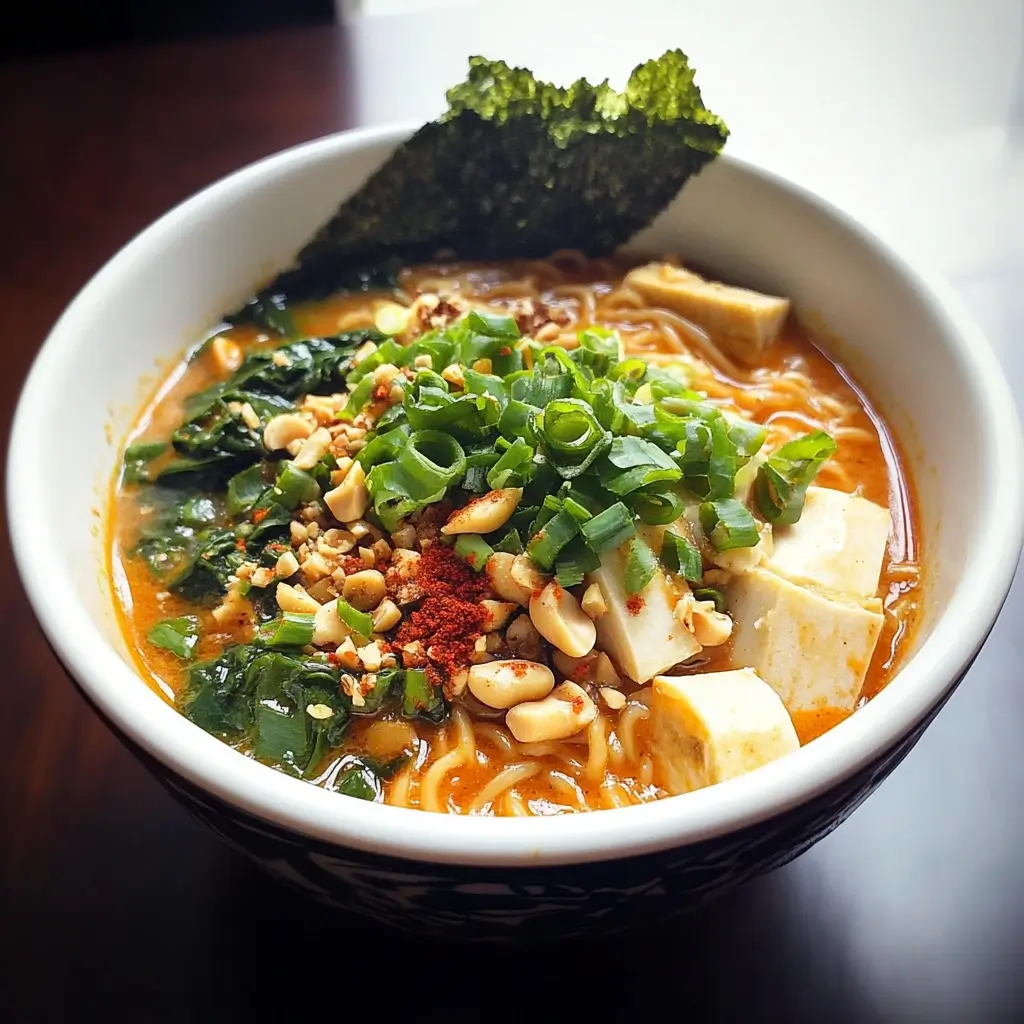

Okay, let’s dive into the world of rich, savory, and perfectly spicy peanut ramen! This isn’t just another noodle dish; it’s an experience. I remember the first time I whipped this up on a chilly Tuesday evening. The aroma alone – that intoxicating blend of toasted sesame, pungent garlic, warming ginger, and the promise of creamy peanut butter – had my family peeking into the kitchen with eager anticipation. My partner, usually a ramen purist, was skeptical about the peanut butter, but one slurp of that luscious, spicy broth, clinging perfectly to the chewy noodles, and he was a convert. The kids? They were practically dueling with chopsticks for the last few strands. It’s since become a bi-weekly staple, a guaranteed crowd-pleaser that feels like a gourmet treat but comes together with surprising ease. It’s comfort food elevated, a hug in a bowl with a delightful kick that you can tailor to your exact preference.
What Makes This Spicy Peanut Ramen Irresistible?
This Spicy Peanut Ramen recipe isn’t just about throwing ingredients together; it’s a symphony of flavors and textures designed to delight your senses. Here’s why it stands out and will likely become your new go-to:
- The Perfect Balance: It masterfully balances creamy, savory, sweet, and spicy. The richness of the peanut butter is cut through by the tang of rice vinegar and soy sauce, while the sweetness of mirin (or a touch of sugar) mellows the fiery punch of chili garlic sauce and Sriracha.
- Customizable Heat: You are the master of the flame! Whether you prefer a gentle warmth or a five-alarm fire, this recipe allows you to adjust the spice levels to your liking without compromising the core flavor profile.
- Umami Bomb: Thanks to ingredients like soy sauce, sesame oil, and potentially mushroom broth or a dash of miso, this ramen delivers a deep, satisfying savory taste that keeps you coming back for more.
- Textural Heaven: From the springy chewiness of the ramen noodles to the creamy broth, and the potential for crunchy toppings like crushed peanuts or crispy shallots, every bite is an adventure.
- Surprisingly Quick & Easy: While it tastes like it simmered for hours, this gourmet-level ramen can be on your table in under 30-40 minutes, making it perfect for weeknight dinners.
- Versatile & Adaptable: Easily make it vegan, add your favorite protein (chicken, tofu, shrimp), or load it up with an array of vegetables. This recipe is a fantastic base for your culinary creativity.
The secret lies in building layers of flavor, starting with a fragrant aromatic base, crafting a robust peanut sauce, and then marrying it all together into a broth that coats every single noodle in pure deliciousness.
Ingredients for Spicy Peanut Ramen
This recipe is designed for 4 generous servings. Remember, the quality of your ingredients will significantly impact the final taste, so use the best you can access!
For the Ramen & Broth:
- Ramen Noodles: 4 portions (approx. 12-14 oz or 350-400g) – fresh or dried (instant ramen noodles, seasoning packets discarded, work in a pinch!)
- Vegetable or Chicken Broth: 6 cups (low sodium preferred, so you can control the saltiness)
- Sesame Oil: 1 tablespoon (toasted sesame oil for best flavor)
- Garlic: 4-6 cloves, minced
- Ginger: 1-inch piece, freshly grated or finely minced
- Neutral Oil: 1 tablespoon (like canola, vegetable, or avocado oil) for sautéing
For the Spicy Peanut Sauce:
- Creamy Peanut Butter: 1/2 cup (natural, unsweetened is best for control over sweetness)
- Soy Sauce: 1/4 cup (low sodium recommended; tamari for gluten-free)
- Rice Vinegar: 2 tablespoons (unseasoned)
- Chili Garlic Sauce (Sambal Oelek): 1-3 tablespoons (adjust to your spice preference)
- Sriracha: 1-2 teaspoons (optional, for an extra layer of heat and tang)
- Toasted Sesame Oil: 1 tablespoon
- Mirin: 1 tablespoon (or substitute with 1 teaspoon of maple syrup or brown sugar mixed with 2 teaspoons water)
- Lime Juice: 1 tablespoon, freshly squeezed (optional, for brightness)
- Hot Water: 2-4 tablespoons, or more, as needed to thin the sauce
Optional Proteins:
- Cooked Chicken: 1-2 cups, shredded or sliced (rotisserie chicken is great)
- Firm or Extra-Firm Tofu: 1 block (14-16 oz), pressed and cubed/pan-fried
- Shrimp: 1 lb, peeled and deveined
- Ground Pork or Turkey: 1 lb, cooked
- Soft-boiled or Jammy Eggs: 1-2 per serving
Suggested Toppings & Garnishes:
- Scallions (Green Onions): 2-3, thinly sliced (greens and whites)
- Roasted Peanuts: 1/4 cup, roughly chopped
- Sesame Seeds: 1-2 tablespoons, toasted
- Cilantro: 1/4 cup, fresh leaves, roughly chopped
- Bean Sprouts: 1 cup, fresh
- Bok Choy or Spinach: 2 cups, roughly chopped (can be wilted into the broth)
- Shredded Carrots: 1/2 cup
- Corn Kernels: 1/2 cup (fresh or frozen, thawed)
- Nori Sheets: Torn into strips
- Chili Oil or Chili Crisp: For drizzling (for extra spice and texture)
- Lime Wedges: For serving
Step-by-Step Instructions: Crafting Your Perfect Bowl
Follow these steps meticulously for a ramen experience that will transport you straight to your favorite noodle shop.
1. Prepare Your Aromatics & Sauce:
* Mince the garlic and grate or finely mince the ginger. Set aside.
* In a medium bowl, whisk together all the Spicy Peanut Sauce ingredients: peanut butter, soy sauce, rice vinegar, chili garlic sauce, Sriracha (if using), 1 tablespoon toasted sesame oil, mirin (or its substitute), and fresh lime juice (if using).
* The sauce will be quite thick. Gradually whisk in 2-4 tablespoons of hot water, one tablespoon at a time, until the sauce is smooth and pourable but still rich – aim for a consistency similar to heavy cream or a thick pancake batter. Set aside.
2. Sauté Aromatics & Build the Broth Base:
* Place a large pot or Dutch oven over medium heat. Add 1 tablespoon of neutral oil.
* Once the oil is shimmering, add the minced garlic and grated ginger. Sauté for 1-2 minutes until fragrant, stirring constantly to prevent burning. Be careful, as garlic can burn quickly.
* Pour in the vegetable or chicken broth. Bring to a gentle simmer.
3. Incorporate the Peanut Sauce:
* Once the broth is simmering, reduce the heat to low.
* Scoop about 1 cup of the hot broth from the pot and gradually whisk it into the prepared peanut sauce. This tempers the sauce and helps it incorporate smoothly into the main broth without clumping.
* Pour the tempered peanut sauce mixture back into the pot with the rest of the broth. Whisk well to combine.
* Add the remaining 1 tablespoon of toasted sesame oil to the broth.
* Let the broth simmer gently on low heat for 5-10 minutes to allow the flavors to meld. Do not bring it to a rolling boil, as this can cause the peanut sauce to separate or become grainy. Taste and adjust seasonings if necessary – more soy sauce for saltiness, more chili garlic sauce for spice, or a touch more mirin/sugar for sweetness.
4. Cook the Noodles (and any quick-cooking veggies):
* While the broth is simmering, cook your ramen noodles according to package directions. Most fresh ramen cooks in 2-3 minutes, while dried can take 3-5 minutes. Cook until just al dente (they will continue to cook slightly in the hot broth).
* If you’re adding quick-cooking vegetables like spinach or bok choy, you can add them to the noodle water during the last minute of cooking, or wilt them directly in the simmering peanut broth.
* Drain the noodles (and veggies, if cooked with them) well. Rinse briefly with cool water if you want to stop the cooking process completely, especially if not serving immediately.
5. Prepare Your Protein (if using):
* If using pre-cooked chicken, ensure it’s warmed.
* If using tofu, pan-fry or bake it until golden and slightly crispy.
* If using shrimp, you can quickly sauté them or even poach them in the simmering peanut broth for a few minutes until pink and cooked through (remove before serving noodles).
* If using soft-boiled eggs, prepare them while the broth simmers.
6. Assemble Your Ramen Bowls:
* Divide the cooked noodles among 4 deep serving bowls.
* Ladle the hot, fragrant spicy peanut broth generously over the noodles in each bowl.
* Arrange your chosen protein (chicken, tofu, shrimp, egg) on top of the noodles.
* Garnish extravagantly! This is where the magic happens. Add sliced scallions, chopped roasted peanuts, toasted sesame seeds, fresh cilantro, bean sprouts, shredded carrots, corn, or any other toppings you desire.
* Finish with a drizzle of chili oil or chili crisp for an extra pop of flavor and spice, and serve with lime wedges on the side.
7. Serve Immediately & Enjoy!
* Ramen is best enjoyed hot, straight away, so everyone can experience the perfect texture of the noodles and the warmth of the broth.
Nutrition Facts (Approximate)
- Servings: 4
- Calories per serving: Approximately 650-850 kcal
Please Note: The nutritional information is a rough estimate and can vary significantly based on:
* The specific brand and type of noodles used (e.g., fresh vs. dried, egg vs. wheat).
* The type of peanut butter (natural unsweetened vs. conventional sweetened).
* The amount and type of protein added (chicken, tofu, egg, shrimp will all differ).
* The quantity and variety of toppings used.
* The exact amount of oil and sauces.
For a more accurate calculation, you would need to input the precise quantities and brands of your ingredients into a nutritional calculator. This estimate provides a general idea for a moderately topped bowl without a heavy protein addition. Adding a substantial protein like a full chicken breast or a block of tofu shared among servings will increase the calorie and protein count.
Preparation and Cook Time
Understanding the time commitment helps you plan your meal perfectly.
- Preparation Time: 20-25 minutes
- This includes chopping aromatics, whisking the sauce, preparing toppings, and getting proteins ready (if not pre-cooked). If you’re efficient with multitasking, this can be closer to 15-20 minutes.
- Cook Time: 15-20 minutes
- This includes sautéing aromatics, simmering the broth, and cooking the noodles.
- Total Time: Approximately 35-45 minutes
This makes it an excellent option for a weeknight meal that feels special without requiring hours in the kitchen. If using pre-cooked protein and pre-chopped veggies, you can get this on the table even faster!
How to Serve Your Spicy Peanut Ramen Masterpiece
Serving ramen is an art form in itself. Presentation enhances the dining experience, making it even more enjoyable. Here’s how to serve your Spicy Peanut Ramen like a pro:
- Choose the Right Bowl:
- Use deep, wide bowls. This not only prevents messy spills but also allows for ample broth and plenty of room for toppings without overcrowding. Traditional ramen bowls are ideal, but any deep soup bowl will work.
- Noodle Nest First:
- Place a generous portion of cooked noodles at the bottom of each bowl. Try to create a slight “nest” or mound.
- Broth Love:
- Carefully ladle the hot, spicy peanut broth over and around the noodles, ensuring they are well-submerged but not completely drowned. You want some noodles peeking through.
- Strategic Protein Placement:
- If using protein (sliced chicken, pan-fried tofu, shrimp, ground meat), arrange it artfully on one side of the noodles or fanned out.
- For soft-boiled or jammy eggs, slice them in half lengthwise to show off the golden yolk and place them cut-side up.
- The Art of Toppings (Layering for Visual Appeal & Texture):
- Greens: Sprinkle generously with thinly sliced scallions (both white and green parts for color contrast) and fresh cilantro leaves.
- Crunch: Add a textural counterpoint with chopped roasted peanuts and toasted sesame seeds.
- Color & Freshness: Scatter vibrant elements like shredded carrots, fresh bean sprouts, or sweet corn kernels.
- Umami Boosters: Tuck in strips of nori (seaweed) along the edge of the bowl.
- Vegetables: If you’ve wilted bok choy or spinach in the broth, arrange it neatly.
- The Final Drizzle & Spice Kick:
- Offer a small bowl of extra chili oil, chili crisp, or Sriracha on the table for those who like an additional fiery kick. A drizzle over the top before serving also looks fantastic.
- A small dish of furikake (a Japanese seaweed and sesame seed seasoning) can also be a great addition.
- Citrus Brightness:
- Always serve with fresh lime wedges on the side. A squeeze of lime juice just before eating brightens all the flavors and cuts through the richness of the peanut broth.
- Utensils:
- Provide chopsticks for the noodles and toppings, and a deep Asian-style soup spoon (renge) for the broth.
- Serve Immediately:
- Ramen is at its peak when served piping hot. The noodles will absorb broth and can become soggy if left sitting for too long. Encourage everyone to dig in right away!
By paying attention to these serving details, you transform a simple bowl of noodles into an impressive and satisfying culinary experience.
Chef’s Additional Tips for Ramen Perfection
Elevate your Spicy Peanut Ramen from great to absolutely unforgettable with these five expert tips:
- Toast Your Spices & Aromatics Properly: Don’t rush the initial sauté of garlic and ginger. Cooking them gently in oil until fragrant (but not browned or burnt) releases their essential oils and creates a deep, aromatic foundation for your broth. Similarly, toasting your sesame seeds (if not pre-toasted) in a dry pan until fragrant and lightly golden dramatically enhances their nutty flavor.
- The “Temper Tantrum” for Peanut Sauce: When incorporating the peanut sauce into the hot broth, always temper it first. Whisk a ladleful of the hot broth into the peanut sauce mixture in a separate bowl until smooth before adding it all back to the main pot. This prevents the peanut butter from clumping or seizing up when it hits the larger volume of hot liquid, ensuring a silky-smooth broth.
- Don’t Overcook the Noodles: This is a cardinal sin in the ramen world! Cook your noodles strictly according to package directions, aiming for al dente (still a slight bite). They will continue to cook a little more once the hot broth is ladled over them. Mushy noodles can ruin the textural experience. If you’re prepping ahead, cook noodles just before serving or rinse them with cold water after draining to stop the cooking process.
- Balance is Key – Taste and Adjust Fearlessly: The provided measurements are a fantastic starting point, but individual preferences (and ingredient brands) vary. Before serving, taste your broth! Does it need more saltiness? Add a splash more soy sauce. More tang? A bit more rice vinegar or lime juice. Not spicy enough? Another teaspoon of chili garlic sauce or Sriracha. Too thick? A tiny bit more hot water or broth. Too thin? Let it simmer a few more minutes to reduce slightly (be careful not to boil).
- Layer Your Toppings for Texture and Flavor Dynamics: Think beyond just one or two garnishes. A truly great bowl of ramen offers a symphony of textures and complementary flavors. Aim for a combination of:
- Fresh & Bright: Scallions, cilantro, lime juice.
- Crunchy: Roasted peanuts, sesame seeds, crispy fried shallots, fresh bean sprouts.
- Creamy/Rich: Soft-boiled egg, a swirl of high-quality chili oil.
- Umami: Nori strips, sautéed mushrooms.
The interplay of these elements makes each bite exciting and complex.
Frequently Asked Questions (FAQ) about Spicy Peanut Ramen
Here are answers to some common questions you might have about making this delicious Spicy Peanut Ramen:
Q1: Can I make this Spicy Peanut Ramen vegan?
A1: Absolutely! This recipe is very easily made vegan. Simply ensure you use vegetable broth instead of chicken broth. If your mirin brand contains non-vegan elements (rare, but possible), use the maple syrup/sugar substitute. All other core sauce ingredients (peanut butter, soy sauce, rice vinegar, chili garlic sauce, sesame oil) are typically vegan. For protein, opt for pan-fried or baked tofu, edamame, or sautéed mushrooms like shiitake or king oyster. Load up on vegetable toppings!
Q2: How can I adjust the spice level?
A2: You have full control over the heat!
* For Less Spice: Start with just 1 teaspoon of chili garlic sauce (Sambal Oelek) and omit the Sriracha entirely. You can always add more at the end if desired, or serve spicy condiments on the side for individuals.
* For More Spice: Increase the amount of chili garlic sauce (up to 3 tablespoons or more if you’re brave!) and Sriracha. You can also add a pinch of red pepper flakes to the aromatics, or drizzle generously with chili oil or chili crisp when serving. Using a spicier chili paste like gochujang (Korean chili paste) in addition to or instead of sambal can also add a different dimension of heat.
Q3: What’s the best way to store and reheat leftovers?
A3: For best results, store the broth and noodles separately in airtight containers in the refrigerator. Noodles stored in broth will become soggy.
* Broth: Can be stored for 3-4 days. Reheat gently on the stovetop until warm. Avoid boiling, which can affect the peanut sauce texture.
* Noodles: Cooked noodles can be stored for 1-2 days. To reheat, you can briefly dip them in hot water or add them to the reheating broth for the last minute or two.
* Toppings: Store fresh toppings separately and add them to the reheated ramen just before serving.
It’s generally not recommended to freeze the fully assembled ramen, as the noodle texture will suffer, and the peanut sauce might separate upon thawing. The broth alone can be frozen for up to 2-3 months, though its texture might change slightly.
Q4: What kind of noodles are best for Spicy Peanut Ramen?
A4: You have several excellent options:
* Fresh Ramen Noodles: Often found in the refrigerated section of Asian markets or larger supermarkets, these offer the best chewiness and texture.
* Dried Ramen Noodles: Widely available and a good pantry staple. Look for straight or wavy wheat-based ramen noodles. Avoid the seasoning packets from instant ramen if using those noodles.
* Instant Ramen Noodles: In a pinch, the noodle cakes from instant ramen (discarding the seasoning packet) will work. They cook very quickly.
* Other Wheat Noodles: Chinese egg noodles or even whole wheat spaghetti or linguine can be substituted if ramen noodles are unavailable, though the texture will be different.
* Gluten-Free Option: Rice noodles (like thicker pad thai style noodles or vermicelli) or gluten-free ramen varieties can be used for a gluten-free version. Adjust cooking times accordingly.
Q5: Can I add more vegetables to this ramen? If so, which ones and when?
A5: Yes, definitely! This ramen is a fantastic canvas for vegetables.
* Quick-Wilting Greens: Add spinach, bok choy (chopped), or Napa cabbage directly to the simmering broth for the last 2-3 minutes of cooking, or blanch them with the noodles.
* Hardier Vegetables: Broccoli florets, sliced bell peppers (any color), snow peas, or snap peas can be lightly sautéed with the aromatics before adding the broth, or blanched separately and added as a topping. Sliced mushrooms (shiitake, cremini, oyster) are excellent sautéed first to develop their flavor.
* Raw/Crunchy Toppings: Shredded carrots, bean sprouts, thinly sliced radishes, or edamame (shelled) can be added raw when assembling the bowls for freshness and crunch.
Experiment with your favorites! Adding more vegetables makes the dish even more nutritious and texturally diverse.
This Spicy Peanut Ramen is more than just a meal; it’s a journey of flavors and textures that you can customize to your heart’s content. Enjoy the process of making it and, more importantly, savor every delicious slurp!
Print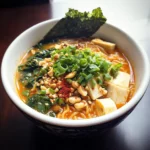
Spicy Peanut Ramen Recipe
Ingredients
For the Ramen & Broth:
- Ramen Noodles: 4 portions (approx. 12-14 oz or 350-400g) – fresh or dried (instant ramen noodles, seasoning packets discarded, work in a pinch!)
- Vegetable or Chicken Broth: 6 cups (low sodium preferred, so you can control the saltiness)
- Sesame Oil: 1 tablespoon (toasted sesame oil for best flavor)
- Garlic: 4-6 cloves, minced
- Ginger: 1-inch piece, freshly grated or finely minced
- Neutral Oil: 1 tablespoon (like canola, vegetable, or avocado oil) for sautéing
For the Spicy Peanut Sauce:
- Creamy Peanut Butter: 1/2 cup (natural, unsweetened is best for control over sweetness)
- Soy Sauce: 1/4 cup (low sodium recommended; tamari for gluten-free)
- Rice Vinegar: 2 tablespoons (unseasoned)
- Chili Garlic Sauce (Sambal Oelek): 1-3 tablespoons (adjust to your spice preference)
- Sriracha: 1-2 teaspoons (optional, for an extra layer of heat and tang)
- Toasted Sesame Oil: 1 tablespoon
- Mirin: 1 tablespoon (or substitute with 1 teaspoon of maple syrup or brown sugar mixed with 2 teaspoons water)
- Lime Juice: 1 tablespoon, freshly squeezed (optional, for brightness)
- Hot Water: 2-4 tablespoons, or more, as needed to thin the sauce
Optional Proteins:
- Cooked Chicken: 1-2 cups, shredded or sliced (rotisserie chicken is great)
- Firm or Extra-Firm Tofu: 1 block (14-16 oz), pressed and cubed/pan-fried
- Shrimp: 1 lb, peeled and deveined
- Ground Pork or Turkey: 1 lb, cooked
- Soft-boiled or Jammy Eggs: 1-2 per serving
Suggested Toppings & Garnishes:
- Scallions (Green Onions): 2-3, thinly sliced (greens and whites)
- Roasted Peanuts: 1/4 cup, roughly chopped
- Sesame Seeds: 1-2 tablespoons, toasted
- Cilantro: 1/4 cup, fresh leaves, roughly chopped
- Bean Sprouts: 1 cup, fresh
- Bok Choy or Spinach: 2 cups, roughly chopped (can be wilted into the broth)
- Shredded Carrots: 1/2 cup
- Corn Kernels: 1/2 cup (fresh or frozen, thawed)
- Nori Sheets: Torn into strips
- Chili Oil or Chili Crisp: For drizzling (for extra spice and texture)
- Lime Wedges: For serving
Instructions
1. Prepare Your Aromatics & Sauce:
* Mince the garlic and grate or finely mince the ginger. Set aside.
* In a medium bowl, whisk together all the Spicy Peanut Sauce ingredients: peanut butter, soy sauce, rice vinegar, chili garlic sauce, Sriracha (if using), 1 tablespoon toasted sesame oil, mirin (or its substitute), and fresh lime juice (if using).
* The sauce will be quite thick. Gradually whisk in 2-4 tablespoons of hot water, one tablespoon at a time, until the sauce is smooth and pourable but still rich – aim for a consistency similar to heavy cream or a thick pancake batter. Set aside.
2. Sauté Aromatics & Build the Broth Base:
* Place a large pot or Dutch oven over medium heat. Add 1 tablespoon of neutral oil.
* Once the oil is shimmering, add the minced garlic and grated ginger. Sauté for 1-2 minutes until fragrant, stirring constantly to prevent burning. Be careful, as garlic can burn quickly.
* Pour in the vegetable or chicken broth. Bring to a gentle simmer.
3. Incorporate the Peanut Sauce:
* Once the broth is simmering, reduce the heat to low.
* Scoop about 1 cup of the hot broth from the pot and gradually whisk it into the prepared peanut sauce. This tempers the sauce and helps it incorporate smoothly into the main broth without clumping.
* Pour the tempered peanut sauce mixture back into the pot with the rest of the broth. Whisk well to combine.
* Add the remaining 1 tablespoon of toasted sesame oil to the broth.
* Let the broth simmer gently on low heat for 5-10 minutes to allow the flavors to meld. Do not bring it to a rolling boil, as this can cause the peanut sauce to separate or become grainy. Taste and adjust seasonings if necessary – more soy sauce for saltiness, more chili garlic sauce for spice, or a touch more mirin/sugar for sweetness.
4. Cook the Noodles (and any quick-cooking veggies):
* While the broth is simmering, cook your ramen noodles according to package directions. Most fresh ramen cooks in 2-3 minutes, while dried can take 3-5 minutes. Cook until just al dente (they will continue to cook slightly in the hot broth).
* If you’re adding quick-cooking vegetables like spinach or bok choy, you can add them to the noodle water during the last minute of cooking, or wilt them directly in the simmering peanut broth.
* Drain the noodles (and veggies, if cooked with them) well. Rinse briefly with cool water if you want to stop the cooking process completely, especially if not serving immediately.
5. Prepare Your Protein (if using):
* If using pre-cooked chicken, ensure it’s warmed.
* If using tofu, pan-fry or bake it until golden and slightly crispy.
* If using shrimp, you can quickly sauté them or even poach them in the simmering peanut broth for a few minutes until pink and cooked through (remove before serving noodles).
* If using soft-boiled eggs, prepare them while the broth simmers.
6. Assemble Your Ramen Bowls:
* Divide the cooked noodles among 4 deep serving bowls.
* Ladle the hot, fragrant spicy peanut broth generously over the noodles in each bowl.
* Arrange your chosen protein (chicken, tofu, shrimp, egg) on top of the noodles.
* Garnish extravagantly! This is where the magic happens. Add sliced scallions, chopped roasted peanuts, toasted sesame seeds, fresh cilantro, bean sprouts, shredded carrots, corn, or any other toppings you desire.
* Finish with a drizzle of chili oil or chili crisp for an extra pop of flavor and spice, and serve with lime wedges on the side.
7. Serve Immediately & Enjoy!
* Ramen is best enjoyed hot, straight away, so everyone can experience the perfect texture of the noodles and the warmth of the broth.
Nutrition
- Serving Size: One Normal Portion
- Calories: 650-850 kcal