
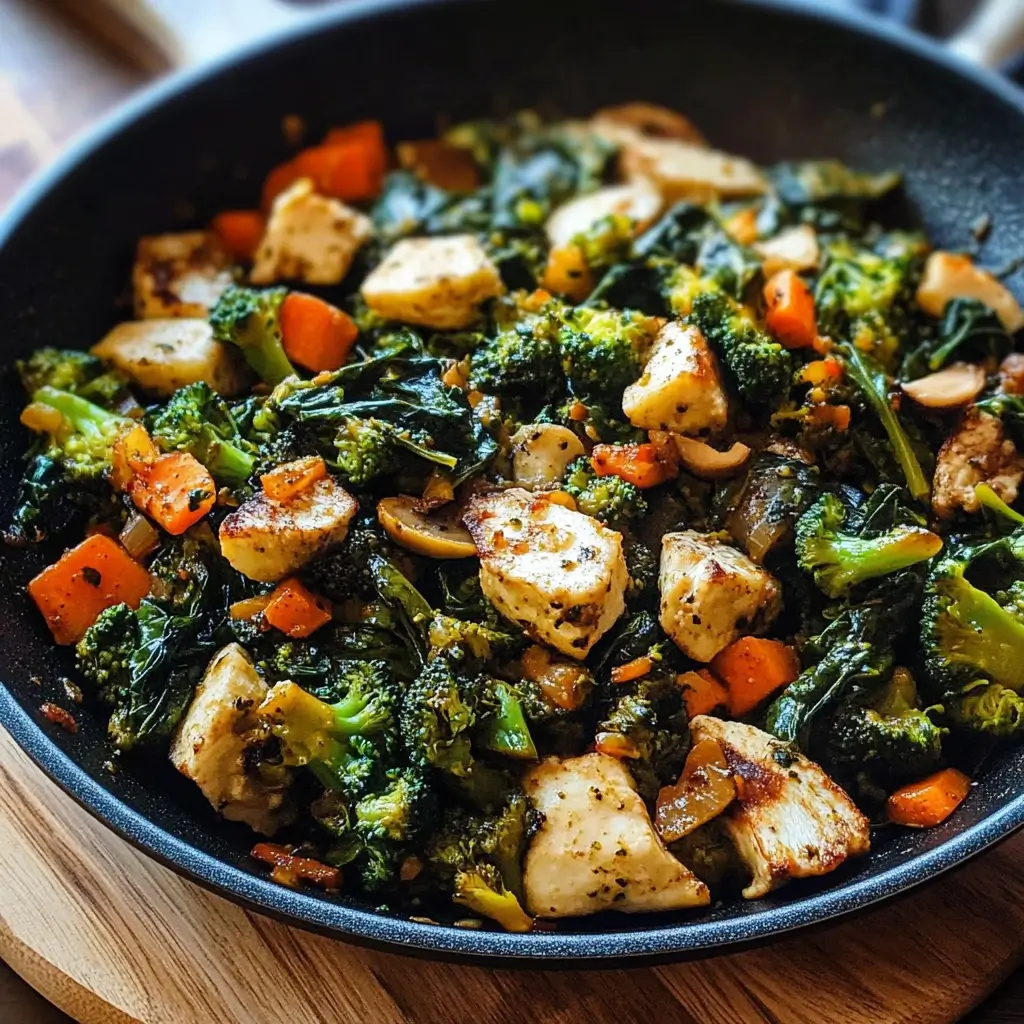
In our house, weeknights are a whirlwind of activity. Between after-school clubs, homework, and the general chaos of family life, finding time to cook a healthy and satisfying dinner can feel like a Herculean task. That’s where this Spinach Broccoli Skillet recipe has become an absolute lifesaver. Honestly, it’s a revelation! I stumbled upon it searching for a way to get more greens into our diets without the usual complaints (my kids can be… discerning when it comes to vegetables). What I discovered was a dish that’s not only incredibly easy to throw together in under 30 minutes, but also bursting with flavor and packed with nutrients. The first time I made it, I was a little skeptical – could something this simple actually taste good? The answer was a resounding YES! The subtle garlic and red pepper flakes perfectly complement the earthy spinach and broccoli, while a squeeze of lemon at the end brightens everything up. Even my pickiest eater, who usually avoids anything green like the plague, devoured a generous serving. It’s become a regular on our dinner table, and I’m constantly tweaking it with different cheeses or protein additions to keep things interesting. If you’re looking for a quick, healthy, and genuinely delicious way to get your daily dose of vegetables, look no further. This Spinach Broccoli Skillet is about to become your new weeknight staple.
Ingredients
This recipe uses simple, readily available ingredients that you might already have in your pantry and refrigerator. The beauty of this dish lies in its simplicity, allowing the fresh flavors of the vegetables to truly shine. Let’s break down each ingredient and discuss why it’s important and potential variations you might consider.
- 1 tablespoon Olive Oil: Olive oil is the foundation of this dish, providing a healthy fat source and acting as the cooking medium. Opt for extra virgin olive oil for the best flavor and nutritional benefits. Extra virgin olive oil is rich in antioxidants and monounsaturated fats, known for their heart-health benefits. You can also use avocado oil or coconut oil as alternatives, though olive oil imparts a classic Mediterranean flavor that works particularly well here. Using a good quality olive oil can significantly enhance the overall taste of the skillet.
- 2 cloves Garlic, minced: Garlic is a flavor powerhouse, adding a pungent and aromatic depth to the skillet. Freshly minced garlic is always preferred for its robust flavor compared to pre-minced garlic, which can sometimes lose its intensity. Garlic is also known for its health properties, containing compounds that may boost the immune system and have anti-inflammatory effects. If you’re a garlic lover, feel free to add an extra clove or two! For a milder garlic flavor, you can use roasted garlic instead of minced garlic.
- ¼ teaspoon Red Pepper Flakes (optional): A pinch of red pepper flakes provides a gentle warmth and subtle spice that elevates the dish without making it overly spicy. This is entirely optional, especially if you are cooking for young children or those sensitive to heat. If you enjoy a bit of kick, you can increase the amount to ½ teaspoon or even add a finely chopped chili for more pronounced heat. Red pepper flakes also add a visual appeal with their vibrant red specks scattered throughout the green vegetables.
- 1 pound Broccoli Florets, fresh or frozen: Broccoli is the star vegetable in this skillet, providing a hearty and slightly crunchy texture. You can use either fresh or frozen broccoli florets. Fresh broccoli is readily available and offers a slightly brighter flavor. When using fresh broccoli, ensure you cut the florets into bite-sized pieces for even cooking. Frozen broccoli is a convenient and budget-friendly alternative, especially when fresh broccoli is not in season. If using frozen broccoli, you don’t need to thaw it beforehand; simply add it directly to the skillet. Broccoli is a nutritional powerhouse, packed with vitamins C and K, fiber, and antioxidants.
- 5 ounces Baby Spinach, fresh: Baby spinach adds a delicate leafy green element to the skillet, wilting down beautifully and contributing a mild, slightly sweet flavor. Fresh baby spinach is preferred for its tenderness and vibrant green color. It cooks down quickly, so it’s important to add it towards the end of the cooking process. Spinach is an excellent source of vitamins A and K, iron, and folate. If you prefer, you can substitute mature spinach, but you may need to cook it slightly longer as it has tougher stems.
- ¼ cup Grated Parmesan Cheese: Parmesan cheese adds a salty, savory, and umami-rich flavor that complements the vegetables perfectly. Freshly grated Parmesan cheese is recommended for its superior flavor and texture compared to pre-grated Parmesan, which can sometimes be dry and less flavorful. Parmesan cheese also melts slightly into the skillet, creating a delicious cheesy coating. If you’re looking for a vegetarian or vegan option, you can use nutritional yeast for a cheesy flavor or omit the cheese altogether. Other hard cheeses like Pecorino Romano or Grana Padano can also be used as substitutes for Parmesan.
- 1 tablespoon Lemon Juice, fresh: Fresh lemon juice is the final flourish, adding a bright, acidic note that balances the richness of the olive oil and cheese and enhances the overall flavors of the vegetables. Freshly squeezed lemon juice is crucial for its vibrant and zesty flavor compared to bottled lemon juice, which can sometimes taste artificial. Lemon juice also helps to prevent the broccoli and spinach from becoming too bland and adds a refreshing element to the dish. A squeeze of lemon just before serving really elevates the skillet.
- Salt and Black Pepper, to taste: Salt and black pepper are essential seasonings to enhance the natural flavors of the ingredients. Season generously to taste, adjusting according to your preference. Freshly ground black pepper is recommended for its more aromatic and nuanced flavor compared to pre-ground pepper. Taste the skillet throughout the cooking process and adjust the seasoning as needed. Remember that Parmesan cheese is already salty, so you may need to use less additional salt.
Instructions
This Spinach Broccoli Skillet comes together quickly and easily in just a few simple steps. Following these instructions carefully will ensure perfectly cooked vegetables with maximum flavor. Let’s walk through each step in detail:
- Heat the Olive Oil: Place a large skillet, preferably cast iron or stainless steel, over medium heat. Once the skillet is heated, add the olive oil. Allow the oil to heat up for a few seconds until it shimmers. This ensures that the garlic and other ingredients will sauté properly without sticking. Using a skillet with good heat distribution is important for even cooking of the vegetables.
- Sauté Garlic and Red Pepper Flakes: Add the minced garlic and red pepper flakes (if using) to the hot olive oil. Sauté for about 1-2 minutes, or until the garlic becomes fragrant and lightly golden. Be careful not to burn the garlic, as burnt garlic can taste bitter. Sautéing the garlic in olive oil releases its aromatic compounds and infuses the oil with flavor, which will then be transferred to the vegetables. The red pepper flakes will also release their heat into the oil during this step.
- Add Broccoli Florets and Cook: Add the broccoli florets to the skillet. Stir to coat them evenly with the garlic-infused olive oil. Cook for about 5-7 minutes, stirring occasionally, until the broccoli is tender-crisp and bright green. Cooking the broccoli first allows it to soften slightly before adding the spinach, which cooks much faster. You want the broccoli to be tender but still retain a bit of bite, not mushy. If using frozen broccoli, you may need to cook it for a slightly longer time to ensure it’s heated through and tender. You can add a tablespoon or two of water to the skillet and cover it briefly to help steam the broccoli and speed up the cooking process if needed.
- Incorporate Spinach and Wilt: Add the fresh baby spinach to the skillet in handfuls. Stir continuously as the spinach wilts down. This will happen very quickly, usually within 1-2 minutes. Spinach cooks down significantly in volume, so don’t be alarmed if it seems like a lot at first. Continue stirring until all the spinach is wilted and incorporated into the broccoli mixture. Overcooking spinach can make it mushy, so it’s important to add it towards the end and cook it just until wilted.
- Season and Finish: Remove the skillet from the heat. Season generously with salt and black pepper to taste. Stir in the grated Parmesan cheese until it’s melted and evenly distributed throughout the skillet. Finally, squeeze fresh lemon juice over the skillet and stir gently to combine all the flavors. Taste and adjust seasoning if needed, adding more salt, pepper, or lemon juice according to your preference. The lemon juice is best added off the heat to preserve its fresh, bright flavor.
- Serve Immediately: Serve the Spinach Broccoli Skillet immediately while it’s hot and the vegetables are tender-crisp. Garnish with extra Parmesan cheese or a sprinkle of red pepper flakes if desired. This dish is best enjoyed fresh to appreciate the texture and vibrant flavors of the vegetables.
Nutrition Facts
This Spinach Broccoli Skillet is not only delicious but also a nutritional powerhouse. It’s packed with vitamins, minerals, and fiber, making it a healthy and satisfying meal or side dish. Please note that these are estimated values and can vary slightly depending on the specific ingredients used and portion sizes.
Servings: 4
Calories per Serving (Estimated): 150-200 calories
Approximate Nutritional Breakdown per Serving:
- Protein: 8-10 grams
- Fat: 10-12 grams (primarily from olive oil and Parmesan cheese, including healthy monounsaturated fats)
- Saturated Fat: 3-4 grams
- Cholesterol: 15-20 mg
- Sodium: 250-300 mg (can vary based on salt added and Parmesan cheese salt content)
- Carbohydrates: 8-10 grams
- Fiber: 4-5 grams
- Sugar: 2-3 grams (naturally occurring sugars in vegetables)
Vitamins and Minerals (Significant amounts per serving):
- Vitamin K: Excellent source (Spinach and Broccoli)
- Vitamin C: Excellent source (Broccoli and Spinach)
- Vitamin A: Good source (Spinach)
- Folate (Vitamin B9): Good source (Spinach and Broccoli)
- Iron: Good source (Spinach)
- Calcium: Moderate source (Parmesan cheese and Broccoli)
- Potassium: Moderate source (Broccoli and Spinach)
Health Benefits:
- Rich in Antioxidants: Broccoli and spinach are rich in antioxidants that help protect cells from damage.
- High in Fiber: Promotes digestive health and helps with satiety.
- Good Source of Vitamins and Minerals: Contributes to overall health and well-being.
- Relatively Low in Calories: A healthy option for weight management.
- Vegetarian and Gluten-Free: Suitable for various dietary needs.
This skillet is a great way to incorporate more green vegetables into your diet. It’s a nutrient-dense dish that provides essential vitamins and minerals while being relatively low in calories, making it a healthy choice for a side dish or light meal.
Preparation Time
The beauty of this Spinach Broccoli Skillet is its speed and simplicity. It’s perfect for busy weeknights when you need a healthy meal on the table quickly.
Total Time: Approximately 20-25 minutes
Breakdown:
- Prep Time: 5-7 minutes (This includes washing and chopping broccoli, mincing garlic, and measuring ingredients). If using pre-cut broccoli florets, prep time will be even shorter.
- Cook Time: 15-18 minutes (This includes sautéing garlic, cooking broccoli, and wilting spinach). The actual cook time might vary slightly depending on the heat of your stove and the size of your skillet.
Tips to Speed Up Preparation:
- Use Pre-cut Broccoli Florets: Buying pre-cut broccoli florets saves significant prep time.
- Frozen Broccoli: Using frozen broccoli eliminates the need for washing and chopping.
- Pre-minced Garlic (in moderation): While fresh garlic is preferred, using pre-minced garlic can save a minute or two if you are really pressed for time.
- Organize Ingredients: Have all your ingredients measured and ready to go before you start cooking. This “mise en place” approach streamlines the cooking process.
With minimal prep and a short cooking time, this Spinach Broccoli Skillet is a truly quick and easy way to get a healthy and delicious meal on the table in under 30 minutes.
How to Serve
This versatile Spinach Broccoli Skillet can be served in a variety of ways, making it a flexible addition to your meal plan. Here are some delicious serving suggestions:
- As a Side Dish:
- Alongside Protein: Perfect paired with grilled chicken, baked salmon, pan-seared steak, or roasted tofu. The vegetables provide a healthy and flavorful counterpoint to the protein.
- With Grains: Serve with quinoa, brown rice, couscous, or farro for a balanced and satisfying meal. The skillet adds vegetables and flavor to simple grains.
- Pasta Accompaniment: Serve alongside pasta dishes, especially those with lighter sauces like lemon butter or garlic and olive oil. It adds a healthy vegetable component to pasta meals.
- As a Light Main Dish:
- Over Polenta or Grits: Spoon the skillet over creamy polenta or grits for a comforting and vegetarian main course.
- With a Fried Egg: Top with a fried or poached egg for added protein and richness. This makes it a delicious and quick brunch or light dinner option.
- Stuffed into Omelets or Frittatas: Add the skillet to omelets or frittatas for a vegetable-packed breakfast or brunch.
- In a Grain Bowl: Build a healthy grain bowl with quinoa or brown rice, the spinach broccoli skillet, and other toppings like chickpeas, avocado, or a tahini dressing.
- Garnish and Enhancements:
- Extra Parmesan Cheese: Sprinkle with additional grated Parmesan cheese just before serving for an extra cheesy touch.
- Toasted Pine Nuts or Almonds: Add a sprinkle of toasted pine nuts or slivered almonds for added texture and nutty flavor.
- Fresh Herbs: Garnish with fresh herbs like chopped parsley, chives, or basil for added freshness and aroma.
- Lemon Wedges: Serve with extra lemon wedges on the side for those who like an extra squeeze of lemon.
- Crushed Red Pepper Flakes: For those who like a bit more heat, offer extra crushed red pepper flakes at the table.
The Spinach Broccoli Skillet is incredibly adaptable and can be incorporated into many different meal styles. Experiment with these serving suggestions to find your favorite way to enjoy it!
Additional Tips for the Best Spinach Broccoli Skillet
To ensure your Spinach Broccoli Skillet is always perfect, here are five additional tips to keep in mind:
- Don’t Overcook the Broccoli: The key to a delicious skillet is tender-crisp broccoli. Avoid overcooking it, which can make it mushy and lose its vibrant green color. Cook it just until it’s tender but still has a slight bite. Testing with a fork is a good way to check for doneness.
- Wilt Spinach Just Right: Spinach cooks very quickly. Add it towards the end and cook just until it wilts. Overcooked spinach can become slimy and lose its texture. Stirring constantly will help it wilt evenly and quickly.
- Season Generously: Don’t be shy with seasoning! Salt and pepper are crucial for bringing out the flavors of the vegetables. Taste and adjust seasoning throughout the cooking process. Remember that Parmesan cheese is also salty, so adjust your salt accordingly.
- Fresh Lemon Juice is Key: Freshly squeezed lemon juice makes a significant difference in the final flavor. It brightens up the dish and balances the richness. Avoid bottled lemon juice if possible, as it lacks the same fresh and vibrant taste.
- Customize with Add-Ins: Feel free to customize this skillet to your liking! Consider adding:
- Protein: Cooked chicken, shrimp, chickpeas, or white beans for a heartier meal.
- Other Vegetables: Mushrooms, bell peppers, or asparagus can be added along with the broccoli.
- Different Cheeses: Try using feta cheese, goat cheese, or mozzarella for a different flavor profile.
- Spices: Experiment with different spices like garlic powder, onion powder, or Italian seasoning.
By keeping these tips in mind, you can consistently create a delicious and satisfying Spinach Broccoli Skillet that everyone will love.
Frequently Asked Questions (FAQ)
Here are some frequently asked questions about the Spinach Broccoli Skillet recipe to help you make it perfectly every time:
Q1: Can I use frozen spinach instead of fresh?
A: Yes, you can use frozen spinach. Thaw the frozen spinach completely and squeeze out as much excess water as possible before adding it to the skillet. Frozen spinach tends to be wetter than fresh spinach, so removing the excess water will prevent the skillet from becoming watery. You will generally use about half the amount of frozen spinach compared to fresh spinach, as frozen spinach is more compact. About 2.5 ounces of frozen spinach would be equivalent to 5 ounces of fresh baby spinach.
Q2: What if I don’t have Parmesan cheese? Can I use a substitute?
A: Absolutely! If you don’t have Parmesan cheese, you can use other hard cheeses like Pecorino Romano or Grana Padano. For a vegetarian or vegan option, nutritional yeast provides a cheesy, umami flavor. You can also use a sprinkle of shredded cheddar or mozzarella for a milder cheesy taste, although these will melt more readily and might change the texture slightly. If you prefer to omit cheese altogether, the skillet will still be delicious, but it will lack the salty, savory depth that cheese provides.
Q3: Can I make this skillet ahead of time?
A: While this skillet is best enjoyed fresh for optimal texture, you can prepare the broccoli ahead of time. You can blanch the broccoli florets briefly (boil for 2-3 minutes then immediately plunge into ice water) and store them in the refrigerator for up to a day. Then, when you’re ready to cook, you can start by sautéing the garlic and then adding the blanched broccoli to the skillet. However, it’s generally recommended to cook the entire skillet just before serving for the best texture and flavor, especially for the spinach which is best when freshly wilted. Leftovers can be stored in the refrigerator for 1-2 days, but the texture of the broccoli and spinach may soften slightly upon reheating.
Q4: How can I make this recipe spicier?
A: If you want to increase the spice level, you have several options. You can add more red pepper flakes, up to ½ teaspoon or even a full teaspoon if you like it very spicy. You can also add a pinch of cayenne pepper or a dash of hot sauce to the skillet. For a different kind of heat, consider adding a finely chopped fresh chili pepper, like a jalapeño or serrano chili, along with the garlic. Remember to adjust the amount of spice according to your personal preference and tolerance for heat.
Q5: Is this recipe gluten-free and vegetarian?
A: Yes, this Spinach Broccoli Skillet recipe is naturally gluten-free and vegetarian. All the ingredients used are gluten-free and plant-based, with the exception of Parmesan cheese, which is vegetarian (though not vegan). To make it vegan, simply omit the Parmesan cheese or use a vegan Parmesan cheese alternative or nutritional yeast. Ensure that any olive oil or other ingredients you use are certified gluten-free if you are strictly following a gluten-free diet, although olive oil and basic vegetables are naturally gluten-free. This makes it a great option for people with gluten sensitivities or those following vegetarian or vegan diets (with the cheese modification for vegans).
Print
Spinach Broccoli Skillet Recipe
Ingredients
- 1 tablespoon Olive Oil: Olive oil is the foundation of this dish, providing a healthy fat source and acting as the cooking medium. Opt for extra virgin olive oil for the best flavor and nutritional benefits. Extra virgin olive oil is rich in antioxidants and monounsaturated fats, known for their heart-health benefits. You can also use avocado oil or coconut oil as alternatives, though olive oil imparts a classic Mediterranean flavor that works particularly well here. Using a good quality olive oil can significantly enhance the overall taste of the skillet.
- 2 cloves Garlic, minced: Garlic is a flavor powerhouse, adding a pungent and aromatic depth to the skillet. Freshly minced garlic is always preferred for its robust flavor compared to pre-minced garlic, which can sometimes lose its intensity. Garlic is also known for its health properties, containing compounds that may boost the immune system and have anti-inflammatory effects. If you’re a garlic lover, feel free to add an extra clove or two! For a milder garlic flavor, you can use roasted garlic instead of minced garlic.
- ¼ teaspoon Red Pepper Flakes (optional): A pinch of red pepper flakes provides a gentle warmth and subtle spice that elevates the dish without making it overly spicy. This is entirely optional, especially if you are cooking for young children or those sensitive to heat. If you enjoy a bit of kick, you can increase the amount to ½ teaspoon or even add a finely chopped chili for more pronounced heat. Red pepper flakes also add a visual appeal with their vibrant red specks scattered throughout the green vegetables.
- 1 pound Broccoli Florets, fresh or frozen: Broccoli is the star vegetable in this skillet, providing a hearty and slightly crunchy texture. You can use either fresh or frozen broccoli florets. Fresh broccoli is readily available and offers a slightly brighter flavor. When using fresh broccoli, ensure you cut the florets into bite-sized pieces for even cooking. Frozen broccoli is a convenient and budget-friendly alternative, especially when fresh broccoli is not in season. If using frozen broccoli, you don’t need to thaw it beforehand; simply add it directly to the skillet. Broccoli is a nutritional powerhouse, packed with vitamins C and K, fiber, and antioxidants.
- 5 ounces Baby Spinach, fresh: Baby spinach adds a delicate leafy green element to the skillet, wilting down beautifully and contributing a mild, slightly sweet flavor. Fresh baby spinach is preferred for its tenderness and vibrant green color. It cooks down quickly, so it’s important to add it towards the end of the cooking process. Spinach is an excellent source of vitamins A and K, iron, and folate. If you prefer, you can substitute mature spinach, but you may need to cook it slightly longer as it has tougher stems.
- ¼ cup Grated Parmesan Cheese: Parmesan cheese adds a salty, savory, and umami-rich flavor that complements the vegetables perfectly. Freshly grated Parmesan cheese is recommended for its superior flavor and texture compared to pre-grated Parmesan, which can sometimes be dry and less flavorful. Parmesan cheese also melts slightly into the skillet, creating a delicious cheesy coating. If you’re looking for a vegetarian or vegan option, you can use nutritional yeast for a cheesy flavor or omit the cheese altogether. Other hard cheeses like Pecorino Romano or Grana Padano can also be used as substitutes for Parmesan.
- 1 tablespoon Lemon Juice, fresh: Fresh lemon juice is the final flourish, adding a bright, acidic note that balances the richness of the olive oil and cheese and enhances the overall flavors of the vegetables. Freshly squeezed lemon juice is crucial for its vibrant and zesty flavor compared to bottled lemon juice, which can sometimes taste artificial. Lemon juice also helps to prevent the broccoli and spinach from becoming too bland and adds a refreshing element to the dish. A squeeze of lemon just before serving really elevates the skillet.
- Salt and Black Pepper, to taste: Salt and black pepper are essential seasonings to enhance the natural flavors of the ingredients. Season generously to taste, adjusting according to your preference. Freshly ground black pepper is recommended for its more aromatic and nuanced flavor compared to pre-ground pepper. Taste the skillet throughout the cooking process and adjust the seasoning as needed. Remember that Parmesan cheese is already salty, so you may need to use less additional salt.
Instructions
- Heat the Olive Oil: Place a large skillet, preferably cast iron or stainless steel, over medium heat. Once the skillet is heated, add the olive oil. Allow the oil to heat up for a few seconds until it shimmers. This ensures that the garlic and other ingredients will sauté properly without sticking. Using a skillet with good heat distribution is important for even cooking of the vegetables.
- Sauté Garlic and Red Pepper Flakes: Add the minced garlic and red pepper flakes (if using) to the hot olive oil. Sauté for about 1-2 minutes, or until the garlic becomes fragrant and lightly golden. Be careful not to burn the garlic, as burnt garlic can taste bitter. Sautéing the garlic in olive oil releases its aromatic compounds and infuses the oil with flavor, which will then be transferred to the vegetables. The red pepper flakes will also release their heat into the oil during this step.
- Add Broccoli Florets and Cook: Add the broccoli florets to the skillet. Stir to coat them evenly with the garlic-infused olive oil. Cook for about 5-7 minutes, stirring occasionally, until the broccoli is tender-crisp and bright green. Cooking the broccoli first allows it to soften slightly before adding the spinach, which cooks much faster. You want the broccoli to be tender but still retain a bit of bite, not mushy. If using frozen broccoli, you may need to cook it for a slightly longer time to ensure it’s heated through and tender. You can add a tablespoon or two of water to the skillet and cover it briefly to help steam the broccoli and speed up the cooking process if needed.
- Incorporate Spinach and Wilt: Add the fresh baby spinach to the skillet in handfuls. Stir continuously as the spinach wilts down. This will happen very quickly, usually within 1-2 minutes. Spinach cooks down significantly in volume, so don’t be alarmed if it seems like a lot at first. Continue stirring until all the spinach is wilted and incorporated into the broccoli mixture. Overcooking spinach can make it mushy, so it’s important to add it towards the end and cook it just until wilted.
- Season and Finish: Remove the skillet from the heat. Season generously with salt and black pepper to taste. Stir in the grated Parmesan cheese until it’s melted and evenly distributed throughout the skillet. Finally, squeeze fresh lemon juice over the skillet and stir gently to combine all the flavors. Taste and adjust seasoning if needed, adding more salt, pepper, or lemon juice according to your preference. The lemon juice is best added off the heat to preserve its fresh, bright flavor.
- Serve Immediately: Serve the Spinach Broccoli Skillet immediately while it’s hot and the vegetables are tender-crisp. Garnish with extra Parmesan cheese or a sprinkle of red pepper flakes if desired. This dish is best enjoyed fresh to appreciate the texture and vibrant flavors of the vegetables.
Nutrition
- Serving Size: one normal portion
- Calories: 150-200
- Sugar: 2-3 grams
- Sodium: 250-300 mg
- Fat: 10-12 grams
- Saturated Fat: 3-4 grams
- Carbohydrates: 8-10 grams
- Fiber: 4-5 grams
- Protein: 8-10 grams
- Cholesterol: 15-20 mg