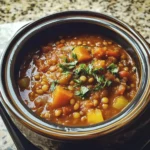



There’s something undeniably magical about a pot of beef stew simmering away on the stovetop, especially as the days grow shorter and a chill nips at the air. For my family, this Stovetop Beef Stew isn’t just a meal; it’s an event. I remember the first time I perfected this particular recipe. The aroma alone was enough to draw everyone to the kitchen, their noses twitching with anticipation. My usually picky youngest, who often eyes new dishes with suspicion, took one bite of the tender, fall-apart beef and the rich, savory gravy, and his eyes lit up. “Mom, this is the best!” he declared, a sentiment quickly echoed by everyone else around the table. Since then, it’s become a cherished family favorite, a go-to for cozy Sunday dinners, and the perfect comfort food to share with friends. The beauty of this recipe lies in its simplicity and the depth of flavor achieved with straightforward ingredients and a little bit of patience. It’s a culinary hug in a bowl, and I’m thrilled to share how you can bring this warmth and deliciousness to your own table.
The Ultimate Stovetop Beef Stew: A Hearty Delight
This recipe focuses on building layers of flavor, from searing the beef to simmering the vegetables until perfectly tender in a rich, luscious gravy. It’s designed to be straightforward enough for a weeknight if you plan, but special enough for a weekend gathering.
Ingredients: Gathering Your Flavor Arsenal
Here’s what you’ll need to create this masterpiece of comfort:
- For the Beef:
- 2.5 lbs (about 1.15 kg) boneless beef chuck, cut into 1.5 to 2-inch cubes
- 1/3 cup (around 40g) all-purpose flour
- 1.5 teaspoons kosher salt (or 1 teaspoon table salt), plus more to taste
- 1 teaspoon freshly ground black pepper, plus more to taste
- 2-3 tablespoons olive oil or vegetable oil, divided
- Aromatics & Flavor Base:
- 1 large yellow onion, chopped (about 1.5 cups)
- 3-4 cloves garlic, minced (about 1 tablespoon)
- 2 large carrots, peeled and sliced into 1/2-inch thick rounds (about 1.5 cups)
- 3 celery stalks, sliced into 1/2-inch thick pieces (about 1 cup)
- 1 cup dry red wine (optional, but recommended for depth; e.g., Cabernet Sauvignon, Merlot. Substitute with additional beef broth if omitting)
- 4 cups (32 fl oz or about 950ml) low-sodium beef broth or stock
- 2 tablespoons tomato paste
- 1 tablespoon Worcestershire sauce
- 1 teaspoon dried thyme (or 1 tablespoon fresh thyme leaves)
- 1/2 teaspoon dried rosemary, crushed (or 1 teaspoon fresh rosemary, minced)
- 2 bay leaves
- Vegetables (added later):
- 1.5 lbs (about 680g) potatoes (Yukon Gold or Russet recommended), peeled and cut into 1-inch cubes
- 1 cup frozen peas (optional, added at the end)
- 1/4 cup fresh parsley, chopped (for garnish)
- For the Slurry (Optional, for thickening):
- 2 tablespoons cornstarch (or all-purpose flour)
- 2-3 tablespoons cold water
Instructions: Crafting Your Comforting Stew Step-by-Step
Patience is key to a truly remarkable beef stew. Don’t rush the browning or the simmering process!
- Prepare the Beef: Pat the beef cubes thoroughly dry with paper towels. This is crucial for achieving a good sear. In a large bowl, toss the beef cubes with the flour, 1.5 teaspoons of kosher salt, and 1 teaspoon of black pepper until evenly coated. The flour helps with browning and slightly thickens the stew.
- Sear the Beef: Heat 1.5 tablespoons of olive oil in a large, heavy-bottomed pot or Dutch oven over medium-high heat until the oil shimmers. Working in batches to avoid overcrowding the pan (which would steam the meat instead of searing it), add the beef cubes in a single layer. Sear for 2-3 minutes per side, until deeply browned and a rich crust forms. Don’t move the beef around too much while it’s searing. Transfer the browned beef to a clean plate and set aside. Add the remaining oil if needed for subsequent batches.
- Sauté Aromatics: Reduce the heat to medium. Add the chopped onion to the same pot (no need to clean it; those browned bits are flavor!). Sauté for 5-7 minutes, or until softened and translucent, scraping up any browned bits from the bottom of the pot. Add the sliced carrots and celery and cook for another 5 minutes, stirring occasionally, until they begin to soften.
- Build Flavor Base: Stir in the minced garlic and cook for 1 minute more, until fragrant. Be careful not to burn the garlic. Add the tomato paste and cook, stirring constantly, for 1-2 minutes. This “toasts” the tomato paste and deepens its flavor.
- Deglaze (If using wine): If using red wine, pour it into the pot. Bring to a simmer, scraping the bottom of the pot vigorously with a wooden spoon to loosen all the flavorful browned bits (fond). Let the wine reduce by about half, which should take 3-5 minutes. This concentrates the flavor and cooks off the alcohol taste. If not using wine, you can deglaze with about 1/2 cup of the beef broth.
- Combine and Simmer: Return the seared beef (and any accumulated juices from the plate) to the pot. Pour in the beef broth. Add the Worcestershire sauce, dried thyme, dried rosemary, and bay leaves. Stir everything together to combine. The liquid should mostly cover the beef; add a little more broth or water if necessary.
- Low and Slow Simmer: Bring the stew to a gentle simmer. Once simmering, reduce the heat to low, cover the pot, and let it cook for at least 1.5 to 2 hours, or until the beef is becoming tender. Stir occasionally to prevent sticking. The longer it simmers, the more tender the beef will be.
- Add Potatoes: After the initial simmer, add the cubed potatoes to the pot. Stir gently to incorporate them. Ensure they are mostly submerged in the liquid. Cover and continue to simmer for another 30-45 minutes, or until the potatoes are fork-tender and the beef is exceptionally tender (it should fall apart easily).
- Thicken (Optional): If you prefer a thicker gravy, now is the time to make a slurry. In a small bowl, whisk together the cornstarch (or flour) with 2-3 tablespoons of cold water until smooth. Slowly pour the slurry into the simmering stew, stirring constantly, until the gravy reaches your desired consistency. Let it simmer for another 2-3 minutes to cook out any starchy taste.
- Add Peas (Optional) & Final Seasoning: If using frozen peas, stir them in during the last 5 minutes of cooking. They just need to heat through. Remove the bay leaves. Taste the stew and adjust seasoning with additional salt and pepper as needed. Remember, seasoning is crucial for the final taste.
- Rest and Serve: Turn off the heat and let the stew rest for at least 10-15 minutes before serving. This allows the flavors to meld further and the stew to cool slightly. Garnish generously with fresh chopped parsley.
Nutrition Facts: A Look at the Goodness
- Servings: This recipe generously serves 6-8 people.
- Calories per serving (approximate): Around 450-550 calories per serving, depending on the exact cut of beef, amount of oil used, and serving size. This estimate assumes 8 servings. This is a hearty, satisfying meal, rich in protein and vegetables.
Disclaimer: Nutritional information is an estimate and can vary based on specific ingredients and portion sizes.
Preparation Time: Planning Your Culinary Journey
Understanding the time commitment helps in planning this delightful meal.
- Prep Time: Approximately 30-40 minutes (chopping vegetables, cubing and flouring beef).
- Cook Time: Approximately 2.5 – 3.5 hours (including searing, initial simmer, and simmering with potatoes).
- Total Time: Approximately 3 – 4 hours.
While it takes time, most of it is hands-off simmering, allowing the stovetop to do the heavy lifting while your home fills with an irresistible aroma.
How to Serve: Elevating Your Beef Stew Experience
Serving beef stew is more than just ladling it into a bowl. Here are some ideas to make it a complete and memorable meal:
- Classic Companions:
- Crusty Bread: Absolutely essential for soaking up every last bit of that rich gravy. Think sourdough, a French baguette, or a rustic whole wheat loaf. Warm it slightly for an extra touch.
- Mashed Potatoes: For an ultra-comforting experience, serve the stew over a generous dollop of creamy mashed potatoes. The gravy mingling with the potatoes is pure bliss.
- Egg Noodles: Wide egg noodles are a fantastic base, their tender texture complementing the hearty stew.
- Fluffy Rice: Simple white or brown rice can also serve as a great bed for the stew, absorbing the flavors beautifully.
- Garnishes:
- Fresh Parsley: As mentioned in the recipe, a sprinkle of fresh, chopped flat-leaf parsley adds a burst of color and freshness.
- Fresh Thyme Sprigs: A small sprig of fresh thyme can enhance the herby aroma.
- Chives: Finely snipped chives offer a mild oniony note.
- A Dollop of Sour Cream or Greek Yogurt: Adds a tangy creaminess that contrasts nicely with the rich stew, especially if it has a bit of a spicy kick (if you added cayenne, for instance).
- Side Dishes (if you want more):
- Simple Green Salad: A light green salad with a vinaigrette dressing can provide a refreshing contrast to the richness of the stew.
- Steamed Green Beans or Asparagus: Adds more green to the plate and a different texture.
- Presentation:
- Individual Bowls: Serve in deep, rustic bowls to keep the stew warm.
- Family Style: Ladle into a large tureen or serving bowl placed in the center of the table for a communal feel.
- Drink Pairings:
- Red Wine: The same red wine used in the recipe (like a Cabernet Sauvignon or Merlot) would be an excellent pairing.
- Dark Beer: A stout or porter can also complement the rich, beefy flavors.
- Sparkling Water with Lemon: For a non-alcoholic option, this provides a refreshing palate cleanser.
Additional Tips for Stovetop Beef Stew Perfection
Unlock even more flavor and ensure success with these five expert tips:
- Choose the Right Cut of Beef: Don’t skimp on the beef quality, but you don’t need the most expensive cuts. Beef chuck is ideal for stewing. It’s well-marbled with fat and connective tissue (collagen). During the long, slow cooking process, this collagen breaks down into gelatin, making the meat incredibly tender and adding richness and body to the gravy. Look for chuck roast, shoulder steak, or even pre-cut “stew meat” (though cubing your own often yields better quality and size consistency). Avoid lean cuts like sirloin or tenderloin, as they will become tough and dry with long cooking.
- Don’t Skip the Sear (Maillard Magic!): Searing the beef is arguably the most crucial step for developing deep, complex flavor. This browning process is called the Maillard reaction, a chemical reaction between amino acids and reducing sugars that gives browned food its distinctive taste. To achieve a proper sear:
- Pat the beef completely dry.
- Don’t overcrowd the pan; sear in batches.
- Use medium-high heat and let the beef develop a dark brown crust before flipping.
Those browned bits (fond) left in the pan are pure gold – make sure to scrape them up when you deglaze!
- Layer Your Flavors Thoughtfully: Great stew isn’t just about beef and potatoes; it’s about building layers of flavor at each stage.
- Aromatics: Sautéing onions, carrots, and celery until softened releases their sweetness. Cooking garlic until fragrant (but not burnt) adds pungency.
- Tomato Paste: Toasting the tomato paste for a minute or two before adding liquids deepens its umami flavor and reduces any tinny taste.
- Deglazing: Using wine or broth to scrape up the fond from the bottom of the pot incorporates all that concentrated seared flavor back into the stew.
- Herbs: Use a combination of robust herbs like thyme and rosemary. Bay leaves add a subtle background note. Fresh herbs at the end brighten everything up.
- Embrace the Low and Slow Simmer: Resist the urge to boil your stew vigorously. A gentle, low simmer is what tenderizes the beef and allows the flavors to meld beautifully without making the meat tough or the vegetables mushy. Keep the lid on to prevent too much liquid from evaporating, but you can leave it slightly ajar if you want the sauce to reduce and thicken a bit more naturally. Check periodically and give it a gentle stir. The beef is ready when it’s fork-tender and easily shreds.
- Taste and Adjust Seasoning at the End: This might seem obvious, but it’s critically important. Flavors concentrate and change during the long cooking process. What tasted perfectly seasoned at the beginning might be bland or unbalanced by the end. Once the stew is fully cooked:
- Remove the bay leaves.
- Taste the broth carefully. Does it need more salt? A pinch can make all the difference.
- More black pepper?
- A splash of Worcestershire sauce or even a tiny bit of balsamic vinegar or lemon juice can brighten and balance the flavors if it tastes flat. Don’t be afraid to adjust until it sings!
FAQ: Your Stovetop Beef Stew Questions Answered
Here are answers to some common questions about making beef stew:
- Q: Can I make this beef stew in a slow cooker or Instant Pot?
- A: Yes, absolutely!
- Slow Cooker: Follow steps 1-5 (searing beef, sautéing aromatics, deglazing) on the stovetop using the insert of your slow cooker if it’s stovetop-safe, or in a separate pan. Then transfer everything to the slow cooker. Add the remaining ingredients (broth, seasonings, beef) EXCEPT for the potatoes and peas. Cook on LOW for 6-8 hours or HIGH for 3-4 hours. Add the potatoes during the last 1-2 hours of cooking (depending on low/high setting). Stir in peas (if using) and any slurry for thickening during the last 30 minutes.
- Instant Pot: Use the “Sauté” function for steps 1-5. After deglazing, add the beef back, broth, seasonings, and potatoes. Secure the lid, set the valve to “Sealing,” and cook on “Manual” or “Pressure Cook” (High Pressure) for 30-35 minutes. Allow for a 10-15 minute natural pressure release, then quick release any remaining pressure. Stir in peas (if using) and thicken with a slurry on “Sauté” mode if needed.
- A: Yes, absolutely!
- Q: My gravy isn’t thick enough. How can I thicken it?
- A: There are several ways:
- Slurry (recommended): Mix 1-2 tablespoons of cornstarch or all-purpose flour with an equal amount of COLD water until smooth. Slowly whisk this into the simmering stew and cook for a few minutes until thickened. Cornstarch gives a glossier finish.
- Beurre Manié: Knead together equal parts softened butter and flour to form a paste. Whisk small bits of this paste into the simmering stew until it thickens.
- Reduce: Remove the lid and let the stew simmer gently for a bit longer, allowing some of the excess liquid to evaporate and naturally thicken the sauce. This concentrates flavors too.
- Mashed Potato Flakes: A tablespoon or two of instant mashed potato flakes can also thicken the stew subtly.
- A: There are several ways:
- Q: What’s the best way to store and reheat leftover beef stew?
- A: Let the stew cool completely at room temperature (no more than 2 hours) before transferring it to an airtight container. Store it in the refrigerator for up to 3-4 days. For longer storage, beef stew freezes beautifully for up to 3 months. Thaw frozen stew in the refrigerator overnight.
- Reheating: Reheat gently on the stovetop over medium-low heat, stirring occasionally, until warmed through. You may need to add a splash of beef broth or water if the gravy has thickened too much. You can also reheat individual portions in the microwave.
- A: Let the stew cool completely at room temperature (no more than 2 hours) before transferring it to an airtight container. Store it in the refrigerator for up to 3-4 days. For longer storage, beef stew freezes beautifully for up to 3 months. Thaw frozen stew in the refrigerator overnight.
- Q: Can I add other vegetables to the stew?
- A: Definitely! Beef stew is very versatile. Consider adding:
- Mushrooms: Sauté sliced cremini or button mushrooms with the onions.
- Parsnips or Turnips: Cube them like potatoes and add them at the same time. They add a slightly sweet, earthy flavor.
- Sweet Potatoes: Add them along with or instead of regular potatoes for a different flavor profile.
- Butternut Squash: Add cubed butternut squash during the last hour of cooking.
- Green Beans: Add fresh or frozen cut green beans during the last 20-30 minutes of cooking.
- A: Definitely! Beef stew is very versatile. Consider adding:
- Q: I don’t want to use red wine. What are good substitutes?
- A: While red wine adds a wonderful depth of flavor, you can absolutely make a delicious stew without it. The best substitute is simply an equal amount of additional beef broth or stock. You can also consider:
- Non-alcoholic red wine: If it’s the alcohol you’re avoiding but still want the flavor profile.
- A splash of red wine vinegar or balsamic vinegar: Add about 1-2 teaspoons towards the end of cooking to provide some acidity and complexity.
- Cranberry or pomegranate juice (unsweetened): Use a smaller amount (e.g., 1/4 to 1/2 cup) as they can be quite tart or sweet. They can add a nice fruity depth.
If omitting wine, ensure you still deglaze the pan thoroughly with whatever liquid substitute you choose to capture all those flavorful browned bits.
- A: While red wine adds a wonderful depth of flavor, you can absolutely make a delicious stew without it. The best substitute is simply an equal amount of additional beef broth or stock. You can also consider:
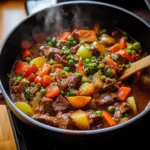
Stovetop Beef Stew Recipe
Ingredients
- For the Beef:
- 2.5 lbs (about 1.15 kg) boneless beef chuck, cut into 1.5 to 2-inch cubes
- 1/3 cup (around 40g) all-purpose flour
- 1.5 teaspoons kosher salt (or 1 teaspoon table salt), plus more to taste
- 1 teaspoon freshly ground black pepper, plus more to taste
- 2–3 tablespoons olive oil or vegetable oil, divided
- Aromatics & Flavor Base:
- 1 large yellow onion, chopped (about 1.5 cups)
- 3–4 cloves garlic, minced (about 1 tablespoon)
- 2 large carrots, peeled and sliced into 1/2-inch thick rounds (about 1.5 cups)
- 3 celery stalks, sliced into 1/2-inch thick pieces (about 1 cup)
- 1 cup dry red wine (optional, but recommended for depth; e.g., Cabernet Sauvignon, Merlot. Substitute with additional beef broth if omitting)
- 4 cups (32 fl oz or about 950ml) low-sodium beef broth or stock
- 2 tablespoons tomato paste
- 1 tablespoon Worcestershire sauce
- 1 teaspoon dried thyme (or 1 tablespoon fresh thyme leaves)
- 1/2 teaspoon dried rosemary, crushed (or 1 teaspoon fresh rosemary, minced)
- 2 bay leaves
- Vegetables (added later):
- 1.5 lbs (about 680g) potatoes (Yukon Gold or Russet recommended), peeled and cut into 1-inch cubes
- 1 cup frozen peas (optional, added at the end)
- 1/4 cup fresh parsley, chopped (for garnish)
- For the Slurry (Optional, for thickening):
- 2 tablespoons cornstarch (or all-purpose flour)
- 2–3 tablespoons cold water
Instructions
- Prepare the Beef: Pat the beef cubes thoroughly dry with paper towels. This is crucial for achieving a good sear. In a large bowl, toss the beef cubes with the flour, 1.5 teaspoons of kosher salt, and 1 teaspoon of black pepper until evenly coated. The flour helps with browning and slightly thickens the stew.
- Sear the Beef: Heat 1.5 tablespoons of olive oil in a large, heavy-bottomed pot or Dutch oven over medium-high heat until the oil shimmers. Working in batches to avoid overcrowding the pan (which would steam the meat instead of searing it), add the beef cubes in a single layer. Sear for 2-3 minutes per side, until deeply browned and a rich crust forms. Don’t move the beef around too much while it’s searing. Transfer the browned beef to a clean plate and set aside. Add the remaining oil if needed for subsequent batches.
- Sauté Aromatics: Reduce the heat to medium. Add the chopped onion to the same pot (no need to clean it; those browned bits are flavor!). Sauté for 5-7 minutes, or until softened and translucent, scraping up any browned bits from the bottom of the pot. Add the sliced carrots and celery and cook for another 5 minutes, stirring occasionally, until they begin to soften.
- Build Flavor Base: Stir in the minced garlic and cook for 1 minute more, until fragrant. Be careful not to burn the garlic. Add the tomato paste and cook, stirring constantly, for 1-2 minutes. This “toasts” the tomato paste and deepens its flavor.
- Deglaze (If using wine): If using red wine, pour it into the pot. Bring to a simmer, scraping the bottom of the pot vigorously with a wooden spoon to loosen all the flavorful browned bits (fond). Let the wine reduce by about half, which should take 3-5 minutes. This concentrates the flavor and cooks off the alcohol taste. If not using wine, you can deglaze with about 1/2 cup of the beef broth.
- Combine and Simmer: Return the seared beef (and any accumulated juices from the plate) to the pot. Pour in the beef broth. Add the Worcestershire sauce, dried thyme, dried rosemary, and bay leaves. Stir everything together to combine. The liquid should mostly cover the beef; add a little more broth or water if necessary.
- Low and Slow Simmer: Bring the stew to a gentle simmer. Once simmering, reduce the heat to low, cover the pot, and let it cook for at least 1.5 to 2 hours, or until the beef is becoming tender. Stir occasionally to prevent sticking. The longer it simmers, the more tender the beef will be.
- Add Potatoes: After the initial simmer, add the cubed potatoes to the pot. Stir gently to incorporate them. Ensure they are mostly submerged in the liquid. Cover and continue to simmer for another 30-45 minutes, or until the potatoes are fork-tender and the beef is exceptionally tender (it should fall apart easily).
- Thicken (Optional): If you prefer a thicker gravy, now is the time to make a slurry. In a small bowl, whisk together the cornstarch (or flour) with 2-3 tablespoons of cold water until smooth. Slowly pour the slurry into the simmering stew, stirring constantly, until the gravy reaches your desired consistency. Let it simmer for another 2-3 minutes to cook out any starchy taste.
- Add Peas (Optional) & Final Seasoning: If using frozen peas, stir them in during the last 5 minutes of cooking. They just need to heat through. Remove the bay leaves. Taste the stew and adjust seasoning with additional salt and pepper as needed. Remember, seasoning is crucial for the final taste.
- Rest and Serve: Turn off the heat and let the stew rest for at least 10-15 minutes before serving. This allows the flavors to meld further and the stew to cool slightly. Garnish generously with fresh chopped parsley.
Nutrition
- Serving Size: One Normal Portion
- Calories: 450-550