
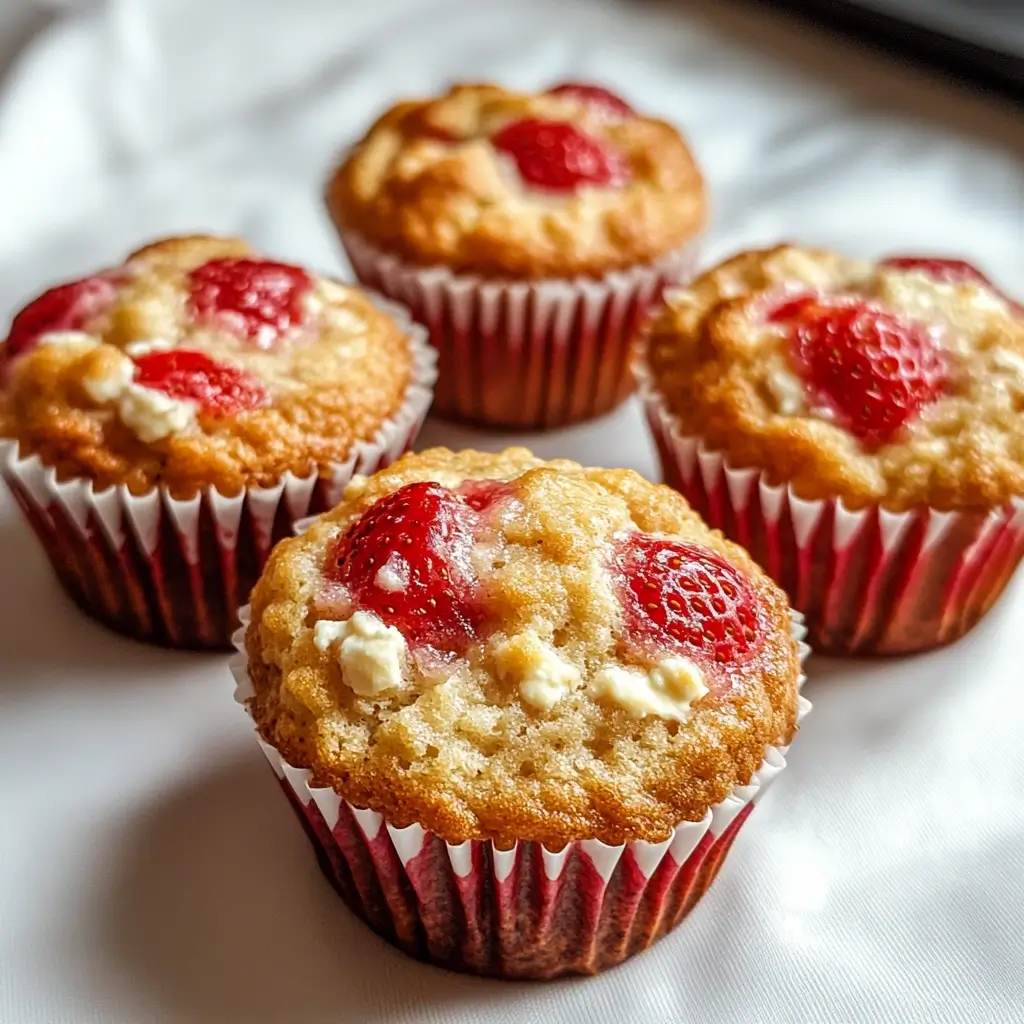

I have to admit, when I first stumbled upon the idea of putting cottage cheese into muffins, my eyebrow definitely went up. Cottage cheese? In a sweet bake? It sounded… unusual. But my daughter is going through a phase where anything remotely healthy is viewed with suspicion, yet she adores muffins and strawberries. I needed a way to sneak in some extra protein and calcium without triggering the ‘healthy food’ alarm. So, with a mix of curiosity and desperation, I decided to give these Strawberry Cottage Cheese Muffins a whirl. The result? Honestly, mind-blowing. The cottage cheese disappears into the batter, leaving behind an incredible moistness and a tender crumb that regular muffins struggle to achieve. There’s no weird cheesy taste, just a subtle richness that perfectly complements the sweet, juicy strawberries. My daughter devoured two straight from the cooling rack, none the wiser about the secret ingredient. My husband, initially skeptical like me, declared them some of the best muffins I’d ever made. They’ve become a staple in our house – perfect for breakfast on the go, a healthy-ish snack, or even a light dessert. They strike that perfect balance: satisfyingly sweet, packed with berry goodness, and secretly boosted with protein. If you’re looking for a muffin recipe that’s a little different but incredibly rewarding, you absolutely have to try this one.
Ingredients for Strawberry Cottage Cheese Muffins
This recipe yields approximately 12 standard-sized muffins. Having your ingredients measured and ready (mise en place) makes the baking process smooth and enjoyable.
- Dry Ingredients:
- 2 cups (250g) All-Purpose Flour (You can substitute half with whole wheat flour for extra fiber, but the texture might be slightly denser)
- 1 cup (200g) Granulated Sugar (Adjust slightly based on strawberry sweetness and personal preference; brown sugar can also be used for a deeper flavor)
- 2 teaspoons Baking Powder (Provides the primary lift for fluffy muffins)
- 1/2 teaspoon Baking Soda (Reacts with the acidity in cottage cheese and strawberries for extra tenderness and lift)
- 1/4 teaspoon Salt (Enhances all the other flavors)
- Wet Ingredients:
- 1 cup (225g) Full-Fat Cottage Cheese (Small curd is fine; blend large curd slightly if preferred for a smoother texture. Full-fat yields the moistest result, but low-fat can be used)
- 2 Large Eggs (Room temperature eggs incorporate better)
- 1/2 cup (113g) Unsalted Butter, melted and slightly cooled (Or substitute with neutral oil like vegetable or canola oil)
- 1 teaspoon Vanilla Extract (Adds warmth and depth)
- Optional: 1/4 cup Milk (Whole, low-fat, or plant-based – add only if the batter seems overly thick after mixing)
- Fruit:
- 1 ½ cups (about 225g) Fresh Strawberries, washed, hulled, and chopped into small pieces (about ½-inch dice). (Frozen strawberries can be used – see tips below)
- Optional Topping:
- 2 tablespoons Turbinado Sugar or Coarse Sugar (For a crunchy, bakery-style topping)
Step-by-Step Instructions
Follow these instructions carefully for perfectly moist and delicious Strawberry Cottage Cheese Muffins every time.
- Preheat and Prepare: Preheat your oven to 400°F (200°C). Line a standard 12-cup muffin tin with paper liners or grease the cups well with butter or non-stick spray. Setting the oven temperature slightly higher initially helps the muffins rise quickly.
- Whisk Dry Ingredients: In a large mixing bowl, whisk together the all-purpose flour, granulated sugar, baking powder, baking soda, and salt. Whisking ensures the leavening agents and salt are evenly distributed, preventing pockets of bitterness or saltiness and promoting an even rise.
- Combine Wet Ingredients: In a separate medium-sized bowl, combine the cottage cheese, large eggs, melted (and slightly cooled) butter, and vanilla extract. Whisk until the mixture is relatively smooth. Don’t worry if there are still small lumps of cottage cheese – these will mostly melt into the muffins during baking, adding pockets of moisture. If using large curd cottage cheese and you prefer a very smooth texture, you can briefly blend the cottage cheese before adding it to the other wet ingredients. If the batter seems extremely thick after combining wet and dry (step 4), this is where you might whisk in the optional 1/4 cup of milk.
- Combine Wet and Dry: Pour the wet ingredient mixture into the large bowl containing the dry ingredients. Using a rubber spatula or wooden spoon, gently fold the ingredients together until just combined. It’s crucial not to overmix! A few streaks of flour remaining are perfectly fine. Overmixing develops the gluten in the flour, which will result in tough, dense muffins instead of light and tender ones.
- Fold in Strawberries: Gently fold the chopped strawberries into the batter. Use as few strokes as possible to distribute them evenly without crushing them or overmixing the batter. If using frozen strawberries, add them directly from the freezer (do not thaw) and fold them in quickly. You might need to add an extra minute or two to the baking time.
- Fill Muffin Cups: Divide the batter evenly among the 12 prepared muffin cups. An ice cream scoop (standard size) is excellent for ensuring uniform portions, filling each cup about two-thirds to three-quarters full. This allows room for the muffins to rise without spilling over.
- Optional Topping: If desired, sprinkle the tops of the batter in each cup with Turbinado or coarse sugar. This adds a delightful crunch and a professional bakery look.
- Bake: Place the muffin tin in the preheated oven. Bake at 400°F (200°C) for 5 minutes, then reduce the oven temperature to 375°F (190°C) without opening the oven door. Continue baking for another 15-20 minutes. The total baking time will be around 20-25 minutes.
- Check for Doneness: The muffins are done when they are golden brown on top, and a wooden skewer or toothpick inserted into the center of a muffin comes out clean (or with a few moist crumbs attached, but no wet batter). The tops should also spring back lightly when gently pressed.
- Cool: Once baked, carefully remove the muffin tin from the oven and place it on a wire cooling rack. Let the muffins cool in the tin for about 5-10 minutes. This allows them to set slightly, making them easier to remove without breaking.
- Finish Cooling: After 5-10 minutes, gently remove the muffins from the tin and place them directly onto the wire rack to cool completely. Cooling them out of the tin prevents the bottoms from becoming soggy due to trapped steam. Enjoy warm or at room temperature!
Understanding the Magic: The Role of Cottage Cheese in Muffins
You might still be wondering why cottage cheese works so well in this recipe. It’s not just a random addition; it plays several key roles that elevate these muffins beyond the ordinary:
- Incredible Moisture: Cottage cheese has high water content. As the muffins bake, this moisture turns to steam, creating a super moist and tender crumb. Unlike butter or oil alone, which primarily add fat, cottage cheese contributes moisture directly, preventing dryness even a day or two after baking. It acts similarly to yogurt or sour cream but often contains more protein.
- Protein Boost: Cottage cheese is famously packed with protein, particularly casein protein. Incorporating it into muffins adds a significant protein punch compared to standard recipes. This makes them more satisfying and a smarter choice for breakfast or snacks, helping to keep you fuller for longer.
- Tenderness: The slight acidity in cottage cheese reacts with the baking soda, creating carbon dioxide bubbles for extra lift. Furthermore, the fat content (especially in full-fat cottage cheese) and the protein structure contribute to a softer, more tender texture by shortening gluten strands, much like fats do.
- Subtle Richness: While you won’t taste “cheese,” the cottage cheese adds a subtle background richness and a slight tang (depending on the brand) that balances the sweetness of the sugar and strawberries. It creates a more complex and satisfying flavor profile.
- Reduced Fat (Potentially): By providing moisture and richness, cottage cheese can allow you to slightly reduce the amount of butter or oil you might otherwise use in a muffin recipe, though this recipe maintains a standard amount for optimal flavor and texture.
Essentially, cottage cheese acts as a multi-tasking secret weapon, delivering moisture, tenderness, protein, and subtle flavor complexity, all while disappearing texturally into the final baked good.
Nutrition Facts (Estimated)
- Servings: 12 standard muffins
- Calories per serving (1 muffin): Approximately 250-280 kcal
Please note: This is an estimate and can vary significantly based on the specific ingredients used (e.g., type of cottage cheese, sugar quantity, brand variations, exact size of eggs and strawberries). For precise nutritional information, it’s recommended to use an online recipe calculator with your exact ingredients and measurements. These muffins provide a good source of carbohydrates for energy, protein from the eggs and cottage cheese, and vitamins (like Vitamin C) from the strawberries.
Preparation Time Breakdown
Understanding the time commitment helps plan your baking session:
- Prep Time: 15-20 minutes (Gathering ingredients, chopping strawberries, mixing batter)
- Cook Time: 20-25 minutes (Initial 5 mins at higher temp, then 15-20 mins at lower temp)
- Cooling Time: 15-20 minutes (5-10 mins in the tin, then additional time on the rack)
- Total Time: Approximately 1 hour to 1 hour 10 minutes (from starting prep to being cool enough to handle easily)
How to Serve Your Strawberry Cottage Cheese Muffins
These muffins are fantastic on their own, but here are some delightful ways to serve them:
- Simply Warm: Enjoy them slightly warm from the oven or gently reheated in a microwave (10-15 seconds) or toaster oven. The warmth enhances the strawberry aroma and softens the crumb.
- With Butter: A classic choice. A small smear of salted or unsalted butter melts beautifully into a warm muffin.
- Jam or Preserves: Enhance the berry flavor by serving with a dollop of strawberry jam or your favorite fruit preserve.
- Cream Cheese: A tangy cream cheese spread (plain or flavored) complements the sweetness of the muffin wonderfully.
- Yogurt Bowl Addition: Crumble a muffin over a bowl of Greek yogurt and add extra fresh berries for a substantial and balanced breakfast or snack.
- Alongside Coffee or Tea: They make the perfect partner for your morning coffee or afternoon tea break.
- Light Dessert: Serve slightly warmed with a small scoop of vanilla bean ice cream or a drizzle of fresh cream.
- Packable Snack: They are perfect for lunchboxes or as an on-the-go snack, as they hold up well at room temperature.
Achieving Muffin Perfection: Additional Tips
Unlock the full potential of your Strawberry Cottage Cheese Muffins with these five key tips:
- Don’t Overmix the Batter: This is the cardinal rule of muffin making. Mix the wet and dry ingredients only until they are just combined. A few lumps and streaks of flour are okay. Overmixing develops gluten, leading to tough, rubbery muffins instead of light and tender ones. Fold in the strawberries gently with minimal strokes.
- Use Room Temperature Ingredients (Especially Eggs & Cottage Cheese): While not strictly essential for muffins as for cakes, using room temperature eggs and cottage cheese helps them incorporate more easily and evenly into the batter. This promotes a smoother batter consistency and a more uniform texture in the final product. Cold ingredients don’t emulsify as well. Take them out of the fridge about 30-60 minutes before you start baking.
- Handle Strawberries Correctly (Fresh vs. Frozen): If using fresh strawberries, chop them into relatively small, uniform pieces (around ½-inch). This ensures they distribute evenly and cook through without creating overly large wet spots. If using frozen strawberries, do not thaw them first. Add them to the batter straight from the freezer at the very last moment and fold in quickly to prevent them from bleeding excessively into the batter and lowering its temperature too much. You may need to add 1-3 extra minutes to the baking time. Tossing frozen berries in a tablespoon of flour from the measured amount before adding can also help prevent sinking and bleeding.
- Fill Muffin Cups Appropriately: Aim to fill each muffin cup about two-thirds to three-quarters full. This gives the muffins enough space to rise and form nice domes without overflowing. Using a standard-size ice cream scoop helps ensure consistent filling and evenly sized muffins.
- Master the Cool Down: Resist the urge to leave the muffins cooling in the hot tin for too long. After about 5-10 minutes (allowing them to set slightly), transfer them to a wire rack. This allows air to circulate around the entire muffin, preventing steam from getting trapped underneath, which can lead to soggy bottoms and sides. Cooling completely on the rack ensures the best texture.
Variations and Customizations
While the strawberry version is classic, this cottage cheese muffin base is wonderfully versatile. Feel free to experiment:
- Different Berries: Swap strawberries for blueberries (fresh or frozen), raspberries, blackberries, or a mixed berry blend. Adjust sugar slightly based on the tartness of the berries.
- Citrus Zest: Add the zest of one lemon or one orange to the wet ingredients for a bright, citrusy note that pairs beautifully with berries.
- Spice it Up: Incorporate 1/2 to 1 teaspoon of ground cinnamon or a pinch of cardamom into the dry ingredients for added warmth.
- Chocolate Chip: Replace half or all of the strawberries with your favorite chocolate chips (semi-sweet, milk, or white). Strawberry and white chocolate is a particularly lovely combination.
- Nutty Crunch: Fold in 1/2 cup of chopped walnuts or pecans along with the strawberries for added texture and nutty flavor.
- Streusel Topping: Instead of coarse sugar, make a simple streusel: combine 1/4 cup flour, 1/4 cup brown sugar, 1/2 tsp cinnamon (optional), and 2 tablespoons cold, cubed butter. Mix with fingers or a fork until crumbly and sprinkle over batter before baking.
- Glaze: Once cooled, drizzle the muffins with a simple glaze made from powdered sugar, a splash of milk or lemon juice, and a drop of vanilla extract.
- Whole Wheat or Gluten-Free: Replace up to half the all-purpose flour with whole wheat flour for more fiber (expect a slightly denser muffin). For gluten-free, use a quality 1:1 gluten-free baking blend that contains xanthan gum.
Storage and Freezing Instructions
Proper storage keeps your muffins fresh and delicious:
- Room Temperature: Store completely cooled muffins in an airtight container lined with a paper towel (to absorb excess moisture) at room temperature. They are best enjoyed within 1-2 days. Avoid storing them in the refrigerator, as this can actually dry them out faster.
- Freezing (Recommended for Longer Storage): These muffins freeze exceptionally well. Once completely cooled, place them in a single layer on a baking sheet and freeze until solid (about 1-2 hours). Then, transfer the frozen muffins to a zip-top freezer bag or airtight container. Label with the date. They can be frozen for up to 2-3 months.
- Thawing and Reheating: Thaw frozen muffins at room temperature for a few hours or overnight. Alternatively, you can thaw individual muffins in the microwave on low power for 30-60 seconds. To refresh thawed or day-old muffins and bring back that “just baked” warmth, reheat them in a 300°F (150°C) oven or toaster oven for 5-8 minutes, or briefly in the microwave (15-20 seconds).
Frequently Asked Questions (FAQ)
Q1: Can I use low-fat or fat-free cottage cheese?
- A: Yes, you can substitute low-fat cottage cheese, but the muffins might be slightly less moist and tender compared to using full-fat. Full-fat cottage cheese contributes more richness and moisture. Fat-free cottage cheese is generally not recommended as it can result in a drier, slightly rubbery texture due to its higher water content and lack of fat. For the best results, stick with full-fat if possible.
Q2: My strawberries all sank to the bottom! How can I prevent this?
- A: This is a common issue! Try these tricks: First, ensure your batter isn’t too thin (this recipe’s batter should be fairly thick). Second, chop strawberries into smaller pieces (around ½-inch). Third, gently toss the chopped strawberries (fresh or frozen) with a tablespoon of the measured flour before folding them into the batter. This light coating helps suspend them better. Finally, you can spoon a small amount of plain batter into the bottom of each muffin cup before adding the strawberry-filled batter on top.
Q3: Can I make these muffins gluten-free?
- A: Yes, you likely can. Use a high-quality measure-for-measure (1:1) gluten-free baking flour blend that includes xanthan gum. Follow the recipe as written. Keep in mind that gluten-free baked goods can sometimes have a slightly different texture (potentially more crumbly) and might brown a bit faster, so keep an eye on them during baking. Ensure your baking powder is also certified gluten-free if needed.
Q4: Why did my muffins turn out dense and tough instead of light and fluffy?
- A: The most common culprit for dense, tough muffins is overmixing the batter. When you mix flour with liquid, gluten develops. A little gluten provides structure, but too much makes muffins tough. Mix the wet and dry ingredients only until just combined – stop when you still see a few streaks of flour. Other potential causes include using expired baking powder/soda (check the dates!) or an oven temperature that is too low, preventing a good initial rise.
Q5: Can I reduce the amount of sugar in this recipe?
- A: Yes, you can reduce the sugar, but keep in mind that sugar does more than just sweeten. It also contributes to moisture, tenderness, and browning. You could likely reduce the sugar from 1 cup (200g) down to 3/4 cup (150g) without drastically affecting the texture too much. Reducing it further might result in drier, less tender muffins. The sweetness of your strawberries will also play a role, so adjust based on your fruit and preference. Using brown sugar instead of white can add moisture and a deeper flavor if reducing sweetness.
Enjoy baking and eating these wonderfully moist and flavorful Strawberry Cottage Cheese Muffins! They are proof that sometimes the most unexpected ingredients create the most delicious results.
Print
Strawberry Cottage Cheese Muffins Recipe
Ingredients
- Dry Ingredients:
- 2 cups (250g) All-Purpose Flour (You can substitute half with whole wheat flour for extra fiber, but the texture might be slightly denser)
- 1 cup (200g) Granulated Sugar (Adjust slightly based on strawberry sweetness and personal preference; brown sugar can also be used for a deeper flavor)
- 2 teaspoons Baking Powder (Provides the primary lift for fluffy muffins)
- 1/2 teaspoon Baking Soda (Reacts with the acidity in cottage cheese and strawberries for extra tenderness and lift)
- 1/4 teaspoon Salt (Enhances all the other flavors)
- Wet Ingredients:
- 1 cup (225g) Full-Fat Cottage Cheese (Small curd is fine; blend large curd slightly if preferred for a smoother texture. Full-fat yields the moistest result, but low-fat can be used)
- 2 Large Eggs (Room temperature eggs incorporate better)
- 1/2 cup (113g) Unsalted Butter, melted and slightly cooled (Or substitute with neutral oil like vegetable or canola oil)
- 1 teaspoon Vanilla Extract (Adds warmth and depth)
- Optional: 1/4 cup Milk (Whole, low-fat, or plant-based – add only if the batter seems overly thick after mixing)
- Fruit:
- 1 ½ cups (about 225g) Fresh Strawberries, washed, hulled, and chopped into small pieces (about ½-inch dice). (Frozen strawberries can be used – see tips below)
- Optional Topping:
- 2 tablespoons Turbinado Sugar or Coarse Sugar (For a crunchy, bakery-style topping)
Instructions
- Preheat and Prepare: Preheat your oven to 400°F (200°C). Line a standard 12-cup muffin tin with paper liners or grease the cups well with butter or non-stick spray. Setting the oven temperature slightly higher initially helps the muffins rise quickly.
- Whisk Dry Ingredients: In a large mixing bowl, whisk together the all-purpose flour, granulated sugar, baking powder, baking soda, and salt. Whisking ensures the leavening agents and salt are evenly distributed, preventing pockets of bitterness or saltiness and promoting an even rise.
- Combine Wet Ingredients: In a separate medium-sized bowl, combine the cottage cheese, large eggs, melted (and slightly cooled) butter, and vanilla extract. Whisk until the mixture is relatively smooth. Don’t worry if there are still small lumps of cottage cheese – these will mostly melt into the muffins during baking, adding pockets of moisture. If using large curd cottage cheese and you prefer a very smooth texture, you can briefly blend the cottage cheese before adding it to the other wet ingredients. If the batter seems extremely thick after combining wet and dry (step 4), this is where you might whisk in the optional 1/4 cup of milk.
- Combine Wet and Dry: Pour the wet ingredient mixture into the large bowl containing the dry ingredients. Using a rubber spatula or wooden spoon, gently fold the ingredients together until just combined. It’s crucial not to overmix! A few streaks of flour remaining are perfectly fine. Overmixing develops the gluten in the flour, which will result in tough, dense muffins instead of light and tender ones.
- Fold in Strawberries: Gently fold the chopped strawberries into the batter. Use as few strokes as possible to distribute them evenly without crushing them or overmixing the batter. If using frozen strawberries, add them directly from the freezer (do not thaw) and fold them in quickly. You might need to add an extra minute or two to the baking time.
- Fill Muffin Cups: Divide the batter evenly among the 12 prepared muffin cups. An ice cream scoop (standard size) is excellent for ensuring uniform portions, filling each cup about two-thirds to three-quarters full. This allows room for the muffins to rise without spilling over.
- Optional Topping: If desired, sprinkle the tops of the batter in each cup with Turbinado or coarse sugar. This adds a delightful crunch and a professional bakery look.
- Bake: Place the muffin tin in the preheated oven. Bake at 400°F (200°C) for 5 minutes, then reduce the oven temperature to 375°F (190°C) without opening the oven door. Continue baking for another 15-20 minutes. The total baking time will be around 20-25 minutes.
- Check for Doneness: The muffins are done when they are golden brown on top, and a wooden skewer or toothpick inserted into the center of a muffin comes out clean (or with a few moist crumbs attached, but no wet batter). The tops should also spring back lightly when gently pressed.
- Cool: Once baked, carefully remove the muffin tin from the oven and place it on a wire cooling rack. Let the muffins cool in the tin for about 5-10 minutes. This allows them to set slightly, making them easier to remove without breaking.
- Finish Cooling: After 5-10 minutes, gently remove the muffins from the tin and place them directly onto the wire rack to cool completely. Cooling them out of the tin prevents the bottoms from becoming soggy due to trapped steam. Enjoy warm or at room temperature!
Nutrition
- Serving Size: One Normal Portion
- Calories: 250-280 kcal