
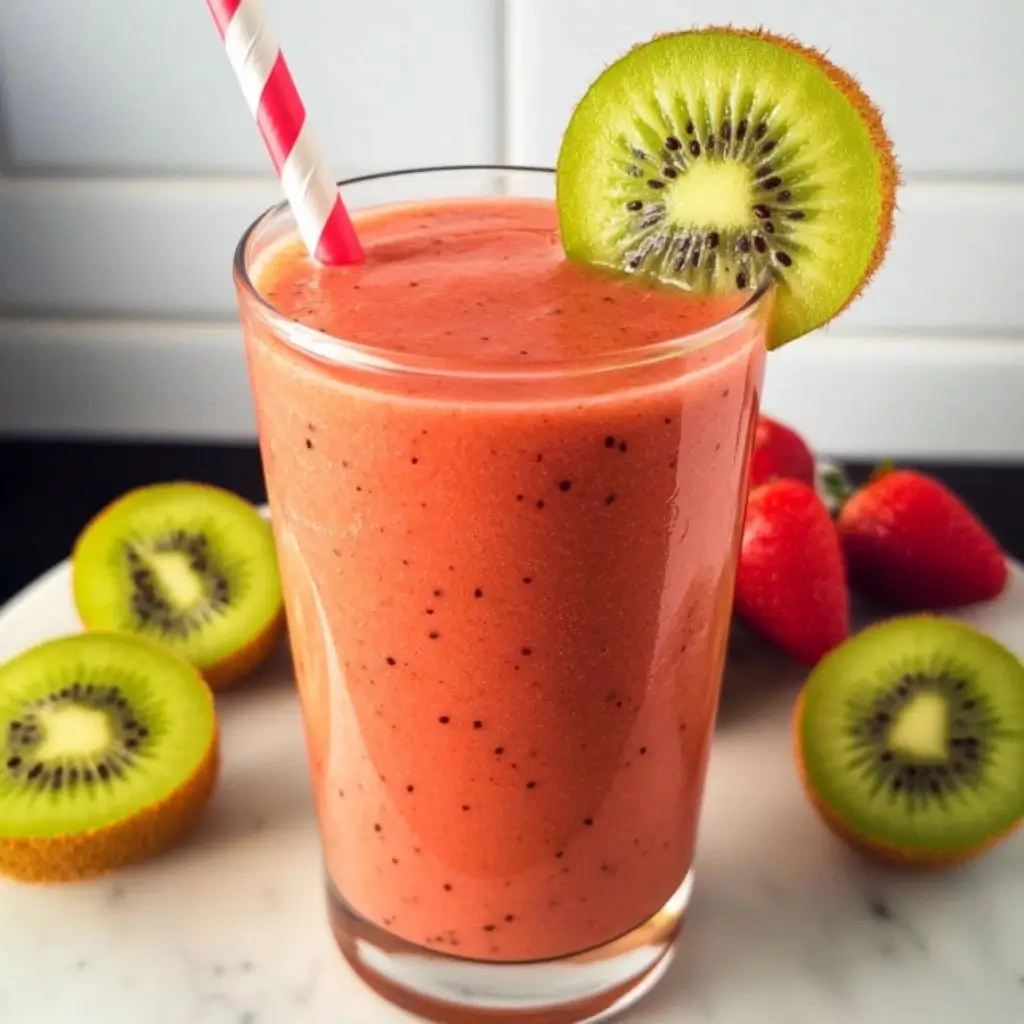
It’s funny how sometimes the simplest things in life can bring the most joy. Take this Strawberry Kiwi Smoothie, for example. It’s become a bit of a staple in our household, especially on those mornings when we need a quick, healthy, and utterly delicious pick-me-up. I first whipped it up on a whim, trying to use up some slightly overripe kiwis and a punnet of strawberries that were calling my name from the fridge. Honestly, I wasn’t expecting anything groundbreaking. But the first sip? Wow. The bright, tangy kiwi perfectly balanced the sweet strawberries, creating this vibrant, refreshing flavor that just wakes you up from the inside out. Even my kids, who can be notoriously picky eaters, absolutely adore it. It’s become our go-to breakfast smoothie, a post-workout refuel, or even a healthy dessert alternative. And the best part? It’s incredibly easy to make. If you’re looking for a smoothie that’s packed with flavor, nutrients, and a whole lot of sunshine, then you absolutely have to try this Strawberry Kiwi Smoothie. Trust me, your taste buds (and your body!) will thank you.
Ingredients for the Perfect Strawberry Kiwi Smoothie
To create this vibrant and delicious Strawberry Kiwi Smoothie, you’ll need just a handful of fresh, wholesome ingredients. The beauty of this recipe lies in its simplicity and the natural flavors of the fruits shining through. Let’s break down each ingredient and why it’s essential for crafting the perfect smoothie:
- Fresh Strawberries (1 cup, hulled): Strawberries are the heart of this smoothie, lending their signature sweetness and vibrant red color. When selecting strawberries, opt for berries that are bright red, plump, and fragrant. Organic strawberries are always a great choice if available, as they tend to be richer in flavor and free from pesticides. If you’re using frozen strawberries, you can skip the ice in the recipe, as they will provide the chill and thickness you need. Strawberries are not only delicious but also nutritional powerhouses. They are packed with Vitamin C, a potent antioxidant that boosts your immune system and helps protect your cells from damage. They are also a good source of manganese, folate, and potassium. The natural sugars in strawberries provide a healthy sweetness, making this smoothie naturally satisfying without the need for added refined sugars. Furthermore, strawberries are relatively low in calories and fat, making them a guilt-free addition to your diet. For the best flavor, use strawberries that are ripe but not overly soft. Overripe strawberries can be mushy and might make the smoothie too sweet and less vibrant. If you find yourself with a surplus of fresh strawberries, freezing them is a fantastic way to preserve them for future smoothies. Simply wash, hull, and halve or quarter the strawberries before freezing them in a single layer on a baking sheet. Once frozen solid, transfer them to a freezer bag for long-term storage.
- Kiwis (2 medium, peeled): Kiwis bring a wonderfully tangy and slightly tropical flavor to the smoothie, perfectly complementing the sweetness of the strawberries. Choose kiwis that are slightly soft to the touch, indicating ripeness. Avoid kiwis that are overly hard, as they will be sour and less flavorful. The skin of kiwi is edible and packed with fiber, but for smoothies, it’s generally preferred to peel them for a smoother texture and to avoid any potential bitterness. Kiwis are nutritional gems. They are exceptionally high in Vitamin C, even more so than oranges! They are also a good source of Vitamin K, Vitamin E, potassium, and folate. The vibrant green flesh of kiwi is also rich in antioxidants, which help fight free radicals and protect your body from oxidative stress. Kiwis also contain actinidin, a natural enzyme that can aid in digestion. The slightly acidic nature of kiwi also contributes to the smoothie’s refreshing quality. For the best flavor and texture, ensure your kiwis are ripe. Unripe kiwis can be very tart and will not blend as smoothly. To ripen kiwis faster, you can place them in a paper bag with an apple or banana at room temperature. These fruits release ethylene gas, which speeds up the ripening process.
- Banana (½ medium, frozen): Frozen banana is the secret ingredient for achieving a creamy, thick smoothie without adding ice, which can dilute the flavor. Using frozen banana adds natural sweetness and a wonderful smooth texture. For smoothies, it’s best to freeze bananas when they are ripe but not overly brown. Overripe bananas can be too sweet and may have a slightly fermented flavor. Peel bananas before freezing and break them into chunks for easier blending. Frozen banana not only enhances the texture but also adds nutritional value. Bananas are a good source of potassium, an essential electrolyte that helps regulate blood pressure and muscle function. They also contain fiber, Vitamin B6, and Vitamin C. The natural sugars in bananas provide a healthy source of energy and contribute to the overall sweetness of the smoothie. If you don’t have frozen banana on hand, you can use fresh banana and add a few ice cubes to achieve a chilled and thicker consistency. However, frozen banana truly elevates the texture and flavor of this smoothie. Always keep a stash of frozen bananas in your freezer for smoothie emergencies! Whenever you have bananas that are getting too ripe, simply peel, slice, and freeze them.
- Greek Yogurt (½ cup, plain or vanilla): Greek yogurt adds a creamy texture and a boost of protein to the smoothie, making it more satisfying and keeping you feeling full for longer. Plain Greek yogurt is a versatile option as it allows the fruit flavors to shine through. Vanilla Greek yogurt adds a touch of sweetness and vanilla flavor, which complements the strawberry and kiwi nicely. You can also use flavored Greek yogurts like strawberry or kiwi for an intensified flavor profile, but be mindful of added sugars in flavored yogurts. Greek yogurt is a nutritional powerhouse. It’s packed with protein, which is essential for building and repairing tissues, and it helps to keep you feeling satiated. It’s also a good source of calcium, important for strong bones and teeth, and probiotics, which support gut health. For a dairy-free option, you can substitute Greek yogurt with plant-based alternatives like coconut yogurt, almond yogurt, or soy yogurt. These options will provide a similar creamy texture and some nutritional benefits, although the protein content may vary. If you prefer a thinner smoothie, you can reduce the amount of yogurt or add more liquid. For a richer, creamier smoothie, you can use full-fat Greek yogurt. Low-fat or non-fat Greek yogurt will also work well and will be lower in calories and fat.
- Liquid (½ cup, milk, water, or juice): The liquid is used to adjust the consistency of the smoothie to your liking. You can use milk (dairy or non-dairy), water, or juice as your liquid base. Milk, whether it’s cow’s milk, almond milk, oat milk, or soy milk, will add creaminess and a slight richness to the smoothie. Dairy milk provides additional protein and calcium. Non-dairy milks are great options for those with lactose intolerance or who prefer plant-based alternatives. Water is a calorie-free and neutral option that allows the fruit flavors to really stand out. It will result in a lighter smoothie compared to using milk or juice. Juice, like apple juice, orange juice, or white grape juice, will add sweetness and enhance the fruitiness of the smoothie. Be mindful of the sugar content in juice, especially if you are watching your sugar intake. If using juice, you may want to reduce or omit any additional sweeteners. The amount of liquid you use will depend on your desired smoothie consistency. For a thicker smoothie, use less liquid. For a thinner smoothie, add more liquid, a tablespoon at a time, until you reach your preferred consistency. You can also adjust the liquid based on the type of blender you are using. High-powered blenders can handle thicker smoothies with less liquid, while less powerful blenders may require more liquid for smoother blending.
- Honey or Maple Syrup (optional, to taste): While the natural sweetness of the fruits is often sufficient, you can add a touch of honey or maple syrup if you prefer a sweeter smoothie. Start with a small amount, about a teaspoon, and taste before adding more. Honey and maple syrup are natural sweeteners that offer a slightly different flavor profile compared to refined sugar. Honey adds a floral sweetness, while maple syrup has a richer, caramel-like flavor. Agave nectar or other liquid sweeteners can also be used. If you are using very ripe fruits or flavored yogurt, you may not need any additional sweetener at all. It’s always best to taste the smoothie before adding sweetener and adjust to your personal preference. For a sugar-free option, you can use a few drops of stevia or monk fruit sweetener. Remember, the goal is to enhance the natural flavors of the fruits, not to overpower them with excessive sweetness.
- Ice Cubes (optional, if using fresh fruit): If you are using fresh strawberries and banana instead of frozen, you will need to add ice cubes to chill the smoothie and thicken it. Start with about ½ cup of ice cubes and add more as needed to achieve your desired consistency. Too much ice can dilute the flavor of the smoothie, so add it gradually until you reach the perfect texture. If you are using frozen fruit, you can typically skip the ice cubes, as the frozen fruit will provide the chill and thickness. However, if you prefer an extra frosty smoothie, you can still add a few ice cubes. Using frozen fruit instead of ice is generally recommended as it keeps the smoothie colder without diluting the flavor.
Step-by-Step Instructions for Making Your Strawberry Kiwi Smoothie
Making this refreshing Strawberry Kiwi Smoothie is incredibly simple and takes just minutes. Follow these easy steps to blend up your perfect smoothie:
- Prepare Your Fruits: Begin by washing your strawberries thoroughly under cool running water. Hull the strawberries by removing the green leafy tops. Peel the kiwis using a vegetable peeler or a paring knife. If you are using a fresh banana, peel it and break it into chunks. If you are using frozen banana, ensure it’s pre-sliced for easier blending. Having all your fruits prepped and ready will make the smoothie-making process quick and efficient. For best results, ensure your fruits are ripe. Ripe strawberries and kiwis will be sweeter and more flavorful, resulting in a tastier smoothie.
- Combine Ingredients in a Blender: Place all the prepared ingredients into your blender. Start with the liquid (milk, water, or juice) at the bottom, followed by the Greek yogurt, banana (fresh or frozen), kiwis, and strawberries. If you are using ice cubes, add them last. Layering the ingredients in this order can help ensure smoother blending, especially with less powerful blenders. Make sure the blender lid is securely fastened before you start blending.
- Blend Until Smooth: Blend all the ingredients on high speed until you achieve a completely smooth and creamy consistency. This usually takes about 30 seconds to 1 minute, depending on the power of your blender and the texture of your frozen banana (if using). If you are using a high-powered blender, you may need to use the tamper to push the ingredients down towards the blades for even blending. If your smoothie is too thick, add a tablespoon or two more of liquid and blend again until you reach your desired consistency. If it’s too thin, add a few more frozen strawberries or banana chunks and blend again. Blend until there are no chunks of fruit remaining and the smoothie is perfectly smooth.
- Taste and Adjust Sweetness (Optional): Once the smoothie is blended, take a taste and check for sweetness. If you prefer a sweeter smoothie, add a teaspoon of honey or maple syrup, or your preferred sweetener, and blend again briefly to incorporate it. Remember that the sweetness of the fruits can vary depending on ripeness, so it’s always a good idea to taste and adjust the sweetness to your liking. If you find the smoothie is too sweet, you can balance it out by adding a squeeze of lemon or lime juice, which will also enhance the flavors.
- Pour and Serve Immediately: Pour your freshly made Strawberry Kiwi Smoothie into a glass or mason jar. For an extra touch, you can garnish with a fresh strawberry slice, a kiwi slice, or a sprig of mint. Smoothies are best enjoyed immediately after blending, as they are freshest and have the best texture. If you need to prepare the smoothie ahead of time, you can store it in an airtight container in the refrigerator for up to 24 hours, but the texture may change slightly, and some separation may occur. If storing, give it a good shake or stir before serving. Enjoy your vibrant and delicious Strawberry Kiwi Smoothie!
Nutritional Facts of Strawberry Kiwi Smoothie
This Strawberry Kiwi Smoothie is not only delicious but also packed with nutrients. Here’s a general overview of the nutritional information per serving, assuming the recipe makes approximately 2 servings:
- Servings: 2
- Calories per Serving (approximate): 200-250 calories (This can vary depending on the type of yogurt, milk, and sweetener used)
Approximate Nutritional Breakdown per Serving:
- Protein: 10-15 grams (Primarily from Greek yogurt and milk)
- Fat: 3-5 grams (Primarily from Greek yogurt and milk; can vary based on fat content of yogurt and milk)
- Saturated Fat: 1-2 grams (Can vary based on fat content of yogurt and milk)
- Cholesterol: 10-20 mg (Primarily from dairy milk and yogurt, if used)
- Sodium: 50-100 mg (Naturally occurring in ingredients)
- Carbohydrates: 35-45 grams (Primarily from fruits, yogurt, and milk)
- Fiber: 5-7 grams (From fruits, especially kiwi and strawberries)
- Sugar: 25-35 grams (Naturally occurring sugars from fruits and yogurt; added sugar from honey/maple syrup if used)
Key Vitamins and Minerals (approximate, per serving):
- Vitamin C: Excellent source (over 100% of daily recommended value) – from strawberries and kiwi
- Vitamin K: Good source (from kiwi)
- Potassium: Good source (from banana and kiwi)
- Folate (Vitamin B9): Good source (from strawberries and kiwi)
- Calcium: Good source (from Greek yogurt and milk)
- Vitamin B6: Moderate source (from banana)
- Antioxidants: High (from strawberries and kiwi)
Health Benefits:
- Rich in Vitamin C: Boosts immunity, supports skin health, and acts as a powerful antioxidant.
- Good Source of Fiber: Promotes digestive health, helps regulate blood sugar levels, and contributes to satiety.
- High in Antioxidants: Protects cells from damage caused by free radicals, reducing the risk of chronic diseases.
- Excellent Source of Potassium: Supports healthy blood pressure and muscle function.
- Good Source of Protein: Helps with muscle building and repair, and keeps you feeling full and satisfied.
- Probiotics (from Greek Yogurt): Supports gut health and digestion.
- Hydrating: Contributes to your daily fluid intake, keeping you hydrated.
Important Note: These nutritional values are estimates and can vary based on specific ingredient brands, ripeness of fruits, and added sweeteners. For more precise nutritional information, you can use a nutrition calculator app or website and input the specific ingredients and quantities you use. This smoothie is a healthy and delicious way to increase your fruit intake and get a good dose of essential vitamins and minerals.
Preparation Time for Strawberry Kiwi Smoothie
The beauty of this Strawberry Kiwi Smoothie is its speed and simplicity. Here’s a breakdown of the preparation time:
- Prep Time: 5-10 minutes
- Washing and Hulling Strawberries: 2-3 minutes
- Peeling Kiwis: 2-3 minutes
- Preparing Banana (if fresh): 1 minute
- Gathering Ingredients and Measuring: 2-3 minutes
- Blending Time: 1-2 minutes
- Total Time: Approximately 6-12 minutes
This makes it an ideal recipe for busy mornings, quick snacks, or anytime you need a healthy and refreshing treat in a hurry. The minimal prep time and fast blending mean you can have a nutritious and delicious smoothie ready in just minutes. The majority of the time is spent on washing and preparing the fruits. If you are using pre-frozen fruits, the prep time can be even shorter. Cleanup is also quick and easy, especially if you rinse your blender immediately after use. Overall, the Strawberry Kiwi Smoothie is a fantastic option when you’re short on time but still want a healthy and satisfying meal or snack.
How to Serve Your Strawberry Kiwi Smoothie
Serving your Strawberry Kiwi Smoothie is just as important as making it! Here are some delightful ways to serve and enjoy this vibrant drink:
- Classic Smoothie Glass:
- Pour the smoothie into a tall glass.
- Garnish the rim of the glass with a strawberry slice or a kiwi wedge.
- Add a colorful straw for a fun touch.
- This is the simplest and most traditional way to serve a smoothie, perfect for everyday enjoyment.
- Mason Jar Smoothie:
- Pour the smoothie into a mason jar.
- Screw on the lid for portability, perfect for taking your smoothie on the go.
- Alternatively, serve without the lid and garnish with fresh fruit and a spoon or straw.
- Mason jars add a rustic and charming touch to your smoothie presentation.
- Smoothie Bowl Style:
- Pour a slightly thicker version of the smoothie into a bowl (use less liquid during blending for a thicker consistency).
- Arrange toppings artfully on top of the smoothie bowl.
- Topping Ideas:
- Sliced fresh strawberries and kiwis
- Granola for crunch
- Chia seeds or flax seeds for added nutrients
- Shredded coconut
- A drizzle of honey or maple syrup
- A dollop of Greek yogurt or coconut yogurt
- Chopped nuts (almonds, walnuts, pecans)
- Fresh mint leaves
- Smoothie bowls are a fun and interactive way to enjoy your smoothie, allowing for customization and added textures.
- Layered Smoothie Parfait:
- Create layers of smoothie and other ingredients in a tall glass or parfait glass.
- Layering Ideas:
- Layer smoothie with granola, yogurt, and fresh fruit.
- Alternate layers of Strawberry Kiwi Smoothie with layers of a different smoothie, like a mango or banana smoothie, for a visually appealing and flavorful parfait.
- Top with whipped cream (dairy or coconut) and a cherry for a dessert-like treat.
- Layered smoothie parfaits are elegant and perfect for a brunch or special occasion.
- Frozen Smoothie Popsicles:
- Pour the smoothie into popsicle molds.
- Add fruit pieces to the molds for visual appeal and extra flavor.
- Freeze for at least 4-6 hours, or preferably overnight, until solid.
- Unmold and enjoy as refreshing and healthy smoothie popsicles.
- Smoothie popsicles are a fantastic way to enjoy this smoothie in warmer weather and are especially loved by kids.
- Serve with a Snack or Meal:
- Enjoy your Strawberry Kiwi Smoothie as part of a balanced breakfast alongside toast, oatmeal, or eggs.
- Serve it as a healthy snack in between meals to curb hunger and boost energy.
- Pair it with a light lunch, such as a salad or sandwich, for a complete and nutritious meal.
- It can also be enjoyed as a healthier dessert alternative after dinner.
No matter how you choose to serve it, the vibrant colors and refreshing flavors of this Strawberry Kiwi Smoothie are sure to be a hit!
Additional Tips for the Best Strawberry Kiwi Smoothie
To elevate your Strawberry Kiwi Smoothie from good to absolutely amazing, here are five additional tips to keep in mind:
- Use Ripe Fruits for Optimal Flavor: The key to a truly delicious smoothie is using ripe, flavorful fruits. Ripe strawberries will be naturally sweeter and more fragrant, and ripe kiwis will have the perfect balance of tanginess and sweetness. Ripe bananas are also essential for creaminess and natural sweetness. Unripe fruits can result in a smoothie that is tart, bland, or lacking in sweetness. Check your strawberries for a bright red color and fragrant smell. Kiwis should be slightly soft to the touch. Bananas should be yellow with some brown spots. Using ripe fruits will naturally enhance the flavor of your smoothie and reduce the need for added sweeteners. If your fruits are not quite ripe, you can let them ripen at room temperature for a day or two.
- Freeze Your Banana for Extra Creaminess: While fresh banana works in a pinch, using frozen banana is a game-changer for smoothie texture. Frozen banana creates a naturally creamy, thick, and ice-cream-like consistency without the need for ice, which can dilute the flavor. Always keep a stash of peeled and sliced bananas in your freezer specifically for smoothies. When bananas start to get overripe (brown spots), peel them, slice them into chunks, and freeze them in a freezer-safe bag or container. Frozen banana not only enhances the texture but also adds a natural chill to your smoothie, making it even more refreshing. The frozen banana acts as a natural thickener, creating a luxurious and satisfying smoothie texture.
- Adjust Liquid to Achieve Desired Consistency: The amount of liquid you add will significantly impact the consistency of your smoothie. Start with the recommended amount of liquid (½ cup) and then adjust to your preference. For a thicker smoothie, use less liquid. For a thinner smoothie, add more liquid, a tablespoon at a time, until you reach the perfect consistency. Consider the type of liquid you are using as well. Milk and yogurt will naturally create a thicker smoothie compared to water or juice. Experiment with different liquids to find your favorite combination. You can also adjust the liquid based on the type of blender you are using. High-powered blenders can handle thicker smoothies with less liquid, while less powerful blenders may require more liquid for smoother blending.
- Don’t Over-Blend: While you want to blend your smoothie until it’s smooth, be careful not to over-blend. Over-blending can heat up the smoothie, causing it to lose its fresh, vibrant flavor and potentially become thinner. Blend just until all ingredients are combined and the smoothie is smooth and creamy. Most blenders will achieve the desired consistency within 30 seconds to 1 minute. If you are using frozen fruit, you may need to blend slightly longer to ensure everything is fully incorporated. Listen to your blender and stop blending as soon as the smoothie looks smooth and lump-free. Over-blending can also break down the fibers in the fruits, potentially affecting the texture and nutritional value slightly.
- Experiment with Add-Ins and Variations: Once you’ve mastered the basic Strawberry Kiwi Smoothie, don’t be afraid to experiment with add-ins and variations to customize it to your taste and nutritional needs. Consider adding:
- Greens: A handful of spinach or kale for added nutrients without significantly altering the flavor.
- Seeds: Chia seeds, flax seeds, or hemp seeds for extra fiber, omega-3 fatty acids, and protein.
- Nuts and Nut Butters: Almond butter, peanut butter, or cashew butter for added protein, healthy fats, and creaminess.
- Spices: A pinch of ginger, cinnamon, or turmeric for added flavor and health benefits.
- Protein Powder: For a post-workout recovery smoothie or to boost the protein content.
- Citrus Juice: A squeeze of lemon or lime juice to brighten the flavors and add a touch of tanginess.
- Different Fruits: Try adding other berries like blueberries or raspberries, or tropical fruits like mango or pineapple, for different flavor combinations.
By following these tips, you’ll be able to consistently create delicious and nutritious Strawberry Kiwi Smoothies that are perfectly tailored to your preferences.
Frequently Asked Questions (FAQ) About Strawberry Kiwi Smoothies
Here are some common questions people have about making and enjoying Strawberry Kiwi Smoothies:
Q1: Can I use frozen fruit instead of fresh fruit?
A: Absolutely! Using frozen fruit, especially frozen banana and frozen strawberries, is highly recommended for smoothies. Frozen fruit creates a thicker, colder, and creamier smoothie without the need for ice, which can dilute the flavor. Frozen fruit is also often picked at peak ripeness and frozen immediately, preserving its nutrients and flavor. If using frozen fruit, you may need to use slightly less liquid to achieve your desired consistency. You can use a combination of fresh and frozen fruit as well, depending on what you have available.
Q2: I don’t have Greek yogurt. Can I substitute something else?
A: Yes, you can definitely substitute Greek yogurt! If you don’t have Greek yogurt, you can use regular yogurt (plain or vanilla). Regular yogurt will be slightly thinner than Greek yogurt, so your smoothie might be a bit less thick and creamy. You can also use plant-based yogurts like coconut yogurt, almond yogurt, soy yogurt, or oat yogurt for a dairy-free option. These alternatives will provide a similar creamy texture, although the protein content may vary. Another option is to use silken tofu for a creamy, dairy-free, and protein-rich smoothie. If you don’t have yogurt at all, you can still make a delicious smoothie by increasing the amount of frozen banana or adding a tablespoon of nut butter for creaminess.
Q3: How can I make my smoothie sweeter without adding sugar?
A: There are several ways to naturally sweeten your smoothie without refined sugar. Using ripe fruits is the first and most important step, as ripe fruits are naturally sweeter. Frozen banana is an excellent natural sweetener and adds creaminess. You can also add other naturally sweet fruits like dates (pitted), mango, or pineapple. If you need a little extra sweetness, you can use natural sweeteners like honey, maple syrup, or agave nectar in small amounts. For sugar-free options, you can use stevia or monk fruit sweetener, which are plant-based sweeteners with no calories or impact on blood sugar levels. Vanilla extract or a pinch of cinnamon can also enhance the perceived sweetness of the smoothie without adding actual sugar.
Q4: Can I prepare this smoothie ahead of time?
A: Smoothies are best enjoyed fresh, immediately after blending, for the best flavor and texture. However, if you need to prepare it in advance, you can store it in an airtight container in the refrigerator for up to 24 hours. Keep in mind that the texture may change slightly, and some separation may occur upon standing. If storing, fill the container as close to the top as possible to minimize air exposure, which can cause oxidation and discoloration. Before serving, give the smoothie a good shake or stir to recombine any separated liquids. For longer storage, you can freeze the smoothie in popsicle molds for smoothie popsicles, or freeze it in ice cube trays for later blending.
Q5: Is this smoothie good for weight loss?
A: Yes, this Strawberry Kiwi Smoothie can be a healthy and beneficial addition to a weight loss plan. It is relatively low in calories and fat, yet packed with nutrients, fiber, and protein. The fiber content from the fruits helps you feel full and satisfied, reducing cravings and overeating. The protein from Greek yogurt also contributes to satiety and helps maintain muscle mass during weight loss. This smoothie is a much healthier alternative to sugary drinks and processed snacks. However, like any food, moderation is key. Be mindful of portion sizes and adjust ingredients to fit your specific dietary needs and calorie goals. Focus on using whole, unprocessed ingredients and avoid adding excessive amounts of sweeteners to keep it a healthy and weight-loss-friendly option.
Print
Strawberry Kiwi Smoothie Recipe
Ingredients
- Fresh Strawberries (1 cup, hulled): Strawberries are the heart of this smoothie, lending their signature sweetness and vibrant red color. When selecting strawberries, opt for berries that are bright red, plump, and fragrant. Organic strawberries are always a great choice if available, as they tend to be richer in flavor and free from pesticides. If you’re using frozen strawberries, you can skip the ice in the recipe, as they will provide the chill and thickness you need. Strawberries are not only delicious but also nutritional powerhouses. They are packed with Vitamin C, a potent antioxidant that boosts your immune system and helps protect your cells from damage. They are also a good source of manganese, folate, and potassium. The natural sugars in strawberries provide a healthy sweetness, making this smoothie naturally satisfying without the need for added refined sugars. Furthermore, strawberries are relatively low in calories and fat, making them a guilt-free addition to your diet. For the best flavor, use strawberries that are ripe but not overly soft. Overripe strawberries can be mushy and might make the smoothie too sweet and less vibrant. If you find yourself with a surplus of fresh strawberries, freezing them is a fantastic way to preserve them for future smoothies. Simply wash, hull, and halve or quarter the strawberries before freezing them in a single layer on a baking sheet. Once frozen solid, transfer them to a freezer bag for long-term storage.
- Kiwis (2 medium, peeled): Kiwis bring a wonderfully tangy and slightly tropical flavor to the smoothie, perfectly complementing the sweetness of the strawberries. Choose kiwis that are slightly soft to the touch, indicating ripeness. Avoid kiwis that are overly hard, as they will be sour and less flavorful. The skin of kiwi is edible and packed with fiber, but for smoothies, it’s generally preferred to peel them for a smoother texture and to avoid any potential bitterness. Kiwis are nutritional gems. They are exceptionally high in Vitamin C, even more so than oranges! They are also a good source of Vitamin K, Vitamin E, potassium, and folate. The vibrant green flesh of kiwi is also rich in antioxidants, which help fight free radicals and protect your body from oxidative stress. Kiwis also contain actinidin, a natural enzyme that can aid in digestion. The slightly acidic nature of kiwi also contributes to the smoothie’s refreshing quality. For the best flavor and texture, ensure your kiwis are ripe. Unripe kiwis can be very tart and will not blend as smoothly. To ripen kiwis faster, you can place them in a paper bag with an apple or banana at room temperature. These fruits release ethylene gas, which speeds up the ripening process.
- Banana (½ medium, frozen): Frozen banana is the secret ingredient for achieving a creamy, thick smoothie without adding ice, which can dilute the flavor. Using frozen banana adds natural sweetness and a wonderful smooth texture. For smoothies, it’s best to freeze bananas when they are ripe but not overly brown. Overripe bananas can be too sweet and may have a slightly fermented flavor. Peel bananas before freezing and break them into chunks for easier blending. Frozen banana not only enhances the texture but also adds nutritional value. Bananas are a good source of potassium, an essential electrolyte that helps regulate blood pressure and muscle function. They also contain fiber, Vitamin B6, and Vitamin C. The natural sugars in bananas provide a healthy source of energy and contribute to the overall sweetness of the smoothie. If you don’t have frozen banana on hand, you can use fresh banana and add a few ice cubes to achieve a chilled and thicker consistency. However, frozen banana truly elevates the texture and flavor of this smoothie. Always keep a stash of frozen bananas in your freezer for smoothie emergencies! Whenever you have bananas that are getting too ripe, simply peel, slice, and freeze them.
- Greek Yogurt (½ cup, plain or vanilla): Greek yogurt adds a creamy texture and a boost of protein to the smoothie, making it more satisfying and keeping you feeling full for longer. Plain Greek yogurt is a versatile option as it allows the fruit flavors to shine through. Vanilla Greek yogurt adds a touch of sweetness and vanilla flavor, which complements the strawberry and kiwi nicely. You can also use flavored Greek yogurts like strawberry or kiwi for an intensified flavor profile, but be mindful of added sugars in flavored yogurts. Greek yogurt is a nutritional powerhouse. It’s packed with protein, which is essential for building and repairing tissues, and it helps to keep you feeling satiated. It’s also a good source of calcium, important for strong bones and teeth, and probiotics, which support gut health. For a dairy-free option, you can substitute Greek yogurt with plant-based alternatives like coconut yogurt, almond yogurt, or soy yogurt. These options will provide a similar creamy texture and some nutritional benefits, although the protein content may vary. If you prefer a thinner smoothie, you can reduce the amount of yogurt or add more liquid. For a richer, creamier smoothie, you can use full-fat Greek yogurt. Low-fat or non-fat Greek yogurt will also work well and will be lower in calories and fat.
- Liquid (½ cup, milk, water, or juice): The liquid is used to adjust the consistency of the smoothie to your liking. You can use milk (dairy or non-dairy), water, or juice as your liquid base. Milk, whether it’s cow’s milk, almond milk, oat milk, or soy milk, will add creaminess and a slight richness to the smoothie. Dairy milk provides additional protein and calcium. Non-dairy milks are great options for those with lactose intolerance or who prefer plant-based alternatives. Water is a calorie-free and neutral option that allows the fruit flavors to really stand out. It will result in a lighter smoothie compared to using milk or juice. Juice, like apple juice, orange juice, or white grape juice, will add sweetness and enhance the fruitiness of the smoothie. Be mindful of the sugar content in juice, especially if you are watching your sugar intake. If using juice, you may want to reduce or omit any additional sweeteners. The amount of liquid you use will depend on your desired smoothie consistency. For a thicker smoothie, use less liquid. For a thinner smoothie, add more liquid, a tablespoon at a time, until you reach your preferred consistency. You can also adjust the liquid based on the type of blender you are using. High-powered blenders can handle thicker smoothies with less liquid, while less powerful blenders may require more liquid for smoother blending.
- Honey or Maple Syrup (optional, to taste): While the natural sweetness of the fruits is often sufficient, you can add a touch of honey or maple syrup if you prefer a sweeter smoothie. Start with a small amount, about a teaspoon, and taste before adding more. Honey and maple syrup are natural sweeteners that offer a slightly different flavor profile compared to refined sugar. Honey adds a floral sweetness, while maple syrup has a richer, caramel-like flavor. Agave nectar or other liquid sweeteners can also be used. If you are using very ripe fruits or flavored yogurt, you may not need any additional sweetener at all. It’s always best to taste the smoothie before adding sweetener and adjust to your personal preference. For a sugar-free option, you can use a few drops of stevia or monk fruit sweetener. Remember, the goal is to enhance the natural flavors of the fruits, not to overpower them with excessive sweetness.
- Ice Cubes (optional, if using fresh fruit): If you are using fresh strawberries and banana instead of frozen, you will need to add ice cubes to chill the smoothie and thicken it. Start with about ½ cup of ice cubes and add more as needed to achieve your desired consistency. Too much ice can dilute the flavor of the smoothie, so add it gradually until you reach the perfect texture. If you are using frozen fruit, you can typically skip the ice cubes, as the frozen fruit will provide the chill and thickness. However, if you prefer an extra frosty smoothie, you can still add a few ice cubes. Using frozen fruit instead of ice is generally recommended as it keeps the smoothie colder without diluting the flavor.
Instructions
- Prepare Your Fruits: Begin by washing your strawberries thoroughly under cool running water. Hull the strawberries by removing the green leafy tops. Peel the kiwis using a vegetable peeler or a paring knife. If you are using a fresh banana, peel it and break it into chunks. If you are using frozen banana, ensure it’s pre-sliced for easier blending. Having all your fruits prepped and ready will make the smoothie-making process quick and efficient. For best results, ensure your fruits are ripe. Ripe strawberries and kiwis will be sweeter and more flavorful, resulting in a tastier smoothie.
- Combine Ingredients in a Blender: Place all the prepared ingredients into your blender. Start with the liquid (milk, water, or juice) at the bottom, followed by the Greek yogurt, banana (fresh or frozen), kiwis, and strawberries. If you are using ice cubes, add them last. Layering the ingredients in this order can help ensure smoother blending, especially with less powerful blenders. Make sure the blender lid is securely fastened before you start blending.
- Blend Until Smooth: Blend all the ingredients on high speed until you achieve a completely smooth and creamy consistency. This usually takes about 30 seconds to 1 minute, depending on the power of your blender and the texture of your frozen banana (if using). If you are using a high-powered blender, you may need to use the tamper to push the ingredients down towards the blades for even blending. If your smoothie is too thick, add a tablespoon or two more of liquid and blend again until you reach your desired consistency. If it’s too thin, add a few more frozen strawberries or banana chunks and blend again. Blend until there are no chunks of fruit remaining and the smoothie is perfectly smooth.
- Taste and Adjust Sweetness (Optional): Once the smoothie is blended, take a taste and check for sweetness. If you prefer a sweeter smoothie, add a teaspoon of honey or maple syrup, or your preferred sweetener, and blend again briefly to incorporate it. Remember that the sweetness of the fruits can vary depending on ripeness, so it’s always a good idea to taste and adjust the sweetness to your liking. If you find the smoothie is too sweet, you can balance it out by adding a squeeze of lemon or lime juice, which will also enhance the flavors.
- Pour and Serve Immediately: Pour your freshly made Strawberry Kiwi Smoothie into a glass or mason jar. For an extra touch, you can garnish with a fresh strawberry slice, a kiwi slice, or a sprig of mint. Smoothies are best enjoyed immediately after blending, as they are freshest and have the best texture. If you need to prepare the smoothie ahead of time, you can store it in an airtight container in the refrigerator for up to 24 hours, but the texture may change slightly, and some separation may occur. If storing, give it a good shake or stir before serving. Enjoy your vibrant and delicious Strawberry Kiwi Smoothie!
Nutrition
- Serving Size: One Normal Portion
- Calories: 200-250
- Sugar: 25-35 grams
- Sodium: 50-100 mg
- Fat: 3-5 grams
- Saturated Fat: 1-2 grams
- Carbohydrates: 35-45 grams
- Fiber: 5-7 grams
- Protein: 10-15 grams
- Cholesterol: 10-20 mg