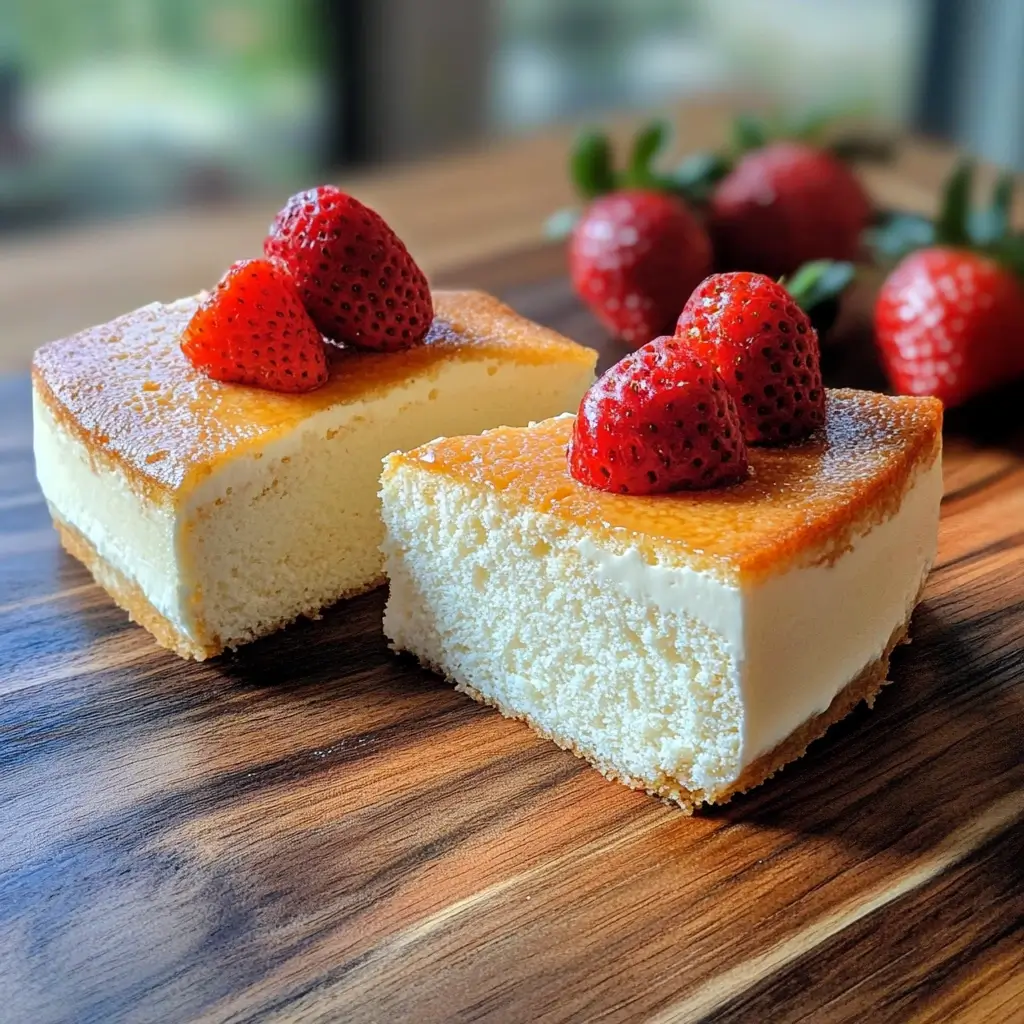
My family has always had a sweet tooth, but lately, we’ve been trying to cut back on refined sugar. Baking, however, is a cherished weekend tradition in our home, and the thought of completely giving up cake was… well, unthinkable! That’s when I stumbled upon the concept of a sugar-free yogurt cake. Skeptical yet intrigued, I decided to give it a try. The result? Absolutely delightful! The cake was moist, tender, and had a lovely subtle sweetness that satisfied our cravings without the sugar rush and subsequent crash. Even my kids, usually the biggest critics of “healthy” desserts, devoured it. This recipe has become a regular in our rotation – a guilt-free treat that proves you can have your cake and eat it too, even without the sugar! This Sugar-Free Yogurt Cake is not just a healthy alternative; it’s genuinely delicious and easy to make. Let me share the recipe and all my tips to help you bake this wonderful treat at home.
Ingredients
Creating a delicious and satisfying sugar-free yogurt cake starts with selecting the right ingredients. Each component plays a crucial role in achieving the perfect texture, flavor, and health profile. Let’s delve into each ingredient, understanding its purpose and exploring potential alternatives to tailor the recipe to your preferences and dietary needs.
- All-Purpose Flour (3 cups / 360g): The foundation of our cake, all-purpose flour provides structure and texture. Its gluten content creates the necessary elasticity and rise for a classic cake crumb. For those seeking variations, you can explore alternatives:
- Whole Wheat Flour: For a nuttier flavor and increased fiber, you can substitute up to half of the all-purpose flour with whole wheat flour. This will result in a slightly denser cake, but with added nutritional benefits.
- Gluten-Free Flour Blend: If you’re gluten-sensitive or following a gluten-free diet, opt for a high-quality gluten-free all-purpose flour blend. Ensure it’s designed for baking and contains xanthan gum or guar gum to mimic gluten’s binding properties. Blends based on rice flour, tapioca starch, and potato starch often work well.
- Almond Flour: For a grain-free and lower-carb option, almond flour can be used, but it will significantly alter the cake’s texture, making it denser and moister. You might need to adjust liquid ratios and baking time when using almond flour.
- Sugar Substitute (¾ cup equivalent to sugar): The heart of our sugar-free recipe lies in the sugar substitute. Numerous options are available, each with varying sweetness levels and characteristics:
- Erythritol: A sugar alcohol that is about 60-80% as sweet as sugar. It’s well-tolerated by most people and has minimal impact on blood sugar levels. Erythritol often provides a clean, slightly cooling sweetness.
- Stevia: A natural, plant-based sweetener that is significantly sweeter than sugar (200-300 times). Use stevia in moderation; a little goes a long way. Liquid stevia or stevia powder blends designed for baking are good choices.
- Monk Fruit Sweetener: Another natural, zero-calorie sweetener derived from monk fruit. It’s generally considered to have a clean taste and is gaining popularity. Monk fruit sweeteners are often available in granulated form, making them easy to substitute for sugar in baking.
- Xylitol: Another sugar alcohol, similar to erythritol in sweetness and glycemic impact. However, xylitol can be toxic to dogs, so exercise caution if you have pets.
- Allulose: A rare sugar found in fruits like figs and raisins. It has about 70% the sweetness of sugar and minimal impact on blood sugar. Allulose can sometimes promote browning in baked goods.
- Considerations: When choosing a sugar substitute, consider your personal taste preference, any dietary restrictions, and the specific characteristics of the sweetener. Some sweeteners might have a slight aftertaste or affect the texture of the cake differently. It’s often beneficial to experiment with different sweeteners to find your favorite.
- Plain Yogurt (1 cup / 240g): Yogurt is the secret ingredient that contributes to the cake’s incredible moistness and tenderness. It also adds a subtle tang that balances the sweetness.
- Full-Fat Yogurt: For the richest flavor and moistest texture, full-fat plain yogurt is recommended. The fat content enhances the cake’s overall mouthfeel.
- Low-Fat or Non-Fat Yogurt: These can be used as lighter alternatives, but the cake might be slightly less moist. If using non-fat yogurt, you could consider adding a tablespoon of oil to compensate for the reduced fat content.
- Greek Yogurt: Greek yogurt, with its thicker consistency and higher protein content, can also be used. It will result in a slightly denser and tangier cake. If using Greek yogurt, you might need to add a tablespoon or two of milk to reach the desired batter consistency.
- Dairy-Free Yogurt Alternatives: For vegan or dairy-free options, unsweetened plant-based yogurts like coconut yogurt, almond yogurt, or soy yogurt can be substituted. Choose plain, unsweetened varieties to control the sugar content.
- Eggs (3 large): Eggs are crucial for binding the ingredients together, providing structure, richness, and leavening to the cake.
- Large Eggs: Using large eggs as specified in the recipe ensures the correct liquid-to-dry ingredient ratio.
- Egg Substitutes (for vegan options): For a vegan version, you can use egg substitutes like flax eggs (1 tablespoon flaxseed meal mixed with 3 tablespoons water, let sit for 5 minutes) or commercial egg replacers. Keep in mind that vegan cakes might have a slightly different texture than those made with eggs.
- Vegetable Oil (½ cup / 120ml): Oil contributes to the cake’s moistness and tenderness. It prevents the cake from becoming dry or crumbly.
- Neutral Oils: Choose a neutral-flavored oil like canola oil, sunflower oil, or vegetable oil. These oils won’t impart unwanted flavors to the cake.
- Olive Oil (Light): Light olive oil can also be used for a slightly healthier option and a subtle fruity note. Avoid extra virgin olive oil, as its strong flavor might overpower the cake.
- Melted Coconut Oil: For a subtle coconut flavor, melted and cooled coconut oil can be used. This is a good option if you enjoy the taste of coconut in your baked goods.
- Baking Powder (2 teaspoons): Baking powder is a chemical leavening agent that creates air bubbles in the batter, causing the cake to rise and become light and fluffy.
- Fresh Baking Powder: Ensure your baking powder is fresh, as it loses its potency over time. To test freshness, add a teaspoon of baking powder to hot water; it should bubble vigorously.
- Aluminum-Free Baking Powder: For those concerned about aluminum, aluminum-free baking powder is readily available.
- Vanilla Extract (1 teaspoon): Vanilla extract enhances the overall flavor profile of the cake, adding warmth and depth.
- Pure Vanilla Extract: For the best flavor, use pure vanilla extract rather than imitation vanilla flavoring.
- Vanilla Bean Paste: For an even more intense vanilla flavor and visual appeal (specks of vanilla bean), vanilla bean paste can be substituted. Use 1 teaspoon of vanilla bean paste in place of vanilla extract.
- Other Extracts: You can experiment with other extracts like almond extract, lemon extract, or orange extract to create different flavor variations.
- Lemon Zest (1 tablespoon, optional): Lemon zest adds a bright, citrusy note that complements the yogurt and sweetness beautifully. It’s optional but highly recommended for a more vibrant flavor.
- Fresh Lemon Zest: Use fresh lemon zest for the best aroma and flavor. Zest only the yellow part of the lemon peel, avoiding the bitter white pith.
- Orange Zest: For a different citrus twist, you can substitute orange zest for lemon zest.
- Spice Additions: For a warmer, spiced flavor, consider adding ½ teaspoon of ground cinnamon, nutmeg, or cardamom along with the lemon zest or vanilla extract.
- Pinch of Salt: Salt enhances the flavors of all the other ingredients and balances the sweetness.
- Table Salt or Sea Salt: A pinch of either table salt or fine sea salt will work perfectly.
By carefully selecting and understanding each ingredient, you can create a truly exceptional sugar-free yogurt cake that is both healthy and incredibly delicious. Feel free to experiment with variations and substitutions to personalize the recipe to your taste!
Instructions
Baking this Sugar-Free Yogurt Cake is a straightforward and rewarding process. Follow these step-by-step instructions to create a moist and delicious treat:
- Preheat Oven and Prepare Pan: Begin by preheating your oven to 350°F (175°C). This ensures the oven is at the correct temperature when you place the cake in, promoting even baking. While the oven is preheating, prepare your cake pan. Grease and flour a 9-inch round cake pan. Greasing prevents the cake from sticking, and flouring helps create a clean release. Alternatively, you can use parchment paper to line the bottom of the pan for extra insurance against sticking. If using parchment, cut a circle to fit the bottom of the pan and place it in after greasing.
- Combine Dry Ingredients: In a large mixing bowl, whisk together the all-purpose flour, baking powder, and salt. Whisking is crucial as it aerates the flour and ensures the baking powder and salt are evenly distributed throughout the dry ingredients. This even distribution is vital for consistent leavening and flavor in the final cake. Set the bowl aside.
- Combine Wet Ingredients: In a separate large mixing bowl, whisk together the yogurt, sugar substitute, eggs, vegetable oil, and vanilla extract (and lemon zest, if using). Whisk until the mixture is smooth and well combined. Ensure the sugar substitute is fully dissolved into the wet ingredients. The eggs should be thoroughly incorporated to create a homogenous emulsion.
- Combine Wet and Dry Ingredients: Gradually add the dry ingredients to the wet ingredients, mixing on low speed with an electric mixer or gently folding with a spatula. Add the dry ingredients in batches, about one-third at a time. Mix until just combined after each addition. Be careful not to overmix the batter. Overmixing can develop the gluten in the flour excessively, resulting in a tough cake. Mix until the flour streaks disappear, and the batter is smooth but still slightly thick.
- Pour Batter into Pan and Bake: Pour the batter into the prepared cake pan, spreading it evenly with a spatula. Tap the pan gently on the countertop a few times to release any trapped air bubbles and ensure an even cake surface. Place the cake pan in the preheated oven and bake for 30-35 minutes, or until a wooden skewer inserted into the center comes out clean. Baking time can vary slightly depending on your oven, so it’s essential to check for doneness. The cake should be golden brown on top, and the edges should be starting to pull away from the sides of the pan.
- Cool in Pan: Once baked, remove the cake from the oven and let it cool in the pan for 10-15 minutes. This allows the cake to set slightly and makes it easier to remove from the pan without breaking. Cooling in the pan also helps retain moisture.
- Invert and Cool Completely: After the initial cooling period, carefully invert the cake onto a wire rack to cool completely. Inverting onto a rack allows air to circulate around the cake, preventing the bottom from becoming soggy and ensuring even cooling. Let the cake cool completely before frosting or serving. Cooling completely is crucial for frosting, as warm cake can melt frosting.
- Frost (Optional) and Serve: Once the cake is completely cooled, you can frost it if desired. Sugar-free frosting options include:
- Sugar-Free Whipped Cream: Lightly sweetened with a sugar substitute.
- Sugar-Free Cream Cheese Frosting: Made with cream cheese, butter, and a sugar substitute.
- Simple Dusting of Sugar Substitute: A light dusting of powdered erythritol or monk fruit sweetener for a minimalist approach.
- Sugar-Free Glaze: Made with powdered sugar substitute and a liquid like lemon juice or milk.
Once frosted (or unfrosted), slice and serve your delicious Sugar-Free Yogurt Cake! Enjoy the moist texture and delightful flavor of this healthier treat.
Nutrition Facts
Understanding the nutritional content of your Sugar-Free Yogurt Cake is important, especially when aiming for a healthier dessert option. Please note that these are approximate values and can vary based on specific ingredients used, particularly the type of sugar substitute and yogurt, as well as serving size.
Servings: 12
Approximate Nutrition Facts per Serving:
- Calories: 220-280 kcal (depending on ingredients and sugar substitute used)
- Total Fat: 12-16g
- Saturated Fat: 2-4g (depending on yogurt and oil type)
- Cholesterol: 40-60mg
- Sodium: 150-200mg
- Total Carbohydrates: 25-35g (depending on flour and sugar substitute)
- Dietary Fiber: 1-2g
- Net Carbs: 24-33g (Net carbs are total carbs minus fiber and sugar alcohols, if applicable, depending on the sugar substitute. Erythritol, for example, has negligible net carbs.)
- Sugars: 1-3g (naturally occurring sugars from yogurt and minimal residual sugars from some substitutes)
- Protein: 4-6g
Important Considerations:
- Sugar Content: This cake is significantly lower in added sugars compared to traditional cakes. The sugar content listed is primarily from naturally occurring sugars in yogurt and trace amounts from some sugar substitutes.
- Sugar Substitutes: The type of sugar substitute used will impact the carbohydrate and calorie count, as well as the net carb value. Erythritol, stevia, and monk fruit sweeteners are generally considered to have minimal impact on blood sugar and calories.
- Flour Type: Using whole wheat flour will increase the fiber content and slightly alter the carbohydrate profile. Gluten-free flour blends can vary in their nutritional content.
- Yogurt Choice: Full-fat yogurt will contribute more calories and fat compared to low-fat or non-fat yogurt.
- Serving Size: These nutrition facts are based on a serving size of approximately 1/12th of the cake. Adjust serving sizes to fit your dietary needs and calorie goals.
Health Benefits of Sugar-Free Yogurt Cake (Compared to Traditional Cake):
- Lower in Added Sugars: Significantly reduces or eliminates refined sugar, which is beneficial for blood sugar control, weight management, and overall health.
- May Be Lower in Calories: Depending on the sugar substitute and other ingredient choices, it can be lower in calories compared to traditional sugary cakes.
- Source of Protein and Calcium: Yogurt contributes protein and calcium to the cake, adding nutritional value beyond just empty calories.
- Potentially Higher in Fiber (with whole wheat flour): Using whole wheat flour can increase the fiber content, promoting digestive health and satiety.
While this Sugar-Free Yogurt Cake is a healthier alternative, it’s still a treat to be enjoyed in moderation as part of a balanced diet. Be mindful of portion sizes and consider the overall nutritional context of your meals and snacks.
Preparation Time
The preparation time for this Sugar-Free Yogurt Cake is quite efficient, making it a great option for a quick and wholesome dessert. Here’s a breakdown of the time involved:
- Prep Time: 15-20 minutes
- This includes gathering ingredients, measuring, whisking dry ingredients, whisking wet ingredients, and combining wet and dry ingredients to form the batter.
- Zesting lemon (if using) and preparing the cake pan are also included in the prep time.
- Bake Time: 30-35 minutes
- The cake bakes in the preheated oven for approximately 30 to 35 minutes, or until a wooden skewer inserted into the center comes out clean.
- Baking time may vary slightly depending on your oven and pan type.
- Cooling Time: 1-2 hours (minimum)
- Initial cooling in the pan: 10-15 minutes.
- Complete cooling on a wire rack: At least 1 hour, preferably longer, for the cake to fully cool before frosting or serving.
- Total Time (Approximate): 1 hour 45 minutes – 2 hours 35 minutes
Time-Saving Tips:
- Measure Ingredients in Advance: To speed up the prep time, measure out all your ingredients before you begin mixing. This is known as “mise en place” and can make the baking process much smoother.
- Use an Electric Mixer: While you can mix the batter by hand, using an electric mixer (hand mixer or stand mixer) will be faster and more efficient, especially for combining the wet and dry ingredients.
- Parchment Paper Lining: Lining the cake pan with parchment paper can make cleanup faster and ensure easy cake removal.
- Make Ahead: The cake can be baked a day ahead and stored at room temperature, tightly wrapped, or in an airtight container. Frosting can be added just before serving.
Planning Ahead:
- If you need to serve the cake for a specific event, factor in the cooling time. It’s best to bake the cake at least a few hours in advance to allow for complete cooling.
- For a quicker dessert, you can skip the frosting step and simply dust the cooled cake with a sugar substitute or serve it plain with fresh fruit.
Overall, the active hands-on time for this Sugar-Free Yogurt Cake is minimal (under 30 minutes), making it a convenient recipe to fit into busy schedules. The majority of the time is spent baking and cooling, which requires little to no active effort.
How to Serve
This Sugar-Free Yogurt Cake is incredibly versatile and can be served in various ways to suit different occasions and preferences. Here are some delightful serving suggestions:
- Simple and Classic:
- Plain Slice: Enjoy a slice of the cake as is, especially if you appreciate the subtle sweetness and moist texture. It’s perfect with a cup of coffee or tea for a light afternoon treat.
- Dusted with Sugar Substitute: A light dusting of powdered erythritol, monk fruit sweetener, or stevia provides a touch of sweetness and a visually appealing finish. Use a fine-mesh sieve for even dusting.
- With Fresh Fruit:
- Berries: Serve slices of cake topped with fresh berries like strawberries, blueberries, raspberries, or mixed berries. The tartness of the berries complements the cake beautifully.
- Sliced Peaches or Nectarines: In the summer, pair the cake with slices of ripe peaches or nectarines for a juicy and flavorful combination.
- Baked Apples or Pears: For a warmer option, serve with baked apples or pears spiced with cinnamon and nutmeg.
- Fruit Compote: A homemade fruit compote (sugar-free, of course) made with berries, cherries, or apples can be a lovely topping.
- With Cream and Frosting:
- Sugar-Free Whipped Cream: Top each slice with a dollop of freshly whipped cream lightly sweetened with a sugar substitute.
- Sugar-Free Cream Cheese Frosting: A classic cream cheese frosting, made sugar-free, adds richness and tanginess. Spread it generously over the cooled cake or pipe decorative swirls.
- Light Glaze: A simple sugar-free glaze made with powdered sugar substitute and lemon juice or milk drizzles beautifully over the cake.
- Dessert Pairings:
- Yogurt Parfait: Layer crumbled cake with yogurt, fresh fruit, and a sprinkle of granola (sugar-free) for a lighter dessert parfait.
- Ice Cream or Sorbet: Serve warm slices of cake with a scoop of sugar-free vanilla ice cream, sorbet, or frozen yogurt for a more indulgent dessert.
- Custard or Sauce: Pair with a light sugar-free custard, vanilla sauce, or fruit coulis for added flavor and moisture.
- Occasions and Serving Ideas:
- Everyday Treat: Perfect for a weekday or weekend dessert, a light snack, or part of a healthy breakfast (especially with yogurt and fruit).
- Brunch or Tea Party: Serve slices on a platter as part of a brunch spread or afternoon tea.
- Birthday Cake Alternative: Can be used as a healthier birthday cake option, decorated with sugar-free frosting and candles.
- Potlucks and Gatherings: Easy to transport and share, making it a great option for potlucks or casual gatherings.
- Serving Temperature:
- Room Temperature: The cake is delicious served at room temperature, allowing its moist texture and flavors to be fully appreciated.
- Slightly Warm: You can gently warm slices of cake in the microwave for a few seconds for a cozy, comforting treat, especially when paired with ice cream or fruit compote.
No matter how you choose to serve it, this Sugar-Free Yogurt Cake is a delightful and guilt-free way to satisfy your sweet cravings. Its versatility makes it suitable for any occasion, from a simple family dessert to a more elaborate presentation for guests.
Additional Tips for the Best Sugar-Free Yogurt Cake
To ensure your Sugar-Free Yogurt Cake turns out perfectly moist, flavorful, and delicious, here are five additional tips:
- Use Room Temperature Ingredients: Ensure your yogurt, eggs, and oil are at room temperature before you begin baking. Room temperature ingredients emulsify more easily, creating a smoother batter and a more evenly textured cake. Cold ingredients can sometimes cause the batter to curdle or not combine as smoothly, affecting the final texture of the cake. Take the ingredients out of the refrigerator about 30 minutes to an hour before you start baking.
- Don’t Overmix the Batter: Overmixing the batter is one of the most common mistakes in baking. Overmixing develops the gluten in the flour, which can result in a tough and dense cake instead of a tender and fluffy one. Mix the wet and dry ingredients together until just combined. Stop mixing as soon as the flour streaks disappear. It’s okay if there are a few small lumps; they will usually bake out. For best results, especially when combining wet and dry ingredients, fold gently with a spatula in the final stages to avoid overmixing.
- Measure Flour Accurately: Accurate flour measurement is crucial in baking. Too much flour can lead to a dry and dense cake, while too little can result in a cake that is too wet or doesn’t have enough structure. The best way to measure flour is using the “spoon and level” method. Lightly spoon flour into your measuring cup until it is overflowing, then level it off with the back of a knife or a straight-edged spatula. Avoid scooping flour directly from the bag, as this compacts the flour and can lead to using too much.
- Check for Doneness Properly: Relying solely on baking time is not always accurate, as ovens can vary in temperature. To check if your cake is done, insert a wooden skewer or toothpick into the center of the cake. If it comes out clean or with only a few moist crumbs attached (not wet batter), the cake is done. If it comes out with wet batter, bake for a few more minutes and check again. Overbaking can dry out the cake, so it’s best to err on the side of slightly underbaked if unsure, as the cake will continue to set as it cools.
- Cool Cake Completely Before Frosting: Patience is key when it comes to cooling the cake. Ensure the cake is completely cooled before attempting to frost it. Frosting a warm cake will cause the frosting to melt and slide off, resulting in a messy and less visually appealing cake. Allow the cake to cool in the pan for about 10-15 minutes after baking, then invert it onto a wire rack to cool completely. This usually takes at least an hour or two, depending on the room temperature. If you’re in a rush, you can speed up the cooling process slightly by placing the cake rack in the refrigerator for a shorter period, but complete room temperature cooling is generally recommended for best texture.
By following these additional tips, you can elevate your Sugar-Free Yogurt Cake baking and consistently achieve delicious and satisfying results. These small details can make a big difference in the overall texture, flavor, and enjoyment of your sugar-free treat.
Frequently Asked Questions (FAQ)
Here are five frequently asked questions about making Sugar-Free Yogurt Cake, along with detailed answers to help you bake with confidence:
Q1: Can I use a different type of sugar substitute?
A: Yes, absolutely! The recipe is quite flexible when it comes to sugar substitutes. You can use erythritol, stevia, monk fruit sweetener, xylitol, allulose, or any other sugar substitute you prefer that is suitable for baking. Keep in mind that different sugar substitutes have varying sweetness levels. The recipe calls for ¾ cup “sugar equivalent,” so adjust the amount of your chosen sweetener based on its sweetness compared to sugar. For instance, if using stevia, which is much sweeter than sugar, you’ll need to use a significantly smaller amount. It’s always a good idea to start with slightly less than recommended and taste the batter (if safe to taste raw eggs in your recipe – otherwise, a tiny cooked portion) before baking to adjust sweetness to your preference. Also, be aware that some sugar substitutes may have a slight aftertaste or affect the texture differently, so experimentation might be needed to find your perfect sweetener.
Q2: Can I make this cake gluten-free?
A: Yes, you can adapt this recipe to be gluten-free. To make a gluten-free Sugar-Free Yogurt Cake, substitute the all-purpose flour with a high-quality gluten-free all-purpose flour blend. Ensure the blend is designed for baking and ideally contains xanthan gum or guar gum. These gums act as binders, mimicking the role of gluten in providing structure. Not all gluten-free flour blends are created equal, so choose a reputable brand. When using gluten-free flour, you might find the texture slightly different – often a bit denser or slightly more crumbly than a cake made with wheat flour. Follow the recipe instructions as written, but keep an eye on the baking time, as gluten-free cakes can sometimes bake slightly faster or slower.
Q3: Can I add fruit or nuts to the cake batter?
A: Certainly! Adding fruit or nuts is a fantastic way to customize your Sugar-Free Yogurt Cake. For fruit, consider adding about 1 cup of fresh or frozen (but thawed and drained if very juicy) berries like blueberries, raspberries, or chopped strawberries. You could also add diced apples, peaches, or chopped bananas. For nuts, about ½ to ¾ cup of chopped walnuts, pecans, almonds, or hazelnuts would work well. Gently fold in the fruit or nuts into the batter just before pouring it into the cake pan. Adding fruits or nuts might slightly increase the baking time, so check for doneness with a skewer as described in the instructions. Ensure any added fruits are not overly wet, as excess moisture can affect the cake’s texture.
Q4: How should I store leftover Sugar-Free Yogurt Cake?
A: To store leftover Sugar-Free Yogurt Cake and keep it fresh and moist, allow the cake to cool completely after baking. Once cooled, wrap it tightly in plastic wrap or aluminum foil, or place it in an airtight container. Store the cake at room temperature for up to 2-3 days. For longer storage, you can refrigerate the cake for up to 5 days. Refrigeration might slightly dry out the cake, so ensure it’s very well wrapped to minimize moisture loss. You can also freeze the cake for longer storage (up to 2-3 months). To freeze, wrap cooled cake slices or the whole cake tightly in plastic wrap, then in foil, or place in a freezer-safe container. Thaw frozen cake in the refrigerator overnight or at room temperature for a few hours before serving.
Q5: My cake sank in the middle. What did I do wrong?
A: A sunken cake can be frustrating, but it’s often due to a few common reasons. One of the most frequent causes is oven temperature. If your oven temperature is too low, the cake might not set properly before the structure is formed, leading to sinking. Ensure your oven is preheated to the correct temperature (350°F/175°C) and that your oven thermometer is accurate if you suspect temperature inconsistencies. Another cause can be overmixing the batter, which weakens the gluten structure and can cause the cake to collapse. Also, using too much leavening agent (baking powder) can cause a rapid rise followed by a collapse. Ensure you are using the correct amount of baking powder (2 teaspoons). Finally, opening the oven door too frequently during baking can cause temperature fluctuations that can lead to sinking. Try to avoid opening the oven door until the cake is nearly done (around 2/3 of the baking time). By addressing these potential issues, you can minimize the risk of your Sugar-Free Yogurt Cake sinking in the middle and achieve a perfectly risen and delicious result.
Print
Sugar-Free Yogurt Cake Recipe
Ingredients
- All-Purpose Flour (3 cups / 360g): The foundation of our cake, all-purpose flour provides structure and texture. Its gluten content creates the necessary elasticity and rise for a classic cake crumb. For those seeking variations, you can explore alternatives:
- Whole Wheat Flour: For a nuttier flavor and increased fiber, you can substitute up to half of the all-purpose flour with whole wheat flour. This will result in a slightly denser cake, but with added nutritional benefits.
- Gluten-Free Flour Blend: If you’re gluten-sensitive or following a gluten-free diet, opt for a high-quality gluten-free all-purpose flour blend. Ensure it’s designed for baking and contains xanthan gum or guar gum to mimic gluten’s binding properties. Blends based on rice flour, tapioca starch, and potato starch often work well.
- Almond Flour: For a grain-free and lower-carb option, almond flour can be used, but it will significantly alter the cake’s texture, making it denser and moister. You might need to adjust liquid ratios and baking time when using almond flour.
- Sugar Substitute (¾ cup equivalent to sugar): The heart of our sugar-free recipe lies in the sugar substitute. Numerous options are available, each with varying sweetness levels and characteristics:
- Erythritol: A sugar alcohol that is about 60-80% as sweet as sugar. It’s well-tolerated by most people and has minimal impact on blood sugar levels. Erythritol often provides a clean, slightly cooling sweetness.
- Stevia: A natural, plant-based sweetener that is significantly sweeter than sugar (200-300 times). Use stevia in moderation; a little goes a long way. Liquid stevia or stevia powder blends designed for baking are good choices.
- Monk Fruit Sweetener: Another natural, zero-calorie sweetener derived from monk fruit. It’s generally considered to have a clean taste and is gaining popularity. Monk fruit sweeteners are often available in granulated form, making them easy to substitute for sugar in baking.
- Xylitol: Another sugar alcohol, similar to erythritol in sweetness and glycemic impact. However, xylitol can be toxic to dogs, so exercise caution if you have pets.
- Allulose: A rare sugar found in fruits like figs and raisins. It has about 70% the sweetness of sugar and minimal impact on blood sugar. Allulose can sometimes promote browning in baked goods.
- Considerations: When choosing a sugar substitute, consider your personal taste preference, any dietary restrictions, and the specific characteristics of the sweetener. Some sweeteners might have a slight aftertaste or affect the texture of the cake differently. It’s often beneficial to experiment with different sweeteners to find your favorite.
- Plain Yogurt (1 cup / 240g): Yogurt is the secret ingredient that contributes to the cake’s incredible moistness and tenderness. It also adds a subtle tang that balances the sweetness.
- Full-Fat Yogurt: For the richest flavor and moistest texture, full-fat plain yogurt is recommended. The fat content enhances the cake’s overall mouthfeel.
- Low-Fat or Non-Fat Yogurt: These can be used as lighter alternatives, but the cake might be slightly less moist. If using non-fat yogurt, you could consider adding a tablespoon of oil to compensate for the reduced fat content.
- Greek Yogurt: Greek yogurt, with its thicker consistency and higher protein content, can also be used. It will result in a slightly denser and tangier cake. If using Greek yogurt, you might need to add a tablespoon or two of milk to reach the desired batter consistency.
- Dairy-Free Yogurt Alternatives: For vegan or dairy-free options, unsweetened plant-based yogurts like coconut yogurt, almond yogurt, or soy yogurt can be substituted. Choose plain, unsweetened varieties to control the sugar content.
- Eggs (3 large): Eggs are crucial for binding the ingredients together, providing structure, richness, and leavening to the cake.
- Large Eggs: Using large eggs as specified in the recipe ensures the correct liquid-to-dry ingredient ratio.
- Egg Substitutes (for vegan options): For a vegan version, you can use egg substitutes like flax eggs (1 tablespoon flaxseed meal mixed with 3 tablespoons water, let sit for 5 minutes) or commercial egg replacers. Keep in mind that vegan cakes might have a slightly different texture than those made with eggs.
- Vegetable Oil (½ cup / 120ml): Oil contributes to the cake’s moistness and tenderness. It prevents the cake from becoming dry or crumbly.
- Neutral Oils: Choose a neutral-flavored oil like canola oil, sunflower oil, or vegetable oil. These oils won’t impart unwanted flavors to the cake.
- Olive Oil (Light): Light olive oil can also be used for a slightly healthier option and a subtle fruity note. Avoid extra virgin olive oil, as its strong flavor might overpower the cake.
- Melted Coconut Oil: For a subtle coconut flavor, melted and cooled coconut oil can be used. This is a good option if you enjoy the taste of coconut in your baked goods.
- Baking Powder (2 teaspoons): Baking powder is a chemical leavening agent that creates air bubbles in the batter, causing the cake to rise and become light and fluffy.
- Fresh Baking Powder: Ensure your baking powder is fresh, as it loses its potency over time. To test freshness, add a teaspoon of baking powder to hot water; it should bubble vigorously.
- Aluminum-Free Baking Powder: For those concerned about aluminum, aluminum-free baking powder is readily available.
- Vanilla Extract (1 teaspoon): Vanilla extract enhances the overall flavor profile of the cake, adding warmth and depth.
- Pure Vanilla Extract: For the best flavor, use pure vanilla extract rather than imitation vanilla flavoring.
- Vanilla Bean Paste: For an even more intense vanilla flavor and visual appeal (specks of vanilla bean), vanilla bean paste can be substituted. Use 1 teaspoon of vanilla bean paste in place of vanilla extract.
- Other Extracts: You can experiment with other extracts like almond extract, lemon extract, or orange extract to create different flavor variations.
- Lemon Zest (1 tablespoon, optional): Lemon zest adds a bright, citrusy note that complements the yogurt and sweetness beautifully. It’s optional but highly recommended for a more vibrant flavor.
- Fresh Lemon Zest: Use fresh lemon zest for the best aroma and flavor. Zest only the yellow part of the lemon peel, avoiding the bitter white pith.
- Orange Zest: For a different citrus twist, you can substitute orange zest for lemon zest.
- Spice Additions: For a warmer, spiced flavor, consider adding ½ teaspoon of ground cinnamon, nutmeg, or cardamom along with the lemon zest or vanilla extract.
- Pinch of Salt: Salt enhances the flavors of all the other ingredients and balances the sweetness.
- Table Salt or Sea Salt: A pinch of either table salt or fine sea salt will work perfectly.
Instructions
- Preheat Oven and Prepare Pan: Begin by preheating your oven to 350°F (175°C). This ensures the oven is at the correct temperature when you place the cake in, promoting even baking. While the oven is preheating, prepare your cake pan. Grease and flour a 9-inch round cake pan. Greasing prevents the cake from sticking, and flouring helps create a clean release. Alternatively, you can use parchment paper to line the bottom of the pan for extra insurance against sticking. If using parchment, cut a circle to fit the bottom of the pan and place it in after greasing.
- Combine Dry Ingredients: In a large mixing bowl, whisk together the all-purpose flour, baking powder, and salt. Whisking is crucial as it aerates the flour and ensures the baking powder and salt are evenly distributed throughout the dry ingredients. This even distribution is vital for consistent leavening and flavor in the final cake. Set the bowl aside.
- Combine Wet Ingredients: In a separate large mixing bowl, whisk together the yogurt, sugar substitute, eggs, vegetable oil, and vanilla extract (and lemon zest, if using). Whisk until the mixture is smooth and well combined. Ensure the sugar substitute is fully dissolved into the wet ingredients. The eggs should be thoroughly incorporated to create a homogenous emulsion.
- Combine Wet and Dry Ingredients: Gradually add the dry ingredients to the wet ingredients, mixing on low speed with an electric mixer or gently folding with a spatula. Add the dry ingredients in batches, about one-third at a time. Mix until just combined after each addition. Be careful not to overmix the batter. Overmixing can develop the gluten in the flour excessively, resulting in a tough cake. Mix until the flour streaks disappear, and the batter is smooth but still slightly thick.
- Pour Batter into Pan and Bake: Pour the batter into the prepared cake pan, spreading it evenly with a spatula. Tap the pan gently on the countertop a few times to release any trapped air bubbles and ensure an even cake surface. Place the cake pan in the preheated oven and bake for 30-35 minutes, or until a wooden skewer inserted into the center comes out clean. Baking time can vary slightly depending on your oven, so it’s essential to check for doneness. The cake should be golden brown on top, and the edges should be starting to pull away from the sides of the pan.
- Cool in Pan: Once baked, remove the cake from the oven and let it cool in the pan for 10-15 minutes. This allows the cake to set slightly and makes it easier to remove from the pan without breaking. Cooling in the pan also helps retain moisture.
- Invert and Cool Completely: After the initial cooling period, carefully invert the cake onto a wire rack to cool completely. Inverting onto a rack allows air to circulate around the cake, preventing the bottom from becoming soggy and ensuring even cooling. Let the cake cool completely before frosting or serving. Cooling completely is crucial for frosting, as warm cake can melt frosting.
- Frost (Optional) and Serve: Once the cake is completely cooled, you can frost it if desired. Sugar-free frosting options include:
- Sugar-Free Whipped Cream: Lightly sweetened with a sugar substitute.
- Sugar-Free Cream Cheese Frosting: Made with cream cheese, butter, and a sugar substitute.
- Simple Dusting of Sugar Substitute: A light dusting of powdered erythritol or monk fruit sweetener for a minimalist approach.
- Sugar-Free Glaze: Made with powdered sugar substitute and a liquid like lemon juice or milk.
Nutrition
- Serving Size: one normal portion
- Calories: 220-280 kcal
- Sugar: 1-3g
- Sodium: 150-200mg
- Fat: 12-16g
- Saturated Fat: 2-4g
- Carbohydrates: 25-35g
- Fiber: 1-2g
- Protein: 4-6g
- Cholesterol: 40-60mg