
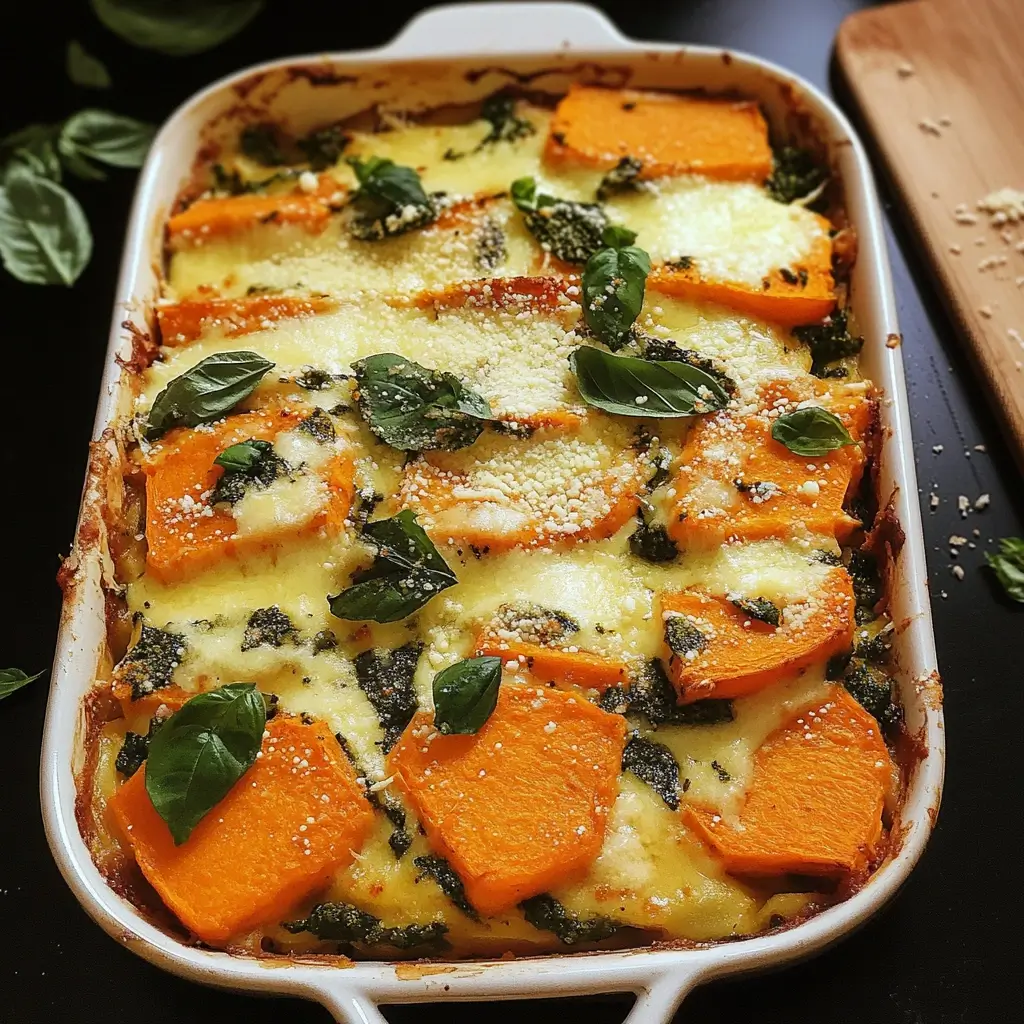
There’s something undeniably comforting about lasagna. The layers of pasta, rich sauce, and melted cheese create a symphony of flavors and textures that warm the soul. But sometimes, even beloved classics need a little refreshing. That’s where this Sweet Potato Lasagna comes into play. I first stumbled upon a variation of this recipe a few years ago, and honestly, I was skeptical. Sweet potatoes in lasagna? It sounded a bit unconventional, perhaps even…odd. However, my family is always up for trying new things, especially when it comes to dinner. So, I decided to give it a shot, and let me tell you, it was a revelation! The earthy sweetness of the roasted sweet potatoes, combined with the savory ricotta and vibrant spinach, created a lasagna that was both familiar and excitingly different. The kids, who are usually pasta purists, devoured it, and my husband, who appreciates a good hearty meal, declared it a new family favorite. Since then, this Sweet Potato Lasagna has become a regular feature on our dinner table, especially during the cooler months. It’s a dish that feels indulgent yet wholesome, satisfying yet surprisingly light. If you’re looking for a way to elevate your lasagna game and incorporate more vegetables into your diet without sacrificing flavor or comfort, then you absolutely must try this recipe. It’s a guaranteed crowd-pleaser and a delicious way to experience lasagna in a whole new light. Get ready to be amazed by the magic that happens when sweet potatoes meet lasagna!
Ingredients
Creating the perfect Sweet Potato Lasagna hinges on the quality and balance of its ingredients. Each component plays a crucial role in building the layers of flavor and texture that make this dish so irresistible. Let’s delve into each ingredient, exploring why they are essential and offering some helpful tips to ensure you’re using the best possible components for your lasagna masterpiece.
- Sweet Potatoes: The star of the show! You’ll need approximately 2 large sweet potatoes, about 1.5 to 2 pounds total. Look for firm sweet potatoes with smooth skin, free from blemishes or soft spots. The size will determine how many slices you get for layering, so slightly larger ones are preferable. Roasting sweet potatoes brings out their natural sweetness and creates a tender texture perfect for lasagna. For optimal flavor, consider using garnet or jewel sweet potatoes, which are known for their vibrant color and rich taste. You could even experiment with purple sweet potatoes for a visually stunning lasagna with a slightly different flavor profile.
- Lasagna Noodles: You’ll need about 9-12 lasagna noodles, depending on the size of your baking dish and the desired thickness of your layers. Opt for oven-ready or no-boil lasagna noodles to simplify the preparation process. These noodles are pre-cooked and absorb moisture from the sauce during baking, eliminating the need for boiling. If you prefer traditional lasagna noodles, be sure to cook them according to package directions until al dente before assembling your lasagna. For a gluten-free option, consider using gluten-free lasagna noodles made from rice, corn, or quinoa.
- Ricotta Cheese: 15 ounces of ricotta cheese provides the creamy, cheesy layer that contrasts beautifully with the sweet potatoes and spinach. Whole milk ricotta will offer the richest flavor and creamiest texture, but part-skim ricotta can be used for a slightly lighter option. Ensure your ricotta is fresh and smooth. For an extra layer of flavor, you can consider using fresh ricotta made from whole milk, which has a delicate sweetness and unparalleled creaminess.
- Spinach: 10 ounces of fresh spinach adds a vibrant green color, earthy flavor, and a boost of nutrients to the lasagna. Fresh spinach is preferred for its texture and flavor, but frozen spinach can be used in a pinch. If using frozen spinach, be sure to thaw it completely and squeeze out as much excess water as possible before incorporating it into the lasagna. Baby spinach is a convenient option as it is pre-washed and tender.
- Marinara Sauce: 24 ounces of your favorite marinara sauce forms the flavorful base of the lasagna. You can use store-bought marinara sauce for convenience, or you can elevate the dish by making your own homemade marinara sauce. Homemade sauce allows you to control the ingredients and flavors, and it often tastes significantly fresher and more vibrant. Look for a marinara sauce that is rich, flavorful, and not too acidic. Consider adding a pinch of red pepper flakes to your marinara sauce for a subtle kick of heat.
- Mozzarella Cheese: 8 ounces of shredded mozzarella cheese provides that classic cheesy pull and melted goodness that is essential to lasagna. Part-skim mozzarella is a good option for a slightly lighter lasagna, while whole milk mozzarella will offer a richer, meltier texture. Fresh mozzarella balls, sliced thinly, can also be used for a more gourmet touch and a creamier melt. Consider using a blend of mozzarella and provolone for a more complex cheesy flavor.
- Parmesan Cheese: 1/2 cup of grated Parmesan cheese adds a salty, nutty, and savory depth of flavor to the lasagna. Freshly grated Parmesan cheese is always preferred for its superior flavor and texture. Parmesan cheese is used both in the ricotta mixture and sprinkled on top of the lasagna for a crispy, cheesy crust. Reggiano Parmesan is considered the highest quality, but Grana Padano is a more affordable and still delicious alternative.
- Egg: 1 large egg acts as a binder for the ricotta cheese mixture, helping it hold together and prevent it from becoming too watery. Use a fresh, large egg. The egg also adds a touch of richness to the ricotta mixture.
- Garlic: 2 cloves of garlic, minced, infuse the ricotta mixture and marinara sauce with a pungent and savory aroma. Fresh garlic is always preferred for its superior flavor. Mince the garlic finely or use a garlic press to ensure it is evenly distributed throughout the ricotta mixture and marinara sauce. Roasted garlic can also be used for a sweeter, mellower garlic flavor.
- Dried Oregano: 1 teaspoon of dried oregano adds a classic Italian herb flavor to the lasagna. Dried oregano is readily available and provides a warm, slightly peppery flavor. Fresh oregano can also be used; use about 1 tablespoon of fresh oregano, chopped. Other Italian herbs like basil, thyme, or marjoram can be added or substituted to customize the flavor profile.
- Salt and Black Pepper: To taste, essential for seasoning and enhancing the flavors of all the ingredients. Use kosher salt or sea salt for the best flavor. Freshly ground black pepper is preferred for its bolder and more aromatic flavor. Season each layer of the lasagna with salt and pepper to ensure even seasoning throughout the dish.
- Olive Oil: 2 tablespoons of olive oil is used for roasting the sweet potatoes and sautéing the spinach (optional, if sautéing). Extra virgin olive oil is preferred for its flavor and health benefits. Olive oil helps to caramelize the sweet potatoes and adds richness to the dish.
Instructions
Crafting this Sweet Potato Lasagna is a rewarding culinary journey, layering flavors and textures to create a dish that’s both comforting and surprisingly healthy. Follow these detailed instructions step-by-step to ensure lasagna perfection.
Step 1: Roast the Sweet Potatoes
Preheat your oven to 400°F (200°C). This high temperature is ideal for roasting sweet potatoes, allowing them to caramelize beautifully on the outside while becoming tender and creamy on the inside.
Wash and peel the sweet potatoes. Peeling is important to ensure a smooth texture in the lasagna layers. After peeling, cut the sweet potatoes into ¼-inch thick rounds. Uniform thickness is key for even roasting and consistent texture in the final dish.
Place the sweet potato rounds in a single layer on a baking sheet. Overcrowding the baking sheet will cause the sweet potatoes to steam rather than roast, resulting in a less desirable texture. Drizzle with 1 tablespoon of olive oil and season generously with salt and black pepper. Tossing them with olive oil and seasoning before roasting is crucial for flavor development and proper caramelization.
Roast for 20-25 minutes, flipping halfway through, or until tender and slightly caramelized. Flipping ensures even cooking and browning on both sides. You’ll know they are ready when they are easily pierced with a fork and have developed slightly browned edges. Remove from the oven and set aside to cool slightly. Allowing them to cool slightly makes them easier to handle for layering and prevents them from overheating the ricotta mixture.
Step 2: Prepare the Spinach (Optional)
While the sweet potatoes are roasting, prepare the spinach. If using fresh spinach, wash it thoroughly to remove any grit. You can either use the spinach raw, layering it directly into the lasagna, or you can lightly sauté it. Sautéing spinach reduces its volume and intensifies its flavor.
If sautéing, heat 1 tablespoon of olive oil in a large skillet over medium heat. Add the spinach and cook until wilted, about 3-5 minutes. Stir frequently to ensure even cooking and prevent burning. Season lightly with salt and black pepper. Once wilted, remove from heat and set aside. If using frozen spinach, thaw it completely and squeeze out as much excess water as possible. Excess water from frozen spinach can make the lasagna watery.
Step 3: Make the Ricotta Mixture
In a medium bowl, combine the ricotta cheese, egg, minced garlic, grated Parmesan cheese, dried oregano, salt, and black pepper. The egg acts as a binder, while the garlic, Parmesan, and oregano add flavor to the creamy ricotta layer. Mix well until all ingredients are thoroughly combined. Ensure the egg is fully incorporated to create a smooth and cohesive mixture. Taste and adjust seasoning as needed. Seasoning the ricotta mixture at this stage is important for layering flavors.
Step 4: Assemble the Lasagna
Preheat your oven to 375°F (190°C). Slightly reduce the oven temperature from roasting to baking to prevent the lasagna from browning too quickly on top before the inside is heated through.
Lightly grease a 9×13 inch baking dish. Greasing the dish prevents the lasagna from sticking and makes it easier to serve.
Spread a thin layer of marinara sauce on the bottom of the baking dish. This base layer of sauce prevents the lasagna noodles from sticking to the bottom and adds moisture to the bottom layer.
Arrange a layer of lasagna noodles over the sauce, overlapping as needed to fit the dish. Ensure the noodles cover the sauce layer completely. If using traditional noodles, make sure they are cooked al dente and slightly cooled before layering.
Spread half of the ricotta mixture evenly over the noodles. Distribute the ricotta mixture in an even layer for consistent flavor and texture throughout the lasagna.
Top with half of the roasted sweet potato rounds, overlapping slightly. Create a visually appealing and even layer of sweet potatoes.
If using sautéed spinach, layer half of the spinach over the sweet potatoes. If using raw spinach, you can layer it now or wait until the next layer for slightly different texture.
Sprinkle with 1/3 of the shredded mozzarella cheese. Mozzarella adds melty cheese goodness to each layer.
Repeat layers: marinara sauce, lasagna noodles, remaining ricotta mixture, remaining sweet potato rounds, remaining spinach (if using raw spinach, layer now), and another 1/3 of the shredded mozzarella cheese. Repeating the layers ensures a balanced lasagna with consistent flavors and textures throughout.
Top with a final layer of lasagna noodles, remaining marinara sauce, and the remaining 1/3 of shredded mozzarella cheese and remaining Parmesan cheese. The final layer of sauce and cheese creates a beautiful browned and bubbly topping. Sprinkling Parmesan on top adds a crispy, savory crust.
Step 5: Bake the Lasagna
Cover the baking dish tightly with aluminum foil. Covering the lasagna with foil during the initial baking prevents the top from browning too quickly and allows the inside to heat through and the noodles to soften properly.
Bake for 30 minutes covered. Baking covered allows the lasagna to steam and the flavors to meld together.
Remove the foil and bake for an additional 15-20 minutes, or until the cheese is melted, bubbly, and lightly golden brown. Baking uncovered allows the cheese to melt and brown beautifully. The lasagna is ready when it is heated through, bubbly around the edges, and the cheese is golden brown.
Step 6: Rest and Serve
Let the lasagna rest for 10-15 minutes before slicing and serving. Resting allows the lasagna to set up, making it easier to slice and serve without it falling apart. It also allows the internal temperature to even out, making it more enjoyable to eat. The flavors also continue to meld and deepen as the lasagna rests.
Slice into squares and serve hot. Garnish with fresh basil leaves or a sprinkle of extra Parmesan cheese, if desired. Serve alongside a fresh salad and crusty bread for a complete and satisfying meal.
Nutrition Facts
(Approximate values, per serving, based on 8 servings. Nutritional values can vary based on specific ingredients and brands used.)
Servings: 8
Calories per serving: Approximately 450-550 calories
- Protein: 20-25g
- Fat: 20-25g (Saturated Fat: 10-12g)
- Cholesterol: 80-100mg
- Sodium: 600-800mg
- Carbohydrates: 50-60g
- Fiber: 8-10g
- Sugar: 15-20g
Key Nutritional Highlights:
- Good source of Fiber: Sweet potatoes and spinach contribute significant fiber, aiding in digestion and promoting satiety.
- Rich in Vitamins: Sweet potatoes are packed with Vitamin A and Vitamin C. Spinach is a great source of Vitamin K and folate.
- Source of Protein: Ricotta and mozzarella cheese contribute protein, essential for muscle building and repair.
- Lower in Carbohydrates than Traditional Lasagna: While still containing carbohydrates, this version is often perceived as slightly lower in carbohydrates compared to lasagna made solely with pasta.
- Vegetarian-Friendly: This recipe is a delicious and satisfying vegetarian option, perfect for meatless meals.
Please note: These are estimated values. For precise nutritional information, use a nutrition calculator and input the specific brands and quantities of ingredients you use.
Preparation Time
- Prep Time: 30-40 minutes (includes roasting sweet potatoes and preparing ricotta mixture)
- Cook Time: 45-50 minutes (baking time, including covered and uncovered baking)
- Rest Time: 10-15 minutes
- Total Time: Approximately 1 hour 25 minutes – 1 hour 45 minutes
This Sweet Potato Lasagna is a dish that requires a little time and effort, but the result is well worth it. The hands-on time is primarily focused on roasting the sweet potatoes and assembling the lasagna layers. Much of the cooking process is hands-off baking time, allowing you to prepare a side salad or other accompaniments while the lasagna is in the oven. This recipe is perfect for a weekend dinner project or for preparing ahead of time for a weeknight meal.
How to Serve
Sweet Potato Lasagna is a hearty and satisfying meal on its own, but it pairs beautifully with a variety of side dishes to create a complete and balanced dining experience. Here are some delicious ways to serve your lasagna:
- Fresh Green Salad:
- A simple green salad with a light vinaigrette provides a refreshing contrast to the richness of the lasagna.
- Consider using mixed greens, romaine lettuce, or spinach as your base.
- Add crisp vegetables like cucumbers, bell peppers, and cherry tomatoes.
- A lemon vinaigrette or Italian dressing complements the flavors of the lasagna perfectly.
- Crusty Bread:
- Warm, crusty bread is essential for soaking up every last bit of delicious marinara sauce.
- Serve with a side of olive oil and balsamic vinegar for dipping.
- Garlic bread or cheesy breadsticks would also be a delightful accompaniment.
- Roasted Vegetables:
- Roasted vegetables offer a healthy and flavorful side dish that complements the sweet potato lasagna.
- Consider roasting broccoli, asparagus, Brussels sprouts, or bell peppers.
- Season with olive oil, salt, pepper, and your favorite herbs like rosemary or thyme.
- Steamed Green Beans or Asparagus:
- Steamed green vegetables provide a light and healthy side that balances the richness of the lasagna.
- Steam green beans or asparagus until tender-crisp.
- Drizzle with a little olive oil and lemon juice, and season with salt and pepper.
- Caprese Salad:
- A Caprese salad with fresh tomatoes, mozzarella, and basil provides a classic Italian side that pairs well with lasagna.
- Drizzle with balsamic glaze for added sweetness and tang.
- Wine Pairing:
- For a classic pairing, serve with a medium-bodied red wine like Chianti, Sangiovese, or Merlot.
- A lighter-bodied red like Pinot Noir or a dry rosé would also complement the dish nicely.
- If you prefer white wine, a crisp Pinot Grigio or Sauvignon Blanc could be a refreshing choice.
Additional Tips
To elevate your Sweet Potato Lasagna from delicious to extraordinary, consider these helpful tips that will enhance flavor, texture, and overall presentation.
- Spice it Up: For a touch of heat, add a pinch of red pepper flakes to your marinara sauce or ricotta mixture. You can also incorporate a finely chopped jalapeno into the ricotta mixture for a more pronounced spicy kick. Another option is to use a spicy Italian sausage in place of some of the ricotta for a non-vegetarian version with a fiery element.
- Enhance the Sweet Potato Flavor: Before roasting the sweet potatoes, toss them with a sprinkle of cinnamon or nutmeg to enhance their natural sweetness and add a warm, autumnal spice note. You can also drizzle a touch of maple syrup or honey along with the olive oil before roasting for extra caramelization and depth of flavor.
- Make it Ahead: Sweet Potato Lasagna is an excellent make-ahead dish. Assemble the lasagna completely, cover it tightly with foil, and refrigerate it for up to 24 hours before baking. When ready to bake, let it sit at room temperature for about 30 minutes before placing it in the oven. You may need to add an extra 10-15 minutes to the baking time to ensure it’s heated through if baking directly from the refrigerator.
- Customize Your Cheese Blend: Don’t be afraid to experiment with different cheese combinations. Try adding provolone, fontina, or Gruyère cheese to the mozzarella and Parmesan for a more complex and flavorful cheese layer. Smoked mozzarella can also add a delightful smoky dimension to the lasagna.
- Add Extra Vegetables: Boost the nutritional value and flavor of your lasagna by incorporating additional vegetables. Sautéed mushrooms, zucchini, bell peppers, or eggplant can be layered along with the spinach and sweet potatoes. Roasting vegetables like butternut squash or carrots alongside the sweet potatoes and adding them to the lasagna can also create a delicious and colorful variation.
FAQ Section
Q1: Can I use regular potatoes instead of sweet potatoes?
While you can use regular potatoes, the flavor profile will be significantly different. Sweet potatoes offer a natural sweetness and creamy texture that is central to this recipe. Regular potatoes will be more starchy and less sweet, resulting in a less distinctive lasagna. However, if you prefer a less sweet lasagna or don’t have sweet potatoes on hand, Yukon Gold or red potatoes would be the best alternatives due to their slightly sweeter flavor and creamy texture compared to russet potatoes. Roasting them similarly to sweet potatoes is still recommended.
Q2: Can I freeze Sweet Potato Lasagna?
Yes, Sweet Potato Lasagna freezes exceptionally well. Assemble the lasagna in a freezer-safe dish, cover it tightly with plastic wrap and then foil, and freeze for up to 2-3 months. To bake from frozen, thaw it overnight in the refrigerator or bake directly from frozen (covered with foil) at 350°F (175°C) for about 1 hour 30 minutes to 2 hours, or until heated through and bubbly. Remove the foil during the last 20-30 minutes to allow the cheese to brown. Freezing is a great way to prepare this lasagna in advance for busy weeknights or future meals.
Q3: I don’t have ricotta cheese. Can I substitute it with something else?
If you don’t have ricotta cheese, you can substitute it with cottage cheese or mascarpone cheese. Cottage cheese will provide a similar texture but a slightly tangier flavor. Be sure to drain excess liquid from cottage cheese before using. Mascarpone cheese will offer a richer and creamier texture, making the lasagna more decadent. Another option is to use a blend of cream cheese and sour cream, although this will alter the flavor profile slightly.
Q4: Can I make this lasagna vegan?
Yes, Sweet Potato Lasagna can easily be adapted to be vegan. Use vegan lasagna noodles, vegan ricotta cheese (made from tofu, cashews, or almonds), vegan mozzarella shreds, and vegan Parmesan cheese. Ensure your marinara sauce is also vegan-friendly (many are naturally vegan). For the egg binder in the ricotta mixture, you can use a flax egg (1 tablespoon flaxseed meal mixed with 3 tablespoons water, let sit for 5 minutes) or silken tofu. With these substitutions, you can enjoy a delicious and plant-based Sweet Potato Lasagna.
Q5: My lasagna is watery. How can I prevent this?
A watery lasagna is often caused by excess moisture from ingredients. To prevent this:
- Squeeze out excess moisture from spinach: If using frozen spinach, ensure it is thoroughly thawed and squeezed dry. If using fresh spinach, sautéing it can help reduce its water content.
- Drain ricotta cheese: Some ricotta cheeses contain more whey (liquid). Drain excess liquid from the ricotta before using it.
- Don’t over-sauce: Use the recommended amount of marinara sauce. Too much sauce can make the lasagna watery.
- Roast sweet potatoes until slightly dry: Roasting helps remove some moisture from the sweet potatoes.
- Rest the lasagna after baking: Allowing the lasagna to rest for 10-15 minutes after baking allows it to set up and absorb excess liquid. If you notice excess liquid after baking, you can carefully tilt the lasagna and spoon off some of the liquid before resting.

Sweet Potato Lasagna Recipe
Ingredients
- Sweet Potatoes: The star of the show! You’ll need approximately 2 large sweet potatoes, about 1.5 to 2 pounds total. Look for firm sweet potatoes with smooth skin, free from blemishes or soft spots. The size will determine how many slices you get for layering, so slightly larger ones are preferable. Roasting sweet potatoes brings out their natural sweetness and creates a tender texture perfect for lasagna. For optimal flavor, consider using garnet or jewel sweet potatoes, which are known for their vibrant color and rich taste. You could even experiment with purple sweet potatoes for a visually stunning lasagna with a slightly different flavor profile.
- Lasagna Noodles: You’ll need about 9-12 lasagna noodles, depending on the size of your baking dish and the desired thickness of your layers. Opt for oven-ready or no-boil lasagna noodles to simplify the preparation process. These noodles are pre-cooked and absorb moisture from the sauce during baking, eliminating the need for boiling. If you prefer traditional lasagna noodles, be sure to cook them according to package directions until al dente before assembling your lasagna. For a gluten-free option, consider using gluten-free lasagna noodles made from rice, corn, or quinoa.
- Ricotta Cheese: 15 ounces of ricotta cheese provides the creamy, cheesy layer that contrasts beautifully with the sweet potatoes and spinach. Whole milk ricotta will offer the richest flavor and creamiest texture, but part-skim ricotta can be used for a slightly lighter option. Ensure your ricotta is fresh and smooth. For an extra layer of flavor, you can consider using fresh ricotta made from whole milk, which has a delicate sweetness and unparalleled creaminess.
- Spinach: 10 ounces of fresh spinach adds a vibrant green color, earthy flavor, and a boost of nutrients to the lasagna. Fresh spinach is preferred for its texture and flavor, but frozen spinach can be used in a pinch. If using frozen spinach, be sure to thaw it completely and squeeze out as much excess water as possible before incorporating it into the lasagna. Baby spinach is a convenient option as it is pre-washed and tender.
- Marinara Sauce: 24 ounces of your favorite marinara sauce forms the flavorful base of the lasagna. You can use store-bought marinara sauce for convenience, or you can elevate the dish by making your own homemade marinara sauce. Homemade sauce allows you to control the ingredients and flavors, and it often tastes significantly fresher and more vibrant. Look for a marinara sauce that is rich, flavorful, and not too acidic. Consider adding a pinch of red pepper flakes to your marinara sauce for a subtle kick of heat.
- Mozzarella Cheese: 8 ounces of shredded mozzarella cheese provides that classic cheesy pull and melted goodness that is essential to lasagna. Part-skim mozzarella is a good option for a slightly lighter lasagna, while whole milk mozzarella will offer a richer, meltier texture. Fresh mozzarella balls, sliced thinly, can also be used for a more gourmet touch and a creamier melt. Consider using a blend of mozzarella and provolone for a more complex cheesy flavor.
- Parmesan Cheese: 1/2 cup of grated Parmesan cheese adds a salty, nutty, and savory depth of flavor to the lasagna. Freshly grated Parmesan cheese is always preferred for its superior flavor and texture. Parmesan cheese is used both in the ricotta mixture and sprinkled on top of the lasagna for a crispy, cheesy crust. Reggiano Parmesan is considered the highest quality, but Grana Padano is a more affordable and still delicious alternative.
- Egg: 1 large egg acts as a binder for the ricotta cheese mixture, helping it hold together and prevent it from becoming too watery. Use a fresh, large egg. The egg also adds a touch of richness to the ricotta mixture.
- Garlic: 2 cloves of garlic, minced, infuse the ricotta mixture and marinara sauce with a pungent and savory aroma. Fresh garlic is always preferred for its superior flavor. Mince the garlic finely or use a garlic press to ensure it is evenly distributed throughout the ricotta mixture and marinara sauce. Roasted garlic can also be used for a sweeter, mellower garlic flavor.
- Dried Oregano: 1 teaspoon of dried oregano adds a classic Italian herb flavor to the lasagna. Dried oregano is readily available and provides a warm, slightly peppery flavor. Fresh oregano can also be used; use about 1 tablespoon of fresh oregano, chopped. Other Italian herbs like basil, thyme, or marjoram can be added or substituted to customize the flavor profile.
- Salt and Black Pepper: To taste, essential for seasoning and enhancing the flavors of all the ingredients. Use kosher salt or sea salt for the best flavor. Freshly ground black pepper is preferred for its bolder and more aromatic flavor. Season each layer of the lasagna with salt and pepper to ensure even seasoning throughout the dish.
- Olive Oil: 2 tablespoons of olive oil is used for roasting the sweet potatoes and sautéing the spinach (optional, if sautéing). Extra virgin olive oil is preferred for its flavor and health benefits. Olive oil helps to caramelize the sweet potatoes and adds richness to the dish.
Instructions
Step 1: Roast the Sweet Potatoes
Preheat your oven to 400°F (200°C). This high temperature is ideal for roasting sweet potatoes, allowing them to caramelize beautifully on the outside while becoming tender and creamy on the inside.
Wash and peel the sweet potatoes. Peeling is important to ensure a smooth texture in the lasagna layers. After peeling, cut the sweet potatoes into ¼-inch thick rounds. Uniform thickness is key for even roasting and consistent texture in the final dish.
Place the sweet potato rounds in a single layer on a baking sheet. Overcrowding the baking sheet will cause the sweet potatoes to steam rather than roast, resulting in a less desirable texture. Drizzle with 1 tablespoon of olive oil and season generously with salt and black pepper. Tossing them with olive oil and seasoning before roasting is crucial for flavor development and proper caramelization.
Roast for 20-25 minutes, flipping halfway through, or until tender and slightly caramelized. Flipping ensures even cooking and browning on both sides. You’ll know they are ready when they are easily pierced with a fork and have developed slightly browned edges. Remove from the oven and set aside to cool slightly. Allowing them to cool slightly makes them easier to handle for layering and prevents them from overheating the ricotta mixture.
Step 2: Prepare the Spinach (Optional)
While the sweet potatoes are roasting, prepare the spinach. If using fresh spinach, wash it thoroughly to remove any grit. You can either use the spinach raw, layering it directly into the lasagna, or you can lightly sauté it. Sautéing spinach reduces its volume and intensifies its flavor.
If sautéing, heat 1 tablespoon of olive oil in a large skillet over medium heat. Add the spinach and cook until wilted, about 3-5 minutes. Stir frequently to ensure even cooking and prevent burning. Season lightly with salt and black pepper. Once wilted, remove from heat and set aside. If using frozen spinach, thaw it completely and squeeze out as much excess water as possible. Excess water from frozen spinach can make the lasagna watery.
Step 3: Make the Ricotta Mixture
In a medium bowl, combine the ricotta cheese, egg, minced garlic, grated Parmesan cheese, dried oregano, salt, and black pepper. The egg acts as a binder, while the garlic, Parmesan, and oregano add flavor to the creamy ricotta layer. Mix well until all ingredients are thoroughly combined. Ensure the egg is fully incorporated to create a smooth and cohesive mixture. Taste and adjust seasoning as needed. Seasoning the ricotta mixture at this stage is important for layering flavors.
Step 4: Assemble the Lasagna
Preheat your oven to 375°F (190°C). Slightly reduce the oven temperature from roasting to baking to prevent the lasagna from browning too quickly on top before the inside is heated through.
Lightly grease a 9×13 inch baking dish. Greasing the dish prevents the lasagna from sticking and makes it easier to serve.
Spread a thin layer of marinara sauce on the bottom of the baking dish. This base layer of sauce prevents the lasagna noodles from sticking to the bottom and adds moisture to the bottom layer.
Arrange a layer of lasagna noodles over the sauce, overlapping as needed to fit the dish. Ensure the noodles cover the sauce layer completely. If using traditional noodles, make sure they are cooked al dente and slightly cooled before layering.
Spread half of the ricotta mixture evenly over the noodles. Distribute the ricotta mixture in an even layer for consistent flavor and texture throughout the lasagna.
Top with half of the roasted sweet potato rounds, overlapping slightly. Create a visually appealing and even layer of sweet potatoes.
If using sautéed spinach, layer half of the spinach over the sweet potatoes. If using raw spinach, you can layer it now or wait until the next layer for slightly different texture.
Sprinkle with 1/3 of the shredded mozzarella cheese. Mozzarella adds melty cheese goodness to each layer.
Repeat layers: marinara sauce, lasagna noodles, remaining ricotta mixture, remaining sweet potato rounds, remaining spinach (if using raw spinach, layer now), and another 1/3 of the shredded mozzarella cheese. Repeating the layers ensures a balanced lasagna with consistent flavors and textures throughout.
Top with a final layer of lasagna noodles, remaining marinara sauce, and the remaining 1/3 of shredded mozzarella cheese and remaining Parmesan cheese. The final layer of sauce and cheese creates a beautiful browned and bubbly topping. Sprinkling Parmesan on top adds a crispy, savory crust.
Step 5: Bake the Lasagna
Cover the baking dish tightly with aluminum foil. Covering the lasagna with foil during the initial baking prevents the top from browning too quickly and allows the inside to heat through and the noodles to soften properly.
Bake for 30 minutes covered. Baking covered allows the lasagna to steam and the flavors to meld together.
Remove the foil and bake for an additional 15-20 minutes, or until the cheese is melted, bubbly, and lightly golden brown. Baking uncovered allows the cheese to melt and brown beautifully. The lasagna is ready when it is heated through, bubbly around the edges, and the cheese is golden brown.
Step 6: Rest and Serve
Let the lasagna rest for 10-15 minutes before slicing and serving. Resting allows the lasagna to set up, making it easier to slice and serve without it falling apart. It also allows the internal temperature to even out, making it more enjoyable to eat. The flavors also continue to meld and deepen as the lasagna rests.
Slice into squares and serve hot. Garnish with fresh basil leaves or a sprinkle of extra Parmesan cheese, if desired. Serve alongside a fresh salad and crusty bread for a complete and satisfying meal.
Nutrition
- Serving Size: one normal portion
- Calories: 450-550
- Sugar: 15-20g
- Sodium: 600-800mg
- Fat: 20-25g
- Carbohydrates: 50-60g
- Fiber: 8-10g
- Protein: 20-25g
- Cholesterol: 80-100mg